A Short History of Bulgaria
Bulgaria is known for its age: the state was founded in 681 and has kept its name since, on land where Thracians were working gold long before that. This is the short version, era by era, from Roman Serdica through two medieval empires, Ottoman rule, the 1878 Liberation and communism to the euro, with the places in and around Sofia where each chapter still stands.
Bulgarian history at a glance
Bulgarian history falls into four big ages: antiquity, when Thracians, Greeks and Romans held the land; the Middle Ages and two Bulgarian empires; the Ottoman centuries; and the modern state that began in 1878. These are the dates I'd keep in my head before a first trip.
| Period | Dates | What to remember |
|---|---|---|
| Thracians | About 1000 BC to 46 AD | Gold treasures and painted tombs |
| Roman and Byzantine rule | 46 to 681 | Serdica, the Roman town under Sofia |
| First Bulgarian Empire | 681 to 1018 | Khan Asparuh, Christianity, Cyrillic |
| Byzantine rule | 1018 to 1185 | Tsar Samuil's defeat in 1014 |
| Second Bulgarian Empire | 1185 to 1396 | Tarnovo as the capital |
| Ottoman rule | 1396 to 1878 | Nearly five centuries |
| National Revival | 1762 to 1878 | Schools, books and the April Uprising |
| Principality and Kingdom | 1878 to 1946 | Sofia made capital in 1879, independence in 1908 |
| People's Republic | 1946 to 1989 | Communist rule under Soviet influence |
| Republic | 1989 to today | NATO in 2004, the EU in 2007, the euro in 2026 |
The Thracians and the oldest gold
People farmed in what is now Bulgaria from around 6000 BC. Sofia has its own chapter of this: a Neolithic village from the 6th millennium BC was dug up at Slatina, now a district of the city.
The cemetery at Varna on the Black Sea, found in 1972, holds 280 graves from about 4500 BC. The richest grave held more than 1,000 objects, 980 of them gold, and the Varna finds are the oldest worked gold in the world.
The Thracians come next. Homer's Iliad already names them, and Orpheus belongs to their myths. Greek colonies grew up on their Black Sea coast from the 7th century BC, at what are now Varna and Burgas, and the Thracians buried their kings in painted tombs under earth mounds. Bulgaria has some 40,000 of those mounds. The finest tombs, at Kazanlak and Sveshtari, date from the 4th and 3rd centuries BC and are on UNESCO's World Heritage list.
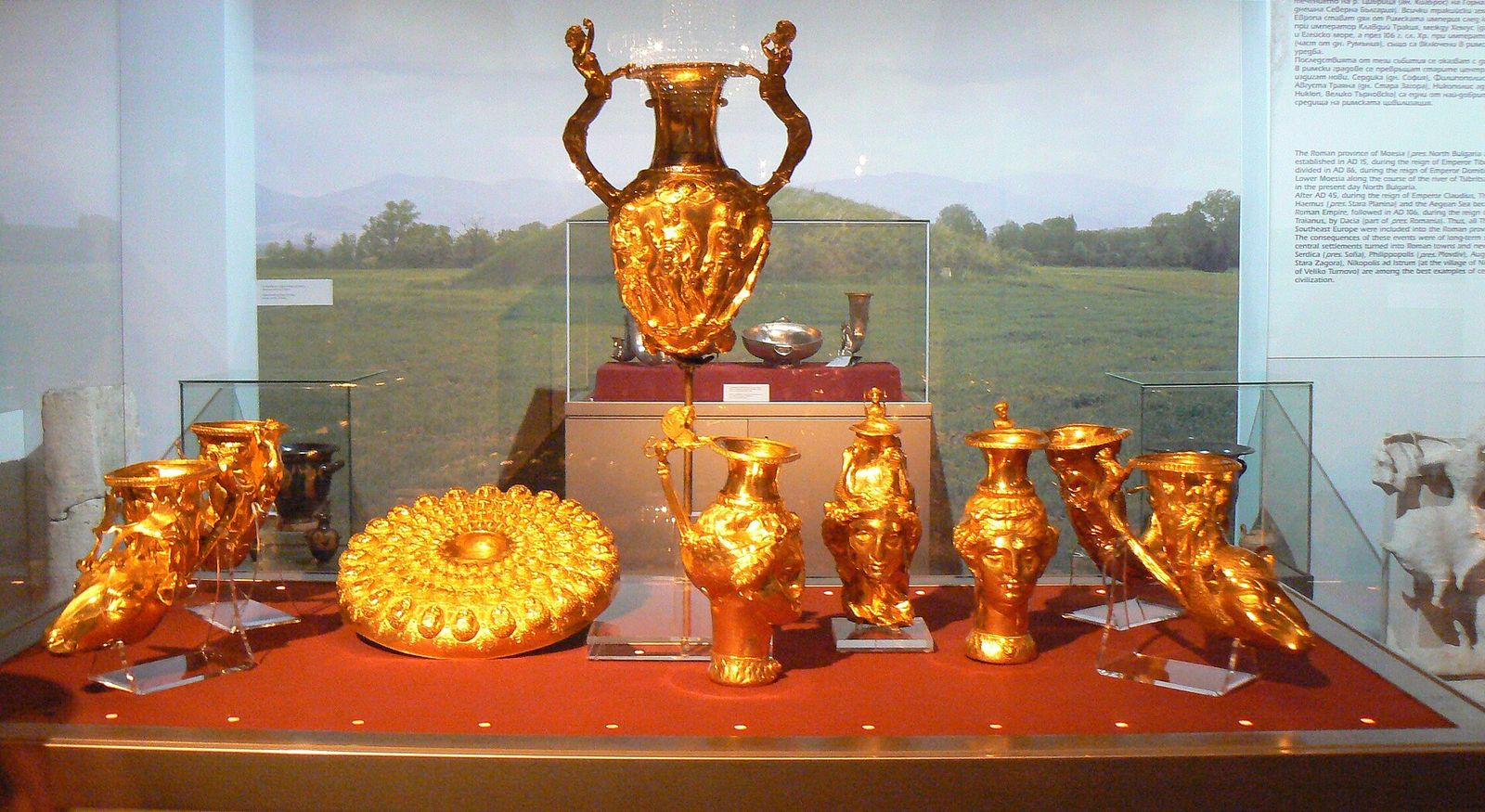
Their gold is the part I'd travel for. The Panagyurishte treasure, nine gold vessels found near the town of Panagyurishte in 1949, belongs to the National Historical Museum in Sofia, along with other Thracian hoards found around the country.
Romans and Serdica
Rome took the Thracian lands in the 1st century AD. The town that became Sofia was Serdica, named after the Serdi, a local tribe, and Roman armies took it around 29 BC. Under Emperor Trajan (98 to 117) it became Ulpia Serdica, and its first walls went up between 176 and 180.
Under Diocletian it became the capital of the province of Dacia Mediterranea. Two emperors, Aurelian and Galerius, were born here. In 311 Galerius issued the Edict of Toleration in Serdica, which ended the persecution of Christians two years before the better-known Edict of Milan. Constantine the Great is said to have called the town "my Rome", and in 343 a church council met where St Sofia Church stands now.
The Huns destroyed Serdica in 447. Emperor Justinian rebuilt it in the 6th century and doubled the thickness of its walls, and parts of them can still be seen in the center.
You can walk through Roman Sofia today. Metro building between 2010 and 2012 uncovered Roman streets, baths and houses under the center, and the Serdica ruins are free to see around Serdika station. The red-brick Rotunda of St George, a 4th-century church in a courtyard off the Largo, is the oldest building in the city.
681: Khan Asparuh and the First Bulgarian Empire
The Bulgars were a semi-nomadic people of Turkic descent from the steppes north of the Caucasus. Asparuh, one of the successors of Khan Kubrat, led them into the Balkans and founded a Bulgarian state in 681. The Bulgar elite brought the Slavs already living there into the new state, and the language that came out of it was Slavic.
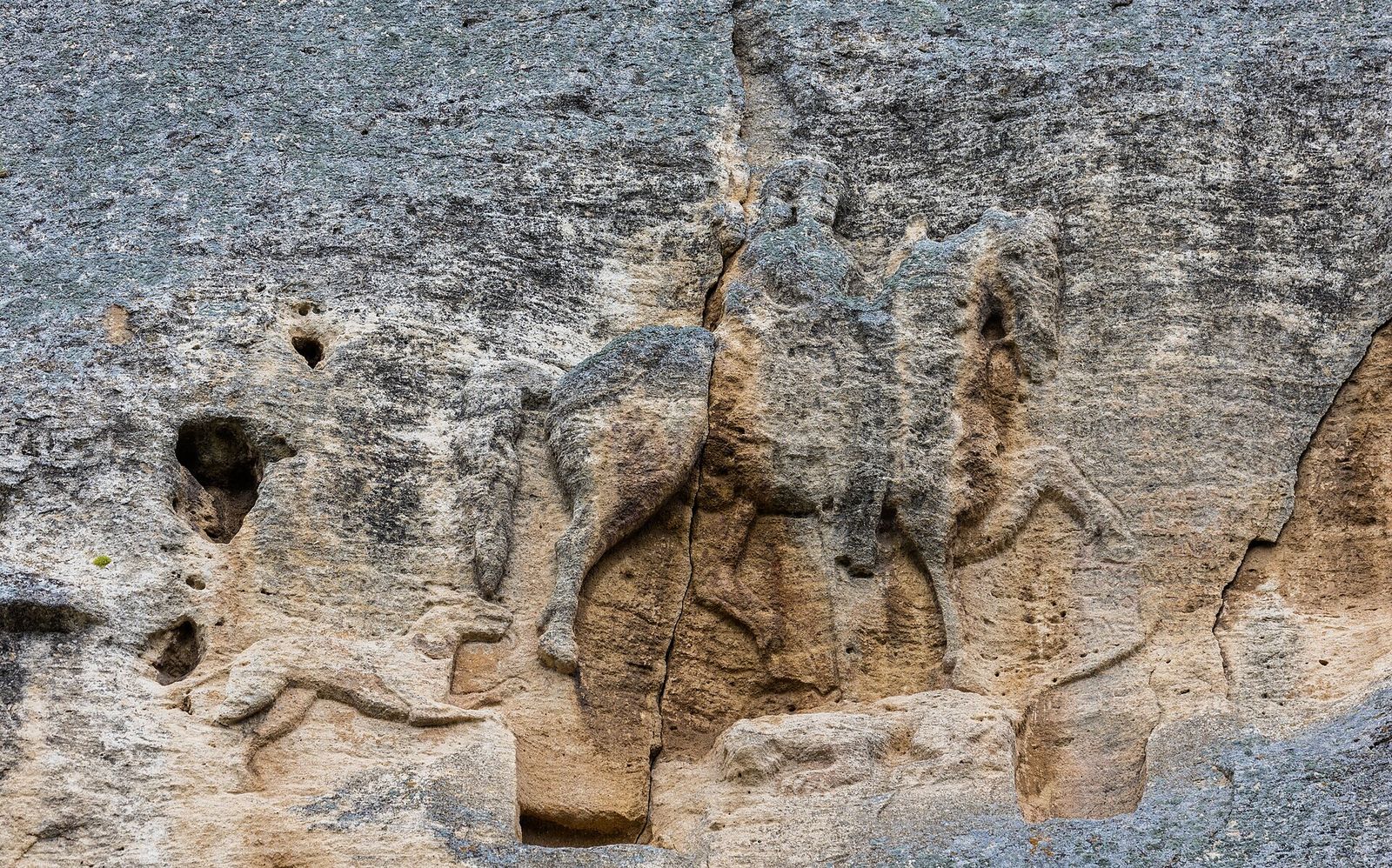
The Madara Rider, a horseman carved high into a cliff near Shumen, is the best-known monument of those first khans. Under Prince Boris I, Bulgaria became officially Christian in 864.
Along with the church came the alphabet. Saints Cyril and Methodius created the Glagolitic script for the Slavs, their disciples found a home in Bulgaria, and at the end of the 9th century the Preslav Literary School developed Cyrillic, the script the Bulgarian alphabet still uses today.
Simeon the Great, who ruled from 893 to 927, gave the empire its golden age, and his wars pushed Bulgaria's borders to the Black Sea, the Aegean and the Adriatic.
Sofia joined in 809, when Khan Krum took it from Byzantium, and the Bulgarians called it Sredets. The end came under Tsar Samuil. In 1014 the Byzantine emperor Basil II defeated his army and blinded 15,000 prisoners, Samuil died two months later, and by 1018 Byzantium ruled Bulgaria again.
The Second Bulgarian Empire and Veliko Tarnovo
In 1185 two boyars, the brothers Petar and Asen, led a revolt against Byzantium and founded the Second Bulgarian Empire, with its capital at Tarnovo, today's Veliko Tarnovo. Under Ivan Asen II it again reached three seas, and in 1235 the Bulgarian church got its patriarch back.
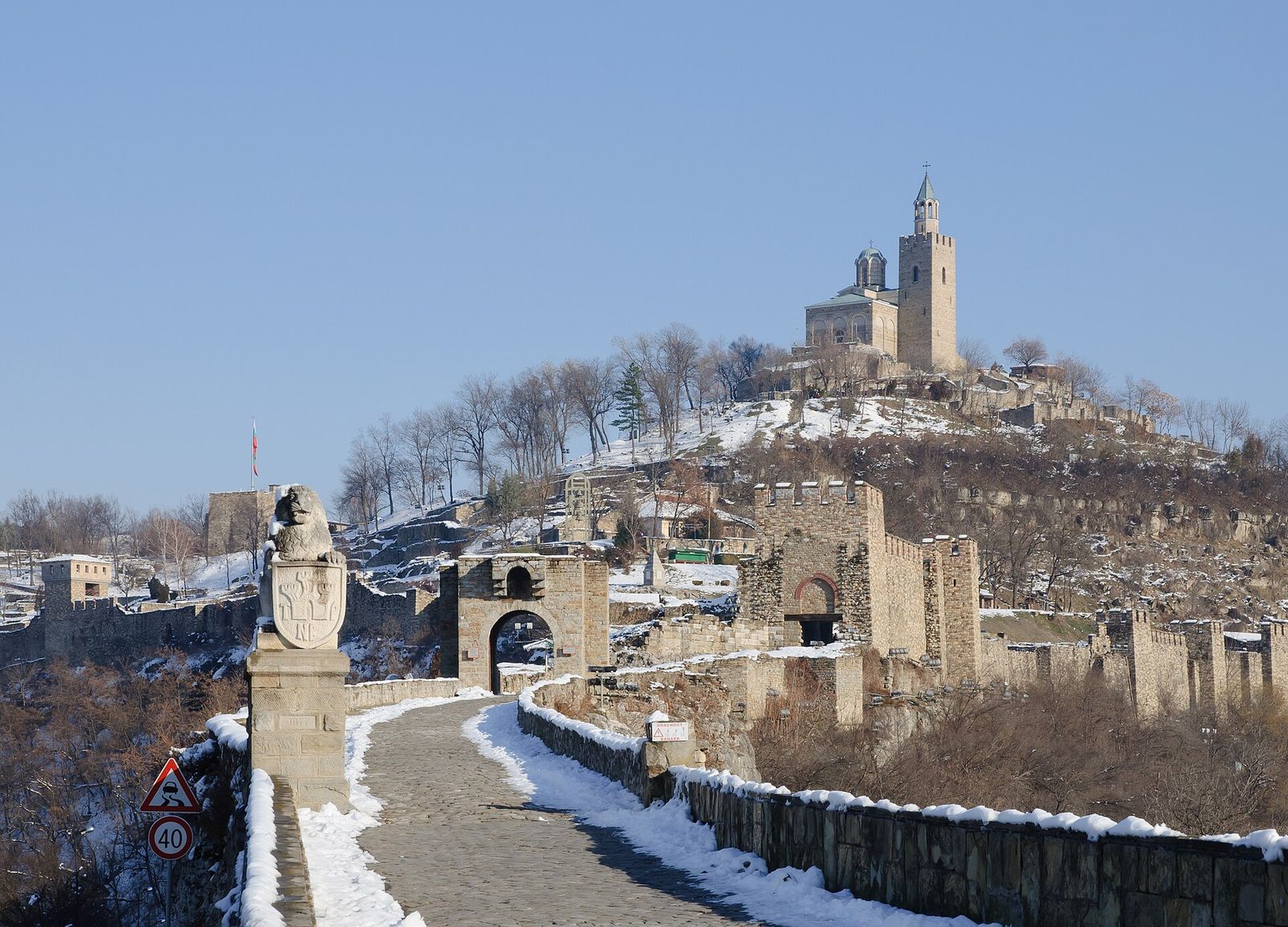
Tsarevets, the hill above the Yantra River, held the royal palace and the patriarch's church, and its walls still run around the top. For me it is the best place in Bulgaria to picture the medieval empire.
Sofia, still called Sredets, came back into the empire in 1191 and grew rich on trade and crafts, goldsmithing above all. The frescoes of Boyana Church, painted in 1259 at the foot of Vitosha, are the finest art left from these years. In 1376 the town took the name Sofia, after its church of St Sofia, though people used both names until the 16th century.
The Ottomans took Sofia in 1385 and Tarnovo in 1393. The last Bulgarian stronghold, Vidin, fell in 1396.
Nearly five centuries of Ottoman rule
Bulgaria was the first Balkan country to fall to the Ottoman Empire, and its rule lasted from 1396 to 1878. Rila Monastery kept going through those centuries and got back the relics of its founder, St John of Rila, in 1469.
For Sofia these were busy centuries. It was the seat of the governor of Rumelia, the Ottoman province that ran the Balkans, and a trading town for Bulgarians, Sephardic and Ashkenazi Jews, Armenians, Greeks and merchants from Ragusa, today's Dubrovnik. When the Ottomans left in 1878, Sofia had 20,501 people: 56% Bulgarian, 30% Jewish, 7% Turkish and 6% Roma.
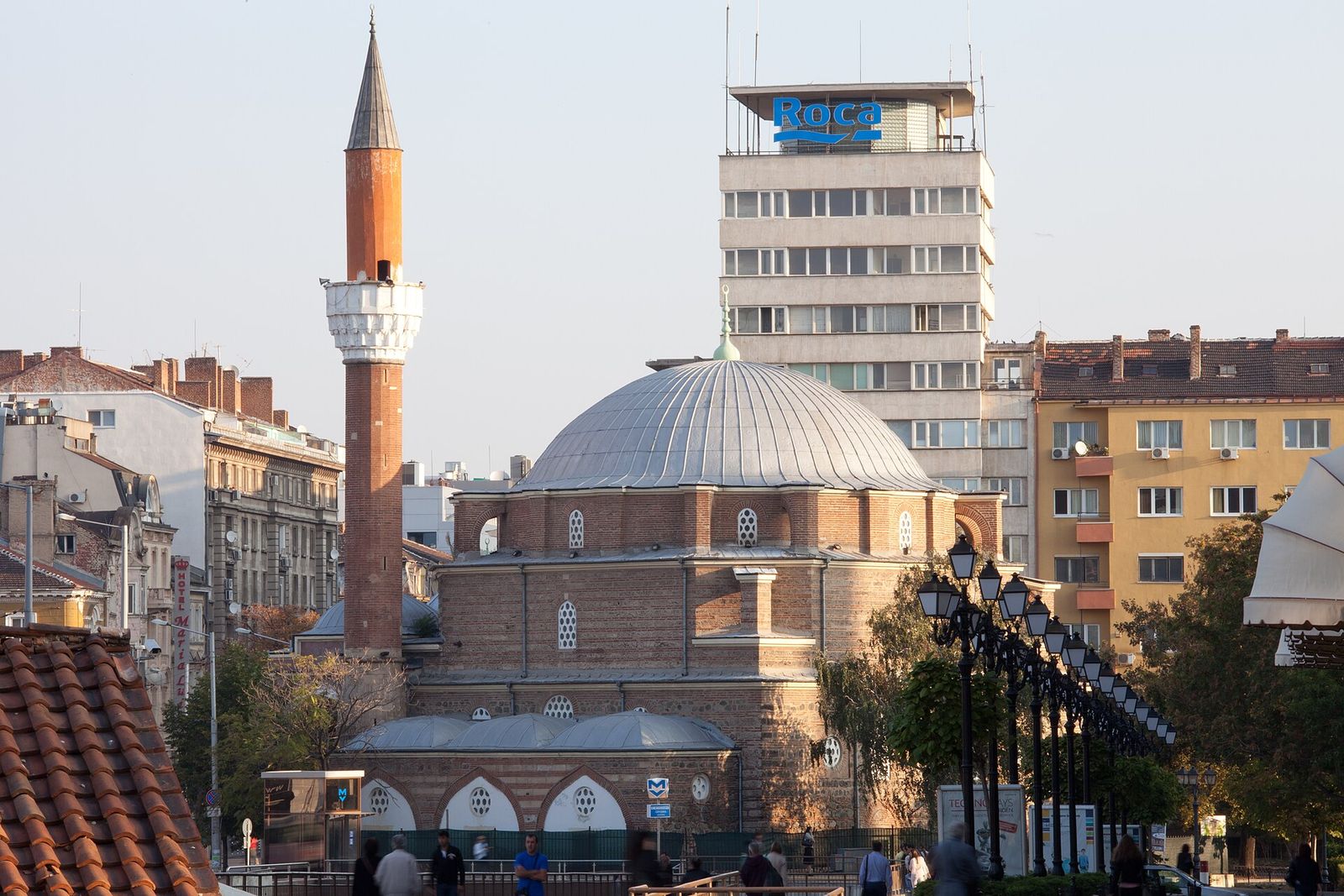
Of the mosques the city once had, only Banya Bashi Mosque, finished in 1566 or 1567 over the hot springs, still works as one. Another, the Buyuk Djamiya from 1494, now holds the National Archaeological Museum.
Bulgarian kept many Turkish loanwords from these centuries, though a lot of them gave way to Russian words in the 19th century. Even Bulgarian etiquette has an Ottoman-era story: one legend says Bulgarians swapped the head gestures for yes and no to confuse officials pressing them to convert.
The National Revival and the April Uprising
The Bulgarian National Revival began in 1762, when the monk Paisius of Hilendar wrote his History of the Slav-Bulgarians. Over the next century Bulgarians opened their own schools and, from 1856, chitalishta, community reading rooms that still run in towns all over the country.
Vasil Levski, the leading figure of the fight against Ottoman rule, is the national hero you will see on monuments, street names and walls everywhere.
In April 1876 the April Uprising broke out in Koprivshtitsa and the towns around it. The Ottomans put it down with great violence. Victor Hugo and Fyodor Dostoevsky were among the writers abroad who spoke up for Bulgaria, and Russia went to war with the Ottomans the next year.
1878: Liberation and a new capital
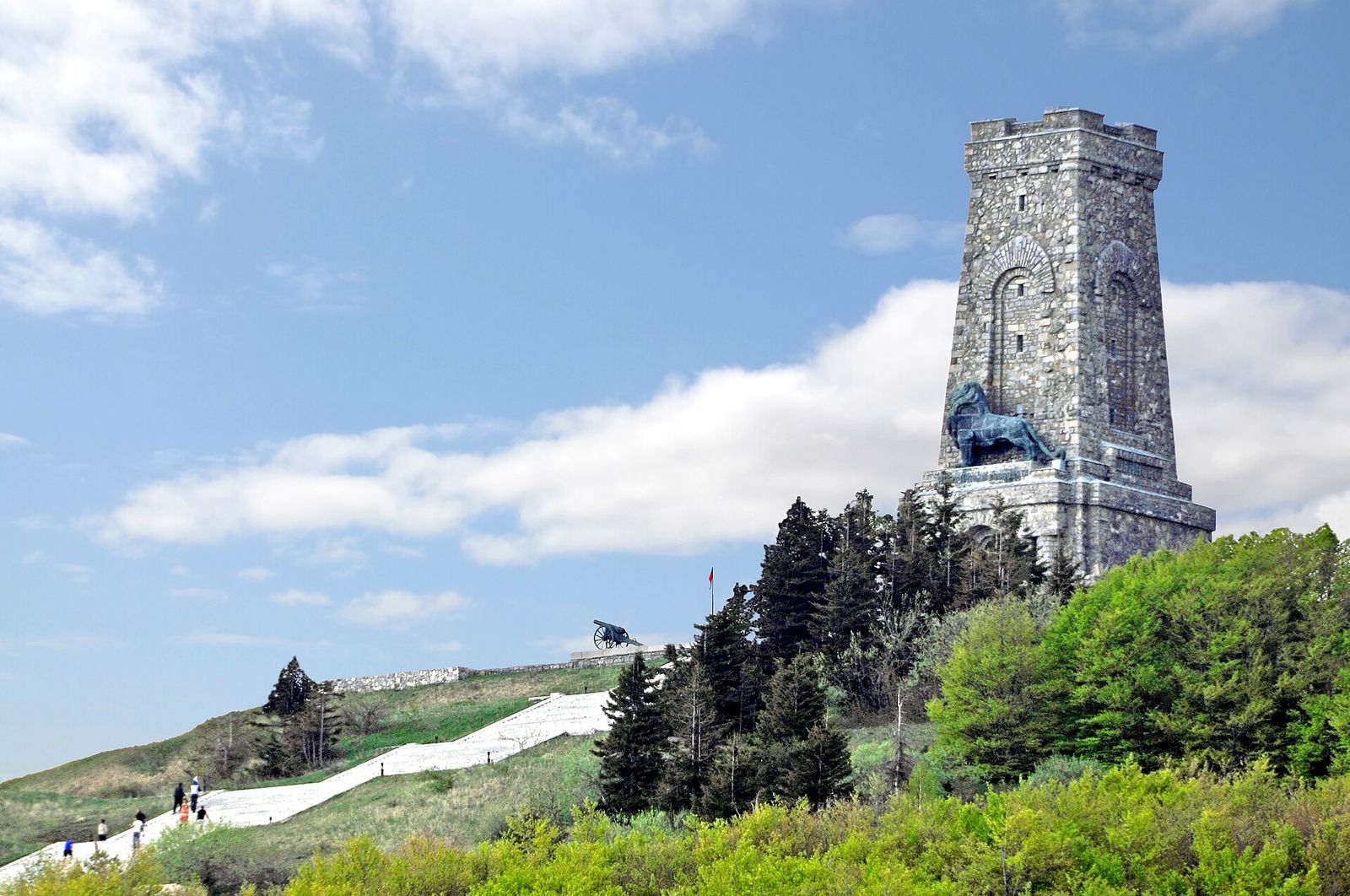
The Russo-Turkish War of 1877 and 1878 ended Ottoman rule. Russian troops and Bulgarian volunteers beat the Ottomans at the Shipka Pass in the Balkan Mountains, and the Treaty of San Stefano, signed on 3 March 1878, recognized a Bulgarian state. 3 March is now Bulgaria's national holiday.
Three months later, the Treaty of Berlin cut that state down. It left a Principality of Bulgaria in the north, made Eastern Rumelia in the south a separate autonomous region, and handed the rest back to the Ottomans.
Sofia became the capital in 1879, and the new state gave it Alexander Nevsky Cathedral, built from 1904 to 1912 for the Russian soldiers who died in the war.
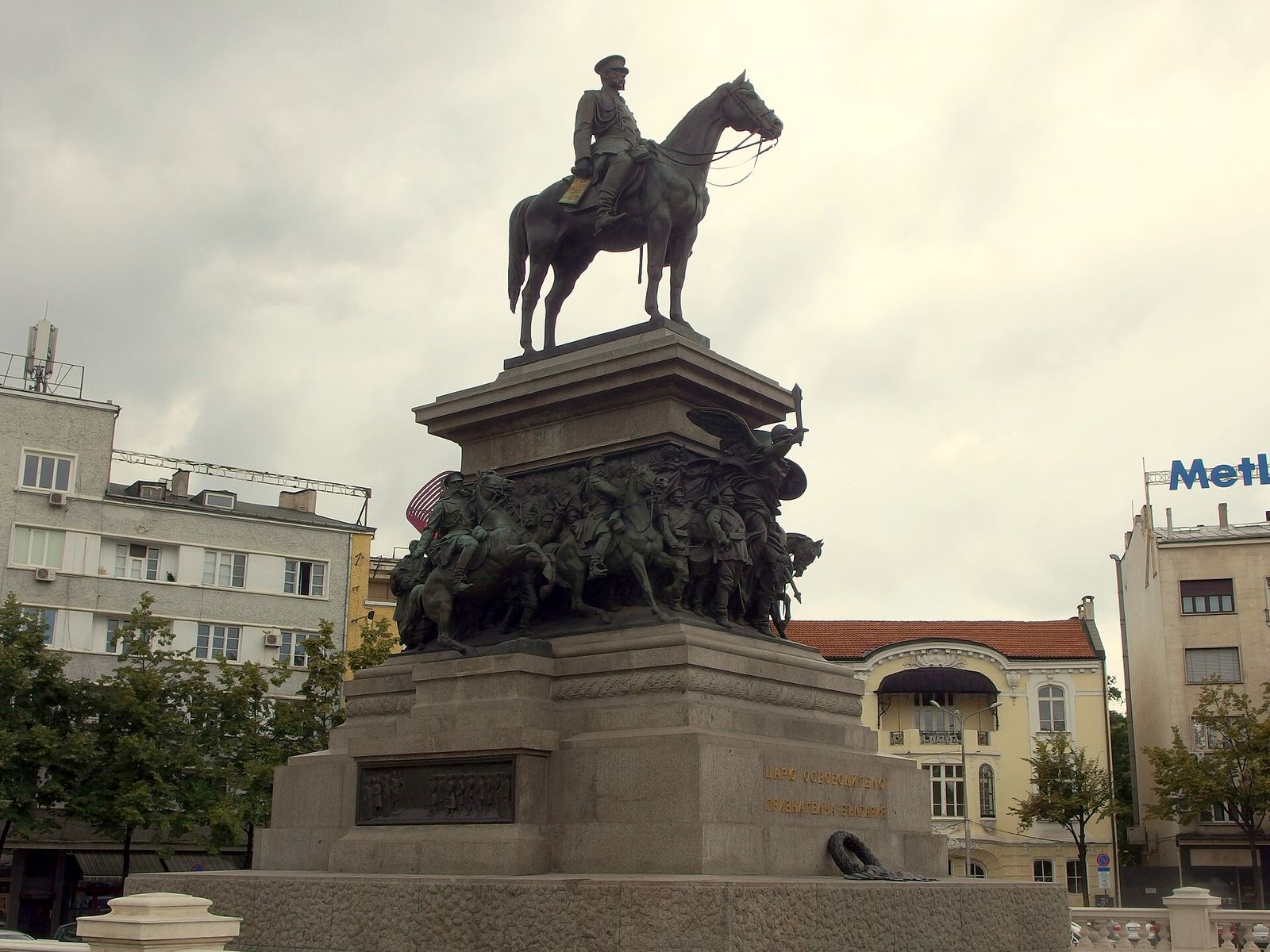
The Monument to the Tsar Liberator, Russia's Alexander II on horseback, went up in 1907 in front of the National Assembly. Eastern Rumelia joined the principality on 6 September 1885 under Prince Alexander Battenberg, and on 22 September 1908 Prince Ferdinand declared full independence and took the title of tsar.
Wars, communism and 1989
Bulgaria fought on the losing side in both world wars. It joined the Central Powers in World War I, and the 1919 Treaty of Neuilly took its Aegean coast and capped its army at 22,000 men. In World War II it joined Germany's side in 1941, and Allied planes bombed Sofia in late 1943 and early 1944.
During that war, public protest, the Orthodox Church, members of parliament and, in the end, Tsar Boris III blocked the deportation of Bulgaria's own Jews, and all of the roughly 48,000 survived. The Jews of Thrace and Macedonia, under Bulgarian occupation, were deported, and the museum inside the Sofia Synagogue tells both parts.
On 9 September 1944 the Fatherland Front took power in a coup, and in 1946 Bulgaria became a People's Republic. The Communist Party collectivized farmland, launched a drive to industrialize and kept the country close to Moscow for more than four decades. In 1989 the party ousted Todor Zhivkov, its leader since 1954, and Bulgaria moved to a multi-party system.
The communist years left concrete all over the country. The saucer-shaped Buzludzha monument was finished in 1981 on a peak in the Balkan Mountains, and many of the statues taken down after 1989 now stand at the Museum of Socialist Art in Sofia.
Bulgaria since 1989: NATO, the EU and the euro
The constitution adopted in July 1991 made Bulgaria a parliamentary republic with a directly elected president. Bulgaria joined NATO on 29 March 2004 and the European Union on 1 January 2007, which made Cyrillic the third official script of the EU after Latin and Greek. In 2018 it held the presidency of the Council of the EU.
Since 1 January 2026 Bulgaria has used the euro, adopted at a fixed rate of 1.95583 leva. Shops stopped taking leva on 1 February 2026, the Bulgarian National Bank still swaps old notes for free, and money in Bulgaria now runs on euro cash and cards.
Where to see Bulgarian history in and around Sofia
| Era | In Sofia | Farther out |
|---|---|---|
| Thracians | National Archaeological Museum, National Historical Museum | Thracian tomb of Kazanlak |
| Romans | Serdica ruins, Rotunda of St George | Roman theater in Plovdiv |
| First Empire | Glagolitic and Cyrillic finds at the National Historical Museum | Madara Rider, near Shumen |
| Second Empire | Boyana Church frescoes | Tsarevets in Veliko Tarnovo |
| Ottoman rule | Banya Bashi Mosque, the Buyuk Djamiya | Dzhumaya Mosque in Plovdiv |
| National Revival | Levski Monument | Koprivshtitsa, Rila Monastery |
| Liberation | Alexander Nevsky Cathedral, Tsar Liberator | Shipka Pass |
| Communism | Museum of Socialist Art, the Red Flat | Buzludzha |
In Sofia I'd take the eras in order: Thracian gold at the Archaeological Museum, Roman Serdica under the streets, Banya Bashi and the cathedral, then the communist years at the Museum of Socialist Art. Most of it is within walking distance, and Sofia's best museums charge €3 to €9.
Key takeaways
- Bulgaria was founded in 681 by Khan Asparuh and has kept its name ever since.
- Cyrillic was developed in the First Bulgarian Empire at the end of the 9th century, at the Preslav Literary School.
- Ottoman rule lasted from 1396 to 1878, and Sofia has been the capital since 1879.
- Bulgaria's own Jews, about 48,000, all survived World War II.
- Communism ended in 1989, and Bulgaria joined the EU in 2007 and the euro in 2026.
Frequently asked questions
What is Bulgaria known for in history?
Bulgaria is known for being one of Europe's oldest states, founded in 681, and for creating the Cyrillic alphabet. It is also known for Thracian gold, nearly five centuries of Ottoman rule, and for saving its Jewish citizens during World War II.
How old is Bulgaria?
The Bulgarian state dates from 681, so it turns 1,345 years old in 2026. People lived on its land much earlier: Neolithic farming villages date from about 6000 BC, and the gold of the Varna cemetery from about 4500 BC.
Where are Bulgarians originally from?
Bulgarians trace their roots to the Bulgars, a people of Turkic descent who came from the steppes and founded the state in 681, and to the Slavs who already lived in the Balkans. Both settled on land the Thracians had held before them, and the language that won out is Slavic.
What country did Bulgaria used to be part of?
Bulgaria was part of the Roman Empire and then Byzantium before 681, under Byzantine rule again from 1018 to 1185, and part of the Ottoman Empire from 1396 to 1878. It has been an independent state since then, fully so since 1908.
Was Bulgaria part of the Soviet Union?
No. From 1946 to 1989 Bulgaria was a communist People's Republic and a close ally of the Soviet Union, but it stayed a separate country and was never a Soviet republic.
Is Bulgarian more Russian or Greek?
Bulgarian is a Slavic language, so it is much closer to Russian than to Greek, and it is closest of all to Macedonian. The link to Greece is the alphabet: Cyrillic was built in Bulgaria largely from Greek letters.
When did Sofia become the capital of Bulgaria?
Sofia became the capital in 1879, a year after the Liberation. Before that the medieval capitals were Pliska, Preslav and Tarnovo, today's Veliko Tarnovo.
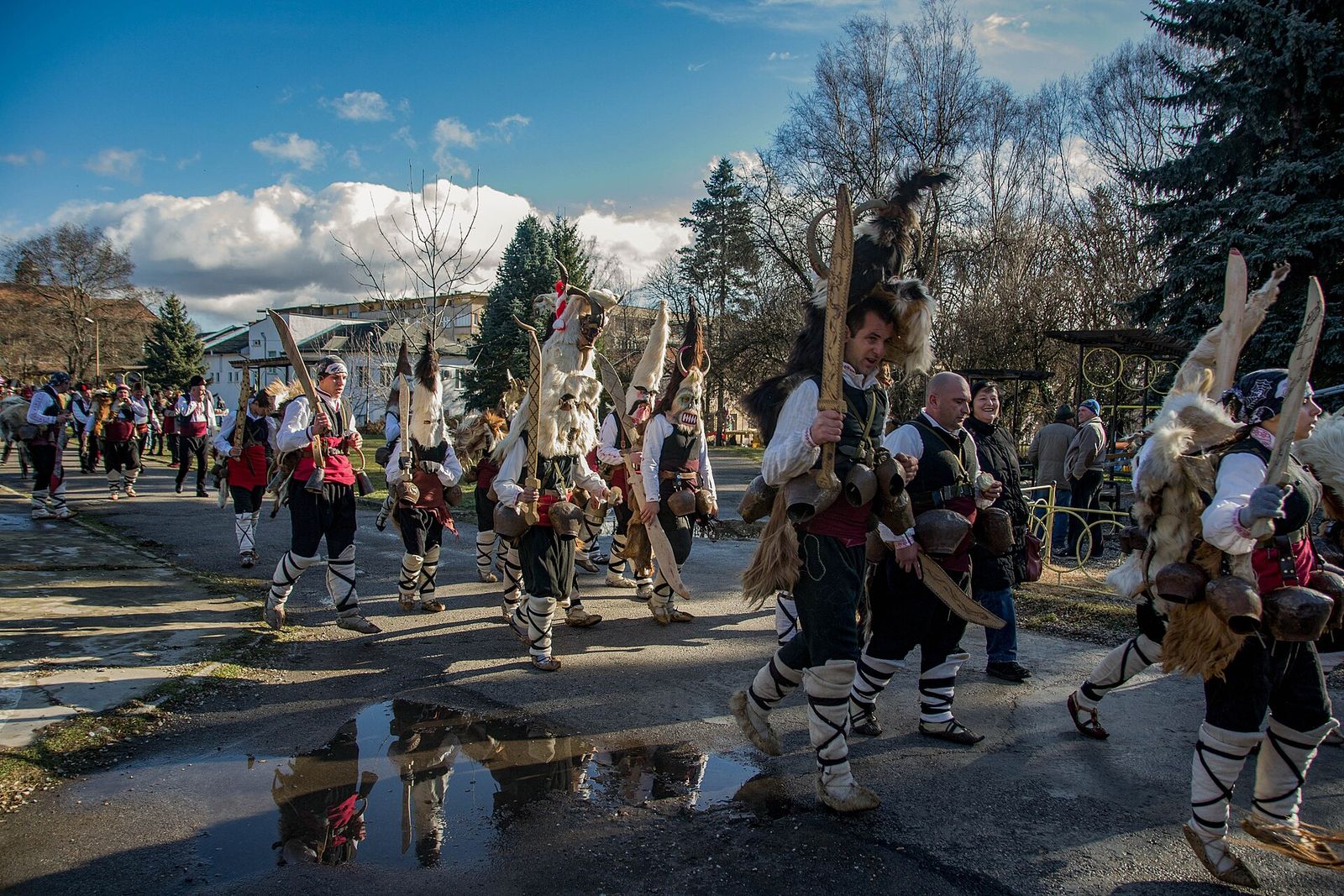
Bulgarian Culture and Traditions: A Visitor's Guide
Bulgaria gave the world Cyrillic, and has kukeri, fire-dancers and a nod that means no. Here is what to know.
Read the guide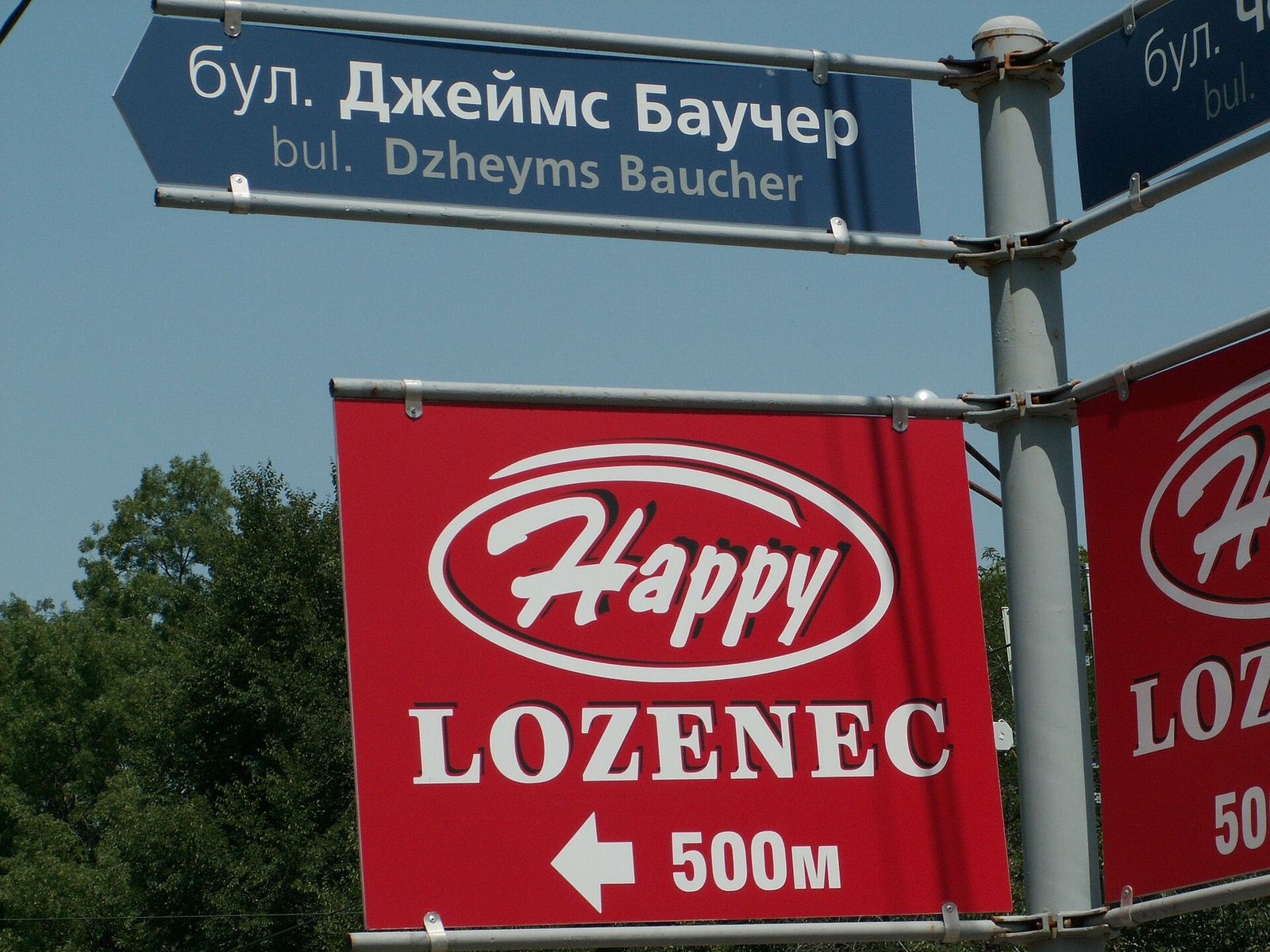
Bulgarian Phrases for Travelers: The Words I'd Learn First
Bulgarian is written in Cyrillic and read the way it looks. Here are the phrases I would learn before a trip to Sofia.
Read the guide
The Cyrillic Alphabet in Bulgaria
Cyrillic was born in Bulgaria. Here are its 30 letters, how to read a Sofia street sign, and what 24 May celebrates.
Read the guide