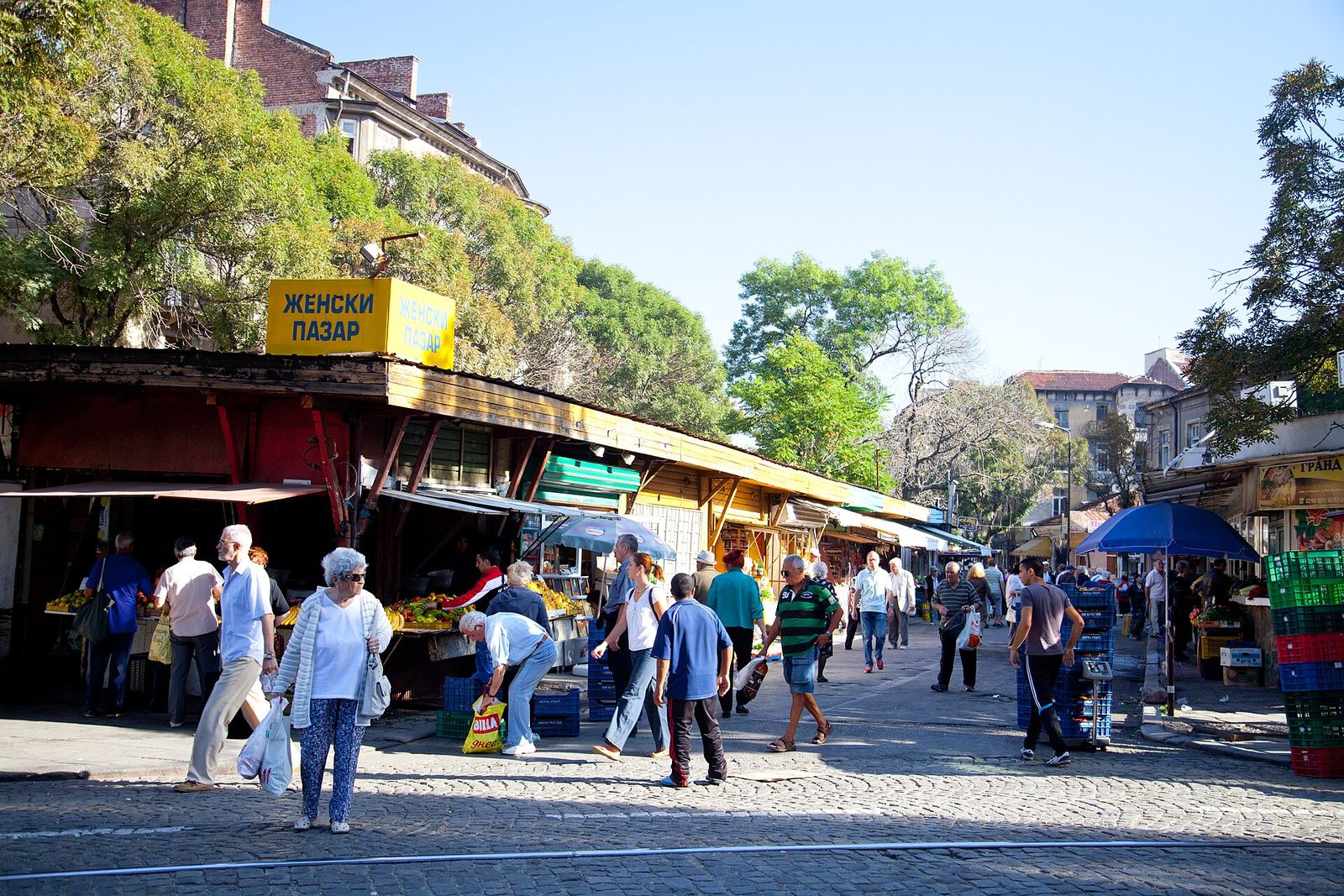
Zhenski Pazar: A Guide to Sofia's Women's Market
Zhenski Pazar, the Women's Market, is Sofia's oldest and largest open-air market, a long run of stalls on Stefan Stambolov Boulevard where the city buys its fruit, cheese and spices. This guide covers where it is, how it got its name, what to buy and eat, how paying works, what to see around it and the hour I'd go.
Zhenski Pazar at a glance
Up to 60,000 people a day visit Zhenski Pazar, most of them Sofia locals buying their groceries. It is the place in the center where I'd see how the city eats, and it is still the cheapest place in the center for fruit and vegetables.
Where Zhenski Pazar is and how to get there
The market takes up the northern part of Stefan Stambolov Boulevard, from around Todor Alexandrov Boulevard up to Slivnitsa Boulevard by Lavov Most, the Lions' Bridge. It sits just behind the Central Market Hall, a few blocks north of Pirotska Street, so the stalls are an easy add to a morning in the old center.
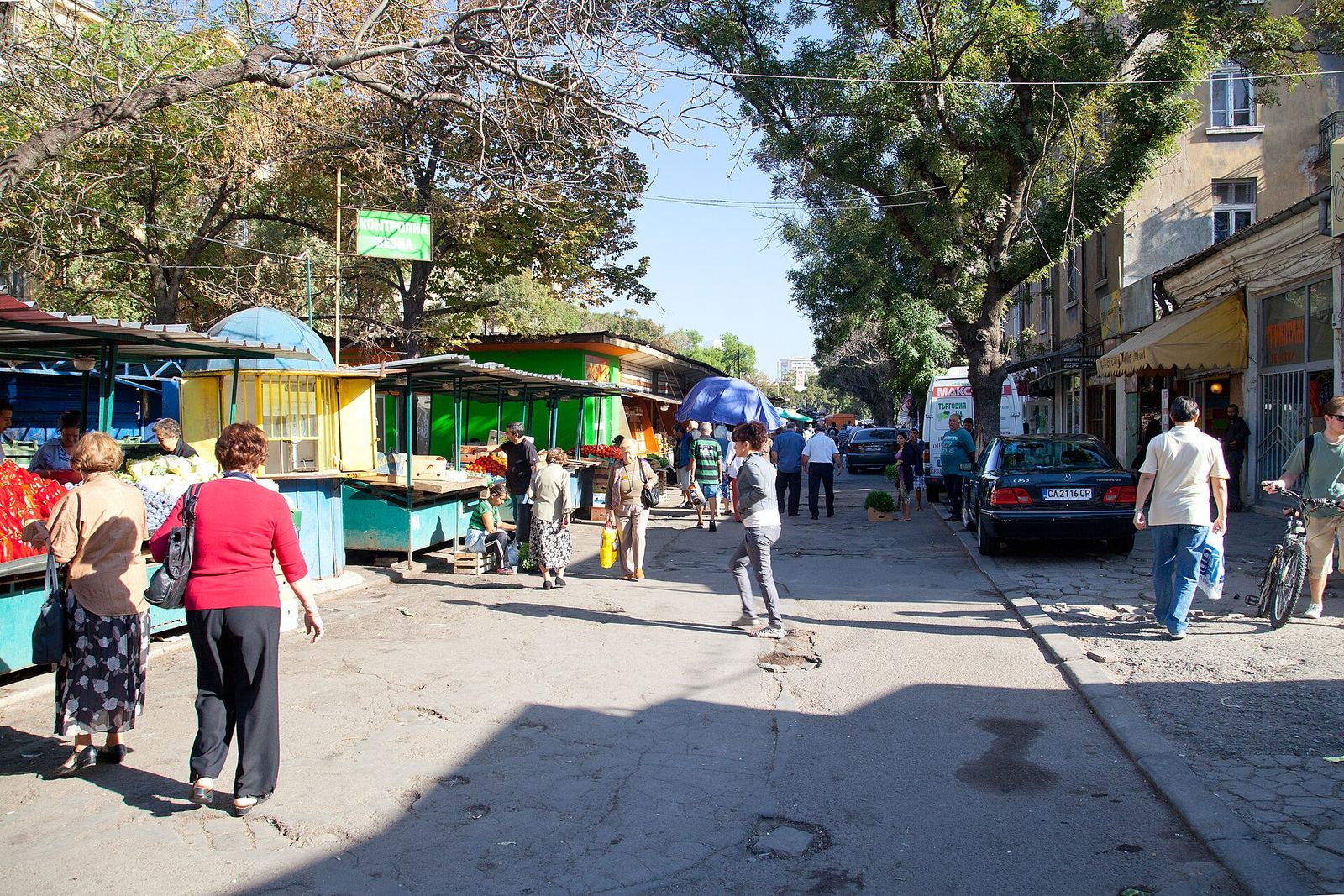
Most of the stalls stand in the open under long covered roofs, and small shops line the edges of the market on both sides. Information boards in several languages tell the market's story along the way.
From Serdika metro it is about 5 minutes on foot. From the Central Market Hall, walk a few blocks along Pirotska Street and turn north. A ride on the Sofia metro costs €0.80, and Serdika is the main interchange in the center, so the market is one change away from almost anywhere in the city.
The neighborhood around it is called the Square of Tolerance, because a mosque, a synagogue and Orthodox and Catholic churches all stand within a few minutes of each other here. The Church of Sts Cyril and Methodius is right beside the market.
A short history of the Women's Market
Before 1878 this spot was known as the Wheat Market and the Horse Market, a place where farmers from the villages around Sofia came to sell their grain, animals and produce. The market as it is today was set up shortly after the Liberation from Ottoman rule in 1878.
The name comes from a legend about an Ottoman-era custom that kept women away from every market except the village market and the ones meant for their own needs, and this became the market where women could shop.
| Period | Name | What happened |
|---|---|---|
| Before 1878 | Wheat Market, Horse Market | Farmers from nearby villages sold grain, animals and produce |
| From 1878 | Zhenski Pazar | The market was set up shortly after the Liberation |
| Early 20th century | Zhenski Pazar | The city merged smaller street markets into it, making it Sofia's main trading place |
| Communist era to 1990 | Georgi Kirkov Market | Named after the boulevard's name at the time; one of the few places private farm trade was allowed |
| 2014 | Zhenski Pazar | A rebuild added new pavilions, better services and the Serdika Gallery |
The communist name came from the boulevard, which then carried Georgi Kirkov's name. The old name came back in 1990, a year after communist rule ended, and the 2014 rebuild was paid for partly by the European Union, which Bulgaria joined in 2007.
Walk around behind the stalls for the market's street art: the artist Gana painted the back of a stall that sells nuts. The walls around the Women's Market are some of the easiest street art in Sofia to find in the center, and the duo Arsek & Erase covered a building on Tsar Samuil Street, a short walk away.
What to buy at Zhenski Pazar
Food fills most of the market, and a few traders on the edges sell clothes, combat gear and bric-a-brac.
| What | What to know |
|---|---|
| Fruit and vegetables | Big traders and small producers side by side |
| Sirene, the white cheese | Ask to taste before you buy, because quality varies from stall to stall |
| Lyutenitsa | Homemade, sold by weight, about €2 to €4 for a small tub |
| Lukanka and sudzhuk | Dried sausages, sliced to order at the deli counters |
| Honey | In jars, and as honeycomb to eat |
| Garlic, herbs and spices | Garlic stalls, dried herbs, local spices and Middle Eastern ones |
| Earthenware pots | The kind Bulgarian taverns serve kavarma in |
| Wine and rakia | In the shops around the market, with more choice than a supermarket |
| Fish | River fish and Black Sea seafood, and some stalls cook it for you |
| Groceries from abroad | Arabic and Chinese food shops and halal butchers around the edges |
| Clothes and household goods | Cheap everyday stalls and shops on the edges |
Fruit, vegetables and cheese
Greengrocers take up most of the aisles. Some are big stalls with a bit of everything and others belong to small producers with a few crates of whatever they grew.
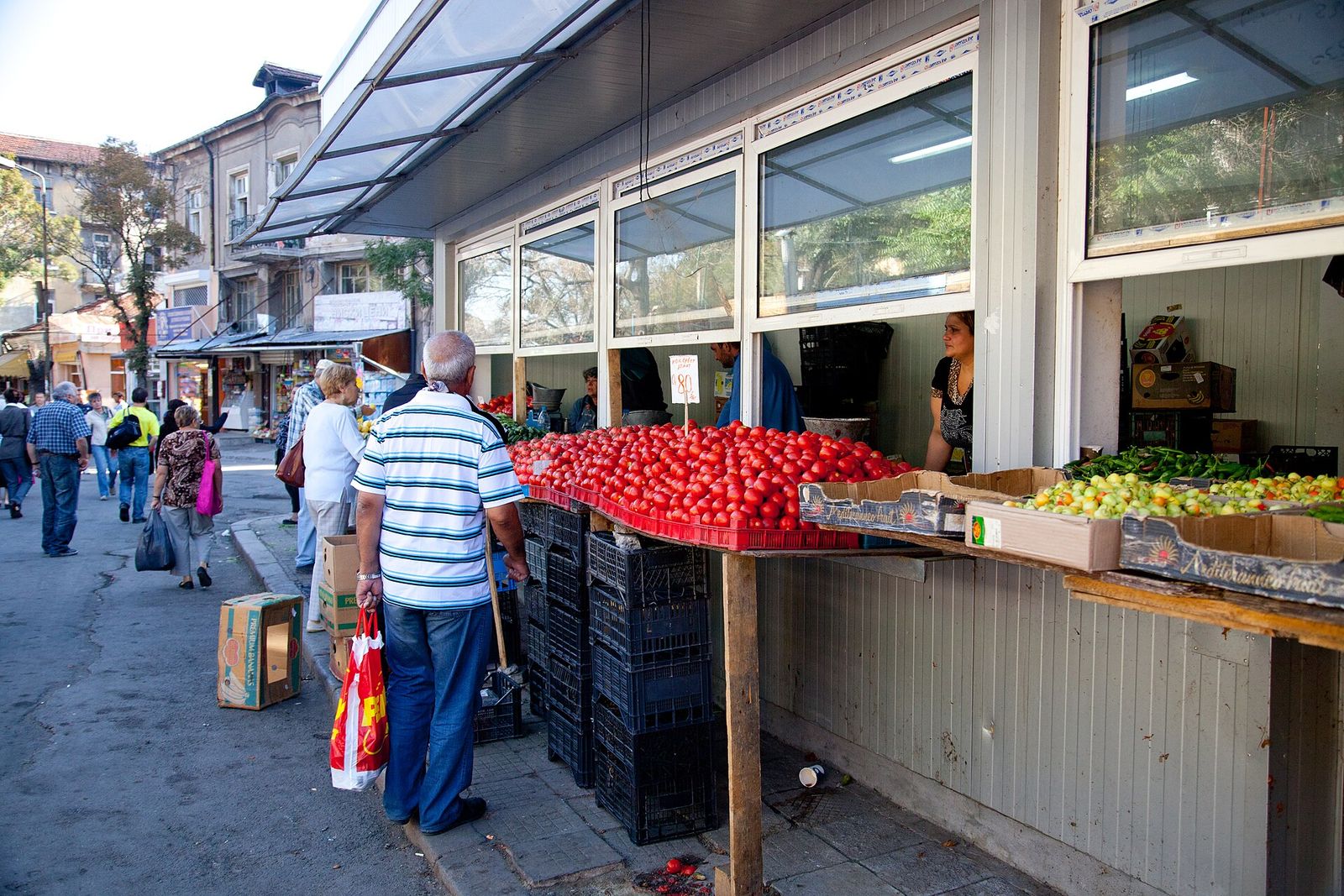
Prices are written on cardboard signs, usually per kilo, and if you do not speak Bulgarian the stallholder shows you the total on a calculator. Sirene, the white brined cheese that goes into shopska salad and banitsa, is sold from the dairy counters. Fruit from here makes the best picnic in the city, and I'd carry a bag of it to Borisova Gradina, my pick of Sofia's parks for an afternoon on the grass.
Spices, honey and jars
The spice stalls are where I'd buy something to take home. Chubritsa, the summer savory Bulgarians put in almost everything, and sharena sol, the salt, paprika and herb mix served with bread, weigh almost nothing and cost very little. There are dedicated garlic stalls, and Middle Eastern spices sit next to the local ones.
Honey comes in jars and as honeycomb, and the lyutenitsa sellers scoop the red pepper relish into tubs by weight. For a bottle, the wine and spirit shops around the market carry rakia from more regions than the supermarkets do, from grape rakia to plum rakia from Troyan.
Pots and homeware
A few traders sell the heavy glazed earthenware pots you see in Bulgarian taverns. They are made for the oven, and they are the most practical of the Bulgarian crafts to buy, if you have room in your bag and arms strong enough to carry one home.
Eating at Zhenski Pazar
Zhenski Pazar is one of the cheapest places to eat in central Sofia. The bakery stalls sell banitsa and mekitsi from the early morning, and the deli counters slice lukanka or sudzhuk into a sandwich while you wait.
A slice of banitsa costs from about €1, and mekitsi, the fried dough served with powdered sugar or jam, run about €1 to €2. The cheese pastry is the classic Sofia breakfast, and the market's bakery stalls are on my list of where to eat banitsa for a slice on the move.
Some fish stalls cook what they sell and serve it as a snack or lunch. Small bars and cafes around the market pour Bulgarian beer and coffee and sell simple street food, so you can sit down after a walk through the stalls. The grill counters on the streets around the market sell kebapche in a bun, the other staple of street food in Sofia.
Prices, paying and haggling at Zhenski Pazar
Bulgaria has used the euro since 1 January 2026, so every stall prices in euros. A kilo of tomatoes is already cheap on the signs, and I'd save my haggling for the antiques stalls at Alexander Nevsky.
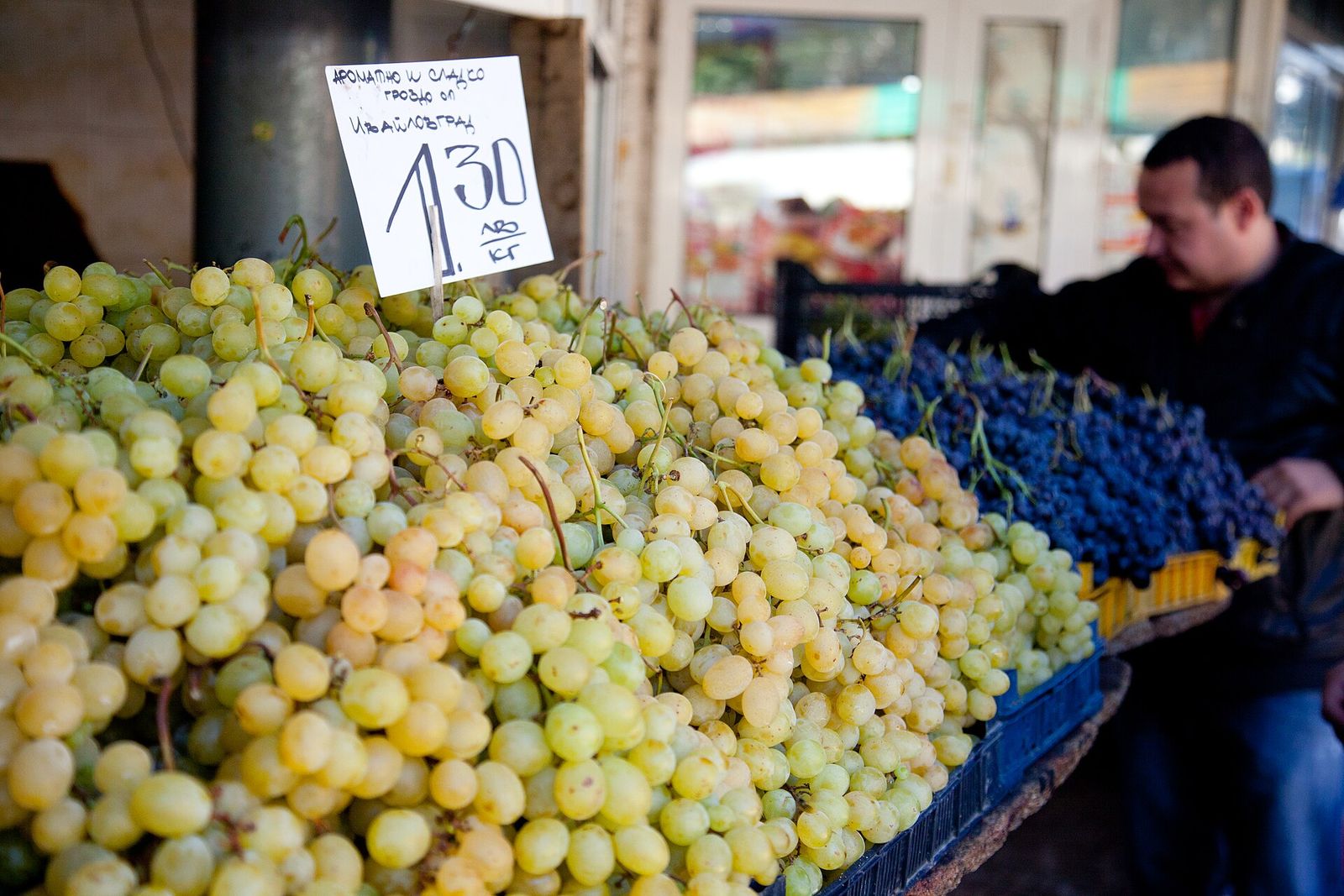
Bring cash in small notes and coins. Most stallholders do not take cards, and a few euros cover a bag of fruit, a tub of lyutenitsa and a banitsa. Cards work in most shops in the center, and money in Bulgaria is simple now that the euro has replaced the lev, but the market is the one place I'd always carry cash.
Bulgaria is rated Level 1, the lowest advisory, for US travelers, so staying safe in Sofia at the market comes down to that zipped bag. I'd bring a tote of my own for the fruit and vegetables too.
Zhenski Pazar or the Central Market Hall?
Since May 2024 the two food markets in the old center have been very different places. The Central Market Hall on Maria Luiza Boulevard is a 1911 building that now holds a supermarket laid out like a market hall, with Roman Serdica's wall on show in its basement. Zhenski Pazar is still a street market with stalls, stallholders, cash and banitsa from a counter.
I'd see the hall for its building and come to Zhenski Pazar to shop and eat. They are a few minutes apart on foot, so the two fit into the same morning. The other markets in Sofia in the center are the antiques stalls by Alexander Nevsky Cathedral and the book stalls on Slaveykov Square, neither of them food markets.
What to see near Zhenski Pazar
| Sight | Where | What it is |
|---|---|---|
| Church of Sts Cyril and Methodius | Beside the market | An Orthodox church named after the brothers who created the first Slavic alphabet |
| Lavov Most | The north end of the market | The Lions' Bridge, with the remains of a Roman bridge nearby |
| Central Market Hall | A few blocks south | The 1911 market hall, now a supermarket with Roman remains in the basement |
| Banya Bashi Mosque | A few minutes south | An Ottoman mosque from 1566 or 1567, the only working mosque in Sofia |
| Sofia Synagogue | A few minutes south | The 1909 synagogue, the largest in Southeastern Europe |
| Pirotska Street | South of the market | Sofia's first pedestrian shopping street |
Banya Bashi Mosque and the Sofia Synagogue are the two I'd pair with the market, since both are on the way back toward Serdika. Pirotska Street links the market to the hall, a pedestrian street of small shops that I'd pick over Vitosha Boulevard for everyday shopping in Sofia.
When to go to Zhenski Pazar
The market is open every day, from about 7 AM until the early evening, and Sunday is the quietest day.
The produce follows the seasons, and in the days before Liberation Day on 3 March the bric-a-brac stalls sell Bulgarian flags next to it.
Who Zhenski Pazar suits
- Self-caterers and budget travelers. With a kitchen in a hostel or an apartment, the market covers breakfast, picnics and dinner for a few euros, and Sofia on a budget is easiest when you shop where locals shop.
- Food lovers. It is the best place in the center to see what Bulgarians cook with, and to taste sirene, lyutenitsa and lukanka side by side.
- Photographers. Crates of peppers, grapes and tomatoes with handwritten price signs stuck in them give you a picture at almost every stall.
- First-time visitors to the old center. The market sits next to the mosque, the synagogue and the Central Market Hall, so it slots into a morning of sightseeing.
Skip it if:
- You want gifts to hand out. Apart from the clay pots, the market sells food and everyday goods, and the lace and icons are on the stalls beside Alexander Nevsky Cathedral.
- You can only come in the late afternoon. By then the prepared food is gone and many stalls are packing up.
- You dislike crowds. The main aisles are packed on a busy morning.
Key takeaways
- Zhenski Pazar is Sofia's oldest and largest open-air market, on Stefan Stambolov Boulevard about 5 minutes on foot from Serdika metro.
- Go before 10 AM on a weekday for warm banitsa, full bakery stalls and the freshest produce.
- Buy fruit, sirene, lyutenitsa, honey and spices here, and look in the shops around the edges for wine and rakia.
- Bring cash, check what the seller puts in your bag, and keep your valuables zipped away.
Frequently asked questions
What is Zhenski Pazar?
Zhenski Pazar is Sofia's oldest and largest open-air market, on Stefan Stambolov Boulevard in the center. Locals buy fruit, vegetables, cheese, spices, fish and everyday goods there, and up to 60,000 people visit it on a busy day.
Why is it called the Women's Market?
The name goes back to a legend about an Ottoman-era custom. Women were kept away from every market except the village market and those meant for their own needs, and this became the market where they could shop.
What are the opening hours of Zhenski Pazar?
The market is open every day from about 7 AM until the early evening. The prepared food runs low by mid-afternoon, so I'd go in the morning.
Is Zhenski Pazar open on Sunday?
Yes, the market trades on Sundays. It is quieter than on other days, which makes it a calmer first visit.
What can you buy at Zhenski Pazar?
Fruit and vegetables, sirene cheese, honey, garlic, herbs and spices, homemade lyutenitsa, lukanka, fish, wine and rakia. Banitsa and mekitsi from the bakery stalls make a cheap breakfast.
Can you pay by card at Zhenski Pazar?
Mostly no. Most stalls take cash only, so bring euros in small notes and coins, and save the card for the shops on the streets around it.
Is Zhenski Pazar safe?
Yes, it is a busy, everyday market in the center. Pickpockets work the crowds, so keep your phone and wallet zipped away, and check the produce the seller puts in your bag.
How do I get to Zhenski Pazar?
Take the metro to Serdika and walk about 5 minutes north. From the Central Market Hall, walk a few blocks along Pirotska Street and turn north onto Stefan Stambolov Boulevard.
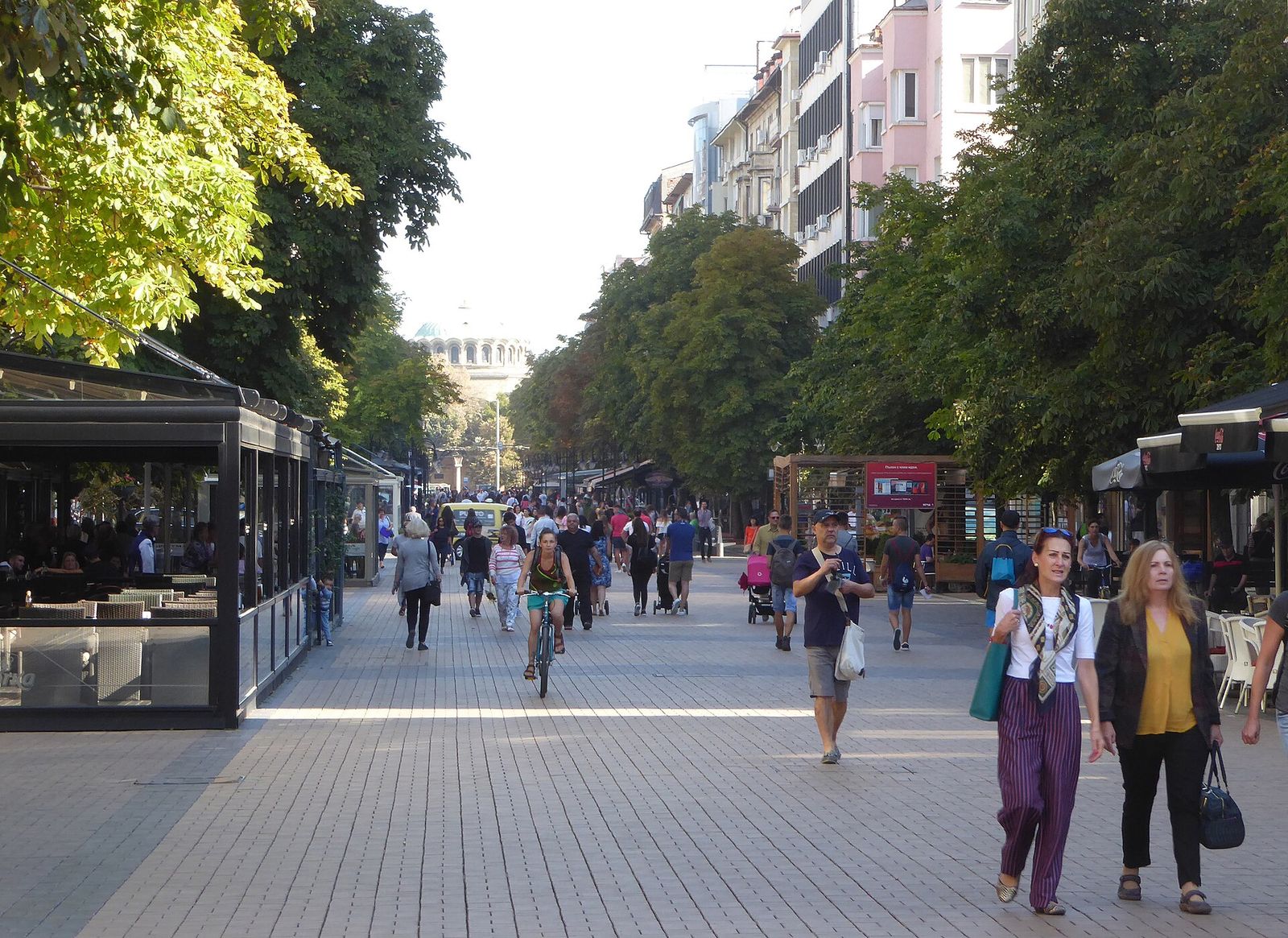
Shopping in Sofia: Streets, Markets and What to Buy
Sofia is known for one long shopping boulevard and a lot of small streets. Where to shop, what to buy and what it costs.
Read the guide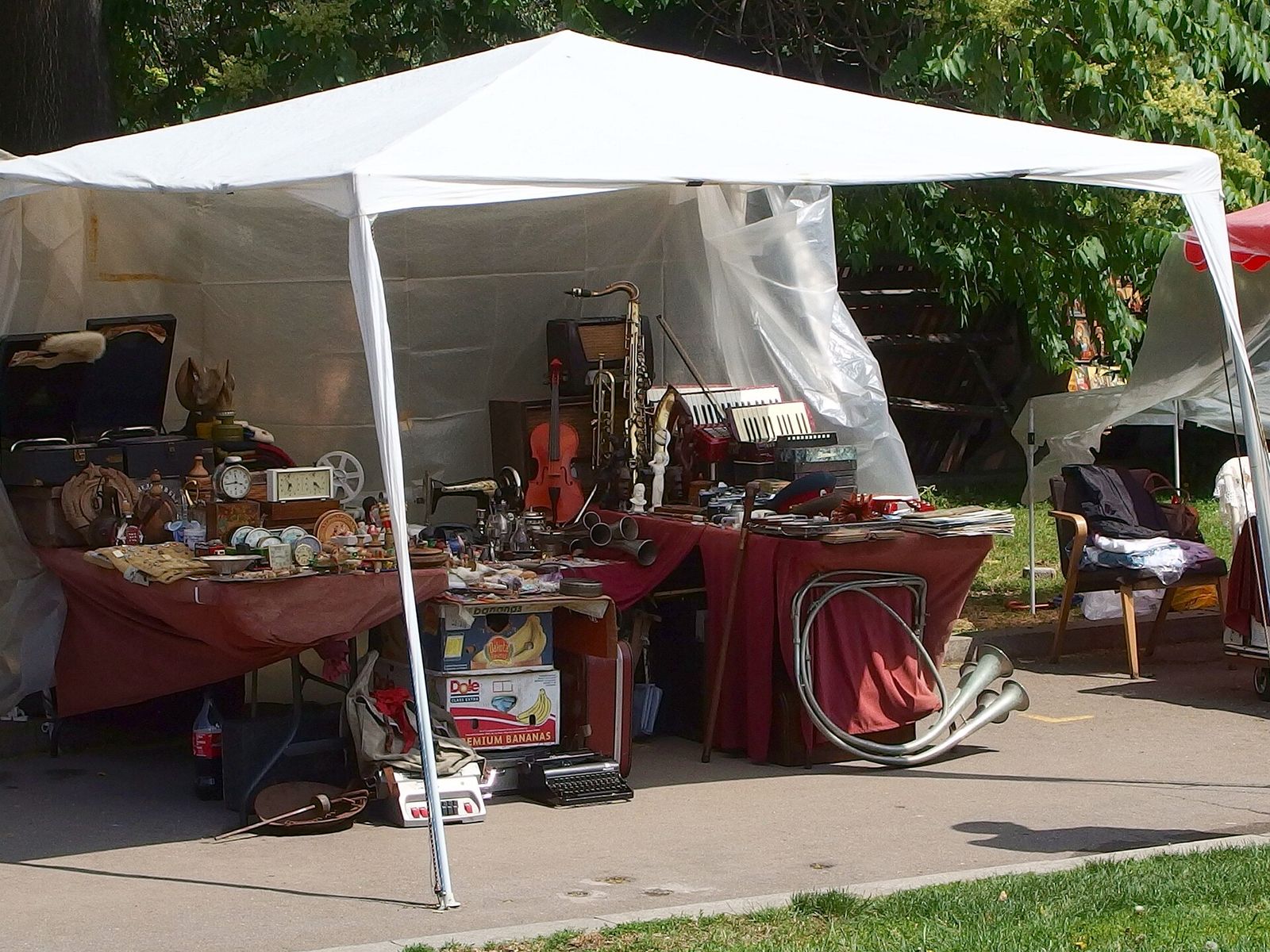
The Antiques Market at Alexander Nevsky: Sofia's Flea Market
Sofia is known for the antiques stalls beside its cathedral. What they sell, how to haggle and when to go.
Read the guide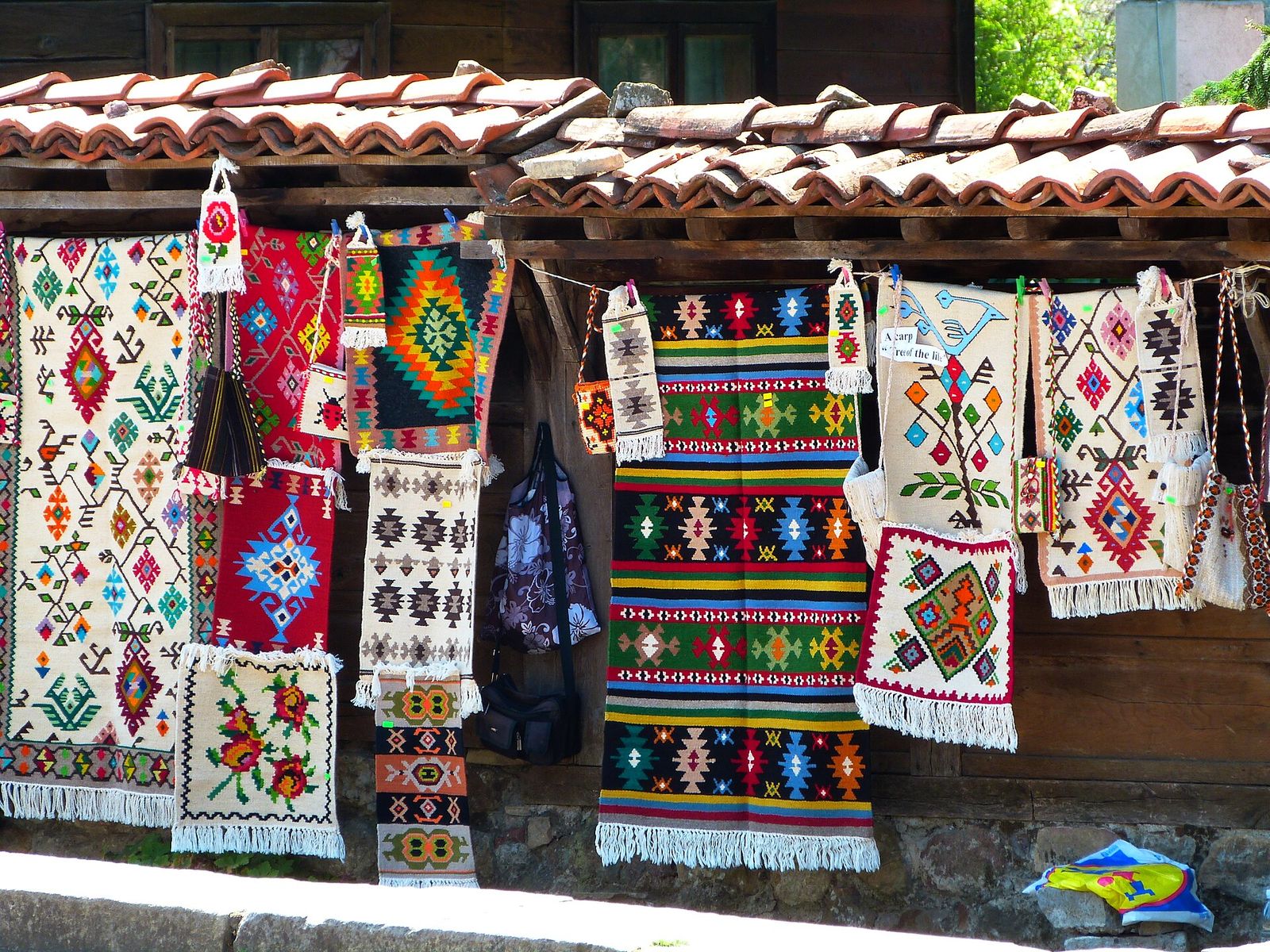
Bulgarian Souvenirs Worth Buying, and Where to Find Them in Sofia
Bulgaria is known for rose oil and folk crafts. The souvenirs worth buying, what they cost and where to get them.
Read the guide