The Best Museums in Sofia: 11 Worth Your Time in 2026
In Sofia, history sits in layers: Roman streets under the metro, older churches under a basilica, an archaeology museum inside a 15th-century mosque. Most cost €3 to €9. This is my ranked list of the 11 worth your time, with 2026 prices, opening hours, the ones that close on Mondays and how I'd fit them into a short trip.
Sofia museums at a glance
| Museum | Price | Open | Best for |
|---|---|---|---|
| National Archaeological Museum | €6 | Daily 10 AM to 6 PM (May to Oct); 10 AM to 5 PM, closed Mon (Nov to Apr) | Thracian gold, first visits |
| National Historical Museum | €9 | Daily 9:30 AM to 7 PM (Apr to Sep); 9:30 AM to 6 PM (Oct to Mar) | Bulgarian history in depth |
| St Sofia Church underground | €3 | Daily 10 AM to 5 PM | Mosaics and tombs under a church |
| The Red Flat | €9 | Daily 10:30 AM to 6 PM | Daily life under communism |
| National Gallery, The Palace | €8, €2 on Thursdays | Tue to Sun, 10 AM to 6 PM | Bulgarian art in the royal palace |
| Museum of Socialist Art | €8, €2 on Thursdays | Tue to Sun, 10 AM to 6 PM | Communist-era statues |
| Regional History Museum | €5 | Tue to Sun, 10 AM to 6 PM | Sofia's own story |
| Ancient Serdica Complex | Free | Covered part 7 AM to 10 PM | Roman streets under the city |
| National Museum of Natural History | €6.50 | Daily 10 AM to 6 PM | Families, fossils |
| Earth and Man | €4 | Tue to Sun, 10 AM to 6 PM | Minerals and gemstones |
| National Museum of Military History | €5 | Wed to Sun, 10 AM to 6 PM | Tanks and planes outdoors |
The best museums in Sofia
1. National Archaeological Museum
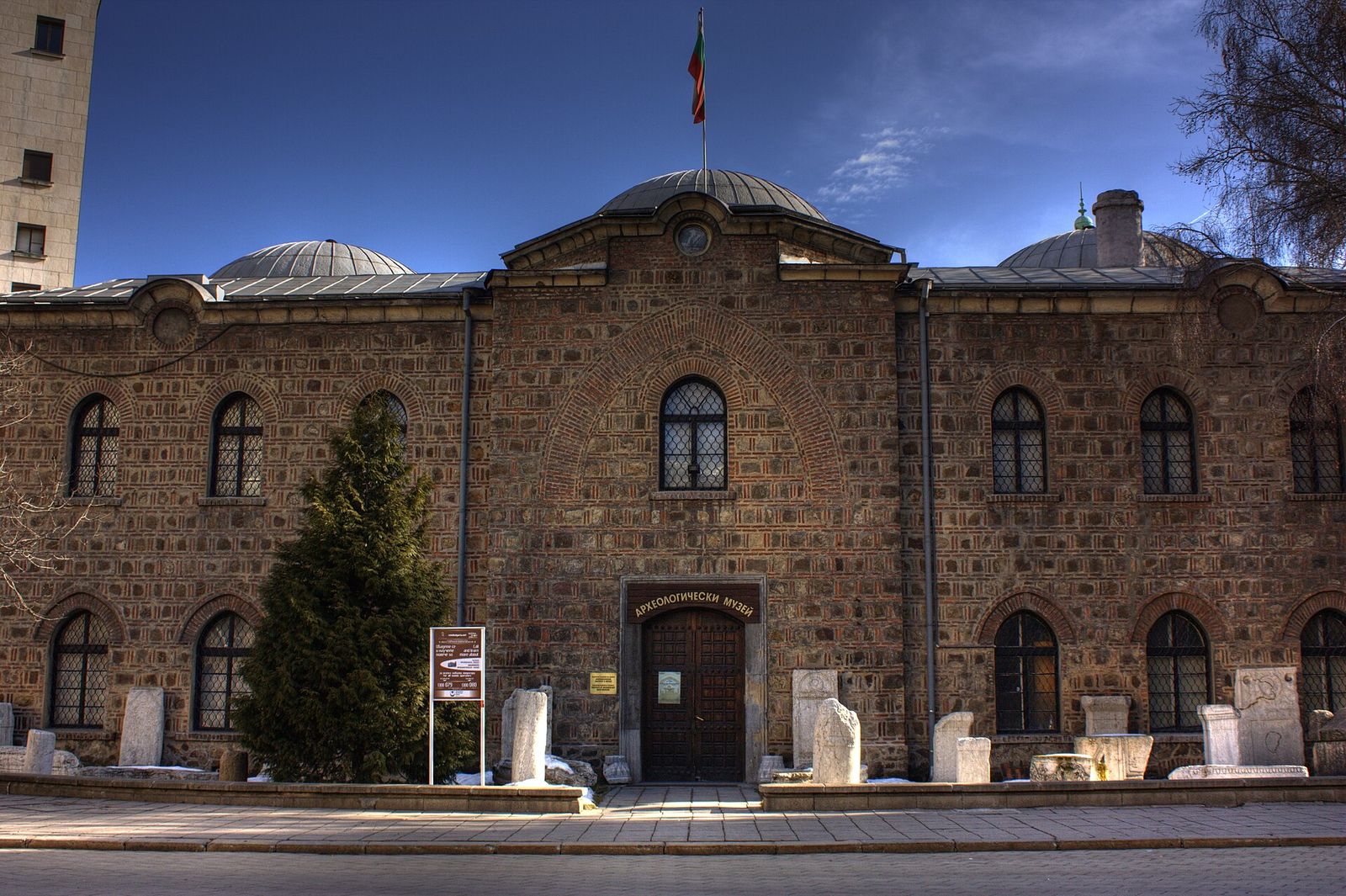
This is the strongest museum in the city and the one I'd send everyone to first. It fills the Buyuk Djamiya, an Ottoman mosque built in 1494, right next to the Presidential Palace.
The collection runs from Thracian gold through Roman mosaics to medieval finds, all under the old mosque's roof. If you are short of time, the Thracian gold is the part to see.
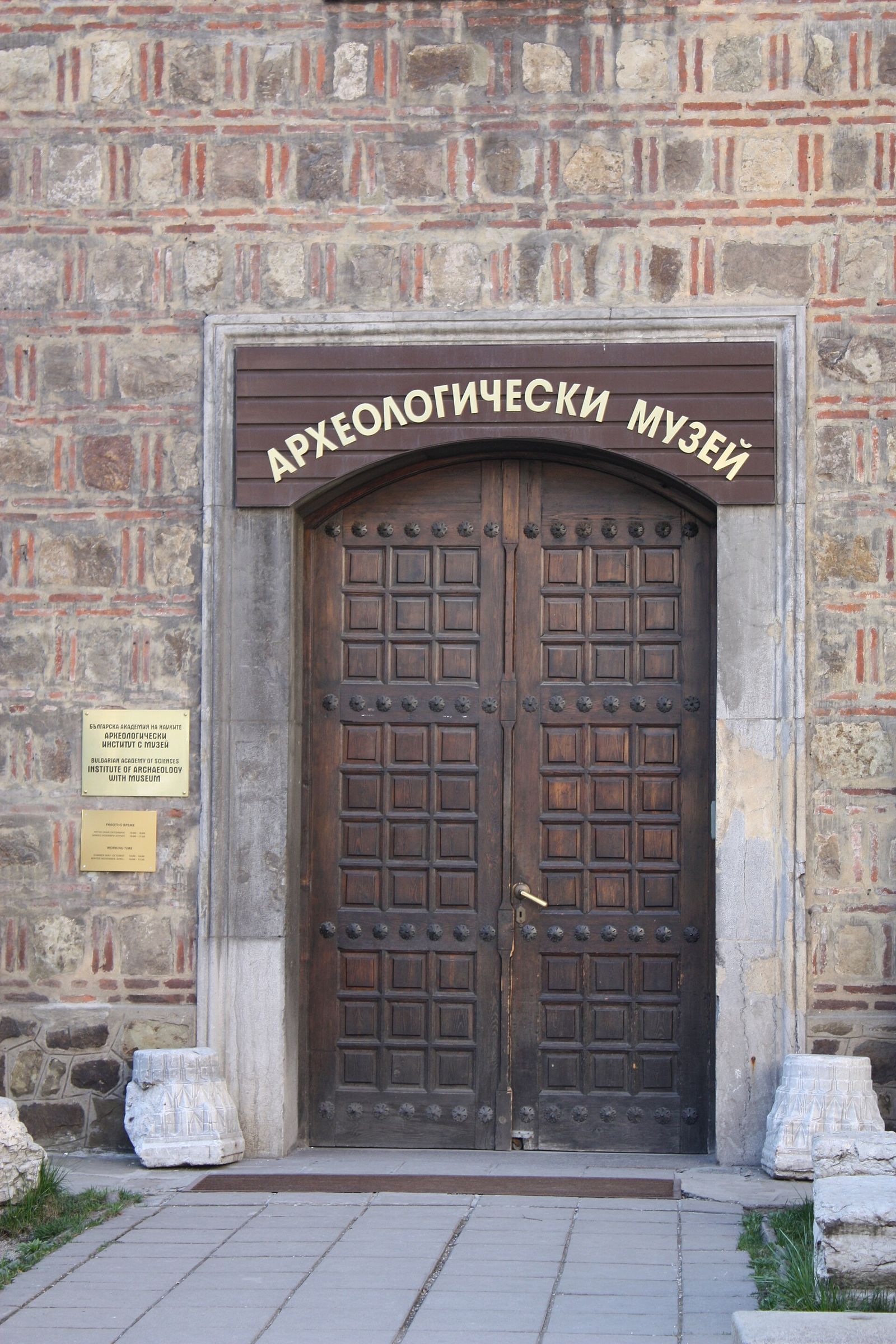
Give it 10 minutes outside before you go in: the old mosque courtyard holds Roman stone fragments.
2. National Historical Museum
The National Historical Museum is the largest museum in Bulgaria. It sits in Boyana, under Vitosha, in a former communist-era state residence set in wooded grounds.
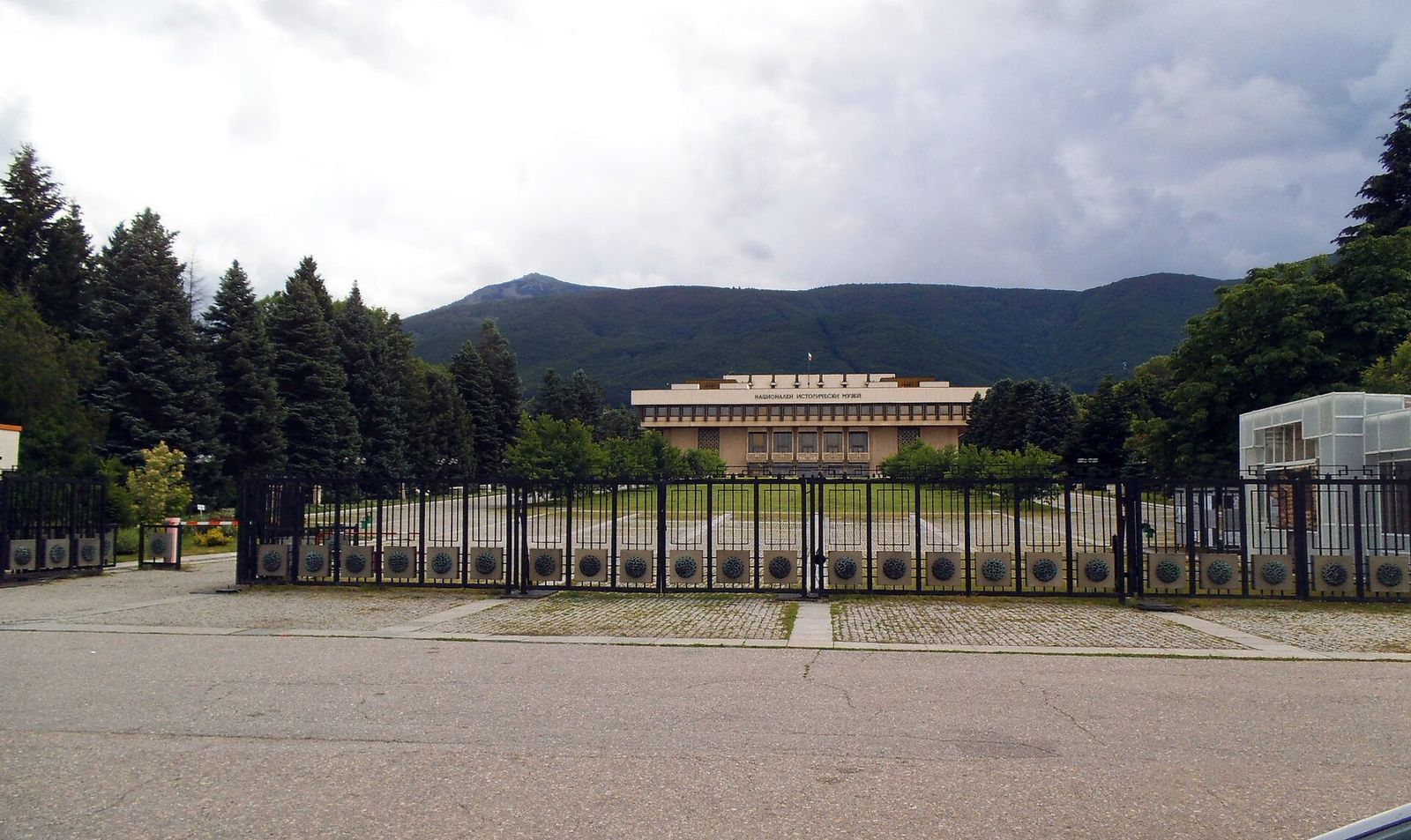
It is huge, the layout is confusing and English labels are few, so I'd go in knowing which rooms I wanted. It costs €9 and opens every day, 9:30 AM to 7 PM from April to September and 9:30 AM to 6 PM from October to March. It is not on the metro, so take a taxi (20 to 25 minutes from the center) or bus 63. The National Historical Museum suits a stay of 3 days or more and a real interest in Bulgarian history.
3. St Sofia Church archaeological level
Under St Sofia Church, right beside Alexander Nevsky Cathedral, a stairway leads down into the remains of the older churches that stood here before the basilica. You walk through underground halls past floor mosaics, tombs and old walls, and it shows better than anything in Sofia how many layers of city lie under the streets.
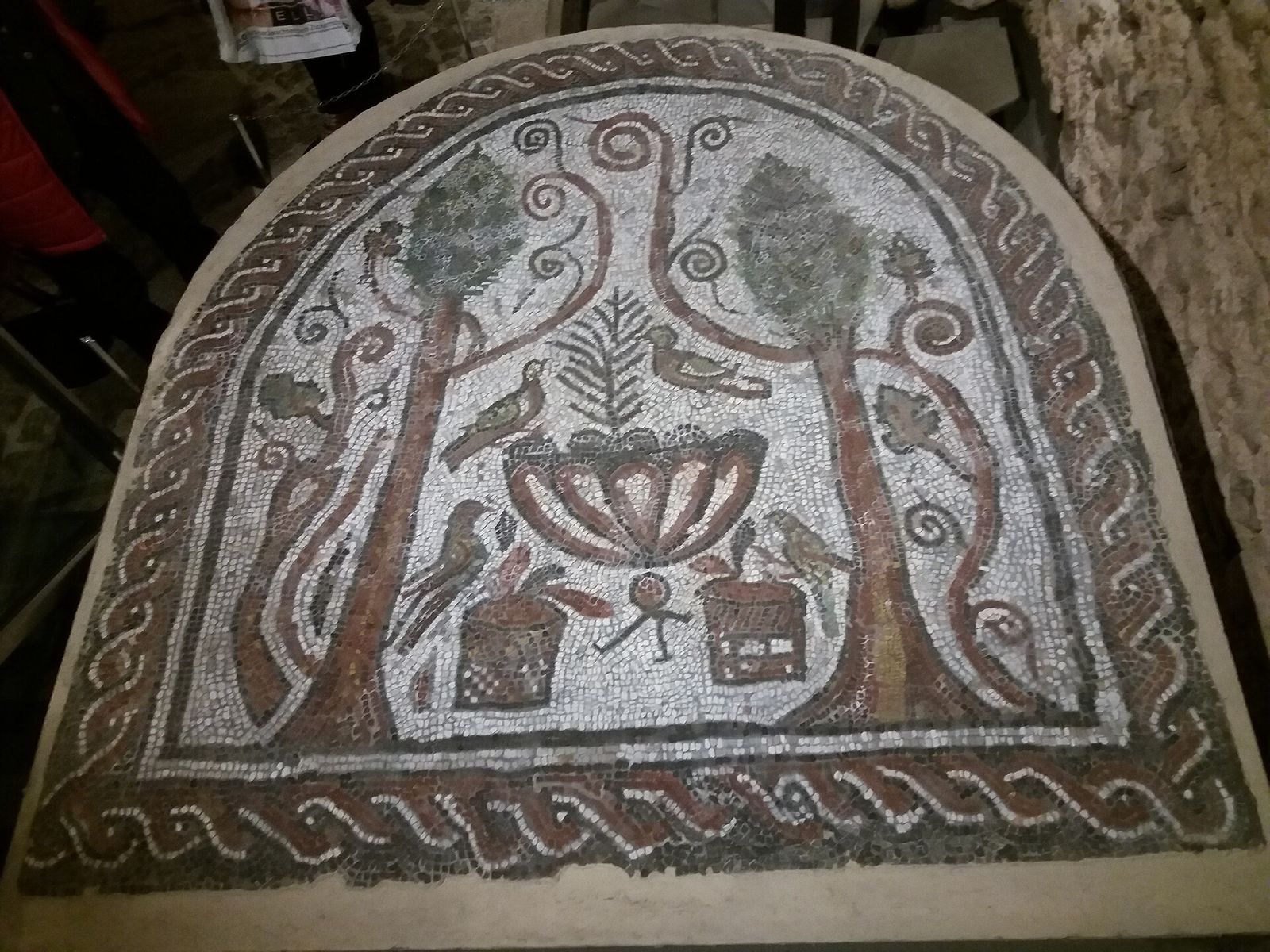
Entry is €3 and it opens daily from 10 AM to 5 PM. The church upstairs gave the city its name, and St Sofia Church itself is worth ten minutes before you head down.
4. The Red Flat
The Red Flat is a museum laid out as the apartment of an ordinary Bulgarian family under communism. An audioguide walks you through the rooms and explains daily life, from the kitchen gadgets to the furniture, and you are allowed to touch almost everything and try some of the objects.
It takes about 1.5 hours, opens daily from 10:30 AM to 6 PM and costs €9. This is my pick for anyone who finds glass cases and wall text tiring, because the communist years come across through the things a family kept at home.
5. National Gallery: The Palace
The National Gallery fills the former royal palace on Battenberg Square. The main exhibition, The Palace for Art, tells the start of modern Bulgarian art across seven galleries on the second floor: Tsar Ferdinand I's collection, the works of the first court artists and the early Bulgarian painters. In the Red Salon the pictures hang the way they did in the Tsar's time.
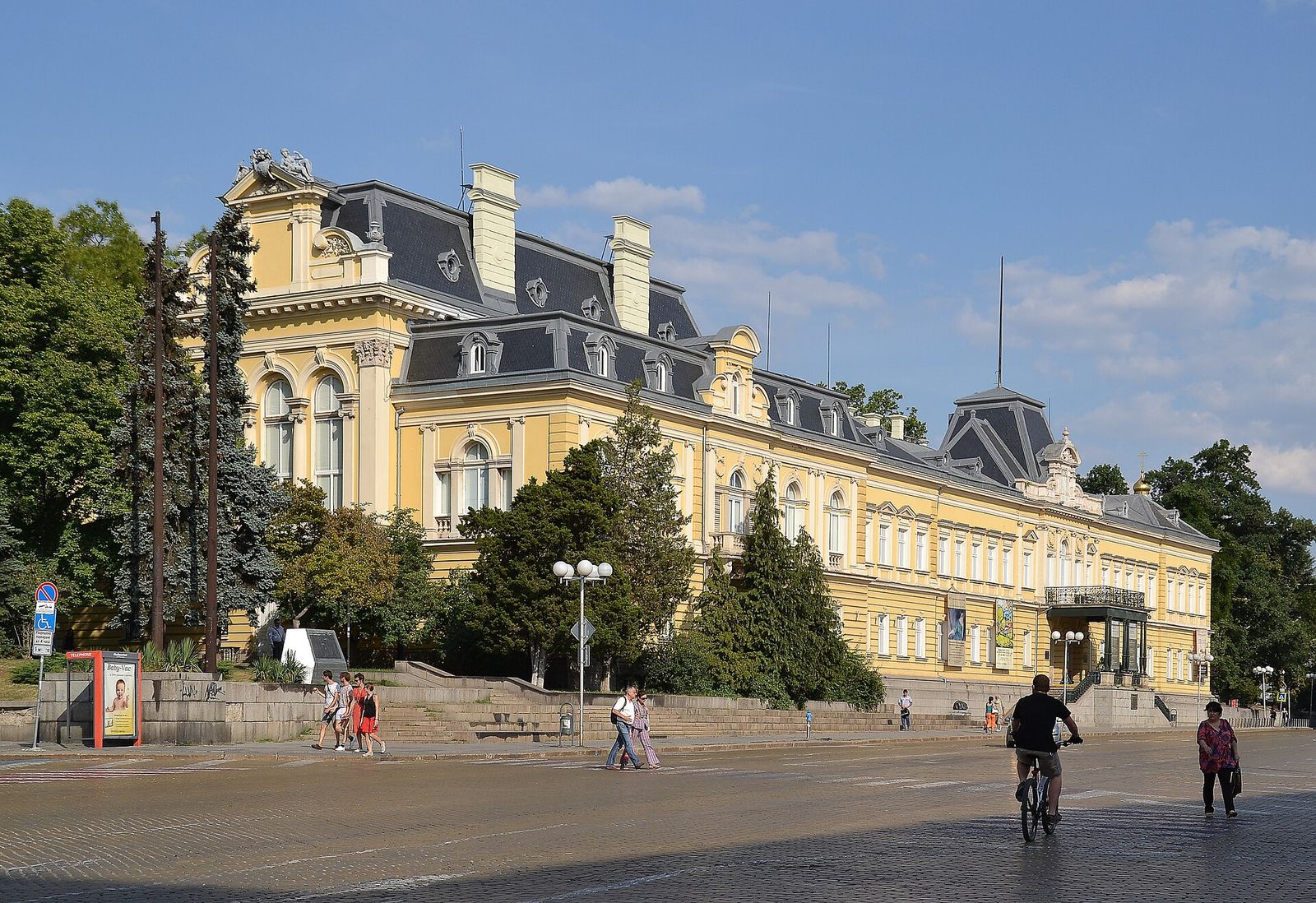
It opens Tuesday to Sunday, 10 AM to 6 PM, and tickets are €8. Even if art is not your thing, the palace rooms are worth the hour.
6. Museum of Socialist Art
The Museum of Socialist Art collects the statues, paintings and propaganda art of communist Bulgaria and shows them as history. The sculpture garden holds some of the large monuments taken down from around Sofia, and the galleries inside cover socialist realist painting, posters and official art.
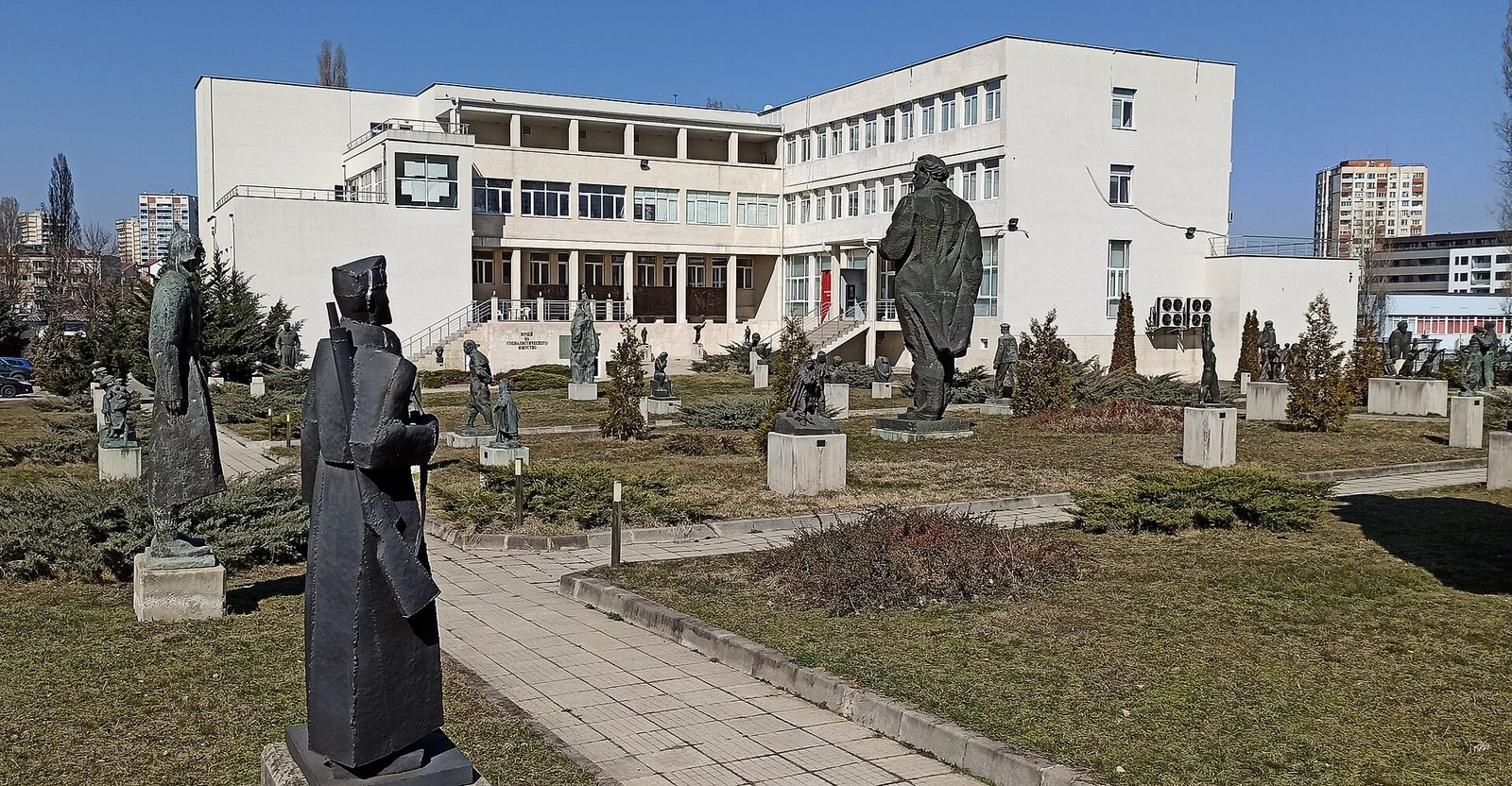
It is in the Iztok district, 15 to 20 minutes by tram from the center. Entry is €8, and it opens Tuesday to Sunday from 10 AM to 6 PM. Allow 1.5 to 2 hours, then walk back through Borisova Gradina, the big park between Iztok and the center.
7. Regional History Museum
The Regional History Museum tells Sofia's own story, from ancient times to the modern city, and its building is half the reason to go. It fills the former Central Mineral Baths, an ornate bathhouse right in the center.
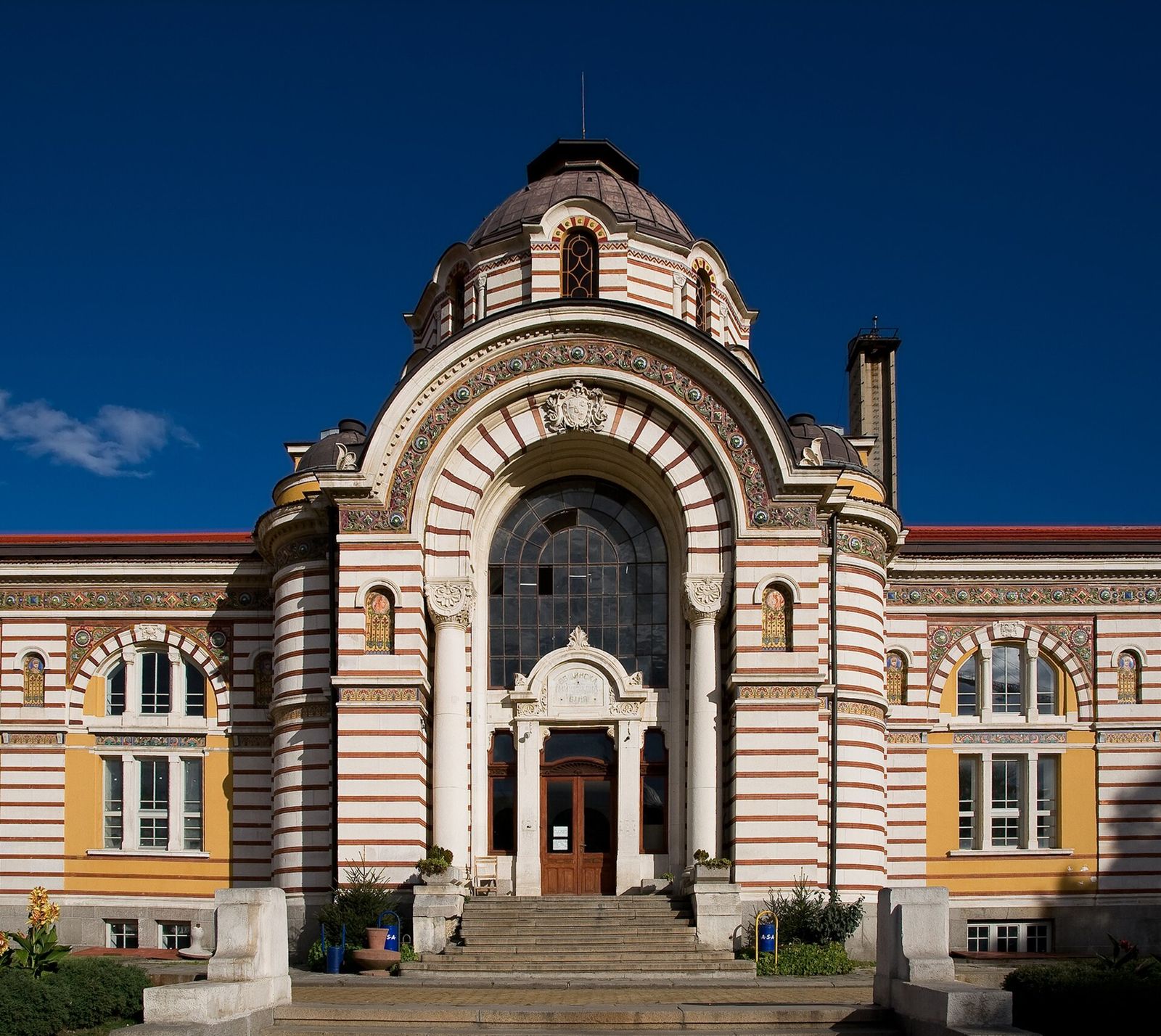
Inside, the story runs from archaeological finds to the royal objects of Bulgaria's monarchy. Entry is €5. It opens Tuesday to Sunday from 10 AM to 6 PM and closes on Mondays.
8. Ancient Serdica Complex
When Sofia built its metro, workers found large parts of the Roman city of Serdica under the busiest streets in the center. The site was uncovered between 2010 and 2012 and left open: Roman houses, paved streets and stretches of the fortification walls, some outdoors and some under glass.
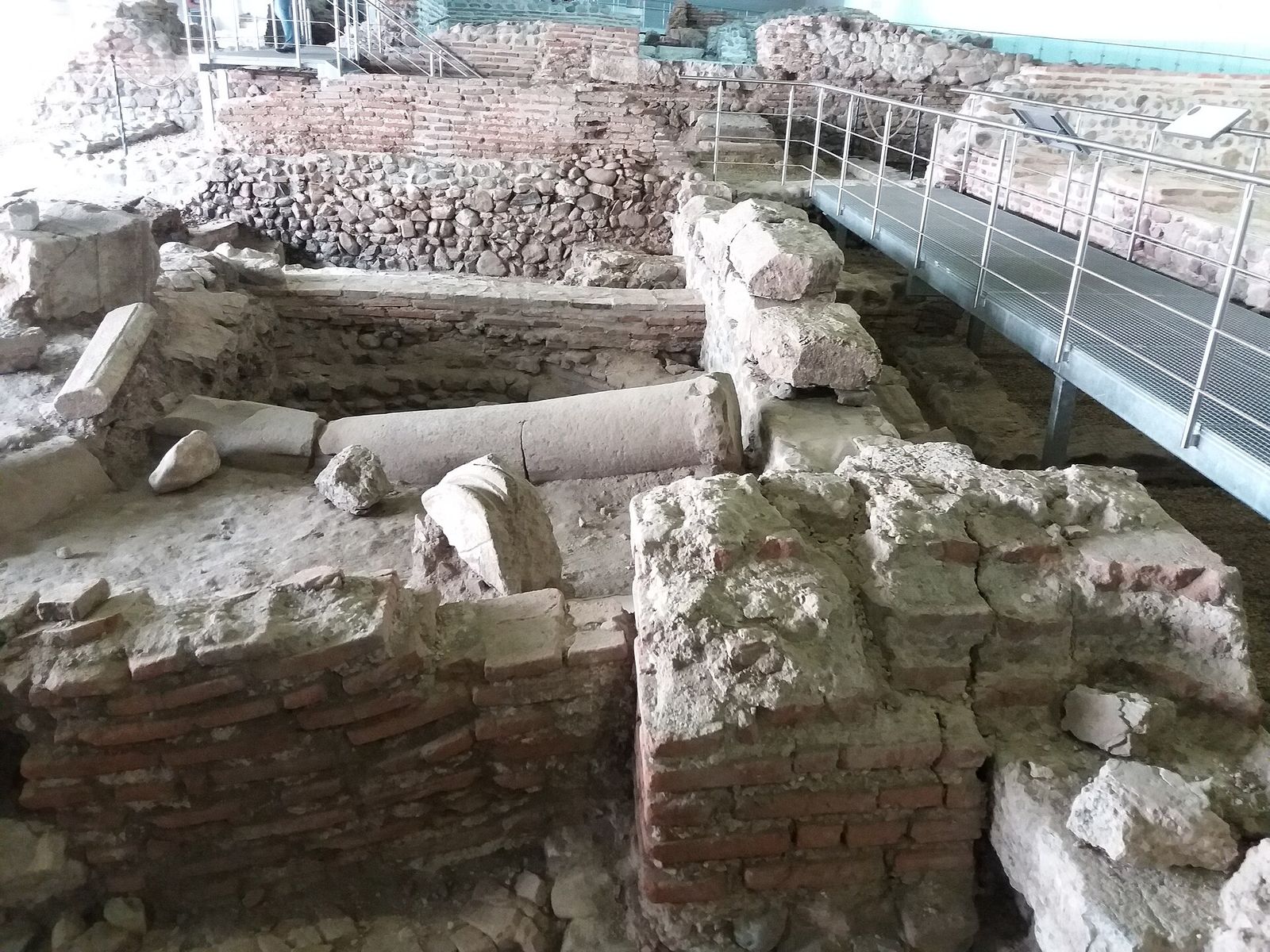
It is free. The covered parts open daily from 7 AM to 10 PM, and the outdoor ruins can be seen any time. The ruins of Serdica sit a short walk from the Archaeological Museum, and I'd see them on the way there.
9. National Museum of Natural History
The National Museum of Natural History is the oldest museum in Bulgaria, with more than 130 years behind it. Its exhibitions fill 16 halls on 4 floors at 1 Tsar Osvoboditel Boulevard, from animals and insects to a fossil hall.
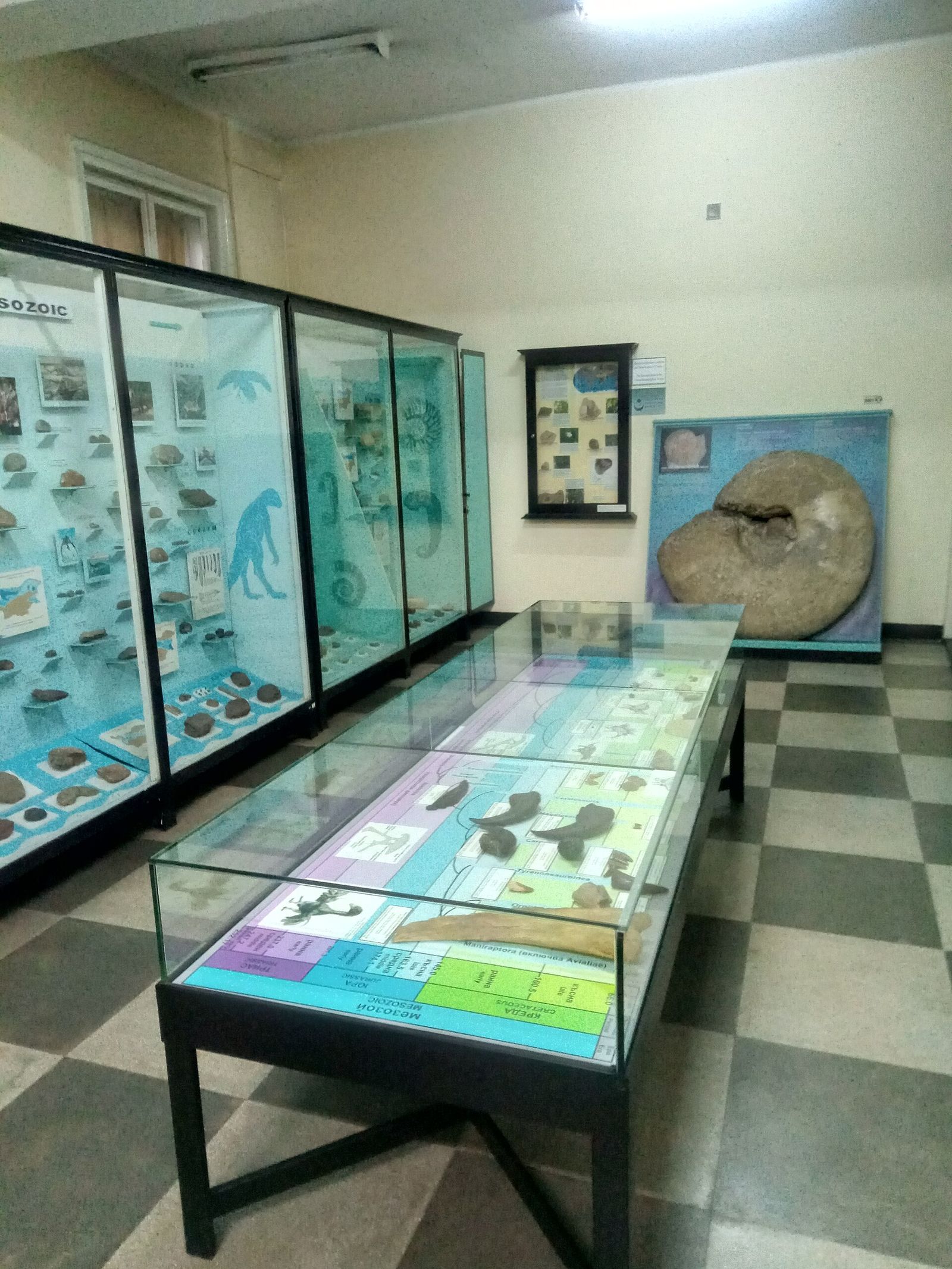
It opens every day from 10 AM to 6 PM, with last entry at 5:30 PM. Adults pay €6.50, students and retirees €3.50, and a family ticket is €16.
10. Earth and Man
Earth and Man is a mineral museum near the National Palace of Culture. Its collection runs to minerals, gemstones and meteorites.
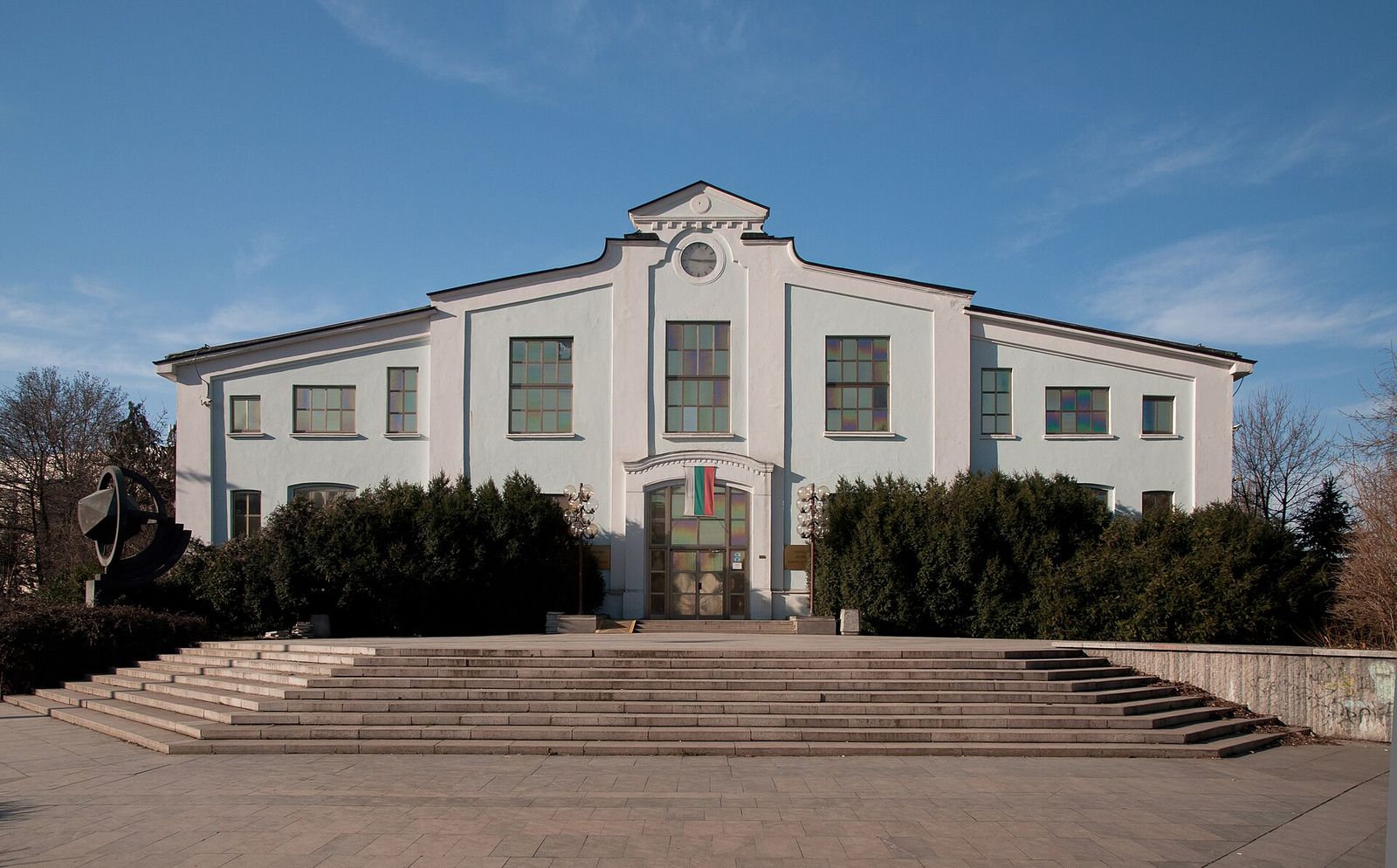
It costs €4, opens Tuesday to Sunday from 10 AM to 6 PM, and takes 45 to 60 minutes. It is a good fit for a spare hour near NDK, especially with older children.
11. National Museum of Military History
The Military History Museum is a bit outside the center, and its yard is the draw: tanks, planes, artillery and military vehicles parked across the grass. You can see much of the outdoor display after you walk through the gate. Inside are uniforms, weapons, medals and sections on both World Wars.
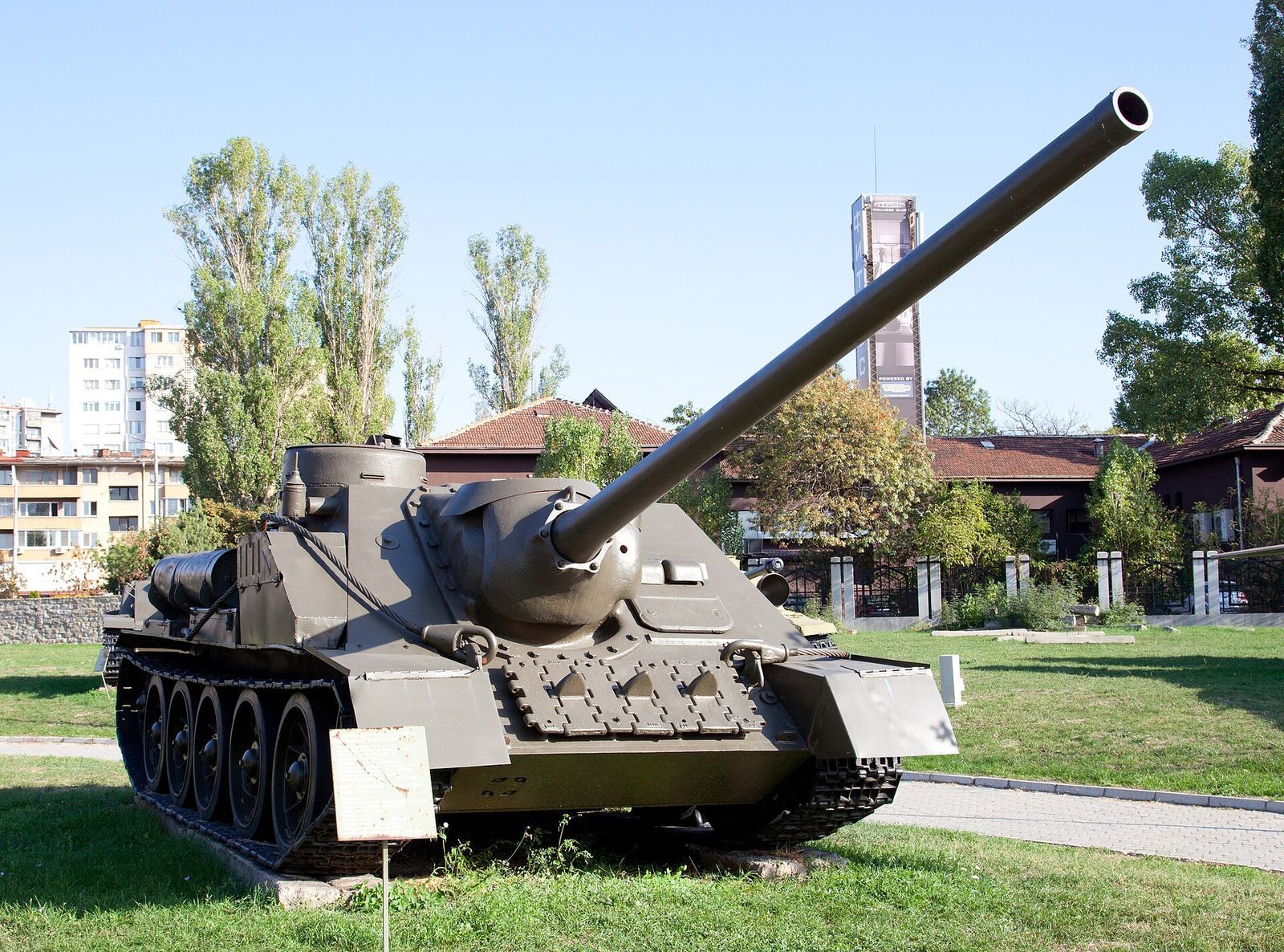
Tickets are €5 for the open-air park and the permanent exhibition. It opens Wednesday to Sunday from 10 AM to 6 PM, so it is closed on both Monday and Tuesday. I'd only make the trip if you or your kids like military hardware.
How to plan a museum day in Sofia
The central museums are close together. The Archaeological Museum, The Palace, the Regional History Museum, St Sofia, Serdica and the Natural History Museum are all within walking distance of each other. Earth and Man is a little south, by NDK. The Museum of Socialist Art needs a tram, and the National Historical Museum needs a taxi.
Two big museums a day is the realistic limit, and one if it is the National Historical Museum. A day I'd plan for a first visit:
| Time | Stop | Why |
|---|---|---|
| 10 AM | National Archaeological Museum | Arrive at opening, when you have the most energy |
| Noon | Ancient Serdica Complex | Free, and a short walk away |
| 2 PM | St Sofia Church archaeological level | Pairs with Alexander Nevsky Cathedral |
| 4 PM | The Red Flat | A lighter museum, open daily until 6 PM |
Ticket desks take euros, in cash or by card; Bulgaria switched to the euro on 1 January 2026, and older price lists in leva are out of date. On a wet day, run the central museums back to back and save the outdoor ruins for a dry one; Sofia in winter is museum weather.
The museums tell Bulgaria's history in order if you take them that way: Thracian gold at the Archaeological Museum, Roman Serdica under the streets, the early churches under St Sofia, the royal palace and then the communist years at the Red Flat and the Museum of Socialist Art.
Museums in Sofia for kids
The National Museum of Natural History is the best bet with children, with animals, insects and fossils. Earth and Man works for older kids who like crystals and gemstones. The Military History Museum's yard of tanks and planes keeps most children busy, and the Red Flat lets them touch almost everything. The Natural History Museum and the Serdica ruins are both in the center, so a museum morning is one of the easier plans for Sofia with kids, with no transport needed.
Free and cheap museums in Sofia
Entry to the Ancient Serdica Complex is free every day. St Sofia's underground level costs €3, Earth and Man €4, and the Regional History Museum and the Military History Museum €5 each. Thursday is the cheap day at The Palace and the Museum of Socialist Art, at €2 each.
Students and retirees pay €3.50 at the Natural History Museum. On a tight budget, a day of Serdica, St Sofia and Earth and Man costs €7 in tickets, and Sofia on a budget works because so many of the best sights cost little or nothing.
Key takeaways
- See the National Archaeological Museum first: €6, 1.5 to 2 hours, Thracian gold and Roman finds in a 1494 mosque.
- 5 of the 11 close every Monday, and the Archaeological Museum joins them from November to April; the National Historical Museum, the Natural History Museum and the Red Flat open daily.
- The National Historical Museum in Boyana needs a taxi or bus 63, so pair it with Boyana Church.
- Thursdays bring €2 tickets at The Palace and the Museum of Socialist Art.
- The Ancient Serdica Complex is free and open from 7 AM to 10 PM.
Frequently asked questions
Which museum should I visit in Sofia?
The National Archaeological Museum, if you only have time for one. It costs €6, takes 1.5 to 2 hours and covers Thracian, Roman and medieval Bulgaria in a 15th-century mosque. With a second slot, I'd add the Red Flat or St Sofia's underground level.
Are museums in Sofia open on Mondays?
Some are. The National Historical Museum, the National Museum of Natural History, the Red Flat and St Sofia's underground level open every day, and the Archaeological Museum opens on Mondays from May to October. The Palace, the Museum of Socialist Art, the Regional History Museum, Earth and Man and the Military History Museum close on Mondays.
How much do museums cost in Sofia?
Most cost €3 to €9 in 2026. The Ancient Serdica Complex is free, Earth and Man is €4, the Archaeological Museum €6 and the National Historical Museum €9, and The Palace and the Museum of Socialist Art drop to €2 on Thursdays.
How do I get to the National Historical Museum in Sofia?
Take a taxi from the center, which takes 20 to 25 minutes, or bus 63. The museum is in Boyana, south of the center and off the metro, so plan on half a day with the trip.
Is the National Historical Museum worth it?
Yes, if you have 3 or more days and a real interest in Bulgarian history. It is the largest museum in the country, but it is confusing to get around and light on English, so shorter trips get more from the Archaeological Museum.
Which Sofia museums are best for kids?
The National Museum of Natural History, with animals and fossils across 16 halls, is the best for children. Earth and Man suits older kids, and the tanks and planes at the Military History Museum keep most children happy outside.
Can I pay for Sofia museums in euros?
Yes. Bulgaria adopted the euro on 1 January 2026, and museum ticket desks take euros in cash or by card.
25 Best Things to Do in Sofia in 2026
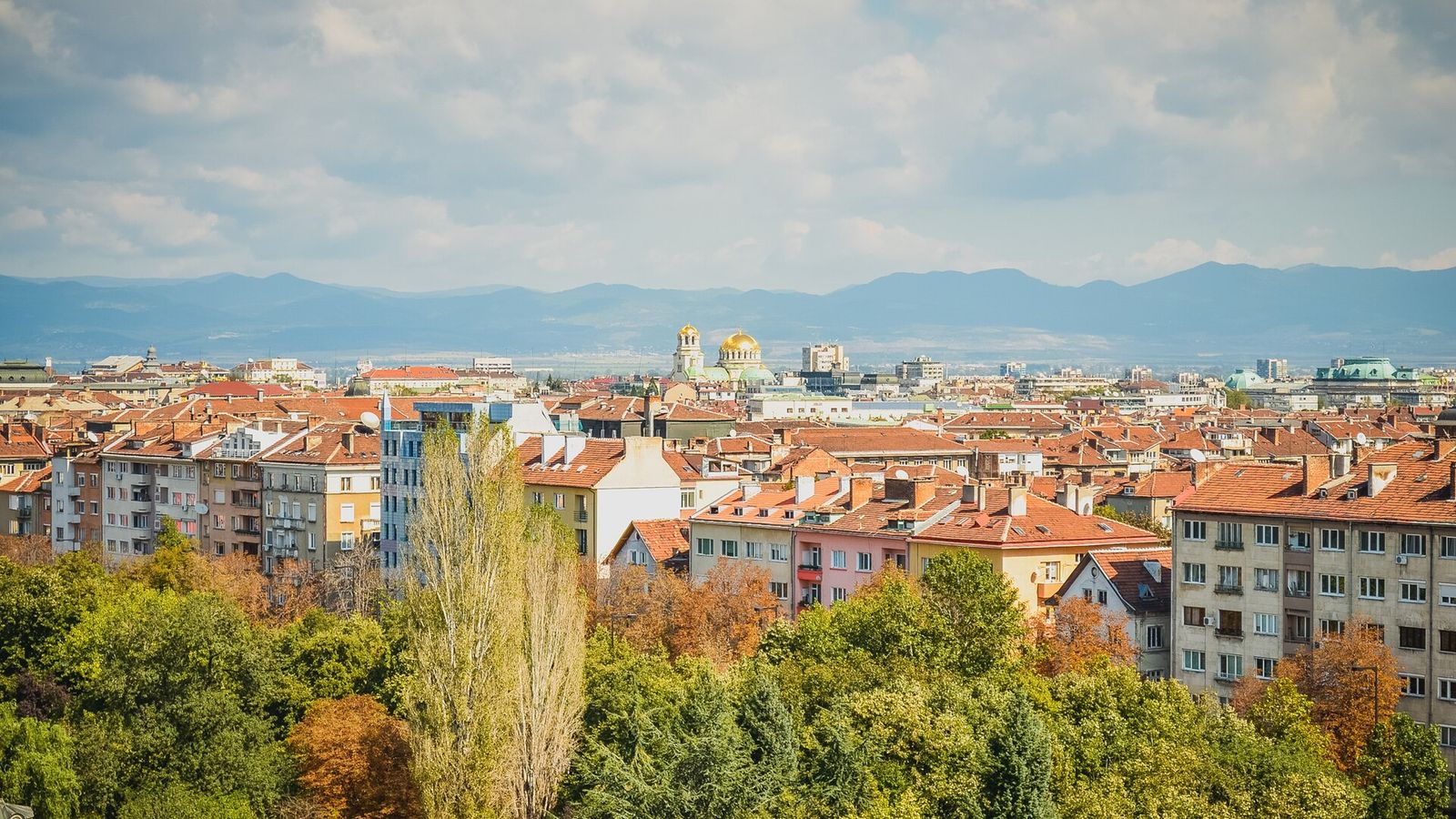
Sofia packs 2,000 years into a walkable center. The 25 sights, museums, foods and day trips I'd put first, with prices.
Read the guide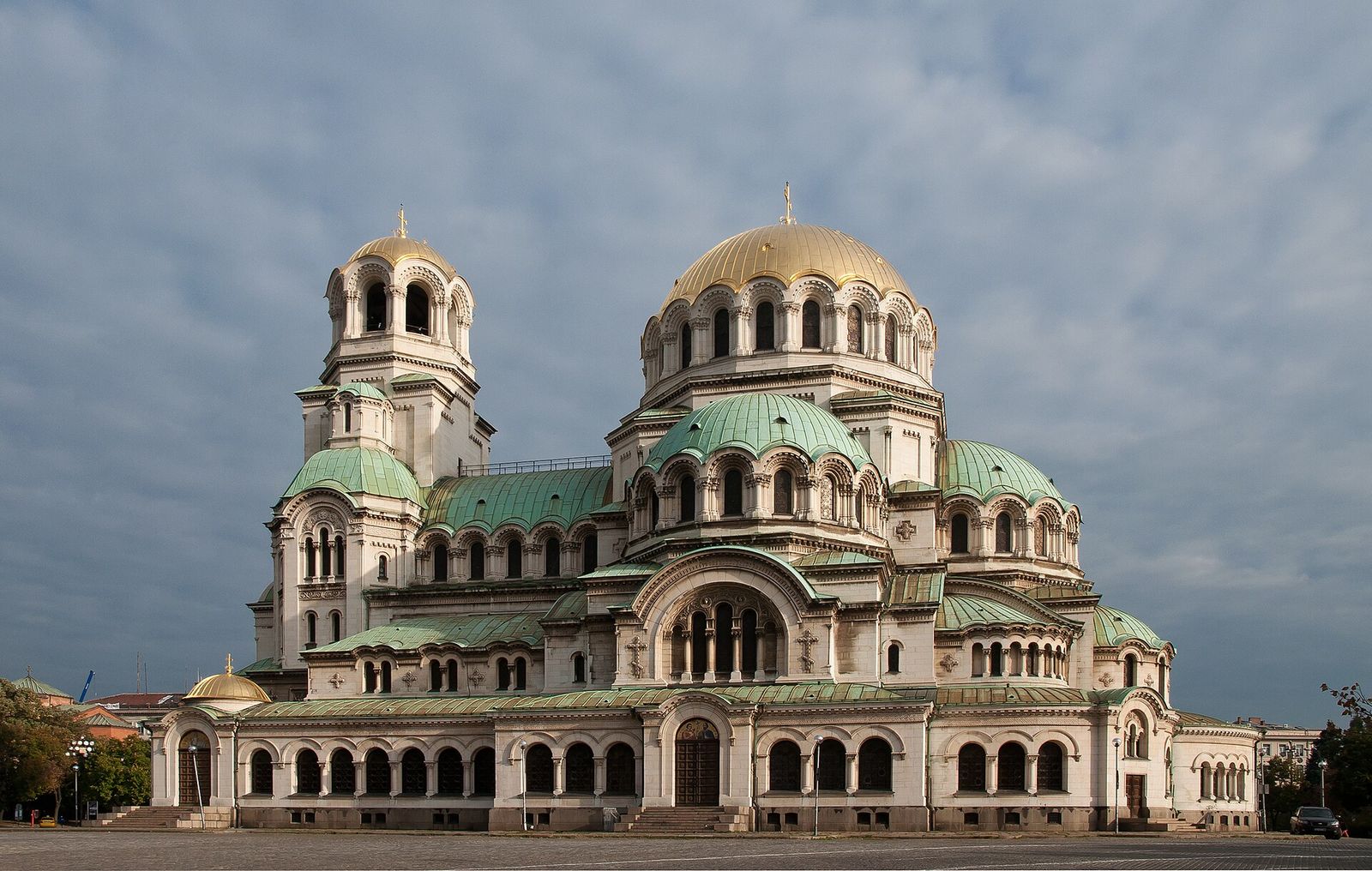
Alexander Nevsky Cathedral in Sofia: A Visitor's Guide
Sofia's gold-domed landmark is free to enter. Here is its story, what to see inside, the crypt museum and when to go.
Read the guide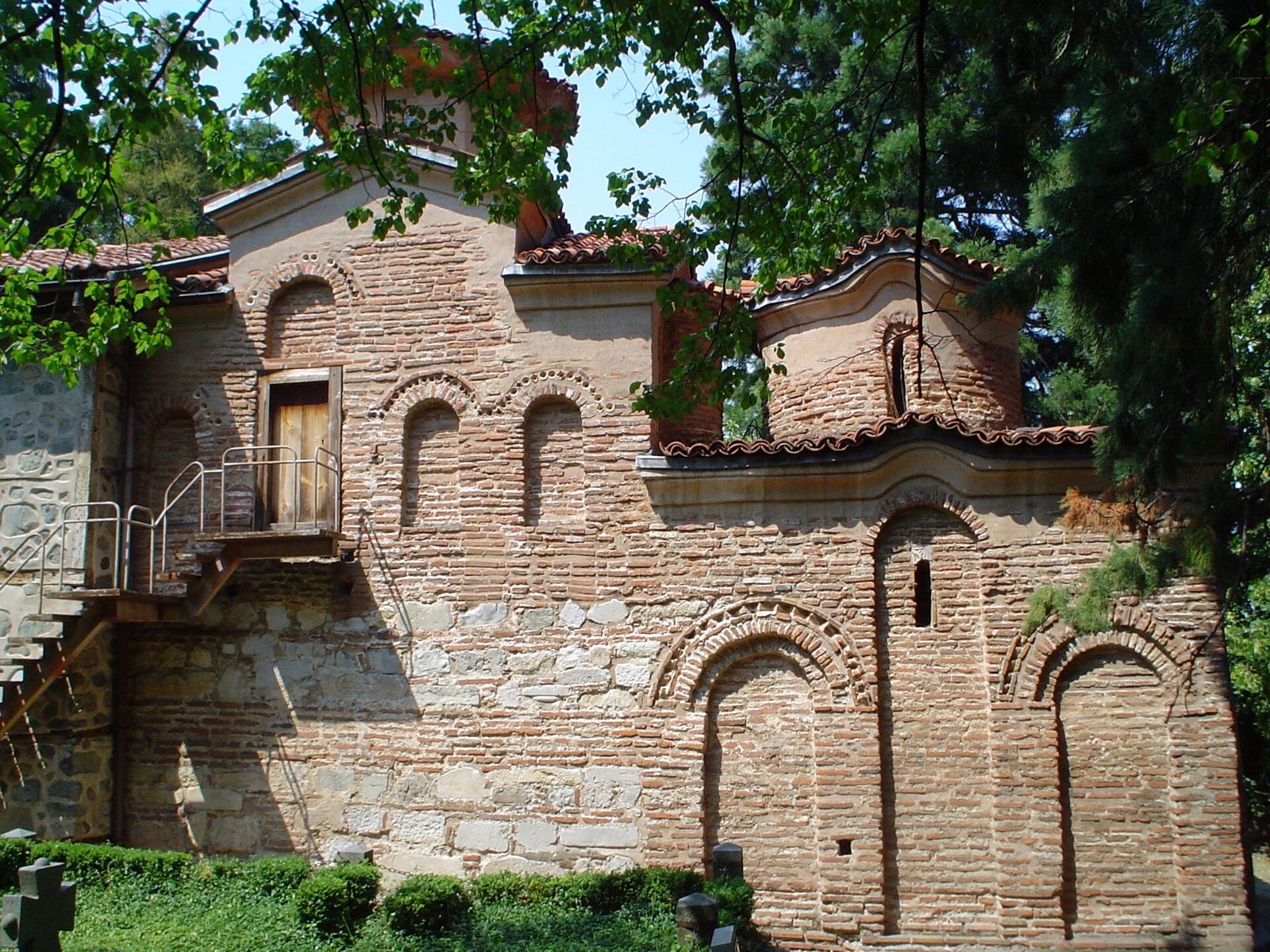
Boyana Church: Visiting Sofia's UNESCO Frescoes
A tiny UNESCO church under Vitosha with frescoes from 1259. Tickets, time slots, the bus out and what to find inside.
Read the guide