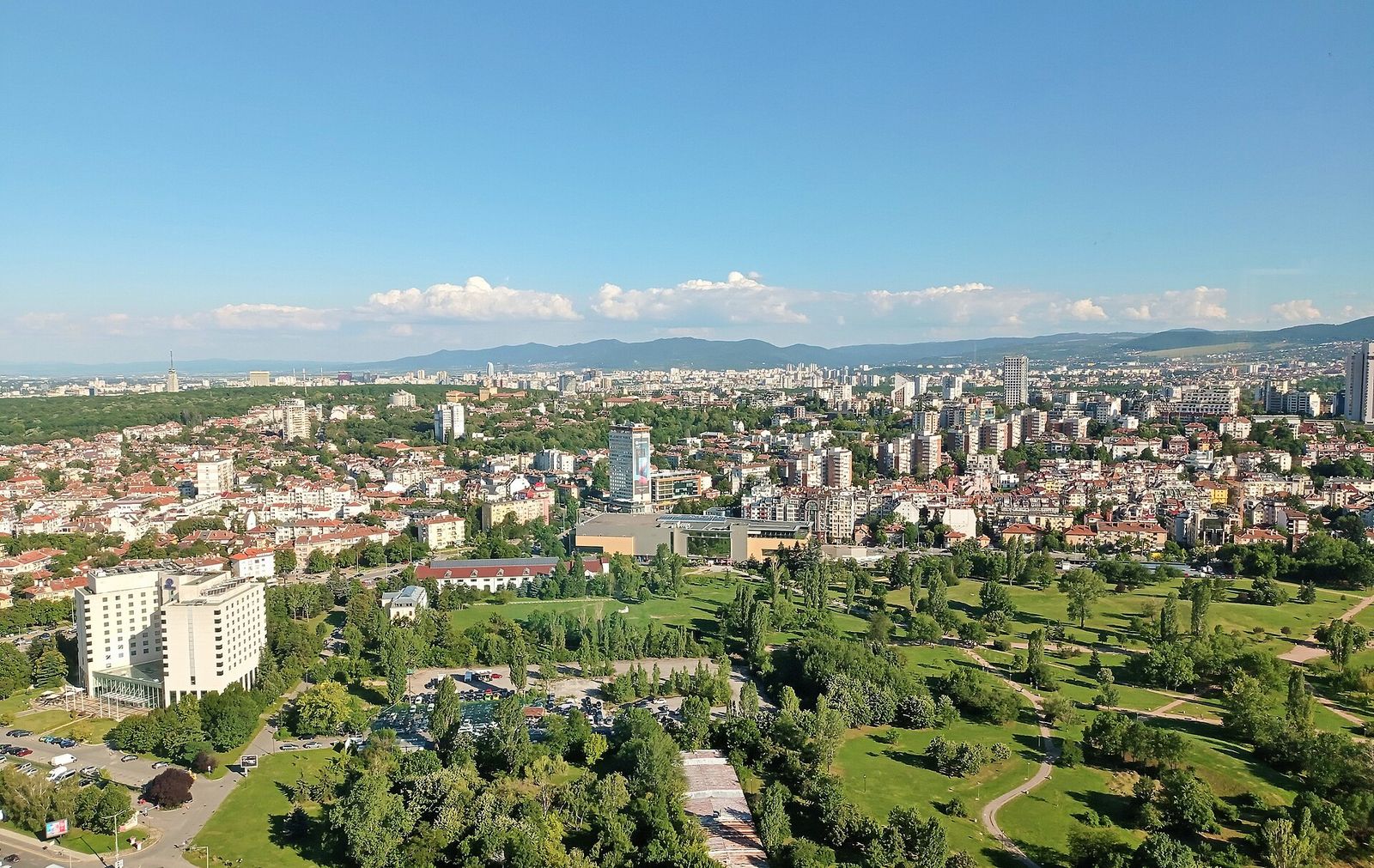
Sofia Itinerary: 1 to 5 Days
Sofia is known for Roman streets under its metro, gold church domes and a 2,290 meter mountain on the edge of the city. This itinerary takes you through it one day at a time, from a single day in the center to five days that add Rila Monastery and Plovdiv. It gives the order I'd do things in, ticket prices in euros and how to reach the day trips by car, bus or train.
How many days in Sofia?
Two to three days is the right length for Sofia. Two days cover the center at an easy pace, and the third day gets you out to Boyana and up onto Vitosha. Days four and five are for the trips out of town: Rila Monastery, Plovdiv and the Seven Rila Lakes.
| Days | What you see | Entry costs |
|---|---|---|
| 1 | Serdica, the Rotunda, the mineral springs, Alexander Nevsky, Vitosha Boulevard | Free, or €18 with the icon crypt, the Regional History Museum and St Sofia's underground level |
| 2 | Women's Market or the Red Flat, the National Gallery, the Museum of Socialist Art, NDK | €8 to €25 |
| 3 | Boyana Church, the National Historical Museum, Vitosha Mountain | €19, plus €2 in fares |
| 4 | Rila Monastery | Free, or €12 for the monastery museums, plus car or bus |
| 5 | Plovdiv, or the Seven Rila Lakes | €14 to €16 return by bus, or €16 for the lake chairlift |
If you only want the city, the first three days are the plan. Sofia has more things to do than three days can hold, so these days keep to the sights I'd show a friend on a first visit, in an order that keeps the walking short.
Day 1: Serdica, the churches and Vitosha Boulevard
Day 1 is the center on foot. Every stop is a short walk from the last, and you end on Sofia's main pedestrian street for dinner.
Morning: Serdica and the Rotunda of St George
Start at Serdika metro station, because the station is the sight. When Sofia dug its metro between 2010 and 2012, the works uncovered the Roman city of Serdica, and today you walk past its streets, baths, houses and a 4th-century basilica on your way to the platforms. Ancient Serdica is free: the covered parts open from 7 AM to 10 PM and the open-air parts any time.
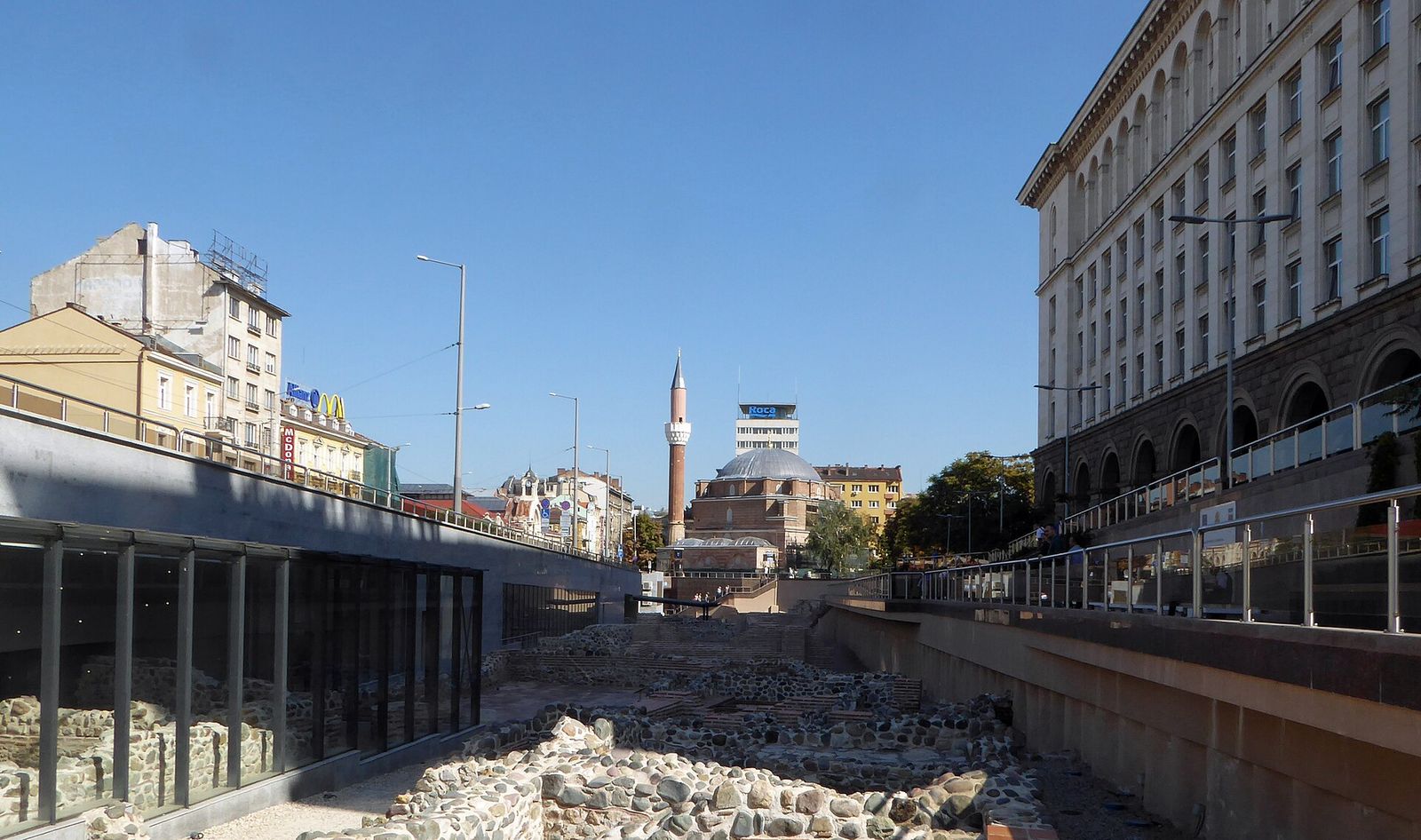
From the ruins, walk to the courtyard behind the Presidency. The Rotunda of St George is the oldest building in Sofia, a small red-brick church from the 4th century with frescoes from the 12th to the 14th centuries inside. Entry is free. The guards in front of the Presidency change every hour, so time your walk past for the top of the hour.
Finish the morning at St Nedelya Church on the square of the same name. It was rebuilt by 1933 after a bomb attack aimed at the tsar killed more than 150 people, and entry is free.
Late morning: the mineral baths, the mosque and the synagogue
Walk north to the striped former Central Mineral Baths. The building now holds the Regional History Museum, which tells Sofia's story up to 1944 for €5. It opens Tuesday to Sunday from 10 AM to 6 PM and closes on Mondays.
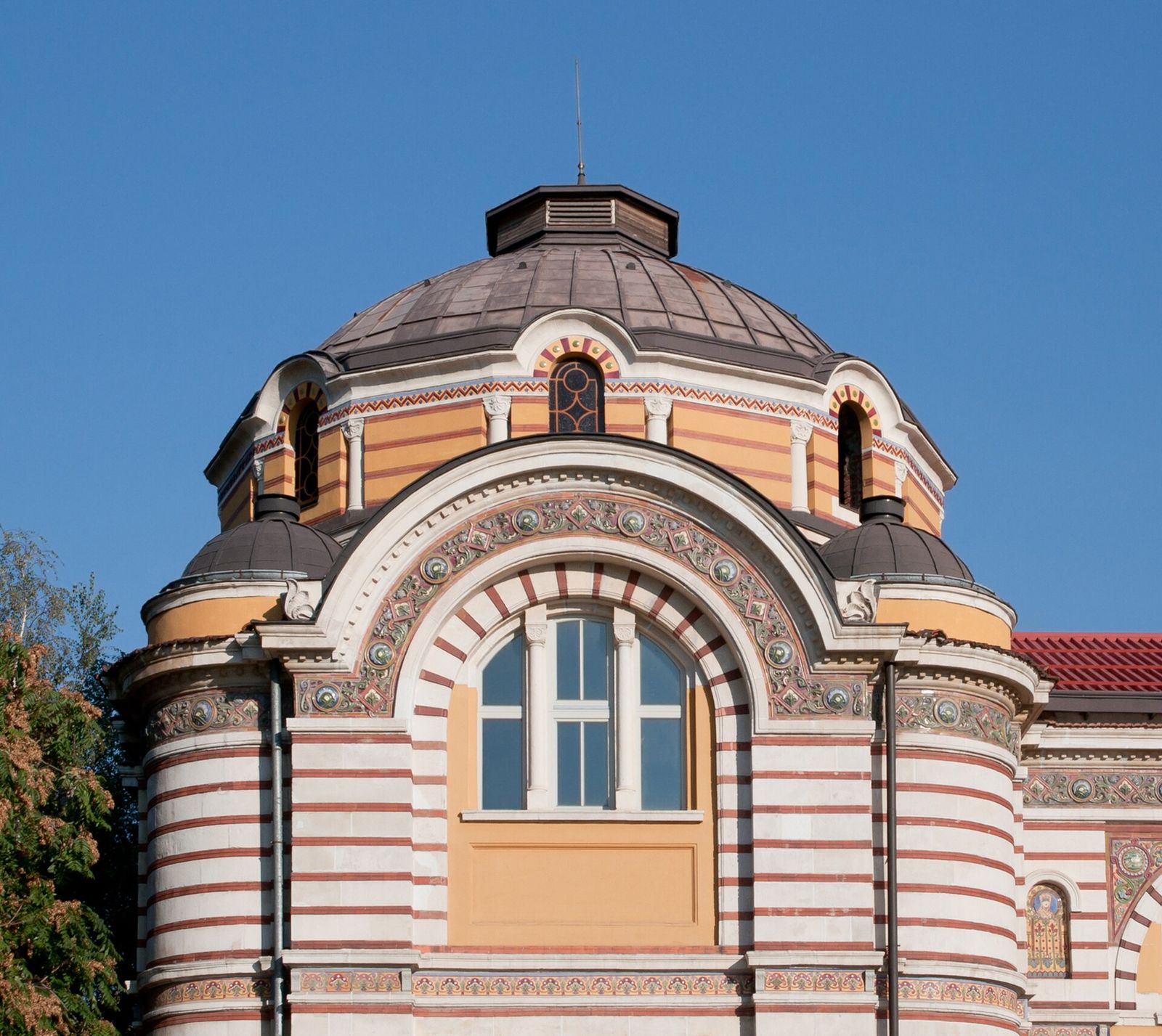
The Central Mineral Baths sit on top of the hot springs Sofia was built around. Taps beside the building run warm mineral water all day, and you will see locals filling plastic bottles and jugs there.
Across the street, Banya Bashi Mosque dates from the 16th century and is free to visit outside prayer times. Shoes come off at the door, and women cover their hair. A short walk away is the Sofia Synagogue, built in 1909 and the third largest in Europe. Bulgaria saved its Jewish population of about 48,000 during the Second World War.
Look into the Central Market Hall, opposite the mosque, for its 1911 building and the Roman wall in its basement. It has been a supermarket since its 2024 reopening, so I'd eat lunch at a cafe nearby before the cathedral.
Afternoon: Alexander Nevsky Cathedral and St Sofia Church
Walk east to the gold domes. Alexander Nevsky Cathedral was built from 1904 to 1912 to honor the Russian soldiers who died in the war that freed Bulgaria from Ottoman rule. It is free and open every day from 7 AM to 7 PM, and shoulders and knees should be covered.
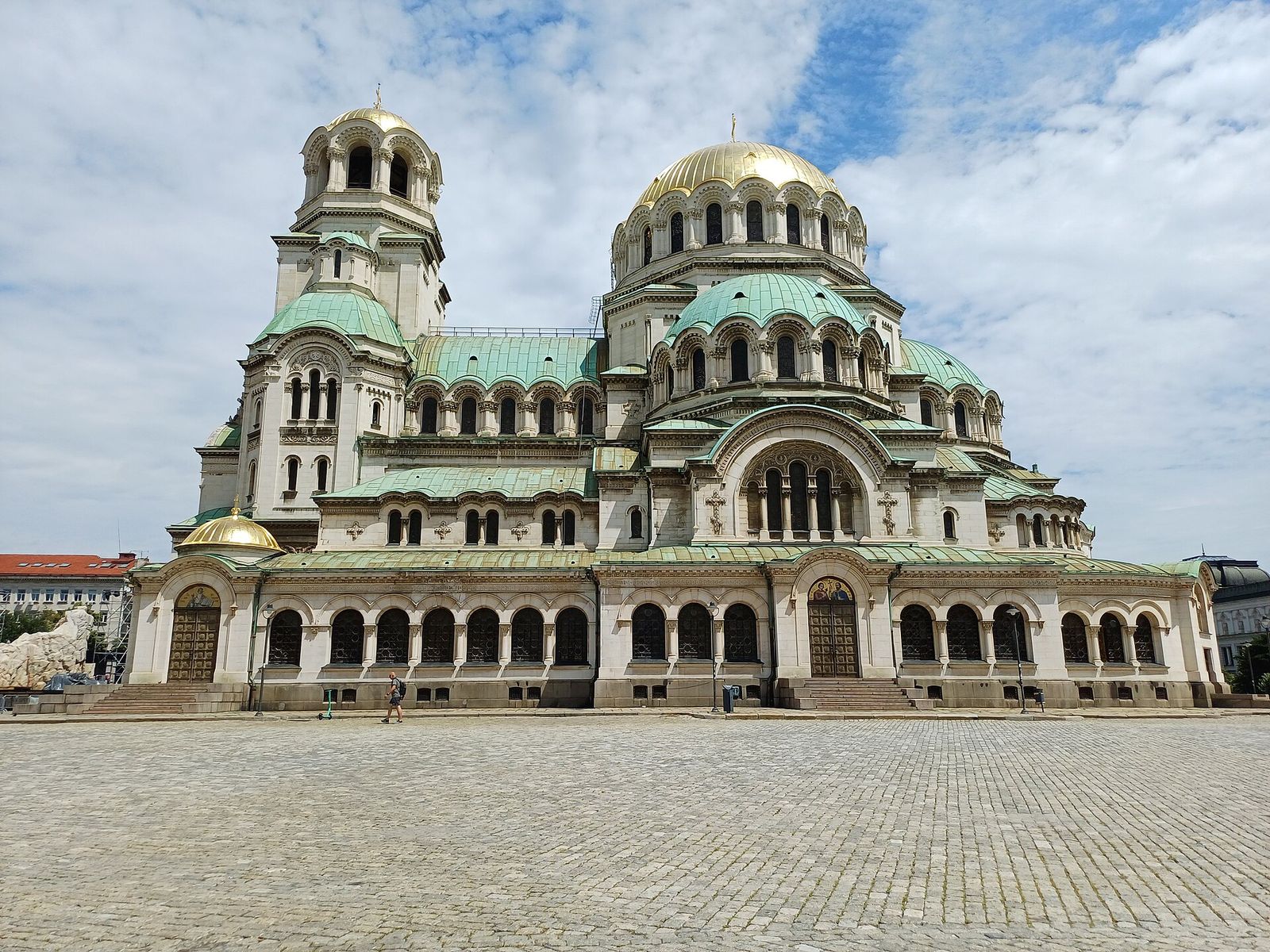
The crypt below holds the Museum of Christian Art, a National Gallery branch full of icons, for €10, or €2 on Thursdays, and it is closed on Mondays. Across the street stands St Sofia Church, the church the city took its name from in the 14th century. Its underground level, with older church floors, mosaics and tombs, costs €3 and opens from 10 AM to 5 PM.
Evening: Vitosha Boulevard
Head back west to Vitosha Boulevard for the evening. The walk from St Nedelya to NDK is just under 2 km, with a car-free stretch in the middle and Vitosha Mountain at the far end on a clear day. In winter the terraces keep heaters and blankets out.
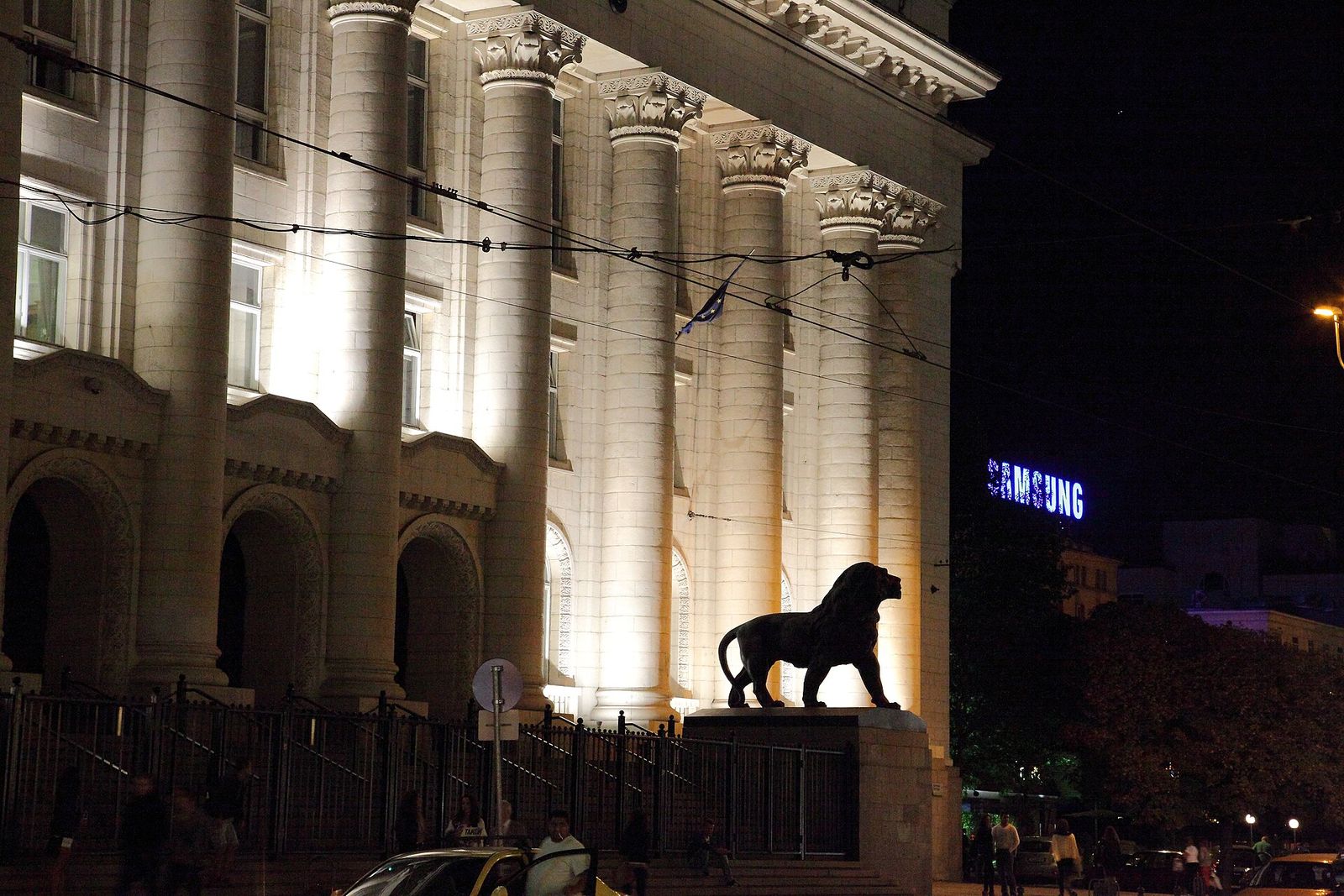
The Palace of Justice, finished in 1940, guards the top of the street with its lion statues, and the central hall is open to visitors who show a passport or ID at security. For dinner, Shtastlivetsa on the boulevard serves the classics, and Vitosha Boulevard has enough terraces to try a second place for a glass of Bulgarian red.
Day 2: markets, museums and socialist Sofia
Day 2 mixes a morning market, the country's main art collection and Sofia's communist past.
Morning: the Women's Market or the Red Flat
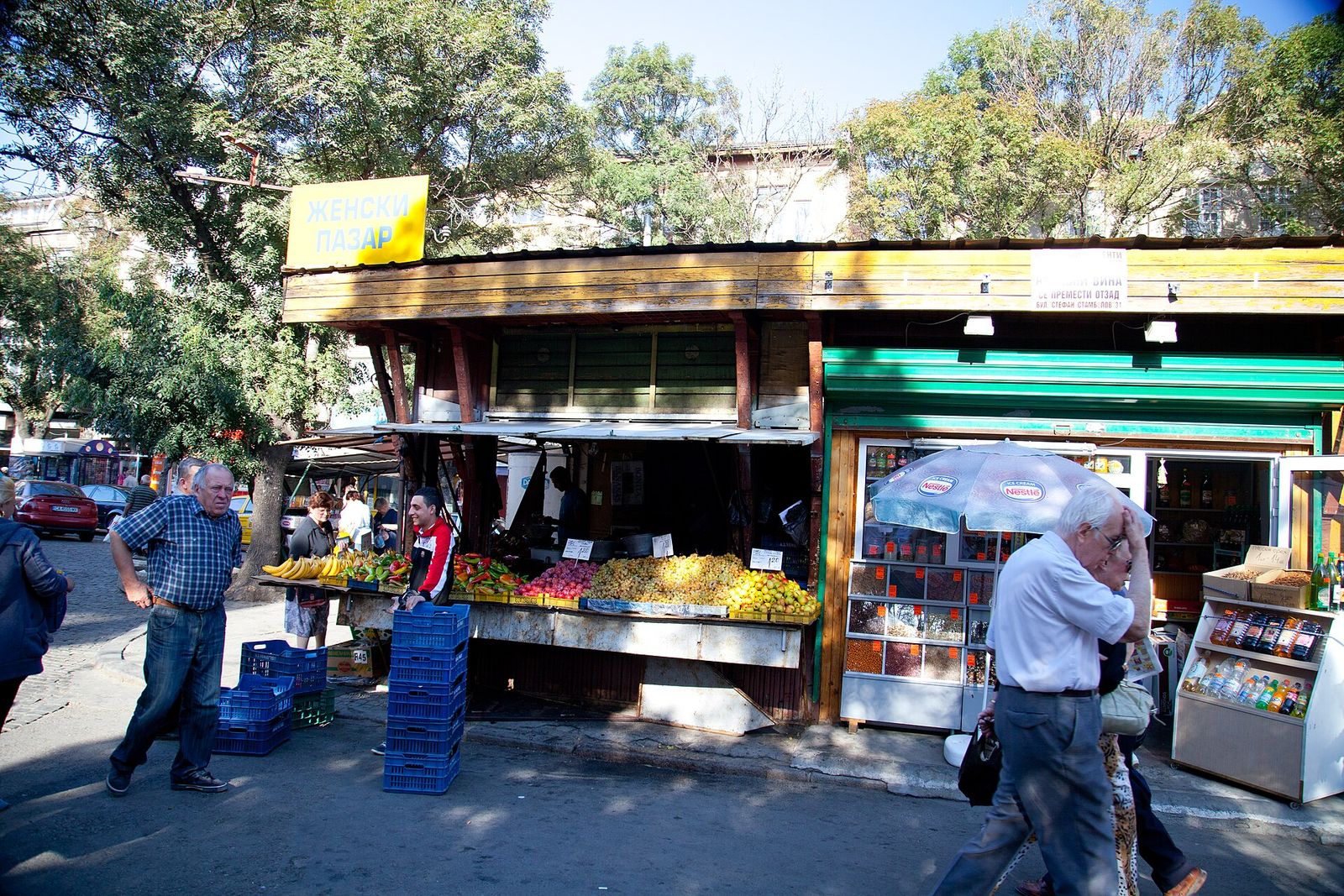
Start early at Zhenski Pazar, the Women's Market, where Sofia shops for fruit, vegetables and spices. It is the best place in the center to see how the city eats.
The other option is the Red Flat at 24 Ivan Denkoglu Street, a late-1980s family apartment kept as it was, with an audio guide that tells 46 stories. Visits take about 1.5 hours and cost €9, and it opens daily from 10:30 AM to 6 PM.
Midday: the National Gallery and the City Garden
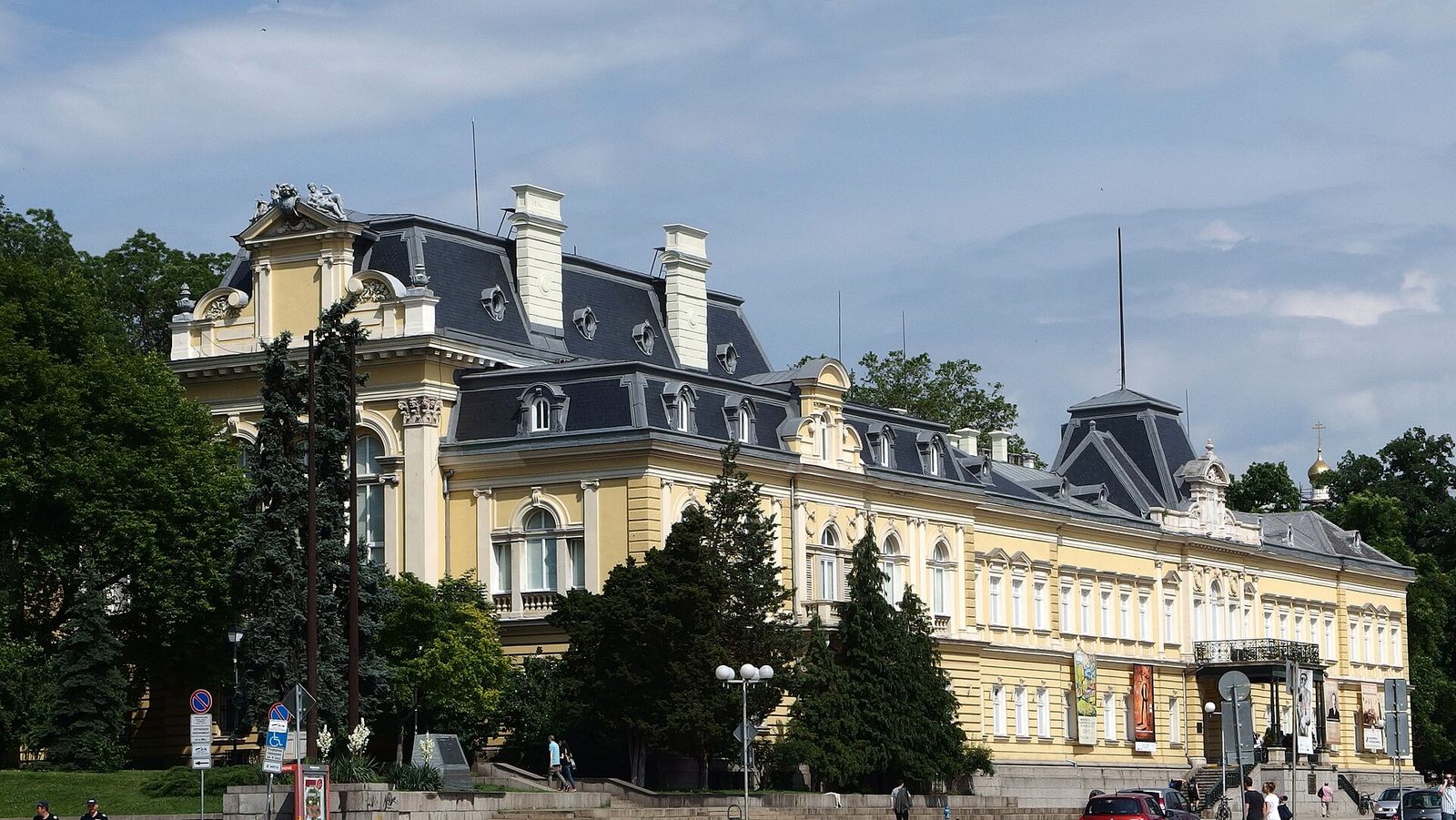
Walk to Battenberg Square and the former Royal Palace, now the National Gallery, which opens Tuesday to Sunday from 10 AM to 6 PM. Its newer branch nearby, Kvadrat 500, has 1,700 works in 28 halls for about €8, or €2 on Thursdays.
Between the two, sit for a while in the City Garden in front of the Ivan Vazov National Theatre, opened in 1907, where people play chess on the benches. For older history, swap in one of the other museums in Sofia, such as the Archaeological Museum, set in a 15th-century mosque, for €6.
Afternoon: the Museum of Socialist Art
Take the tram or the metro out to the Iztok district, about 15 to 20 minutes from the center. The Museum of Socialist Art opened in 2011 and keeps communist-era statues in a sculpture park, Lenin among them, plus the red star that topped the Communist Party House.
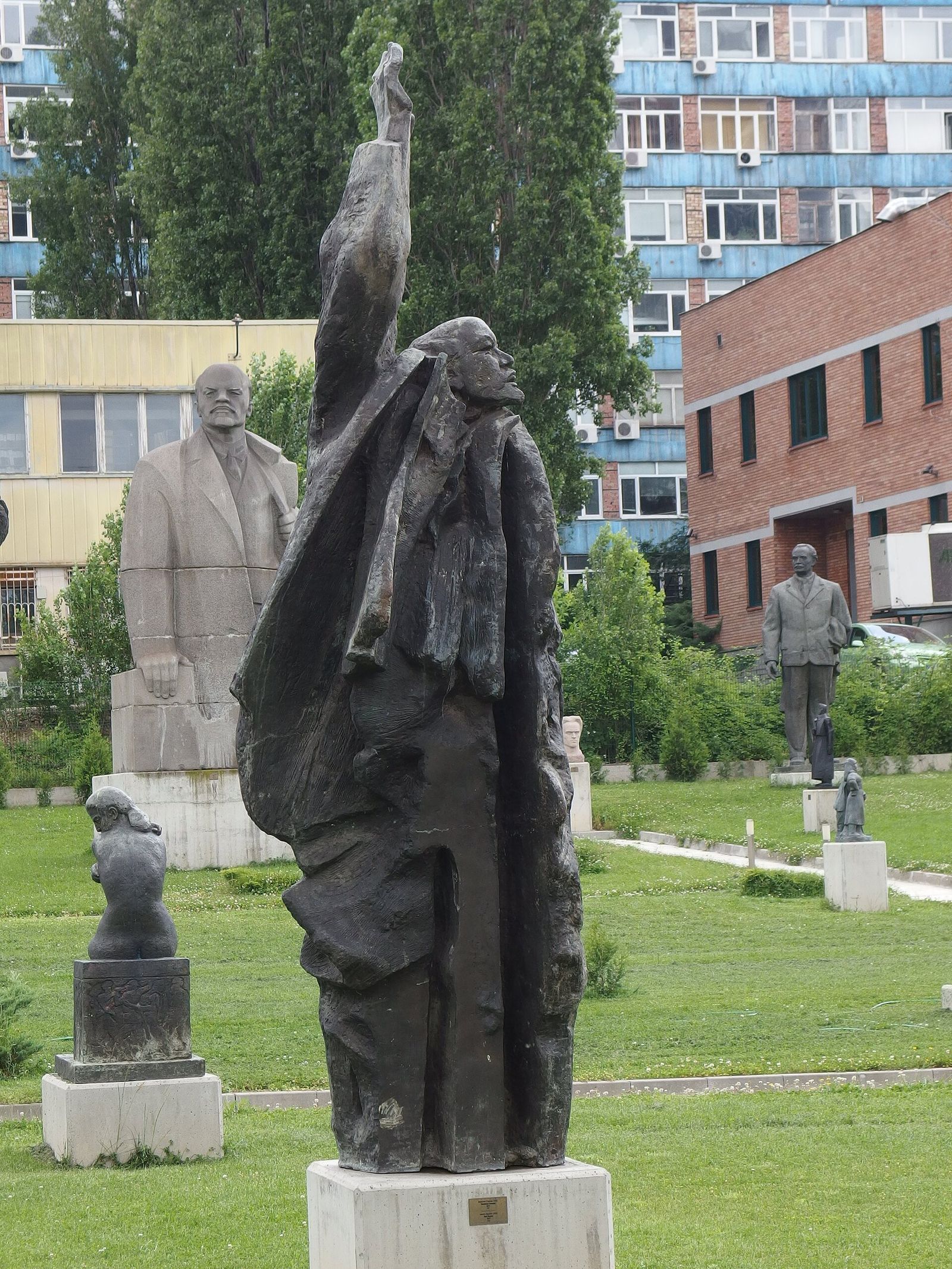
Tickets cost €8, and the museum opens Tuesday to Sunday from 10 AM to 6 PM, with galleries indoors as well as the sculpture park.
Evening: NDK and its park
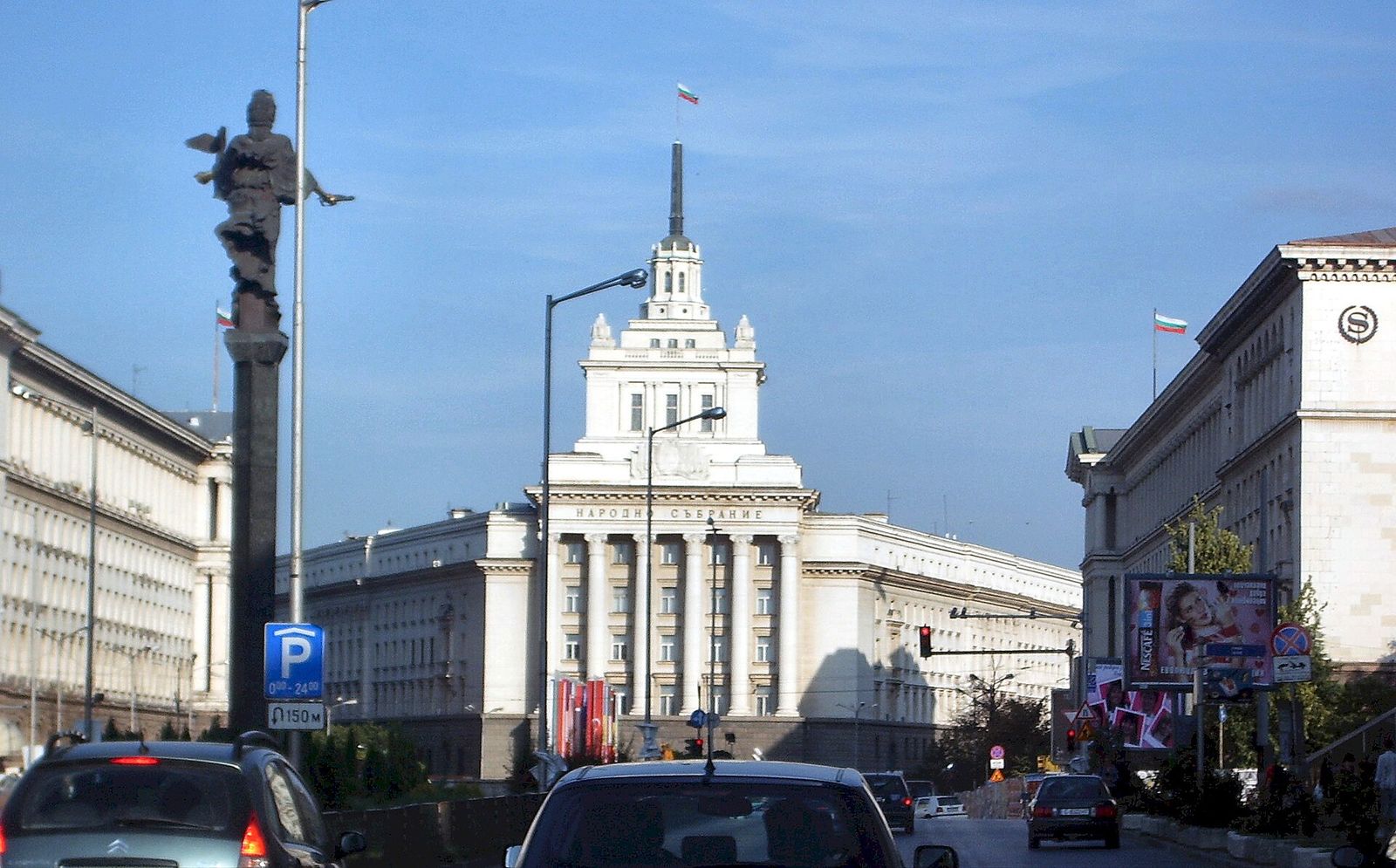
Back in the center, finish at the National Palace of Culture, opened in 1981 for Bulgaria's 1,300th anniversary. The park in front has fountains and a piece of the Berlin Wall, and it is a good place to sit for an hour at sunset.
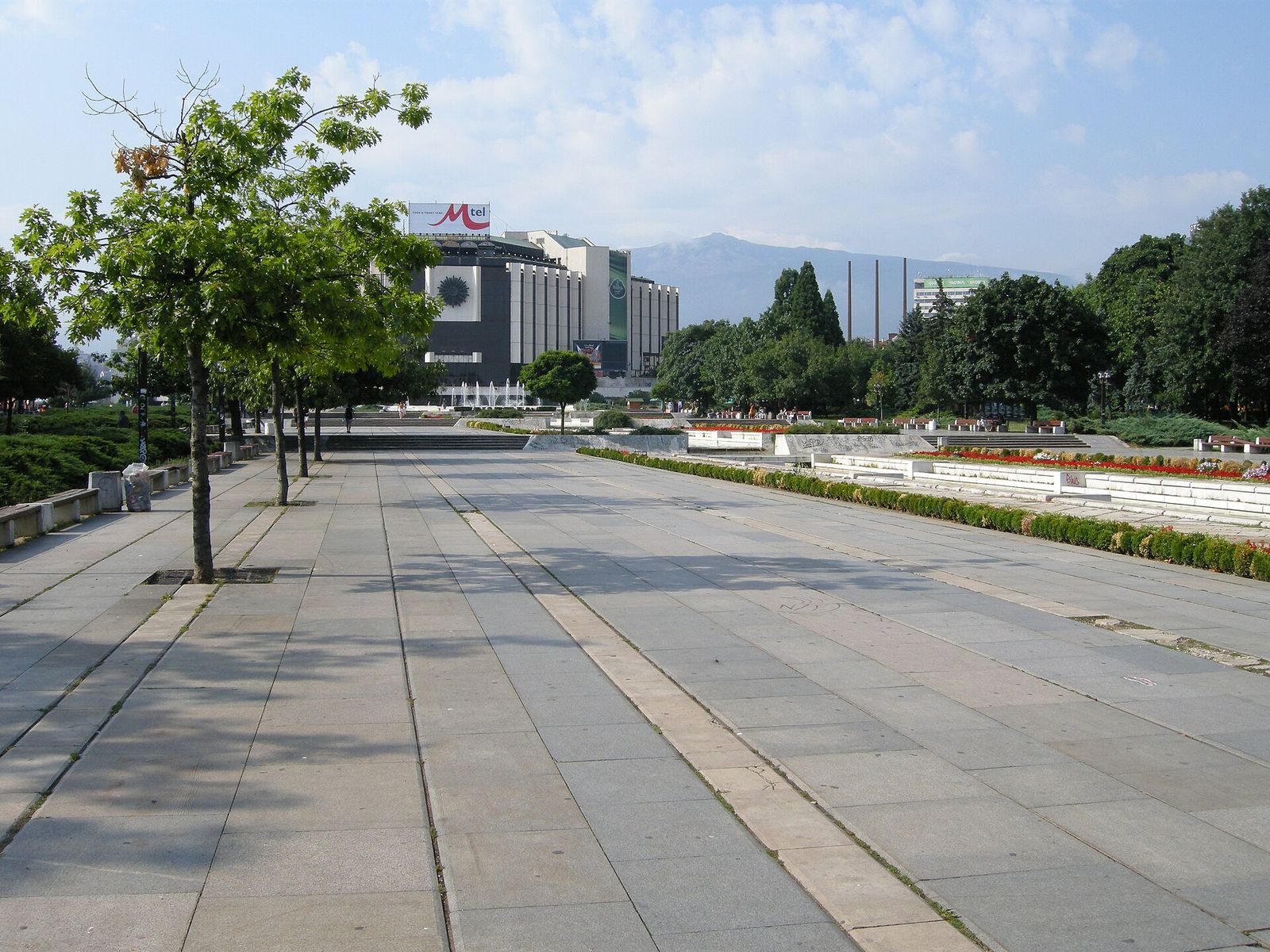
The National Palace of Culture sits at the south end of Vitosha Boulevard, so dinner is a short walk away. From here, Sofia's nightlife spreads into the small bars on and around Tsar Shishman Street.
Day 3: Boyana Church, the history museum and Vitosha
Day 3 heads to the foot of Vitosha, about 8 km from the center. Take the metro to Vitosha station on line M2 and switch to buses, or take a taxi for about €15 to €20.
Morning: Boyana Church
Bus 64 runs from near Vitosha metro station to the Boyansko Hanche stop, and the trip from the center takes 30 to 40 minutes. Boyana Church is a UNESCO World Heritage Site with frescoes painted in 1259, and it is the paid sight in Sofia I'd put first.
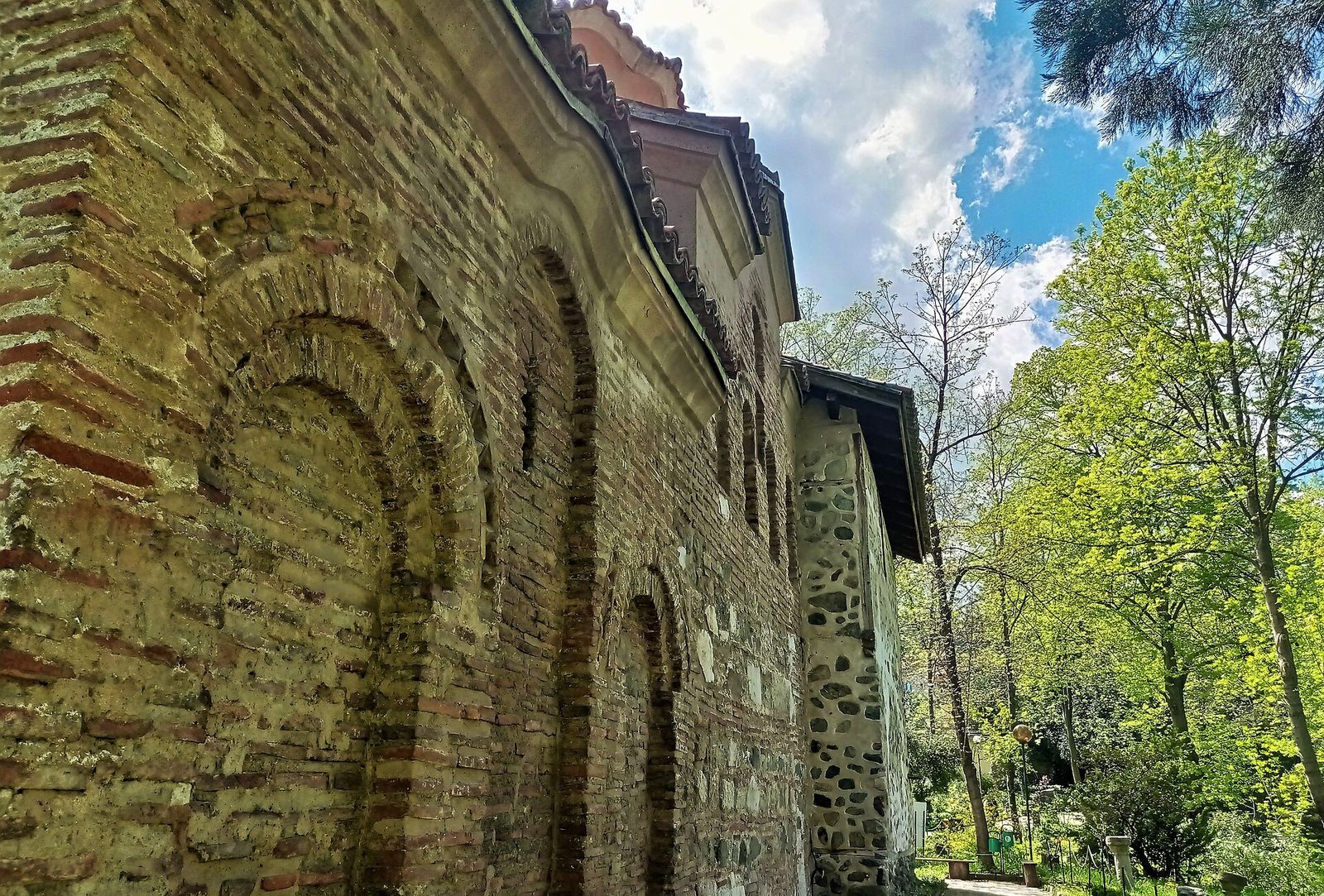
Visits are limited to 9 people for 10 minutes, so expect a short wait for your slot. Tickets cost €10. No photos inside. The church opens from 9 AM to 5:30 PM from November to March and from 9:30 AM to 6 PM from April to October. Entry is free on the last Monday of the month after 3 PM.
Midday: the National Historical Museum
The National Historical Museum is about 2 km from the church, a 25 to 30 minute walk or a short taxi ride. It is the largest museum in Bulgaria, set in a former communist-era state residence in the woods, and it holds the Thracian gold of the Panagyurishte Treasure.
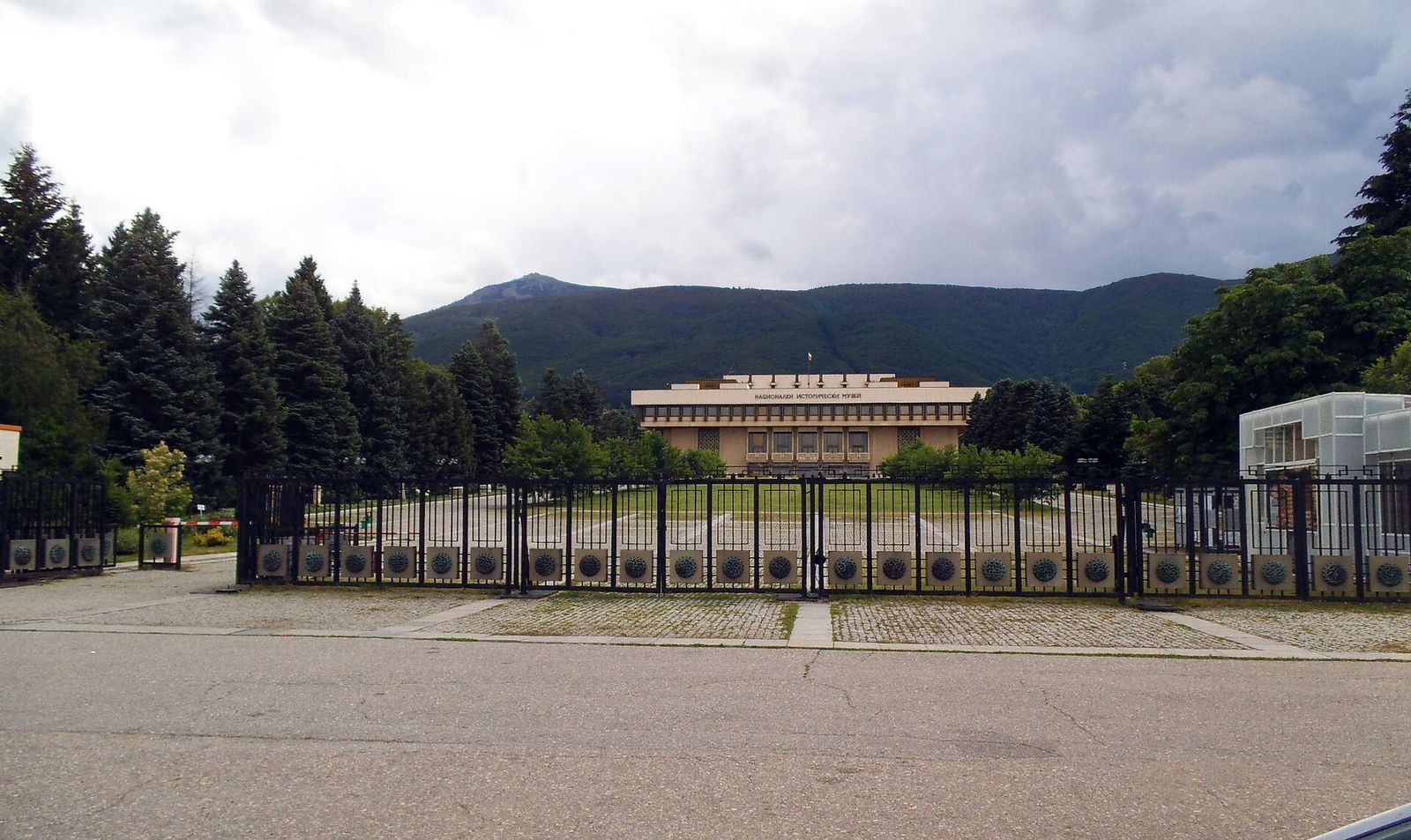
Tickets cost €9, and the National Historical Museum opens every day from 9:30 AM, until 6 PM from October to March and 7 PM from April to September. The English labels are thin, so give yourself 2 hours and pick the galleries that interest you.
Afternoon: Vitosha Mountain
Bus 66 climbs from the Vitosha metro area to Aleko, the base on the mountain, and runs more often at weekends, so check the timetable before you set off. From Aleko, a short walk among the pines gives you the view back over Sofia, and the hike to Cherni Vrah, the 2,290 meter summit, takes 1.5 to 2 hours each way.
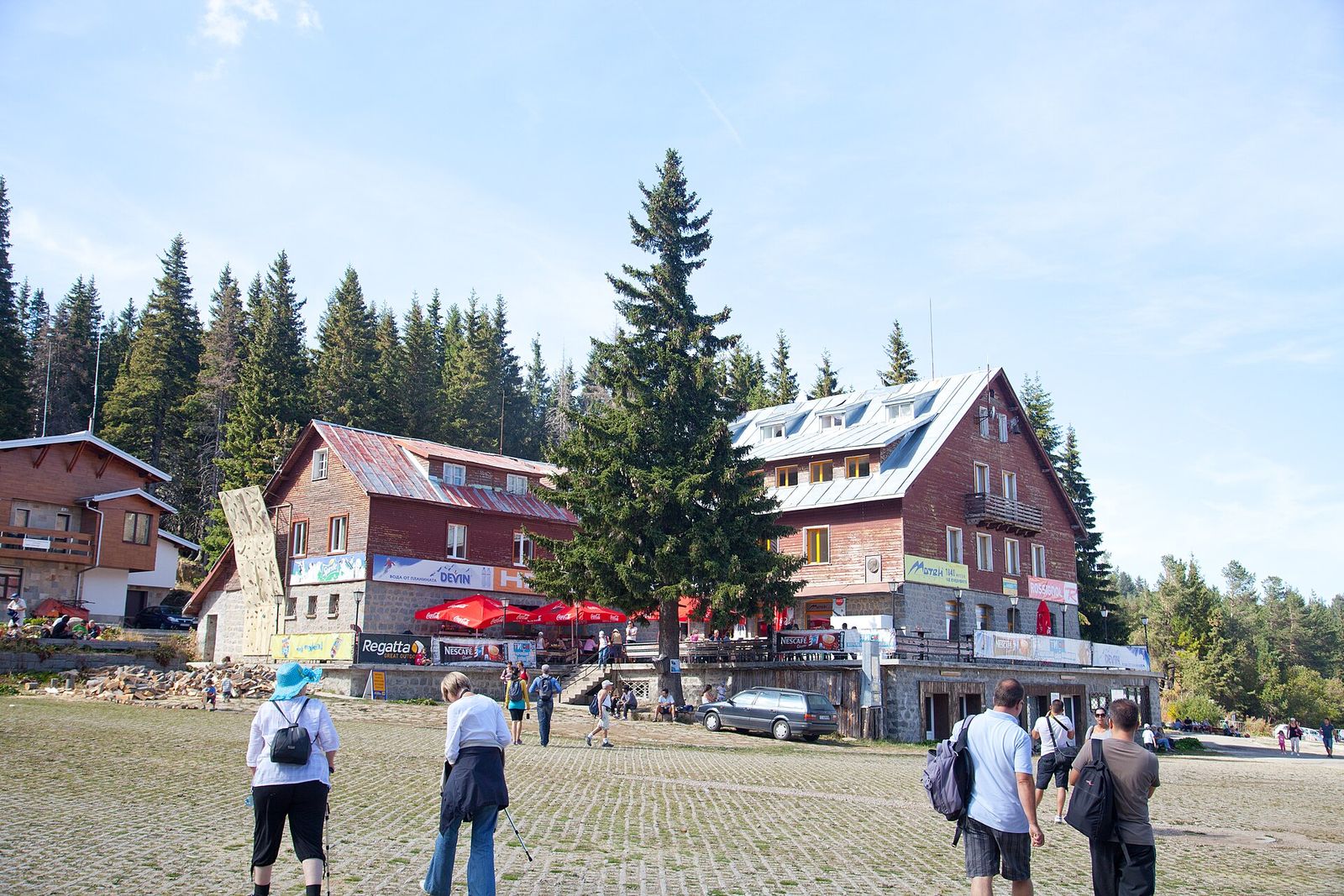
The summit is a full afternoon on its own, so with Boyana in the morning I'd keep the mountain to a walk around Aleko. The Simeonovo gondola has not run since 2023. Take the bus. Weather on Vitosha Mountain turns fast, and I'd pack a warm layer even in July.
Day 4: Rila Monastery on your own
Rila Monastery is the trip I'd add first, 127 km south of Sofia in the Rila Mountains at 1,147 meters. By car it takes 2 to 2.5 hours: south on the A3 toward Blagoevgrad, off near Dupnitsa and then east on road 62 into the valley. Bring cash for the car park outside the walls.
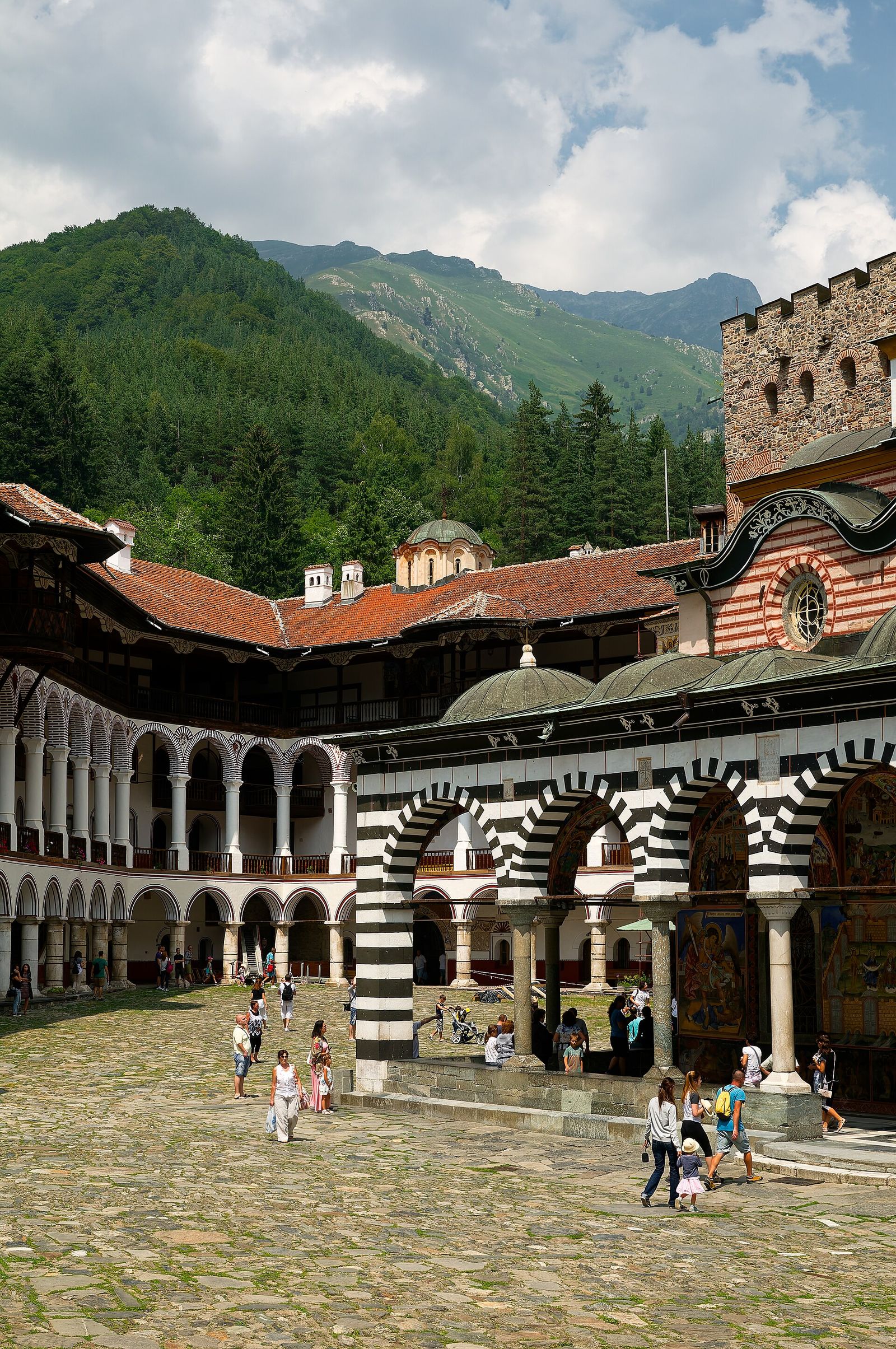
The courtyard and the church are free, and the monastery museums cost €12 on a combined ticket. Shoulders and knees must be covered, and wraps are handed out free at the entrance. Give it at least 3 hours, and come early or late, because the coach groups arrive around midday.
On the drive back, the Stob Earth Pyramids sit near the village of Stob on the approach road. The trail through the rock pillars takes about 30 minutes each way and costs about €1.
Day 5: Plovdiv or the Seven Rila Lakes
For a fifth day, pick by season. Plovdiv works all year, and the Seven Rila Lakes are a summer trip, roughly June to September. They sit in a different valley from the monastery, so they are a separate day.
Plovdiv by bus
Buses leave Sofia Central Bus Station about every hour, take about 2 hours and cost about €7 to €8 each way. The 7:30 AM bus gets you there by 9:30, and the last reliable bus back leaves around 8 PM. Buy the return ticket when you arrive. Friday and Sunday evenings sell out.
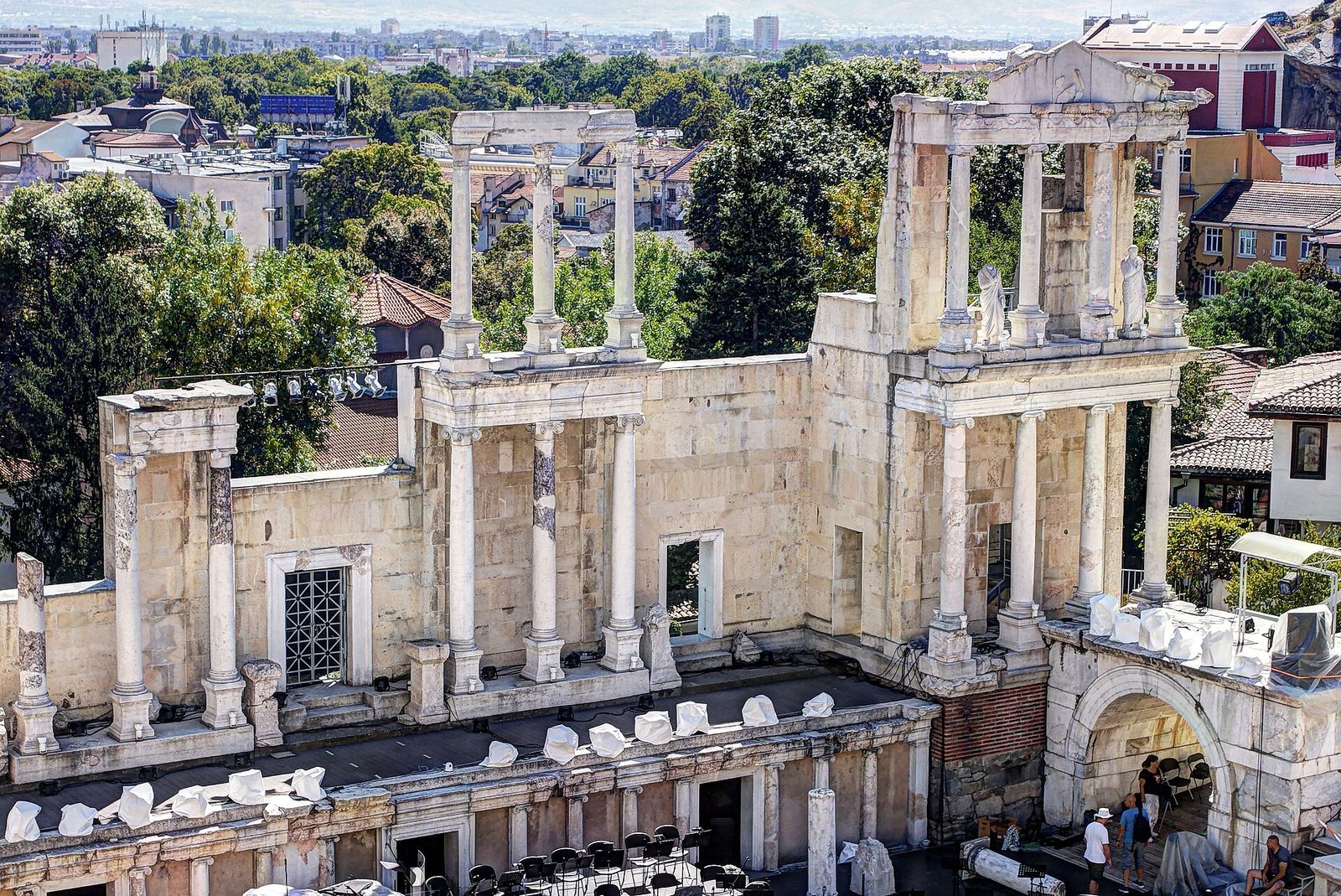
Plovdiv is Bulgaria's second city, with a Roman theater, cobbled Old Town streets lined with painted houses and the Kapana district for lunch. The Plovdiv day trip also works by train in about 3 hours, or by car in about 1.5 hours on the A1, which needs an e-vignette.
The Seven Rila Lakes by car
The lakes are a glacial chain between about 2,100 and 2,500 meters, and the drive to the Pionerska hut at the lower chairlift takes 1.5 to 2 hours. The lift costs €16 return or €11 one way, and the loop past the lakes runs 9 to 10 km and takes 3 to 5 hours.
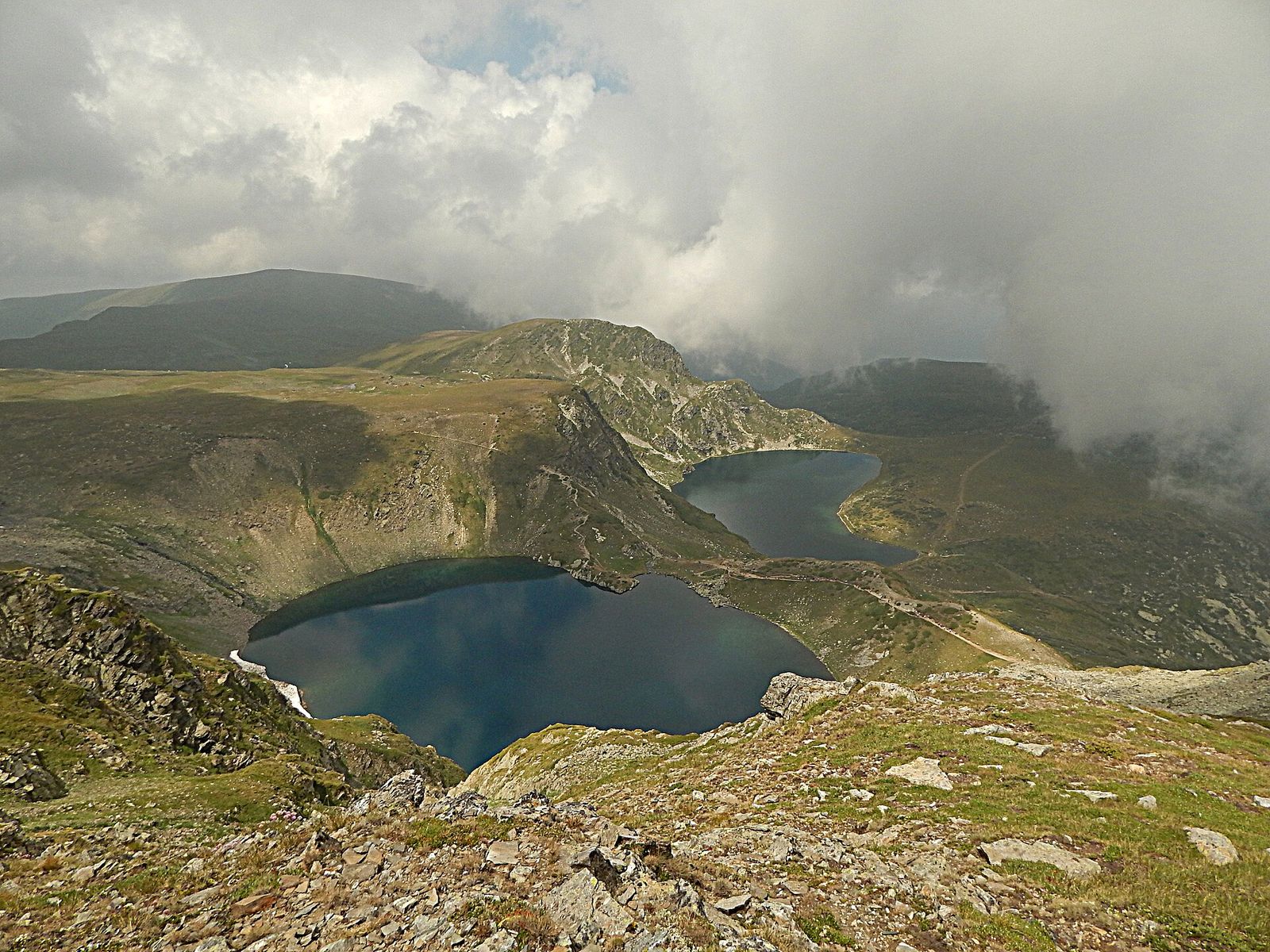
Without a car, take a bus to Dupnitsa, a little more than an hour away, and a taxi from there to the hut for about €15. Swimming in the lakes is not allowed, and the lakes freeze roughly from October to May.
If neither appeals, Koprivshtitsa is a third choice: a town of 19th-century Revival houses about 2 hours away by car, with a few trains a day.
If you only have 1 day in Sofia
One day is enough for the center if you start at 9 AM and keep moving along the day 1 route.
| Time | Stop | Cost |
|---|---|---|
| 9:00 AM | Serdica ruins at Serdika station, then the Rotunda of St George | Free |
| 10:30 AM | St Nedelya Church, then the mineral springs | Free |
| 11:30 AM | Banya Bashi Mosque and the synagogue from outside | Free |
| 12:30 PM | Central Market Hall, then lunch nearby | €6 to €10 |
| 2:00 PM | Alexander Nevsky Cathedral and St Sofia Church | Free, €10 for the crypt |
| 4:00 PM | City Garden and the National Theatre | Free |
| 6:00 PM | Vitosha Boulevard and the Palace of Justice | Free |
| 7:30 PM | Dinner on or near Vitosha Boulevard | €15 to €28 with wine |
Order a shopska salad and kebapche at dinner, two Bulgarian dishes on most menus in the center; the salad costs about €4 to €5.
Getting around and where to stay for this itinerary
Stay in the center, between Serdika and NDK, and days 1 and 2 need almost no transport. Where to stay in Sofia comes down to that strip for a first visit, with Oborishte behind the cathedral as the quieter choice.
A ride on the metro, a tram or a bus costs €0.80 for 30 minutes with changes. Tap the same contactless card on every validator, and the fares stop at €2 for the day, which covers day 3 on its own. A 72-hour card costs €7.60 and adds the night buses, which makes getting around Sofia after midnight cheaper than one long taxi ride.
For this much walking, the best time to visit Sofia is May to June or September, when days reach 20 to 23°C. With most of day 1 free, Sofia on a budget is easy to do, and if you pay for every museum on the way, the three city days come to €45 to €62 in entry fees.
Key takeaways
- Plan 2 days for the center and a third for Boyana Church, the National Historical Museum and Vitosha.
- Day 1 is almost free: Serdica, the Rotunda, St Nedelya, the mineral springs and Alexander Nevsky cost nothing.
- Keep museums off Mondays; the National Historical Museum opens every day.
- Do Rila Monastery by car in about 2 hours, or by bus to Dupnitsa plus a taxi.
- Plovdiv is the easiest fifth day, about 2 hours by bus for €7 to €8 each way.
Frequently asked questions
How many days do you need in Sofia?
Two to three days. Two days cover the center on foot, and a third day adds Boyana Church, the National Historical Museum and Vitosha Mountain. Add a fourth or fifth day for Rila Monastery or Plovdiv.
Is 2 days enough for Sofia?
Yes, for the city itself. Day 1 covers Serdica, the churches, the mineral springs and Vitosha Boulevard, and day 2 covers a market, the National Gallery, the Museum of Socialist Art and NDK. You miss Boyana and the mountain, which need a third day.
What should I do with 3 days in Sofia?
Spend two days in the center and the third at the foot of Vitosha. Boyana Church in the morning, the National Historical Museum at midday and a walk around Aleko on the mountain in the afternoon fit in one day by metro and bus.
Can you see Sofia in one day?
You can see the center in one day if you start at 9 AM. Serdica, the Rotunda, St Nedelya, the mineral springs, Alexander Nevsky and Vitosha Boulevard all sit within a short walk of each other, and most of them are free.
Can you visit Rila Monastery on your own?
Yes. By car it takes 2 to 2.5 hours from Sofia, with a paid car park at the monastery. There is no direct public bus at the moment, so without a car take a bus to Dupnitsa or Blagoevgrad and a taxi from there.
What is the prettiest town to add to a Sofia trip?
I'd say Plovdiv's Old Town, with its painted houses on cobbled streets and a Roman theater in the middle. Koprivshtitsa is the smaller, quieter choice, about 2 hours from Sofia by car.
Sofia Travel Tips: What I'd Tell You Before a First Trip to Bulgaria
Sofia is easy once you know a few rules. What I'd tell a friend about visas, the euro, taxis and getting around.
Read the guide
Best Time to Visit Sofia
Sofia has four real seasons. The months I'd pick for walking, hiking, skiing and saving money, with the weather.
Read the guide
Sofia Airport to the City Center: Metro, Bus and Taxi
Sofia Airport has its own metro station. Here is every way into the center, with prices, times and the one I'd pick.
Read the guide