Street Food in Sofia: What to Eat and What It Costs
Sofia eats on the move, from bakery windows, grill counters and market stalls, and most of it costs under €2. Below are the street foods to order in Sofia, the kiosk snacks, the places where the best of it is sold, the cheap sit-down lunches for when you want a chair, and what each one costs in euros.
What street food in Sofia looks like
Sofia's street food is the bakery window where banitsa comes off the tray at 7 AM, the grill counter by a tram stop with kebapche in a bun, the cart outside a metro exit stacked with sesame bread rings, and the stalls of the Women's Market. Bulgarians eat most of it standing up, on the way to work or on the way home.
Banitsa, kebapche and boza, three staples of traditional Bulgarian food, each cost €2 or less at a street counter, and lyutenitsa, the fourth, comes spread inside the kebapche bun. The grills get busy toward lunch, and the kiosks and duner counters carry the evening.
The street food to eat in Sofia
Banitsa
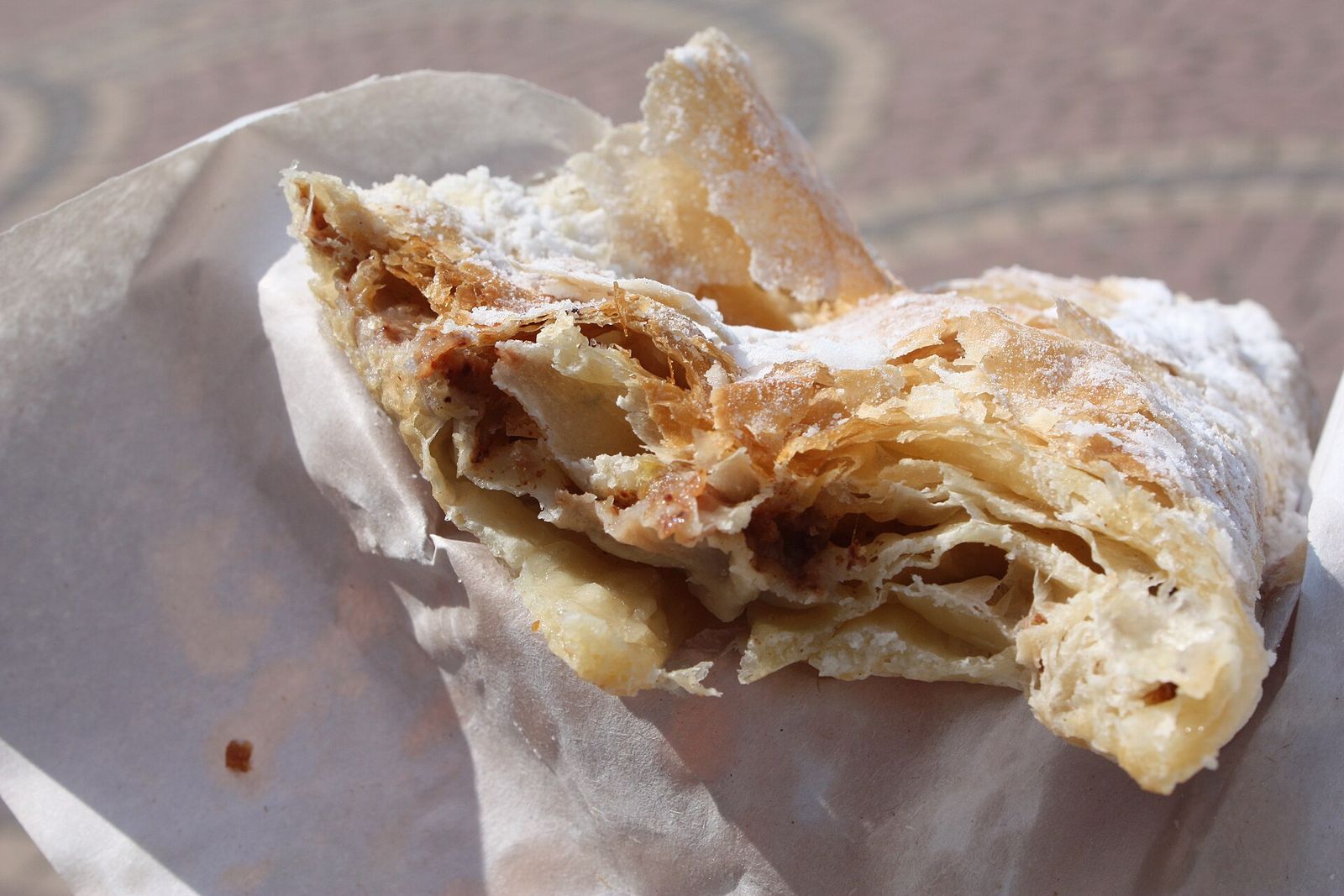
Banitsa is filo pastry layered with egg, yogurt and sirene, the salty white cheese, then baked in a big round tray. Bakeries cut it into squares and wrap a piece in paper for about €1 to €2. Cheese is the standard filling, spinach comes second, and pumpkin banitsa with walnuts turns up in autumn.
It is best between about 7 and 10 AM, while the filo is still crisp. The best banitsa in Sofia comes from bakeries that bake in batches through the morning, and I'd pass on any piece that looks flat and dry after a few hours under glass.
Mekitsa
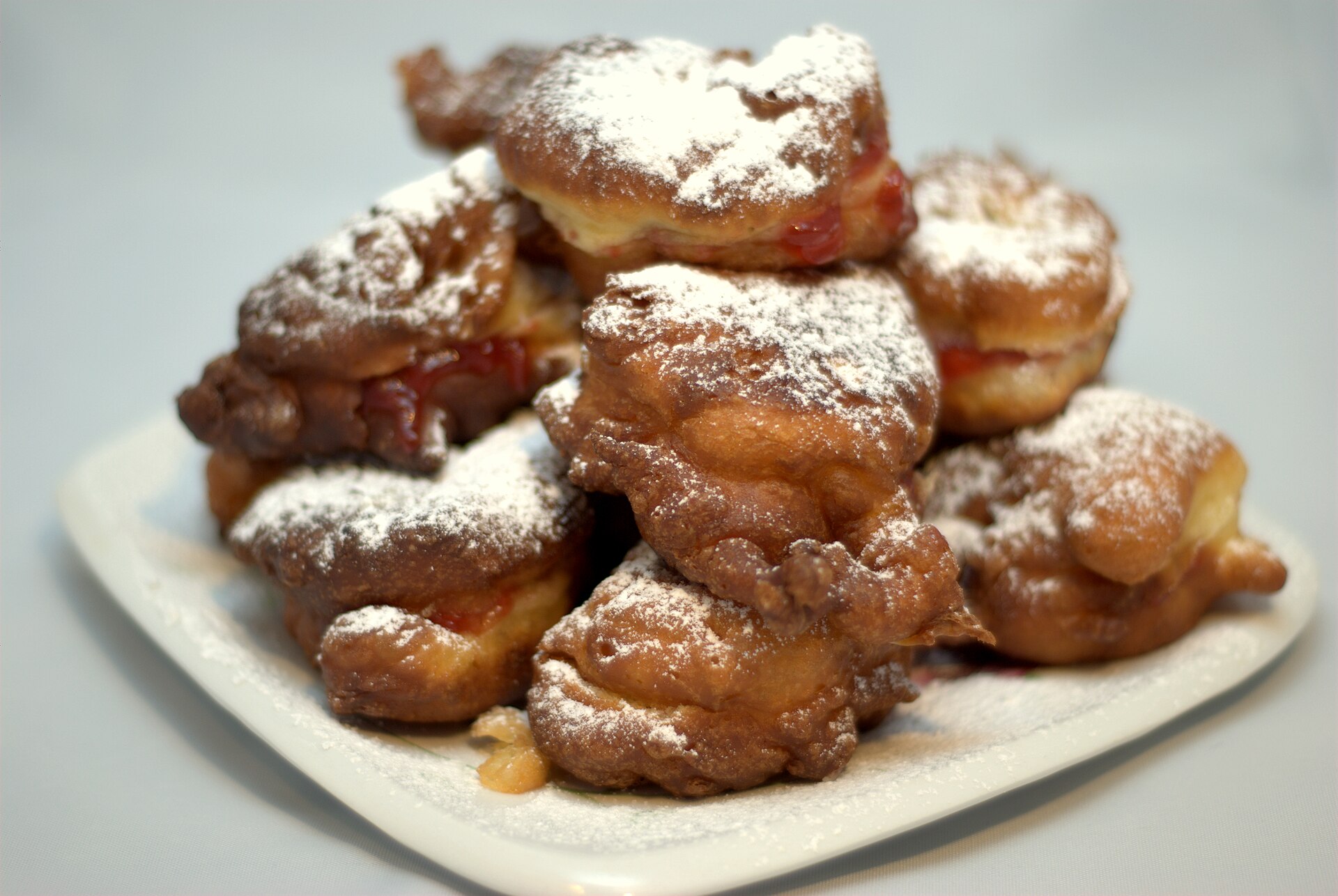
Mekitsi are rounds of yeasted dough made with yogurt, fried until they puff up and served hot with powdered sugar, jam, honey or crumbled sirene. Market stalls and bakeries sell them for about €1 to €2. At Mekitsa and Coffee on Graf Ignatiev Street they start at about €2.50, with toppings from pistachio spread to cream cheese and pesto, and the owners traveled around Bulgaria for the recipe before they opened.
Fewer places fry mekitsi than bake banitsa, and a mekitsa is only good in the first few minutes. When you see a fresh batch coming out of the oil, stop.
Kebapche and kyufte
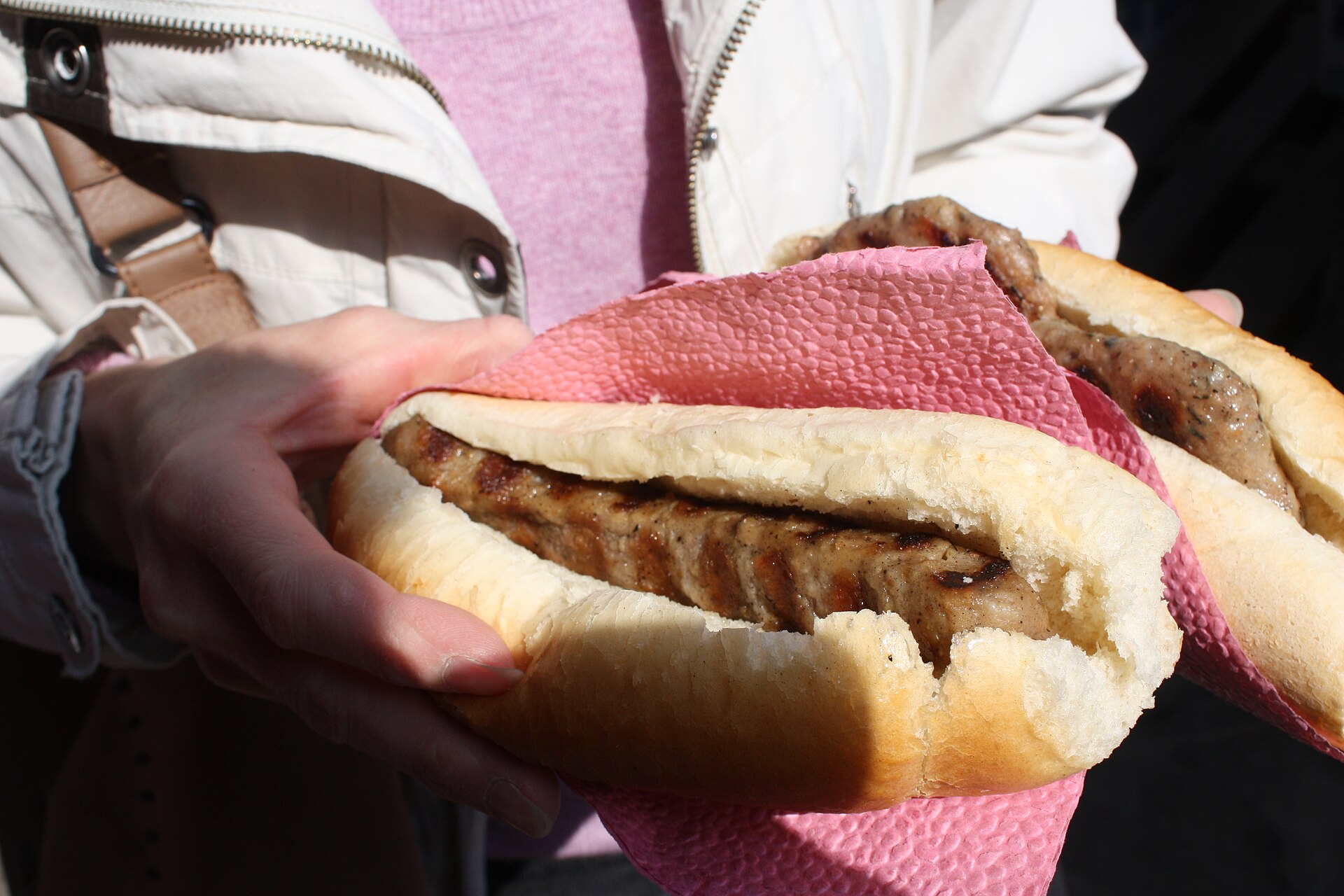
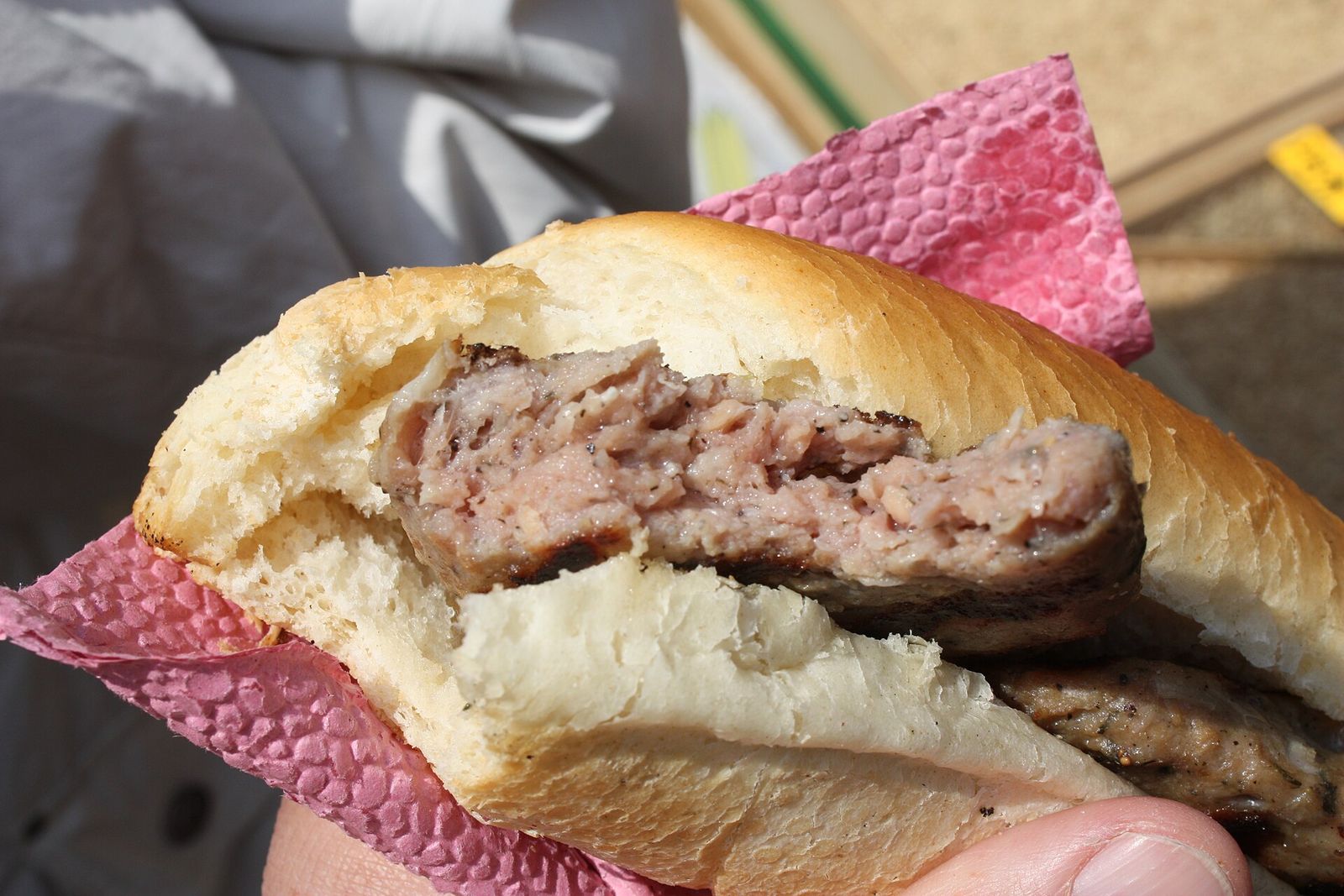
Kebapche is a finger of minced pork and beef, seasoned with cumin and cooked over charcoal or on a flat grill. Kyufte is its round sister, a patty with onion mixed into the meat. At a grill counter you get one or two in a soft bun for about €1 to €1.50 each, usually with lyutenitsa, the roasted pepper and tomato relish, spread inside.
The same kebapche costs €3 to €5 on a plate in a tavern, with fries and a salad. Grill counters sit near bus and tram stops, around Zhenski Pazar and in the residential neighborhoods away from the polished streets. If you see smoke rising from a small counter with no dining room behind it, that is the kind of place to eat one.
Boza and ayran
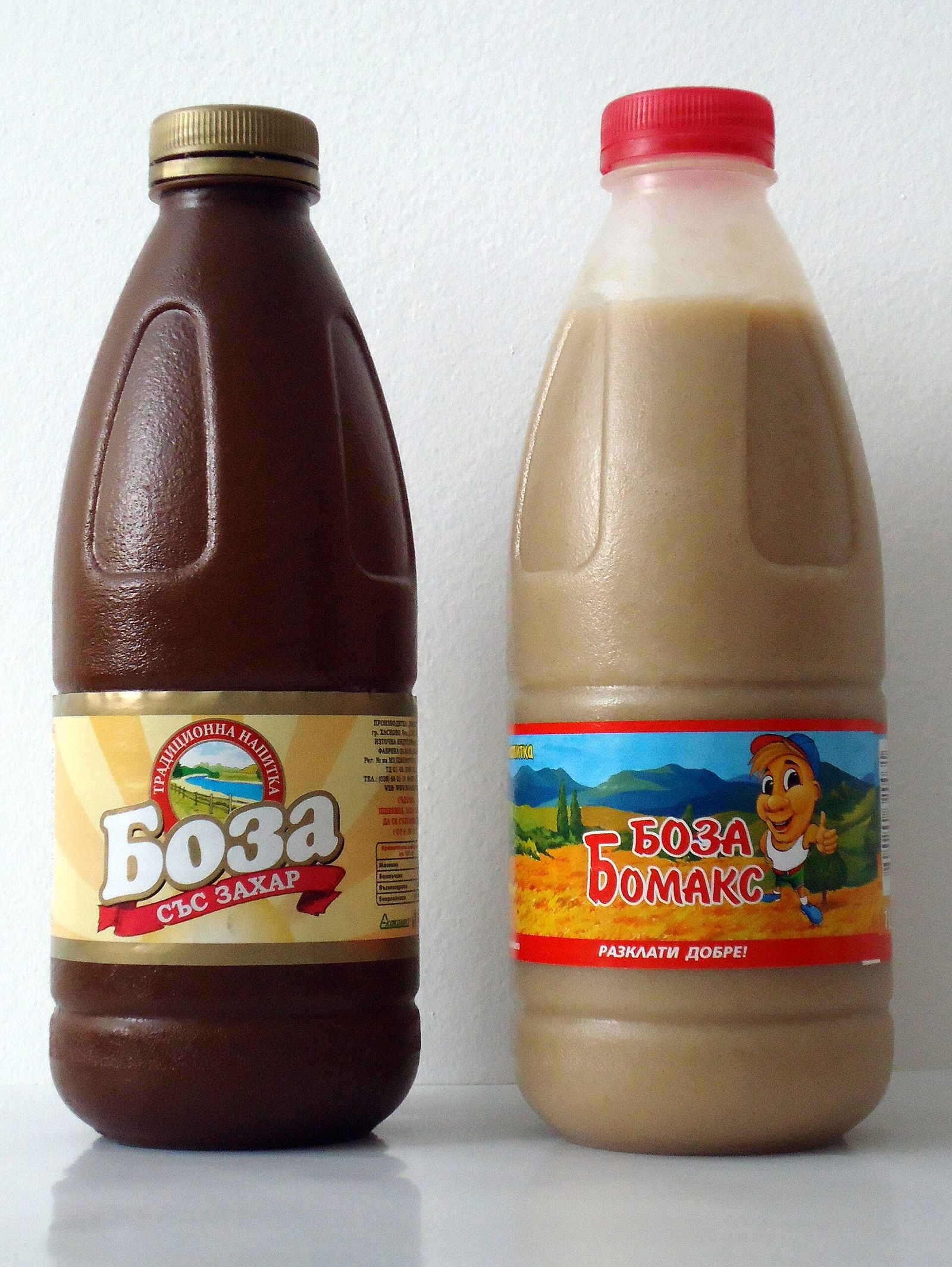
Two cold drinks go with Sofia street food. Ayran is Bulgarian yogurt whisked with water and a pinch of salt, sold in cups and small bottles for about €0.50 to €0.75, and it is the classic partner for banitsa. Boza is thick, sweet and a little sour, fermented from wheat or millet, and a cup costs about €0.50.
Boza is the one people either love or leave after a sip. I'd still drink it once with a cheese banitsa, the way Bulgarians have it at breakfast, before writing it off.
Kiosk snacks and quick bites
The kiosks and carts fill the gaps between meals, and a gevrek, a pizza slice or a street espresso costs a euro or less.
| Snack | What it is | Where to find it | Price |
|---|---|---|---|
| Gevrek | A ring of bread crusted in sesame | Carts near Serdika metro and on Vitosha Boulevard | Under €1 |
| Pizza by the slice | Thick slices kept warm on a tray | Bakeries and the counters inside metro stations | Under €1 |
| Duner | Bulgaria's doner kebab, in a wrap or a bun | Counters all over the center | Under €5 |
| Lukanka sandwich | Bread with slices of flat, dry-cured pork and beef sausage | Deli counters at Zhenski Pazar | Sliced to order |
| Roasted chestnuts | Hot chestnuts in a paper bag | Vitosha Boulevard near NDK, September to January | €1.50 to €2 a small bag |
| Sunflower seeds and nuts | Roasted and salted, sold by the scoop | Kiosks around the center | By the scoop |
| Espresso | A shot from a street machine | Kiosks and newsstands | €0.50 to €1 |
Gevrek goes stale within hours, so buy it warm and eat it on the spot. Most metro stations have a small bakery and a pizza counter for people rushing to and from work, and they are among the cheapest places in the city to eat. For ice cream in Sofia with a seat, Raffy Bar & Gelato at Vitosha Boulevard 18 serves gelato and pasta and gets busy on Friday nights.
Where to find street food in Sofia
Zhenski Pazar
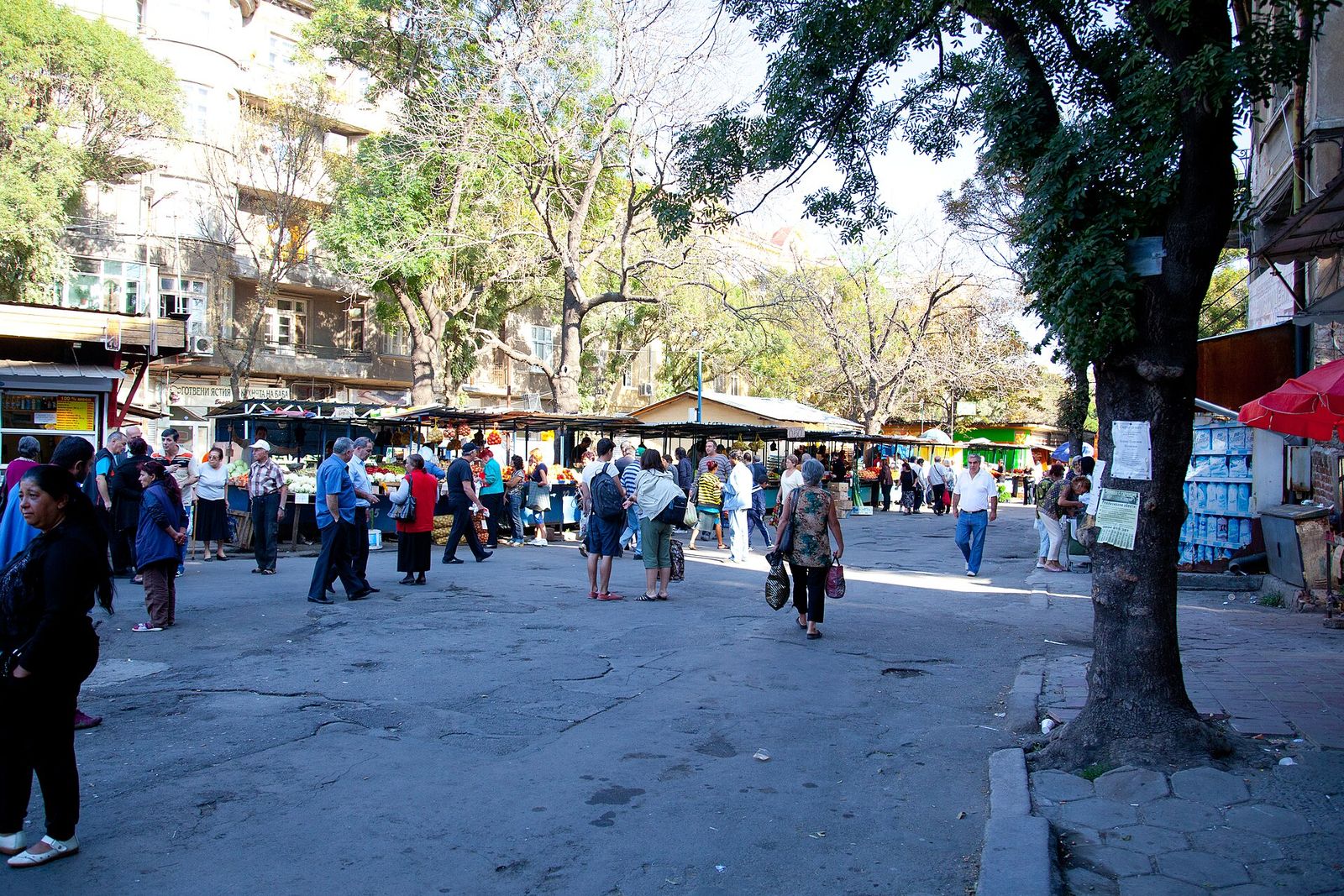
Zhenski Pazar, the Women's Market, is the open-air market about 5 minutes on foot from Serdika metro, and it is the best single place in the center to eat the way Sofia eats. Bakery stalls sell banitsa and mekitsi, deli counters slice lukanka and sudzhuk into a sandwich while you wait, and stalls sell homemade lyutenitsa by weight, about €2 to €4 for a small tub.
The market runs every day, Sunday is quieter, and the prepared food runs low by mid-afternoon. Ask to taste the sirene before you buy a piece, because quality varies from stall to stall. Zhenski Pazar is also where I'd buy fruit for a picnic in a park.
The Central Market Hall on Maria Luiza Boulevard reopened in May 2024 as a supermarket inside the restored 1911 building, so it is a grocery stop now, with part of Serdica's Roman wall on show in its basement. For bakery banitsa, Furna, Hlebar and Sofiyska Banitsa are the counters I'd walk to.
Furna
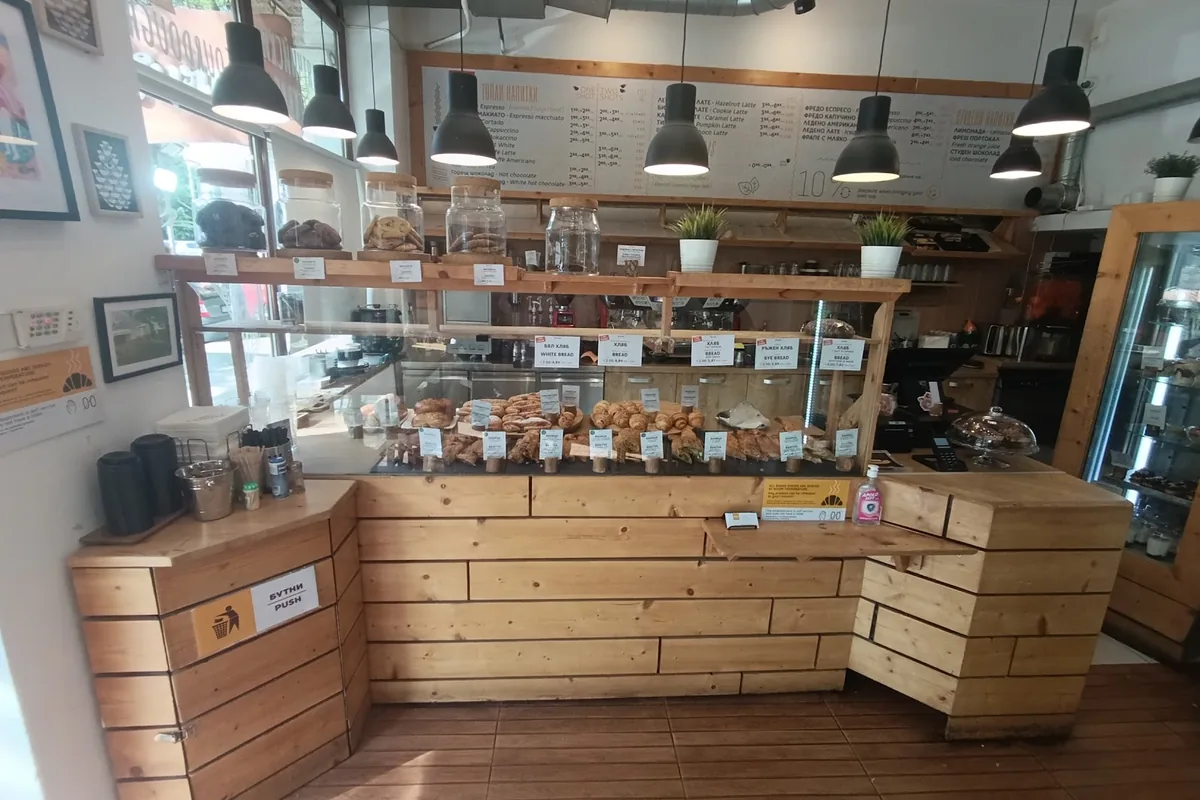
Furna is a bakery on Stefan Stambolov Boulevard with a counter full of banitsa every morning. Each one is labeled vegetarian or vegan, the fillings run from egg and sirene to pumpkin, walnut and brown sugar, and a piece costs about €1.30 to €1.50. It also sells boza, yogurt and sourdough, and there are benches outside to eat on. The vegan banitsas sell out by the afternoon.
Hlebar
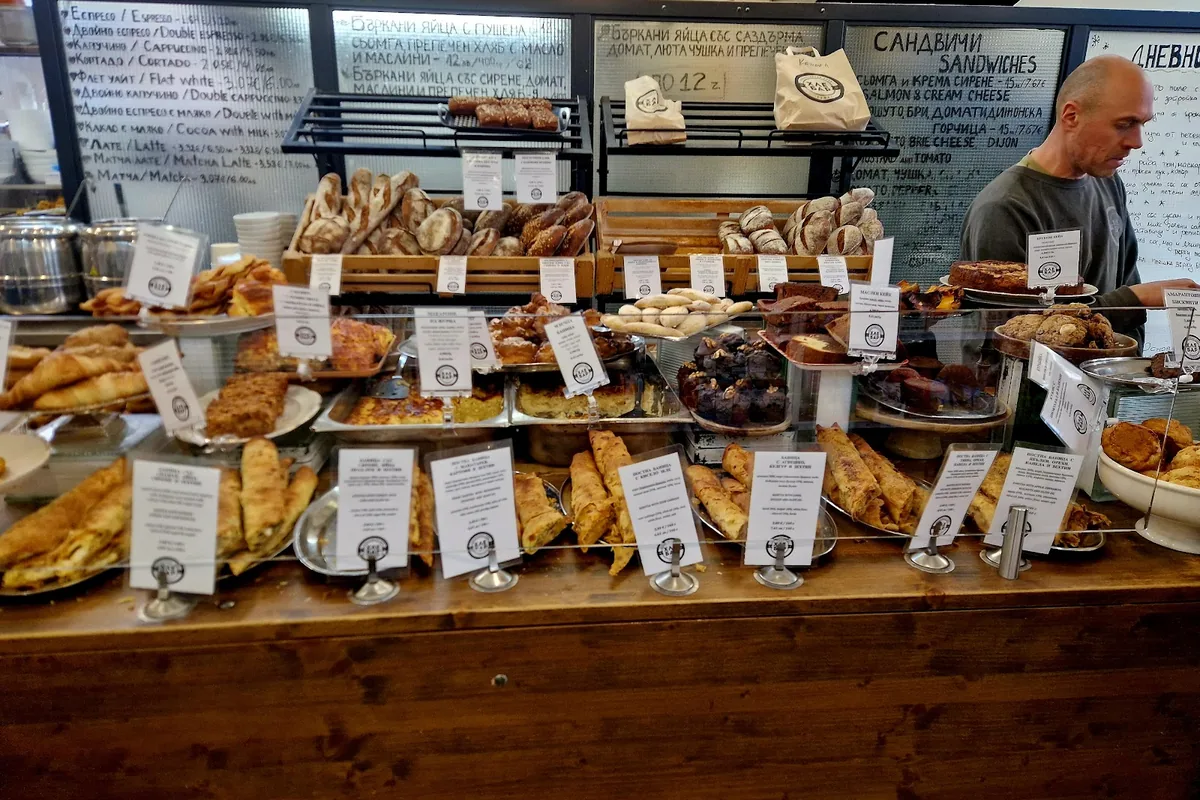
Hlebar bakes banitsa all day, sweet with apple, raisins and brown sugar or savory with potato and mushroom. Its branch at Vasil Aprilov 14 is the one I'd point you to, and there are others on Oborishte Street and Shishman Street near the Doctors' Garden. Two banitsas and two espressos come to about €5.
Sofiyska Banitsa
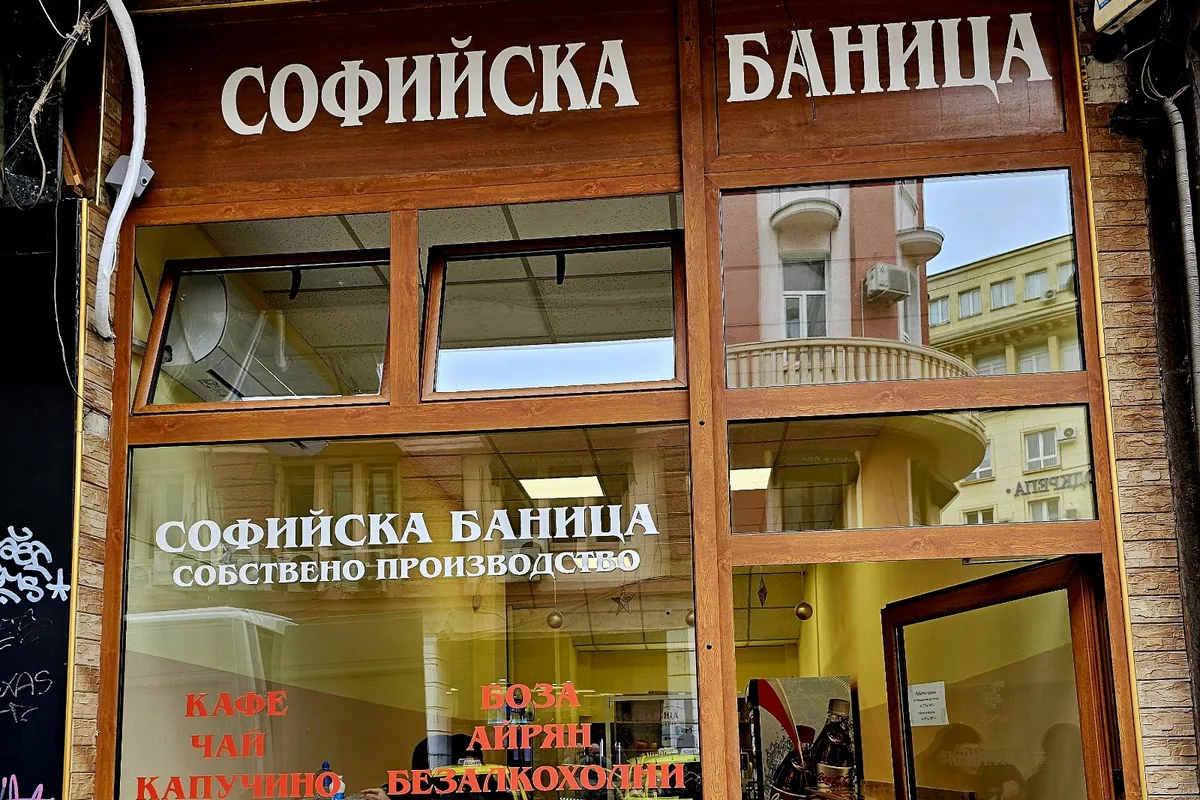
Sofiyska Banitsa, "Sofia banitsa," has a shop on Graf Ignatiev Street, the same street as Mekitsa and Coffee. Its name recalls the small corner banitsa shops that once stood all over the city, most of which have since become bakeries selling frozen pastry.
Cheap eats in Sofia with a seat
When you want a chair and a hot plate, Sofia stays cheap. Soup bars and kebab shops serve a filling meal for under €5, and a main course in most mid-range restaurants costs €5 to €10.
Supa Star
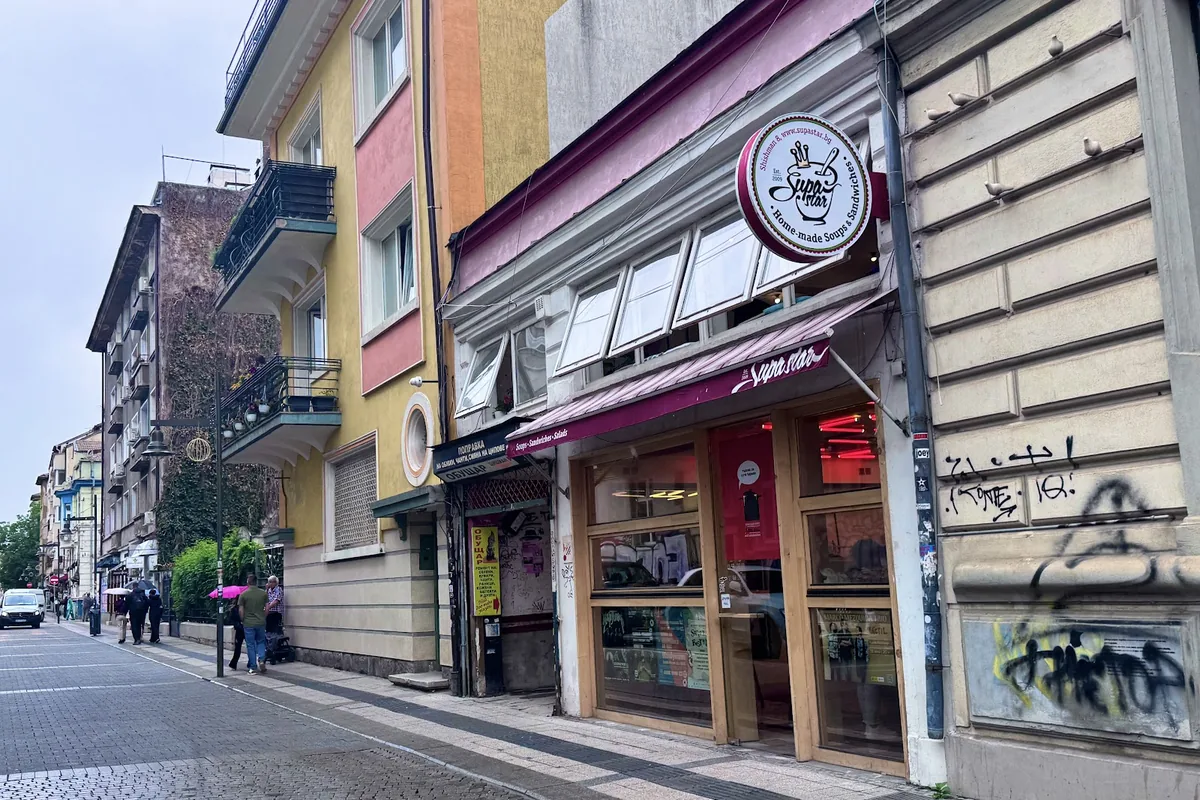
Supa Star makes soups that change every day and serves them with wholegrain bread, and there are more seats upstairs. The prices are low, and it is the lunch I'd pick in the cold months.
Soup Me
Soup Me at Neofit Rilski 55, a few blocks from Vitosha Boulevard, makes homemade soups, and most of the seats are around one big communal island. It suits a solo traveler who wants a hot bowl without the fuss of a restaurant.
Skapto
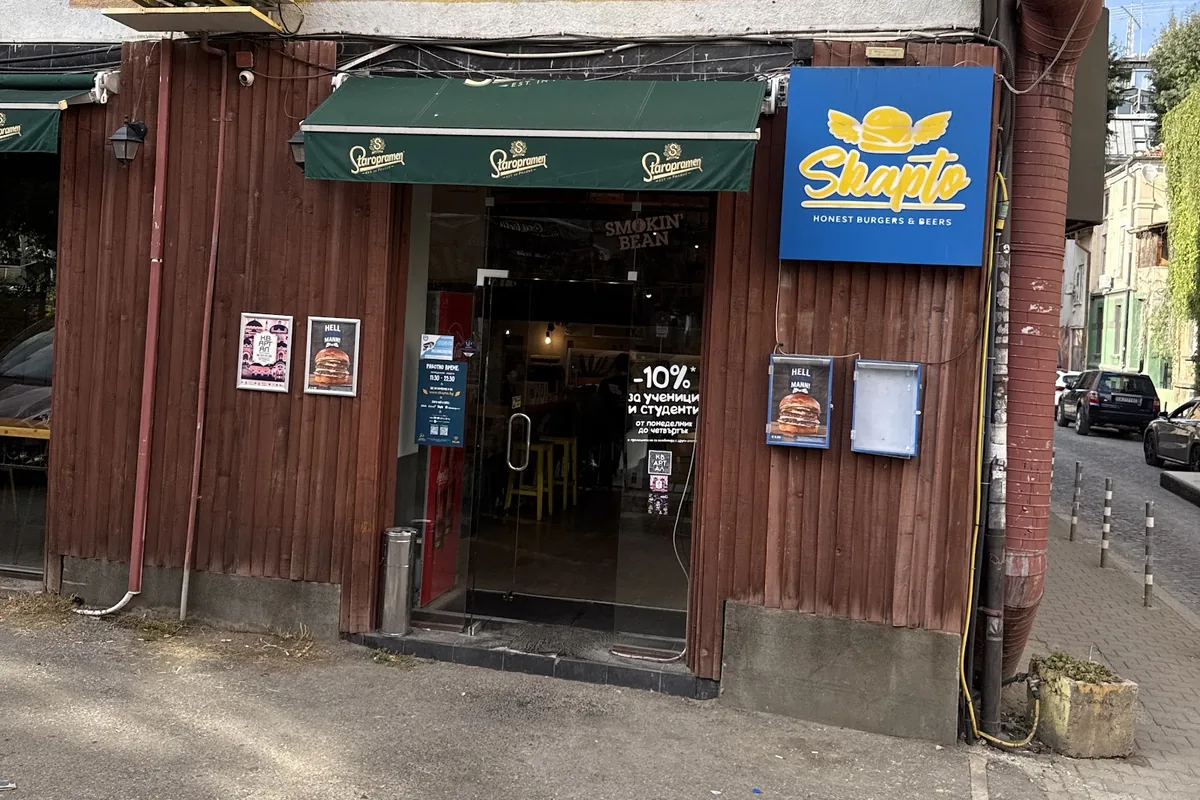
Skapto on Iskar Street is the burger bar I'd pick, with combo deals and Bulgarian craft beer from Sofia Electric Brewing on the beer list.
Satsanga
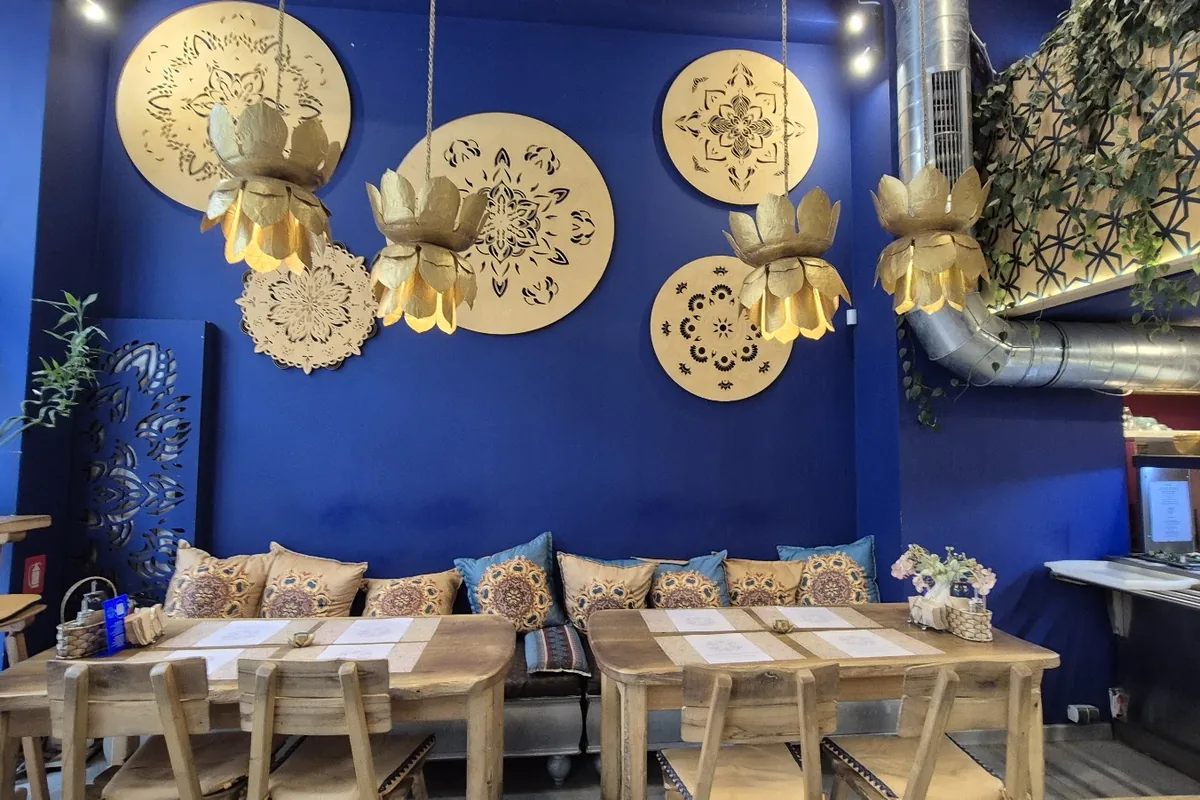
Satsanga at Georgi Benkovski 8 is a vegetarian buffet where you fill a plate and pay by weight. The cooking is mostly Indian, with sweet potato curry and dahl as regulars, and Bulgarian dishes rotate in. The buffet starts at noon, and two plates with a water and a beer come to about €22.50. The rest of the vegetarian and vegan food in Sofia runs from Furna's vegan banitsa to a chickpea kofte wrap at Loving Hut.
Big supermarkets are the other cheap lunch. The larger branches of Billa have a hot food counter with stews and other cooked dishes. With a hostel kitchen and a market run, food is the easiest cost to cut on a trip, and Sofia on a budget comes to about €35 a day for a backpacker.
Late-night food in Sofia
Duner is the late-night food in Sofia, sold from counters all over the center. A wrap of meat, salad and fries is the standard order on the walk home, and for a sit-down meal at any hour, the Ugo restaurant is open 24 hours.
I'd eat a duner after a night out and keep the kebapche for lunch, when the grills are hot and the meat is fresh off the coals. Sofia's bars and clubs stay open until 5 or 6 AM from Thursday to Saturday.
What street food costs in Sofia
A banitsa and an ayran for breakfast, two kebapche for lunch and a soup-bar dinner come to about €10 for the day. Prices have been in euros since Bulgaria adopted the currency on 1 January 2026, at a fixed 1.95583 leva to the euro, so an older sign saying 2 leva means about €1. Money in Bulgaria is euros and cards in most places now.
Tips for eating street food in Sofia
Follow the queue. A line of locals at a bakery window at 8 AM is the best sign the banitsa is good. A bakery with a big English sign promising "traditional Bulgarian pastry" rarely bakes better than the plain one next door.
Carry a few coins. Most cafes and shops in the center take cards, and many kiosks and market stalls do too, but small purchases at a stall can still be cash only. A €5 note and some coins cover a morning of snacks.
Drink from the tap. Tap water in Sofia is safe to drink, so a refillable bottle saves buying water at every kiosk. The taps beside the Central Mineral Baths run warm mineral water for free, and locals fill big bottles there every day.
For a sit-down morning with eggs and coffee, the breakfast and brunch in Sofia runs from the mekitsa cafes to a 29th-floor weekend brunch at Ozone.
Key takeaways
- Eat banitsa from a bakery between 7 and 10 AM, for about €1 to €2, with ayran or boza.
- Buy kebapche from a grill counter at lunch for about €1 to €1.50 each, and save the duner for late at night.
- Go to Zhenski Pazar before 10 AM for banitsa, mekitsi, lukanka sandwiches and lyutenitsa by weight.
- Soup bars and kebab shops keep a sit-down lunch under €5, and Satsanga's buffet is the pick for vegetarians.
- Walk a block or two off Vitosha Boulevard to pay the local price.
Frequently asked questions
What is the most popular street food in Sofia?
Banitsa is the most popular street food in Sofia. Bulgarians buy a piece from a bakery on the way to work, usually cheese and egg in filo, for about €1 to €2. Kebapche in a bun, mekitsi and gevrek follow it.
Where can I find street food in Sofia?
The best single place is Zhenski Pazar, about 5 minutes on foot from Serdika metro. Beyond it, look for bakeries in the residential streets, grill counters near bus and tram stops, gevrek carts by the metro exits and the counters inside metro stations.
Is street food in Sofia safe to eat?
Yes, street food in Sofia is generally safe. Eat where locals queue, pick pastry from a fresh tray in the morning and kebapche straight off the grill. Skip anything that has been sitting in a warm glass case for hours.
How much does street food cost in Sofia?
Most street food in Sofia costs €1 to €2 an item. Banitsa is €1 to €2, kebapche about €1 to €1.50 each, a gevrek or a pizza slice under €1, and a cup of boza about €0.50. Three street meals in a day come to about €10.
Is it cheap to eat out in Sofia?
Yes, Sofia is cheap by European standards. A main course in a mid-range restaurant costs €5 to €10, a soup bar or kebab shop meal under €5, and a dinner with wine about €15 to €28.
Can vegetarians eat street food in Sofia?
Yes. Banitsa, mekitsi, gevrek and pizza slices are all vegetarian, and Furna labels its banitsas vegetarian or vegan. The grill counters and duner shops are meat, but Loving Hut makes a vegan duner-style wrap with chickpea kofte.
What do Bulgarians eat for breakfast?
Bulgarians eat banitsa or mekitsi for breakfast, usually with a cup of ayran or boza, or a coffee. Mish mash, scrambled eggs with peppers, tomato and sirene, is the sit-down version in cafes and taverns.
Can I drink tap water in Sofia?
Yes, tap water in Sofia is safe to drink. Refill a bottle at your hotel, or at the free mineral water taps beside the Central Mineral Baths, where the water runs warm.
Sofia Food Guide: What to Eat and Where to Eat It
Sofia eats banitsa at breakfast and grills at night. Here is what to eat in the city, where to eat it and what it costs.
Read the guide
Bulgarian Food: 14 Traditional Dishes to Try in Sofia
Bulgarian food runs on white cheese, yogurt and the grill. Here are 14 dishes to order and where to eat them in Sofia.
Read the guide
The Best Restaurants in Sofia: 20 Places I'd Book
Sofia eats out in mehanas, garden bistros and one bold tasting menu. These are the 20 restaurants I'd book.
Read the guide