Koprivshtitsa: A Day Trip from Sofia to Bulgaria's Museum Town
Koprivshtitsa is a small town in the Sredna Gora mountains, 110 km east of Sofia, where 388 houses, bridges, churches and wells from the Bulgarian Revival are protected as one reserve. It is also where the April Uprising of 1876 began. Here is how to get there by train, car or bus, what each of the six house museums shows you, and how long I'd stay.
Koprivshtitsa at a glance
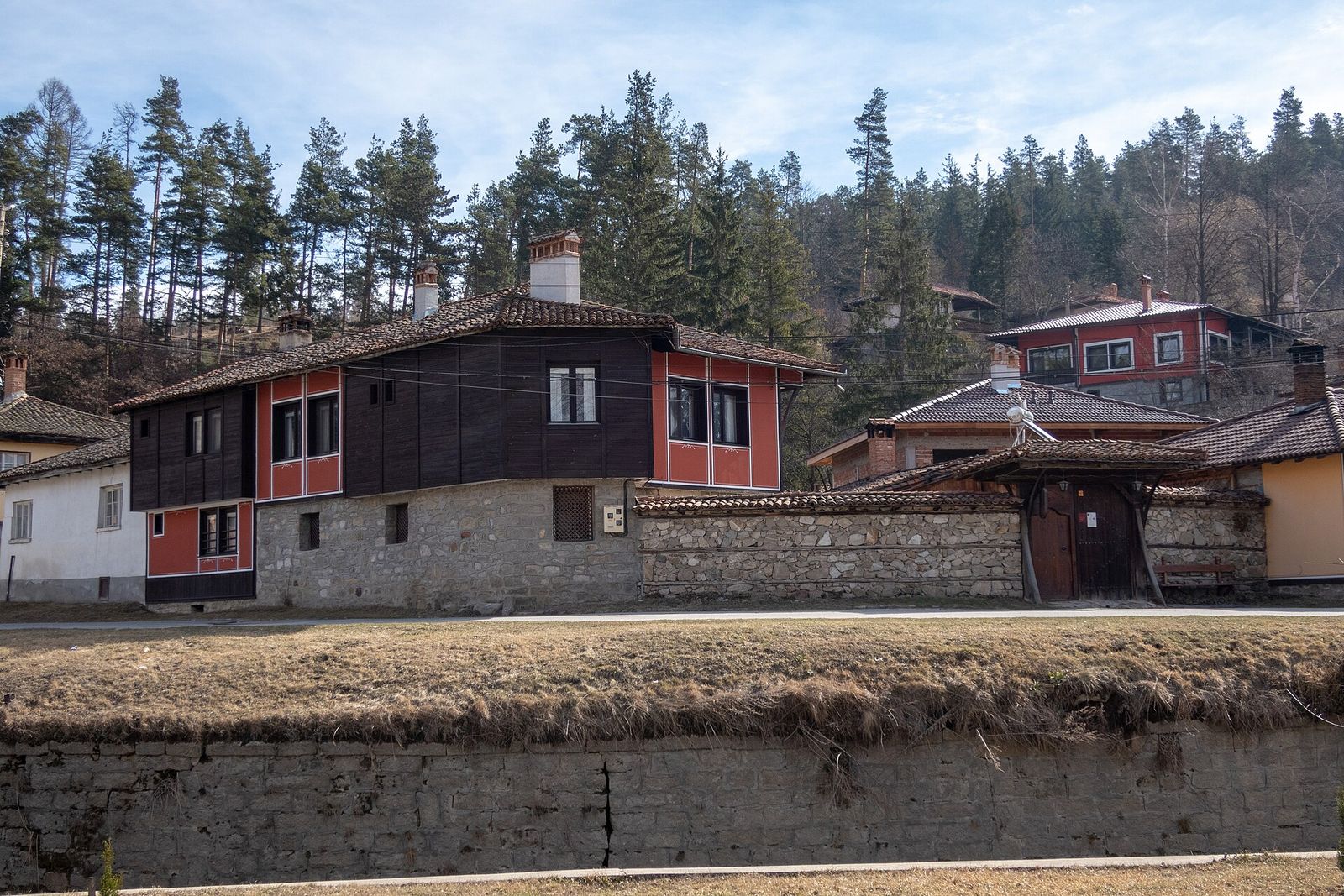
Koprivshtitsa sits in a valley of the Sredna Gora, 90 km north of Plovdiv, and has about 2,300 residents. Its streets are lined with 19th-century houses painted blue, ochre and deep red, and six of them are open as museums.
A short history of Koprivshtitsa
The town was most likely founded at the end of the 14th century, as the Second Bulgarian Empire fell to the Ottomans. Fires destroyed much of the old town, so almost everything you see today dates from the 19th and early 20th centuries and is built in the Bulgarian Revival style.
Wealthy merchants and local families built the big painted houses that now line the lanes. In April 1876 the first shot of the April Uprising against Ottoman rule was fired here. In Bulgarian history, that uprising led to the re-establishment of the country two years later, in 1878.
The rebel leaders Georgi Benkovski and Todor Kableshkov, the writer Lyuben Karavelov and the poet Dimcho Debelyanov all came from Koprivshtitsa. In 1952 the state declared Koprivshtitsa the only city-museum in Bulgaria. In 1971 it became an architectural and historical reserve, and in 1978 a national architectural reserve of international importance.
How to get to Koprivshtitsa from Sofia
By train
Trains from Sofia take about 2 hours. There are only a few a day, so check the timetable before you plan anything else. The station is also called Koprivshtitsa, but it sits 8 to 10 km outside the town, on the line between Pirdop and Karlovo. A minibus meets the trains and runs to the town center, and its schedule is set around the train times. On most routes trains in Bulgaria lose to the bus, but here the train takes about as long as the drive.
By car
The drive is about 110 km and takes around 2 hours. A car lets you stop at other towns in the region, such as Sopot, Karlovo, Kalofer and Klisura, and it frees you from the train times. The nearest towns are Strelcha, 22 km away, and Pirdop, 24 km away.
By bus
Buses leave from Sofia Central Bus Station, usually 2 or 3 times a day, and from the North bus station in Plovdiv there is just 1 bus a day. Buses are the backbone of getting around Bulgaria, but on this route the timetable is thin, so the train usually fits a day trip better.
| Route | How often | Getting to the center | Good to know |
|---|---|---|---|
| Train plus minibus | A few trains a day | Minibus from the station, 8 to 10 km | About 2 hours on the train |
| Car | Any time | No transfer needed | About 2 hours, 110 km |
| Bus | 2 or 3 a day | No transfer needed | Leaves from Sofia Central Bus Station |
The six house museums of Koprivshtitsa
The house museums are the reason to come. Two show how a rich merchant and a tax collector lived in the 1850s, and four are memorial houses of the rebels and writers the town produced.
| House | Who lived there | Built |
|---|---|---|
| Oslekov House | A wealthy merchant; now the Ethnographic Museum | 1853 to 1856 |
| Lyutova House | Built by a tax collector | 1854 |
| Kableshkov House | Todor Kableshkov, uprising leader | 1845 |
| Debelyanov House | Dimcho Debelyanov, poet | 1830 |
| Benkovski House | Georgi Benkovski, uprising leader | 1831 |
| Karavelov House | Lyuben Karavelov, writer | 19th century |
Oslekov House
Built between 1853 and 1856 for a wealthy merchant, the Oslekov House now holds the town's Ethnographic Museum.
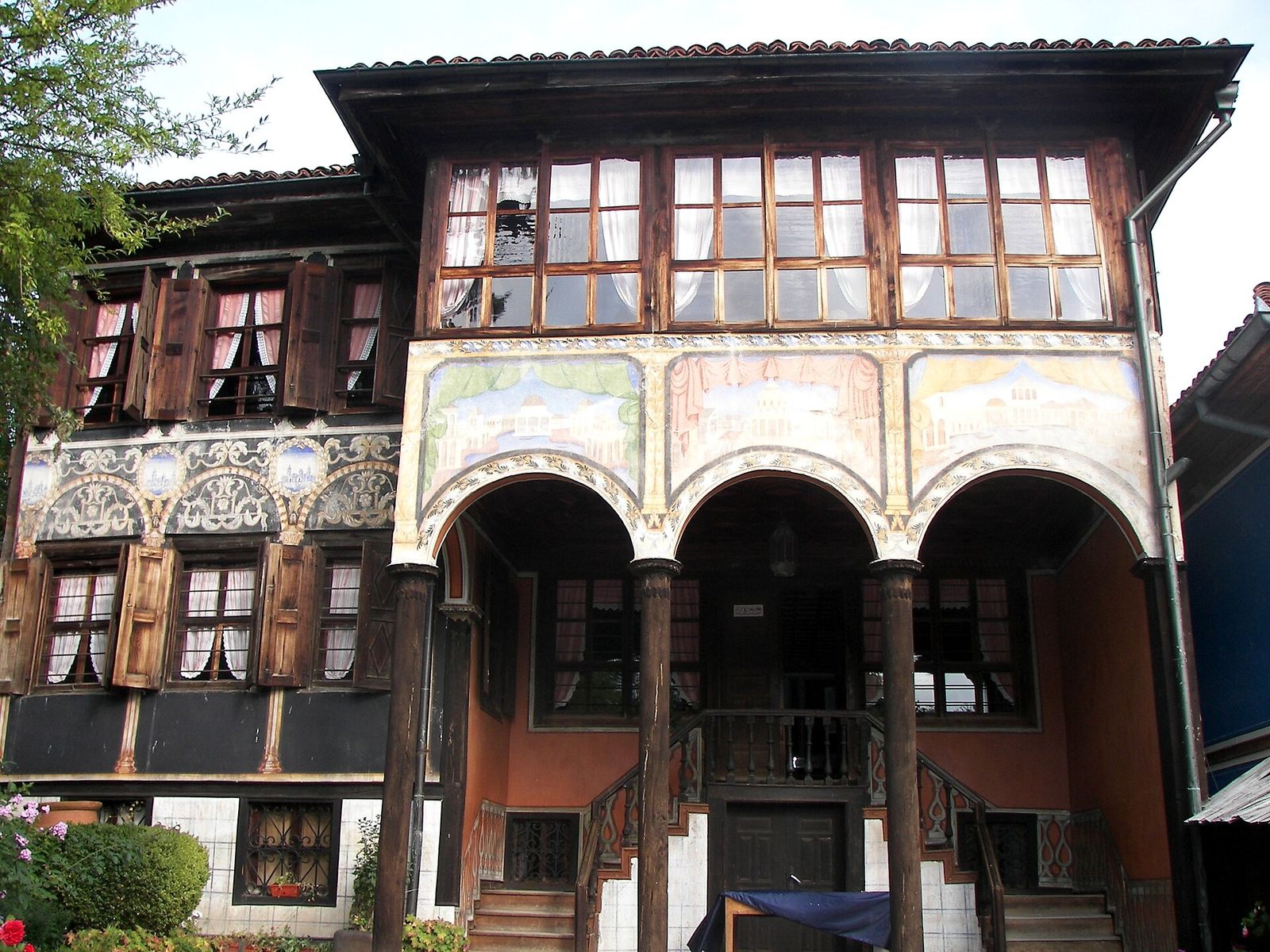
If you only have time to go inside one house, I'd make it this one. Its front has three arches on slim wooden columns under a row of painted panels, and it is the facade I'd photograph first.
Lyutova House
The Lyutova House, also known as the Topalova House, dates from 1854 and was built by a tax collector. The pale blue facade and the curved gable over the entrance make it easy to pick out on the street.
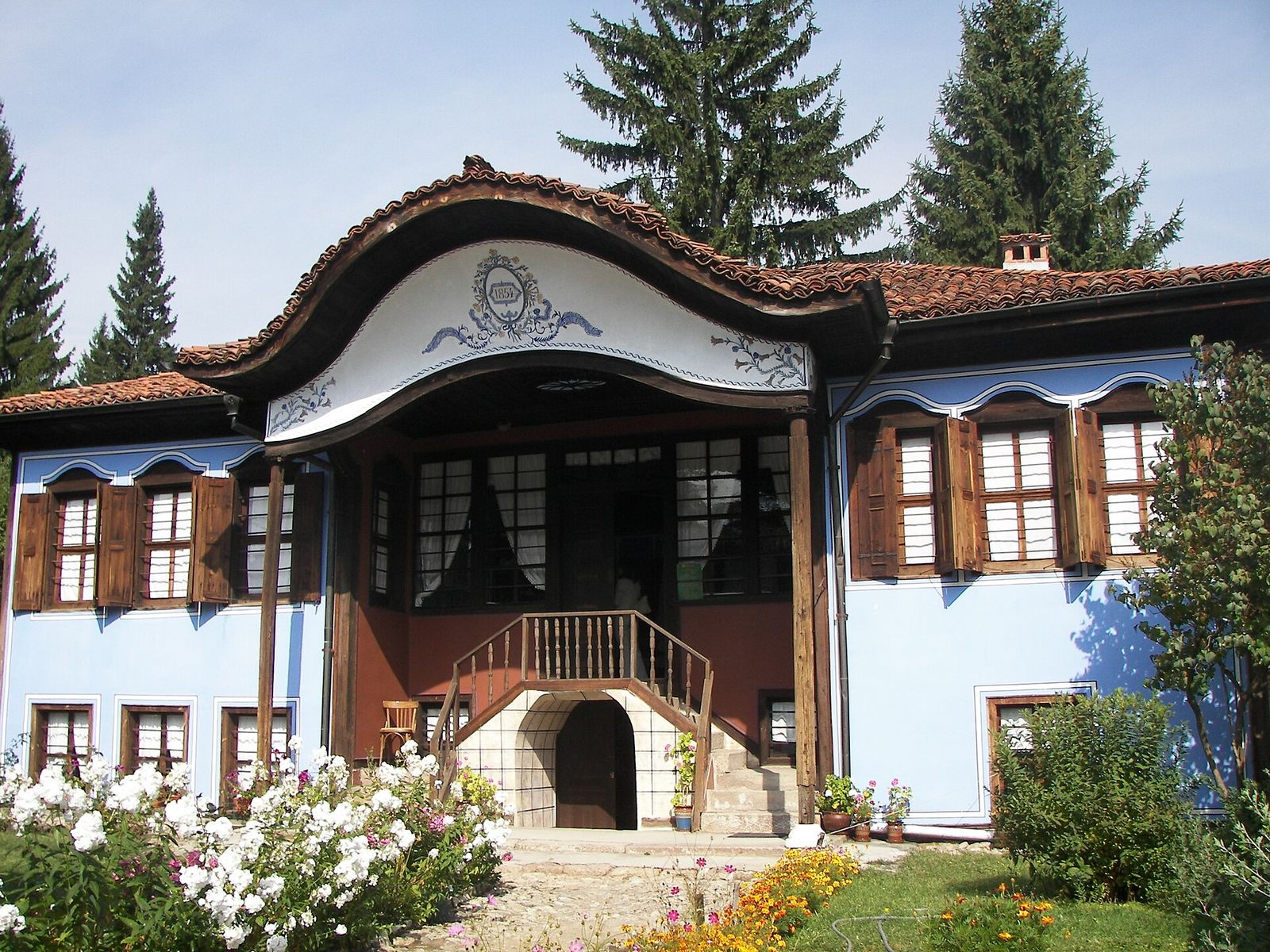
It was finished two years before the Oslekov House. See them back to back.
Kableshkov House
Todor Kableshkov, one of the leaders of the April Uprising, lived in this house, built in 1845. Its walls are salmon pink, with a rounded bay window above the wooden steps.
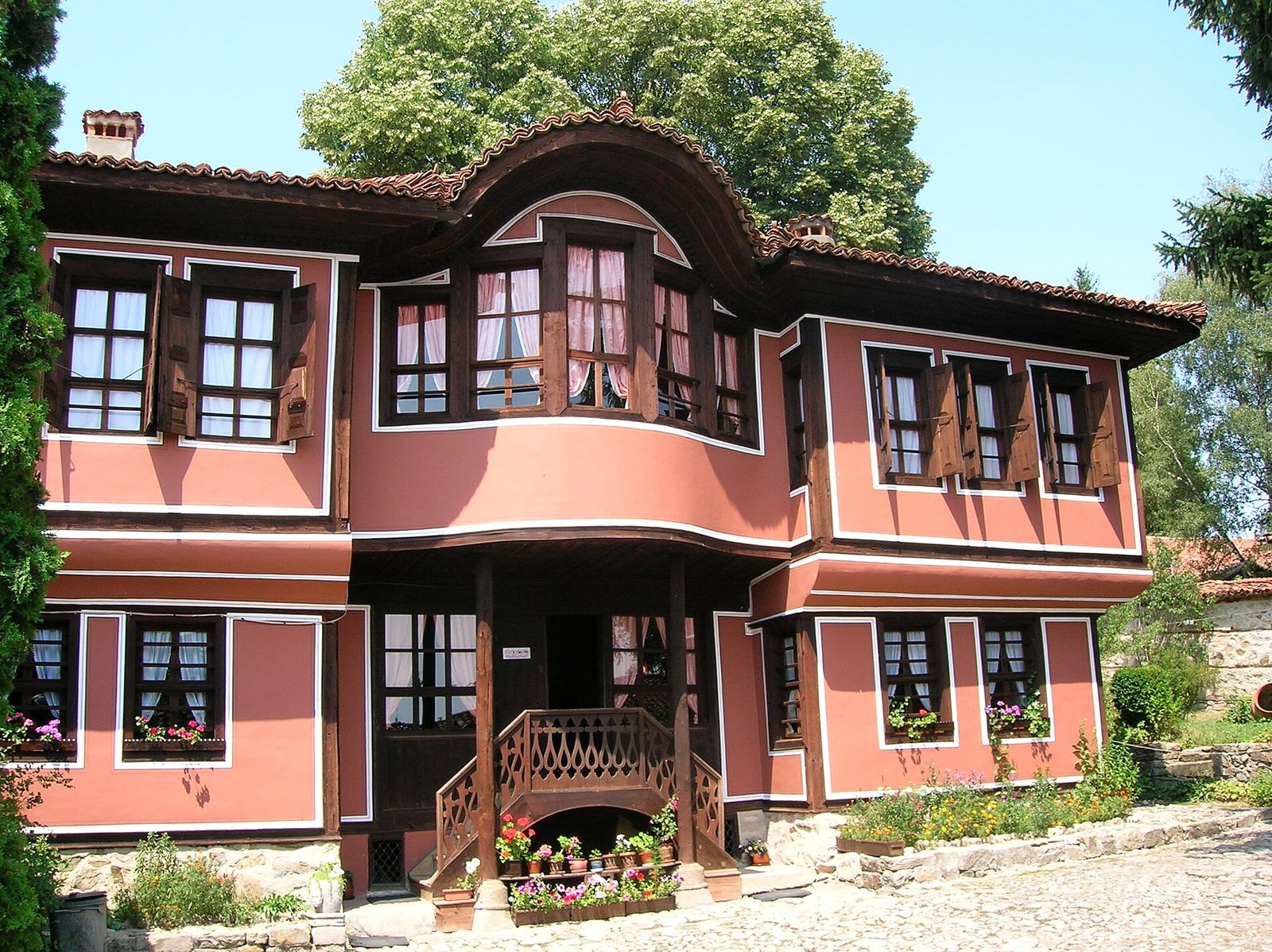
Of the six, this is the house that makes 1876 feel real, so I'd see it before the Benkovski House.
Debelyanov House
The poet Dimcho Debelyanov was born in this house, built in 1830. It is small and quiet, a dark timber house with a bright blue ground floor set in a garden.
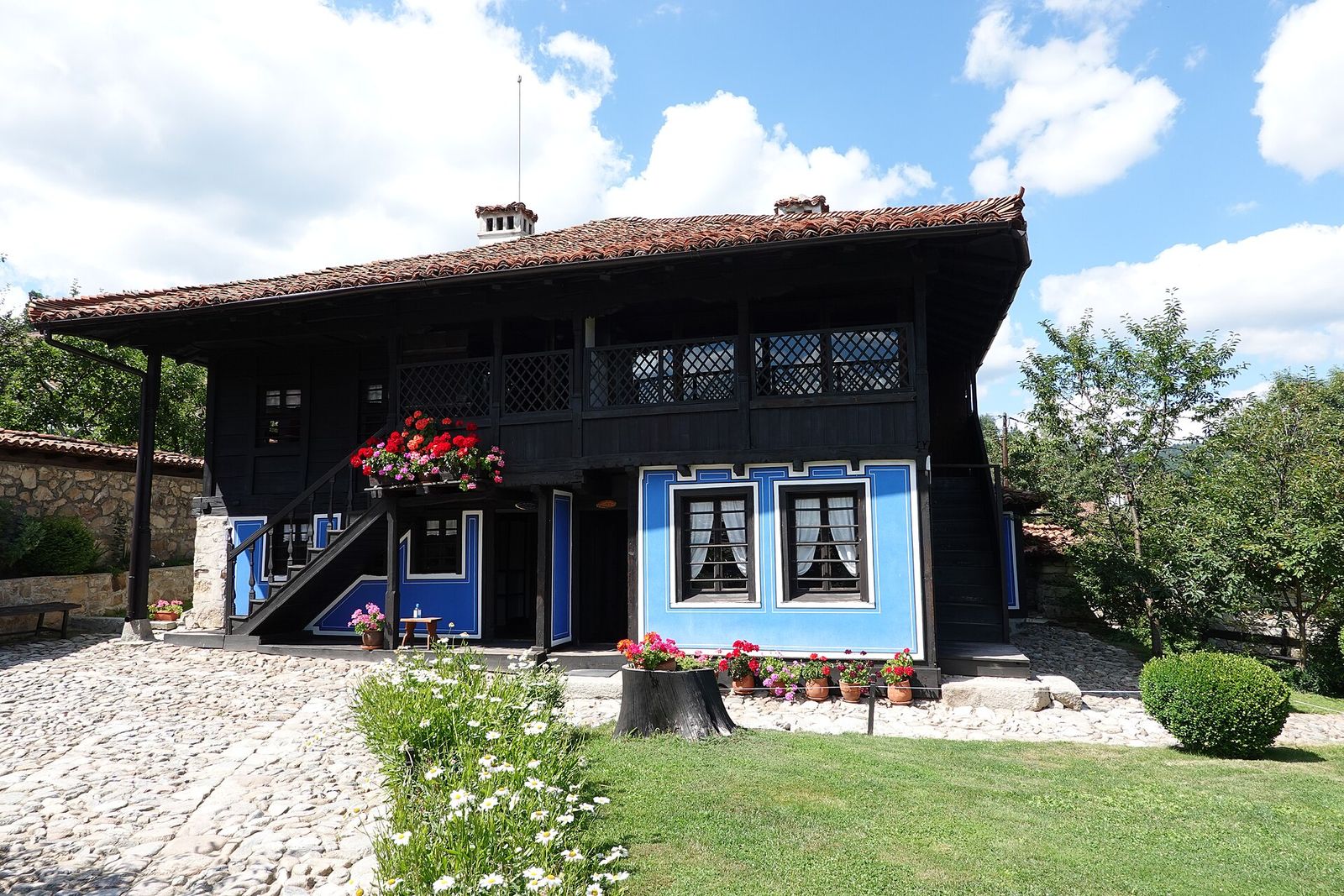
The exhibits are about his life and his poems. If you like literary history, give it more time than the others.
Benkovski House
Georgi Benkovski, another leader of the April Uprising, has his memorial house in this building from 1831, built mostly of dark wood, with a covered balcony on the upper floor and a lattice-screened porch below.
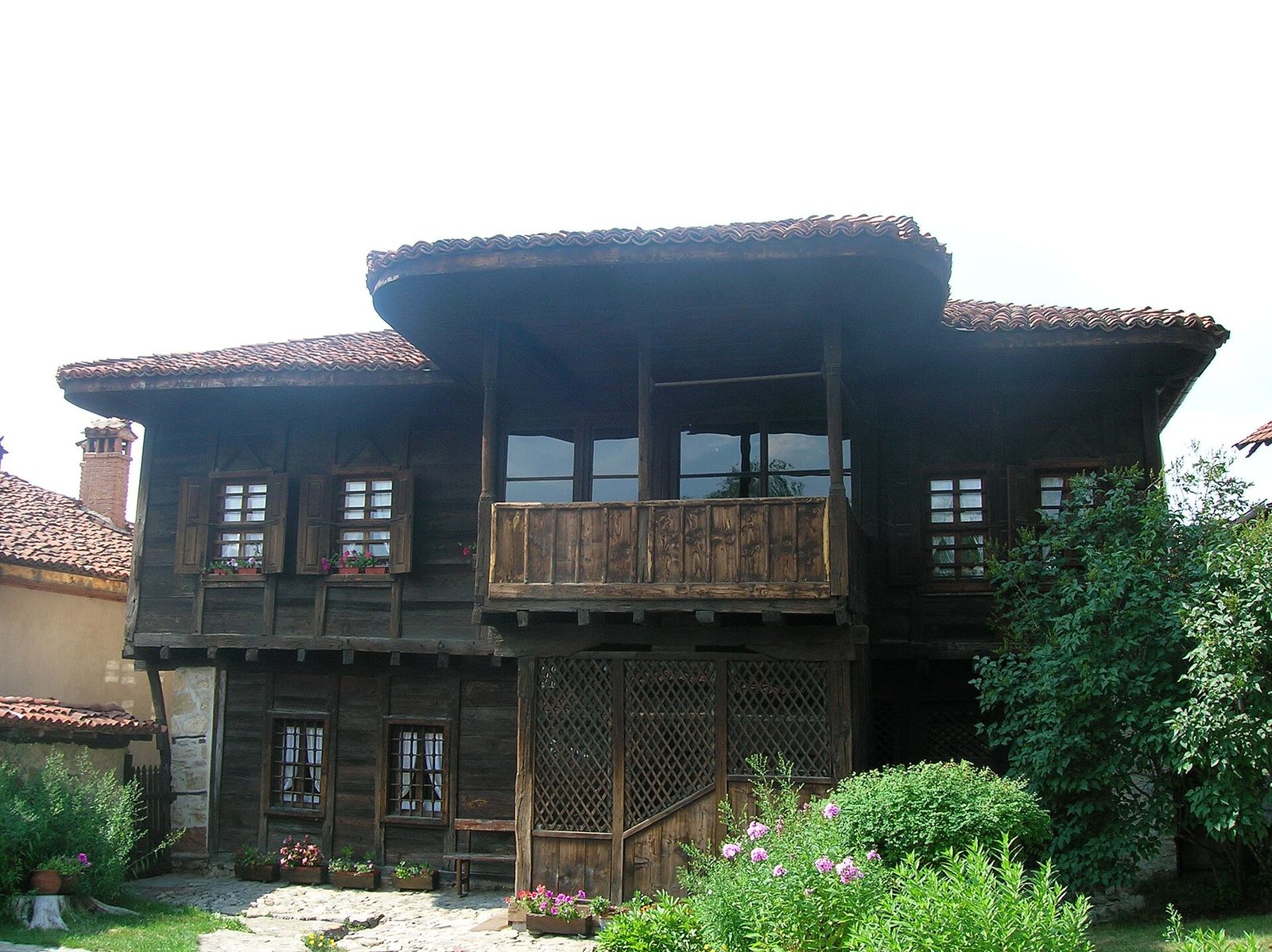
His monument on the hill above the town is the natural next stop.
Karavelov House
The Karavelov House is the memorial house of the writer Lyuben Karavelov, who was born in Koprivshtitsa, and the museum covers his life and work. The yellow facade, set back behind a cobbled yard, is one of the brightest in the center.
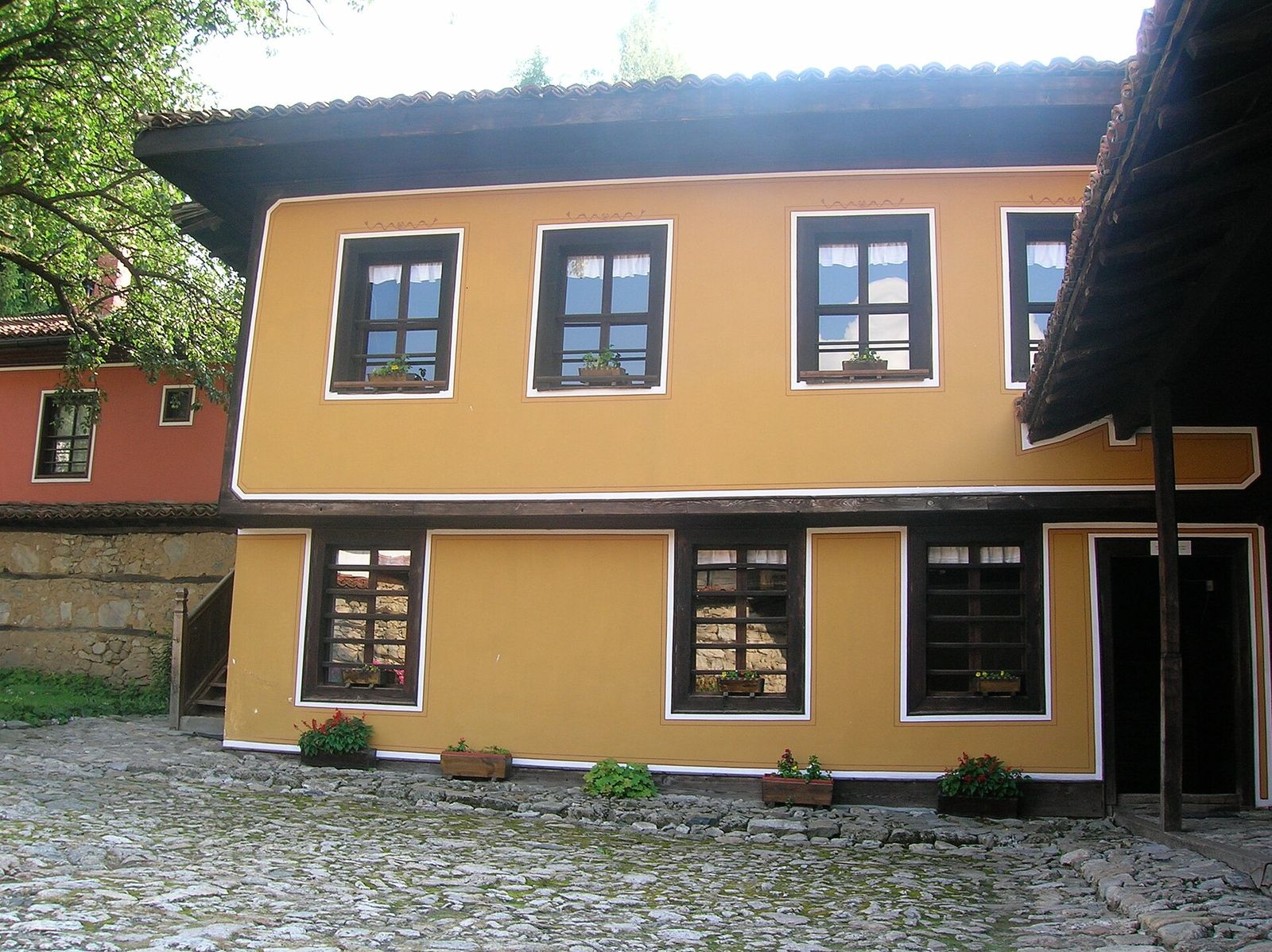
I'd leave it for last, as a quieter end to the museum round.
More things to do in Koprivshtitsa
Church of the Assumption
The Church of the Assumption was built in 1817 on the site of an older church. Inside, look for the carved bishop's throne and the altar with its original icons. The blue and white bell tower stands out over the roofs.
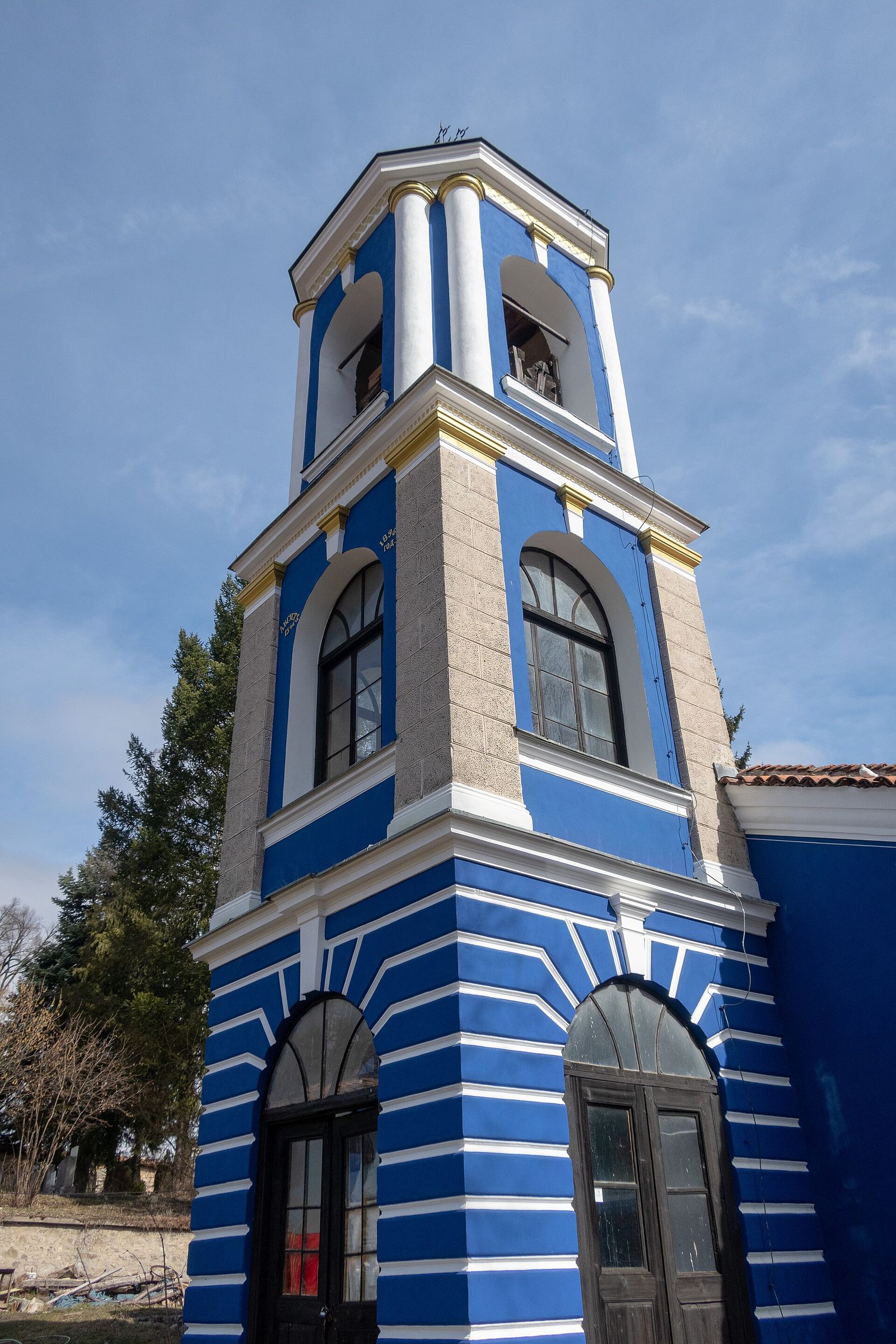
St Nikolay, the second church worth a look, went up in 1842 and 1843. Its walls are covered in murals of scenes from the Bible.
Kalachev Bridge
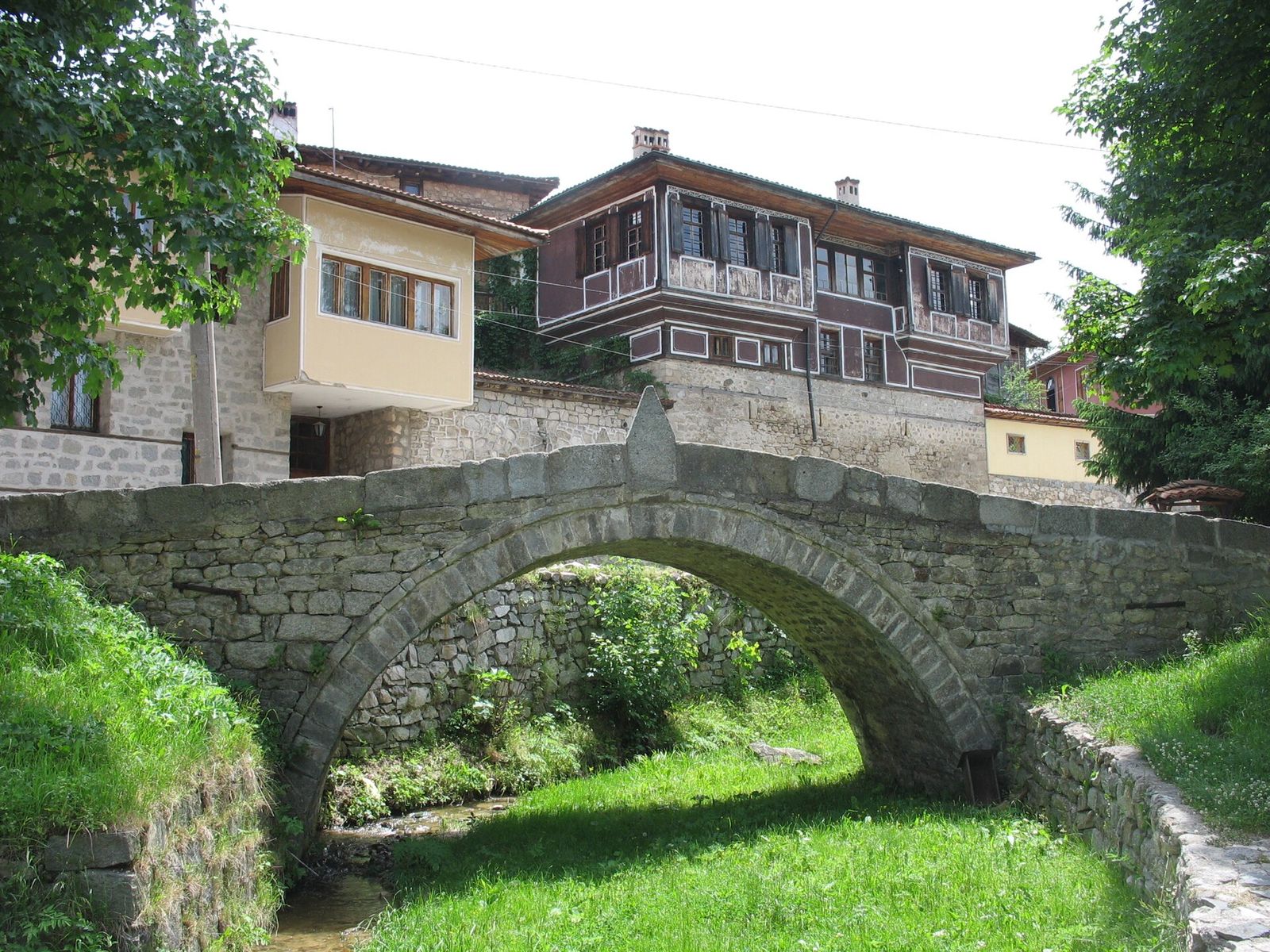
Kalachev Bridge is a single stone arch over the little river that runs through town. It is known as the bridge of the first shot, after the opening shot of the April Uprising fired in Koprivshtitsa in 1876.
The Benkovski monument viewpoint
The best view of Koprivshtitsa is from the monument to Georgi Benkovski on the hill above the town. The walk up is not hard, and from the top you see the red roofs of the town and the Sredna Gora all around.
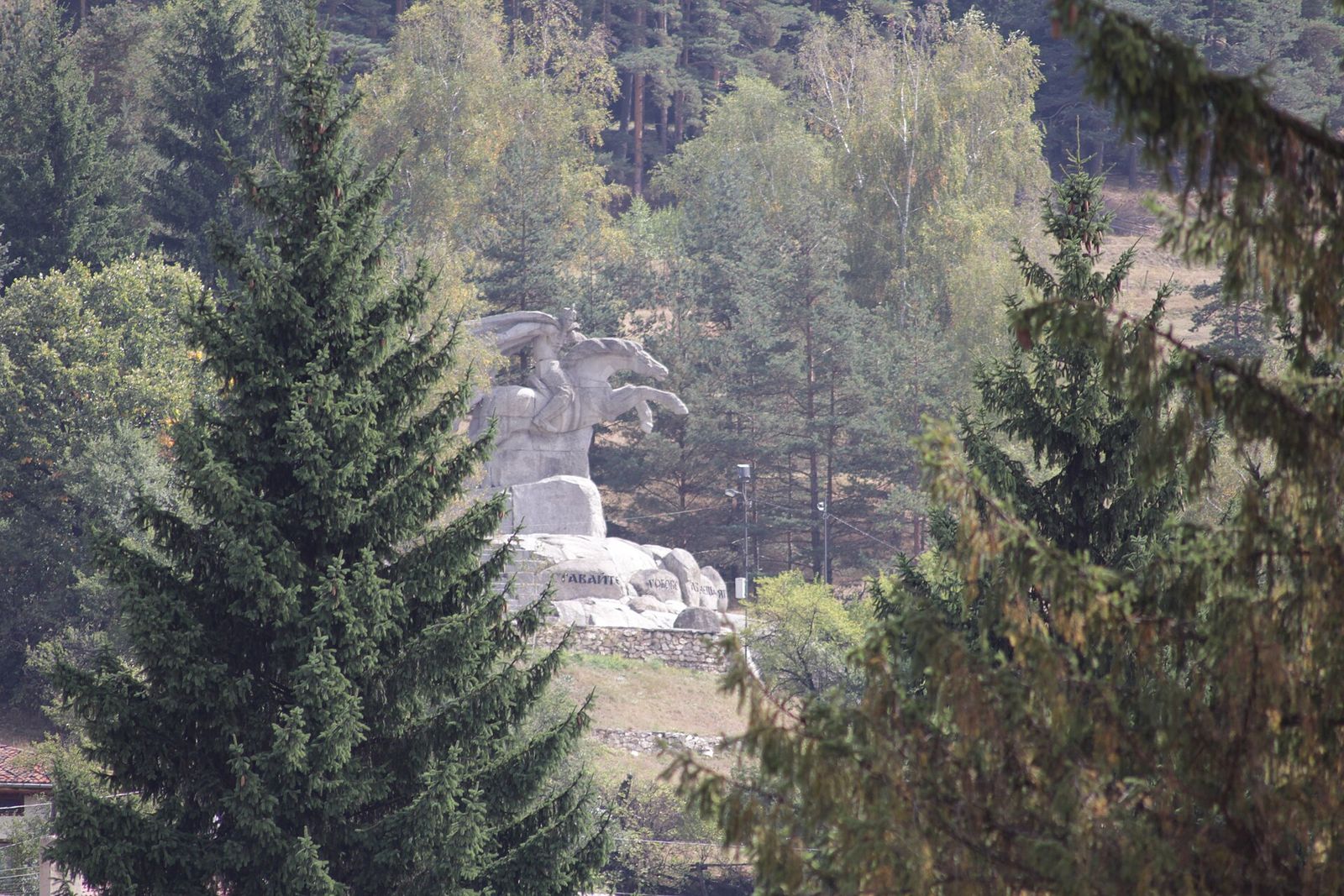
I'd go up in the late afternoon, when the light falls along the valley and the day visitors start heading back to the station.
The old streets and the wells
Between the museums, walk the cobbled lanes without a plan. There are 383 Revival houses in town, with stone walls, wooden gates and overhanging upper floors.
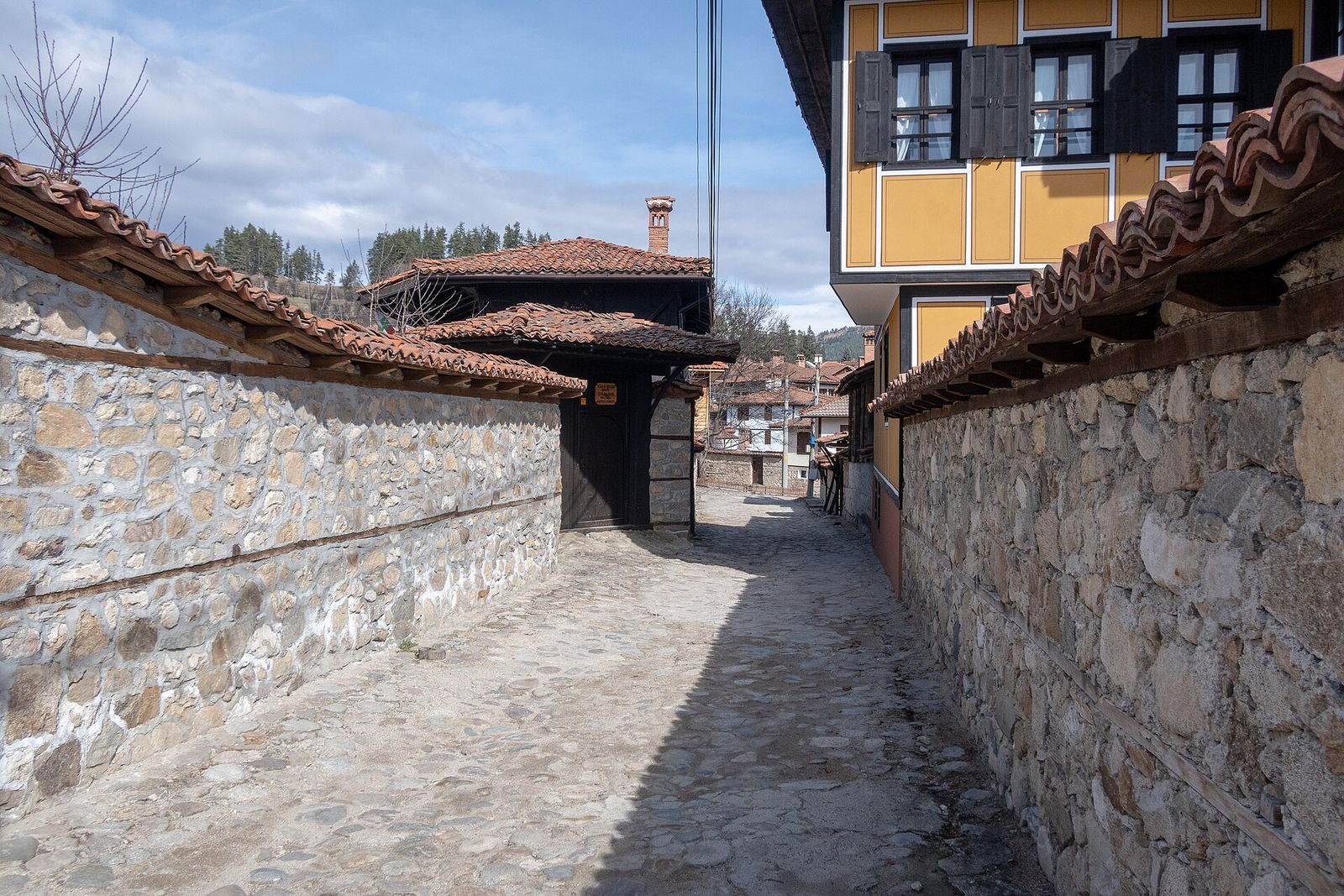
Keep an eye out for the wells. Koprivshtitsa has more than 40 of them from different periods, many carved with six-pointed stars, sea creatures and flowers. The Benevska and Chalakova wells are the oldest.
The Sts Cyril and Methodius School of 1837 was one of the first class schools in Bulgaria, and the town's community center is Chitalishte Iskra. Bulgaria's first chitalishte opened in 1856, and these reading rooms and community halls are so much a part of Bulgarian culture that UNESCO recognized them in 2017.
The Koprivshtitsa folklore festival
Every five years, Koprivshtitsa hosts the National Folklore Festival, held here since 1965. It gathers musicians, dancers and craftspeople from all over Bulgaria, thousands of people come to watch, and UNESCO listed the festival in 2016.
The last festival was in 2025, so the next one is due in 2030. It is the biggest folk gathering among all of Bulgaria's festivals, and the best place to see Bulgarian folk music and dance performed by groups from every region.
How long to spend in Koprivshtitsa
A few hours are enough for the main house museums and the center. On a day trip I'd catch the morning train, see three or four museums before lunch, eat in the center, walk up to the Benkovski monument and take the afternoon minibus back to the station.
On a Saturday in summer most of the visitors are Bulgarians, and the town still feels calm. The evenings are very quiet: a few taverns, guesthouse courtyards and almost nothing open late.
Where to eat and stay in Koprivshtitsa
There are a few restaurants in the center that serve Bulgarian food, plus several cafes around the main square. Most places to stay are guesthouses, such as Dona Guest House and Guest House Maria.
Is Koprivshtitsa worth visiting?
Yes. It is one of the most beautiful towns in Bulgaria, and few foreign visitors make the 2-hour trip. It makes one of the best day trips from Sofia, and it sits on my list of the best places to visit in Bulgaria for its six house museums alone.
It suits:
- History fans. The museums cover the April Uprising from the people who started it, in the houses where they lived.
- Anyone who liked Old Plovdiv. Koprivshtitsa has the same Revival houses as Plovdiv's old town, with far fewer people.
- Photographers. The colored facades, stone bridges and the view from the Benkovski monument fill a memory card fast.
- Hikers. The trail to Bogdan, the highest peak of the Sredna Gora, starts from the town.
Skip it if:
- You can only go on a Monday or Tuesday. The museums are the heart of the visit.
- You want nightlife. Evenings here mean a tavern dinner and an early night.
- You want big mountain scenery. On a clear summer day, the Seven Rila Lakes give you far more of it.
Key takeaways
- Koprivshtitsa is 110 km east of Sofia, about 2 hours by car or by train plus a short minibus ride.
- Six house museums tell the story of the town and the April Uprising of 1876.
- The museums close on Mondays and some on Tuesdays, so go Wednesday to Sunday.
- Half a day covers the main sights, and one night lets you see the town without the day visitors.
Frequently asked questions
How do I get from Sofia to Koprivshtitsa?
The easiest ways are by car, about 110 km and 2 hours, or by train, about 2 hours to Koprivshtitsa station. The station is 8 to 10 km outside town, and a minibus timed to the trains takes you to the center. There are also 2 or 3 buses a day from Sofia Central Bus Station.
Is Koprivshtitsa worth visiting?
Yes, it is one of the prettiest towns in Bulgaria and an easy day trip from Sofia. Its 19th-century houses, six house museums and history as the starting point of the April Uprising make it worth the 2-hour trip.
How far is Koprivshtitsa train station from the town?
The station is 8 to 10 km from the town center. A minibus meets the trains and its schedule follows the train times, so take a photo of the timetable when you arrive.
What is Koprivshtitsa famous for?
Koprivshtitsa is famous for its Bulgarian Revival houses and as the place where the April Uprising against Ottoman rule began in 1876. It is also home to the National Folklore Festival, held every five years.
When are the Koprivshtitsa house museums open?
The house museums open all year but close on Mondays, and some close on Tuesdays as well. Plan on Wednesday to Sunday and check the hours at the first museum you visit.
Can you visit Koprivshtitsa and Plovdiv in one day?
Only by car. The two are 90 km apart, and there is just 1 bus a day from Plovdiv to Koprivshtitsa, so I'd give each its own day.
What is the prettiest town in Bulgaria?
My pick is Koprivshtitsa, for its painted Revival houses, stone bridges and quiet lanes. Plovdiv's old town and Veliko Tarnovo are bigger and busier alternatives.
When is the next Koprivshtitsa folklore festival?
The festival runs every five years and was last held in 2025, so the next one is due in 2030. It has been held in Koprivshtitsa since 1965.
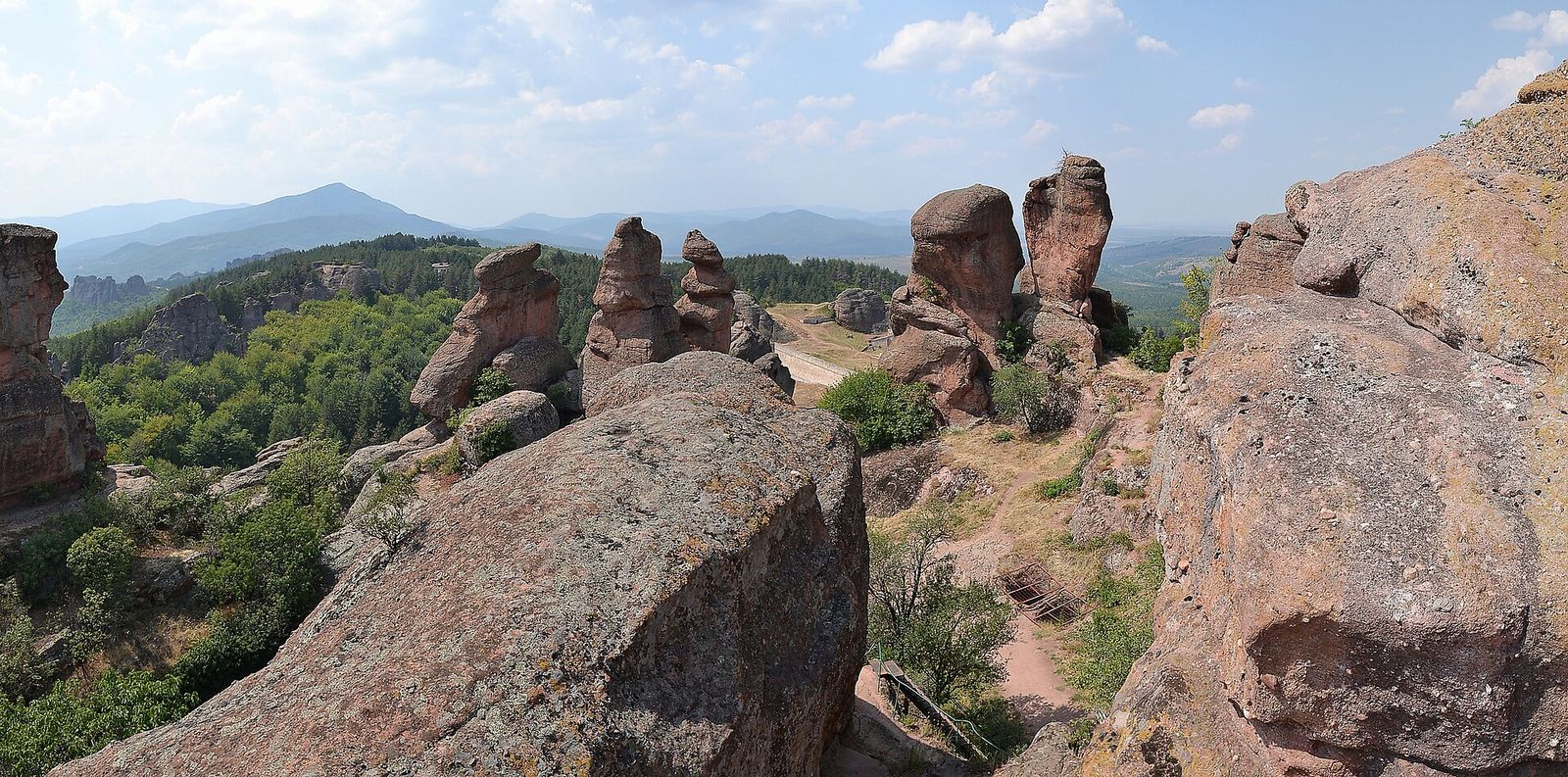
12 Best Day Trips from Sofia by Bus, Train and Car
Bulgaria's top monastery, oldest city and highest peak are a day out of Sofia. The 12 trips I'd pick and how to go.
Read the guide
Rila Monastery from Sofia: How to Get There and What to See
Bulgaria's biggest monastery sits two hours from Sofia. How to reach it in 2026, what is free and what to see.
Read the guide
Sofia to Plovdiv: How to Get There and What to See in a Day
Plovdiv is 2 hours from Sofia by bus. Bus, train or car, the last rides home and the day I'd plan there.
Read the guide