Unique Things to Do in Sofia
Sofia is known for its communist past, its hot springs and the mountain on its edge, and its strangest sights come from all three. These are the unusual things to do in Sofia I'd pick once the cathedral and the Roman ruins are done: a 1980s flat you can touch, dinner in total darkness, a house shaped like a snail and a park full of bells, with prices and how to reach each one.
Communist-era sights in Sofia
Bulgaria was a communist state from 1944 to 1989. These three places show what that time looked like, from a family flat to the statues that came down after it ended.
1. Step into the Red Flat
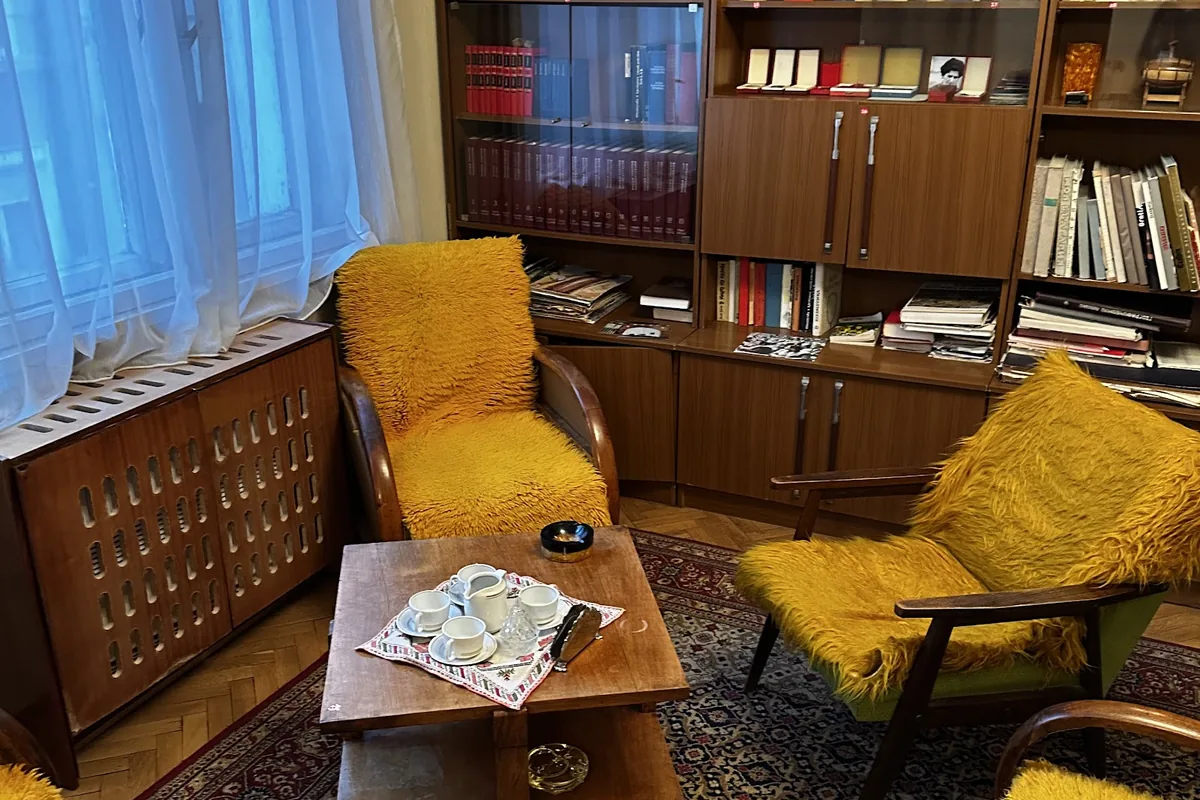
The Red Flat is a museum laid out as the apartment of an ordinary Bulgarian family in the late 1980s, on Ivan Denkoglu Street in the center. The rooms are furnished as they were, from the kitchen gadgets to the television and the furniture, and you are allowed to touch almost everything.
An audio guide with 46 stories walks you through the rooms and how a family lived in them. It takes about 1.5 hours, and I'd go early in the day, before it gets busy.
2. Walk among the statues at the Museum of Socialist Art
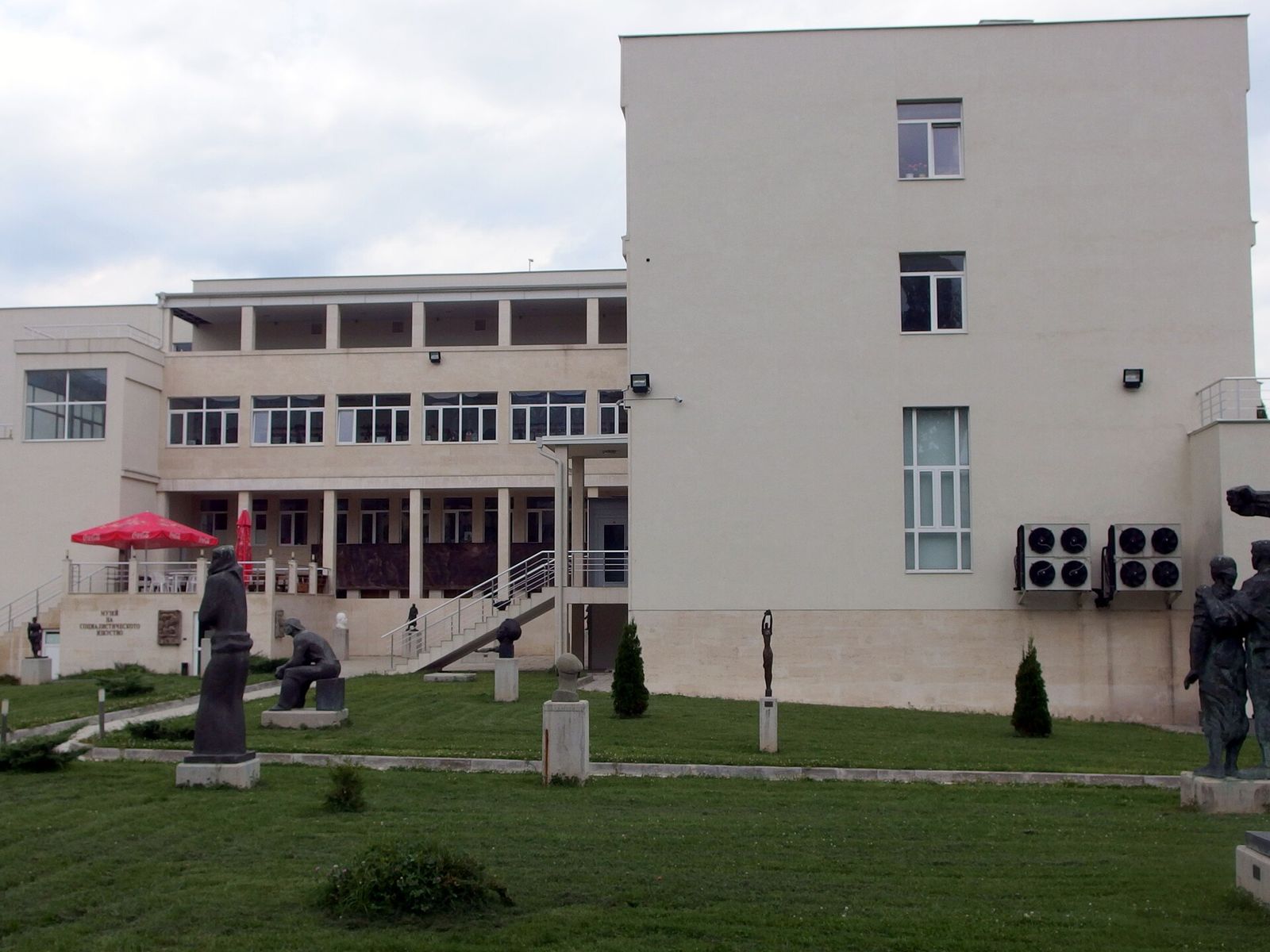
The Museum of Socialist Art is where Sofia keeps the statues of its communist years. Its sculpture park holds more than 70 works, among them Lenin, Marx, workers and soldiers, and the red star that once topped the Party House stands on its own pedestal.
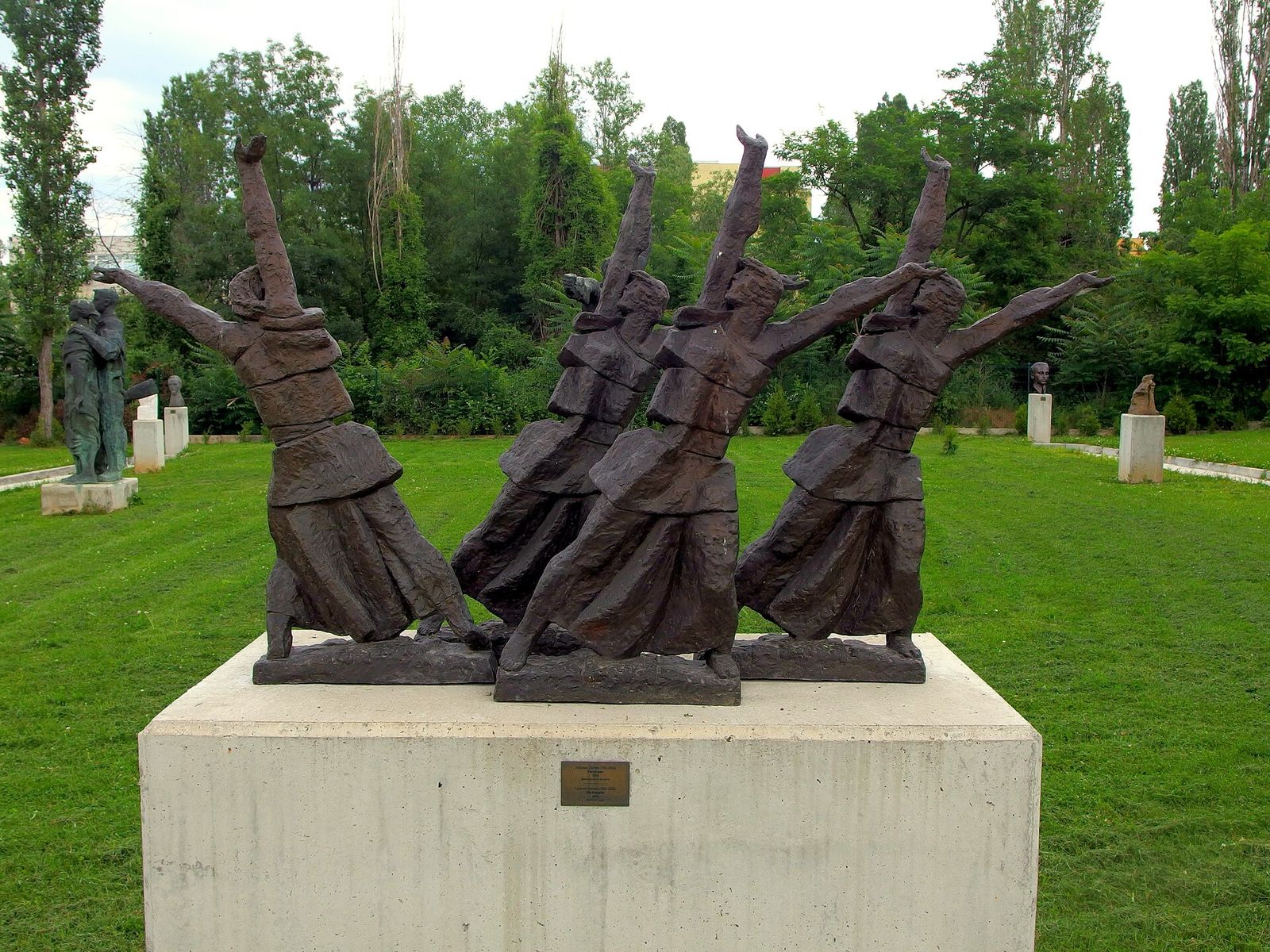
It opened in 2011 at 7 Lachezar Stanchev Street, a short walk from G.M. Dimitrov metro station, and opens Tuesday to Sunday from 10 AM to 6 PM. Tickets cost €8. Inside, a rotating hall shows paintings from 1944 to 1989, and a separate room screens documentary films of the time. Give the Museum of Socialist Art 1 to 2 hours.
3. Find the statue that replaced Lenin
The Statue of Sofia stands on a tall column near Serdika metro station, a bronze figure with a gilded face and crown, a wreath in one hand and an owl on her arm. Under communism, a statue of Lenin stood on the same spot.
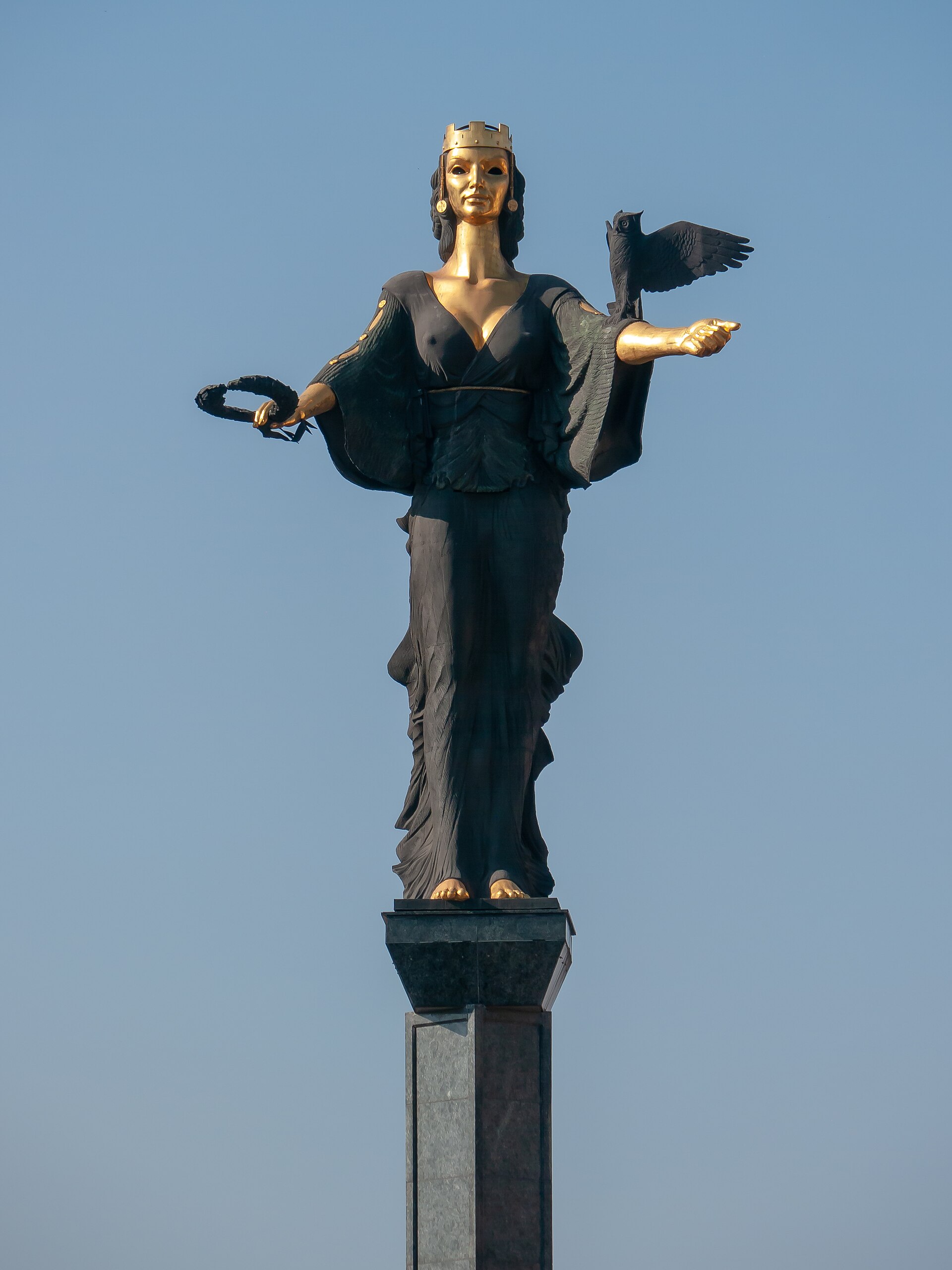
She takes her name from the city, and the city takes its name from St Sofia Church, the 6th-century basilica near Alexander Nevsky Cathedral. You pass the statue at the top of Vitosha Boulevard, and it is worth stopping to look up.
Strange places to eat and drink
4. Eat dinner in the dark at Tenebris
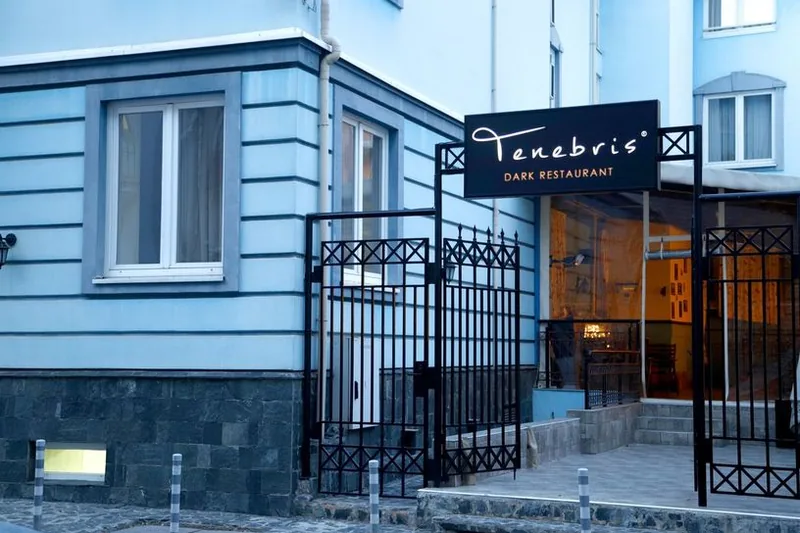
Tenebris, at 65 Han Asparuh Street, was the first dark restaurant on the Balkans. You eat a 5-course dinner in complete darkness, led to your table and served by visually impaired hosts. Phones stay outside.
You pick your menu when you book, and then you eat without seeing a thing, which makes every course a guessing game. Book ahead online, as the restaurant opens in the evenings only. It is the most unusual dinner I can recommend in Sofia.
5. Drink by candlelight at Hambara
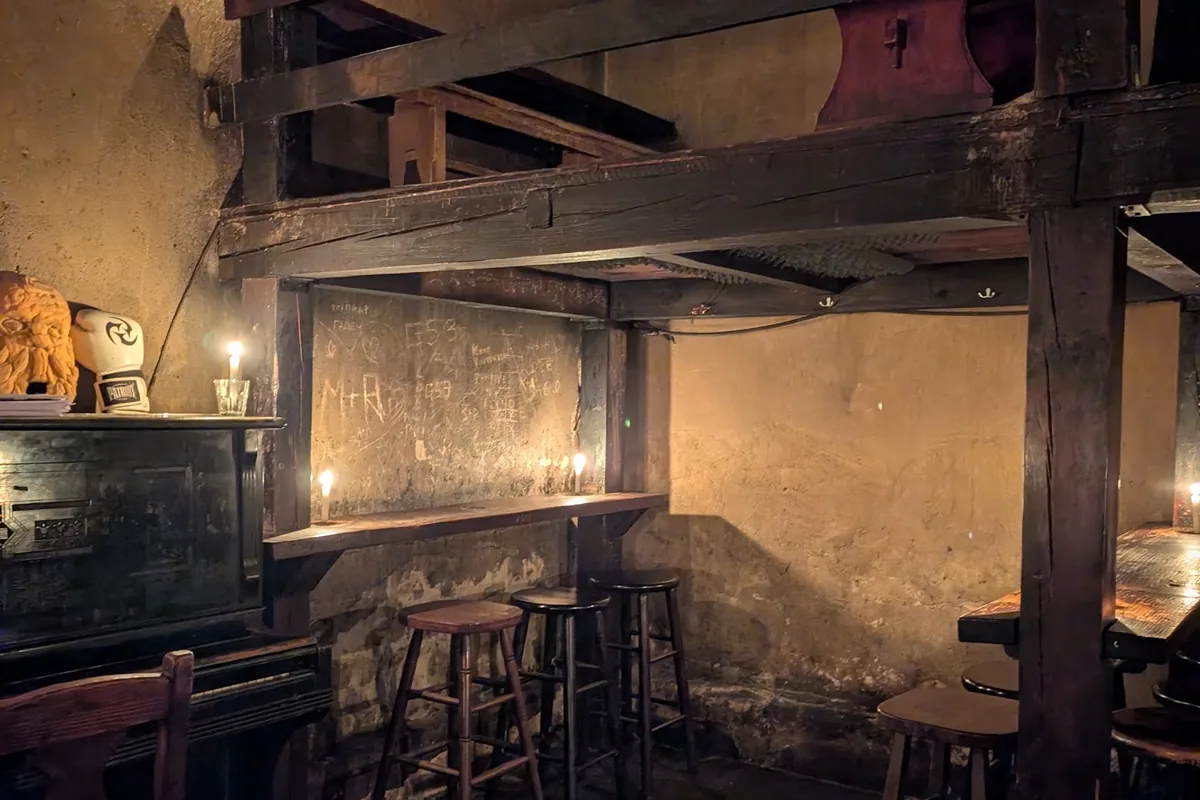
Hambara is a bar with no electric light. You walk down a dark passage off 6th September Street, knock on an unmarked wooden door and wait for someone to open it. Inside is a former barn over two levels, lit by hundreds of candles.
It opens around 9 PM, it takes no bookings, and it is one of the best bars in Sofia for a first night in the city. The house wine is the drink to order.
6. Order rakia in a retro room at Raketa
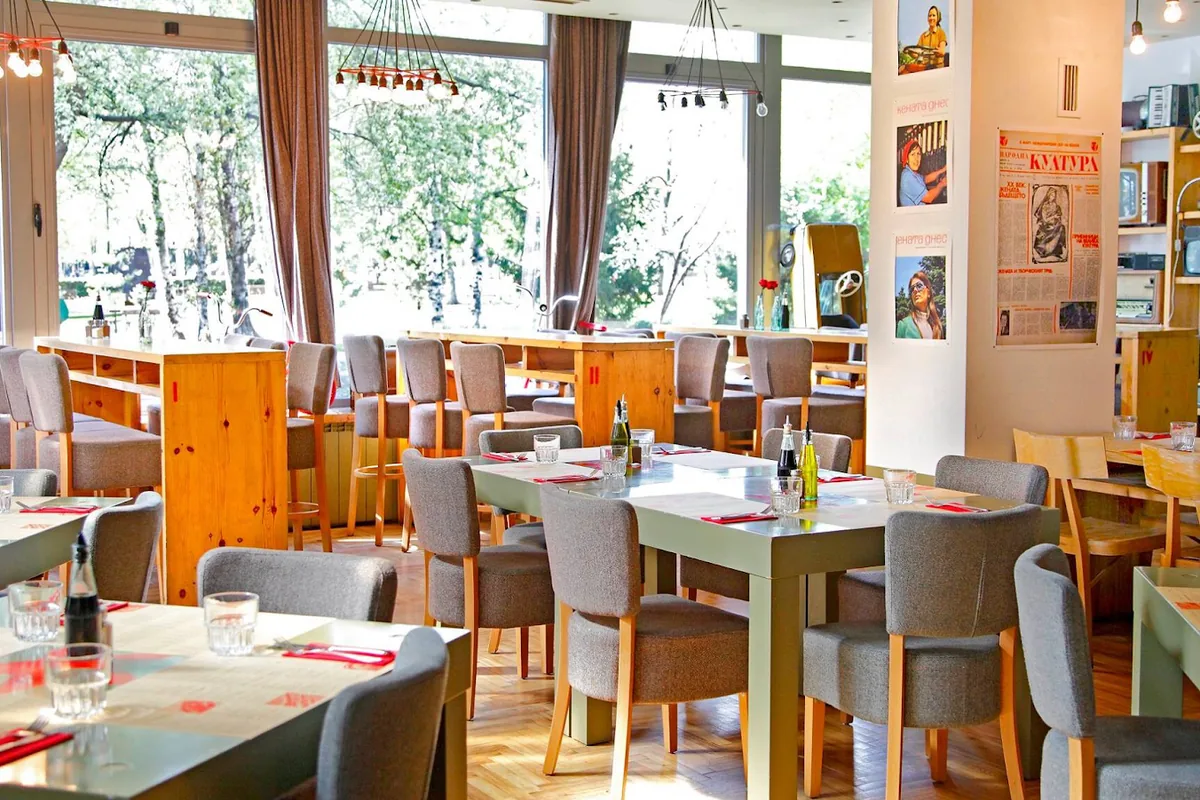
Raketa Rakia Bar, at 17 Yanko Sakazov Boulevard, is a bar furnished like a museum of socialist-era things: old televisions, vintage radios, retro packaging and adverts on the walls. It pours more than 170 kinds of rakia, at about €5 to €9 a glass, with Bulgarian food to go with them.
Ask for a flight, and the staff walk you through the differences between grape and plum. Raketa is about 10 minutes on foot from Alexander Nevsky Cathedral, and a door inside connects it to Sputnik, its cocktail bar twin. Bulgarians drink rakia cold and slowly, with a shopska salad at the start of the meal, and Raketa is the place to try it that way.
Odd buildings and quiet corners
7. See the Snail House in Simeonovo
The Snail House is a five-story building in Simeonovo, on the southern edge of Sofia below Vitosha, shaped like a giant crawling snail. It is painted in swirls of red, orange, green, blue and brown, and it has no straight walls.
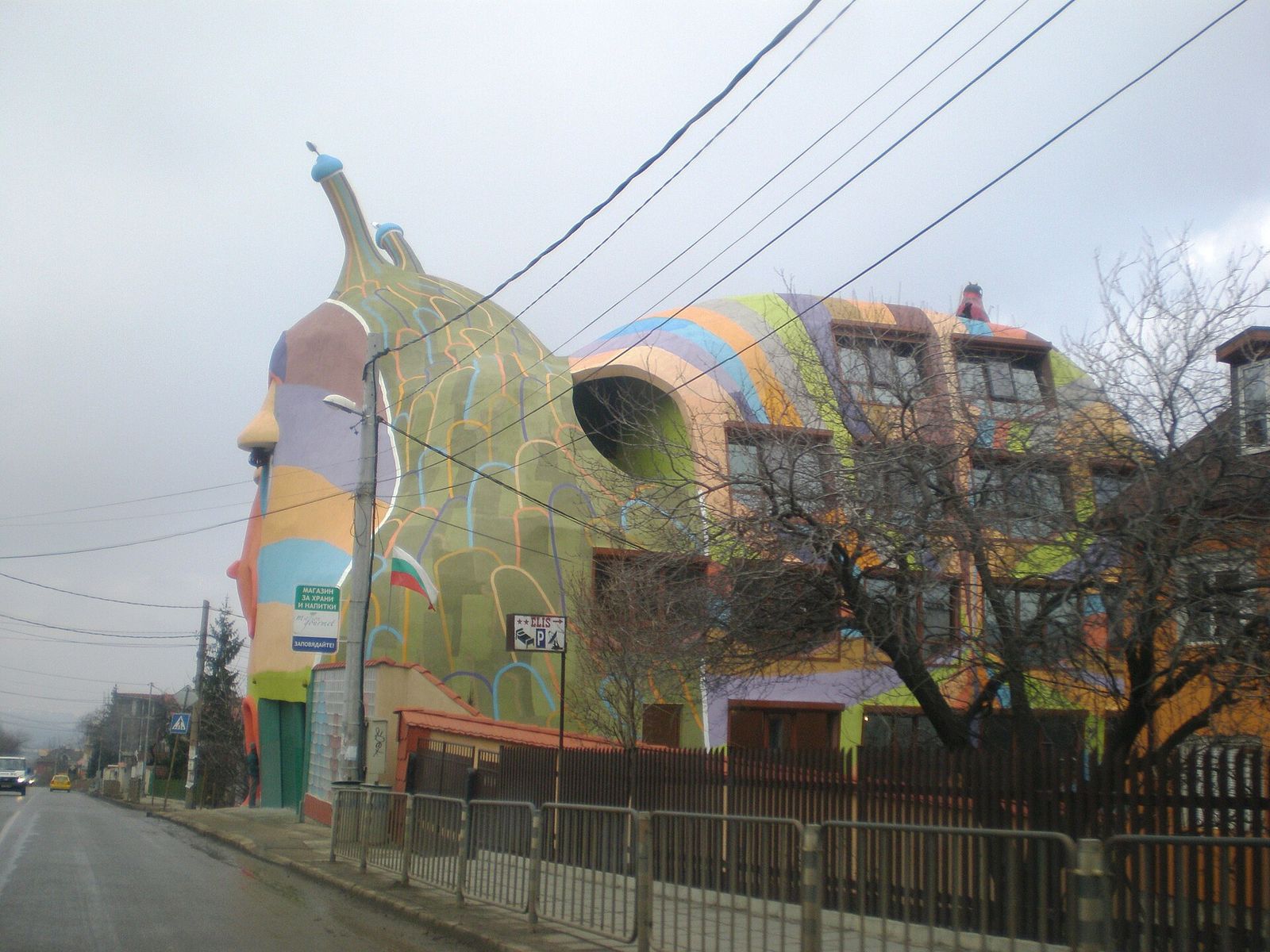
The architect, Simeon Simeonov, worked every service into the snail. The front door is the snail's mouth, the chimney is a big yellow bee on its back, and the air vents out through its big red eyes. People live in it, so you look from the street.
8. Ring the bells at Kambanite
Kambanite, the Bells park, was set up in 1979 for an international children's assembly, on the edge of the city near Business Park Sofia. More than 100 bells sent from countries around the world hang around a tall concrete tower.
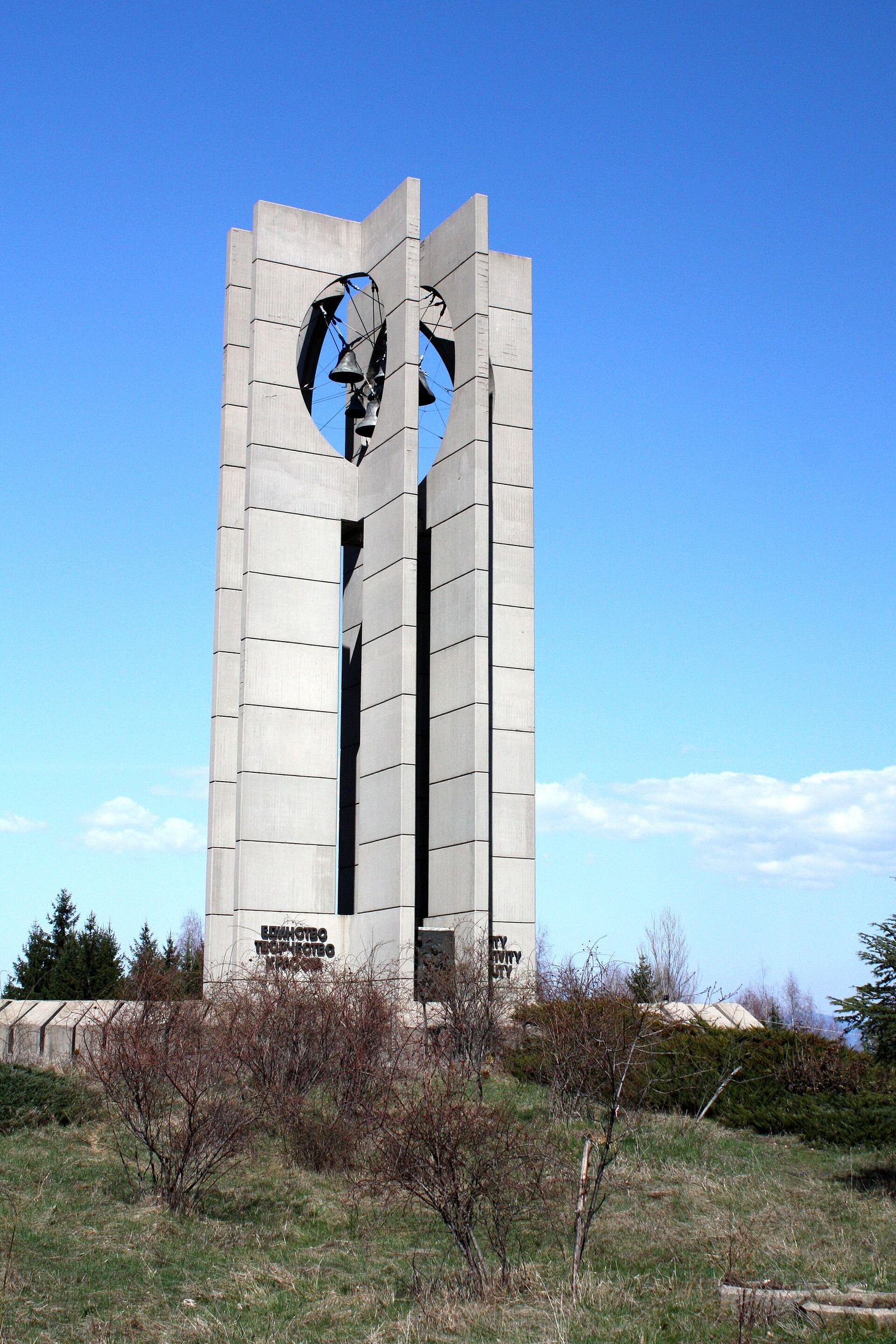
You are allowed to ring them, and it is a strange, cheerful place, part peace monument and part playground. It is about 20 minutes by car from the center, so I'd take a taxi.
9. Spend a weekend morning in Vrana Park
Vrana Park surrounds the former royal residence at Vrana, about 11 km east of the center. Its huge landscaped park has exotic trees, ponds and quiet paths.
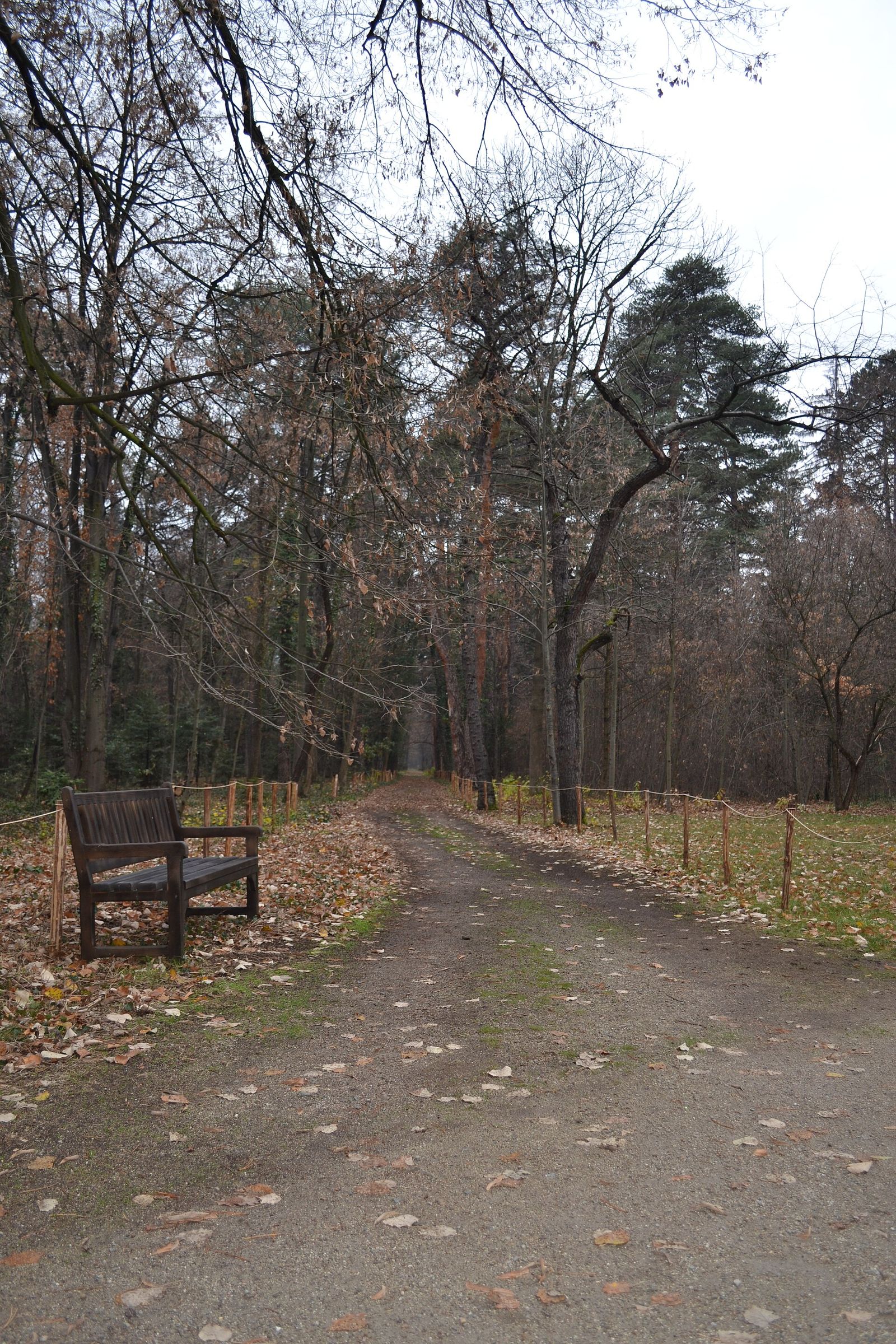
It opens only on Saturday and Sunday, from 10 AM to 4 PM, and adults pay about €2.50. The palace is often closed, so go for the gardens. Among the best parks in Sofia, Vrana is the one with a royal past, and I'd go by taxi.
10. Catch a debate at the Red House
The Red House Center for Culture and Debate fills a 19th-century mansion on Lyuben Karavelov Street, painted the red that gives it its name. It hosts talks and debates, often in English.
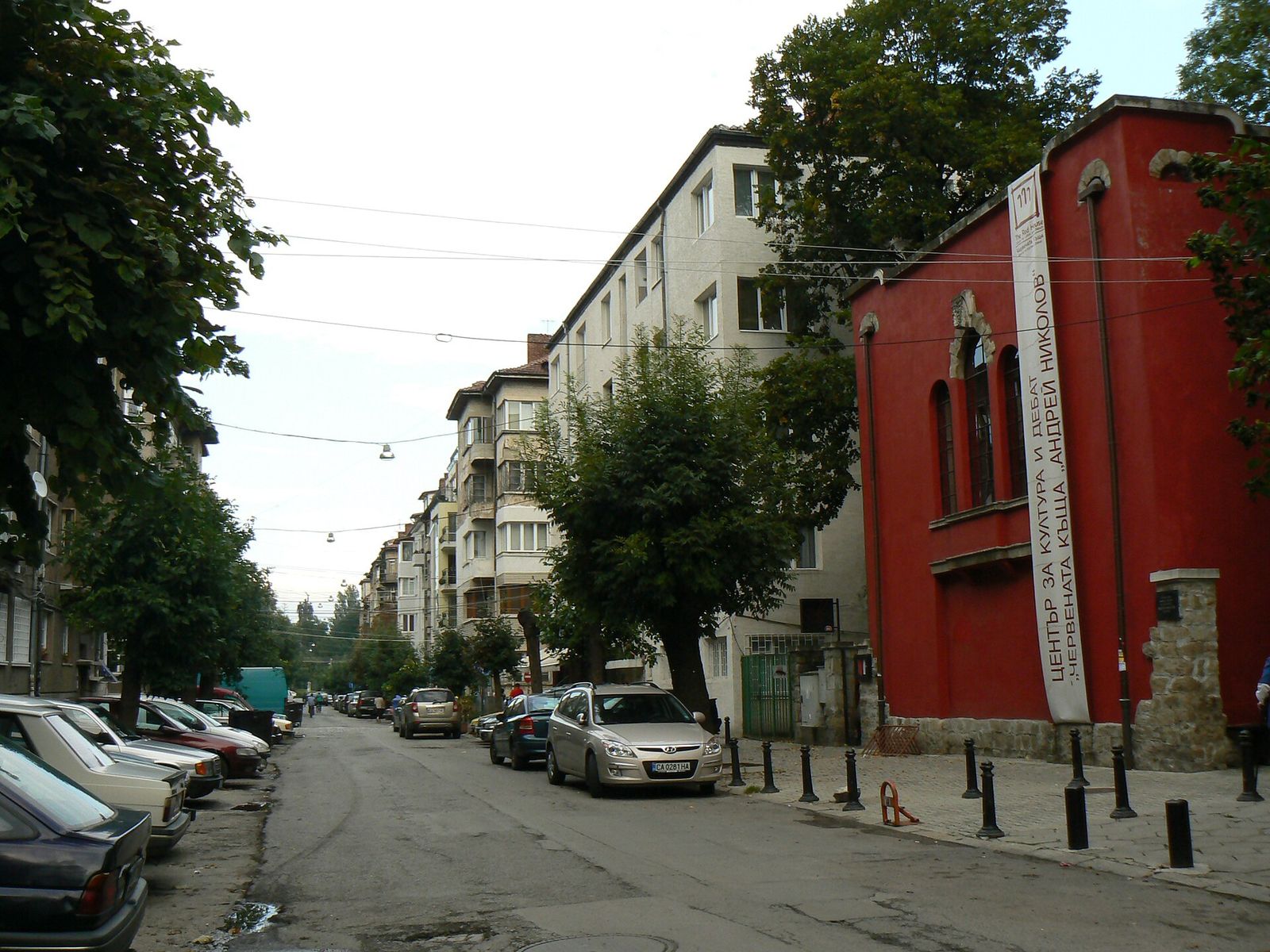
Events are usually free. Check the program for the nights you are in town; it is the best place I know to hear what Sofia is arguing about.
11. Watch the ice climbers at Boyana Waterfall
Boyana Waterfall, where the Boyana river drops 25 m on Vitosha, runs fullest in spring. In winter it freezes into a wall of blue ice, and ice climbers come to climb it.
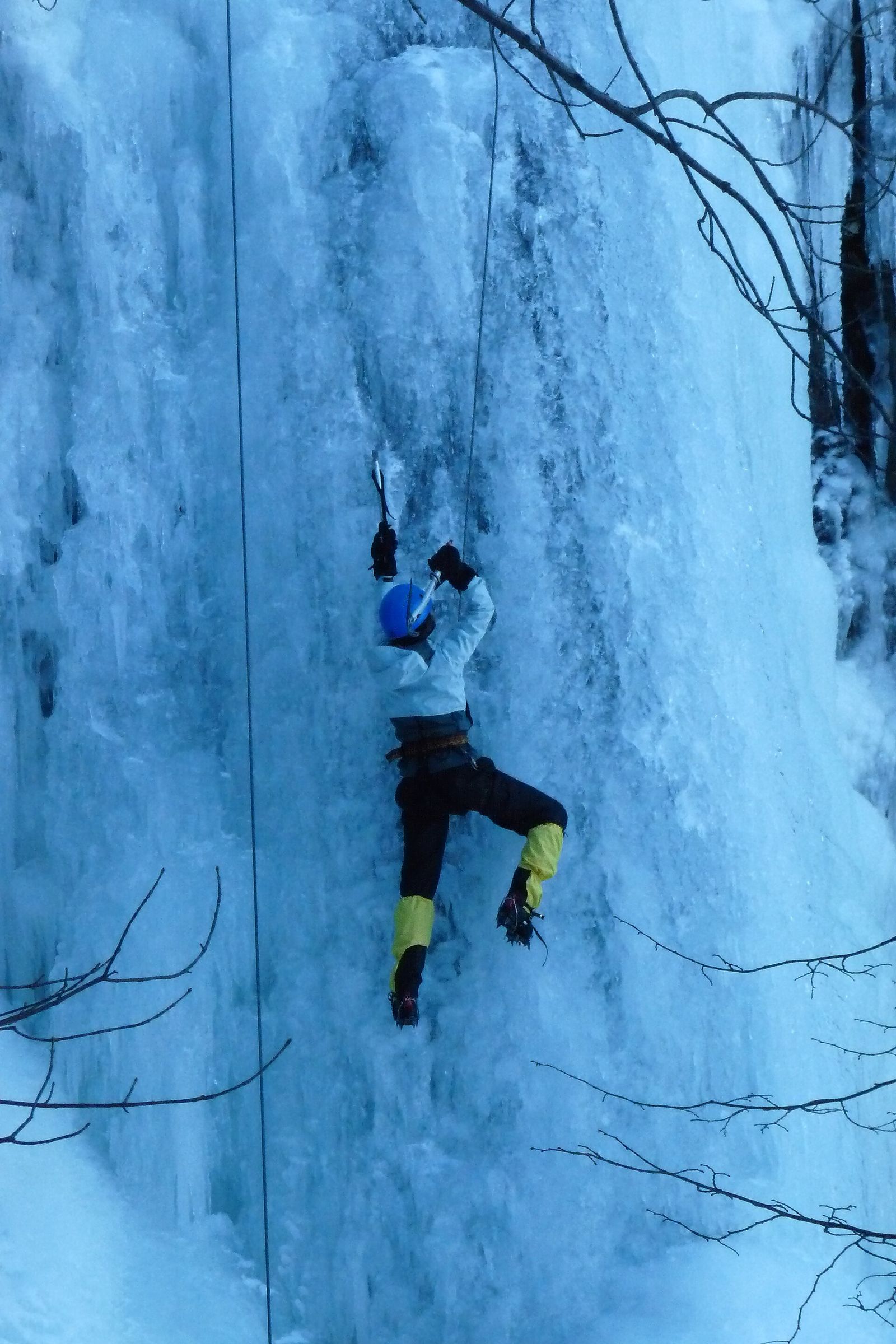
The trail starts above Boyana Church and takes 1 to 1.5 hours up. Take metro line 2 to Vitosha station and bus 64 to Boyana.
Underground sights in Sofia
Five of the city's oddest sights lie under churches, a metro underpass and a hotel, all of them in the center.
| What | Where | Cost | Why go |
|---|---|---|---|
| Roman tombs under St Sofia Church | Underground museum below the basilica | €3, daily 10 AM to 5 PM | Tombs and mosaics from Roman Serdica |
| Icon crypt | Under Alexander Nevsky Cathedral | €10, or €2 on Thursdays | Orthodox icons in a crypt designed for tombs |
| Wish crypt | Under the Russian Church | Free | Write a wish on paper and drop it in the box |
| Roman streets of Serdica | The Serdika metro underpass | Free | Streets, baths and houses beside the commuters |
| Amphitheater of Serdica | Arena di Serdica hotel | Free to see | Part of a Roman arena in a hotel lobby |
The tombs under St Sofia Church are the ones I'd see first, at the price of a coffee. The streets of Roman Serdica came to light between 2010 and 2012, when the metro was being dug, and the crypt of the Russian Church holds the white marble tomb of Archbishop Seraphim, beside the box for the wishes.
More off-the-beaten-path ideas
Street art is easy to find once you know where to look: Tsar Ivan Shishman Street, the kvARTal district and the underpasses near Sofia University carry murals and political pieces. Look low as well as high, since Sofia's street art also covers electrical boxes, painted since 2011.
North of Lions' Bridge, a cluster of Kurdish, Iraqi and Middle Eastern restaurants has earned the area the nickname "Little Iraq". It is the place I'd go for kebabs, baklava and tea.
On the square beside Alexander Nevsky Cathedral, stalls sell Soviet badges, medals, officer hats, icons and handmade lace. The antiques market at Alexander Nevsky is where I'd buy a souvenir with some history to it. For sunset, take a taxi up Kopitoto, the hill with the closed TV tower on Vitosha, which has one of the best views over Sofia as the sun drops behind the ridge.
One unusual day trip: Buzludzha
12. Drive up to the Buzludzha monument
Buzludzha is a flying saucer of concrete on a mountain top in the Central Balkan range, near the Shipka Pass, 3 hours or more from Sofia by car. It was built from 1974 to 1981 as the Monument House of the Bulgarian Communist Party and abandoned after 1989, one of the best-known buildings of Bulgaria's history under communism.
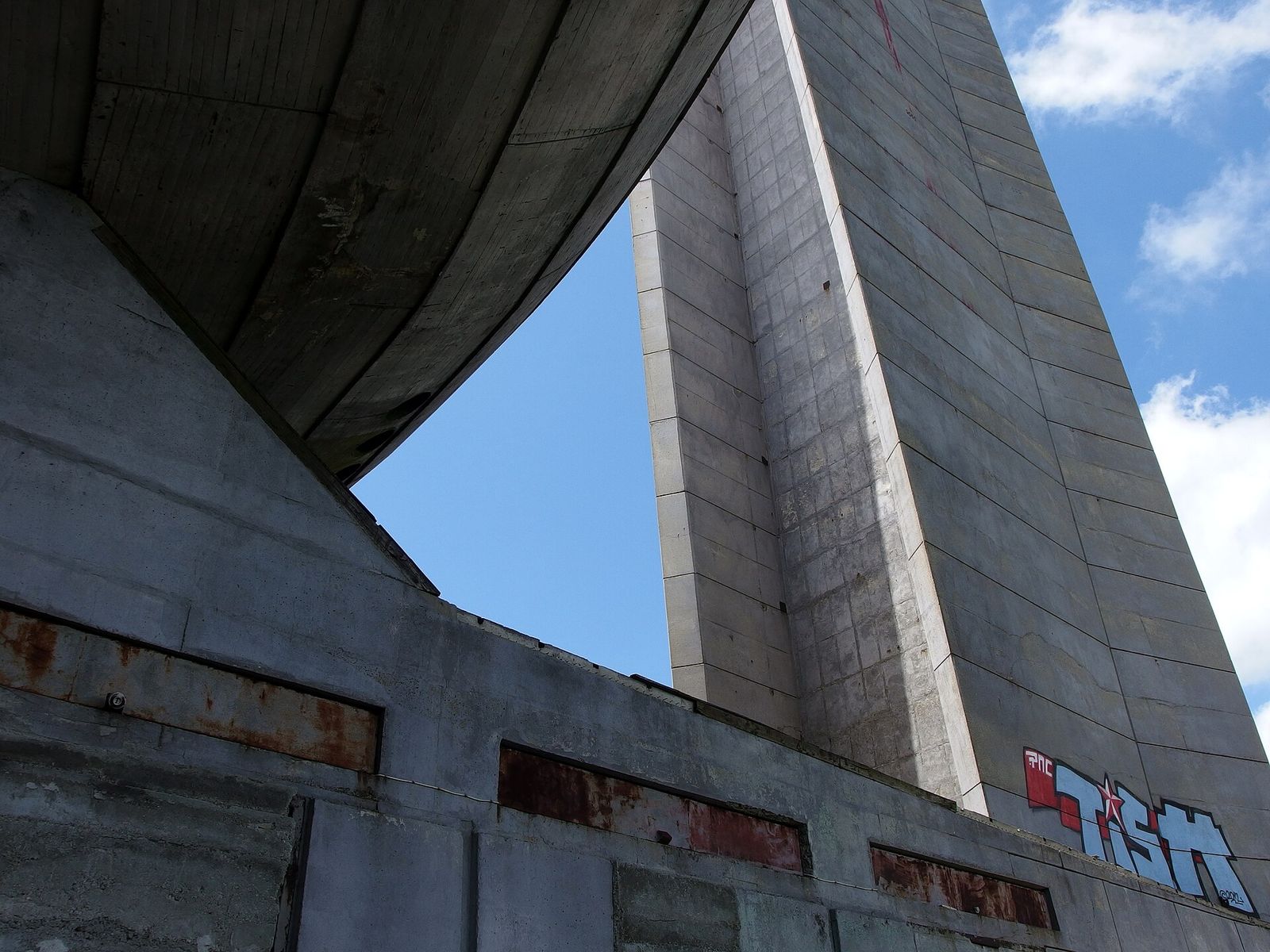
You need a car, and I'd leave Sofia by 7 AM or stay the night nearby. Buzludzha takes a full day there and back.
Unusual things to do in Sofia: cost and time
| Pick | Where | Cost | Time needed |
|---|---|---|---|
| The Red Flat | Center | €9 | 1.5 hours |
| Museum of Socialist Art | Near G.M. Dimitrov metro | €8, €2 on Thursdays | 1 to 2 hours |
| Statue of Sofia | By Serdika metro | Free | 5 minutes |
| Tenebris | Han Asparuh Street | Set 5-course menu, book ahead | An evening |
| Hambara | 6th September Street | A drink, cash | An evening |
| Raketa Rakia Bar | Yanko Sakazov Boulevard | €5 to €9 a rakia | 1 to 2 hours |
| Snail House | Simeonovo | Free, from the street | 15 minutes plus the ride |
| The Bells | Near Business Park Sofia | Taxi there and back | 1 hour plus the ride |
| Vrana Park | 11 km east, weekends only | About €2.50 | 2 hours plus the ride |
| The Red House | Lyuben Karavelov Street | Events usually free | An evening |
| Boyana Waterfall in winter | Vitosha, above Boyana | Bus fare | Half a day |
| Buzludzha | Balkan Mountains | Fuel | A full day |
The center ones fit into gaps between the big sights. I'd do the Red Flat in the morning, the Museum of Socialist Art after lunch, and Tenebris or Hambara at night, and save the Snail House, the Bells and Vrana for a weekend with a taxi. On a first trip, mix them in with the main things to do in Sofia, one or two a day.
Key takeaways
- The Red Flat, €9, and the Museum of Socialist Art, €8 or €2 on Thursdays, are the best way into Sofia's communist years.
- Tenebris serves a 5-course dinner in complete darkness; book ahead.
- Hambara is lit only by candles, takes cash only and opens around 9 PM.
- The Snail House, the Bells and Vrana Park need a taxi or car, and Vrana opens only at weekends.
- Under St Sofia, Alexander Nevsky and the Russian Church, Sofia's crypts cost from nothing to €10.
Frequently asked questions
What are some quirky and unusual things to do in Sofia?
Visit the Red Flat, a 1980s communist family apartment you can touch, eat dinner in the dark at Tenebris, ring the bells at Kambanite and look at the Snail House in Simeonovo. For a drink, Hambara is a bar lit only by candles.
What is the Snail House in Sofia?
It is a five-story building shaped like a snail in the Simeonovo district, designed by the architect Simeon Simeonov. People live in it, so you see it from the street.
Is the Red Flat in Sofia worth it?
Yes, if you are curious about daily life under communism. It costs €9, takes about 1.5 hours with the audio guide, and you can touch almost everything in the flat.
Can you go inside Buzludzha?
No, the inside of the Buzludzha monument is closed for safety. You can walk around the outside and the ridge, which is 3 hours or more from Sofia by car.
What is Sofia most famous for?
Sofia is best known for Alexander Nevsky Cathedral, the Roman city of Serdica under its streets, the 1259 frescoes of Boyana Church and Vitosha Mountain on its edge. It also sits on hot springs that still run from free public taps in the center.
What should you be careful of in Bulgaria?
Taxis that overcharge are the biggest risk for visitors, so order a licensed one through an app. Bulgarians shake their head for yes and nod for no, and small kiosks and bars such as Hambara take cash only.
Is Bulgaria friendly to Americans?
Yes. Americans can visit Bulgaria without a visa for up to 90 days in any 180-day period, and in Sofia younger people and anyone working in tourism usually speak English.
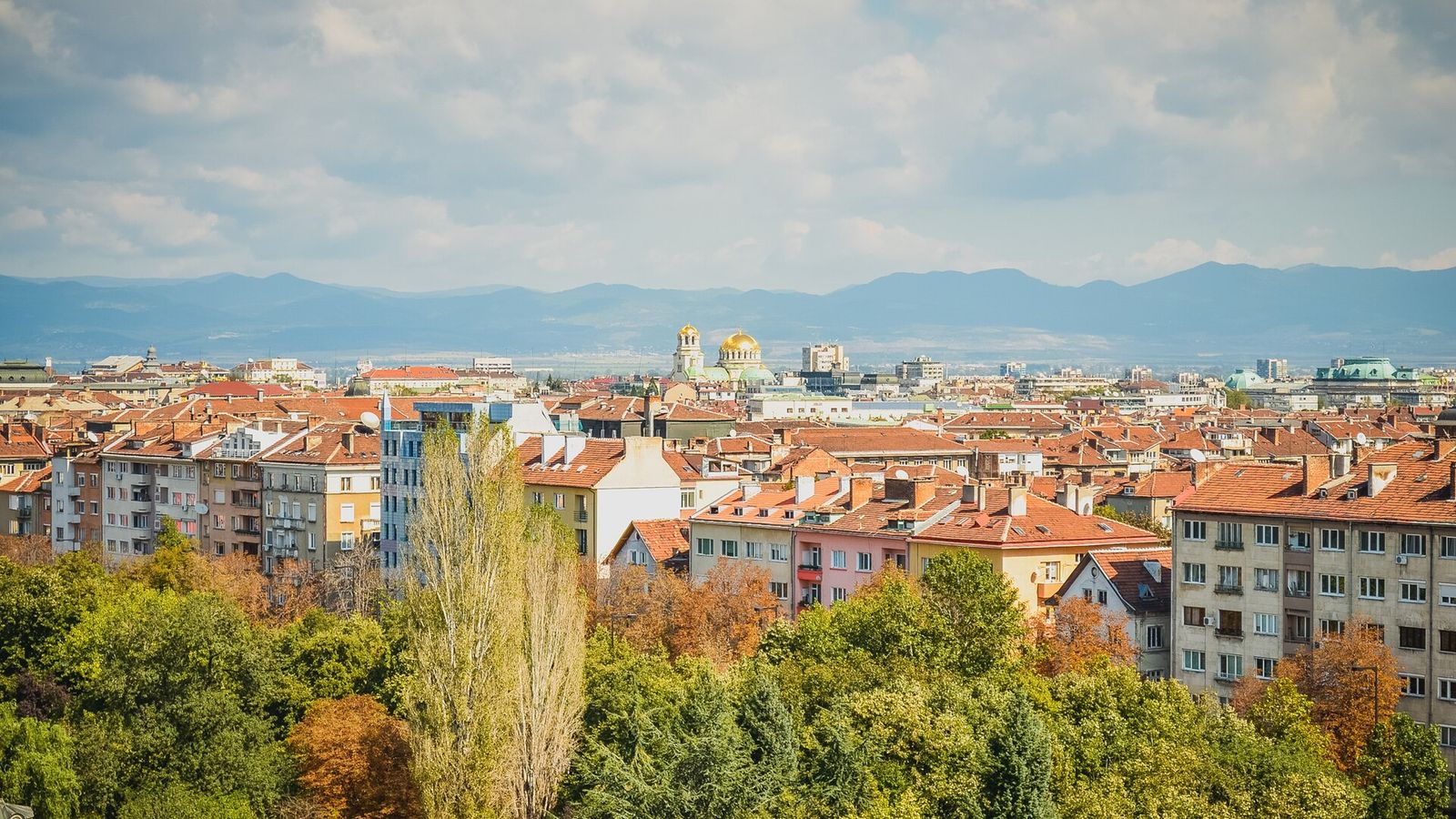
25 Best Things to Do in Sofia in 2026
Sofia packs 2,000 years into a walkable center. The 25 sights, museums, foods and day trips I'd put first, with prices.
Read the guide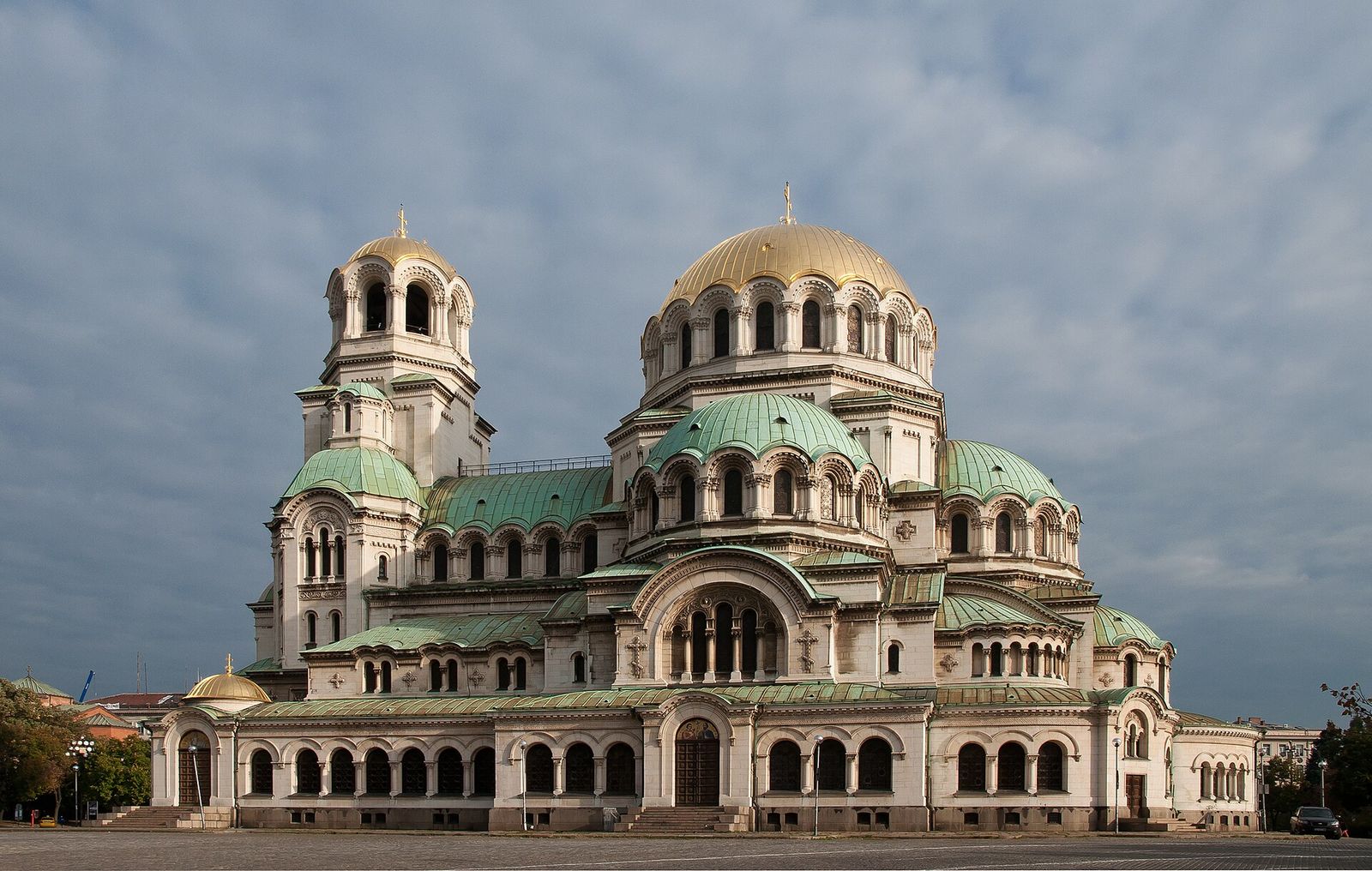
Alexander Nevsky Cathedral in Sofia: A Visitor's Guide
Sofia's gold-domed landmark is free to enter. Here is its story, what to see inside, the crypt museum and when to go.
Read the guide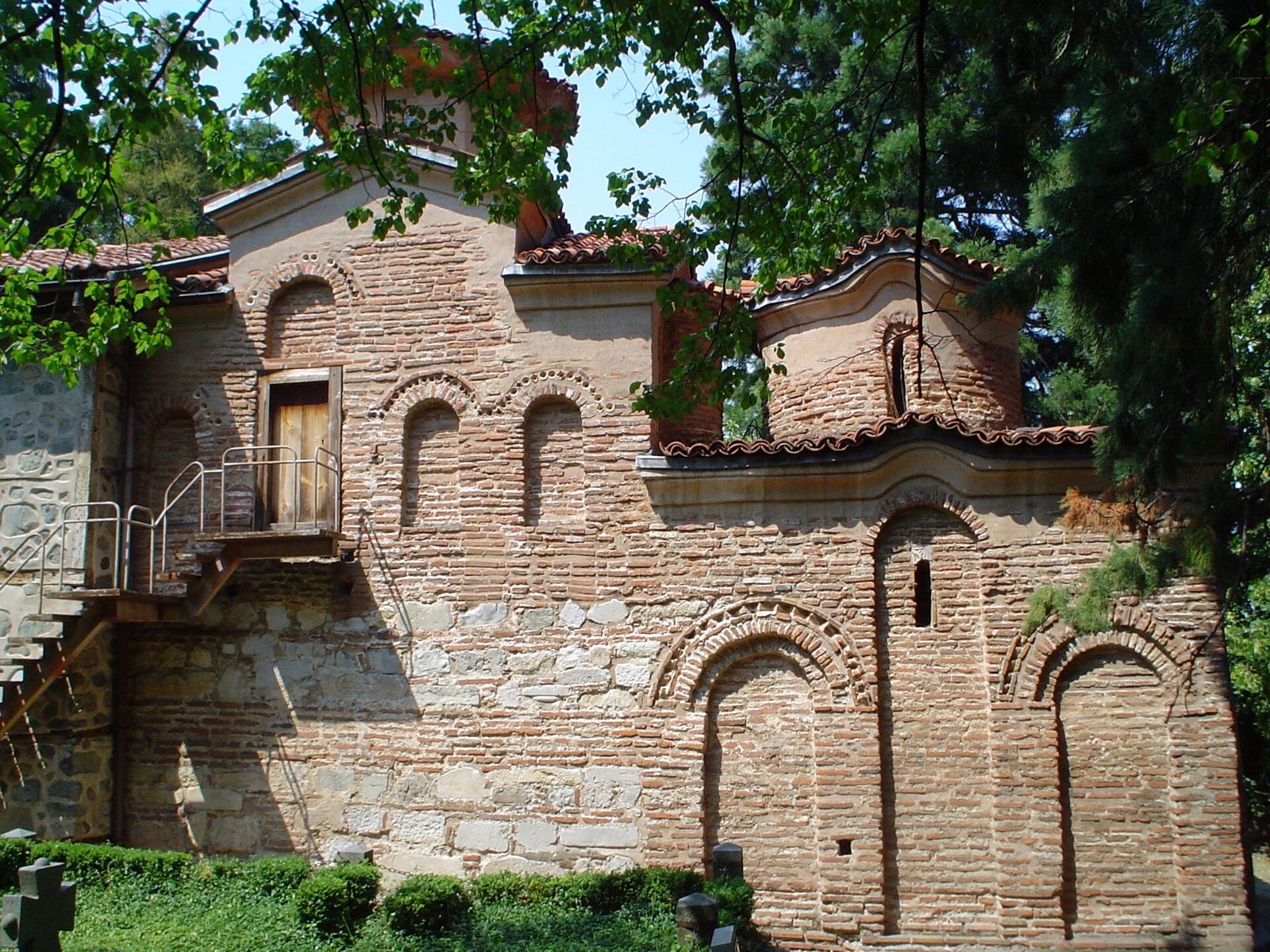
Boyana Church: Visiting Sofia's UNESCO Frescoes
A tiny UNESCO church under Vitosha with frescoes from 1259. Tickets, time slots, the bus out and what to find inside.
Read the guide