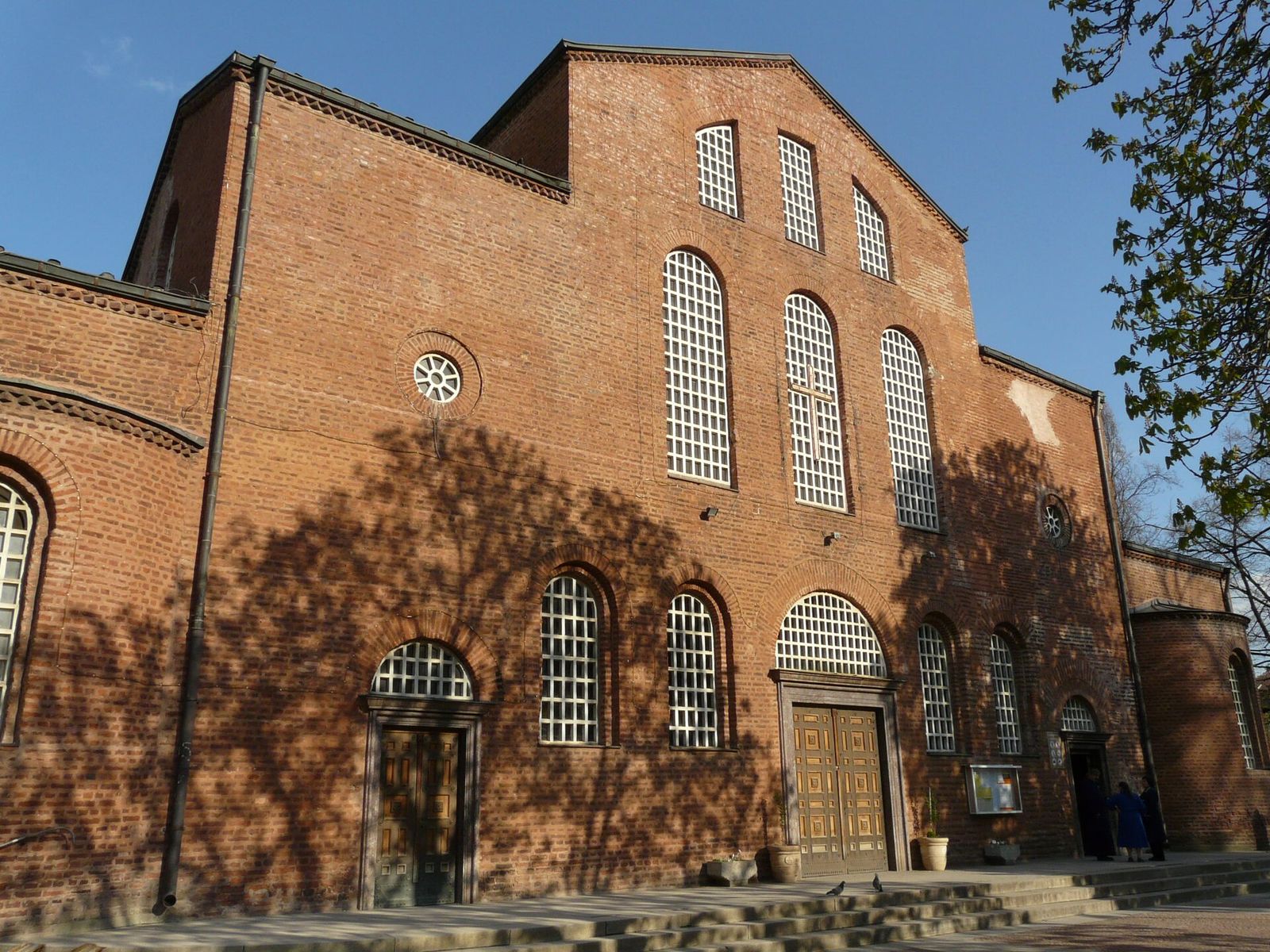
St Sofia Church in Sofia: The Basilica That Named the City
St Sofia Church is the plain red-brick basilica across the street from Alexander Nevsky Cathedral, and the city of Sofia took its name from it in the 14th century. The church is free, and under its floor lies a Roman cemetery with more than 50 tombs. Below are its history, the church, the underground museum, the graves outside and the hour I'd go.
St Sofia Church at a glance
St Sofia, Sveta Sofia in Bulgarian, stands on Parizh Street at the western edge of Alexander Nevsky Square. From the cathedral steps it is the red-brick building with tall arched windows, about 1,400 years older than its gold-domed neighbor.
Why the city is named after St Sofia Church
Sofia is named after this church, and the church is named after an idea. Its dedication is to Holy Wisdom, Hagia Sofia in Greek, the same dedication as the great church in Constantinople that Justinian finished in 537.
The Romans called the city Serdica, and after Khan Krum took it into the First Bulgarian Empire in 809, it became Sredets. In the Middle Ages, St Sofia was the seat of the metropolitan bishop, and by the 14th century the town around it had taken the church's name.
The name has a statue too: Sveta Sofia stands near Serdika metro station, about 10 minutes' walk west of the church.
The history of St Sofia Church
St Sofia stands in the middle of what was the eastern cemetery of Roman Serdica. From the 4th century on, Christians built church after church here among the tombs, and the floors of earlier churches still lie under the present one.
In 343, the Council of Serdica, a meeting of bishops from across the empire, gathered in a church on this site. The basilica you see today replaced the earlier buildings in the 6th century, during the reign of Justinian.
Under Ottoman rule, St Sofia became a mosque in the 16th century. A minaret went up and the medieval frescoes were lost. Earthquakes hit in 1818 and 1858, the second one brought the minaret down, and the building was abandoned. A restoration between about 1926 and 1935 brought it back as a church.
| When | What happened |
|---|---|
| 4th century | The first church goes up among the Roman tombs |
| 343 | The Council of Serdica meets on the site |
| 6th century | Justinian's builders raise the present basilica |
| 14th century | The city takes the name Sofia from the church |
| 16th century | The Ottomans turn it into a mosque and add a minaret |
| 1818 and 1858 | Earthquakes damage it, and the minaret falls in 1858 |
| About 1926 to 1935 | Restoration returns it to a church |
| 2013 | The underground museum opens |
What to see inside the church
St Sofia is a cross-shaped basilica with three naves and three altars, about 47 meters long and 20 meters wide. The walls are bare brick, with almost no gilding anywhere.
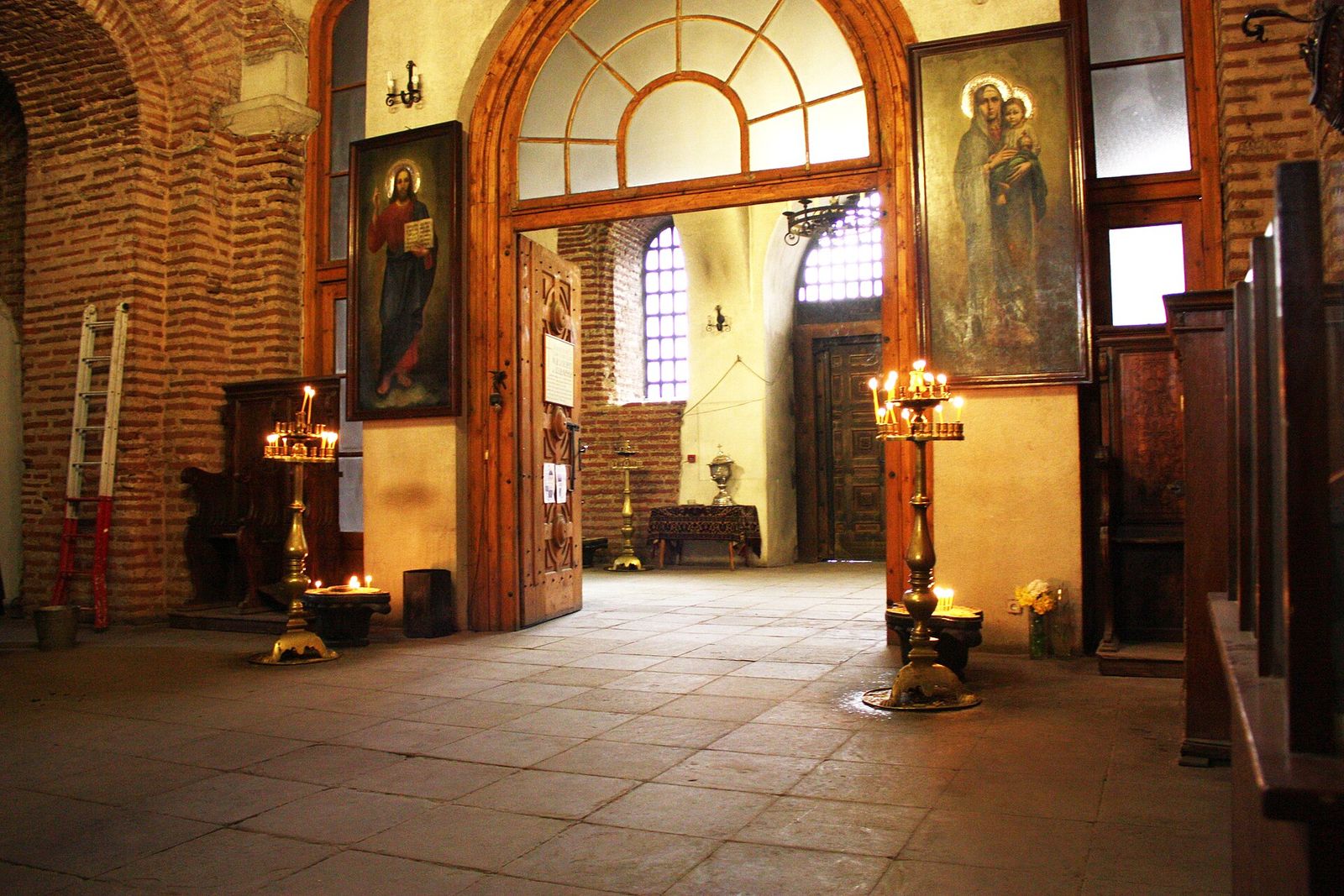
I like it for exactly that. The bare brick shows the shape of a 6th-century church with nothing added on top.
Look for the icon of Holy Wisdom, the one that carries the church's name. It shows Holy Wisdom as a young Christ, called Christ Emmanuel, seated on a rainbow.
The underground museum and the Roman necropolis
The best part of St Sofia is under the floor. A staircase inside the church takes you down into the museum, which opened in 2013, and the walkways wind through the layers of the site.
They run from the Roman cemetery at the bottom, past the foundations of an earlier church, up to the base of the present basilica. More than 50 tombs survive, some with painted walls.
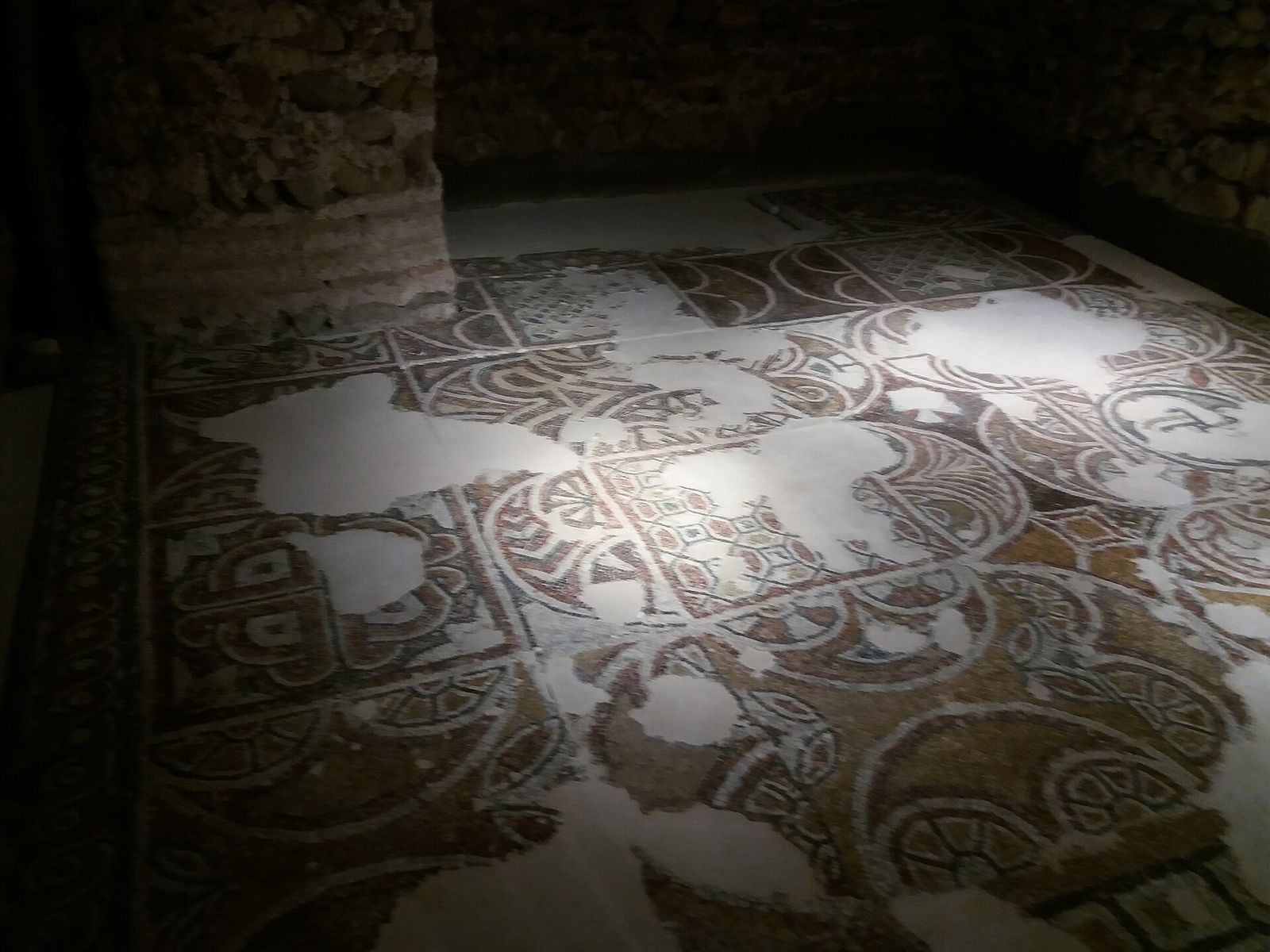
Look for the painted tomb of Honorius. You see into it through a window cut into its side, onto its painted walls. Silver reliquaries that once held the remains of saints were found down here too.
| Layer | Date | What you see |
|---|---|---|
| Roman necropolis | 2nd to 4th centuries | Brick tombs, some painted |
| Earlier church | 4th or 5th century | Foundations and mosaic floors |
| Present basilica | 6th century | The base of the church above you |
The people buried here lived in Roman Serdica, whose streets and houses you can walk through for free by Serdika metro station. At €3, the museum is one of the cheapest tickets among Sofia's museums.
Plan on 20 to 30 minutes underground. The lighting is low, so give your eyes a minute at the bottom of the stairs.
Ivan Vazov's grave and the Tomb of the Unknown Soldier
Ivan Vazov's grave
Ivan Vazov, the writer whose name the National Theater carries, lived from 1850 to 1921 and asked to be buried where he could see Vitosha. His grave is a single rough boulder beside the church, with his name cut into it.
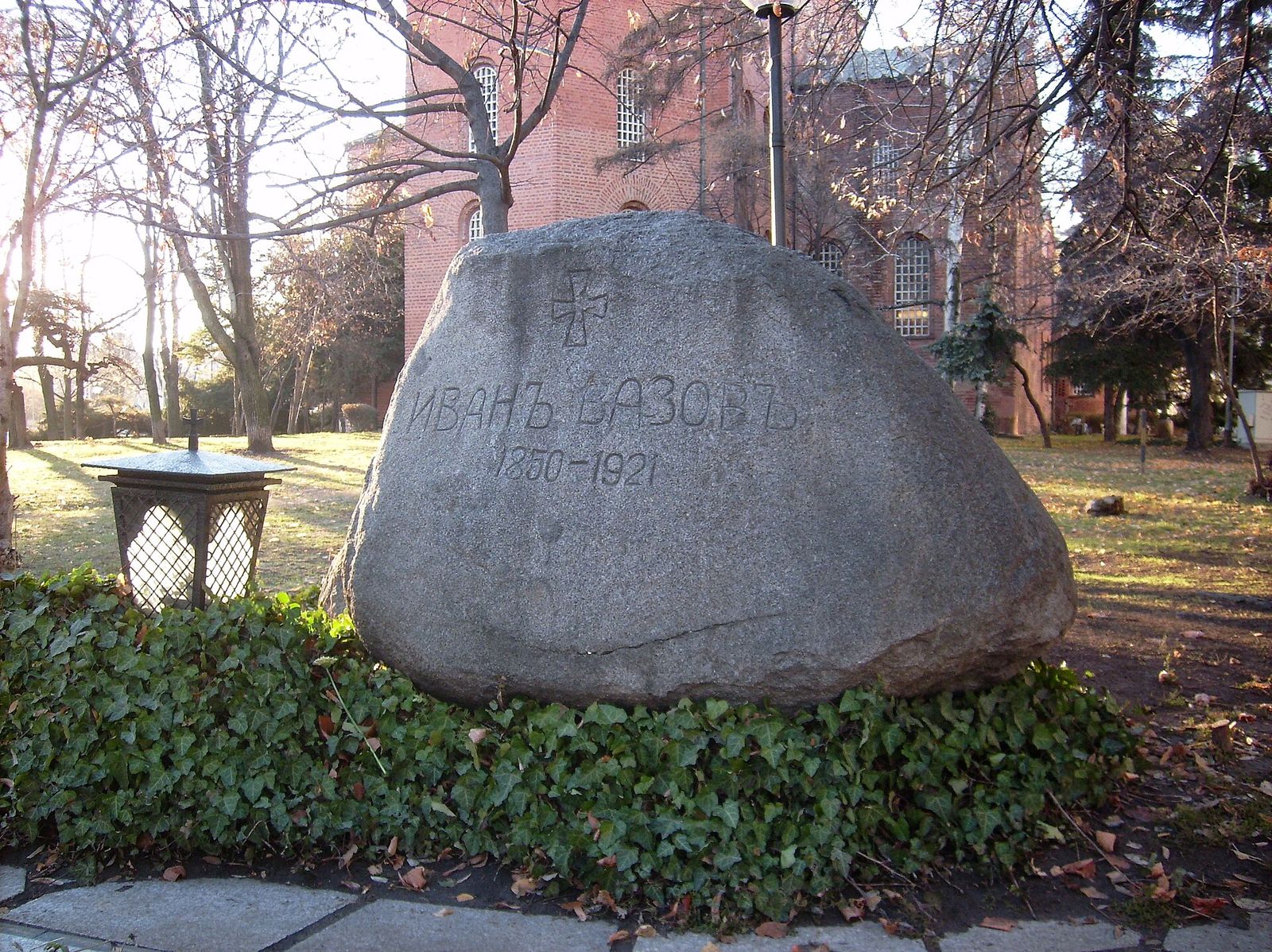
The boulder came from the Golden Bridges, the river of stones on Vitosha Mountain, so the mountain he wanted to see is also his gravestone.
The Tomb of the Unknown Soldier
Against the church's brick wall burns the eternal flame of the Monument to the Unknown Soldier, created in 1981 for Bulgaria's war dead, with wreaths laid at its foot.
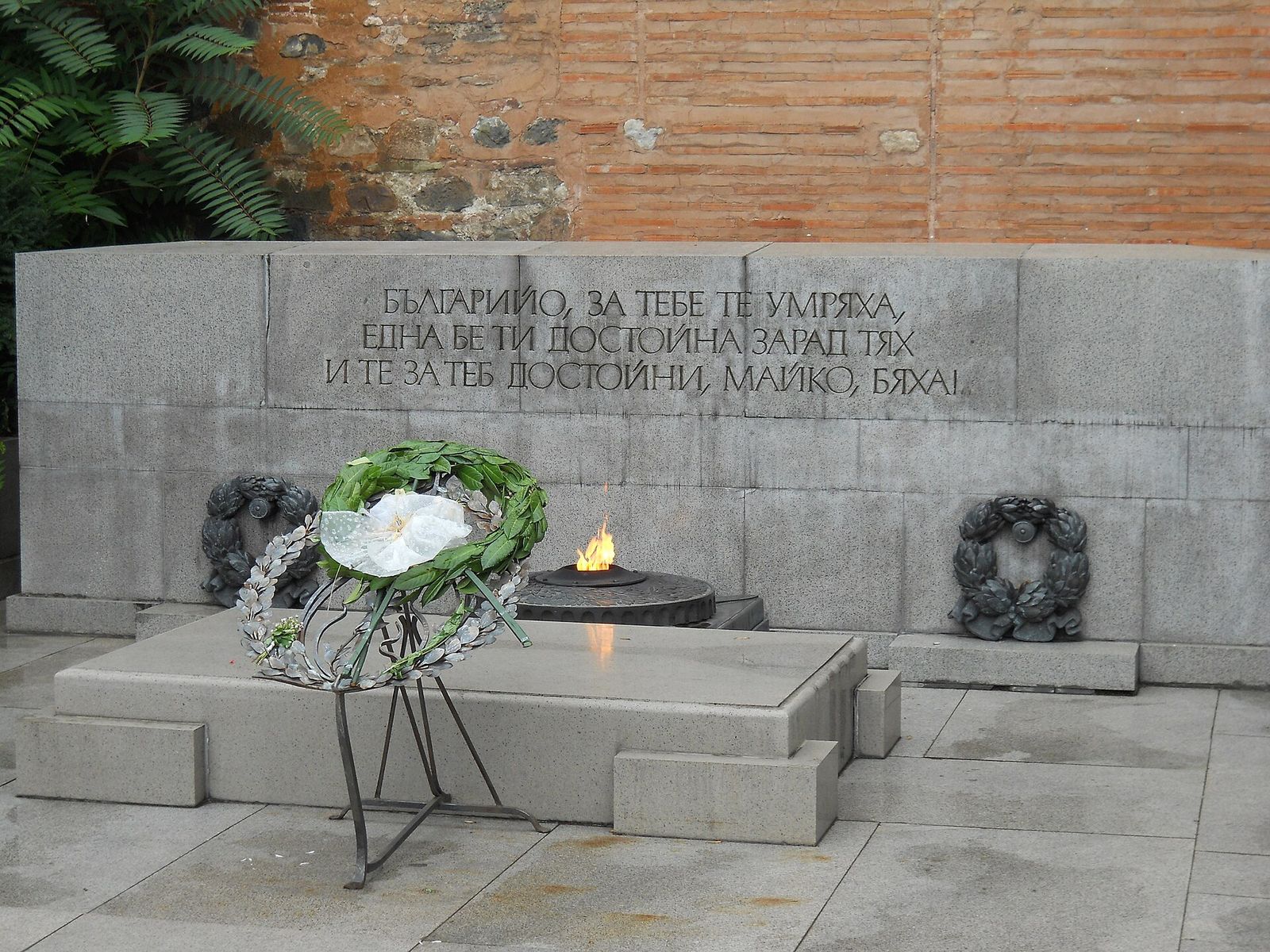
Bronze lions stand guard by the monument, in one of the quietest corners of the center, a few steps from the crowds at the cathedral.
Opening hours, dress code and photos
The underground museum opens daily from 10 AM to 5 PM, so I'd plan the visit inside that window. Mornings and midweek are the quietest times.
This is an active church, so cover your shoulders and knees, keep your voice low and turn your phone to silent. Men take their hats off. In the museum and during services, I'd ask before taking a photo.
How to get to St Sofia Church
St Sofia stands at 2 Parizh Street, immediately west of Alexander Nevsky Cathedral.
The closest station on the Sofia metro is SU St. Kliment Ohridski, by Sofia University, about 250 meters from the cathedral. From Serdika, where most lines meet, it is about a 10-minute walk east along Tsar Osvoboditel Boulevard, past the gold domes of the Russian Church.
What is next to St Sofia Church
I'd see St Sofia with the three sights below, all within a 10-minute walk.
Alexander Nevsky Cathedral stands across the street, free and open daily from 7 AM to 7 PM, with an icon museum in its crypt that costs €10 and closes on Mondays.
The antiques market sets up on the square between the two churches. Stalls sell Soviet pins, medals and icons, and the market at Alexander Nevsky is where I'd browse for 20 minutes on the way between the churches.
The Rotunda of St George is the only church in Sofia older than St Sofia, a red-brick round church from the 4th century in the courtyard behind the Presidency, a short walk west.
Is St Sofia Church worth visiting?
Yes. The church is free, it sits next to the cathedral you are visiting anyway, and €3 buys you a walk through the Roman cemetery under it.
Who it suits best:
- History lovers. Roman tombs, a 4th-century church and a 6th-century basilica sit stacked in one spot.
- Anyone who prefers old brick to gold. Of the two churches on the square, St Sofia is the plain one.
- Travelers on a budget. St Sofia, Alexander Nevsky and the Rotunda all cost nothing to enter, so the €3 museum is the only ticket of the morning.
- First-time visitors. It explains the name of the city in one visit, and it is one of Sofia's best churches within a few steps of two more.
Skip it, or keep it short, if:
- You want painted walls and gold. Alexander Nevsky across the street, or the frescoes of Boyana Church, deliver that.
- You arrive after 5 PM, when the museum, the reason to come, has closed.
Key takeaways
- St Sofia Church dates from the 6th century and gave the city its name in the 14th century.
- The church is free, and the underground museum costs €3, daily from 10 AM to 5 PM.
- Under the floor are more than 50 Roman tombs, mosaic floors and the remains of earlier churches.
- Ivan Vazov's grave and the Tomb of the Unknown Soldier stand right outside the walls.
- See it with Alexander Nevsky Cathedral, the Russian Church and the Rotunda for a half day of churches.
Frequently asked questions
Why is the Bulgarian capital called Sofia?
The city took its name from St Sofia Church in the 14th century. The church is dedicated to Holy Wisdom, Hagia Sofia in Greek, so the city's name means wisdom. In Roman times the city was called Serdica.
Is Sophia a saint?
Yes, there is a St Sophia in the Orthodox calendar, the mother of the martyrs Faith, Hope and Love, and her feast on 17 September is also Sofia's city day and a name day, the kind of date Bulgarian culture often celebrates as much as a birthday. The church, though, is dedicated to Holy Wisdom.
Is Saint Sofia the same as Hagia Sophia?
No, they are two buildings with the same dedication. Hagia Sophia in Istanbul is the great domed church Justinian finished in 537, and St Sofia in Sofia is a smaller brick basilica built in the same century, under the same emperor. Both names mean Holy Wisdom.
Is St Sofia Church free?
Yes, the church is free to enter. The underground museum with the Roman tombs and mosaics costs €3 and opens daily from 10 AM to 5 PM.
What is under St Sofia Church?
A Roman cemetery and the remains of the churches that stood here before. The lowest level holds tombs from the 2nd to the 4th centuries, some painted, and above it lie the foundations of a 4th or 5th century church and the base of the present basilica.
How old is St Sofia Church?
The building you see dates from the 6th century, which makes it about 1,500 years old and the second-oldest church in Sofia after the Rotunda of St George. Churches stood on the site from the 4th century.
What is the main church in Sofia?
Alexander Nevsky Cathedral is the main church and the city's landmark, and it stands across the street from St Sofia. St Sofia is the oldest church on the square and the one the city is named after, so I'd see both on the same visit, as on day 1 of my Sofia itinerary.
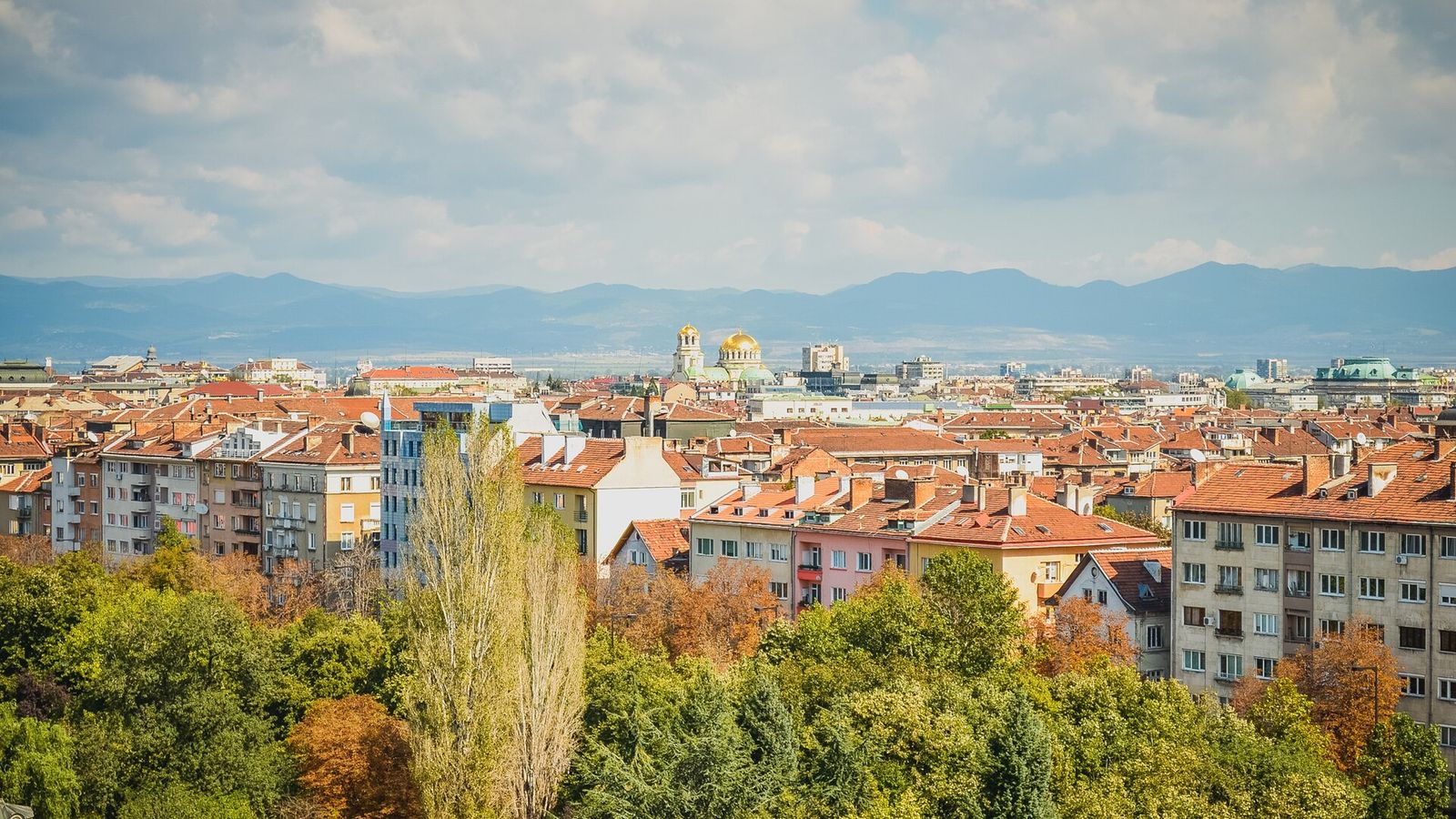
25 Best Things to Do in Sofia in 2026
Sofia packs 2,000 years into a walkable center. The 25 sights, museums, foods and day trips I'd put first, with prices.
Read the guide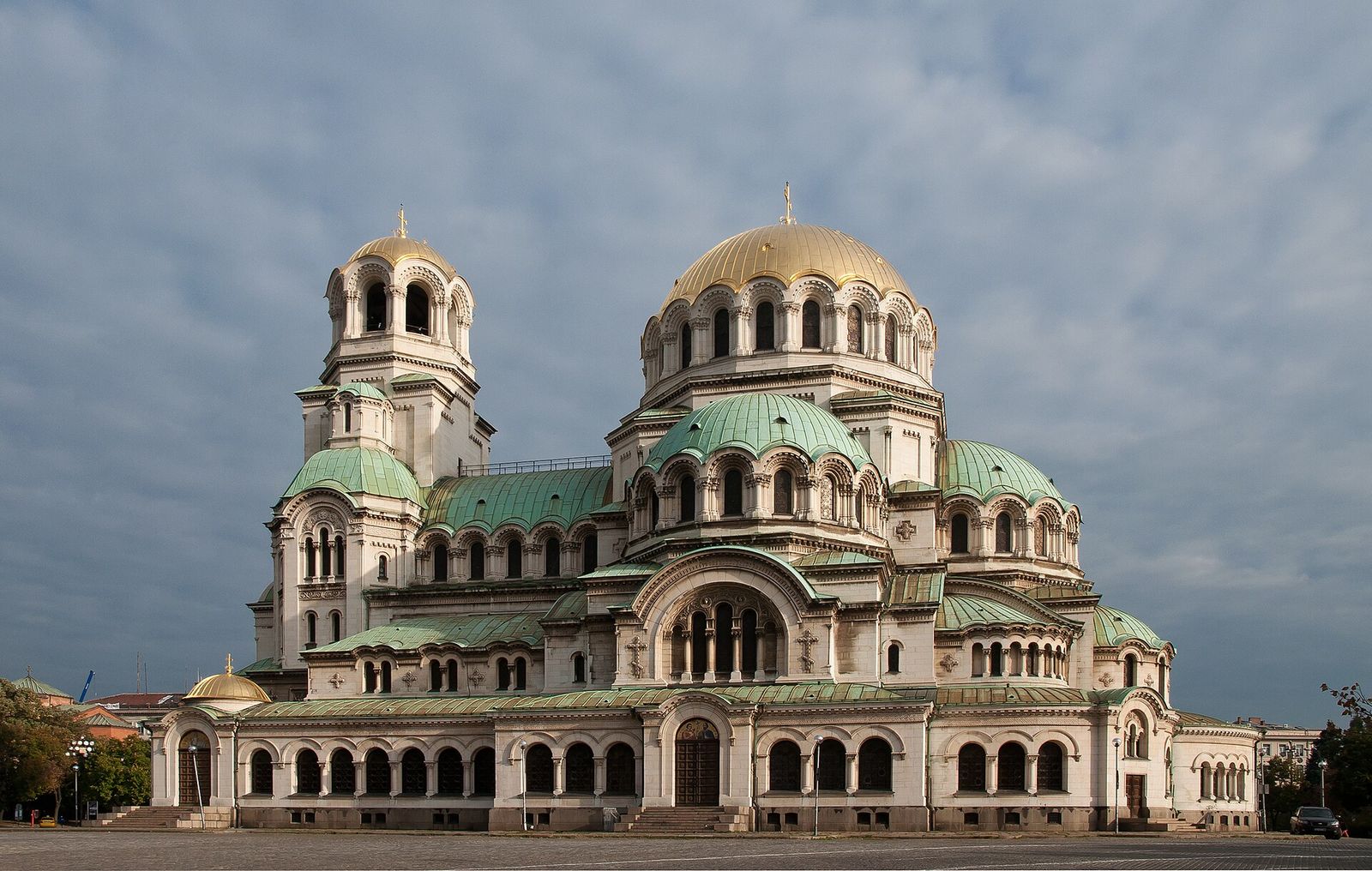
Alexander Nevsky Cathedral in Sofia: A Visitor's Guide
Sofia's gold-domed landmark is free to enter. Here is its story, what to see inside, the crypt museum and when to go.
Read the guide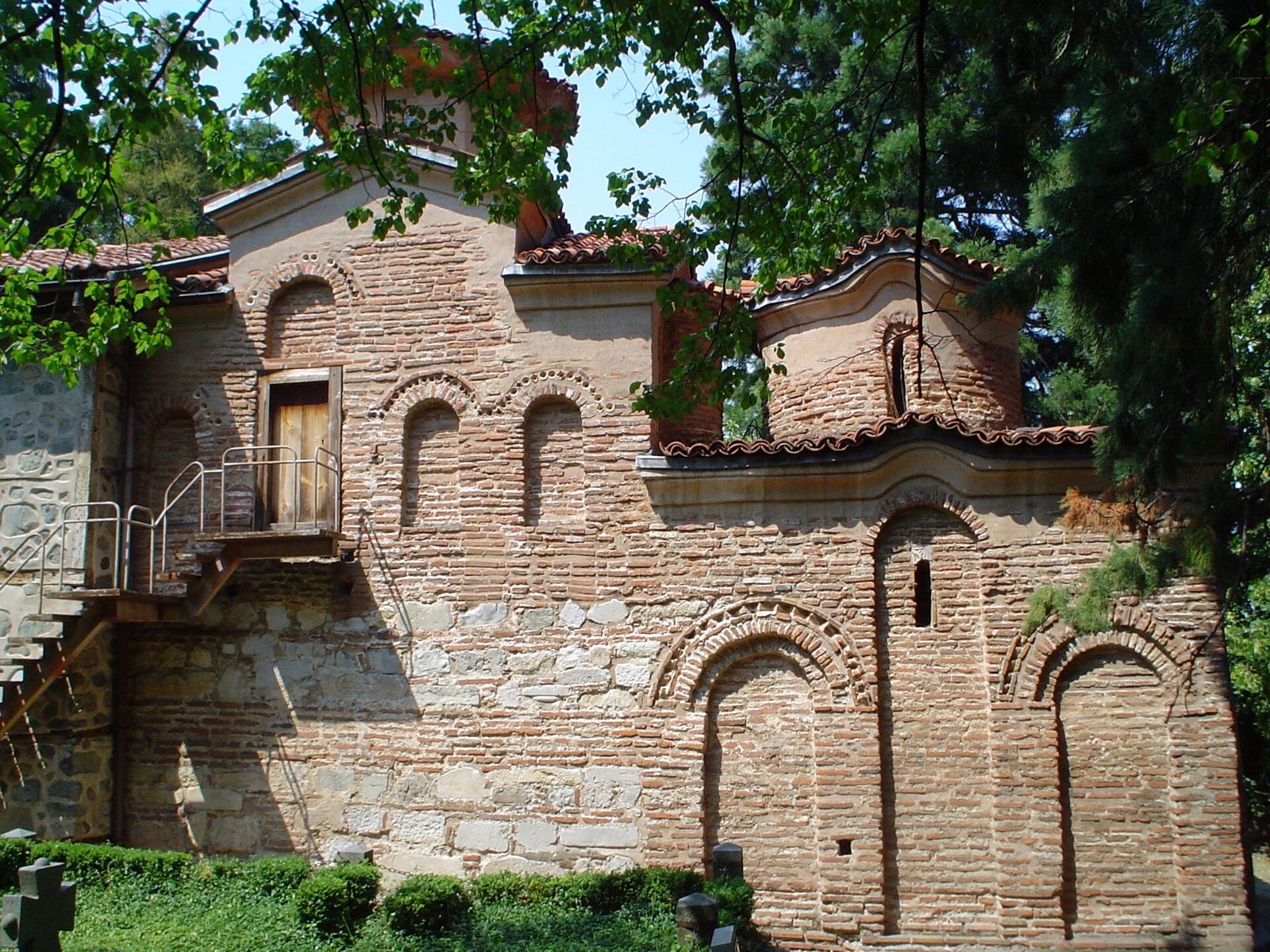
Boyana Church: Visiting Sofia's UNESCO Frescoes
A tiny UNESCO church under Vitosha with frescoes from 1259. Tickets, time slots, the bus out and what to find inside.
Read the guide