Bulgarian Souvenirs Worth Buying, and Where to Find Them in Sofia
Bulgaria is known for its rose oil, and the other Bulgarian souvenirs worth buying are made in the country too: folk crafts, herbs, rakia and wine. This guide covers the souvenirs I think are worth the suitcase space, what real rose oil looks like and costs, the handmade crafts, the food and drink to bring home, the souvenirs to skip, and where to buy each one in Sofia.
Bulgarian souvenirs at a glance
| Souvenir | What it is | Where to buy in Sofia |
|---|---|---|
| Rose oil | Oil distilled from Rose Valley roses | Rose oil specialty shops |
| Rose water and rose jam | By-products of the rose harvest | Supermarkets, souvenir shops |
| Troyan pottery | Red clay with a dripped glaze | Souvenir shops, the Ethnographic Museum shop |
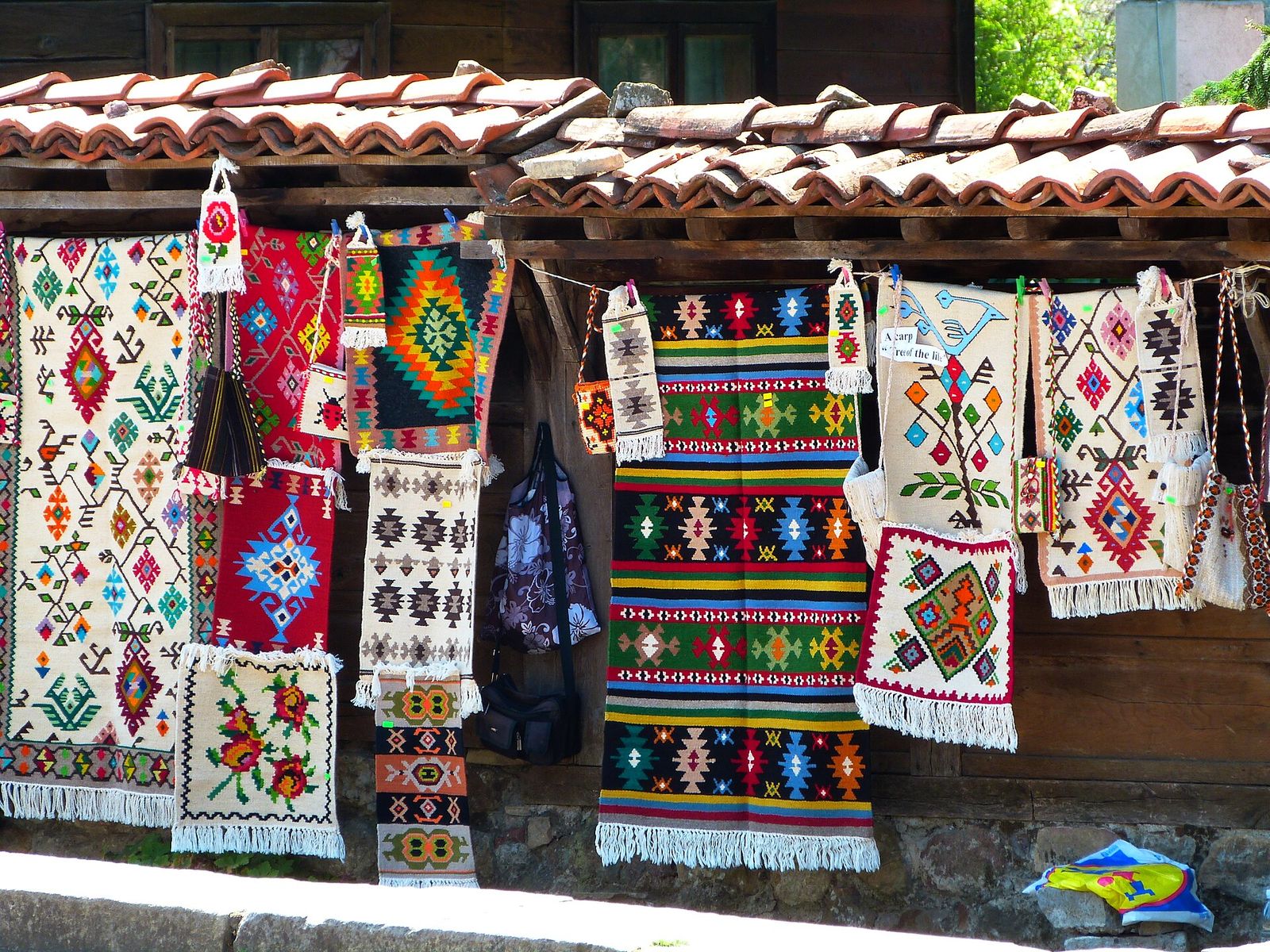
| Embroidery and lace | Hand-stitched tablecloths, blouses, lace | The stalls beside Alexander Nevsky |
| Chiprovtsi rugs | Handwoven wool kilims | Specialist carpet shops |
| Icons | Hand-painted Orthodox icons | The Alexander Nevsky market, icon galleries |
| Martenitsa | Red and white thread charm for 1 March | Souvenir shops and street stalls |
| Rakia | Fruit brandy, the national spirit | Zhenski Pazar wine shops, supermarkets |
| Bulgarian wine | Mavrud and other local grapes | Supermarkets, wine shops, airport duty free |
| Lokum | Bulgarian Turkish delight | Supermarkets, souvenir shops |
| Chubritsa and sharena sol | Summer savory and a salt and herb mix | Markets, supermarkets |
Bulgarian rose oil and rose products
Bulgaria is the world's largest producer of rose oil, and most of it is distilled from roses grown in the Rose Valley near Kazanlak.
Pure rose oil is expensive, but a single 1 ml vial lasts a long time. If you are in Bulgaria in early June, Kazanlak holds its rose festival on the first weekend of the month, one of the festivals in Bulgaria built around a harvest.
Rose water is the by-product of distilling the oil, and it costs a fraction of the price. Rose jam, rose syrup and rose liqueur are the versions you eat and drink, and Bulgarian cosmetics brands put rose oil into creams, soaps and lotions.
Bulgaria is also one of the world's biggest lavender producers, with fields between Karlovo and Kazanlak, and lavender oil, lavender soap and little lavender sachets are the souvenirs that come from them.
The wooden rose oil bottle
The carved wooden bottle painted with a rose is the rose souvenir you will see in souvenir shops all over Sofia.
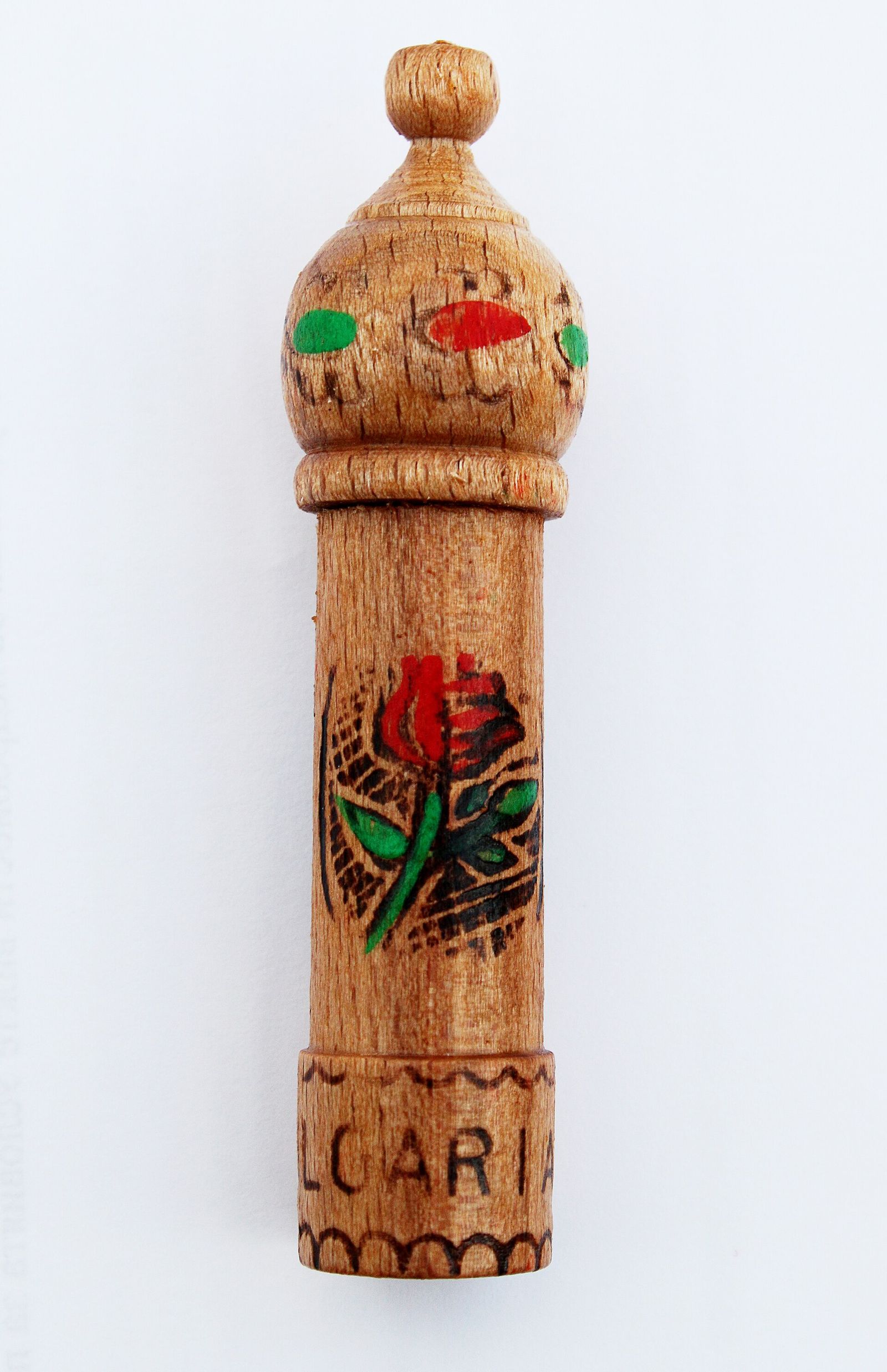
Inside is a tiny glass vial, often of rose perfume made with Rose Valley oil. It makes a cheap, pretty gift. I'd buy it as exactly that.
Handmade Bulgarian crafts
Carved wooden toys and kitchen utensils, filigree silver jewelry and sheepskin bags and belts are all worth a look, but these five are the crafts I'd put first.
Troyan pottery
Troyan pottery is the classic Bulgarian ceramic. The red clay pieces are decorated with glazes that run and drip into each other in browns, yellows, greens and blues. The bigger pieces were made for cooking traditional dishes, and the plates, bowls, jugs and little rakia cups come in every size.
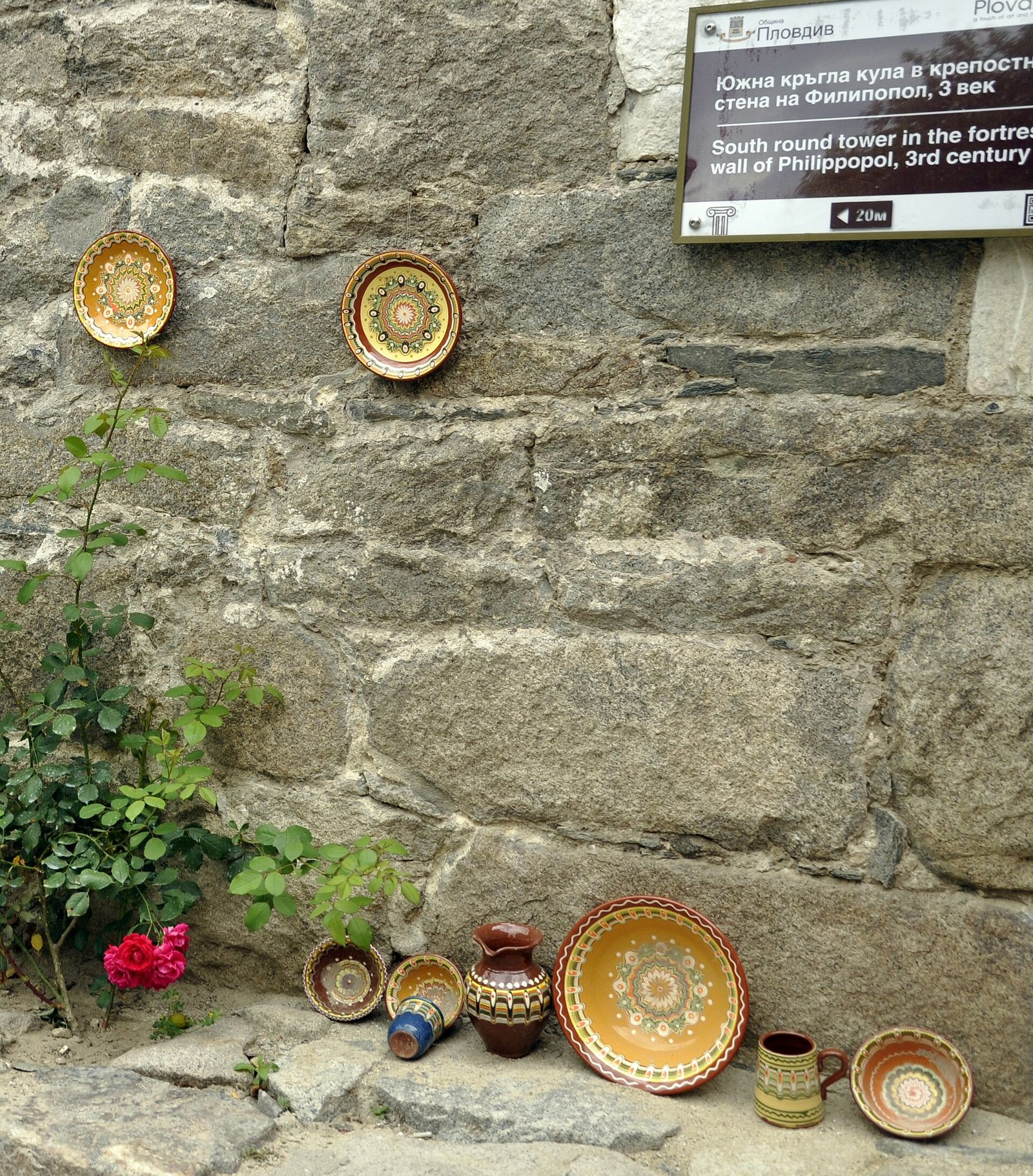
You will find smaller pieces made for visitors in souvenir shops all over Sofia, and the Ethnographic Museum shop carries Troyan pottery too. Troyan pottery is one of several Bulgarian crafts still made by hand, along with embroidery and weaving.
Embroidery and lace
Bulgarian embroidery is stitched by hand in vivid reds, on tablecloths, table mats and blouses.
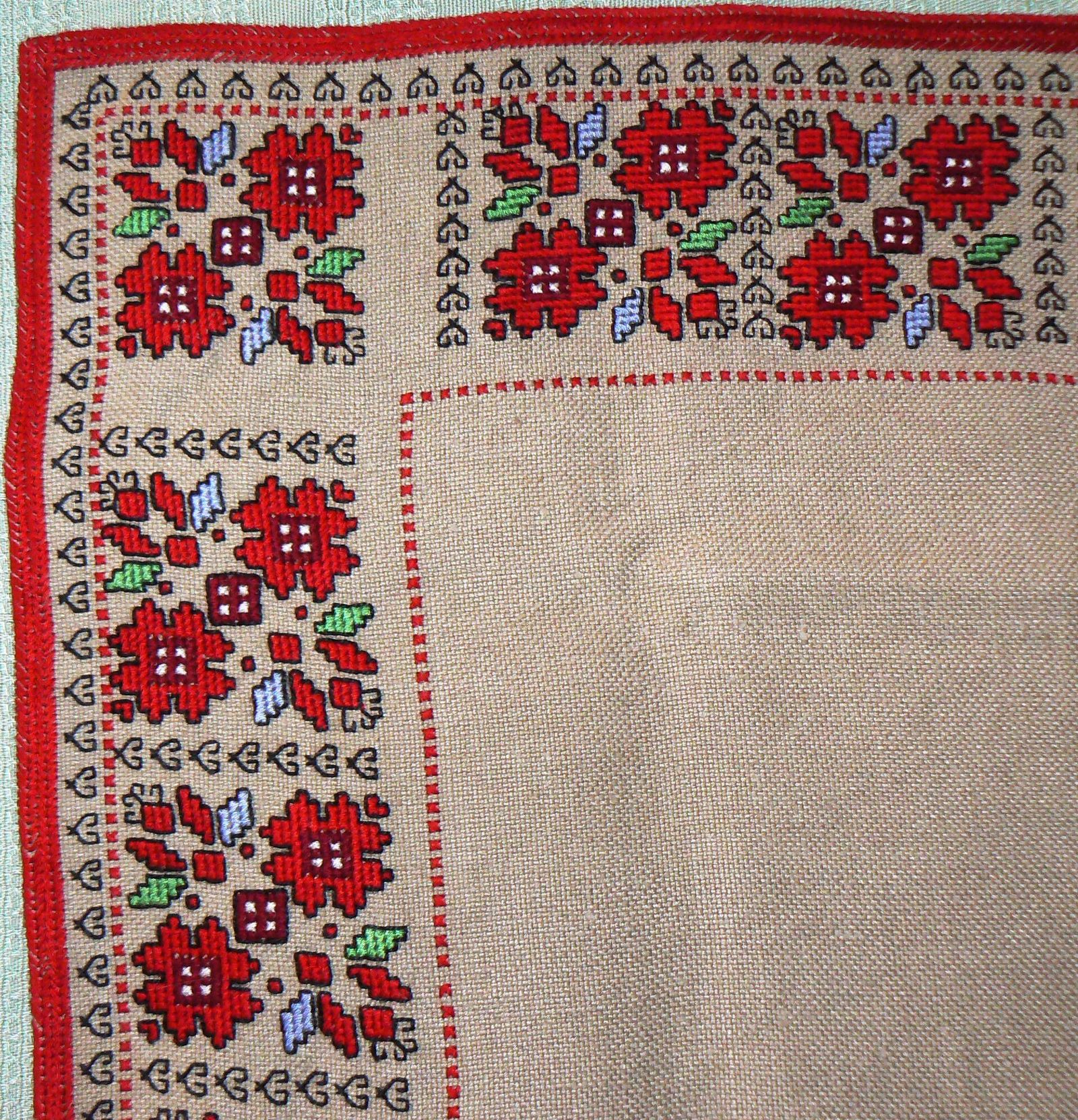
Real hand embroidery is not cheap. I think it is one of the most honest souvenirs you can buy. The older women at the linen stalls beside Alexander Nevsky Cathedral sell hand-crafted lace, embroidered tablecloths and hand-knitted wool socks at reasonable prices.
Chiprovtsi rugs
The colorful woven kilims from the Chiprovtsi region are the traditional Bulgarian carpets to look for. They are woven by hand on vertical looms in bold geometric and floral patterns, and the Chiprovtsi carpet tradition has been on the UNESCO list of intangible heritage since 2014.
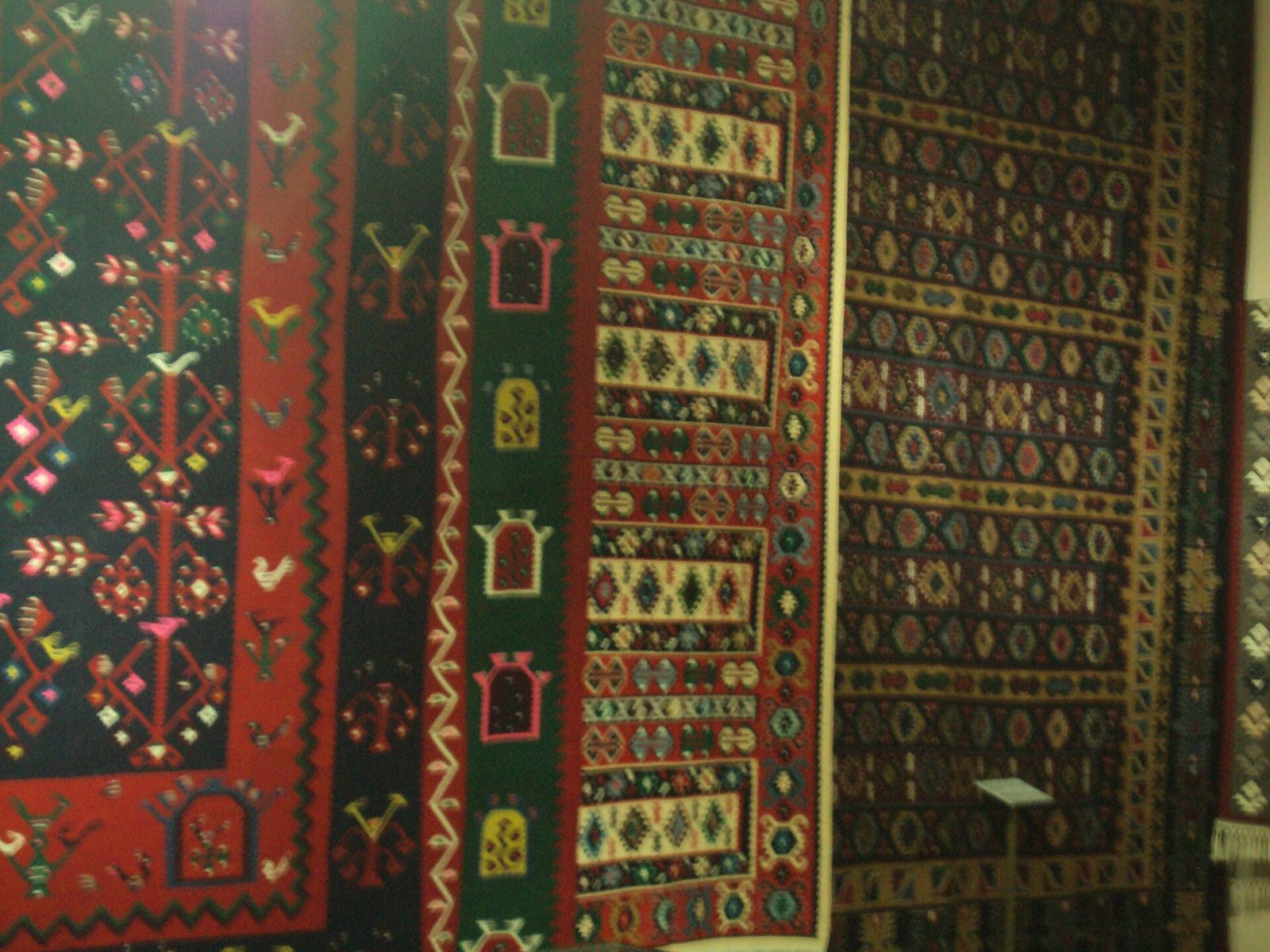
A full-size rug is a serious purchase, and a heavy one. A small runner is the easier buy. Specialist carpet shops in Sofia also take custom orders, ready in about two months.
Hand-painted icons
The price of a hand-painted icon depends mostly on gold: the icons that use real gold leaf cost much more than those painted in colors alone.
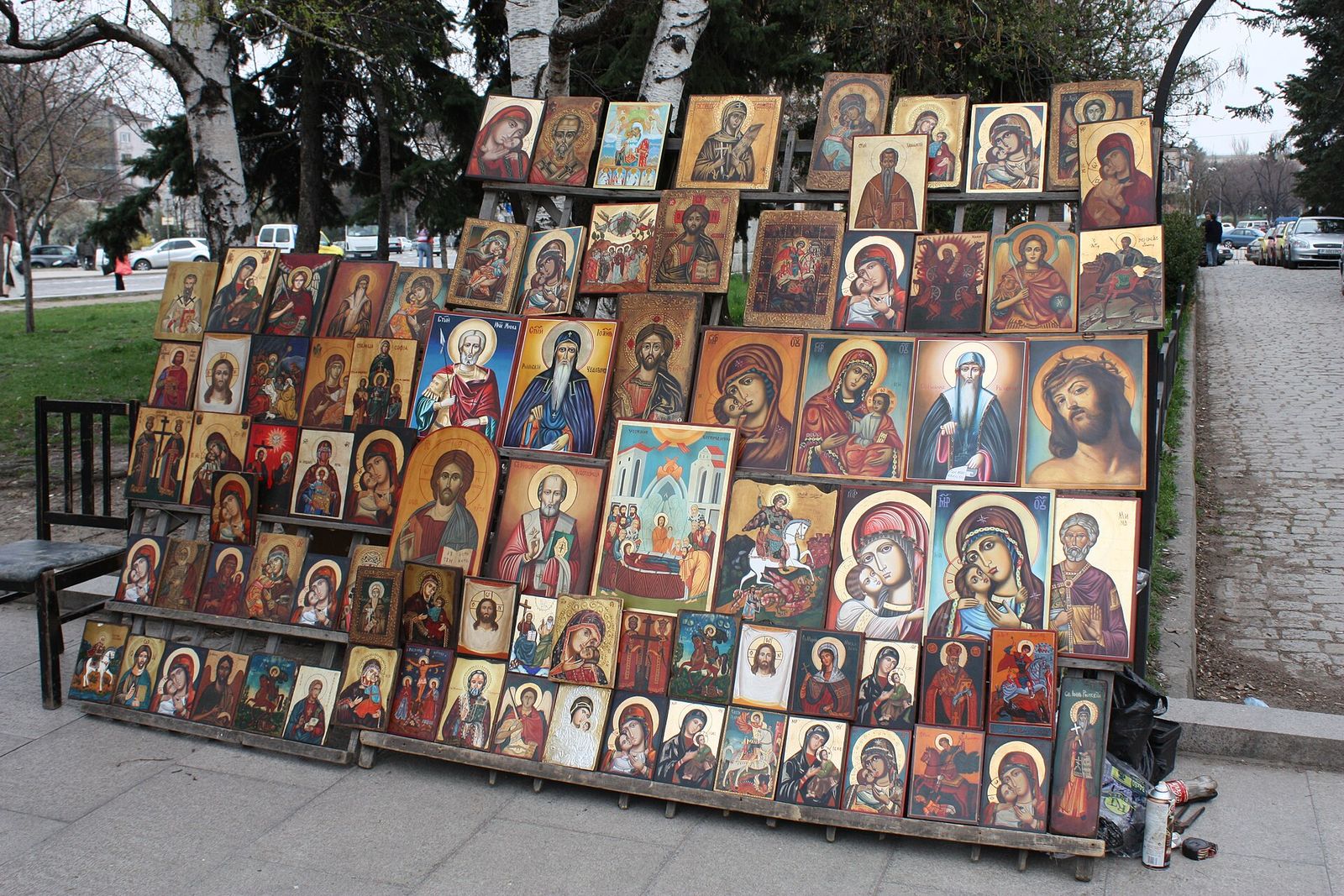
The racks at the antiques market at Alexander Nevsky are the easiest place in Sofia to compare icons and prices, and haggling is normal there. Icon gallery shops in Sofia sell them too, at fixed prices.
Martenitsa
A martenitsa is a small charm of twisted red and white thread that Bulgarians give each other on Baba Marta Day, the first of March. You wear it until you see the first stork or a blossoming tree, then tie it to a branch.
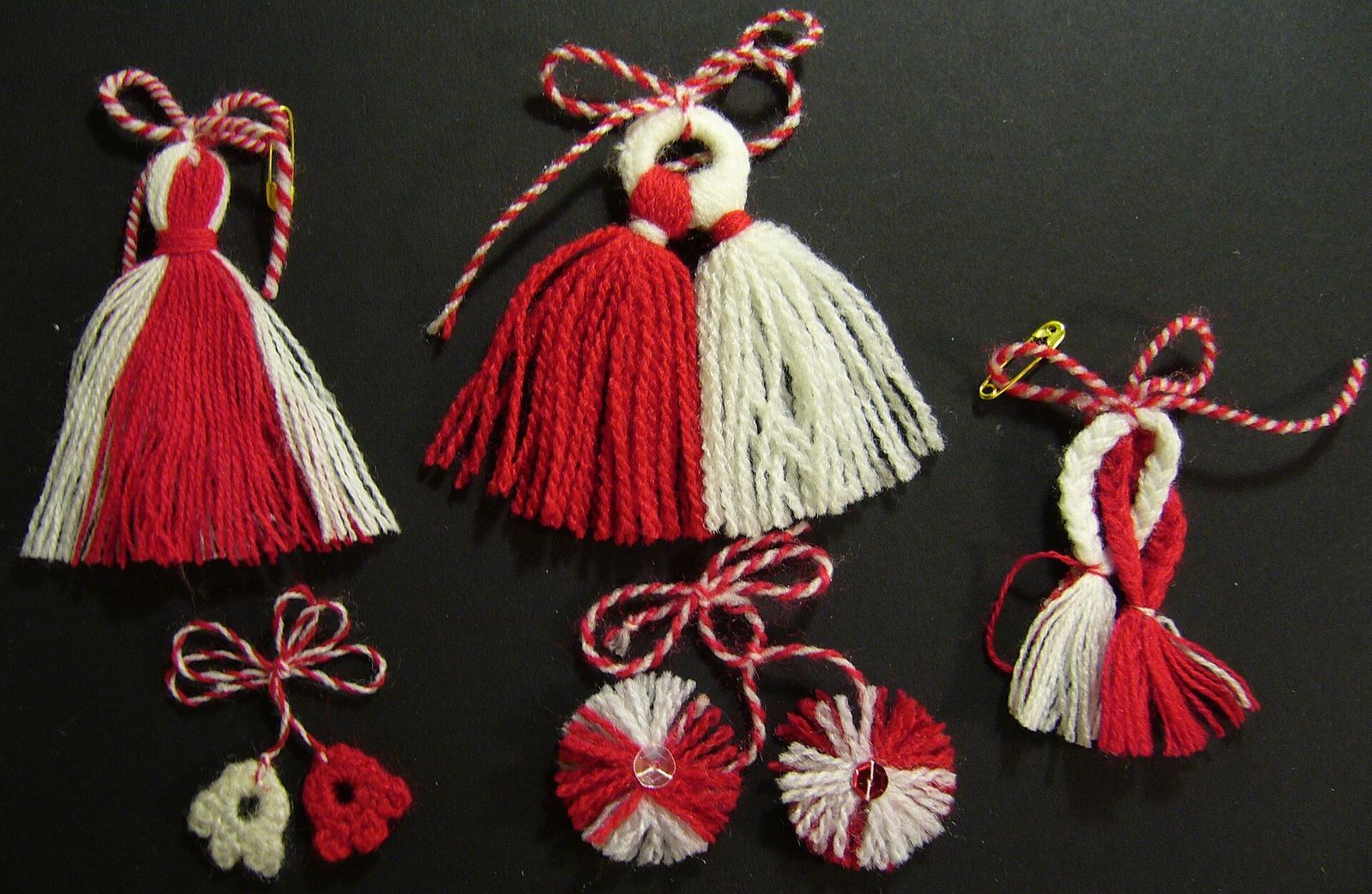
They come as simple bracelets, tassels or little red and white dolls. A martenitsa is the one souvenir on this list that comes with a ritual attached. I'd pick one for a child.
Food and drink to bring home from Bulgaria
Most of what is below is light, cheap and sold in Sofia's supermarkets. Lukanka, the flat-pressed dried sausage of pork and veal that Karlovo is known for, comes vacuum packed there for the trip home.
Rakia
Rakia is Bulgaria's fruit brandy, made from grapes, plums, apricots and even roses, and it is the national spirit. Peshterska and Karnobatska are two of the big grape rakia names, and Troyan is known for its plum rakia.
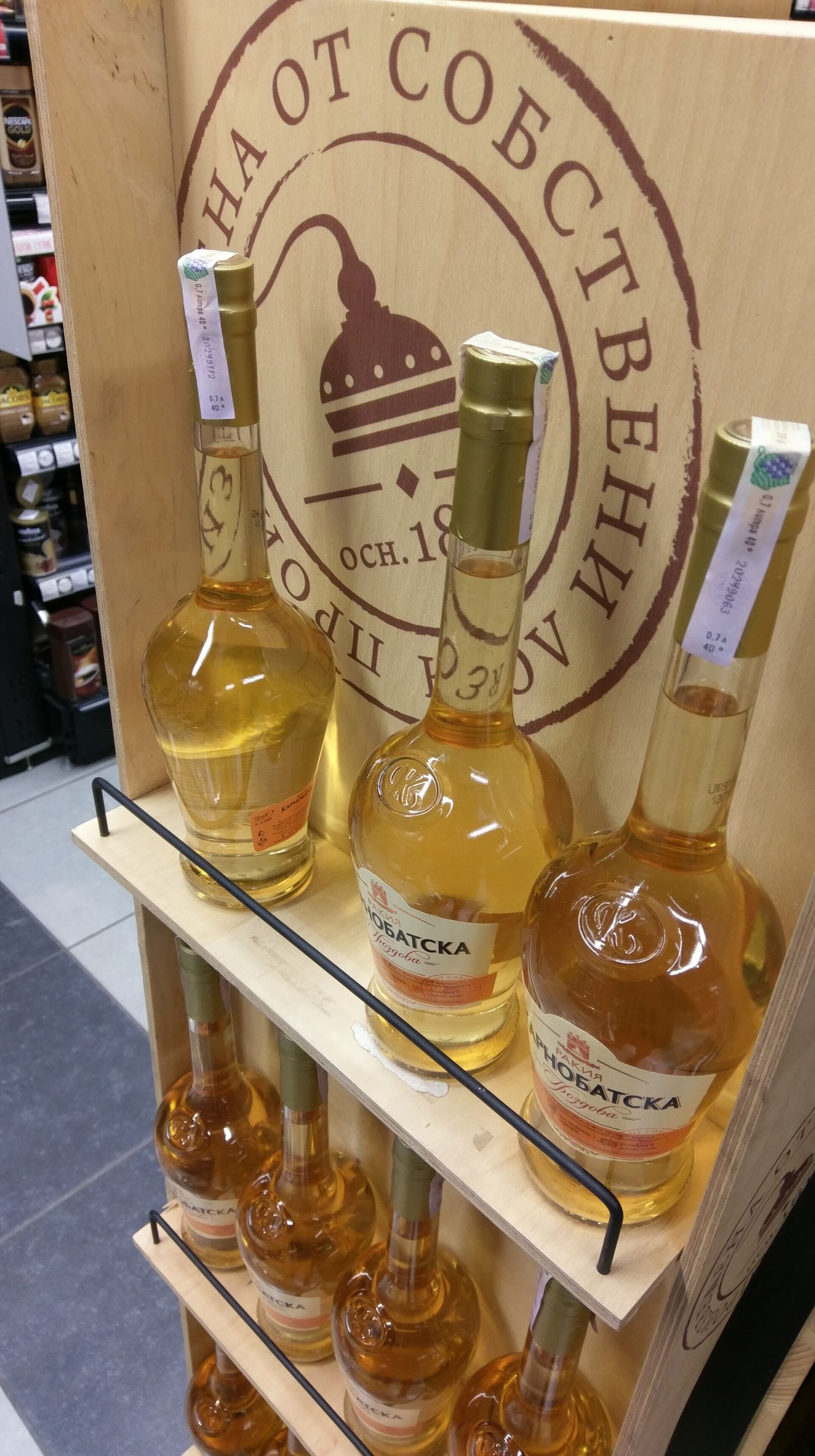
A craft 500 ml bottle costs about €10 to €26, and the wine and spirit shops around Zhenski Pazar carry a wider range than the supermarkets. Buy sealed bottles with the excise strip, and pass on homemade rakia offered by strangers. Rakia is drunk slowly from a small glass, and a set of rakia glasses is a fun extra souvenir.
Bulgarian wine
Bulgarian wine is rarely exported, which makes it a souvenir you cannot easily buy at home. Look for Mavrud, the local red. The Thracian Valley and the area around Melnik make some of the best bottles.
It sells at very reasonable prices in Sofia's shops and supermarkets, and Bulgarian wine comes in red, white and rosé, plus some sparkling wines.
Lokum
Lokum is the Bulgarian version of Turkish delight, soft cubes of sugar and starch dusted in powdered sugar. Rose is the classic flavor, and there are nut versions too.
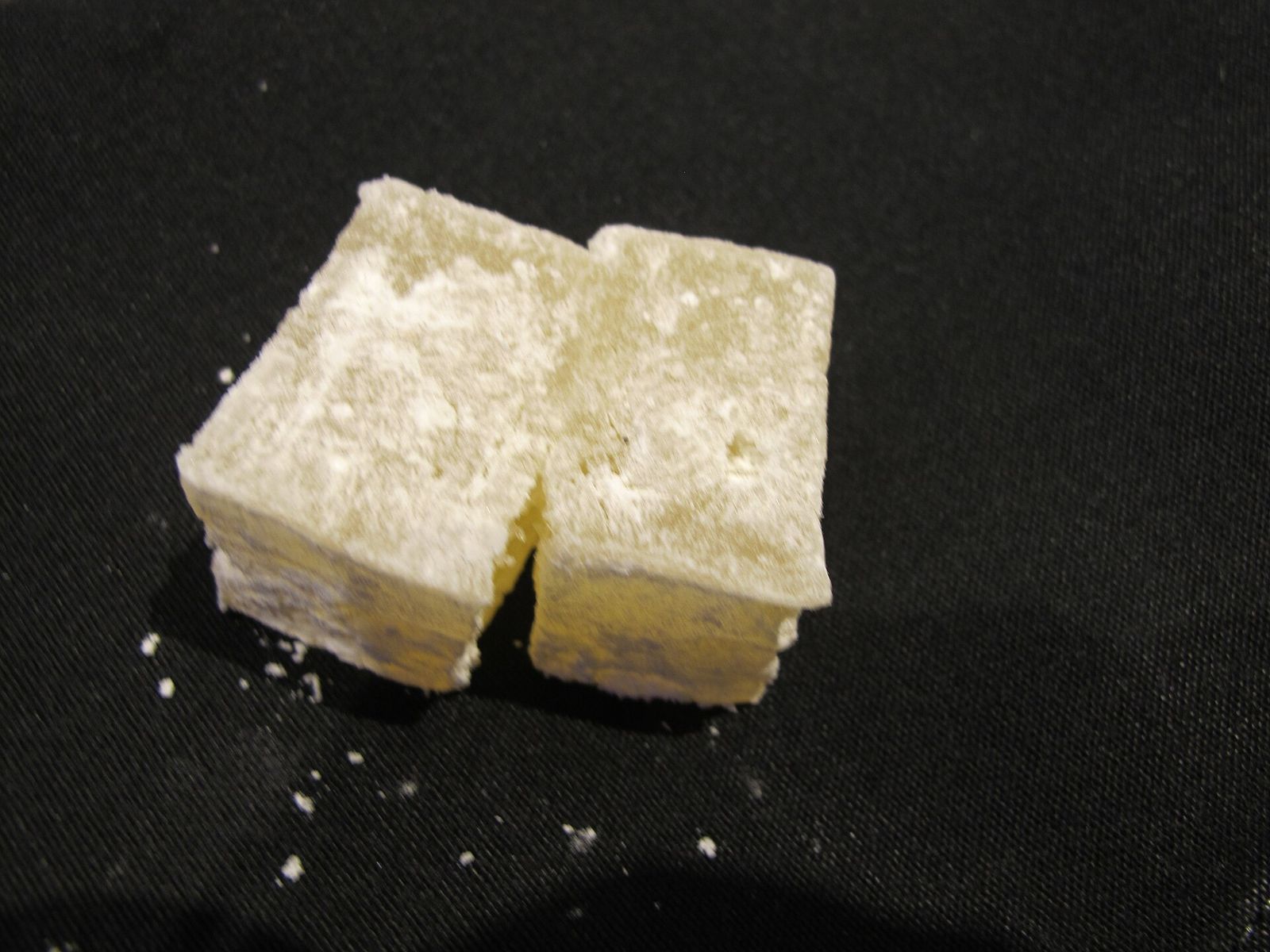
Some of the local brands still sell lokum in retro boxes that look straight out of the communist years, which makes them a souvenir and a sweet at once.
Chubritsa and sharena sol
Chubritsa is summer savory, a herb with a strong taste that goes into Bulgarian cooking. Sharena sol, "colorful salt", mixes salt, paprika and chubritsa, and it comes to the table with bread for dipping.
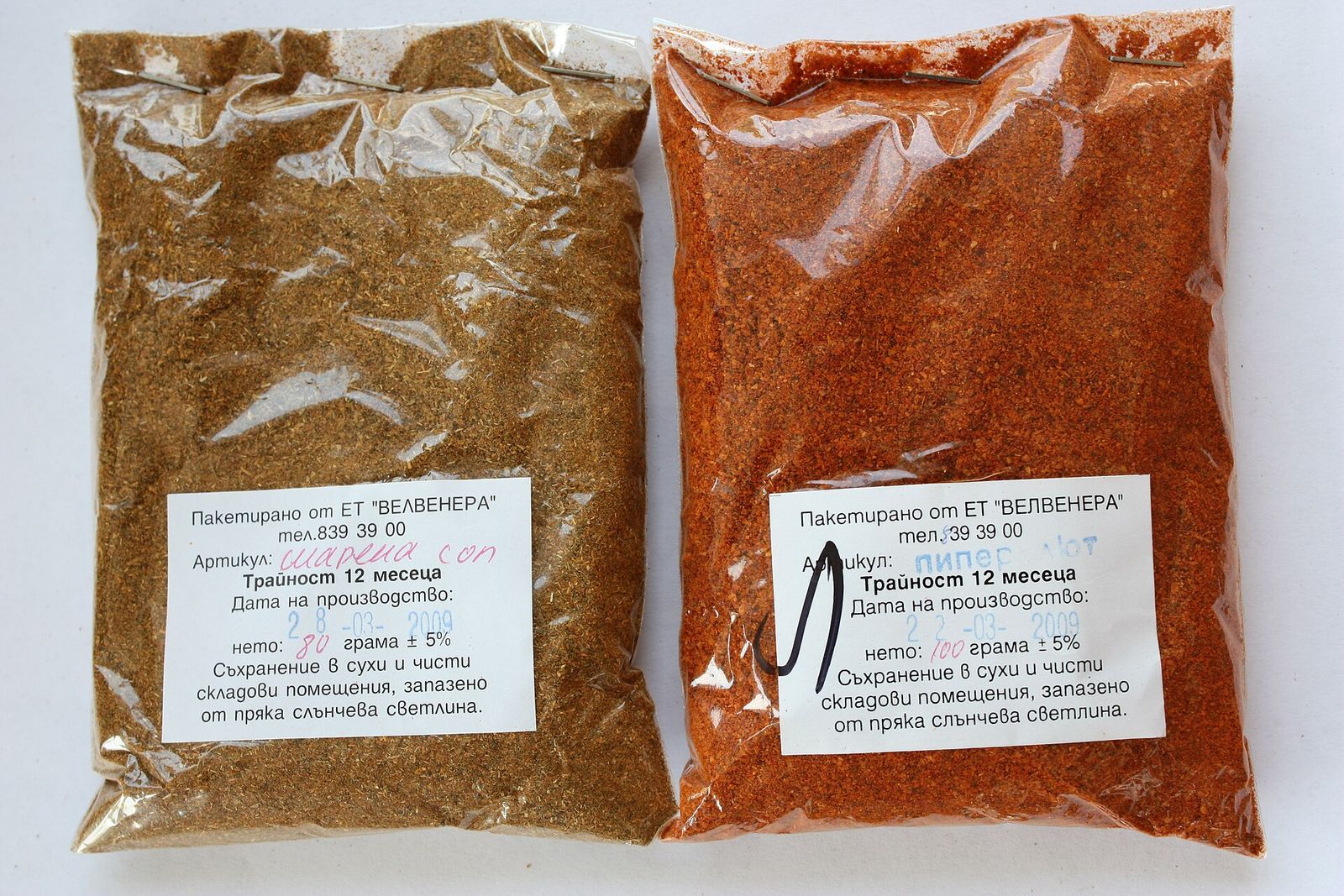
Both weigh almost nothing and cost very little, and a bag of sharena sol with a loaf of bread is the simplest way to put Bulgarian food on the table back home.
Bulgarian souvenirs I'd skip
These four fill a lot of souvenir shelves in Sofia, and I'd leave them there:
- Matryoshka dolls. The nesting dolls are Russian, and the ones on sale in Sofia are made for tourists.
- Soviet memorabilia. Bulgaria was never part of the Soviet Union or Yugoslavia, so the hammer-and-sickle pieces are someone else's history.
- Most fridge magnets. They are rarely made in Bulgaria, and they look the same in every country.
- Cheap "rose oil" from tourist stalls. At a few euros it is perfume or rose water, so pay for the real thing or buy rose water as rose water.
If the communist era interests you, look for real Bulgarian medals, coins and banknotes at the antiques market instead.
Where to buy Bulgarian souvenirs in Sofia
| Where | Best for |
|---|---|
| The antiques market at Alexander Nevsky | Icons, old Bulgarian banknotes and medals |
| The linen stalls beside Alexander Nevsky Cathedral | Lace, embroidered tablecloths, wool socks |
| The Ethnographic Museum shop | Troyan pottery, embroidered blouses, filigree jewelry, icons |
| Tsar Shishman Street | Gifts by local designers, jewelry |
| Souvenir shops on Vitosha Boulevard and Rakovski Street | Rose products and a mix of everything |
| Souvenir shops in the underpasses | Small gifts at good prices |
| Zhenski Pazar | Rakia, spices, local food |
| Supermarkets | Wine, lokum, lukanka, rose water |
| Sofia Airport | Good souvenir shops and duty free |
The souvenir shops on Vitosha Boulevard and Rakovski Street sell real Bulgarian rose products next to imported magnets, so read the labels. The rest of shopping in Sofia is easy on foot, with Pirotska, Alexander Nevsky and Tsar Shishman all in the old center.
If your trip takes you to Veliko Tarnovo, that is the town to buy silver filigree jewelry, and I'd ask the seller who made each piece.
Packing Bulgarian souvenirs for the flight
Most of the best Bulgarian souvenirs are small and light: a vial of rose oil, a bag of chubritsa, a martenitsa or a box of lokum fit in any bag. The fragile ones need more care.
Pottery should be wrapped piece by piece, with the handles padded, and it goes in the middle of your suitcase between clothes. Keep spices sealed in their original packets.
Key takeaways
- Rose oil is the top Bulgarian souvenir; pure oil costs about €23 to €26 for 1 ml, comes in a sealed vial and is best bought from a specialty shop.
- The wooden rose bottles often hold rose perfume and make a cheap gift; rose water, jam and lokum are the other easy rose buys.
- Troyan pottery, embroidery, Chiprovtsi rugs and icons are the crafts worth paying for, and gold leaf is what makes an icon expensive.
- Rakia, wine, lokum, chubritsa and sharena sol travel well; buy bottles at the airport duty free.
- Skip matryoshkas, Soviet souvenirs and cheap "rose oil" from stalls.
Frequently asked questions
What is the most popular souvenir from Bulgaria?
Rose oil is the most popular souvenir from Bulgaria, along with rose cosmetics, rose water and rose lokum. Bulgaria is the world's largest producer of rose oil, and most of it comes from the Rose Valley near Kazanlak.
What is Bulgaria's specialty to buy?
Bulgaria's specialty is rose oil, followed by its folk crafts: Troyan pottery, hand embroidery, Chiprovtsi rugs and icons. For food and drink, rakia, wine, lokum and the herb chubritsa are the classic buys.
How much does Bulgarian rose oil cost?
Pure Bulgarian rose oil costs about €23 to €26 for 1 ml. It comes in a small sealed vial, so a bottle sold for a few euros is not pure oil.
How can you tell if Bulgarian rose oil is real?
Look for a small glass vial with an unbroken seal, sold in a rose oil specialty shop. Tourist stalls are where most of the fakes turn up.
What is the best souvenir to buy in Sofia?
My pick is a hand-embroidered tablecloth or a pair of wool socks from the women's stalls beside Alexander Nevsky Cathedral. For something smaller, a vial of rose oil or a bag of sharena sol is hard to beat.
Can I take rakia home from Bulgaria?
Yes. The easiest way is to buy a sealed bottle at the duty free in Sofia Airport, so it never goes in your suitcase.
What is a martenitsa?
A martenitsa is a red and white thread charm that Bulgarians give each other on 1 March, Baba Marta Day. It is worn until the first stork or tree in blossom appears, and then it goes onto a branch.
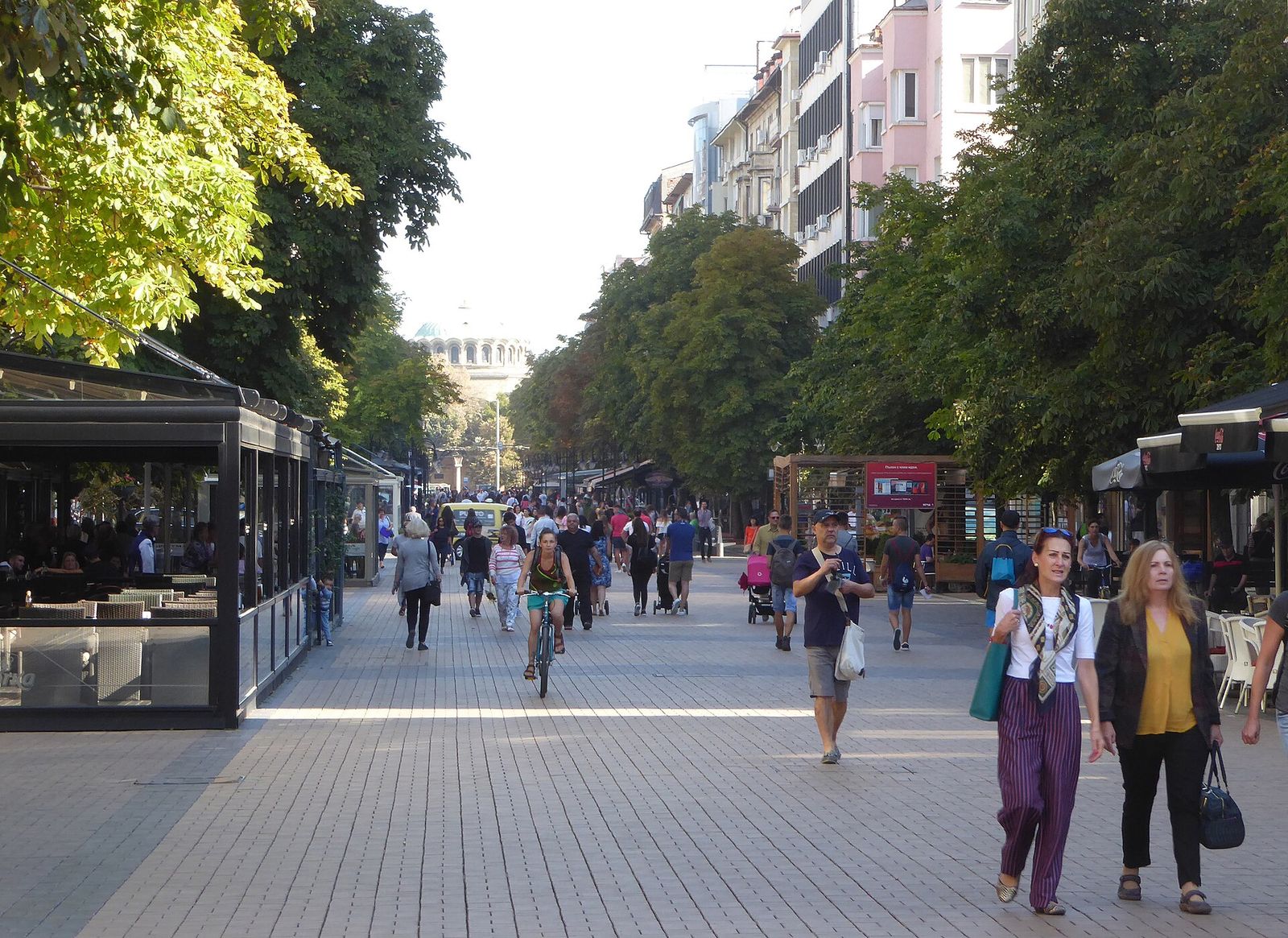
Shopping in Sofia: Streets, Markets and What to Buy
Sofia is known for one long shopping boulevard and a lot of small streets. Where to shop, what to buy and what it costs.
Read the guide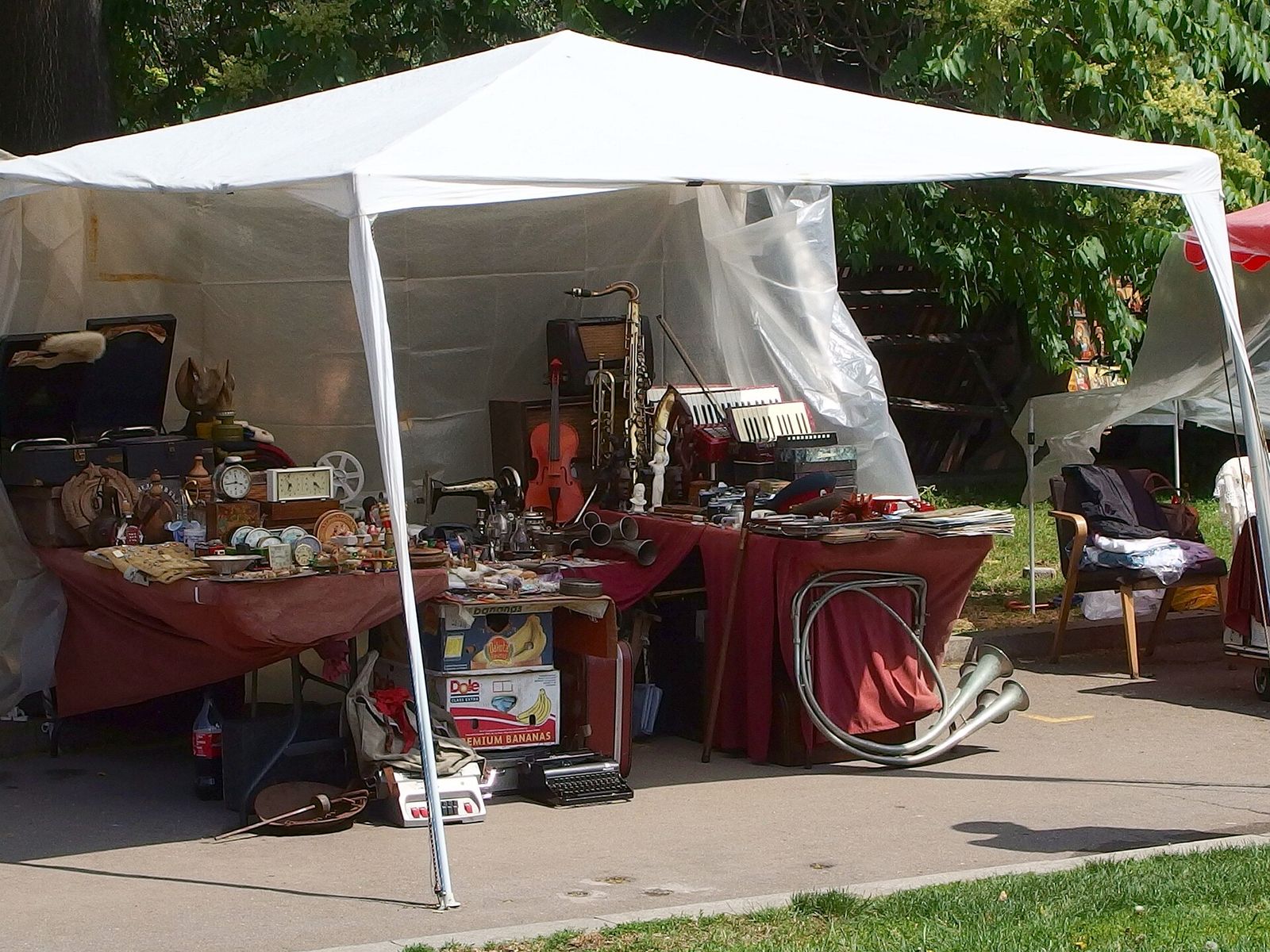
The Antiques Market at Alexander Nevsky: Sofia's Flea Market
Sofia is known for the antiques stalls beside its cathedral. What they sell, how to haggle and when to go.
Read the guide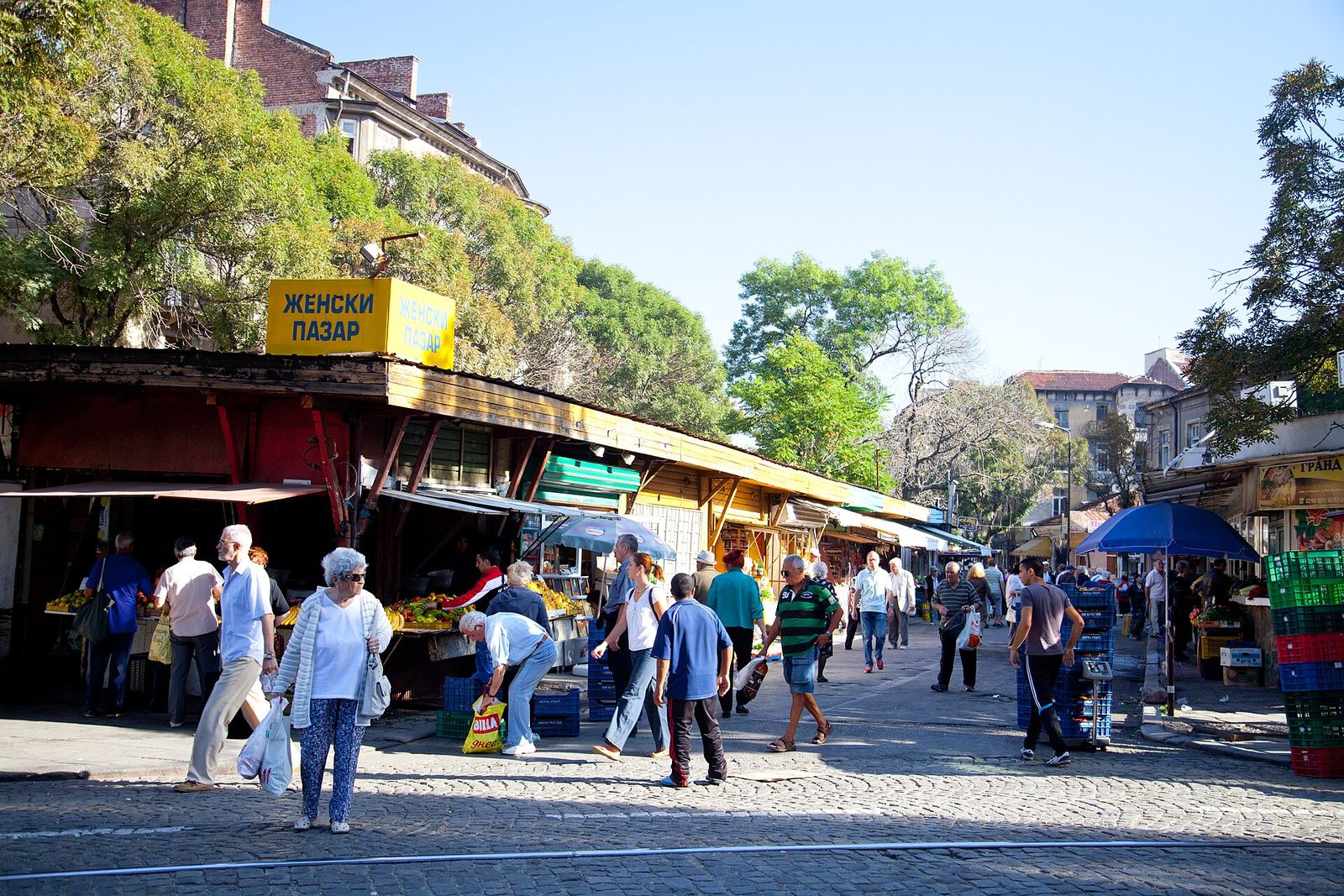
Zhenski Pazar: A Guide to Sofia's Women's Market
Sofia's oldest open-air market has traded since 1878. What Zhenski Pazar sells, what to eat there and when to go.
Read the guide