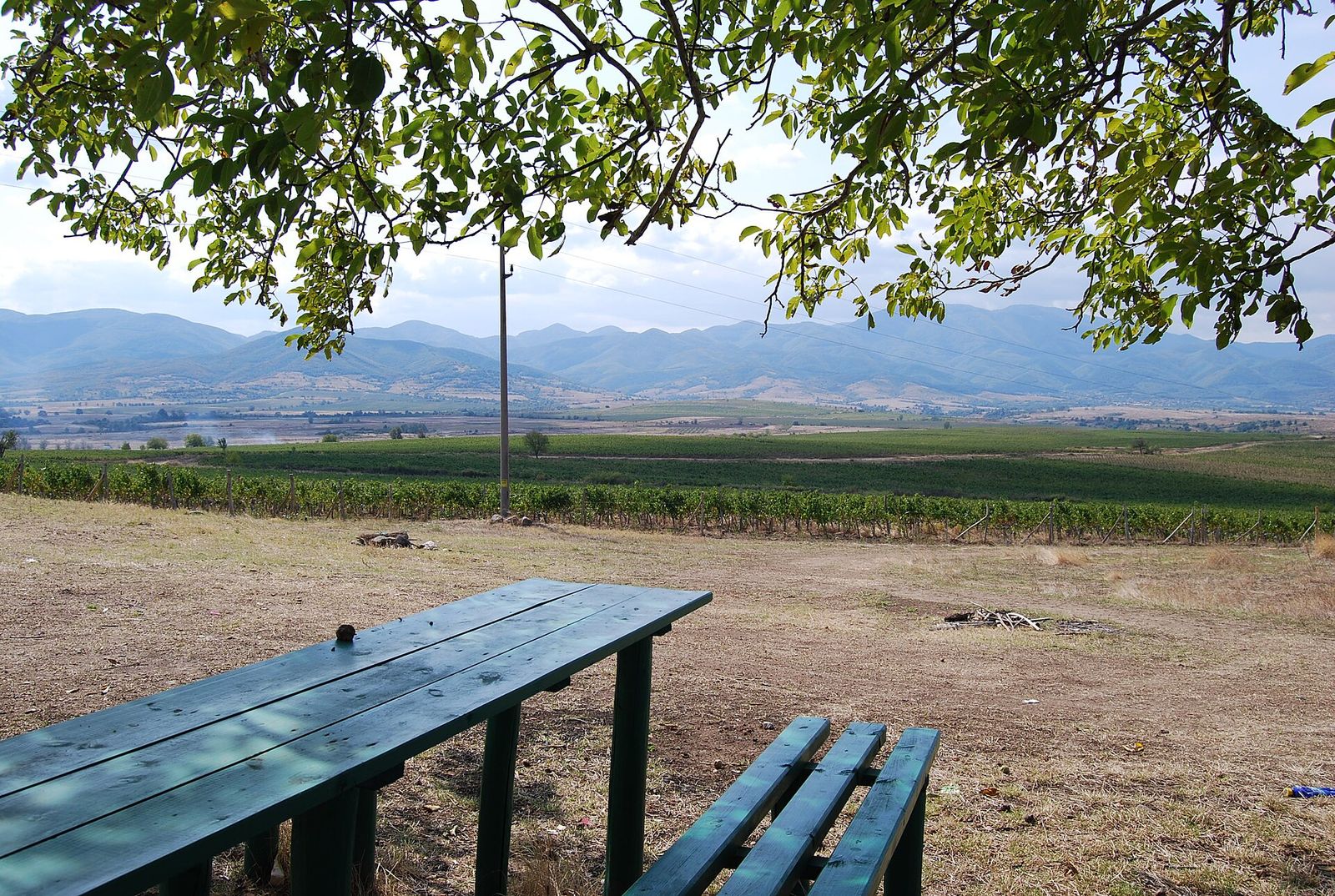
Bulgarian Wine: A Visitor's Guide
Bulgaria has made wine since the Thracians, and in the 1980s it was the fourth largest wine producer in the world. Most of it is red, and much of it comes from grapes that grow almost nowhere else. Here is what a visitor needs to know: whether it is any good, the grapes and regions, how to read a label, what to order with Bulgarian food and where to taste it in Sofia.
Is Bulgarian wine any good?
Yes. Bulgaria now has 260 officially registered wineries, from big producers to family estates. The quality you get for the price is very high, and many of the grapes have no equivalent anywhere else.
The style is fresh. Bulgarian reds tend to be pure and fruity with a touch of tartness, and many of the wines, the whites especially, have a salty, savory streak. The Black Sea cools the summers, which keeps the acidity in the grapes.
Quality still varies, Mavrud especially, so I'd choose by producer and read the tasting notes before buying a bottle.
A short history of Bulgarian wine
Wine here is older than Bulgaria itself. Thracian tribes were growing grapes on this land 4,000 to 6,000 years ago, and they worshipped Dionysus, the god of wine. After the First World War, independent wineries championed the country's native grapes for a time.
Under socialism, the state ran wine as a monopoly and mass-planted Cabernet Sauvignon, Merlot and other international grapes. By the 1970s and 1980s Bulgaria was the fourth largest wine producer in the world, and about 90% of it went to the Soviet Union, so western drinkers barely saw a bottle.
When the regime fell in 1989, vineyards and wineries went back into private hands, and quality suffered badly until about 2000. Since then a new generation of estates has rebuilt the industry, and many of them are bringing the native grapes back. In the run-up to EU membership, on 16 August 2005, the country was split into two official wine regions, both Protected Geographical Indications.
Wine is part of the folklore too. In Bulgarian folk tales, wine and rakia turn into people, Red Petko and White Rada, and plenty of village families still make their own wine from their own vines. A traditional dinner starts with rakia and the salads, and the wine comes out with the main course.
Bulgarian wine regions
On paper, Bulgaria has just two wine regions: the Danube Plain, covering the north, and the Thracian Valley, covering the south. In practice, winemakers still use the older, smaller Bulgarian wine regions, and those tell you far more about the wine in the glass.
| Region | Where it is | What it is known for |
|---|---|---|
| Danube Plain | The north, between the Danube and the Balkan Mountains | White grapes, Gamza in the northwest and Pinot Noir on limestone soils |
| Black Sea coast | The east, from the Romanian border to the Turkish one | The only region led by white grapes: Dimyat, Varnenski Misket, Traminer, Riesling |
| Thracian Valley | The south, between the Balkan and Rhodope mountains | About 75% of the vineyards, and Mavrud around Plovdiv |
| Rose Valley and Sredna Gora | The center, around Kazanlak and the Sredna Gora hills | Wineries such as Midalidare, Angelus and Alexandra Estate |
| Sakar and Strandzha | The southeast | Estates such as Katarzyna and Castra Rubra, plus Tamianka, Syrah and Merlot |
| Struma Valley | The southwest, around Melnik and Sandanski | Broad-leaved Melnik and Melnik 55 in a warm, Mediterranean climate |
In the northwest, near the Belogradchik Rocks, the Borovitza winery keeps old Gamza vines alive and makes Pinot Noir. On the Black Sea coast, Varna Winery makes fresh whites from Traminer, Riesling and Varnenski Misket.
The Bulgarian grapes to know
About 70% of Bulgaria's vines are international grapes, with Cabernet Sauvignon and Merlot alone on 31% of the vineyard area. They make good wine here, but the native grapes are the ones you rarely find abroad, and they are the reason I'd order Bulgarian.
| Grape | Color | Where it grows | What it tastes like |
|---|---|---|---|
| Mavrud | Red | Thracian Valley, around Plovdiv | Cherry and chocolate, firm tannins, deep color |
| Broad-leaved Melnik | Red | Struma Valley | Cherry and strawberry, then tar, leather and spice with age |
| Melnik 55 | Red | Struma Valley | Peppery, with strawberry and blackberry |
| Rubin | Red | A Bulgarian cross of Nebbiolo and Syrah | Plums and herbs with firm tannins |
| Gamza | Red | The northwest, on the Danube Plain | Light, tart berries and black pepper |
| Dimyat | White | Mostly the Black Sea coast | Apricot and quince, fresh and light |
| Red Misket | White | Several regions | Dry and aromatic, often slightly salty |
| Tamianka | White | South Sakar and the north | Incense, roses and ripe fruit, often off-dry |
Rkatsiteli, known here as Rikat, is the most planted white grape, but it mostly disappears into blends. Bulgaria also loves crosses: Rubin was bred at the viticulture institute in Pleven, and Varnenski Misket is a cross of Dimyat and Riesling. The other Bulgarian grape varieties you may meet on a wine list include Pamid, Gergana, Sandanski Misket and Melnik 1300.
For a first bottle, I'd go for a Mavrud or a Broad-leaved Melnik from a named estate.
How to read a Bulgarian wine label
A Bulgarian label carries four useful clues. The grape comes first. The producer comes next, and with Bulgarian wine the producer is the best guide to quality you have.
The region is the third clue. Beyond the two big PGIs, the country has 52 protected origins on paper, but only five or six of them ever appear on labels, so I read a smaller name like Melnik or Sakar on a bottle as a sign that the winery cares where its grapes come from.
The vintage is the fourth clue. Rubin and Broad-leaved Melnik get better with a few years in the bottle, while Dimyat is mostly drunk young.
What to order with Bulgarian food
Mavrud goes with the heavy dishes: roast lamb, sarmi (stuffed cabbage rolls), kapama stew and grilled meat. Melnik 55 pairs with red meat and charcuterie, and an aged Broad-leaved Melnik is the bottle I'd open with a slow-cooked meat dish. Gamza, the light red, is best served in a wide, Burgundy-style glass.
The whites go with the starters and the fish. Dimyat is an easy match for appetizers, and its sweet styles go with dessert. Red Misket works as an aperitif and with salads and seafood.
Wine belongs to the main course, and the rest of the Bulgarian drinks, from ayran with grilled kebapche to boza with banitsa, fill breakfast and lunch.
Where to taste Bulgarian wine in Sofia
The easiest start is a guided tasting. Coupage Wine and Cheese, a few blocks off Slaveykov Square, is a shop run by Aleksander Angelov that pours wines from Bulgaria's smaller producers with Bulgarian cheese and charcuterie, and his chalkboard map of the country above the counter takes you region by region. Tempus Vini runs tastings too.
For a glass or a bottle without the lesson, Wine Generator, Phine, Vineria, Wine & Co and Grape Central are the names to know among Sofia's wine bars and shops.
Wine trips from Sofia: Melnik and the Thracian Valley
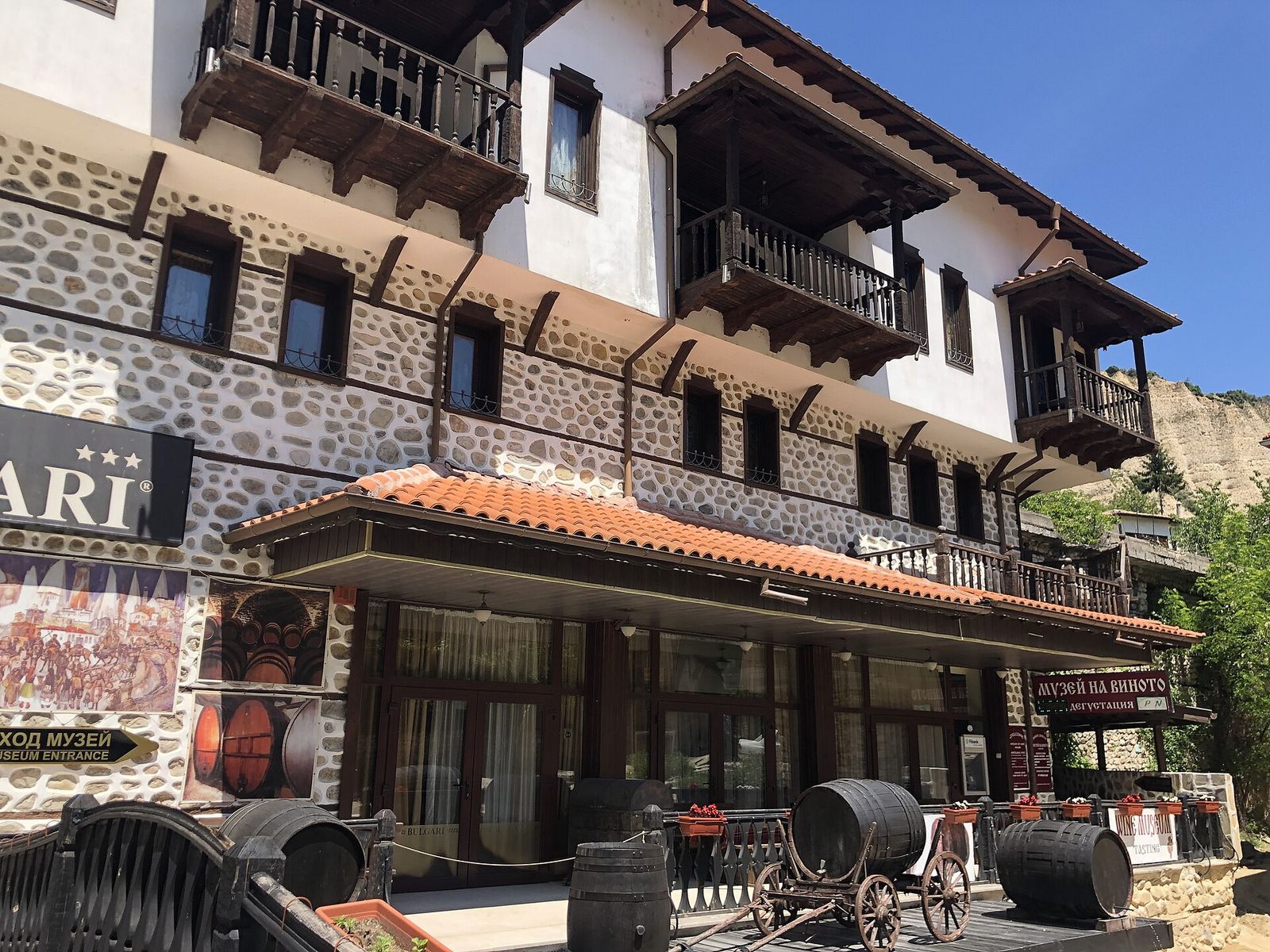
Melnik is the wine town I'd visit first. It sits in the Struma Valley in the southwest and gives its name to Broad-leaved Melnik, the deep red known as Winston Churchill's favorite wine. Villa Melnik, Orbelus and Medi Valley are the wineries in the area. I'd make a trip to Melnik by bus or car the wine weekend of any Bulgaria trip.
The Thracian Valley is the other easy wine trip, and Plovdiv is the base for it. The country around Plovdiv is Mavrud's home, Villa Yustina makes it in the Yakata area west of the city, and the Bessa Valley estate sits in a valley between the Rhodope Mountains and the Maritsa River. A day trip to Plovdiv can end with a bottle of local Mavrud at dinner.
Key takeaways
- Bulgaria has about 60,000 hectares of vineyards and 260 registered wineries, and most of the wine stays in the country.
- Order the native grapes: Mavrud, Melnik, Rubin and Gamza for reds, Dimyat, Misket and Tamianka for whites.
- On a label, the grape and the producer tell you more than the region.
- Start with a guided tasting at Coupage Wine and Cheese in Sofia, then visit Melnik or Plovdiv for the wine country.
Frequently asked questions
Does Bulgaria have good wine?
Yes. Bulgaria has made wine for thousands of years, and since about 2000 a new generation of private estates has pushed quality up sharply. The best wines come from native grapes like Mavrud and Melnik, and they are very good value.
What is a famous Bulgarian wine?
Mavrud and Melnik are the two most famous Bulgarian wines. Mavrud is a dark, rich red from the Thracian Valley around Plovdiv, and Melnik is a peppery red from the Struma Valley in the southwest, named after the town of Melnik.
What is a traditional Bulgarian wine?
Mavrud is the most traditional Bulgarian wine, made from a native grape that has been part of the country's wine identity since ancient times. Broad-leaved Melnik and Gamza are the other old reds, and Dimyat is the most planted native white.
What is the best wine in Bulgaria?
The best Bulgarian wines are the native reds from good producers: a Mavrud from the Thracian Valley, a Broad-leaved Melnik from the Struma Valley or an aged Rubin. Chateau Burgozone on the Danube is known for Chardonnay and Syrah, and Bessa Valley's Enira is one of the best-known reds.
What are the main wine regions in Bulgaria?
Bulgaria has two official wine regions, the Danube Plain in the north and the Thracian Valley in the south. Winemakers also use smaller traditional regions: the Black Sea coast, the Rose Valley and Sredna Gora, Sakar and the Struma Valley around Melnik.
What drink is Bulgaria famous for?
Bulgaria is most famous for rakia, a fruit brandy usually made from grapes or plums, and for its red wine. Bulgarian yogurt and ayran, the salted yogurt drink, are the other national favorites.
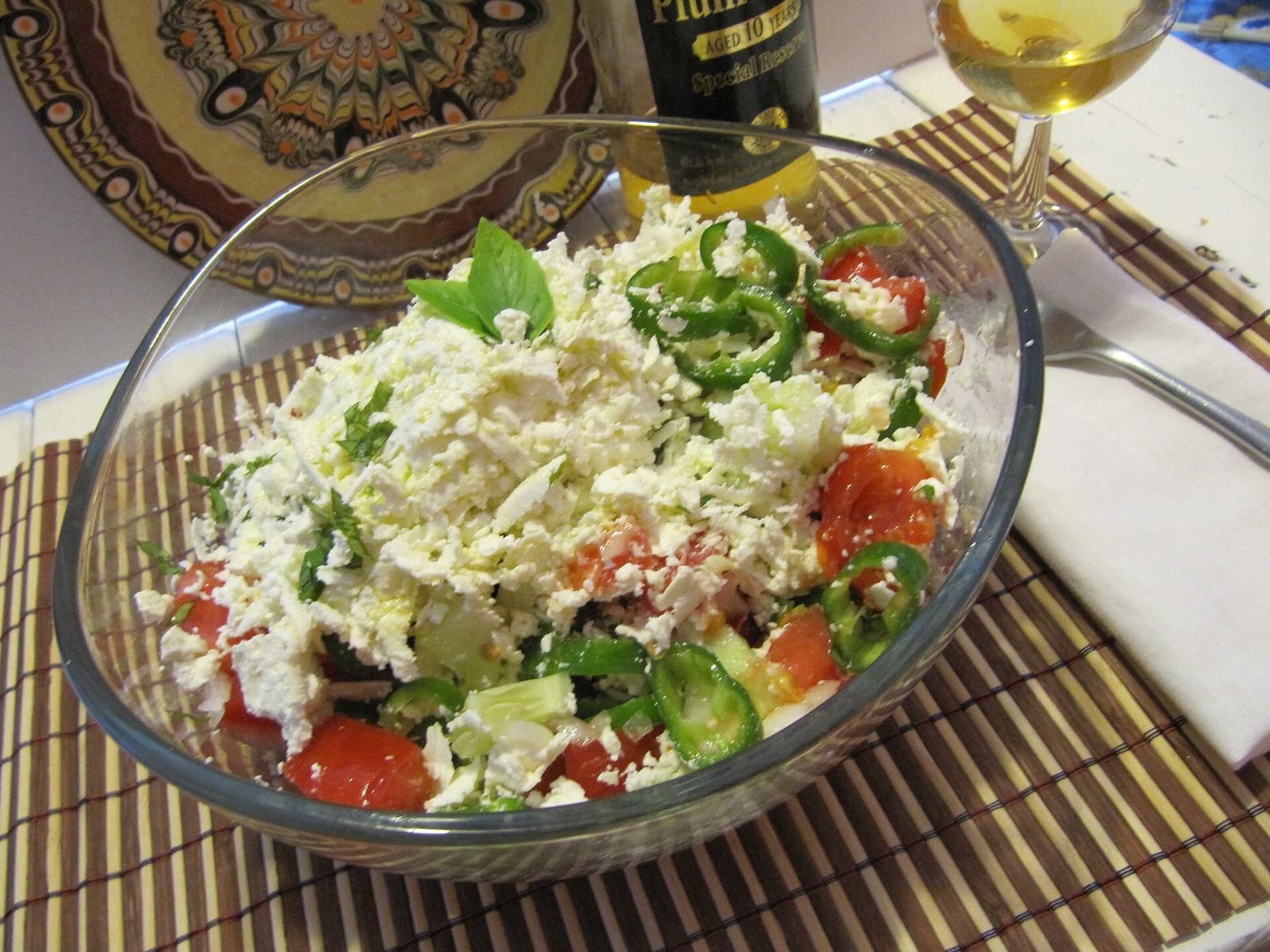
Bulgarian Drinks: What to Drink in Bulgaria and Where to Try It in Sofia
Bulgaria is known for rakia, wine and yogurt drinks: what to order, when locals drink each one and where to try it.
Read the guide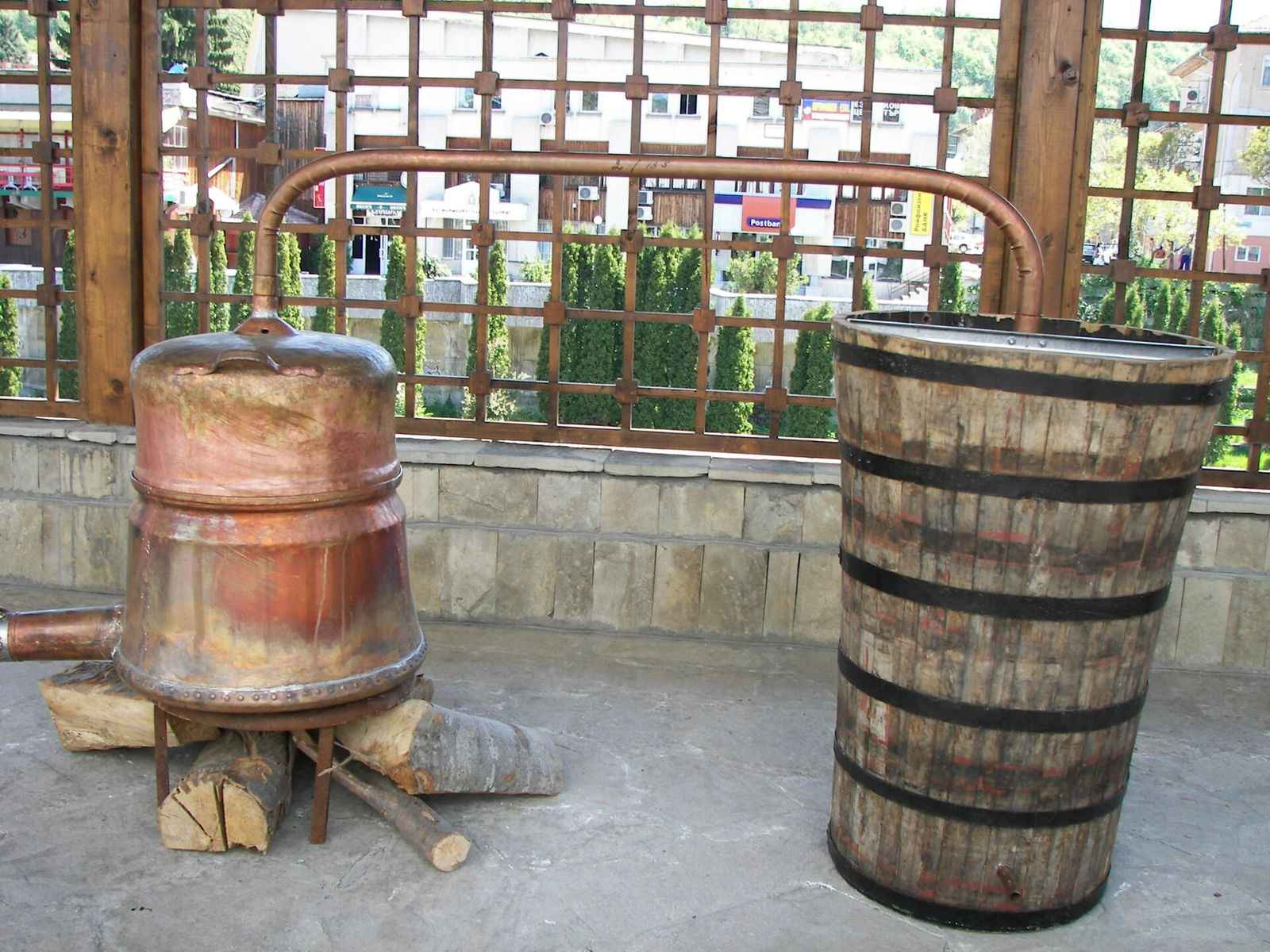
Rakia: Bulgaria's Fruit Brandy
Rakia is the drink Bulgarians pour for guests: what it is, the types to try and how to drink it the local way.
Read the guide
The Best Bulgarian Wines to Try
Bulgaria's best wines come from grapes found almost nowhere else: the 12 I'd order and the bottles to look for.
Read the guide