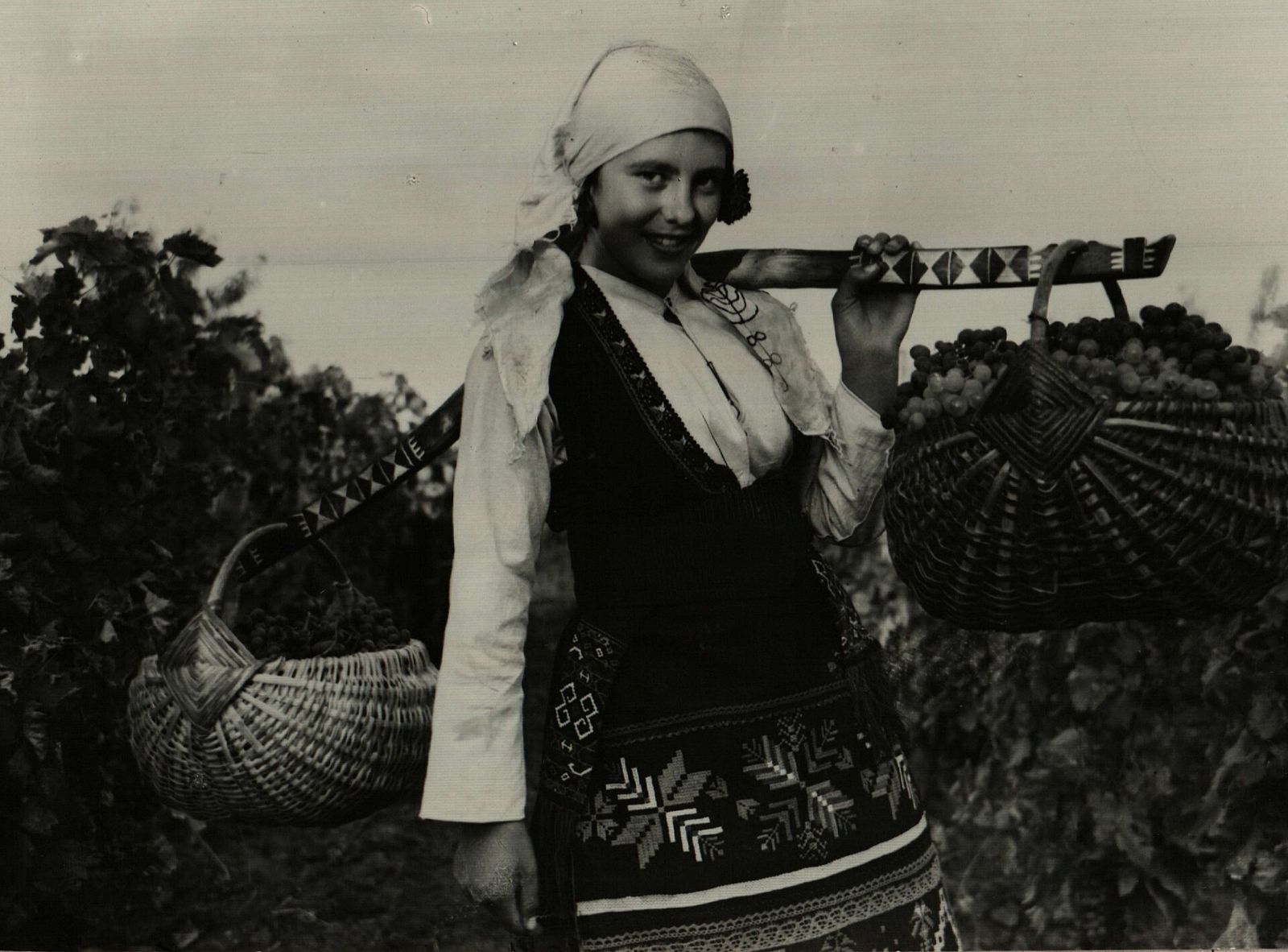
Bulgarian Grape Varieties: The Native Grapes to Know
Bulgaria has its own set of grapes: Mavrud from the Thracian Valley, Broad-leaved Melnik from the far southwest, Gamza from the north and Dimyat from the Black Sea, plus a list of 20th-century crosses. Most of the country's vineyards hold international grapes such as Cabernet and Merlot, but these local grapes are the reason to drink Bulgarian. Here is each one, where it grows, what it tastes like and which to order.
Bulgarian grapes at a glance
Bulgaria plants mostly international grapes, a legacy of the socialist decades, when the state wine monopoly planted Cabernet Sauvignon and Merlot on a huge scale. The native grapes survived alongside them, and since about 2000 the new private estates have been bringing them back.
| Grape | Color | Where it grows | Style |
|---|---|---|---|
| Mavrud | Red | Thracian Valley, around Plovdiv | Dark, firm tannins, black cherry and plum |
| Broad-leaved Melnik | Red | Struma Valley | Spicy, tannic, ages well |
| Melnik 55 | Red | Struma Valley | Softer, peppery, easy young |
| Rubin | Red | Thracian Valley, Struma Valley | Deep color, dark fruit, spice |
| Gamza | Red | Danube Plain, the northwest | Light, fresh, red berries |
| Pamid | Red | Across the country | Pale, fruity, drink young |
| Evmolpia | Red | Bred in Plovdiv, grown south and north | A cross of Mavrud and Merlot |
| Dimyat | White | Black Sea coast and the east | Citrus, apple, a salty finish |
| Red Misket | White | Sungurlare Valley and others | Dry, aromatic |
| Tamianka | White | South Sakar and other regions | Floral, often off-dry or sweet |
| Varnenski Misket | White | Black Sea coast | Fresh, aromatic |
| Sandanski Misket | White | Struma Valley | Citrus and blossom |
| Keratsuda | White | Struma Valley | Golden, meadow flowers, dried apricot |
The Bulgarian wine regions run from the Danube in the north to the Struma Valley in the southwest, and nearly every native grape belongs to one of them.
Native Bulgarian red grapes
Mavrud
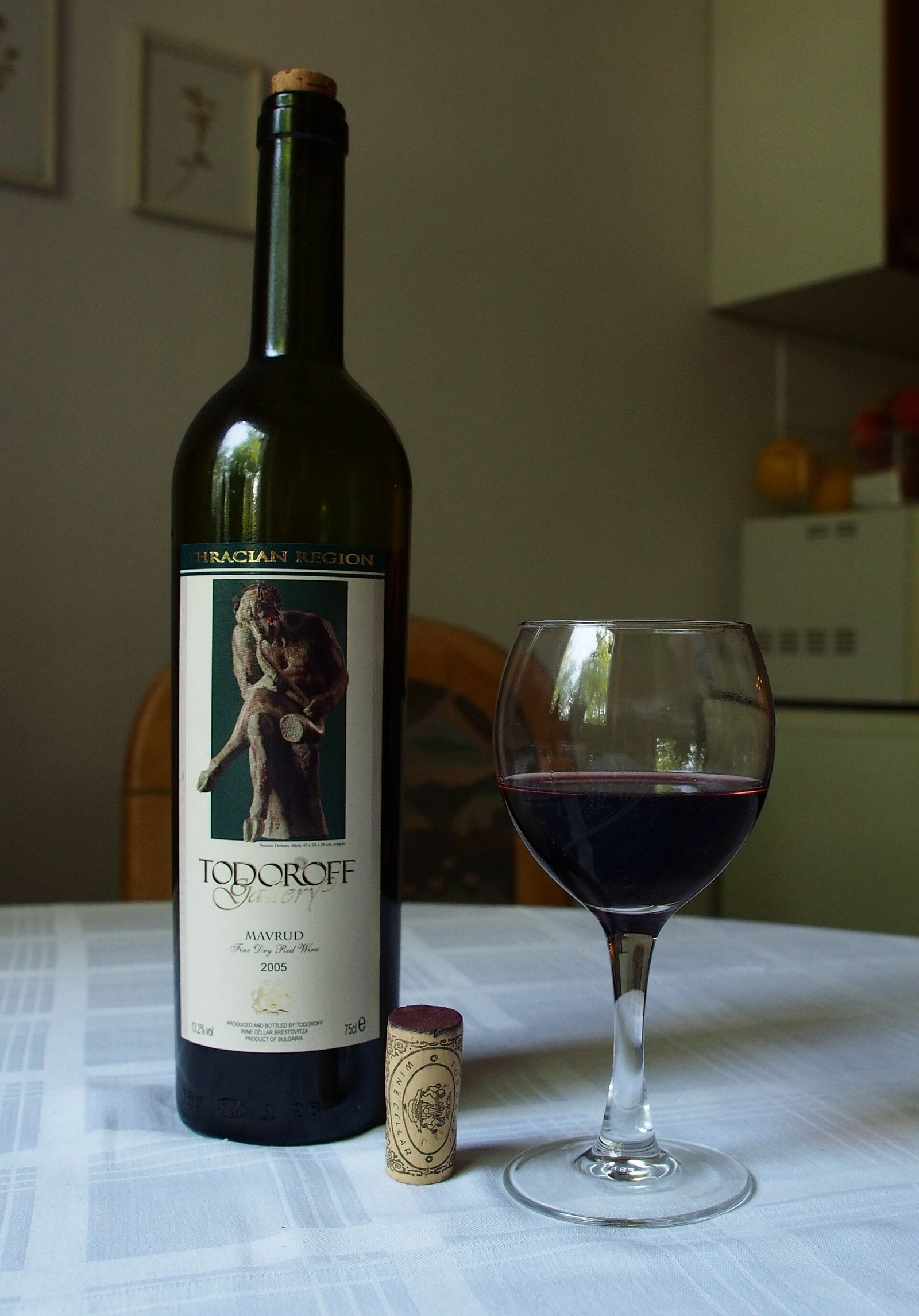
Mavrud is the most famous Bulgarian grape, at home and abroad. Its homeland is the Thracian Valley around Plovdiv, Asenovgrad, Perushtitsa and Pazardzhik, where it ripens very late, with the harvest in late October. The name comes from the Greek word for black, after its dark skins.
The wine smells of black cherry, blackberry, plum and mulberry, with notes of tea leaf, dried herbs, violets and dark chocolate, and it has firm tannins and deep color. Styles range from fresh, unoaked reds and rosés to oak-aged reserves and sweet wines from dried grapes. Mavrud also blends well with Cabernet Sauvignon, Merlot and Rubin.
Bottles to look for include Edoardo Miroglio's Elenovo Mavrud, Zagreus's Vinica, made from dried grapes in an Amarone style, and the Mavrud of Rossidi, Dragomir and Villa Yustina. Greek Mavroudi has a similar name, but it is a different grape.
Broad-leaved Melnik
Broad-leaved Melnik, Shiroka Melnishka Loza in Bulgarian, has grown for centuries in the Struma Valley around Melnik, Sandanski and Petrich, and attempts to grow it anywhere else have mostly failed. It ripens very late and needs a long, dry, warm autumn, which the valley's Mediterranean climate gives it.
The grapes have thick skins, high acidity and firm tannins, so the wine usually spends time in oak. Expect wild strawberry, dried plum and sour cherry, then herbs, leather, tobacco and black tea as it ages. The vines are often trained as low bush vines, cut into a cup shape just above the ground.
The local story says Broad-leaved Melnik was Winston Churchill's favorite wine. Rupel's Gramatik and Villa Melnik's Aplauz are good bottles, and Zlaten Rozhen even makes a white wine from it, called White Sand. Melnik is the place to drink it, in the cellars cut into the hills around the town.
Melnik 55 and the Melnik family
Melnik 55 is the child of Broad-leaved Melnik, bred to ripen earlier. Its official name is Early Melnik Vine, and it was made by crossing Broad-leaved Melnik with a mix of pollen from Durif, Jurançon, Valdiguié and Cabernet Sauvignon. It ripens 2 to 3 weeks before its parent, in late September or early October.
The wine keeps the Melnik pepper, but the tannins are softer and it is easier to drink young. Almost every winery around Melnik, Sandanski and Petrich makes one, and it is the Melnik I'd order by the glass.
Bulgarian breeders made more Melnik crosses. Melnik Jubilee 1300 crosses Broad-leaved Melnik with the Georgian Saperavi; it was created in 1963 and named for the 1,300th anniversary of the Bulgarian state. Ruen crosses it with Cabernet Sauvignon, and Melnik 82 is another local cross.
Rubin
Rubin was created in 1944 at the Institute of Viticulture and Enology in Pleven by crossing Nebbiolo from Piedmont with Syrah from the Rhône. It became popular from the late 1950s and grows mainly in the Thracian Valley, the Struma Valley and the foothills of the Rhodopes.
The wine is often darker than either parent. It smells of blackberry and plum, with chocolate, black tea, cinnamon and pepper. A blend of Mavrud and Rubin has become a modern Bulgarian classic.
Look for Dragomir's Sarva Rubin and the Rubins of Georgiev and Milkov, Uva Nestum, Yalovo and Elenovo. Harlambievi makes one in Pleven, the grape's birthplace.
Gamza
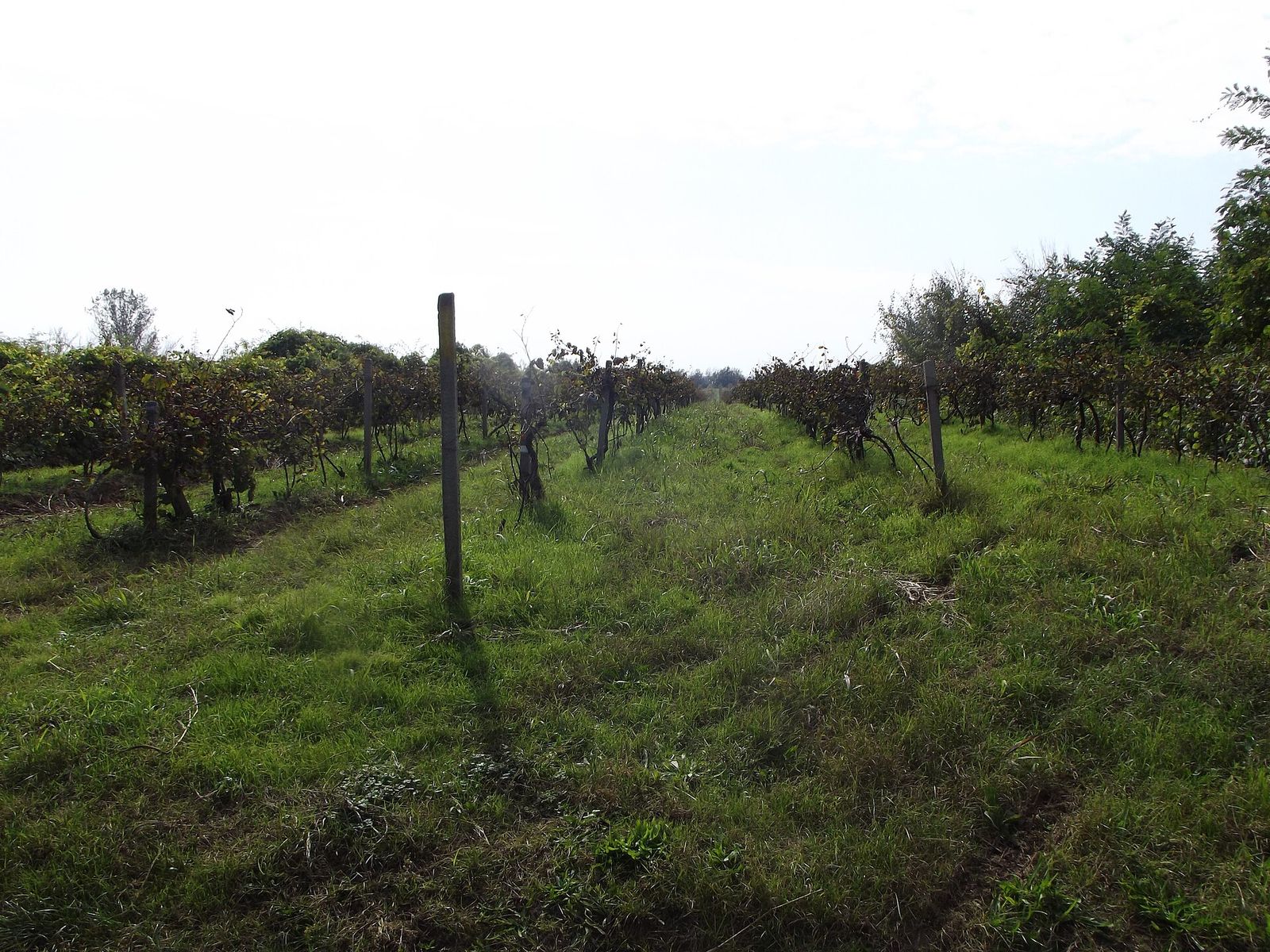
Gamza is the red of the north. It is the same grape as Kadarka in Hungary and Serbia and Kallmet in Albania, and in Bulgaria it belongs to the Danube Plain, above all the village of Novo Selo near Vidin and the towns of Pleven and Suhindol. It ripens late, in late September or early October, and its thin skins make it fussy in a wet autumn.
Gamza makes light, fresh reds, and it is often compared to Pinot Noir. Expect raspberries, wild strawberries and red cherries, with black tea and a little spice. It is good slightly chilled in summer and works as a rosé too.
Bononia Estate and Gorun Winery make Gamza worth finding, and Borovitza in the northwest keeps old Gamza vines going. With food, I'd pour it with mushrooms, roasted peppers, lentils, chicken or a cheese plate.
Pamid
Pamid was once the everyday red of Bulgaria. It was the most planted red grape in the country until Cabernet Sauvignon and Merlot arrived in the 1960s, and it is thought to have grown here since the Thracians, as it has across the Balkans.
It gives pale, ruby-pink reds with strawberry, raspberry and sour cherry. Pamid ripens early, in the first half of September, and is made to drink young, much like a Beaujolais Nouveau. With the fashion for lighter, chillable reds, more wineries now bottle it on its own again.
Evmolpia
Evmolpia is a cross of Mavrud and Merlot, bred at the Agricultural University in Plovdiv and officially recognized in 1991. It is also called Thracian Mavrud, and its name is one of the oldest names of Plovdiv. In 1993, an Evmolpia won first prize at an international wine congress in the United States.
Via Antica, from Belitsa in the Eastern Rhodopes, and Tsarev Brod both bottle it on its own.
Native Bulgarian white grapes
Dimyat
Dimyat is the most planted native white grape in Bulgaria. It is a natural cross of the old European grapes Gouais Blanc and Coarnă Albă, known as Smederevka in Serbia and North Macedonia. In Bulgaria it grows mainly on the Black Sea coast and in the east, around Varna, Shumen, Provadia and Pomorie, with more around Haskovo in the south.
Classic Dimyat is pale and light, with citrus, green apple and pear, lime blossom and a saline finish, most of all near the sea. Most of it is drunk young, and some wineries now make it as an orange wine, fermented on its skins. The grape also goes into brandy and grape rakia.
Clos Bibliothèque near Varna makes its Terre Princière Dimyat in clay amphorae. Devina's The Guest, Odessos and Maryan's orange Dimyat are other bottles to look for, and a cold Dimyat is the wine I'd drink on the Black Sea coast with fish and mussels.
Red Misket
Red Misket, Misket Cherven in Bulgarian, makes a dry, aromatic white wine. The grape grows in several regions, but the Sungurlare Valley in the east of the Rose Valley region is famous for it.
It is the white I'd order as an aperitif. Red Misket also works with salads and seafood, and its aromatic style is a good bridge for anyone who usually drinks Riesling or Gewürztraminer.
Tamianka
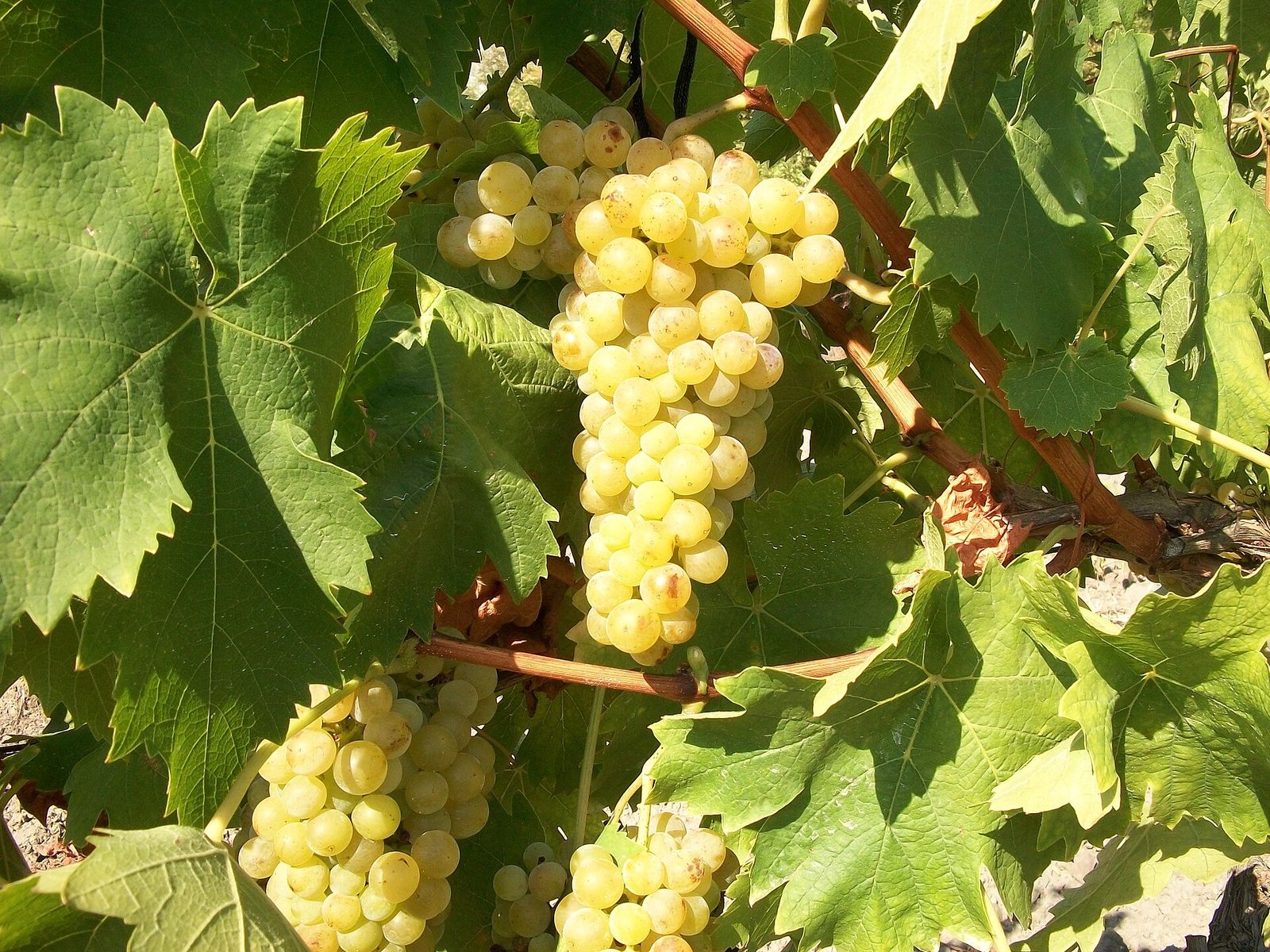
Tamianka, also spelled Tamyanka, is genetically the same grape as Muscat Blanc à Petits Grains, grown in Bulgaria under its own name. Its name comes from the Bulgarian word for frankincense, after its heady scent.
It ripens in the first half of September, and left on the vine the berries quickly start to raisin, which makes Tamianka a favorite for off-dry and sweet dessert wines. Expect elderflower and jasmine, peach and apricot, and a note of incense.
Bratanov makes a Tamianka called Shishmanovo and a late-harvest sweet one. Uva Nestum and Rupel also bottle it, and so does Bogdaya.
Varnenski Misket and Sandanski Misket
Varnenski Misket is a Bulgarian cross of Dimyat and Riesling from the Black Sea coast. It makes fresh, aromatic whites, and Staro Oryahovo's White Story is a good example.
Sandanski Misket comes from the opposite corner of the country. It crosses the red Broad-leaved Melnik with Tamianka, and the result is a pale white with lemon, lime and grapefruit, lime blossom and acacia. Villa Melnik's Aplauz Sandanski Misket comes in a slender flute bottle, the kind used in Alsace.
Keratsuda
Keratsuda is an old white grape of the Struma Valley, grown in a small area around the village of Ilindentsi. It is tough in the vineyard and resists drought and rot.
The wine is golden and turns amber once the bottle is open. It smells of meadow flowers, yellow apple and dried apricot, with low acidity, and it has also been made into sherry-like fortified wines. Single-grape Keratsuda has almost vanished from the shelves, but Villa Melnik still makes one.
Gergana and Kokorko
Gergana is a cross of Muscat Ottonel and Dimyat, bred in the 1970s. Tsarev Brod makes it as a still white, a traditional-method sparkling wine and an ice wine, and a bottle of Gergana is a rare find.
Kokorko is rarer still. There are no commercial vineyards of it, and Yalovo Winery found a few vines growing in an old Misket vineyard. No Kokorko wine is on sale yet.
International grapes in Bulgaria
The international grapes cover most of Bulgaria's vineyards. Rkatsiteli, the Georgian grape known here as Rikat, is the most planted white.
Chateau Burgozone on the Danube makes Chardonnay and Syrah, Zelanos is known for Chardonnay and Pinot Noir, and the Danube Plain's Pinot Noir is good value. Cabernet Franc has become a Bulgarian strength too, with wines from Eolis, Angel's Estate and Seven Generations. Muscat Ottonel, Traminer and Riesling grow in the north and on the Black Sea coast.
Which Bulgarian grape to order
The easiest way to choose is to start from the wine you already drink at home.
| If you usually drink | Order |
|---|---|
| Cabernet Sauvignon or Malbec | Mavrud |
| Pinot Noir or other light reds | Gamza |
| Rhône reds or Châteauneuf-du-Pape | Broad-leaved Melnik |
| Syrah or Nebbiolo | Rubin |
| Beaujolais | Pamid |
| Sauvignon Blanc or crisp whites | Dimyat |
| Riesling or Gewürztraminer | Red Misket or Varnenski Misket |
| Muscat or dessert wine | Tamianka |
With Bulgarian food, Mavrud and the Melnik reds suit grilled meat, lamb and slow-cooked stews, Gamza suits lighter dishes and cheese, and Dimyat goes with salads, starters and fish.
Where to taste Bulgarian grapes in Sofia
Coupage Wine and Cheese, a few blocks off Slaveykov Square, runs guided tastings of wines from Bulgaria's smaller producers, with Bulgarian cheese and charcuterie. Apollo Wine at 49 Konstantin Velichkov Boulevard is a wine bar and shop with a big range of Bulgarian bottles.
The wine bars in Sofia are the easiest place to try Mavrud and Melnik by the glass before you commit to a bottle. For a first bottle, I'd buy one of the best Bulgarian wines from a named estate, an aged Broad-leaved Melnik or a Mavrud reserve. On a Bulgarian wine label, "Reserve" means 6 to 18 months in oak and 6 months in the bottle.
Key takeaways
- "Melnik" on a wine list can mean Broad-leaved Melnik, Melnik 55 or a blend, so ask which grape is in the glass.
- Mavrud, Broad-leaved Melnik, Melnik 55, Rubin and Gamza are the reds to know; Dimyat, Red Misket and Tamianka are the whites.
- Several Bulgarian grapes are 20th-century crosses, including Rubin, Melnik 55, Evmolpia and Varnenski Misket.
- Order Gamza if you like Pinot Noir, Melnik if you like Rhône reds and Mavrud if you like Cabernet.
Frequently asked questions
What is the most famous Bulgarian grape?
Mavrud is the most famous Bulgarian grape. It grows in the Thracian Valley around Plovdiv and makes dark, firm red wines with black cherry and plum, and it has its own International Mavrud Day on 26 October.
Is Melnik the same as Mavrud?
No. Mavrud grows in the Thracian Valley around Plovdiv, while Broad-leaved Melnik and Melnik 55 grow in the Struma Valley in the southwest. Melnik wines are usually spicier and more herbal, and Mavrud is darker and fuller.
Is Gamza the same as Kadarka?
Yes, Gamza is the Bulgarian name for Kadarka, the grape grown in Hungary and Serbia. In Bulgaria it grows mainly in the north, around Novo Selo near Vidin, Pleven and Suhindol, and makes light, fresh reds.
What is the most planted grape in Bulgaria?
Cabernet Sauvignon and Merlot lead, and together they cover 31% of Bulgaria's vineyards. Rkatsiteli is the most planted white, and Dimyat is the most planted native white.
What is Melnik 55?
Melnik 55, officially Early Melnik Vine, is a cross bred from Broad-leaved Melnik to ripen 2 to 3 weeks earlier. It makes softer, peppery reds that drink well young, and it is grown by almost every winery in the Struma Valley.
What is Rubin wine?
Rubin is a Bulgarian red grape bred in Pleven in 1944 by crossing Nebbiolo and Syrah. It makes deeply colored wines with dark fruit and spice, and it is often blended with Mavrud.
What is Pelin?
Pelin is a traditional Bulgarian wine flavored with wormwood and other herbs, made from red or white wine. It is usually drunk in winter and is sometimes slightly fizzy, and the Osmar cellar makes a red with 34 herbs and a white with 28.
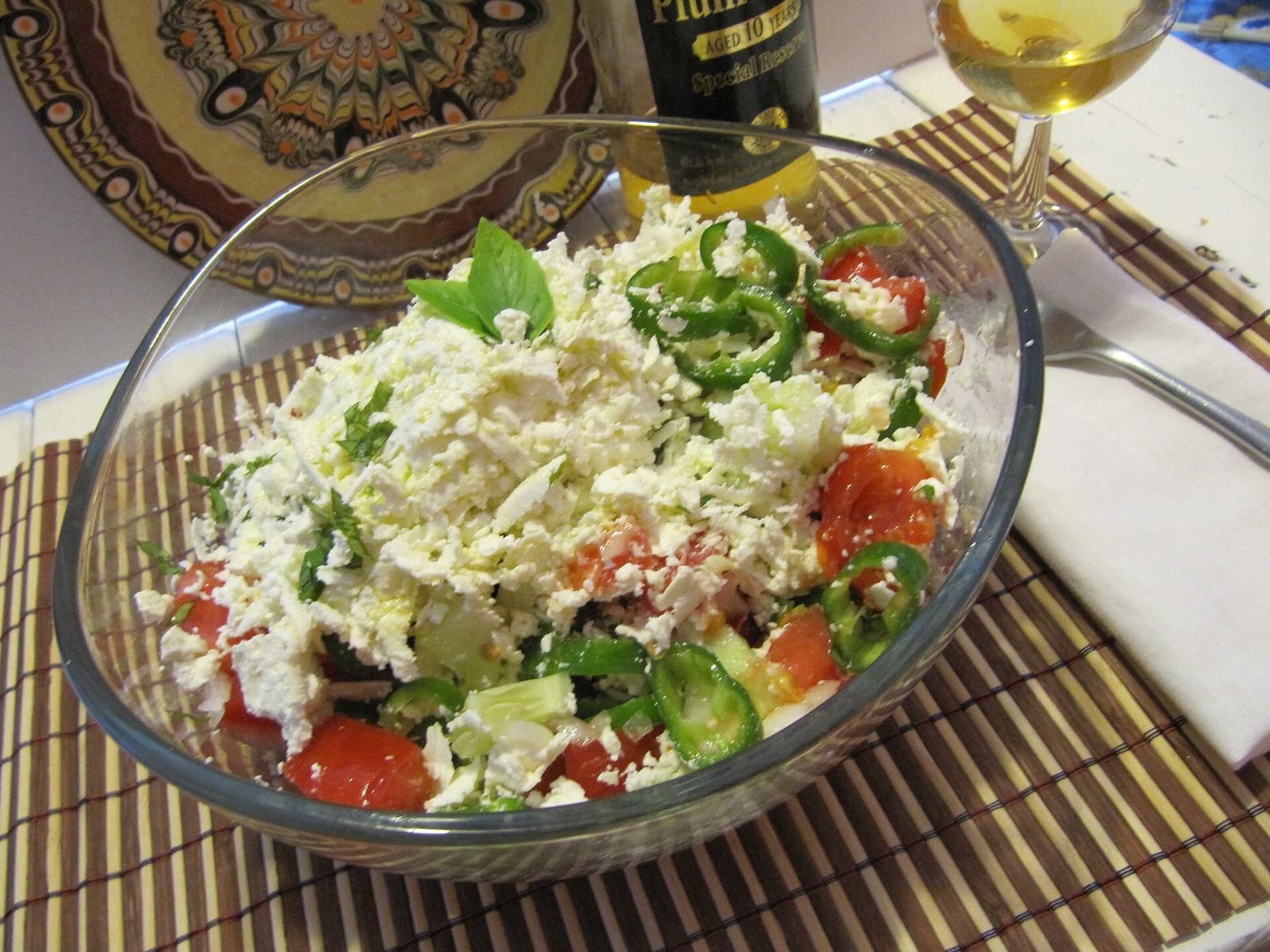
Bulgarian Drinks: What to Drink in Bulgaria and Where to Try It in Sofia
Bulgaria is known for rakia, wine and yogurt drinks: what to order, when locals drink each one and where to try it.
Read the guide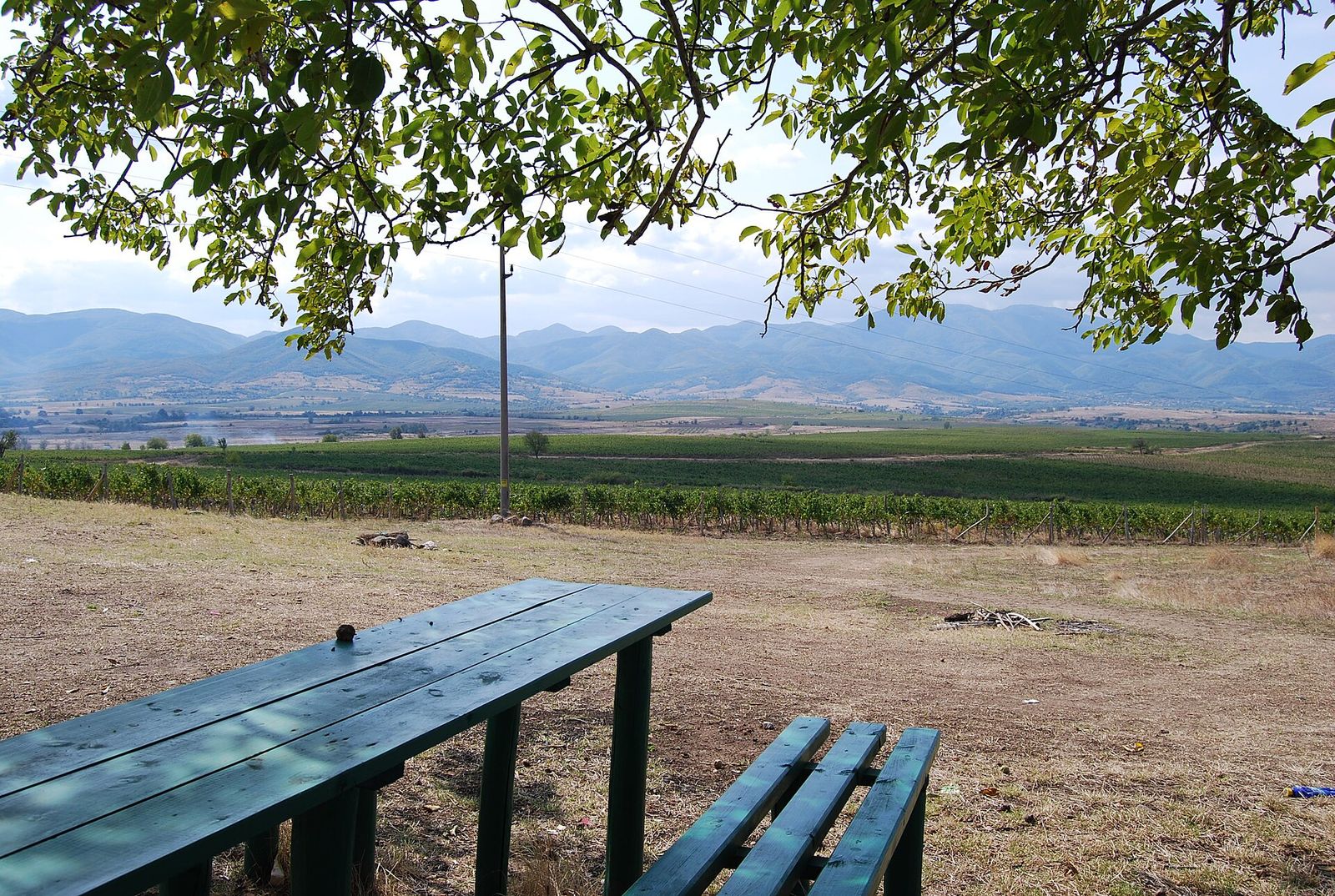
Bulgarian Wine: A Visitor's Guide
Bulgaria has made wine since the Thracians: the grapes to order, how to read a label and where to taste it in Sofia.
Read the guide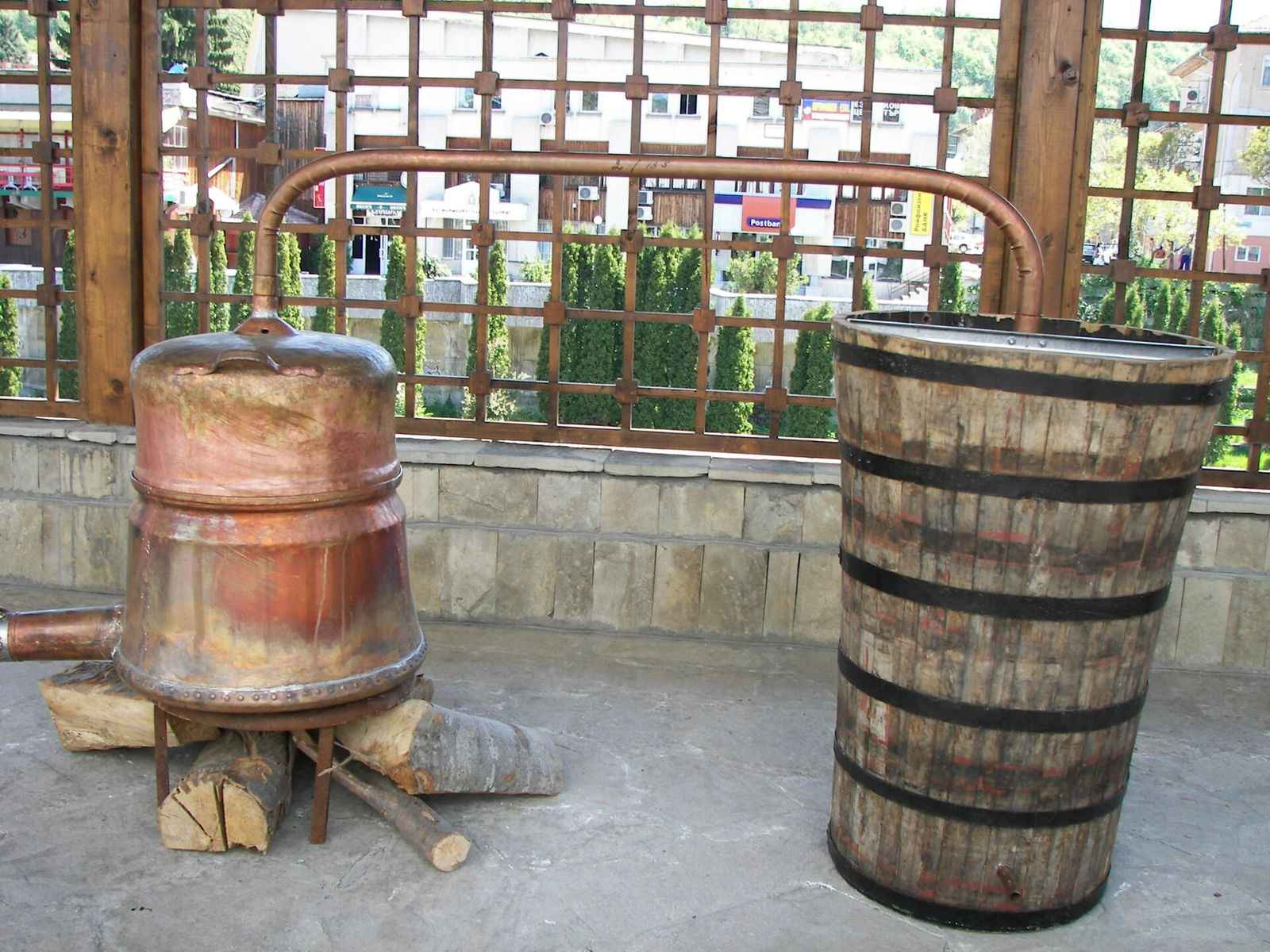
Rakia: Bulgaria's Fruit Brandy
Rakia is the drink Bulgarians pour for guests: what it is, the types to try and how to drink it the local way.
Read the guide