Is Sofia Safe?
Sofia is known as a calm capital, and the trouble visitors do run into comes from pickpockets, rogue taxis and inflated bar bills. This guide covers how safe Sofia is in 2026: the scams to know, the taxis to take, the spots I'd avoid after dark, and what solo women and LGBTQ+ travelers should expect.
Is Sofia safe? The short answer
Yes. The US State Department rates Bulgaria at Level 1, which means travelers should take normal precautions, and Bulgaria has no recent history of terrorism. Violent crime against tourists is rare.
Pickpockets, overcharging taxis and padded bar bills each have a simple fix: hold on to your bag in crowds, order taxis by app and drink where the prices are on the menu.
Pickpockets and petty theft in Sofia
Pickpockets and bag thieves work tourist areas, buses, trams and trains, and the big transport hubs, including the airport. Crowded markets and packed trams at rush hour are the places to keep a hand on your bag.
Watch for distraction. A stranger who stops you out of the blue to chat may be working with a partner who goes for your wallet, so keep walking.
At ATMs, use a machine inside a bank where you can, and cover the keypad. At any card machine, be wary if someone asks you to enter your PIN a second time.
If you hire a car, never leave bags or valuables in it. Thieves sometimes puncture a tire or flag a driver down, then steal from the car while you look at the wheel.
Taxi scams in Sofia and how to avoid them
Overcharging taxis are the scam to know about in Sofia. The city has no Uber or Bolt cars, so the safe choice is an app: TaxiMe or Yellow! show the fare before you ride and take cards.
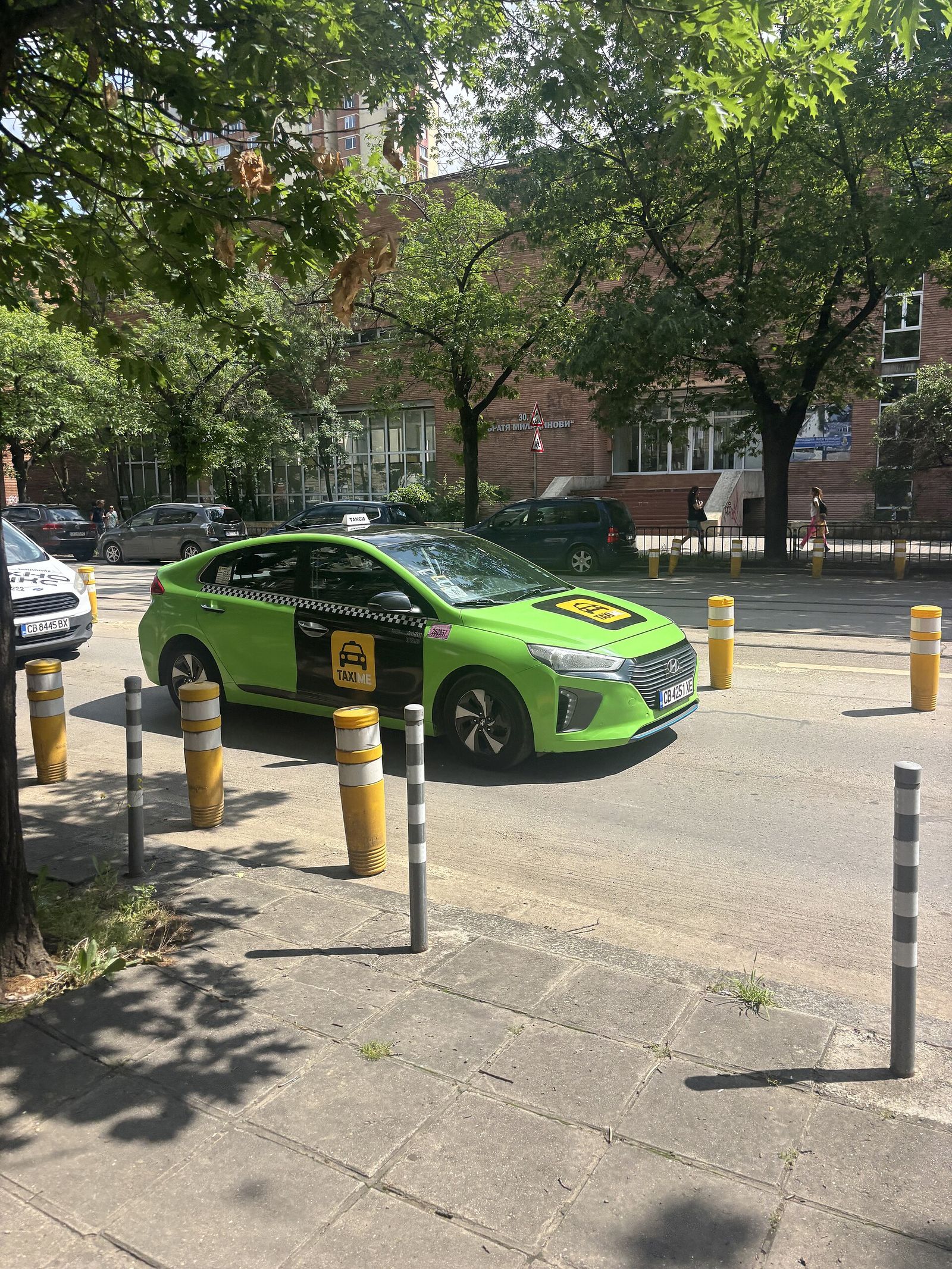
A 5 km ride across the center by day costs about €5, and the airport to the center about €13 to €15. A quote far above that is a reason to get out and order through an app.
| Where | What goes wrong | What to do |
|---|---|---|
| Airport arrivals hall | Unlicensed drivers approach you and charge far above the meter | Walk past them to the official taxi desk, or take the M4 metro for €0.80 |
| Outside hotels and tourist spots | Waiting cars charge more than the going rate | Order through an app, or flag a passing taxi with a green "available" light |
| On the street | Copycat cars use the colors and names of real companies | Read the license and the tariff sticker on the window before you get in |
| At the start of the ride | The meter is off | Check the meter is running before you set off |
Taxis in Sofia are cheap and mostly honest once you stick to the apps. Licensed Yellow! cars are the most reliable on the street.
Bar and club scams
So-called gentlemen's clubs are the one real trap in Sofia's nightlife. Some of them, in Sofia and in resorts such as Bansko and Borovets, run up bills of several hundred euros and threaten customers with violence if they refuse to pay.
Sofia's nightlife is otherwise easygoing, with bars spread around Vitosha Boulevard and Tsar Shishman Street. I'd ask the hostel or hotel for bar tips and turn down anyone offering drugs on the street or in a club.
Areas to be careful in at night
Central Sofia has no area I'd tell a visitor to avoid in daylight. After dark, I'd skip two spots on foot and keep to the main streets everywhere else.
| Area | In the daytime | After dark |
|---|---|---|
| Vitosha Boulevard and the center | Busy and fine | Busy and fine, with terraces open late |
| Around Sveta Nedelya Square | Busy and fine | Skip it on foot late at night |
| The red light area around Hotel Pliska | Nothing to see | Skip |
| Central Station area | Watch your bag | Watch your bag, and take a taxi from the door |
| Dark side streets | Usually fine | Stick to the main streets |
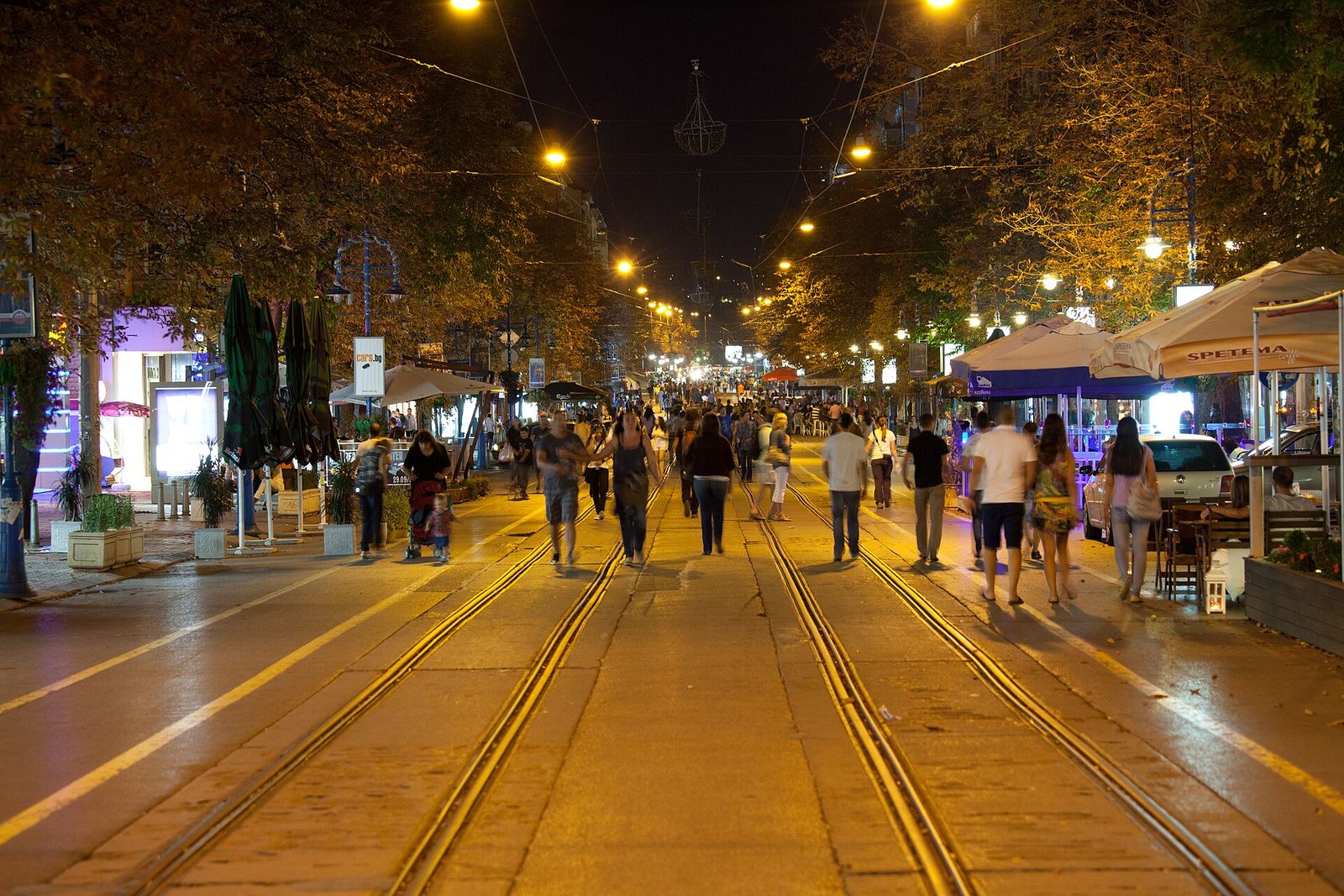
Vitosha Boulevard is the busiest street in the center at night, and the blocks around it are where I'd want to be walking at midnight. When choosing where to stay in Sofia, the strip between Serdika and NDK puts you close to both the sights and the late-night crowds.
Is Sofia safe at night?
Yes, in the center. The main streets stay lit and full of people until late, and walking between Vitosha Boulevard, the Largo and Alexander Nevsky after dinner is normal.
Getting home is where to plan ahead. The last metro trains leave between about 11:30 PM and midnight, and night buses such as the N4 run between midnight and 4 AM, covered by the €3 24-hour card. For most rides home after a night out, a TaxiMe or Yellow! car ordered from the bar is the easiest choice.
Getting around Sofia by public transport at night is safe on the main lines. The Sofia metro is clean and busy, and the main thing to watch on it is your phone in a crowded carriage.
Loud drunken behavior and urinating in the street can lead to an arrest or a fine in Bulgaria, and police may treat both more seriously than at home.
Is Sofia safe for solo female travelers?
Yes, Sofia is generally safe for women traveling alone, with the usual big-city care. The most common problem is unwanted attention: catcalling and loud comments in the street, which are best ignored.
Bulgarian women do not usually go out to bars alone, so a solo woman in a bar can draw more attention than she would at home. A firm no is normally enough, and going out with people from your hostel avoids most of it.
You will often see groups of men hanging out in parks and outside churches and mosques in Sofia, and that is a normal part of street life here. For solo female travel in Bulgaria, my one fixed rule is never to leave a drink unattended.
LGBTQ+ travelers in Sofia
Same-sex relationships are legal in Bulgaria, but public attitudes are less tolerant than in the UK. Sofia has a few gay bars and clubs.
Sofia Pride has drawn more than 10,000 people in recent years. It is held with a heavy police presence, and there has been verbal abuse and threatening behavior toward people at Pride events, including visitors. Isolated hostility has also been reported in Burgas and Plovdiv, so I'd keep public affection low-key outside Sofia.
Road safety, dogs and other everyday risks
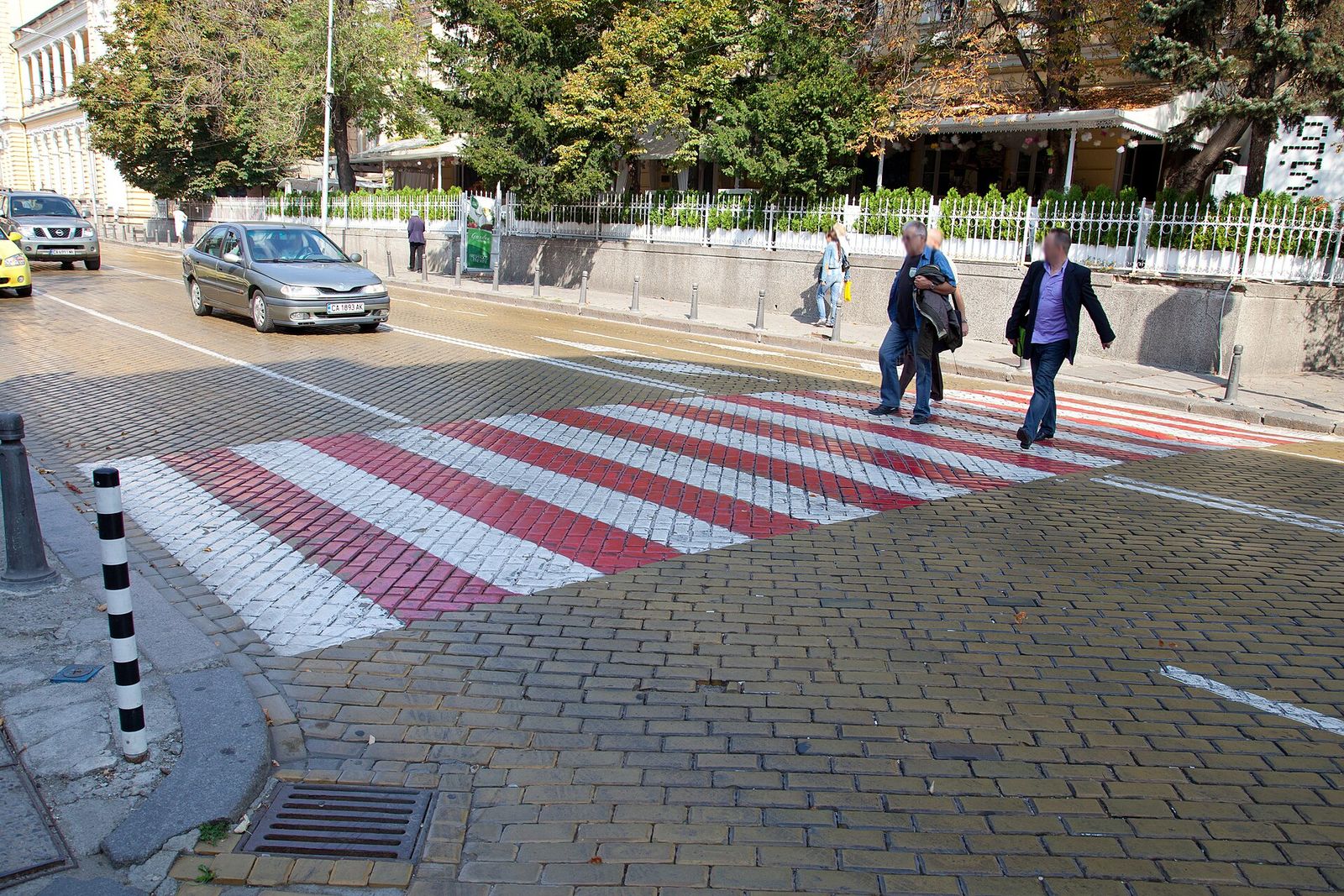
For a pedestrian, traffic is the risk I'd watch most in Sofia. Drivers do not always stop for pedestrians, even at a zebra crossing, so wait until a car has clearly stopped before you step out.
If you drive, expect roads in poor repair, unlit roadworks at night and aggressive driving on the motorways. Traffic police hand out on-the-spot fines, and the penalties for drink driving include prison and confiscation of the car.
Some other things to know:
- Stray dogs. Packs of stray dogs are common in Bulgaria and can be aggressive, so give them a wide berth.
- Ice. Pavements get icy after snow from December to February, so wear shoes with grip.
- Mountain weather. On Vitosha Mountain the weather changes fast, so carry a warm layer, water and a charged phone, even in summer.
- Protests. Political protests happen now and then and are mostly peaceful, but avoid them, because roads close and some have turned violent.
- Earthquakes. Small tremors happen through the year, usually without damage; the last major earthquakes were in 1928.
A small number of visitors from ethnic minorities have faced verbal or physical abuse, more often during demonstrations by right-wing groups, which is one more reason to stay away from protests.
Laws that catch visitors out
A few Bulgarian rules surprise people from abroad:
- ID. Carry your passport, or a printed copy of its photo page, at all times.
- Drugs. Possession of any illegal drug can bring a long jail term.
- Face coverings. Covering your face with a niqab, a burqa or similar in public places is banned, with a fine.
- Photos. Do not photograph military sites, and ask if in doubt.
Bulgarian etiquette adds softer rules on top: covered shoulders and knees in churches, and a head shake that means yes.
Emergency numbers, health and insurance
The number for police, ambulance and fire in Bulgaria is 112. Tap water in Sofia is safe to drink.
UK visitors should bring a GHIC and EU visitors an EHIC, which cover state health care only, so add travel insurance for private clinics, and check that it covers mountain rescue if you plan to hike or ski. Keep some cash in a second place, and a spare card, in case one goes missing; money in Bulgaria is euros now, so any euros you carry from home work here.
Outside the center English is less common, and a few Bulgarian phrases help when you need directions or a pharmacy.
Key takeaways
- Sofia is safe: the US rates Bulgaria at Level 1, normal precautions.
- Guard your bag and phone on crowded trams, buses and stations, and at the airport.
- Take taxis through TaxiMe or Yellow!, or the official airport desk, never from a driver who approaches you.
- Drink where the prices are on the menu, and stay out of so-called gentlemen's clubs.
- After dark, skip the Sveta Nedelya Square area on foot, and call 112 in any emergency.
Frequently asked questions
Is Sofia safe for tourists?
Yes. Bulgaria is rated Level 1 by the US, the lowest level, and violent crime against tourists is rare. The main risks are pickpockets, overcharging taxis and bar scams, and all three are easy to avoid.
Is Sofia safe at night?
In the center, it is. Vitosha Boulevard and the blocks around it stay busy until late. Late at night I'd skip the Sveta Nedelya Square area and the red light area near Hotel Pliska on foot, and take an app taxi home.
Is Sofia safe for solo female travelers?
It is, with the usual care. Catcalling and unwanted attention are the most common problems, and Bulgarian women rarely go to bars alone, so expect some attention in one. Watch your drink and take a taxi home late at night.
Is it safe for Americans to travel to Bulgaria right now?
Yes. Bulgaria carries the State Department's lowest advisory, Level 1, and Americans can visit without a visa for up to 90 days in any 180-day period, counted across the Schengen area.
Are taxis safe in Sofia?
They are if you use the TaxiMe or Yellow! apps or the official desk at the airport. Avoid drivers who approach you and cars waiting outside hotels, and read the tariff sticker on the window before you get in.
Is the Sofia metro safe?
Yes, the Sofia metro is clean, busy and safe to use. Keep your phone and wallet out of reach in crowded carriages, especially on the airport line and at rush hour.
Do people speak English in Sofia?
In the center, yes. Younger Bulgarians usually speak good English, and so do staff in hotels and many restaurants. English is less common among older people and in villages.
Sofia Travel Tips: What I'd Tell You Before a First Trip to Bulgaria
Sofia is easy once you know a few rules. What I'd tell a friend about visas, the euro, taxis and getting around.
Read the guide
Sofia Itinerary: 1 to 5 Days
Sofia fits its best sights into a walkable center. The day-by-day plan I'd follow for 1 to 5 days, with prices.
Read the guide
Best Time to Visit Sofia
Sofia has four real seasons. The months I'd pick for walking, hiking, skiing and saving money, with the weather.
Read the guide