Bulgarian Etiquette for Visitors
Bulgarian etiquette is famous for one surprise: a shake of the head means yes and a nod means no. The rest comes easily, because Bulgarians are relaxed and generous with guests. This guide covers the head gestures, greetings, being a guest in a home, toasts, tipping, churches, name days and March, plus the handful of mistakes that do cause offense.
Bulgarian etiquette at a glance
Four Bulgarian customs trip visitors up most: the head gestures, the toast, church dress and the flowers you bring to a home. The card below has the ones I'd tell any friend arriving in Sofia.
The Bulgarian head nod: a shake means yes
This is the custom that catches out every visitor. In Bulgaria, a gentle side-to-side shake of the head means yes. An up-and-down nod, often with a slight upward tilt of the chin and a small "tsk" sound, means no. Read it the wrong way and you can order the opposite of what you wanted.
It gets harder in Sofia, because plenty of Bulgarians who deal with tourists switch to the international gestures. You might get a Western nod for yes from a young waiter and the traditional reversed one from his grandmother at the next table. Bulgarians who have lived abroad for years get mixed up on visits home too, and many just ask for an answer in words.
Nobody knows for sure where the reversed gestures come from. One theory traces them back to the Bulgars and their horses. Another links them to the Ottoman Empire, since similar gestures turn up in Albania, Greece and Turkey. The best-known story is a legend from the Ottoman centuries: Bulgarians pressed to convert to Islam swapped the two signs to confuse the officials questioning them.
One more trap waits at the Greek border. The Greek word for yes, ναι, sounds like "ne", which is the Bulgarian word for no.
Greetings and first meetings
A firm handshake with eye contact is the standard greeting when you meet someone. Close friends and family kiss each other on each cheek, but that is for people who know each other well, so keep to the handshake at a first meeting.
Use titles and surnames in formal settings, such as a business meeting or an office, until someone invites you to use their first name. Arrive on time for anything formal. Social plans run on a looser clock, and a few minutes either way will not bother anyone.
A few words of Bulgarian go a long way. Zdraveyte (здравейте) is the polite hello, zdravey (здравей) is for one friend, and dobar den (добър ден), good day, works in any shop. Blagodarya (благодаря) is thank you and molya (моля) is please, and the rest of the Bulgarian phrases a visitor needs fit on one phone screen.
Some Bulgarians can seem reserved with strangers at first and warm up once you have talked. Bulgarians are also direct. If someone tells you your plan for the day is a bad one, they mean it as help, and I'd usually listen.
English is common among younger people, in hotels and in the center of Sofia, and less so in villages and with older Bulgarians.
Invited to a Bulgarian home
Bring a small gift when you are invited to a Bulgarian home: flowers for the hostess and a bottle of wine or spirits for the host, or something sweet.
Flowers follow a rule. Give an odd number of stems, because even numbers are for funerals, and skip chrysanthemums, lilies and gladioli, which Bulgarians keep for graves. A bunch of five or seven stems is always safe.
At a formal welcome, hosts may greet guests with bread and salt: a round loaf with a bowl of salt on top. Break off a small piece, dip it in the salt and eat it.
Expect to be fed far more than you can eat. Wait for the hostess to start, and accept a second helping, because refusing food again and again reads as rejecting the cooking. A family dinner can easily run three to four hours, and nobody expects you to leave early.
Toasts and the table: nazdrave
The toast in Bulgaria is "nazdrave" (наздраве), to health. Clink with everyone and look each person in the eye as you do, because looking away is considered bad luck. Never toast with an empty glass.
Many evenings start with rakia, the fruit brandy, often homemade. It comes cold in a small glass with the salads, and you sip it between bites. Rakia is never a shot, so knocking it back marks you as a tourist fast. Refusing the first toast seems standoffish, and a small sip is plenty if you do not drink much.
Meals are slow and social, at home or out, and nobody hurries you from the table. After the salads, the grills and stews of Bulgarian food come with wine or beer. When you are ready, ask for the bill with "smetkata, molya", the bill, please.
Tipping in Bulgaria, briefly
Tipping is expected at restaurants with table service but not required elsewhere. The going rate at Sofia's best restaurants is about 10% for good service and up to 15% when it was excellent. Sofia restaurants rarely add service to the bill, and card machines here have no tip line, so leave the tip in cash even when you pay by card.
In cafes, bars and taxis, round up or leave small change. The finer points of tipping in Bulgaria, from hotel staff to hairdressers, follow the same pattern: small amounts, in cash.
Churches, the mosque and other places of worship
Bulgaria's churches and monasteries are working places of faith, and most of them are free to enter. Dress for that. Cover your shoulders and knees, whoever you are, and men take their hats off. Women can wear a headscarf if they want to, though in Sofia's churches it is not required. Many monasteries expect women to avoid shorts and short skirts.
Keep your voice low, never use flash, and ask before you photograph people, icons or a service. Some places ban photography inside: Boyana Church allows no photos or filming at all, with a camera or a phone, to protect its 1259 frescoes.
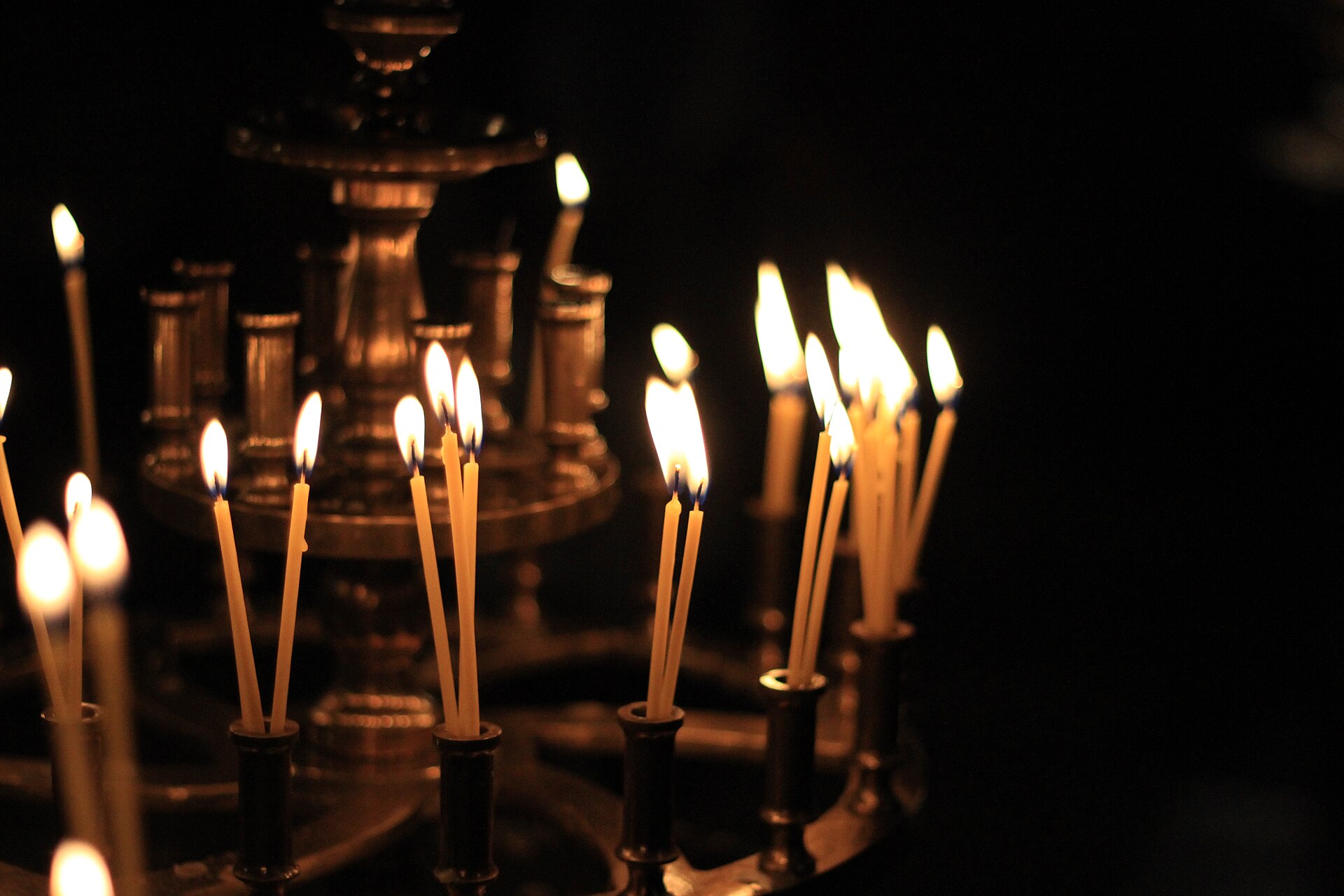
If you walk in during a service, stay near the door and keep your phone away until it ends. Bulgarians come in through the day to light a candle and wish health for their families, and at Alexander Nevsky Cathedral I think lighting one yourself is the nicest small thing a visitor can do.
Sofia's only working mosque has its own rules. At Banya Bashi Mosque, shoes come off before you go in, women cover their hair, and visitors come outside prayer times.
Name days: often bigger than birthdays
Most Bulgarian names have a saint's day in the Orthodox calendar, the imen den or name day, and many people mark it as much as a birthday or more. The person celebrating is the host. They put out food and drink, open their home and receive visitors, and tradition says anyone may drop by to congratulate them.
The greeting is Chestit imen den (Честит имен ден), happy name day. A few name days belong to such common names that they turn into public celebrations:
| Name day | Date | Names |
|---|---|---|
| Ivanovden | 7 January | Ivan, Ivana |
| Trifon Zarezan | 14 February | Trifon |
| Tsvetnitsa | Palm Sunday | Flower names: Tsvetelina, Violeta, Rosa |
| Gergiovden | 6 May | Georgi, Gergana |
| Sveta Marina | 17 July | Marin, Marina |
| Dimitrovden | 26 October | Dimitar, Dimitrina |
| Nikulden | 6 December | Nikola, Nikolina |
March and the martenitsa
On 1 March, the feast of Baba Marta, Bulgarians give each other martenitsi: small charms of twisted red and white yarn, worn as tassels, bracelets or pairs of little dolls. They are a wish for health, and anyone may give one, including to a visitor.
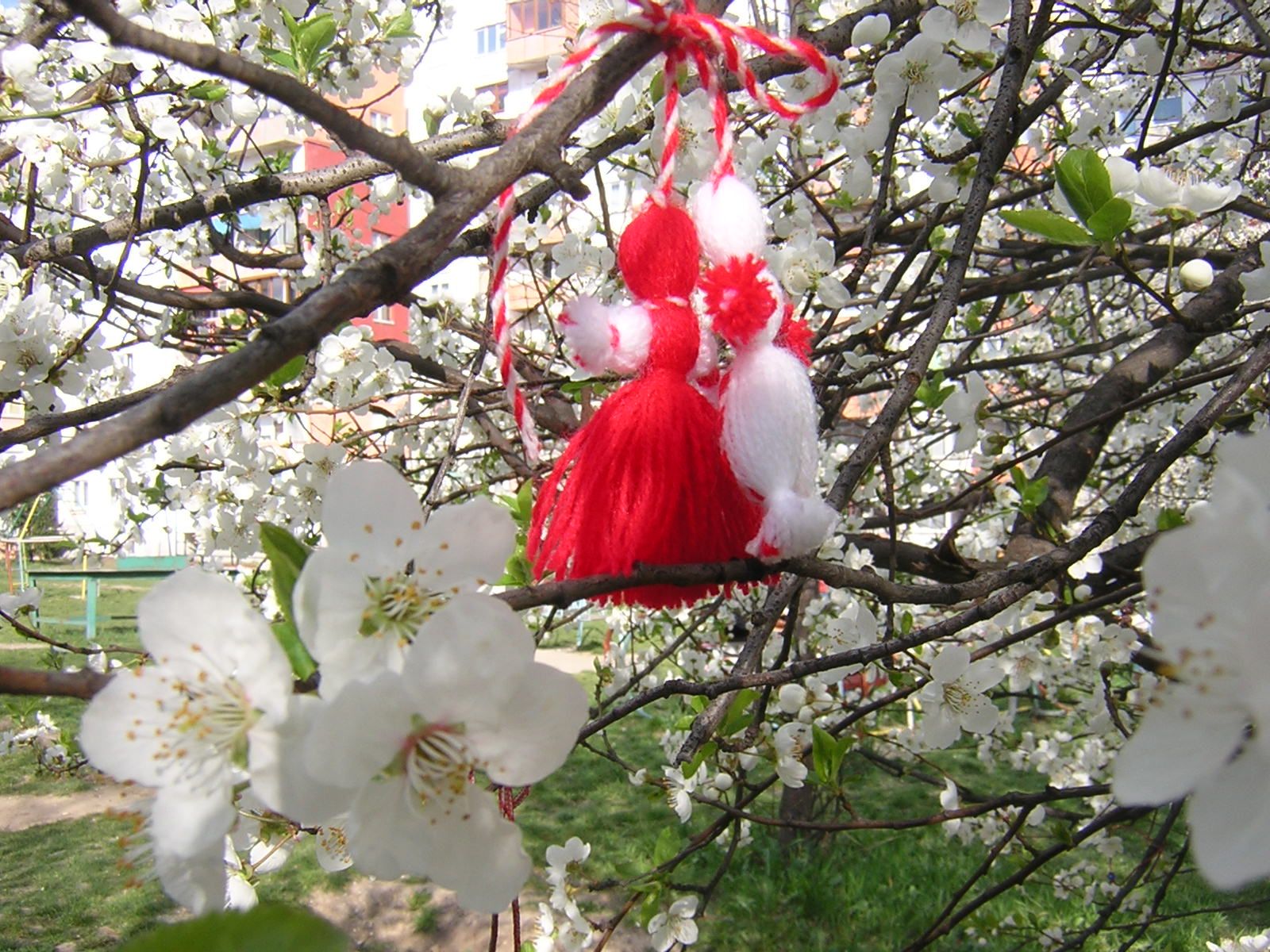
If someone ties one on your wrist or pins one to your coat, wear it. The custom is to keep it on until you see the first stork or a tree in blossom, then tie it to a branch, usually somewhere in mid to late March. Souvenir shops and street stalls sell martenitsa charms around 1 March, and buying a few to give away is the easiest way to join in yourself.
Everyday manners in Sofia
Cards work almost everywhere in Sofia, but market stalls and village shops often want cash, so carry small change. For a few days in the city, money in Bulgaria goes easiest with about €50 to €100 in cash between two people.
Life in Bulgaria runs at a slower pace than in many Western capitals, so give shops, cafes and offices a little more time than you would at home.
Mind what you call the country. Bulgaria was never part of the Soviet Union or Yugoslavia, and Bulgarian history is its own story, so mixing the country up with its neighbors goes down badly. The same goes for calling the alphabet Russian. Cyrillic was created here, and the Bulgarian alphabet is a point of national pride.
Some smaller bars still allow smoking inside. Ask before you sit down if smoke bothers you, because the rules vary from one place to the next.
For taxis in Sofia, order through an app or the company's own number, read the price sticker on the window, and round the fare up at the end.
Bulgarian etiquette dos and don'ts
| Do | Don't |
|---|---|
| Listen for da and ne | Trust a nod or a head shake alone |
| Shake hands with eye contact at a first meeting | Hug or kiss someone you have just met |
| Bring an odd number of flowers | Bring chrysanthemums, lilies or gladioli |
| Accept a second helping and a sip of the toast | Refuse every dish and every toast |
| Look people in the eye when you say nazdrave | Toast with an empty glass or shoot your rakia |
| Cover shoulders and knees in churches | Use flash or photograph icons without asking |
| Wear a martenitsa you are given | Take it off before you see a stork or a blossoming tree |
| Leave about 10% in cash at a restaurant | Assume the tip is on the bill |
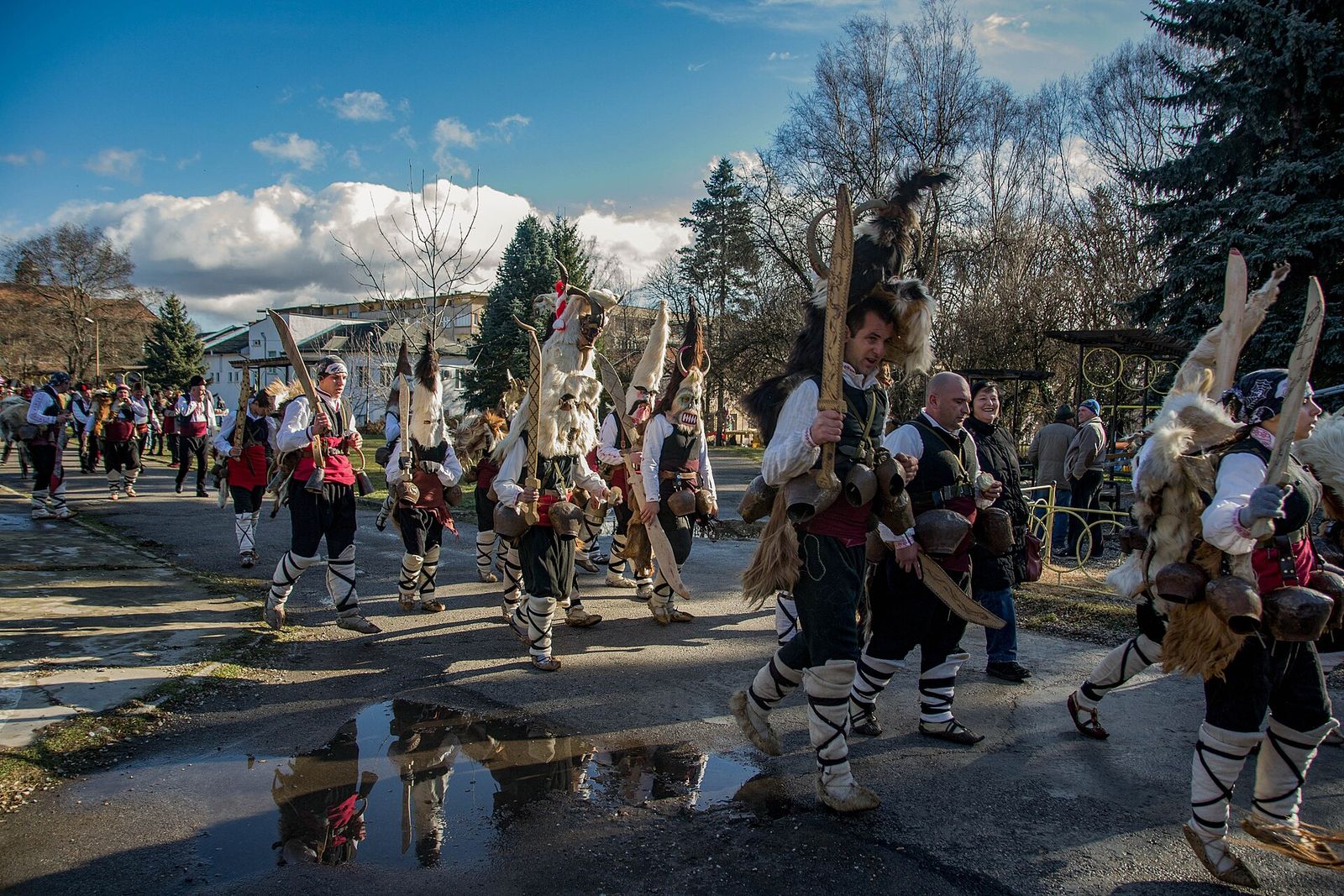
In January, the part of Bulgarian culture I'd plan a trip around is the kukeri: dancers in fur suits, carved masks and bells, at their biggest at the Surva festival in Pernik.
Key takeaways
- A side-to-side head shake usually means yes and a nod means no, so rely on da and ne.
- Shake hands at a first meeting, and save cheek kisses for friends.
- Bring an odd number of flowers, never funeral flowers, and accept the food and the first toast.
- Cover shoulders and knees in churches, ask before photographing, and leave your shoes at the door of the mosque.
- Leave about 10% in cash at restaurants, and wear any martenitsa you are given in March.
Frequently asked questions
Do Bulgarians shake their heads for yes?
Yes. In Bulgaria a side-to-side shake of the head traditionally means yes and a nod means no. Many younger Bulgarians switch to the Western gestures with foreigners, so listen for the words da and ne.
Is nodding your head yes or no in Bulgaria?
Nodding usually means no in Bulgaria, often with an upward tilt of the head and a small click of the tongue. When someone nods at you, check what they said before you act on it.
How does Bulgaria say hello?
Bulgarians say zdraveyte to be polite or to greet a group, and zdravey to one friend. Dobar den, good day, works in shops and offices, and a handshake goes with it at a first meeting.
What is the tipping culture in Bulgaria?
Tipping about 10% is normal at restaurants with table service, left in cash. In cafes, bars and taxis people round up or leave small change.
What should I avoid doing in Bulgaria?
Avoid relying on a nod for yes, bringing chrysanthemums or an even number of flowers to a home, and refusing every offer of food or drink. In churches, avoid bare shoulders, shorts and flash photography.
Are Bulgarians rude?
No, though some can seem reserved with strangers and direct in what they say. Bulgarians tend to be warm and generous once you have talked, and their directness is plain honesty.
What should I wear to visit a church in Bulgaria?
Wear clothes that cover your shoulders and knees, and men should take off their hats. A headscarf is optional for women in Sofia's churches, and some monasteries ask women not to wear shorts or short skirts.
Bulgarian Culture and Traditions: A Visitor's Guide
Bulgaria gave the world Cyrillic, and has kukeri, fire-dancers and a nod that means no. Here is what to know.
Read the guide
Bulgarian Phrases for Travelers: The Words I'd Learn First
Bulgarian is written in Cyrillic and read the way it looks. Here are the phrases I would learn before a trip to Sofia.
Read the guide
A Short History of Bulgaria
Bulgaria has kept its name since 681. Here is its history era by era, and where each chapter still stands in Sofia.
Read the guide