Bulgarian Phrases for Travelers: The Words I'd Learn First
Bulgarian is the Slavic language of about 12 million people, written in the Cyrillic alphabet that was born here, and it reads almost exactly the way it is spelled. A dozen words get you through a day in Sofia. This guide gives you the phrases I'd learn first, how to read a street sign, and the words for restaurants, taxis, shops, numbers and emergencies, each with an easy way to say it.
The Bulgarian phrases I'd learn first
If you learn only these, you can greet people, order, pay and find your way. The romanization in the third column reads like English, and "a" in it stands for both the Bulgarian А and the short "uh" sound of Ъ, as in kade (where).
| English | Bulgarian | Say it |
|---|---|---|
| Hello (polite) | Здравейте | zdraveyte |
| Hi (to friends) | Здрасти | zdrasti |
| Thank you | Благодаря | blagodarya |
| Please, or you're welcome | Моля | molya |
| Yes / No | Да / Не | da / ne |
| Excuse me, sorry | Извинете | izvinete |
| I don't understand | Не разбирам | ne razbiram |
| How much is it? | Колко струва? | kolko struva? |
| Where is...? | Къде е...? | kade e...? |
| The bill, please | Сметката, моля | smetkata, molya |
| Cheers! | Наздраве! | nazdrave! |
| Goodbye | Довиждане | dovizhdane |
How to read Cyrillic signs in Sofia
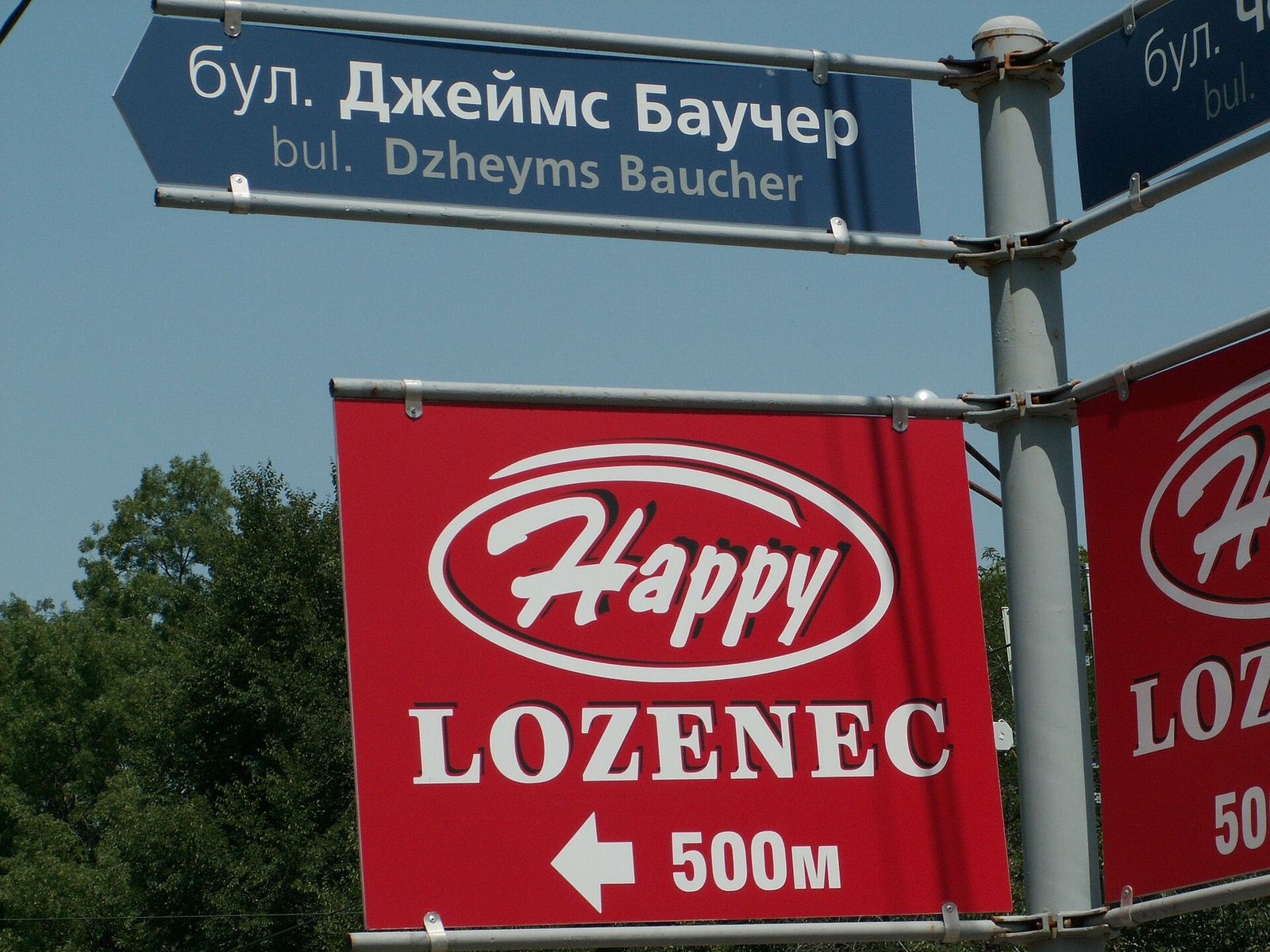
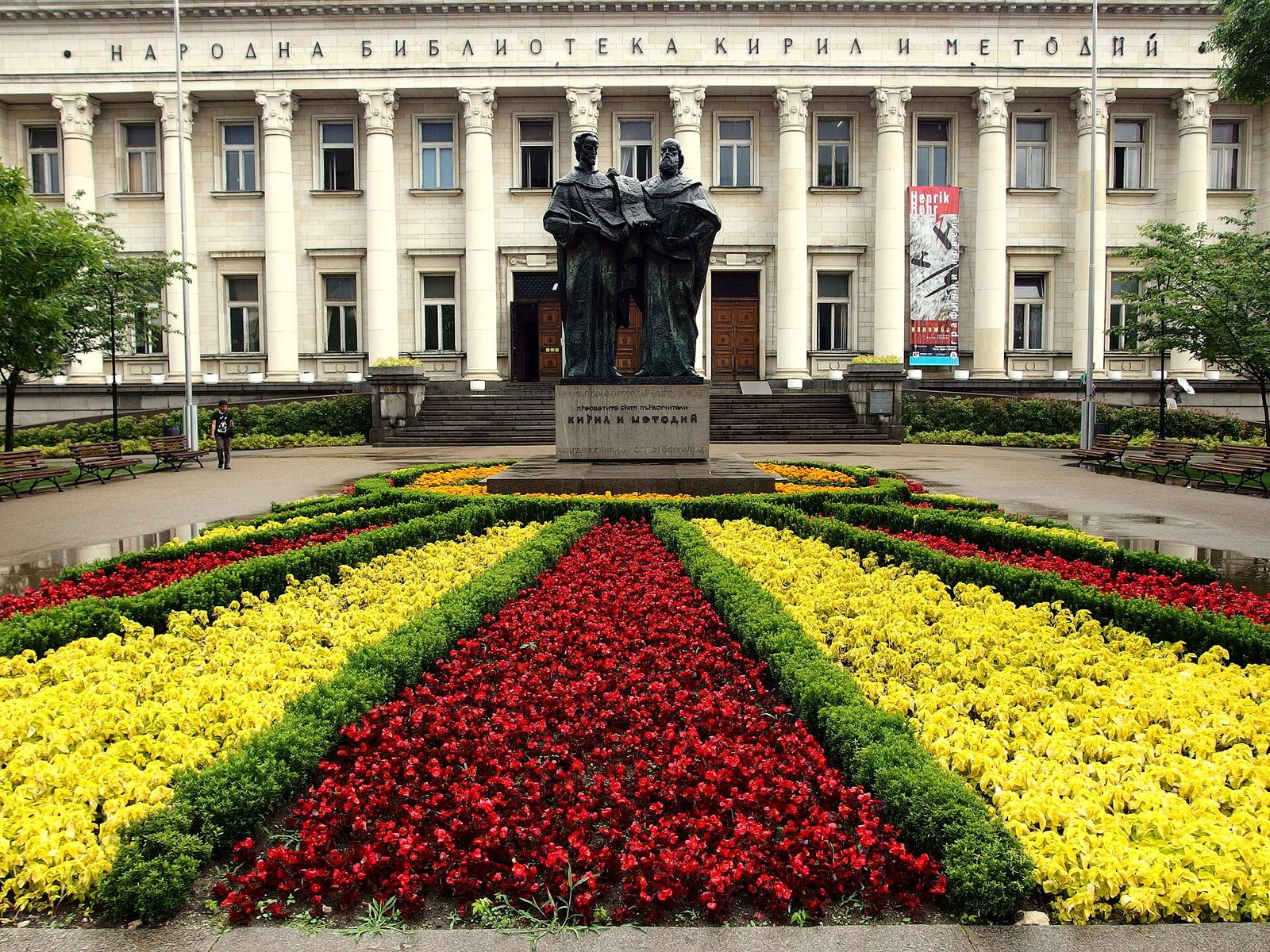
The Cyrillic alphabet grew out of the work of Saints Cyril and Methodius, who created the Glagolitic alphabet in 863 to translate Greek church texts into Old Church Slavonic. Their disciples built Cyrillic from Greek and Glagolitic letters, and Bulgaria celebrates the saints every 24 May. The Bulgarian alphabet has 30 letters, close to the Russian one, and many street signs in central Sofia add a Latin spelling underneath.
Bulgarian is almost fully phonetic: you say it the way it is written. Six letters look like English letters and sound the same (А, Е, К, М, О, Т). The ones that trip people up are the letters that look familiar and mean something else, plus a handful of new shapes.
| Letter | Sounds like | Example |
|---|---|---|
| В в | v | вход, vhod (entrance) |
| Н н | n | не, ne (no) |
| Р р | r | ресторант, restorant (restaurant) |
| С с | s | сметката, smetkata (the bill) |
| У у | oo | утре, utre (tomorrow) |
| Х х | h | хотела, hotela (the hotel) |
| Ж ж | zh, as in pleasure | живот, zhivot (life) |
| Ц ц | ts | цена, tsena (price) |
| Ч ч | ch | чаша, chasha (glass) |
| Ш ш | sh | шест, shest (six) |
| Щ щ | sht | нощ, nosht (night) |
| Ъ ъ | uh | къде, kade (where) |
| Ю ю | yu | менюто, menyuto (the menu) |
| Я я | ya | сряда, sryada (Wednesday) |
| Й й | y | Здравейте, zdraveyte (hello) |
Two words worth spotting on doors are вход (vhod, entrance) and изход (izhod, exit). Once you can sound out бул. Витоша, you will find Vitosha Boulevard on any sign.
Yes and no in Bulgarian
Da means yes and ne means no, and they are the most useful words you will learn. The body language is the trap. In Bulgaria an up-and-down nod usually means no and a side-to-side shake usually means yes, the reverse of what most visitors expect, and younger people in Sofia often switch to the Western gestures with foreigners.
Greetings in Bulgarian
Bulgarian has a polite form and a friendly form. Use the polite one with anyone you don't know: shop staff, waiters, taxi drivers and older people.
| English | Bulgarian | Say it |
|---|---|---|
| Hello (polite, or to a group) | Здравейте | zdraveyte |
| Hello (to a friend) | Здравей | zdravey |
| Hi | Здрасти | zdrasti |
| Good morning | Добро утро | dobro utro |
| Good day, good afternoon | Добър ден | dobar den |
| Good evening | Добър вечер | dobar vecher |
| Good night | Лека нощ | leka nosht |
| Goodbye | Довиждане | dovizhdane |
| How are you? (polite) | Как сте? | kak ste? |
| How are you? (friendly) | Как си? | kak si? |
| I'm fine | Добре съм | dobre sam |
| My name is... | Казвам се... | kazvam se... |
| What is your name? (polite) | Как се казвате? | kak se kazvate? |
| Nice to meet you | Приятно ми е | priyatno mi e |
Please, thank you and other polite words
| English | Bulgarian | Say it |
|---|---|---|
| Please | Моля | molya |
| Thank you | Благодаря | blagodarya |
| Thank you very much | Много благодаря | mnogo blagodarya |
| You're welcome | Моля / Няма защо | molya / nyama zashto |
| No problem | Няма проблем | nyama problem |
| I'm sorry | Съжалявам | sazhalyavam |
| Yes, please | Да, моля | da, molya |
| No, thank you | Не, благодаря | ne, blagodarya |
| Do you speak English? | Говорите ли английски? | govorite li angliyski? |
| More slowly, please | По-бавно, моля | po-bavno, molya |
| Can you repeat that? | Можете ли да повторите? | mozhete li da povtorite? |
Bulgarian phrases for restaurants and bars
Eating out is where a few words pay off fastest, and the names of Bulgarian food dishes are easier to order once you can sound out the Cyrillic on the menu.
| English | Bulgarian | Say it |
|---|---|---|
| The menu, please | Менюто, моля | menyuto, molya |
| I'd like to order... | Искам да поръчам... | iskam da poracham... |
| What do you recommend? | Какво бихте препоръчали? | kakvo bihte preporachali? |
| A glass of water, please | Чаша вода, моля | chasha voda, molya |
| Beer | Бира | bira |
| Red wine / White wine | Червено вино / Бяло вино | cherveno vino / byalo vino |
| Do you have vegetarian food? | Имате ли вегетарианско? | imate li vegetariansko? |
| Without meat, please | Без месо, моля | bez meso, molya |
| I'm allergic to... | Алергичен съм към... | alergichen sam kam... |
| There are two of us | Ние сме двама | nie sme dvama |
| It's delicious! | Вкусно е! | vkusno e! |
| Breakfast / Lunch / Dinner | Закуска / Обяд / Вечеря | zakuska / obyad / vecherya |
| The bill, please | Сметката, моля | smetkata, molya |
| Cheers! | Наздраве! | nazdrave! |
Nazdrave is the toast for every glass, from beer to rakia.
Bulgarian phrases for getting around
| English | Bulgarian | Say it |
|---|---|---|
| Where is...? | Къде е...? | kade e...? |
| How do I get to...? | Как да стигна до...? | kak da stigna do...? |
| Left / Right / Straight on | Наляво / Надясно / Направо | nalyavo / nadyasno / napravo |
| Near / Far | Близо / Далеч | blizo / dalech |
| Stop here, please | Спри тук, моля | spri tuk, molya |
| How much is the ticket? | Колко струва билетът? | kolko struva biletat? |
| When does the bus leave? | Кога тръгва автобусът? | koga tragva avtobusat? |
| Which stop do I get off at? | На коя спирка трябва да сляза? | na koya spirka tryabva da slyaza? |
| I'm lost | Изгубих се | izgubih se |
| The train station | Гарата | garata |
| The airport | Летището | letishteto |
| The bus stop | Автобусната спирка | avtobusnata spirka |
| Where is the toilet? | Къде е тоалетната? | kade e toaletnata? |
| Entrance / Exit | Вход / Изход | vhod / izhod |
Spri tuk, molya is the line you will use in taxis in Sofia, and nalyavo and nadyasno get you to the right door. On the metro and trams, getting around Sofia is easier once you can read the station names on the map in Cyrillic.
Bulgarian phrases for shopping and paying
| English | Bulgarian | Say it |
|---|---|---|
| How much does it cost? | Колко струва? | kolko struva? |
| How much is this? | Колко струва това? | kolko struva tova? |
| That's too expensive | Твърде скъпо е | tvarde skapo e |
| Do you have something cheaper? | Имате ли нещо по-евтино? | imate li neshto po-evtino? |
| Can I try it on? | Мога ли да пробвам? | moga li da probvam? |
| I want this | Искам това | iskam tova |
| I don't want this | Не искам това | ne iskam tova |
| I'll pay by card | Плащам с карта | plashtam s karta |
Plashtam s karta tells the cashier you are paying by card. Bulgaria adopted the euro on 1 January 2026, so the answer to kolko struva now comes in euros, and money in Bulgaria is the same currency many visitors already carry.
Numbers, days and time in Bulgarian
| Number | Bulgarian | Say it |
|---|---|---|
| 0 | нула | nula |
| 1 | едно | edno |
| 2 | две | dve |
| 3 | три | tri |
| 4 | четири | chetiri |
| 5 | пет | pet |
| 6 | шест | shest |
| 7 | седем | sedem |
| 8 | осем | osem |
| 9 | девет | devet |
| 10 | десет | deset |
| 20 | двадесет | dvadeset |
| 50 | петдесет | petdeset |
| 100 | сто | sto |
| 1,000 | хиляда | hilyada |
| English | Bulgarian | Say it |
|---|---|---|
| Monday | понеделник | ponedelnik |
| Tuesday | вторник | vtornik |
| Wednesday | сряда | sryada |
| Thursday | четвъртък | chetvartak |
| Friday | петък | petak |
| Saturday | събота | sabota |
| Sunday | неделя | nedelya |
| Today / Tomorrow / Yesterday | днес / утре / вчера | dnes / utre / vchera |
| What time is it? | Колко е часът? | kolko e chasat? |
Bulgarian phrases for emergencies
| English | Bulgarian | Say it |
|---|---|---|
| Help! | Помощ! | pomosht! |
| Call the police! | Обадете се на полицията! | obadete se na politsiyata! |
| Call an ambulance! | Повикайте линейка! | povikayte lineyka! |
| I need a doctor | Трябва ми лекар | tryabva mi lekar |
| I don't feel well | Не се чувствам добре | ne se chuvstvam dobre |
| Where is the pharmacy? | Къде е аптеката? | kade e aptekata? |
| I lost my passport | Изгубих паспорта си | izgubih pasporta si |
| My bag was stolen | Откраднаха ми чантата | otkradnaha mi chantata |
Kade e aptekata is the one I'd memorize, since a pharmacy handles most small problems on a trip. The passport and bag lines are what you would say at a police station.
Toasts, celebrations and small talk
| English | Bulgarian | Say it |
|---|---|---|
| Cheers! | Наздраве! | nazdrave! |
| Happy birthday | Честит рожден ден | chestit rozhden den |
| Happy name day | Честит имен ден | chestit imen den |
| Happy holidays | Честити празници | chestiti praznitsi |
| Good luck | Успех | uspeh |
| Where are you from? (polite) | Откъде сте? | otkade ste? |
| I'm from... | Аз съм от... | az sam ot... |
| Do you like Bulgaria? | Харесва ли ти България? | haresva li ti Balgariya? |
| I love it! | Много ми харесва! | mnogo mi haresva! |
| I'm learning Bulgarian | Уча български | ucha balgarski |
| I love you | Обичам те | obicham te |
Chestit imen den is the one to keep for a Bulgarian friend's name day, the saint's day of their name, which many people celebrate more than a birthday. Bring flowers in an odd number, one of the small points of Bulgarian etiquette that people notice.
Key takeaways
- Start with zdraveyte, blagodarya, molya, izvinete and dovizhdane.
- Say da and ne out loud, because Bulgarian head gestures run the reverse of what most visitors expect.
- Use the polite forms, zdraveyte and kak ste, with anyone you don't know.
- Learn the 30 Cyrillic letters; Bulgarian is almost fully phonetic, so you can then read every sign.
- Smetkata, molya gets you the bill, and nazdrave goes with every glass.
Frequently asked questions
How do you say hello in Bulgarian?
Say zdraveyte (Здравейте) to be polite or to greet a group, and zdravey or zdrasti to a friend. Dobar den, good day, works in any shop or cafe from late morning to early evening.
How do you say thank you in Bulgarian?
Thank you is blagodarya (Благодаря), and thank you very much is mnogo blagodarya. The usual reply is molya, which also means please.
Is Bulgarian more like Russian or Greek?
Bulgarian is a South Slavic language, so it sits in the same family as Russian, and its Cyrillic alphabet looks much like the Russian one. Its closest relatives are Macedonian, which Bulgarians understand easily, then Serbian and Croatian. The alphabet itself was built partly from Greek letters.
Is Bulgarian hard to read?
No, Bulgarian is almost fully phonetic, so each letter keeps its sound. Once you know the 30 Cyrillic letters, which I'd give an afternoon, you can read street signs, menus and metro stations.
How do you say cheers in Bulgarian?
Cheers is nazdrave (Наздраве). Bulgarians say it with every round, from beer to rakia.
How do you say I love you in Bulgarian?
I love you is obicham te (Обичам те). I like you is haresvash mi (Харесваш ми).
How many people speak Bulgarian?
About 12 million people speak Bulgarian, mainly in Bulgaria. Its vocabulary still carries Turkish loanwords from Ottoman rule, though many were replaced with Russian words in the 19th century.
Bulgarian Culture and Traditions: A Visitor's Guide
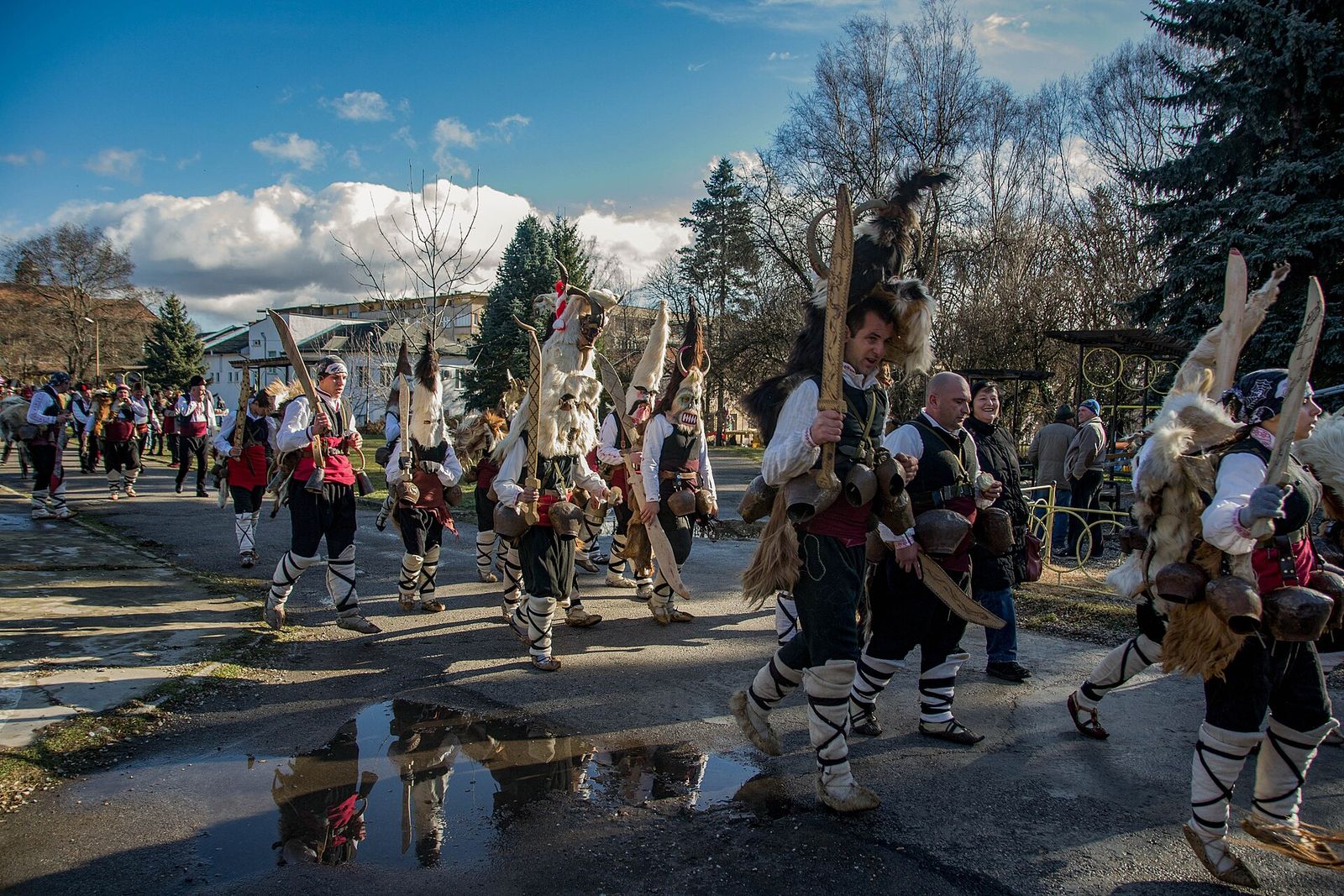
Bulgaria gave the world Cyrillic, and has kukeri, fire-dancers and a nod that means no. Here is what to know.
Read the guide
A Short History of Bulgaria
Bulgaria has kept its name since 681. Here is its history era by era, and where each chapter still stands in Sofia.
Read the guide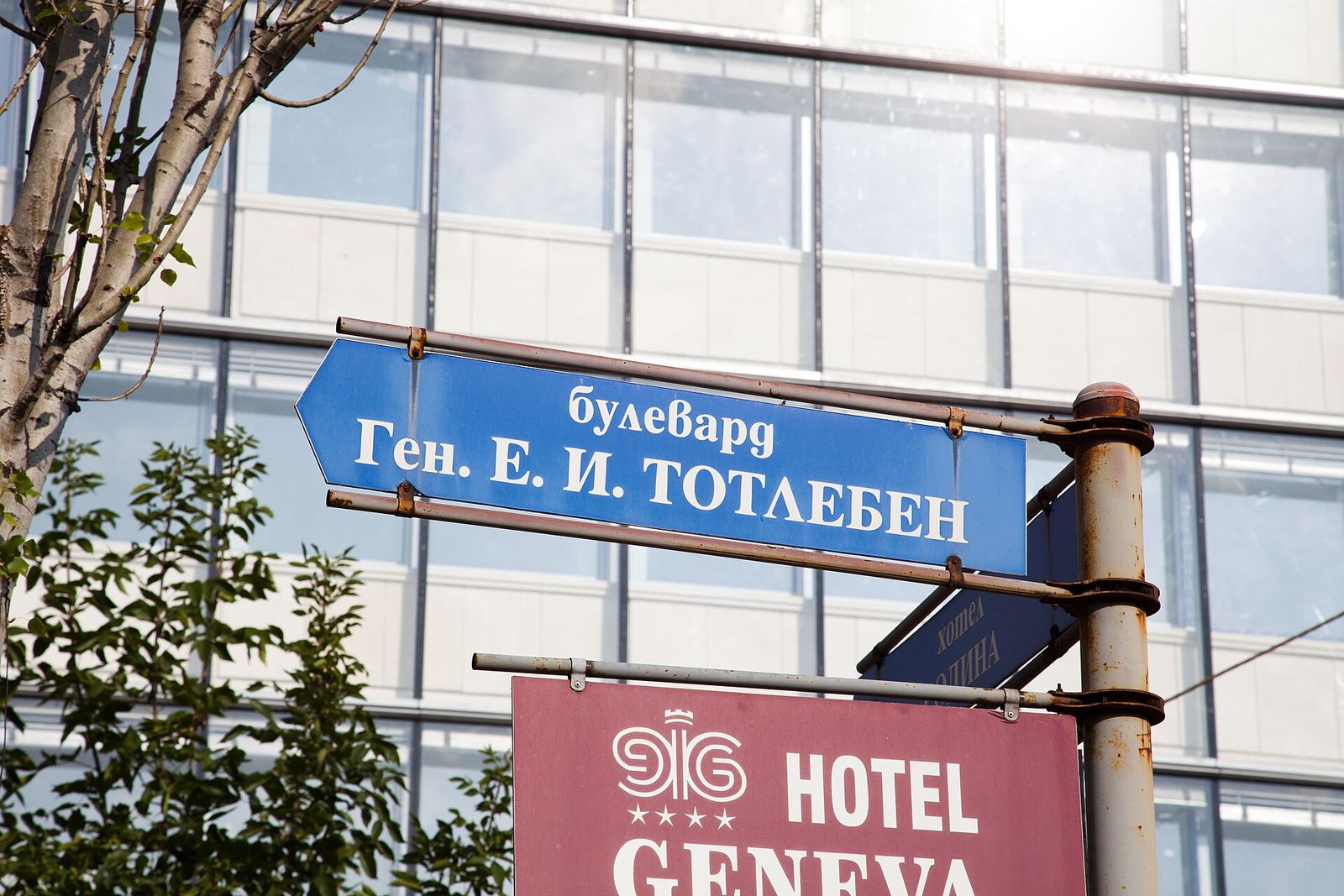
The Cyrillic Alphabet in Bulgaria
Cyrillic was born in Bulgaria. Here are its 30 letters, how to read a Sofia street sign, and what 24 May celebrates.
Read the guide