Sofia to Plovdiv: How to Get There and What to See in a Day
Plovdiv is known as one of the oldest cities in Europe: a Roman theater that still hosts concerts, a stadium under the main shopping street and an old town of painted 19th century houses, all 145 km east of Sofia. This guide covers the bus, the train and the drive, the last rides back, a timed one-day plan and the sights I'd pick.
Plovdiv at a glance
Plovdiv is Bulgaria's second largest city, with evidence of people living here for more than 6,000 years. It grew up on seven hills above the Maritsa River, and three of those hills make up the Old Town. In 2019 it was European Capital of Culture.
How to get from Sofia to Plovdiv
The bus is the most frequent option, the train is usually the cheapest, and a car is the fastest at about 1.5 hours.
Bus from Sofia to Plovdiv
The bus is how I'd go. Buses leave Sofia Central Bus Station, at 100 Knyaginya Maria Luiza Boulevard, about every hour, and the ride on the Trakia motorway takes about 2 hours. A one-way ticket costs about €7 to €8, and several companies run the route, so check the departure board for the next one.
Sofia's bus station sits next door to the train station, which has its own stop on the Sofia metro line 2. In Plovdiv the bus pulls into the city's main bus station, and from there you walk north to Tsentralen Square and the start of the pedestrian street.
Train from Sofia to Plovdiv
Bulgarian State Railways runs several trains a day from Sofia Central Station to Plovdiv Central Station. The ride takes about 3 hours, depending on the service, and a ticket costs about €4 to €8. Take one of the early trains if you want a full day on the ground.
I'd call the train the more scenic ride. Plovdiv's station is about a 10-minute walk south of the pedestrian zone, and the timetable for trains in Bulgaria is easiest to check on the railway's own site the day before.
Driving from Sofia to Plovdiv
The A1 Trakia motorway covers the 145 km from Sofia to Plovdiv, and the drive takes about 1.5 hours. Bulgarian motorways need an e-vignette, so check your rental car has one before you set off. A car is also the one way of getting around Bulgaria that lets you add Bachkovo Monastery to the day.
Do not drive into the Old Town. Its streets are narrow, one-way and mostly pedestrian, and the center has paid blue-zone parking. I'd park near the Maritsa River and walk up to the Old Town in 10 to 15 minutes.
| Option | Leaves from | Time | One way | Last ride back |
|---|---|---|---|---|
| Bus | Sofia Central Bus Station | About 2 hours | About €7 to €8 | Around 8 PM |
| Train | Sofia Central Station | About 3 hours | About €4 to €8 | About 8:30 PM to 9 PM |
| Car | Anywhere in Sofia, A1 motorway | About 1.5 hours | Fuel plus e-vignette | Whenever you like |
What to see in Plovdiv in one day
Plovdiv's center is compact, and the sights below are all within walking distance of each other. I've put them in the order I'd see them, starting from the pedestrian street and climbing into the Old Town.
Roman Stadium
The Roman Stadium is the first ancient site you meet, right under the main pedestrian street. It was built in the 2nd century for athletic games, ran about 240 m and seated around 30,000 people. Most of it still lies under the modern city.
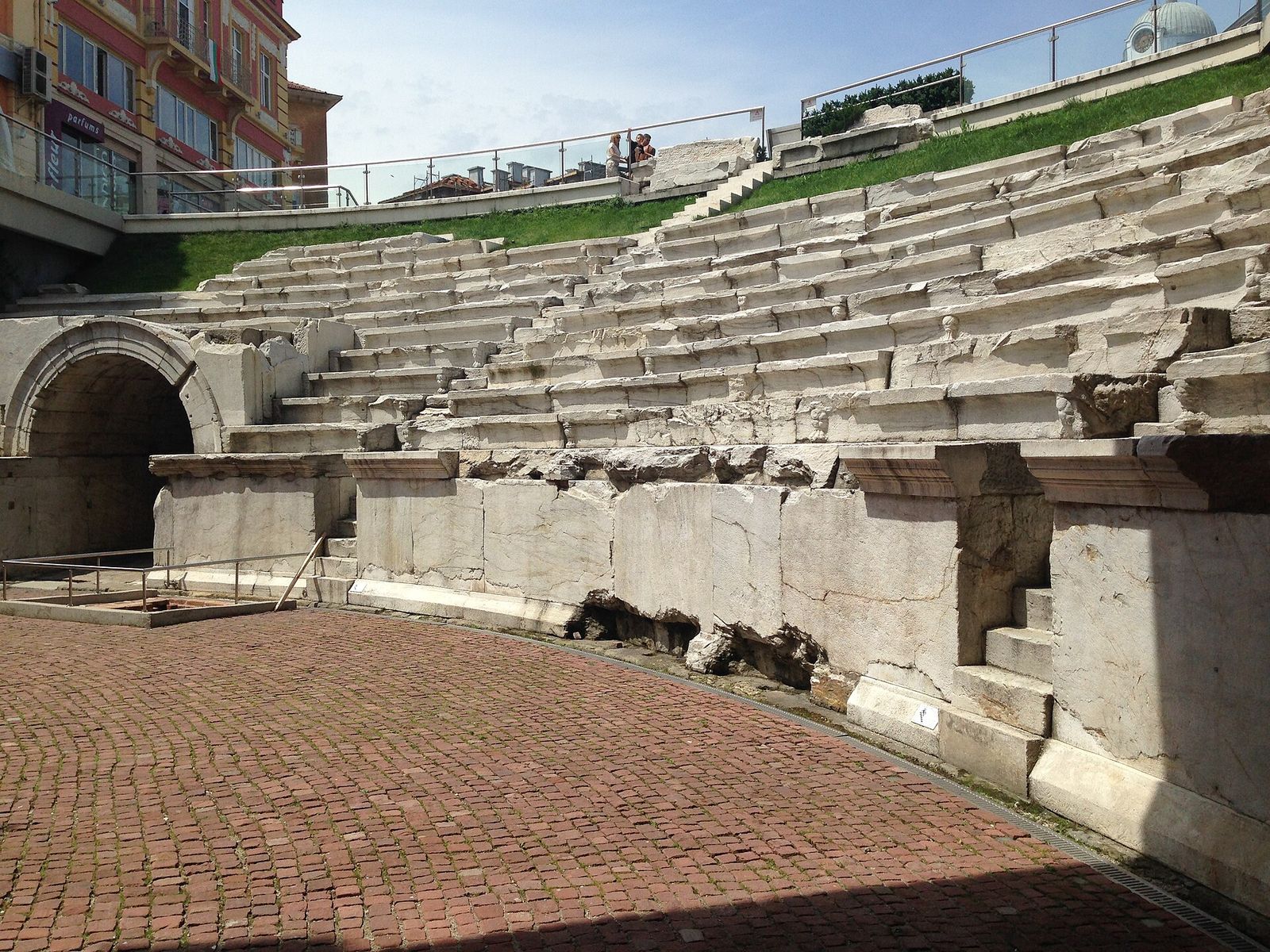
Its northern curve lies open below Dzhumaya Square, next to the mosque, and it is free to look at from the street.
Dzhumaya Mosque
Right above the stadium stands the Dzhumaya Mosque. It dates from the 15th century and is one of the oldest Ottoman buildings in Bulgaria, with a brick and stone hall and a patterned minaret.
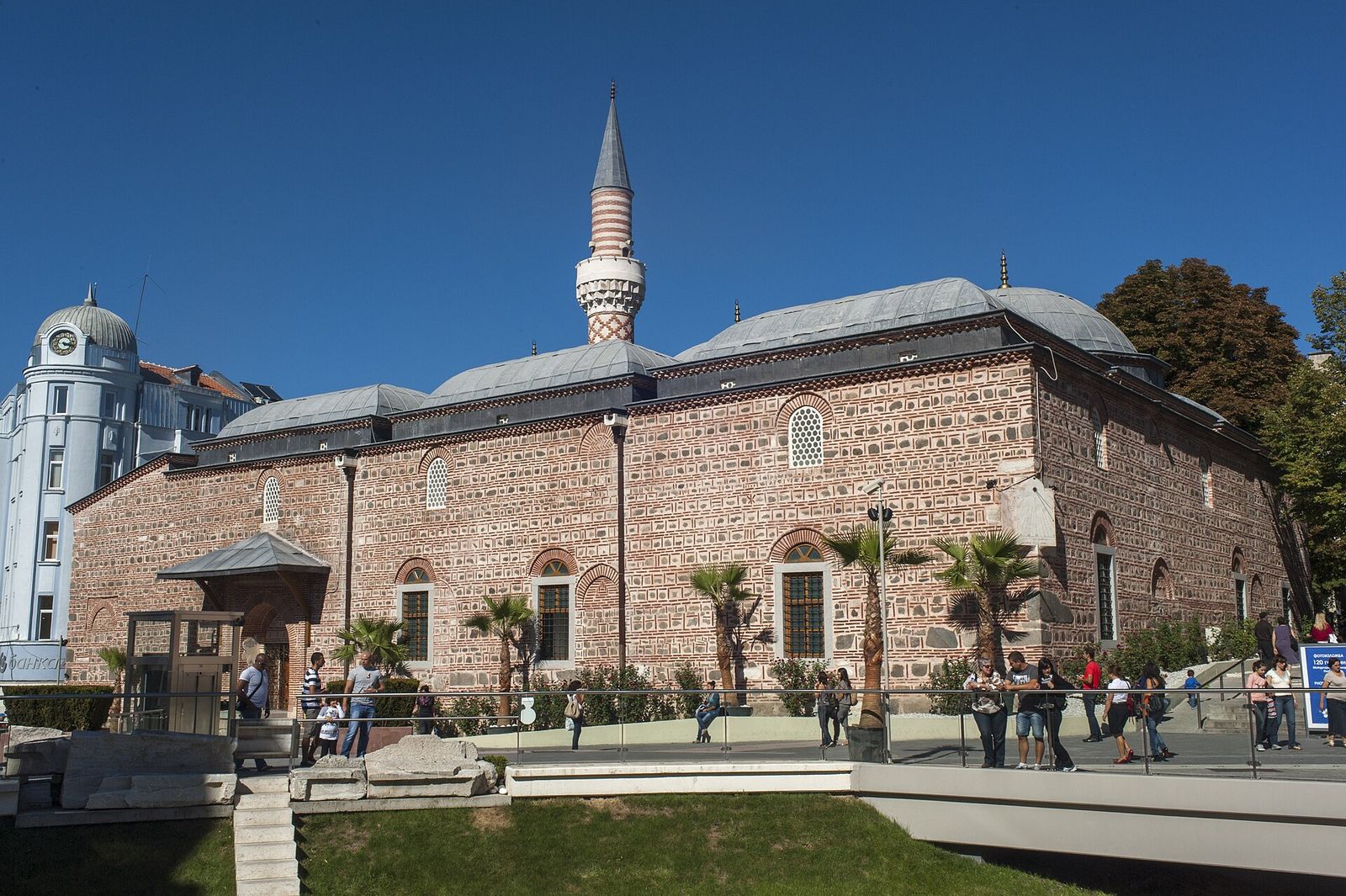
It is still a working mosque. Visitors can go in outside prayer times, with shoes off and shoulders covered.
The Old Town houses and the Ethnographic Museum
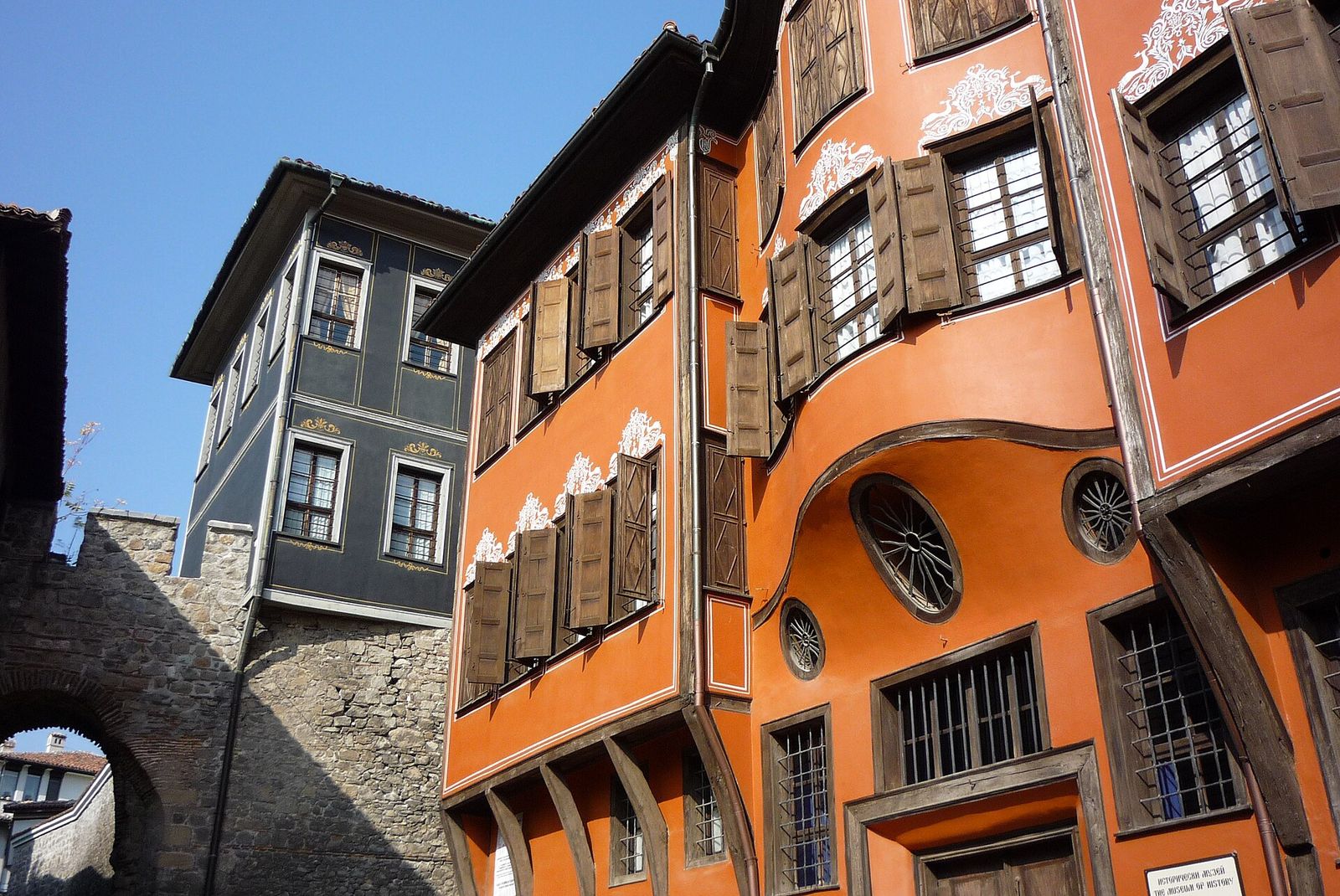
Plovdiv's Old Town spreads over Nebet Tepe, Taksim Tepe and Dzhambaz Tepe, and you climb into it from the mosque. Its streets are lined with National Revival mansions from the 1800s: upper floors that hang out over the cobbles, bay windows and fronts painted straight onto the plaster.
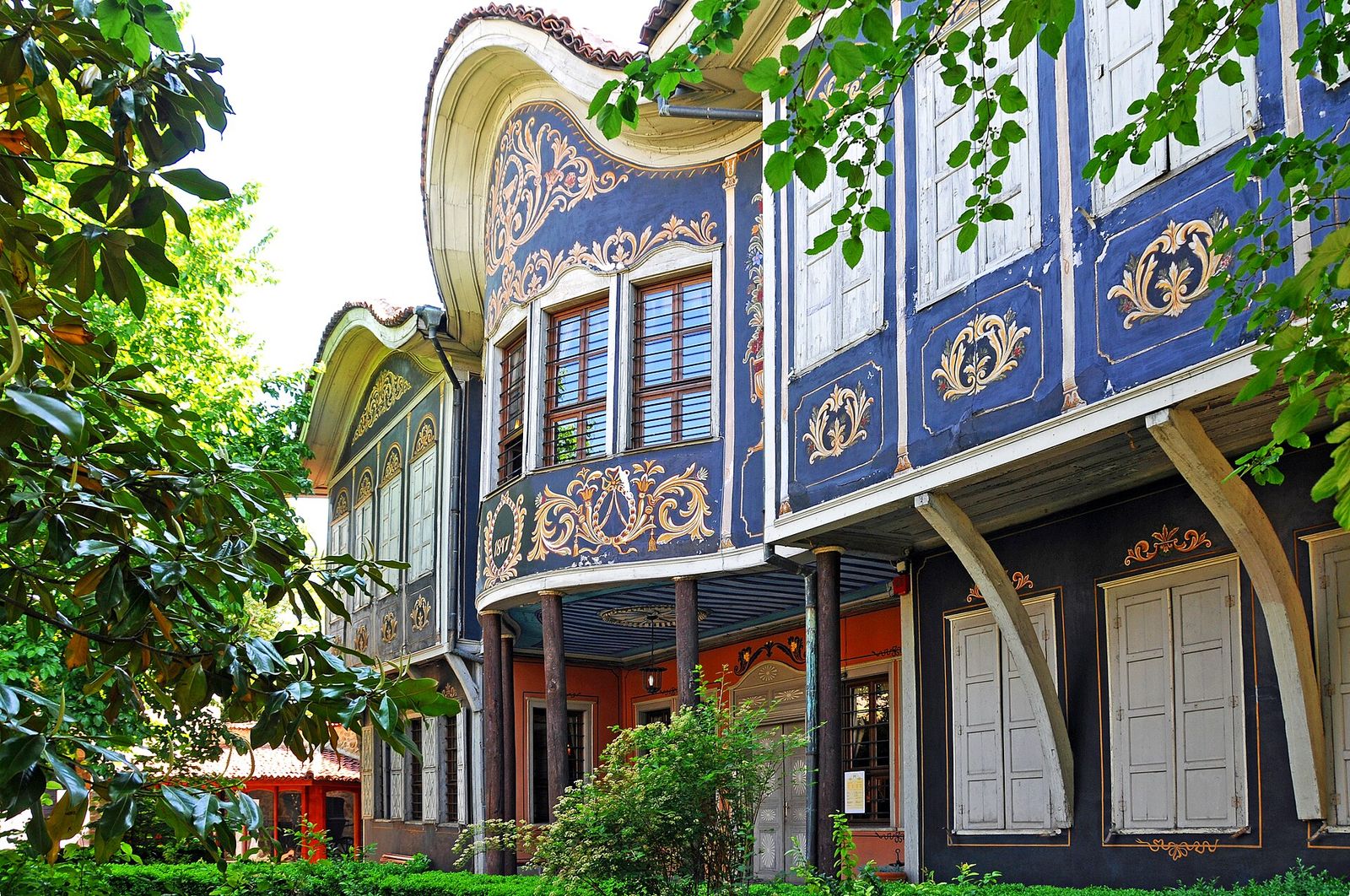
The Kuyumdzhiev House holds the Ethnographic Museum. Hindliyan House, built for an Armenian merchant, has wall paintings of European cities, and Balabanov House is now an art gallery. Most house museums open from 9 AM to 5:30 PM and charge about €2.50 to €3.50, and if I could only pick one, it would be Hindliyan.
Roman Theatre
The Ancient Theatre of Philippopolis is the sight Plovdiv is famous for. It was built in the time of Emperor Trajan, in the late 1st or early 2nd century, and lay buried and forgotten until a landslide uncovered its seats in the 1970s. Today it hosts opera and concerts in the summer.
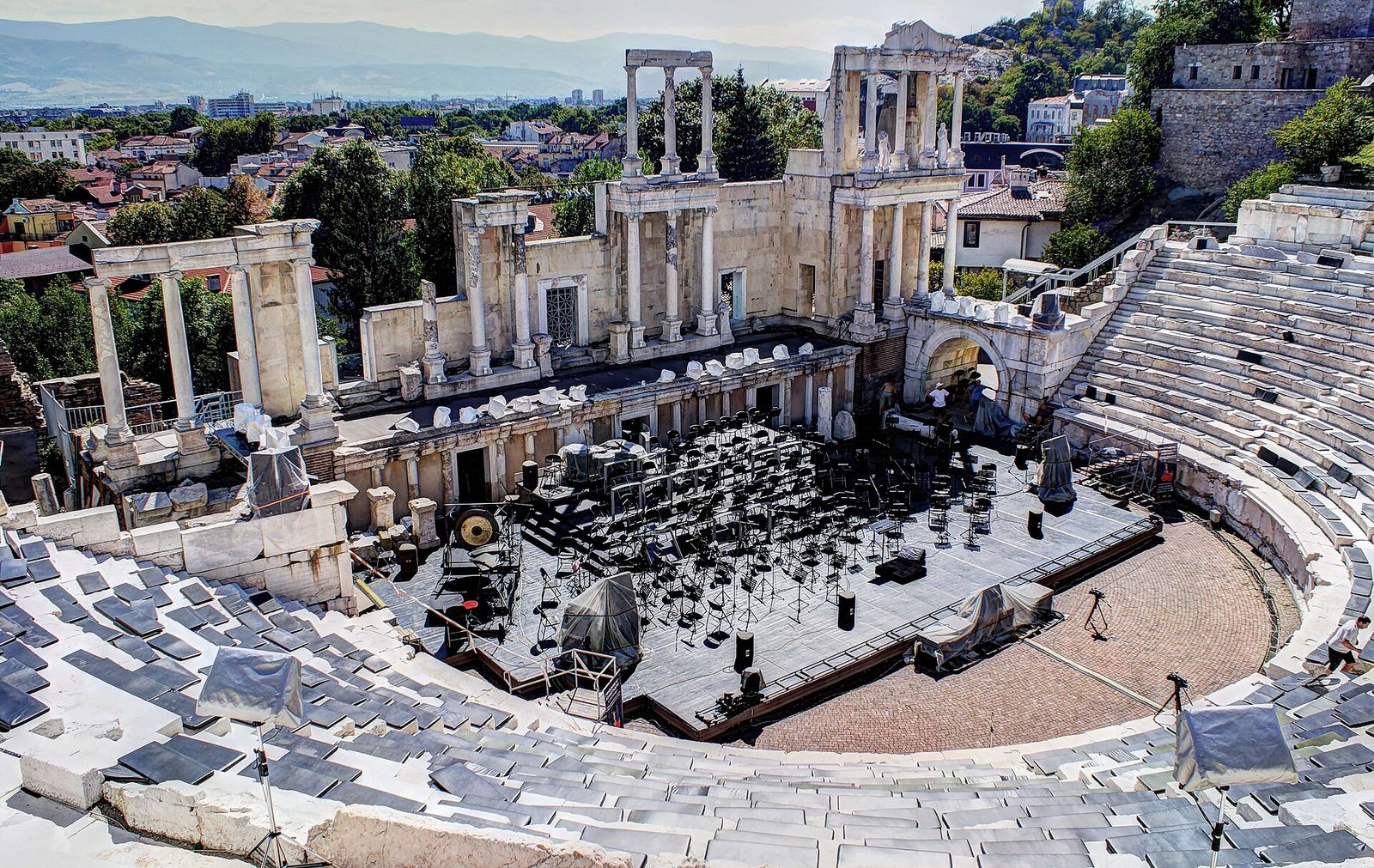
Opening hours are 9 AM to 6 PM, so it fits anywhere in the day, and I'd put it right after the house museums.
Bishop's Basilica
In 2021 the Bishop's Basilica of Philippopolis opened to visitors. It holds about 2,000 square meters of 4th century floor mosaics, and the bird mosaic is the one to find.
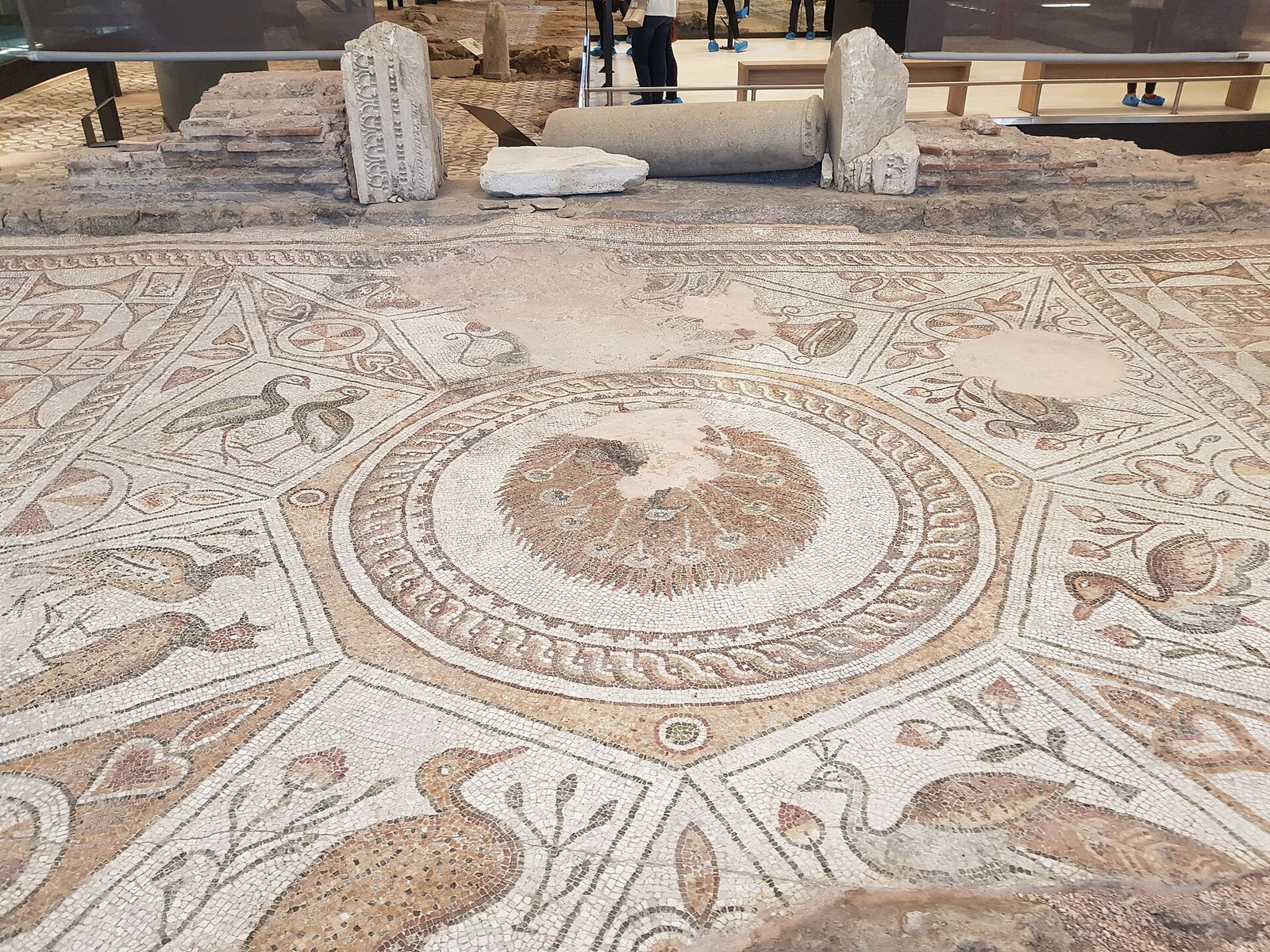
Entry costs about €5, and visits run on timed slots, so I'd book one the night before.
Kapana
Kapana means "the trap", after the maze of narrow streets in the old craftsmen's quarter. The streets still carry the names of the trades that worked them, and the old workshops now hold galleries, coffee bars and craft beer places.
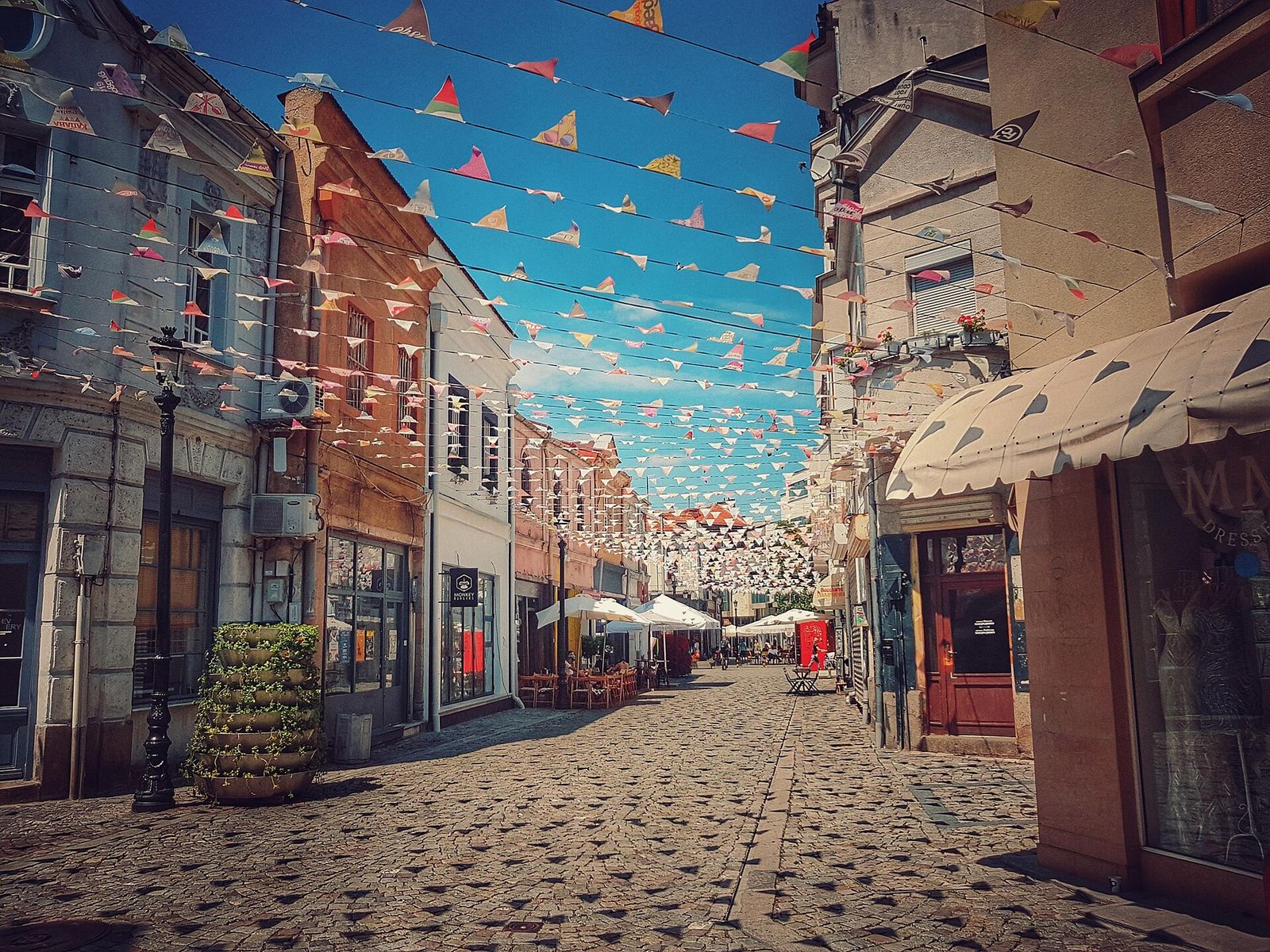
The quarter was renovated for the 2019 Capital of Culture year, and street art now covers many walls. It is about four blocks by four and takes under an hour on foot, which makes it the easy coffee stop of the afternoon.
Nebet Tepe
Nebet Tepe is the Old Town hill where I'd end a day in Plovdiv, for the free panoramic view over the city and its other hills.
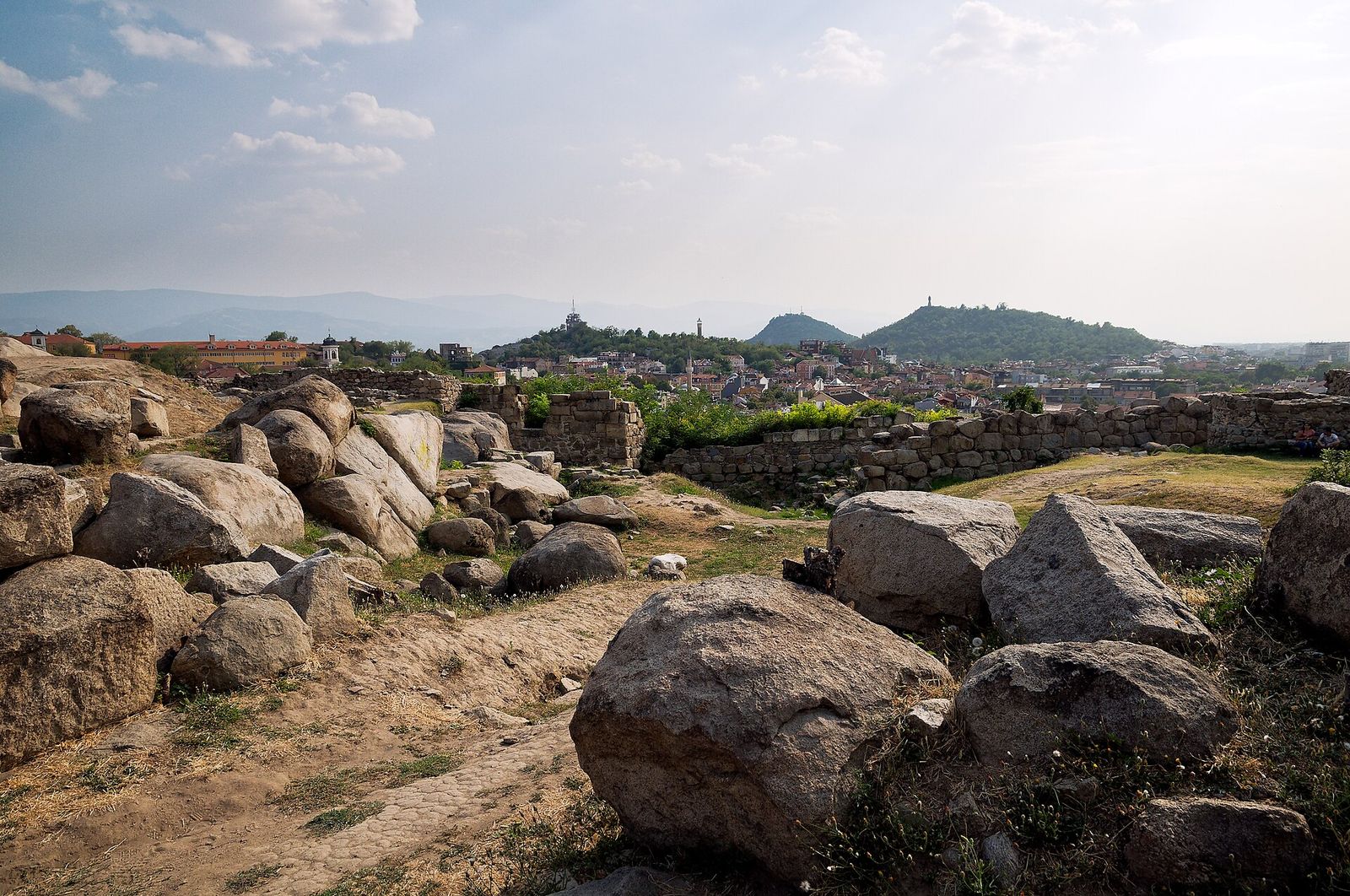
I'd climb up from Kapana in the late afternoon and leave enough time to walk back down to the bus station.
A one-day Plovdiv itinerary from Sofia
This is the day I'd plan with the 7:30 AM bus. It puts the Roman sites and the house museums in the morning and Kapana and the views in the afternoon.
| Time | Plan |
|---|---|
| 7:30 AM | Bus from Sofia Central Bus Station |
| 9:30 AM | Arrive, buy the return ticket, walk to Tsentralen Square |
| 10:00 AM | Breakfast from a kiosk, then the pedestrian street |
| 10:15 AM | Roman Stadium and Dzhumaya Mosque |
| 10:45 AM | Climb into the Old Town: Hindliyan House, the Ethnographic Museum |
| 12:00 PM | Roman Theatre |
| 1:30 PM | Lunch in the Old Town |
| 2:30 PM | Bishop's Basilica (timed slot booked the night before) |
| 4:00 PM | Kapana for coffee and the galleries |
| Before sunset | Nebet Tepe, then down to the bus station |
| About 8 PM | Last reliable bus back to Sofia |
Kiosks near Tsentralen Square sell banitsa, the flaky cheese pastry, and ayran, the salty yogurt drink, so breakfast takes five minutes. In winter, sunset comes early, so I'd swap the last two steps and see Nebet Tepe before Kapana. Plovdiv runs 3 to 5 degrees Celsius warmer than Sofia in summer, so in July carry water and plan the climbs for the morning.
Plovdiv tickets and prices
The best views, the stadium and the mosque cost nothing, and the house museums and the basilica charge a few euros each.
| Sight | Price | Notes |
|---|---|---|
| Roman Stadium | Free | Northern curve, next to the mosque |
| Dzhumaya Mosque | Free | Outside prayer times |
| Roman Theatre | Ticket | Open 9 AM to 6 PM; free views from above |
| House museums (Hindliyan, Ethnographic, Balabanov) | About €2.50 to €3.50 each | Most open 9 AM to 5:30 PM |
| Bishop's Basilica | About €5 | Timed slots, book ahead |
| Kapana and Nebet Tepe | Free | Best late in the day |
With a return bus at about €15, three house museums and the basilica, a DIY day costs about €30 before food and the theater ticket.
Half day or full day in Plovdiv?
A full day. The Old Town alone needs 2 to 3 hours, and with 4 hours on the road, a half day leaves you choosing between the Roman sites and the houses.
If you only have 4 to 5 hours on the ground, I'd do the stadium, the mosque, one house museum and the theater, and skip Kapana and the basilica. With a night, the things to do in Plovdiv easily fill two days.
Bachkovo Monastery by car
With a car, add Bachkovo Monastery, a half-day trip from Plovdiv and the second largest monastery in Bulgaria.
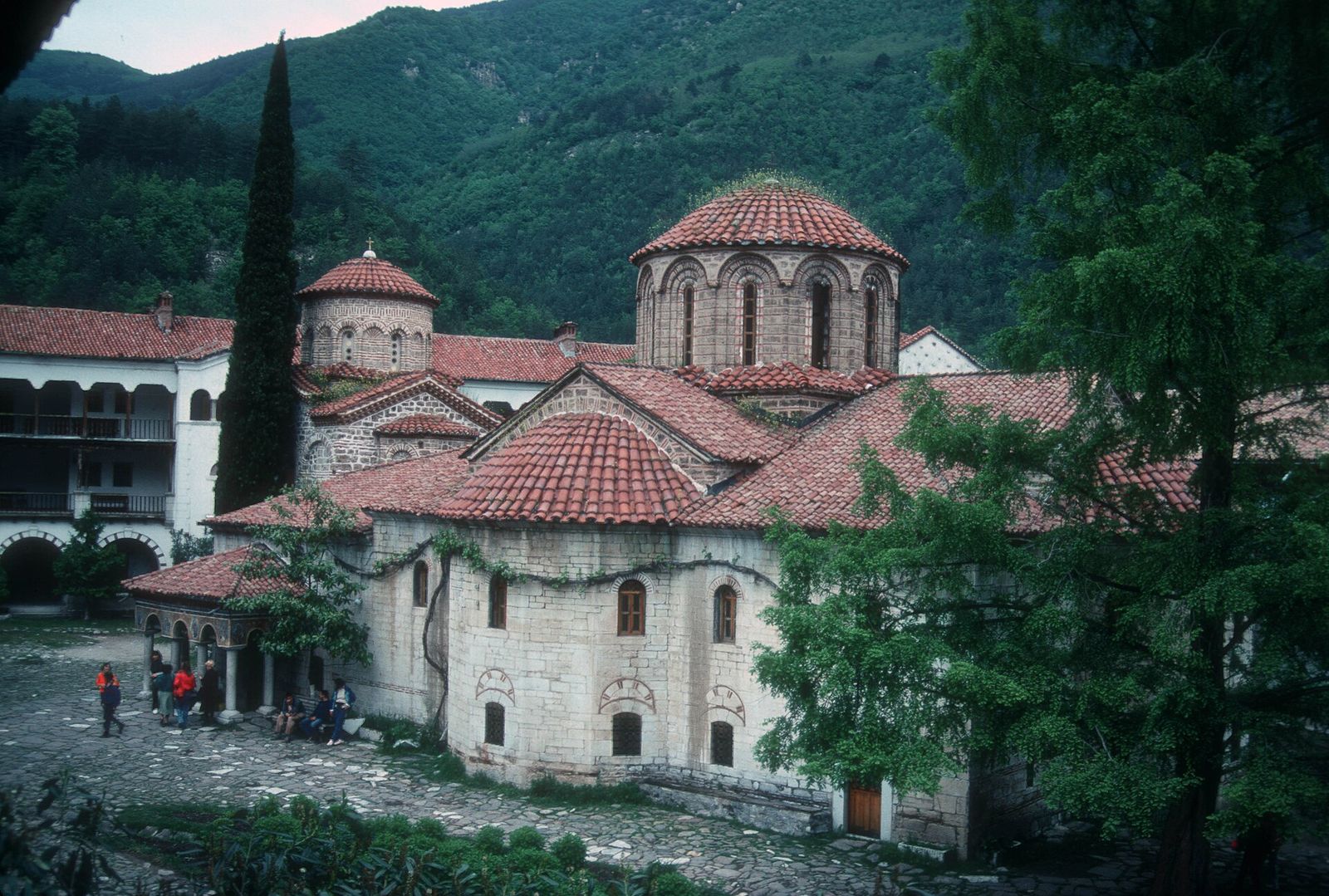
With Bachkovo in the day, I'd keep Plovdiv to the Old Town and the theater. If you only have room for one monastery from Sofia, Rila Monastery is the bigger and more famous of the two.
Plovdiv or Sofia?
They do different jobs, and I'd see both. Sofia is the capital, with the big museums, Alexander Nevsky Cathedral and a 2,290 m mountain right outside the city. Plovdiv is smaller and older, and its Roman theater, stadium and Revival houses are all a short walk apart.
If you have one spare day in Sofia, Plovdiv and Rila Monastery are the two best day trips from Sofia, and I'd pick Plovdiv for city walking and Rila for the mountains. On a longer Bulgaria itinerary, Plovdiv earns a night of its own.
Key takeaways
- The bus is the easy way: about hourly from Sofia Central Bus Station, about 2 hours and €7 to €8 each way.
- Buy the return ticket on arrival, because the last reliable bus back is around 8 PM.
- The Roman Stadium, the Roman Theatre views, Kapana and Nebet Tepe are free; house museums cost about €2.50 to €3.50 and the Bishop's Basilica about €5.
- Take the 7:30 AM bus and give Plovdiv the full day.
Frequently asked questions
How far is it from Sofia to Plovdiv?
Plovdiv is 145 km east of Sofia. That is about 1.5 hours by car on the A1 motorway, about 2 hours by bus and about 3 hours by train.
Is the bus or the train better from Sofia to Plovdiv?
The bus is faster and runs about every hour from Sofia Central Bus Station, at about €7 to €8. The train is usually cheaper, at about €4 to €8, but slower and less frequent, so I'd take the bus there and keep the train as a backup for the evening.
How much is the bus from Sofia to Plovdiv?
A one-way ticket costs about €7 to €8, so a return day is about €15. Buy the return leg when you arrive, because Friday and Sunday evening buses sell out.
Can you do Plovdiv as a day trip from Sofia?
Yes, and it is one of the easiest day trips from Sofia. With the 7:30 AM bus you arrive by 9:30 AM and can see the main sights before the last reliable bus back at around 8 PM.
Is Plovdiv worth visiting?
Yes. It has a Roman theater still in use, a Roman stadium under the main street, a 15th century mosque and a hilltop old town of painted Revival houses, all within walking distance.
What is better, Plovdiv or Sofia?
They suit different days. Sofia has the big museums and Vitosha Mountain, while Plovdiv is smaller, older and better for a day of walking between Roman ruins and old houses.
Where can you go by train from Sofia?
Plovdiv is the easiest train day trip from Sofia, with several trains a day from Central Station. Koprivshtitsa and Veliko Tarnovo are also on the rail network, but the Veliko Tarnovo train takes about 4 hours each way.
How long do you need in Plovdiv?
Plan a full day, since the Old Town houses fill a morning on their own and even a half day needs 4 to 5 hours on the ground. With two days you can add Bachkovo Monastery or a night out in Kapana.
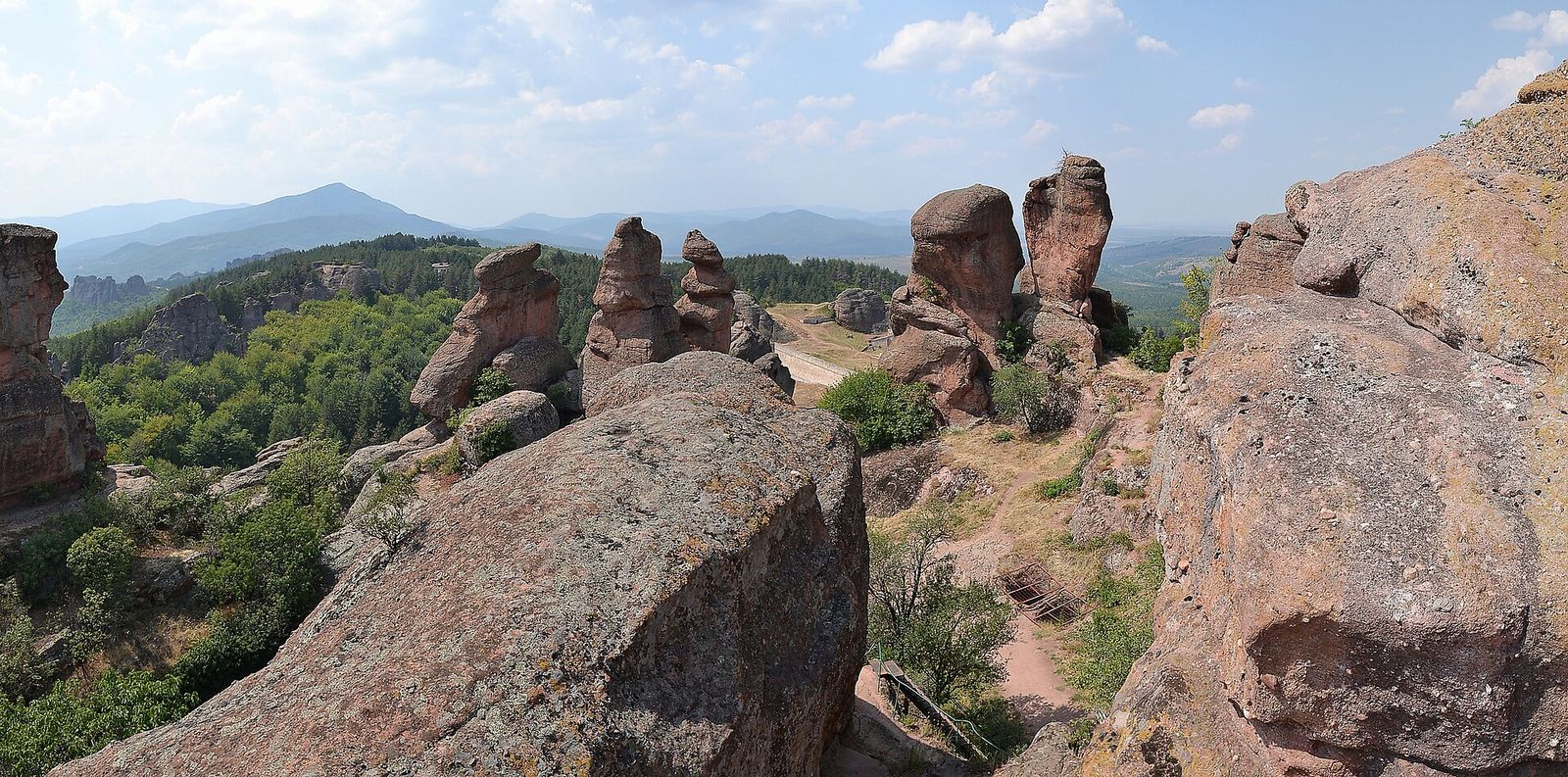
12 Best Day Trips from Sofia by Bus, Train and Car
Bulgaria's top monastery, oldest city and highest peak are a day out of Sofia. The 12 trips I'd pick and how to go.
Read the guide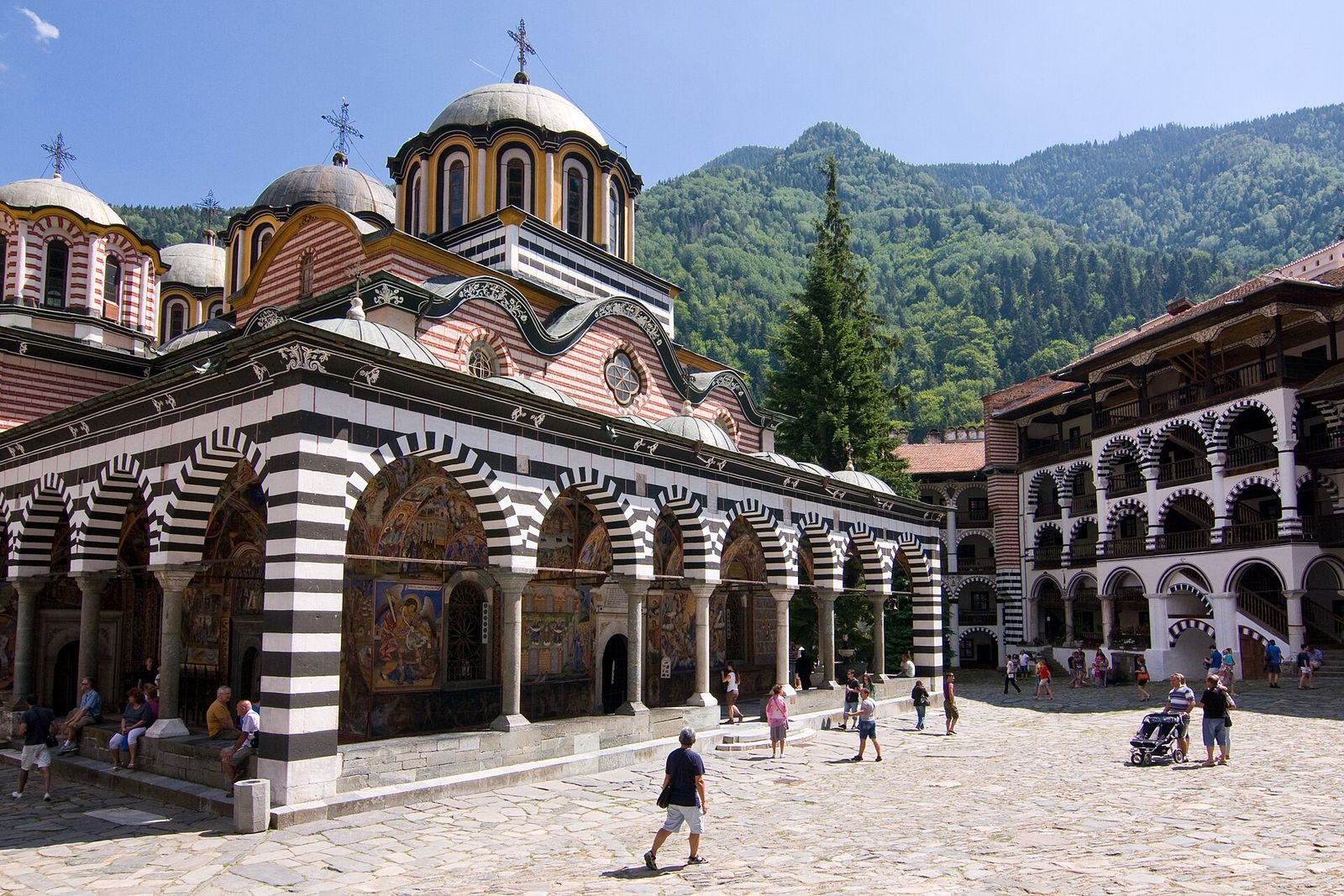
Rila Monastery from Sofia: How to Get There and What to See
Bulgaria's biggest monastery sits two hours from Sofia. How to reach it in 2026, what is free and what to see.
Read the guide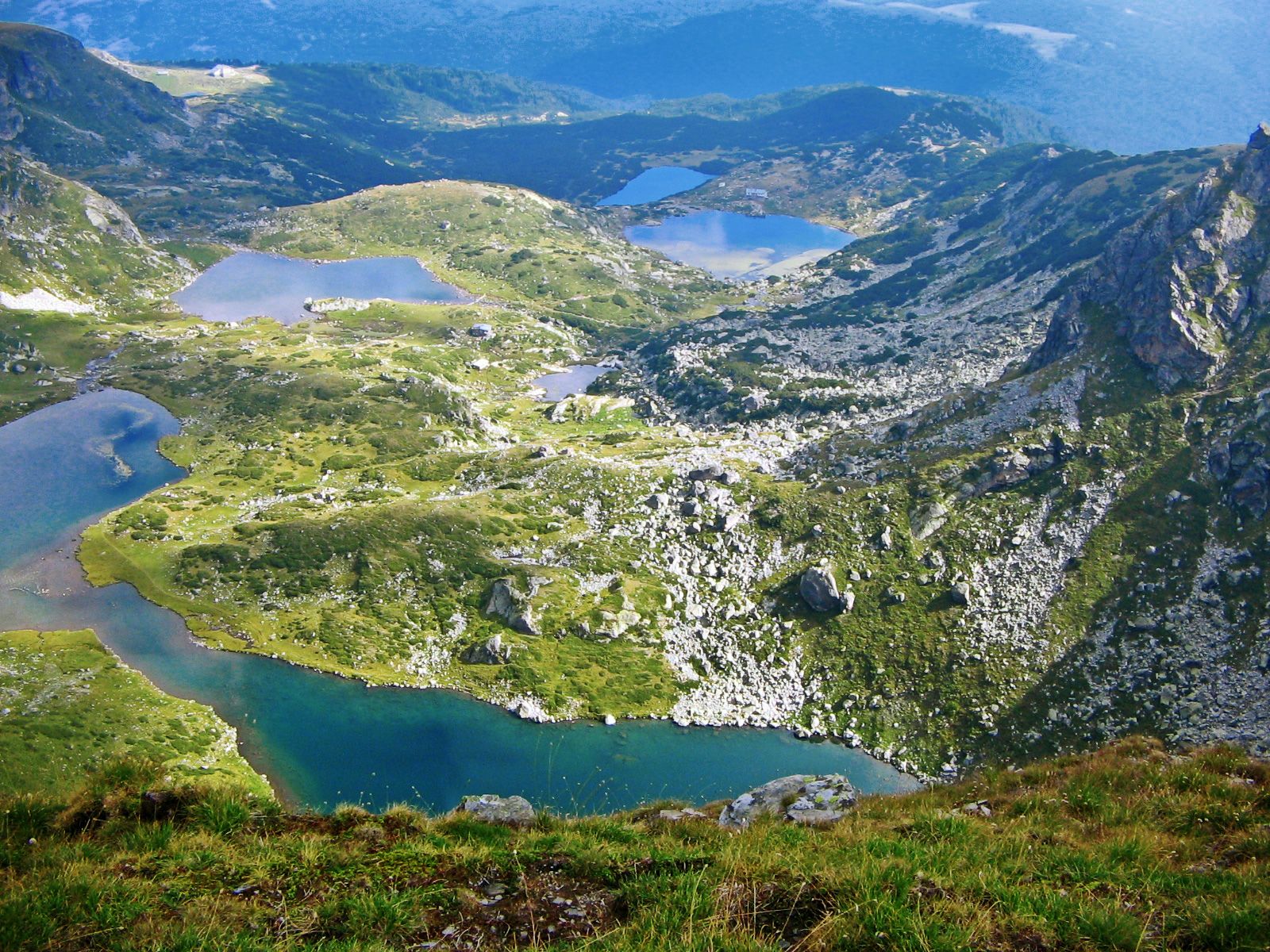
Seven Rila Lakes: How to Get There from Sofia and Hike the Loop
Bulgaria's most visited natural site is 90 km from Sofia. Here is how to reach the lakes and walk the loop.
Read the guide