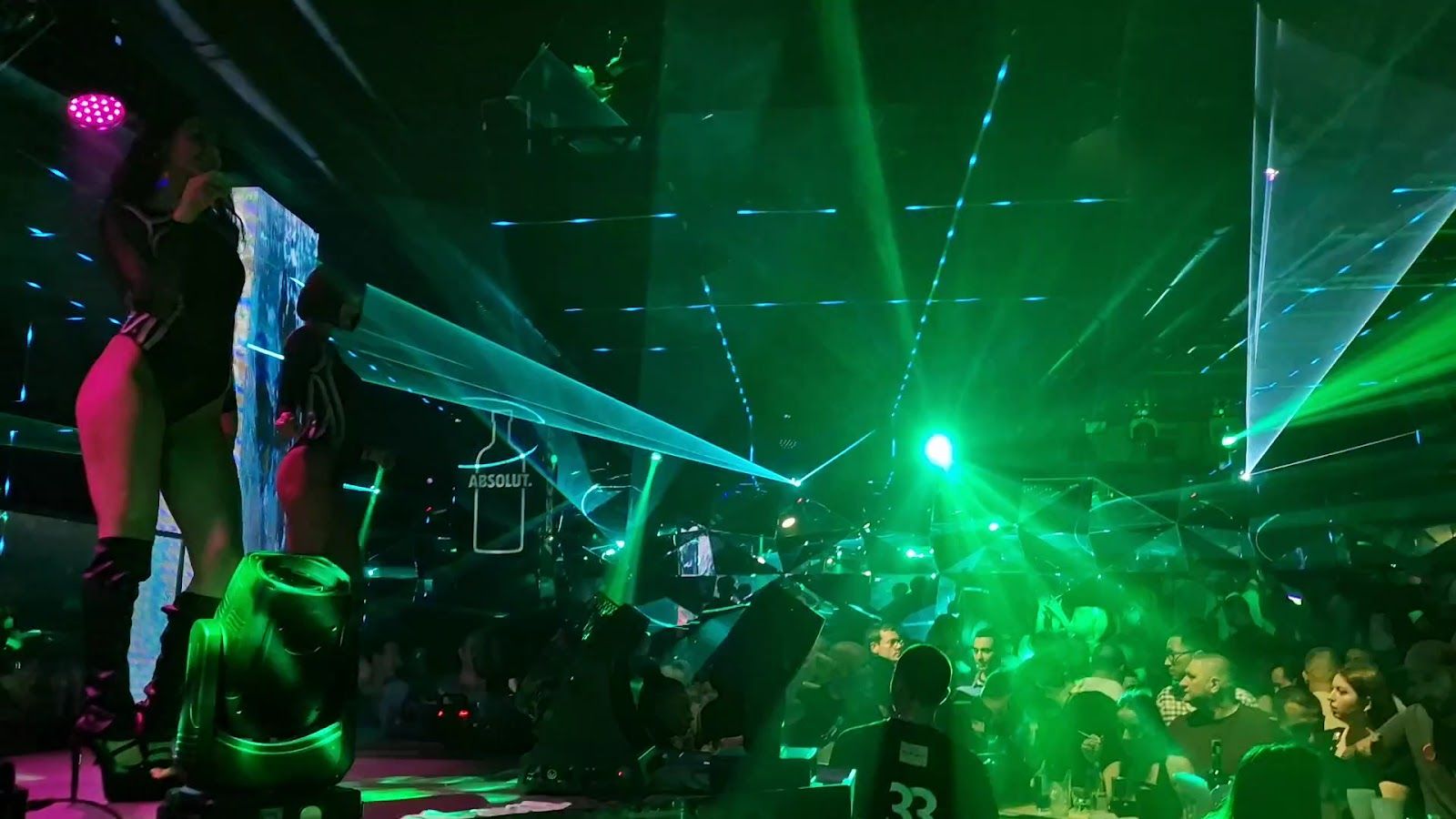
Chalga Clubs in Sofia: Where to Go and What to Expect
Chalga is Bulgaria's pop-folk, the most popular music in the country and the soundtrack of its loudest club nights. In Sofia it lives in Studentski Grad, the student town southeast of the center. This guide covers what chalga is, the clubs I would send a visitor to, what a night costs, what to wear and how to get back to the center at 4 AM.
What chalga is
Chalga is a genre of Bulgarian pop music, also called pop-folk. It is dance music built on folk melodies, with influences from Greek, Serbian, Turkish, Romani and Arabic music, and it is the most popular music in Bulgaria. The name comes from the Turkish word çalgı, which means musical instrument.
The sound you hear in the clubs today took off after 1989, when broadcasting restrictions were lifted. The early songs leaned on the zurna, the clarinet, the accordion and the bouzouki. Modern chalga relies on synthesizers and borrows from house, hip-hop, R&B and trap, while keeping the asymmetric Bulgarian rhythms and wedding-band melodies underneath.
Record labels such as Payner Music and ARA Music built the industry, each with its own TV channel. The genre splits the country. Critics attack its lyrics for sexism, and chalga fans and metal fans have a running rivalry.
The older village tradition of gaida bagpipes and dances in 7/8 is a different sound, and Bulgarian folk music still plays live at Hadjidraganov's Cellars in the center from Wednesday to Sunday evenings.
The chalga singers you will hear
Azis, who came to fame in the 2000s, is the singer many Bulgarians call the King of Chalga. Desi Slava, Ivana, Tsvetelina, Kamelia and Sashka Vaseva are among the later stars, after a first wave in the 1990s that brought Toni Dacheva, Gloria, Sasho Roman and the Kristal orchestra.
The 1990s songs were about fast money and cars, the 2000s moved to clubs and luxury, the 2010s turned to toxic love, and the songs of the 2020s lean toward regret. You do not need to understand a word to enjoy the night, because the chorus and the dancing do the work.
Studentski Grad, the home of Sofia's chalga clubs
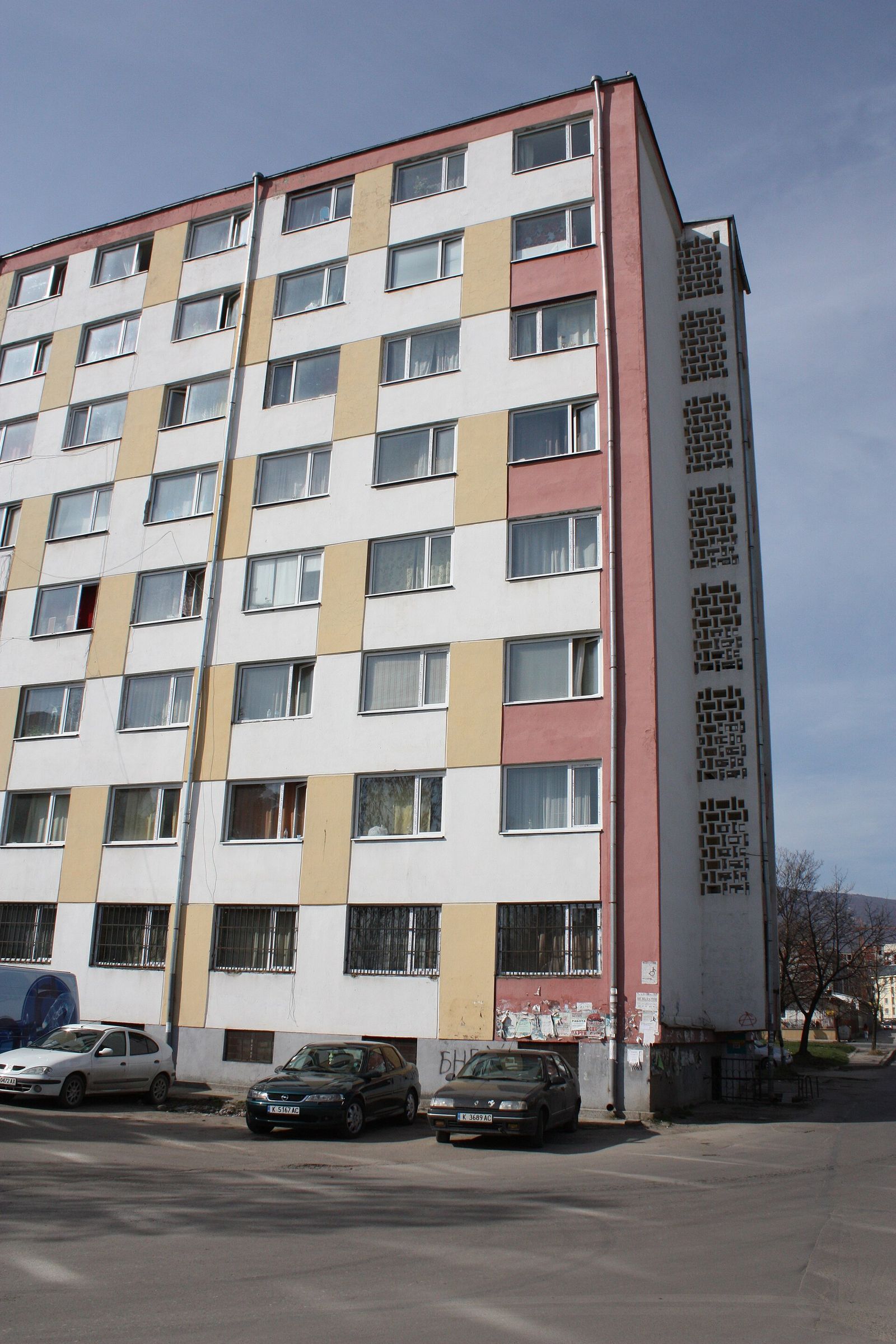
Studentski Grad, the student town, is a district of university dorms about 7 km southeast of the center. It houses students from Sofia's 25 universities, and at night its clubs fill with a crowd that is younger and more local than in the center.
The clubs sit close together on 8 Dekemvri Street, Akademik Boris Stefanov Street and Atanas Manchev Street, so you can walk between them in minutes. Club 33 and Plazza face each other on Atanas Manchev Street. Drinks cost less than in the center, with a beer at about €2 to €3 and cocktails at about €4 to €6.
Which club is hot changes from month to month, so I'd ask at your hostel or hotel which one is busiest that week. The central clubs book house, techno and hip-hop, while Studentski Grad is where you go for the pop-folk night, and Sofia's best clubs split along those same lines.
The best chalga clubs in Sofia
These are the three clubs I would pick, in the order I would try them on a first visit.
Club 33
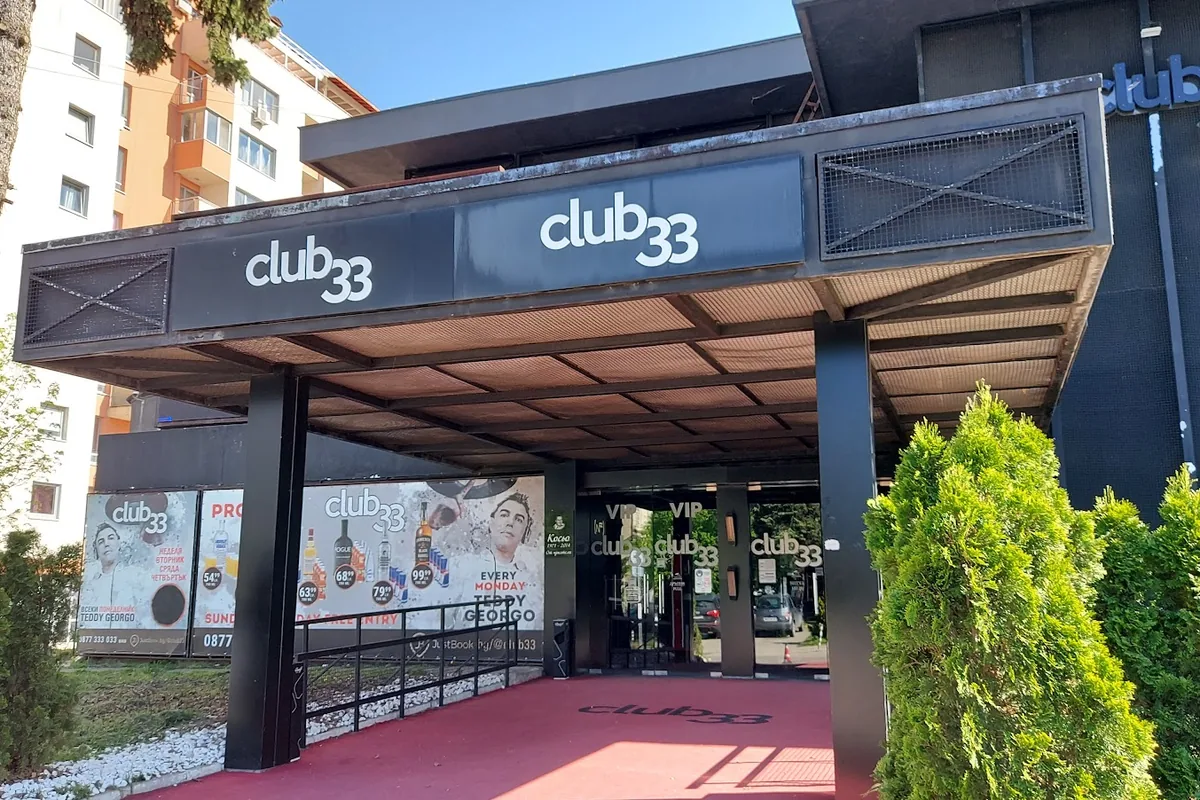
Club 33 is the club for a first chalga night. It is the most local and the most authentic of the three, with chalga at full volume, rakia on the tables and shisha pipes going. Entry is free or about €2.50, and beers start at about €1.50.
There are often live performances, and the room gets chaotic after 1 AM.
Plazza Dance Center
Plazza, across the street from Club 33, is the bigger and more polished option. It has two halls: one plays pop-folk with live DJs, and the other plays disco and dance hits. That split makes it the best pick for a mixed group where half of you want chalga and the other half want songs they know.
It costs more than the other clubs in Studentski Grad and is at its best at the weekend.
Club Eleven
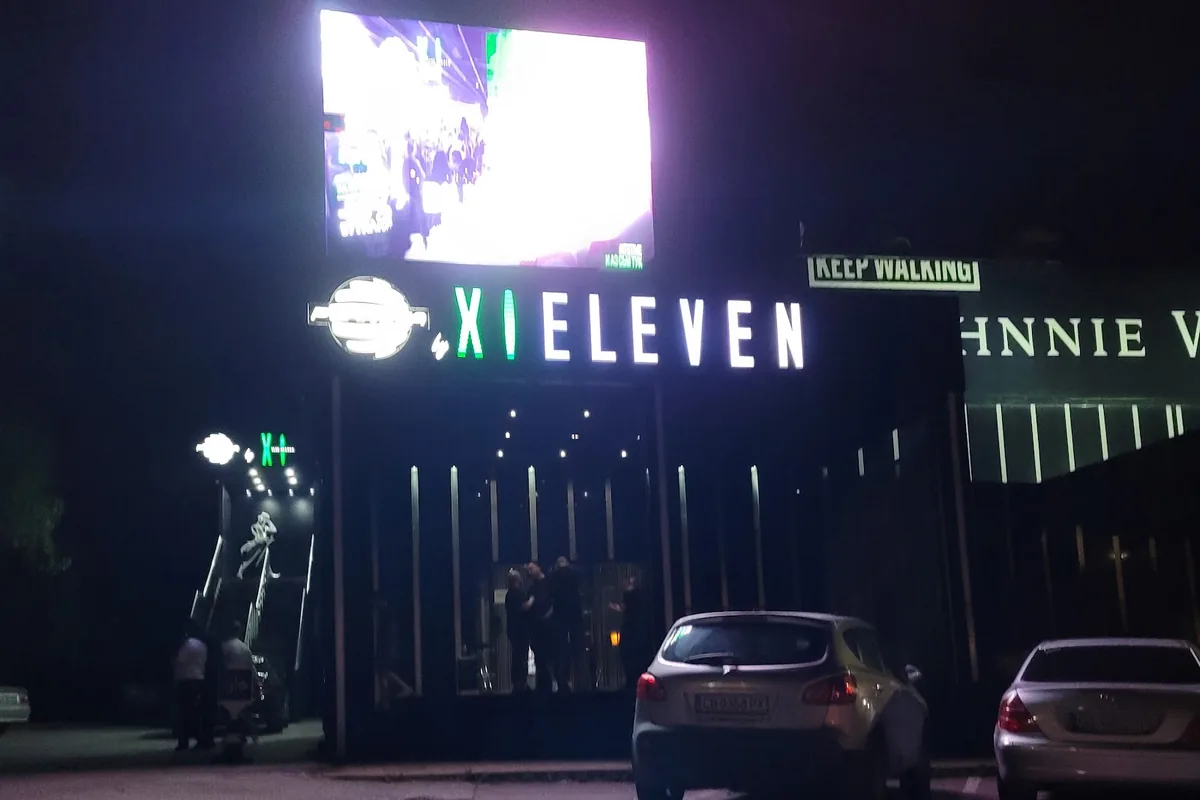
Club Eleven draws the youngest crowd of the three, mostly 18 to 25. It is known for cheap shot specials and regular live performances by popular Bulgarian singers, so you have a good chance of hearing a chalga hit sung by the person who recorded it.
I'd go to Club Eleven if you are in your twenties and want a student night. If you are older, Club 33 or Plazza will feel more comfortable.
How the three compare
| Club | Crowd | Music | Price | Best for |
|---|---|---|---|---|
| Club 33 | Mostly local | Chalga, live singers | Entry free to about €2.50 | A first chalga night |
| Plazza Dance Center | Polished, mixed | Pop-folk hall and disco hall | Pricier than its neighbors | Mixed groups |
| Club Eleven | Students, 18 to 25 | Chalga, live performances | Cheap shot specials | A student night out |
What happens on a chalga night
A chalga club runs on tables. Groups of friends book a table, dress to be seen, order bottles and spend the night around it.
Many nights have a live singer, and the songs everyone knows get the biggest reaction. Tipping the singer is part of the show, and so is showing off at the table with bottles and big rounds.
Watch for the kyuchek, the hip-led dance of chalga nights. You do not need to know the steps, and plenty of people just move to the beat.
People drink rakia and beer, and many clubs have shisha. Smoking rules vary from club to club, so check the air before you settle in if smoke bothers you.
My advice for a first visit is to watch for an hour before you join in. See how the regulars order, tip and dance, then copy them.
What a chalga night costs
Bulgaria switched its money to the euro on 1 January 2026 at a fixed 1.95583 leva to the euro, so halve any old leva price you still see for a rough figure.
| Item | Typical price |
|---|---|
| Entry at Club 33 | Free to about €2.50 |
| Entry at other chalga clubs | About €5 to €10 |
| Beer | About €1.50 to €3 |
| Cocktail | About €4 to €6 |
| Cloakroom | About €0.50 |
| Kebab after the club | About €1.50 to €4 |
| Taxi back to the center | About €8 to €12 |
A table with bottles costs far more than drinks at the bar, so ask the price of the bottle and any minimum spend before you sit down. At the bar, pay for each round as you order it and round up or leave the small change, in coins bigger than 1 and 2 cents, which is the usual rule for tipping in Bulgaria.
Dress code, ID and the door
Dress sharper for a chalga club than for a bar in the center. Chalga nights are about being seen, and the bigger clubs in Studentski Grad enforce a smart dress code. For men, that means a collared shirt and closed shoes, with no sportswear and no shorts.
Bulgarian law requires you to carry ID, the drinking age is 18, and the door can ask anyone. Bring your passport or ID card itself, since a photo on your phone may not get you in. A student card often gets you in free, so bring it if you have one.
Getting to Studentski Grad and back
A taxi from the center takes 15 to 20 minutes depending on traffic. Uber does not run in Sofia, so use the TaxiMe or Yellow! app, or one of the licensed taxis in Sofia with its tariff on a sticker in the window. Buses 94, 102 and 280 also link Studentski Grad with the center.
Coming back, a taxi costs about €8 to €12. The cheap option is the N2 night bus, which leaves Knyaz Alexander I Square on the hour from midnight to 4 AM, reaches Studentski Grad in about 30 minutes and heads back to the center at half past each hour. The last one back leaves at 03:30, which is early for a chalga night.
I would not stay in Studentski Grad for a chalga night. The sights are a long way from the dorms, and the best area to stay in Sofia for a weekend of nights out is around Vitosha Boulevard, so book a bed in the center and ride out. A good weekend plan is Friday in the center, on your own or with The Original Sofia Pub Crawl, and Saturday in Studentski Grad.
Mandzha Street after the club
When the clubs empty, the crowd heads for Mandzha Street, the unofficial name for the row of food stalls by the clubs. The stalls sell kebabs, burgers and fries, and I'd eat there before ordering the taxi home.
In the center, the late-night street food in Sofia runs to kebabs, gyros and pizza slices.
Are chalga clubs safe?
Yes. Studentski Grad is busy at club hours, and the people you will meet are mostly students and groups of friends on a night out.
Go with at least one friend, keep your drink in your hand, agree any table or bottle price before it arrives, and order your taxi through an app. The crime that touches visitors in Sofia is mostly petty, which is why I'd call Sofia safe at night as long as you watch your bag in a crowd.
Who a chalga night suits
- Curious first-timers. If you want one night that you could only have in Bulgaria, this is it.
- Groups of friends. You book a table together and split the bottles.
- Stag and hen groups. The prices, the shots and the volume suit a big group, and Studentski Grad is used to them.
- Students and backpackers. Beers cost under €3, so a big night stays cheap.
- People who like to dance more than talk. The music is too loud for conversation from midnight on.
Skip it if:
- You want house, techno or hip-hop. The central clubs do those better.
- You are traveling alone and do not know anyone in Sofia. A chalga club is a group night, and making friends in Sofia first makes it a lot more fun.
- You would rather hear a band. Sofia's live music scene, from jazz clubs to rock bars, is in the center.
For the rest of Sofia's nightlife, from candlelit bars to rooftops, the center has the better spread, and a taxi gets you between the two in about 15 minutes.
Key takeaways
- Chalga is Bulgarian pop-folk, the most popular music in the country, and its clubs are in Studentski Grad.
- Club 33 is the easiest first chalga club; Plazza suits mixed groups and Club Eleven a student crowd.
- Entry runs from free to about €10, beers about €1.50 to €3, and a taxi back costs about €8 to €12.
- Dress sharp, bring a physical ID and cash, and arrive around midnight.
- Plan the ride home: TaxiMe, a licensed taxi, or the N2 night bus until 03:30.
Frequently asked questions
What is a chalga club?
A chalga club is a nightclub that plays chalga, Bulgarian pop-folk, often with live singers. Bulgarians call them diskoteka, and the night runs around tables, bottles and the songs everyone knows by heart.
Where are the chalga clubs in Sofia?
Most chalga clubs are in Studentski Grad, the student town about 7 km southeast of the center. The main ones sit on 8 Dekemvri, Akademik Boris Stefanov and Atanas Manchev streets, within a short walk of each other.
What is the best chalga club in Sofia?
Club 33 is the best chalga club for a first visit, with free or cheap entry, live performances and a very local crowd. Plazza Dance Center is the bigger option with a second hall for disco, and Club Eleven suits students.
How much does a chalga club in Sofia cost?
Entry runs from free at Club 33 to about €10 at the bigger clubs, and a beer costs about €1.50 to €3. A table with bottles costs much more, so ask the price first.
What should I wear to a chalga club?
Dress sharp. Men should wear a collared shirt and closed shoes, with no sportswear or shorts, and everyone tends to dress up. Chalga clubs are stricter at the door than most bars in the center.
Are chalga clubs safe for tourists?
Yes. Go with friends, keep an eye on your drink, agree table prices before ordering, and get home with TaxiMe or a licensed taxi.
What does chalga mean?
The word chalga comes from the Turkish çalgı, which means musical instrument. Today it means Bulgarian pop-folk, the mix of folk melodies, Balkan and Middle Eastern rhythms and dance-pop that plays in the clubs.
Sofia Nightlife Guide: The Best Things to Do at Night
Sofia goes out late and cheaply. Here are the 12 best things to do at night, what a night costs and how to get home.
Read the guide
The Best Clubs in Sofia: 10 Nightclubs by Music and Price
Sofia clubs open late and cost little. These are the 10 I rate, by music, with entry prices, door rules and hours.
Read the guide
Live Music and Jazz in Sofia: The Best Venues and Bars
Sofia hides its bands in basements and underpasses. Here are the jazz clubs, rock bars and stages worth a night out.
Read the guide