Rakia: Bulgaria's Fruit Brandy
Rakia is the drink a Bulgarian host pours before anything else: a fruit brandy, usually made from grapes or plums, around 40% in the shop and stronger when a family distills it at home. Here is what it tastes like, the types worth trying, how it is made and drunk, and where I'd order a glass in Sofia or buy a bottle to take home.
What is rakia?
Rakia is a fruit brandy, made by fermenting fruit and distilling it. It is drunk across the Balkans, and Bulgaria, Serbia and Croatia each call it their national drink. The word itself has Arabic roots, and the drink has been in Bulgaria for centuries.
In Bulgaria, rakia is the drink of hospitality and the first of the Bulgarian drinks a guest gets offered. It is the welcome glass at someone's home and the opener at a restaurant dinner. Plenty of families still make their own every autumn, and a recycled bottle of homemade rakia is one of the most sincere gifts a Bulgarian can give you.
What does rakia taste like?
The first thing you taste is strong alcohol, and then the fruit comes through, followed by a warm finish. How much fruit you get depends on what it was made from. Grape rakia is the driest and most aromatic, plum rakia is rounder and slightly sweet, and apricot rakia is light and floral, which makes it the easiest start for a first-timer.
Most rakia is clear. Some is aged in oak barrels for months or years, which turns it amber or gold and adds vanilla, caramel and wood. Temperature changes the taste too: rakia served cold, from the fridge or the freezer, is smooth and aromatic, while warm rakia is harsh and fumy.
Types of Bulgarian rakia
Almost any orchard fruit can become rakia, but a handful of types make up most of what you will see in Bulgaria.
| Type | Made from | Where it is famous | What it is like |
|---|---|---|---|
| Grozdova | Grapes | Across Bulgaria | Dry and aromatic, the most common type |
| Slivova | Plums | Troyan, Teteven and Tryavna in the Balkan Mountains | Rounder, slightly sweet |
| Kaysieva | Apricots | Silistra, in the northeast | Light and floral |
| Krusheva | Pears | Less common, made in small batches | Delicate and clean |
| Gyulovitsa | Oil-bearing roses | The Rose Valley near Kazanlak and Karlovo | Fragrant, a specialty |
| Others | Apples, quinces, cherries, figs | Village kitchens and small distilleries | Varies with the fruit |
Grape rakia from Thrace comes from the same plains that grow most Bulgarian wine, and the local grapes give it its aroma. Plum rakia belongs to the Balkan Mountains, and the towns of Troyan, Teteven and Tryavna still argue over whose is best. Troyan plum rakia carries a protected geographical indication, and it is the benchmark bottle for the style. Rose rakia is the one to look for if you visit the Rose Valley.
How rakia is made
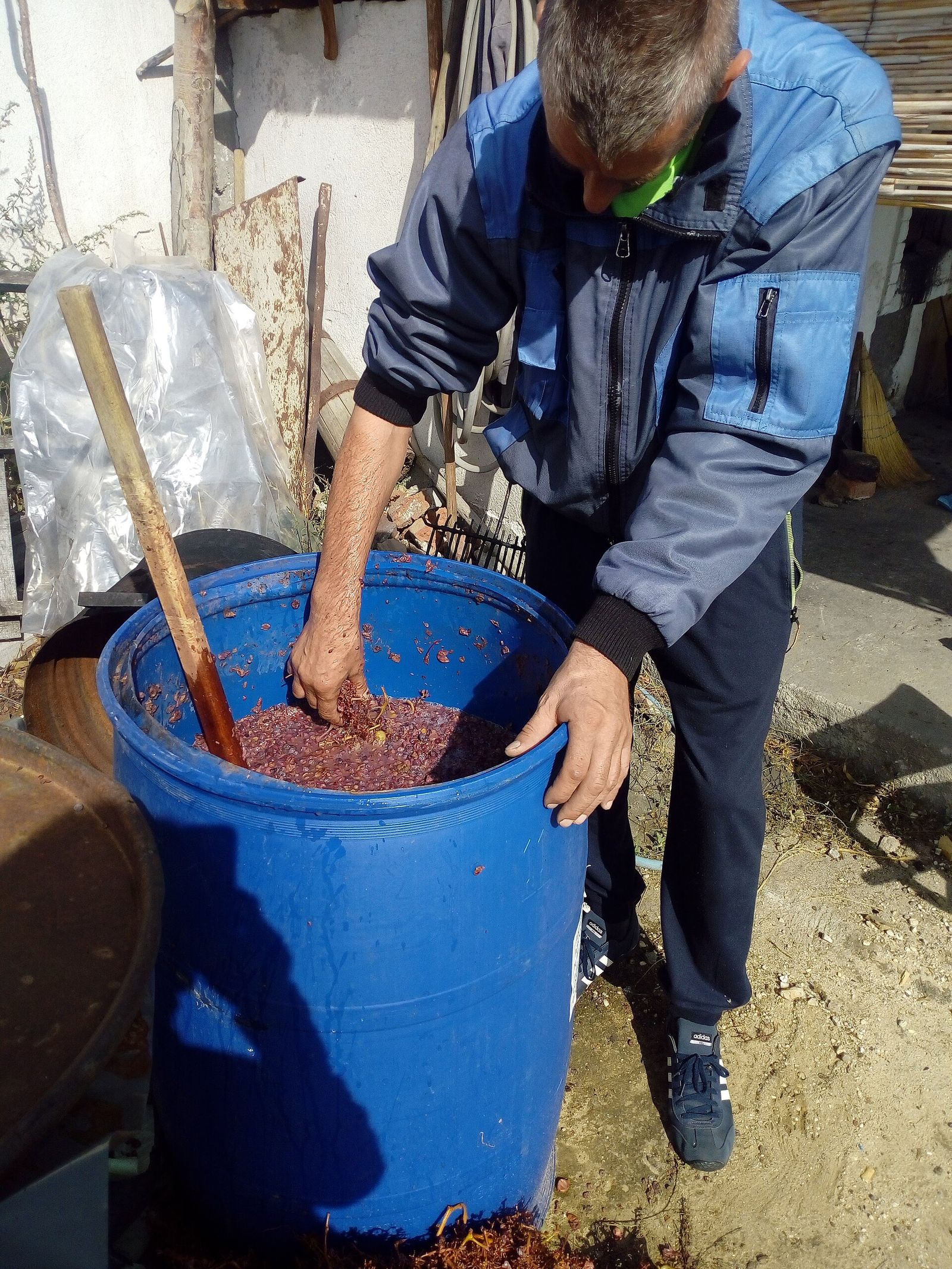
Rakia starts in autumn, when the fruit is ripe. It is crushed and left in large barrels to ferment for 20 to 40 days, depending on the fruit and the weather, until the sugar has turned into a low-alcohol mash.
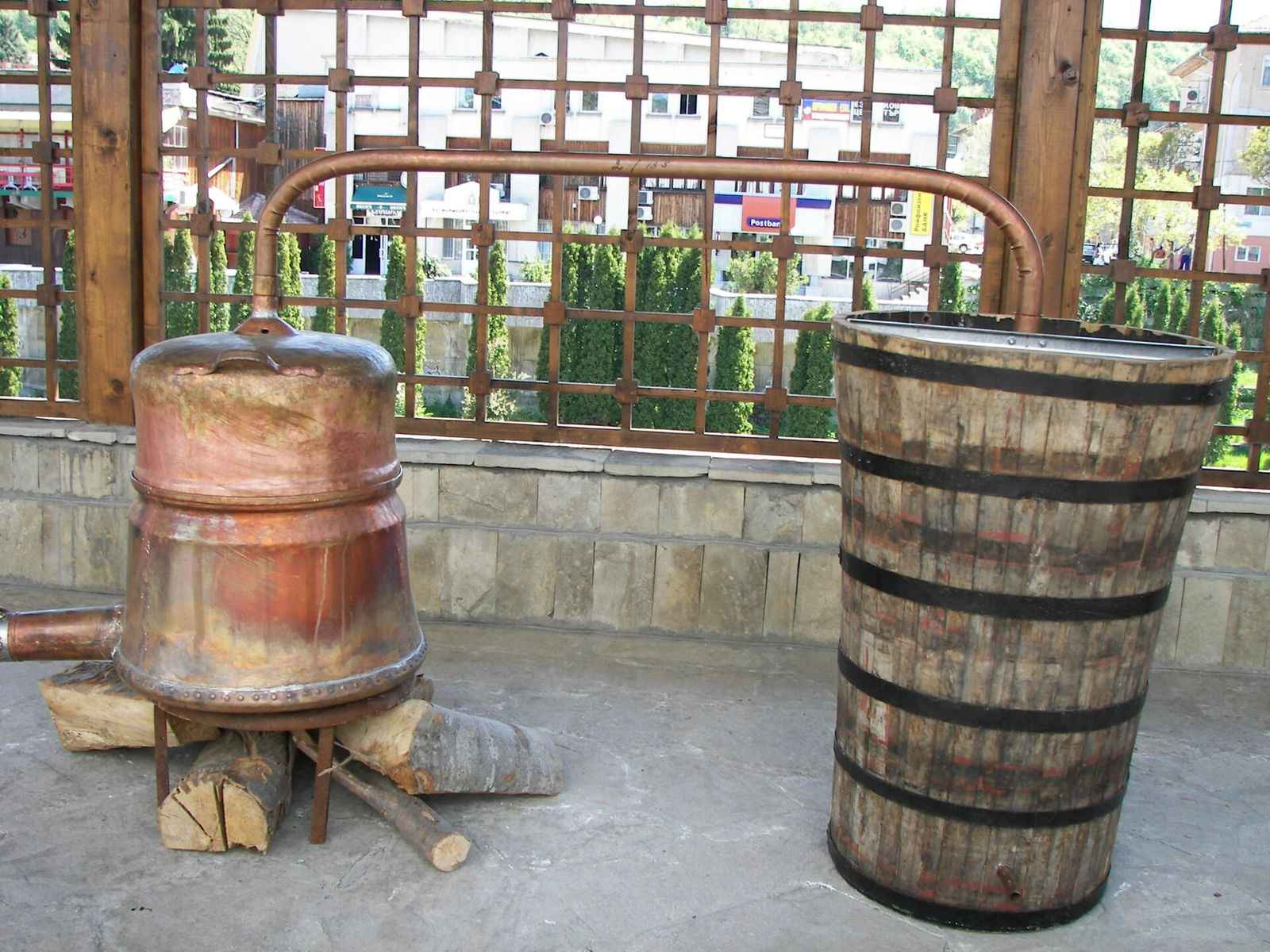
The mash then goes into a copper pot still called a kazan. As it heats, the alcohol vapor rises, travels through a pipe that runs through cold water, and drips out the other end as rakia. Careful distillers throw away the first and last part of each run and keep only the middle, and many run the spirit through the kazan twice for a cleaner result. Some rakia then rests in oak barrels, and the rest is bottled clear.
In villages, the kazan is often shared. Families book a day at the still, which is run by a licensed distiller called a kazandzhiya, and spend it there with friends, telling stories and tasting the rakia as it comes off the still. Traditionally this was a men's job, and a day at the kazan was a good reason to be away from home.
How to drink rakia the Bulgarian way
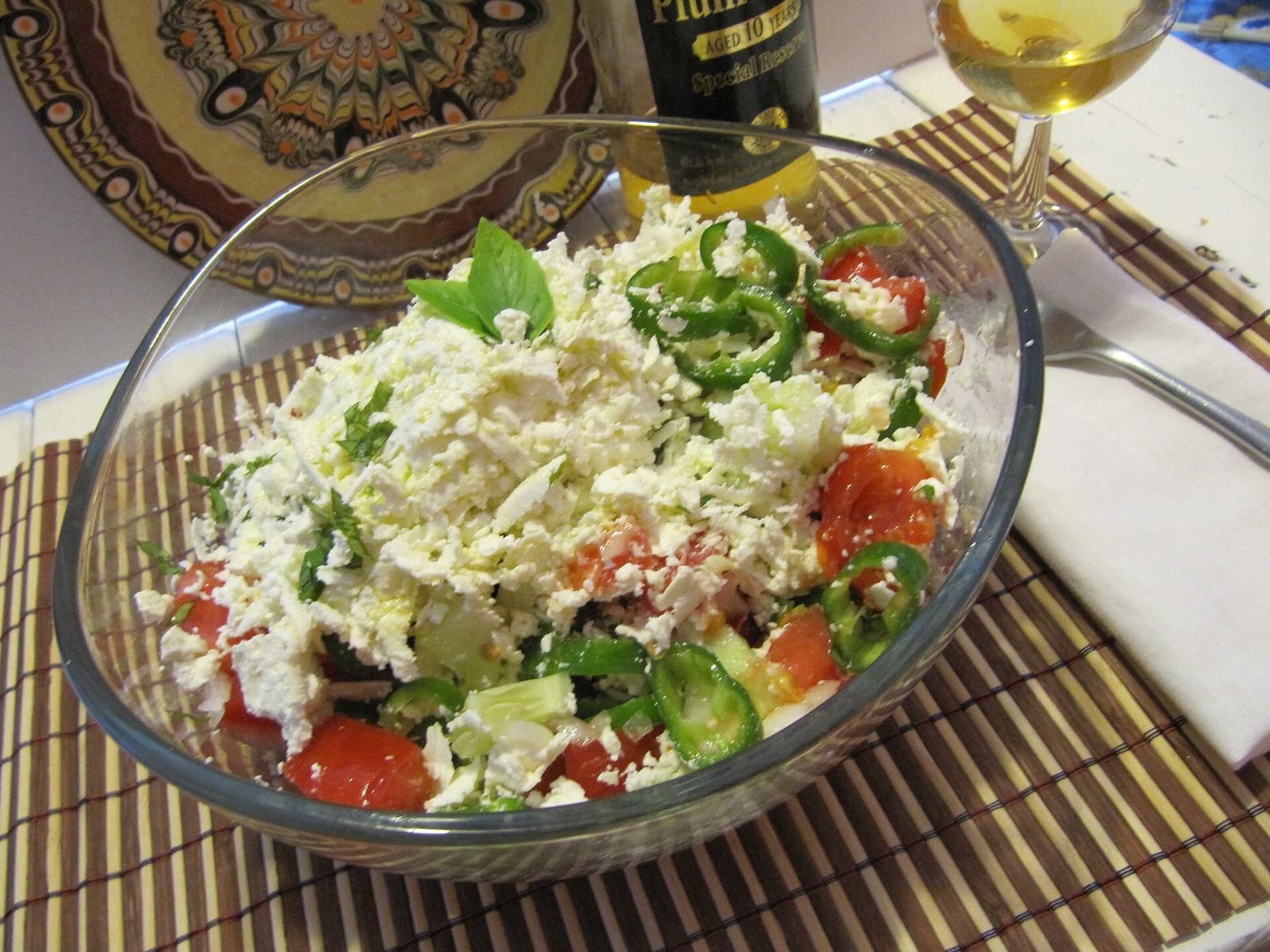
Rakia belongs to the first course. It arrives with the salads, most often a shopska salad of tomato, cucumber and white cheese, a plate of brined sirene cheese or a bowl of cold tarator soup, and you sip it between bites. Once the salads are cleared, Bulgarians move on to wine or beer, and carrying on with rakia through the main course looks like you came to get drunk.
The glass is small and often on a short stem: a small rakia is 50 ml and a big one is 100 ml, and one small glass with the salad is normal; two is a celebration. Rakia is never a shot. Knocking it back, or ordering a round to slam after a few beers, tells every Bulgarian at the table that you do not know what you are drinking.
The toast is "nazdrave", which means "to health". You clink with everyone and look each person in the eye as you do, because looking away is considered bad luck, and you never toast with an empty glass. These are the Bulgarian etiquette rules I'd learn before a first dinner at someone's home.
There is a time of day for it, too. "Rakia time" is the hour before dinner, around 6 PM, when the first glass gets poured.
Rakia in Bulgarian life and history
Rakia shows up at every big moment in a Bulgarian life: christenings, weddings, name days and funerals. Good rakia is a matter of pride for a host, and declining it without a reason like driving, pregnancy or medication is mildly offensive.
It is also a medicine cabinet. For a cold, Bulgarians drink heated rakia with honey or caramelized sugar, and some add black pepper; for toothache, they rinse with it; and plenty of herbal tinctures start with a bottle of rakia. Field workers took a few sips at the end of a long day to relax.
The language is full of it. Very strong rakia is nicknamed "skorosmartnitsa", the fast killer, while weak rakia gets called "shlyokavitsa", and calling someone "slaba rakia", weak rakia, means they have a weak character. In folk tales and songs, rakia and wine even turn into people, White Rada and Red Petko, and rakia is tied to love and marriage in much of Bulgarian culture.
Distilling equipment found in Bulgaria has been dated to the 11th century, and written records of fruit spirits go back to at least the 14th. One Ottoman commander, Lala Sahin Pasha, described Sofia's defenders as tough men with mustaches who drank rakia before the fight and became invincible.
How strong is rakia?
Shop rakia is about 40% alcohol, with most commercial bottles between 40% and 45%. Homemade rakia is stronger, often 50% or more, and some village batches go well past that.
A single 50 ml glass of 40% rakia holds about as much alcohol as a 150 ml glass of wine. The trouble is that cold rakia hides its strength, and small glasses add up quickly over a long dinner.
Bulgaria's drink-driving limit is 0.5 grams per liter, so I'd leave the car and take one of Sofia's yellow taxis after a rakia dinner.
Where to drink rakia in Sofia
Raketa Rakia Bar
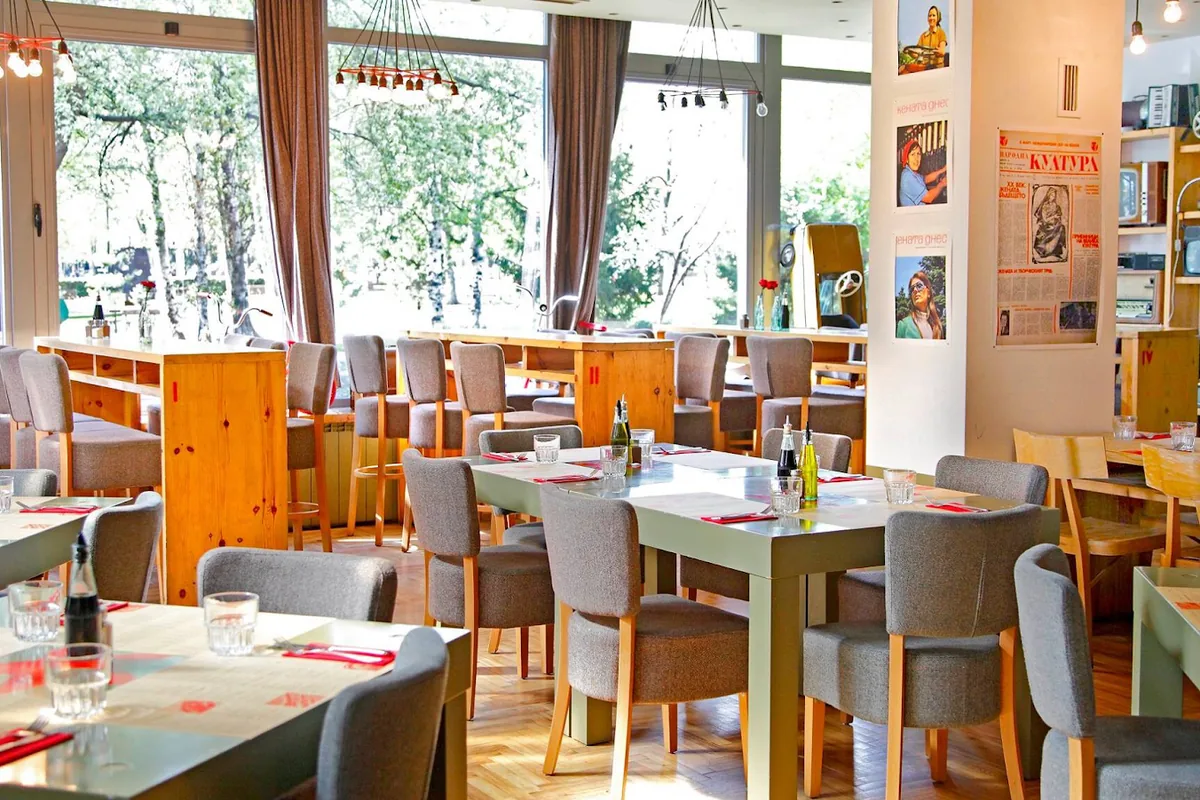
Raketa is the rakia bar I'd send anyone to first. It opened in 2012 at 17 Yanko Sakazov Boulevard, on a spot where there has been a restaurant since 1954, and it is decorated with radios, rotary phones and other objects from the socialist years. The kitchen cooks socialist-era classics with a modern touch, the rakia comes chilled, and the staff will recommend a rakia to match your mood.
I'd go there to work through several types in one sitting, with a shopska salad in front of you the way Bulgarians drink it.
Traditional restaurants
At the traditional restaurants in Sofia, order rakia the way Raketa serves it: a small glass, cold, with a salad, before you choose your wine or beer for the main course.
Where to buy rakia to take home
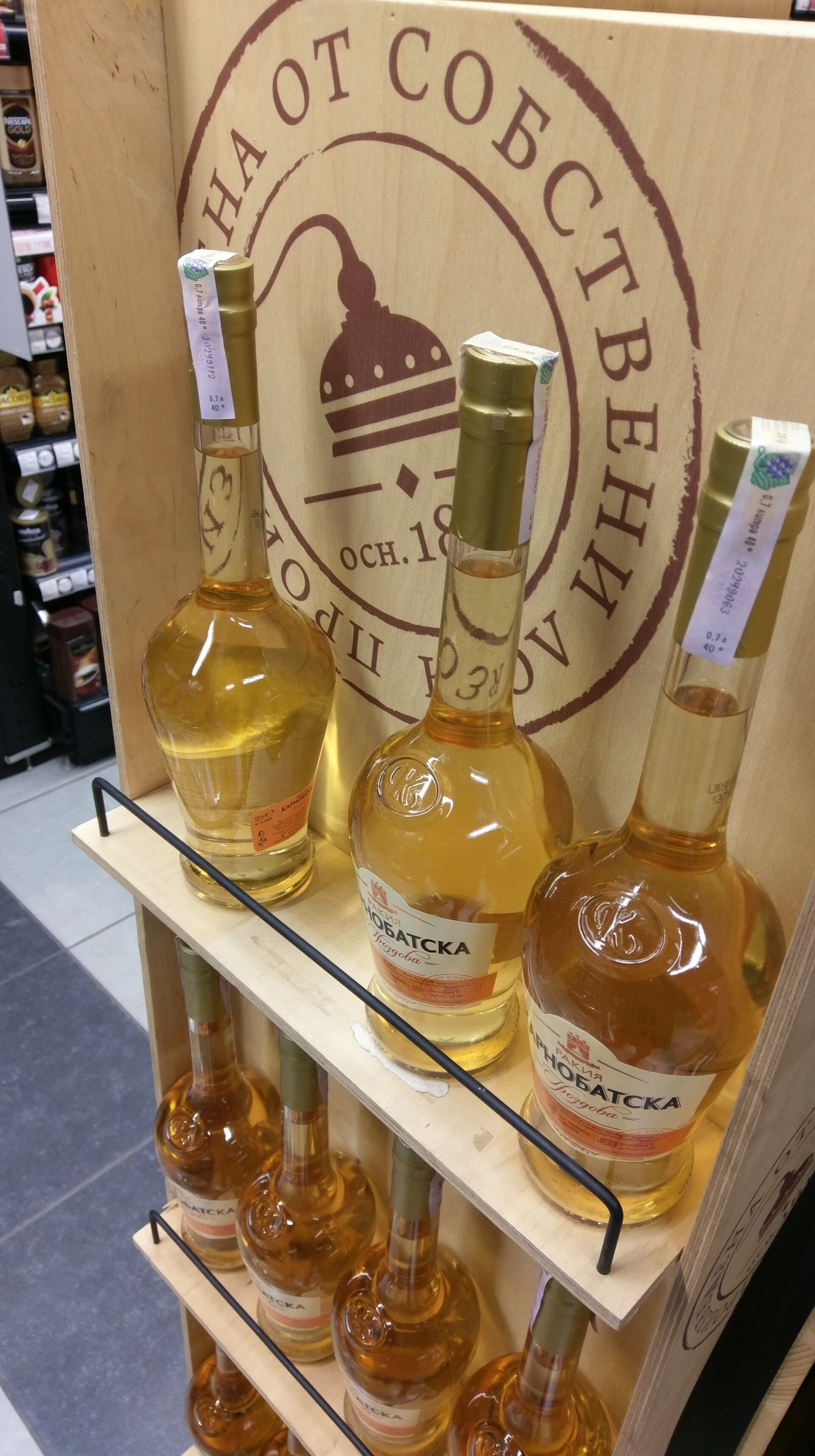
Bulgarian supermarkets carry a good range of everyday rakia. Peshterska is the grape rakia you will see in most supermarkets, Karnobatska is a grape rakia from the Thrace region, and a Troyan plum rakia is the safe pick for the plum style.
For something better, look for craft rakia. Small distilleries like Vetus sell it in 500 ml bottles for roughly €10 to €26. The wine and spirit shops around Zhenski Pazar carry a wider range from the regions than supermarkets do.
A good bottle is one of the best Bulgarian souvenirs, and the label tells you most of what you need: the fruit, the region and the strength.
Key takeaways
- Rakia is Bulgaria's national drink, and grape and plum are the two types to try first.
- One small 50 ml glass with the salad is the local measure, and homemade rakia hits harder than shop bottles.
- Drink it cold, in sips, with the first course, then switch to wine or beer.
- Raketa Rakia Bar on Yanko Sakazov Boulevard is my pick for rakia in Sofia.
- Buy bottles with a revenue strip on the cap, and skip unlabelled homemade rakia from strangers.
Frequently asked questions
What exactly is rakia?
Rakia is a brandy made by fermenting fruit and distilling it, usually in a copper still called a kazan. In Bulgaria the most common fruits are grapes and plums, followed by apricots, pears, apples, quinces and cherries. It is drunk all over the Balkans.
What does rakia taste like?
Rakia tastes of strong alcohol first, then fruit, with a warm finish. Grape rakia is dry and aromatic, plum rakia is rounder and a little sweet, and apricot rakia is the most floral. Barrel-aged rakia picks up vanilla and caramel.
Is rakia stronger than vodka?
Shop rakia is about the same strength as vodka, around 40%. Homemade rakia is usually stronger, at 50% or more, and village batches can go higher, so treat a glass of homemade rakia with respect.
How do you drink rakia?
Sip rakia slowly from a small glass, cold, with salads or starters at the start of a meal. Toast with "nazdrave" and look everyone in the eye, then switch to wine or beer for the main course. Never shoot it.
Is rakia Bulgarian or Serbian?
Rakia belongs to the Balkans as a region, and Bulgaria, Serbia and Croatia all count it as their national drink. Bulgaria's oldest distilling finds date to the 11th century. Bulgarian rakia leans on grapes, while Serbian rakija is mostly made from plums.
Is homemade rakia safe?
Homemade rakia from a host you trust is a low risk, and it is often the best rakia you will drink in Bulgaria. The danger is badly distilled rakia from unknown sources, which can contain methanol, so never buy unlabelled bottles at markets.
What is rakia time?
Rakia time is the Bulgarian name for the hour before dinner, around 6 PM, when the first glass of rakia is poured. It usually comes with a salad and leads into the evening meal.
Bulgarian Drinks: What to Drink in Bulgaria and Where to Try It in Sofia
Bulgaria is known for rakia, wine and yogurt drinks: what to order, when locals drink each one and where to try it.
Read the guide
Bulgarian Wine: A Visitor's Guide
Bulgaria has made wine since the Thracians: the grapes to order, how to read a label and where to taste it in Sofia.
Read the guide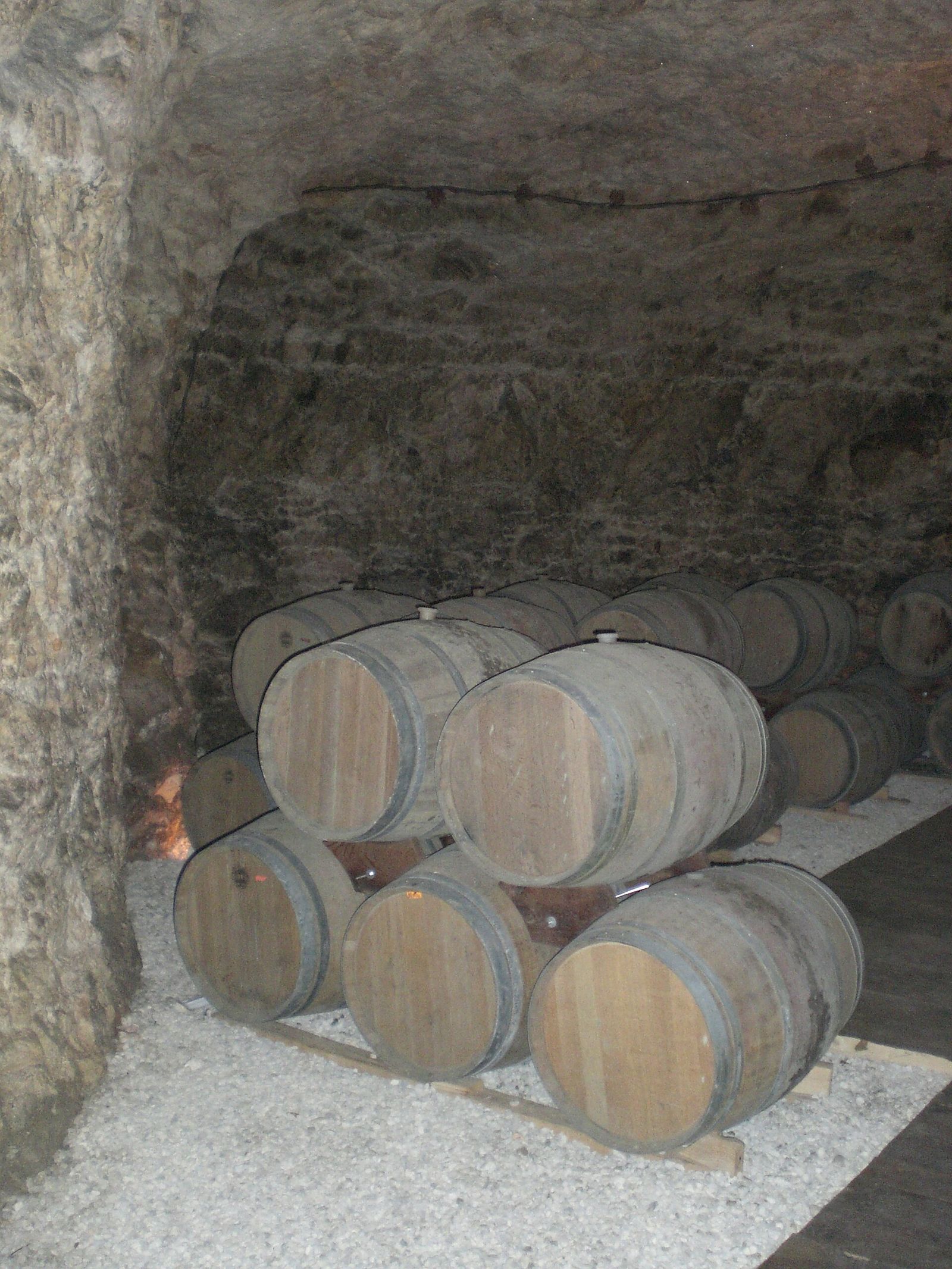
The Best Bulgarian Wines to Try
Bulgaria's best wines come from grapes found almost nowhere else: the 12 I'd order and the bottles to look for.
Read the guide