Balkans Itinerary from Sofia: 3 Routes for 1 to 2 Weeks
Sofia is known as the easy eastern door to the Balkans: buses leave it for Skopje, Thessaloniki, Belgrade and Bucharest every day, and a night train runs to Istanbul. These are the three routes I'd take from Sofia, from a week to two weeks, with the bus time and fare for each leg, the borders you cross, the money you need and when to go.
How long do you need for the Balkans?
Two weeks is the least I'd give the Balkans, and three is better. The buses are slow, the borders take time, and most legs eat half a day, so I'd cover two or three countries in a week and no more.
Start with two or three days in Sofia itself. The Roman ruins of Serdica, Alexander Nevsky Cathedral and Boyana Church fill a Sofia itinerary of that length, and Sofia is cheaper than any stop on the Adriatic, which makes it a good place to rest before or after the long legs.
The three routes at a glance
| Route | Stops | Days | Ends in |
|---|---|---|---|
| 1. Sofia to the Adriatic | Skopje, Ohrid, Tirana, Kotor, Dubrovnik, Mostar, Sarajevo | 14 | Sarajevo, fly home |
| 2. The southern loop | Thessaloniki, Skopje, Ohrid | 10 | Back in Sofia |
| 3. Sofia to Istanbul | Plovdiv, then the night train to Istanbul | 7 | Istanbul, fly home |
Route 1: Sofia to the Adriatic in 2 weeks
This is the classic route, turned around so it starts in Sofia. It crosses six countries by bus, from North Macedonia's lake to the walled towns on the Adriatic, and ends in Sarajevo, where you fly home.
| Leg | Bus time | Nights |
|---|---|---|
| Sofia to Skopje | 5 to 5.5 hours | 1 |
| Skopje to Ohrid | About 3 hours 10 minutes | 2 |
| Ohrid to Tirana | About 2.5 hours | 2 |
| Tirana to Kotor | About 6 hours | 2 |
| Kotor to Dubrovnik | About 2 hours 10 minutes | 2 |
| Dubrovnik to Mostar | About 3 hours 15 minutes | 1 |
| Mostar to Sarajevo | About 2.5 hours | 2 |
Skopje, North Macedonia
Skopje is the first stop, about 230 km from Sofia. FlixBus runs at 7 AM and 5:30 PM from platform 41 at Sofia Central Bus Station, from €26.98, and Citylines charges €29.
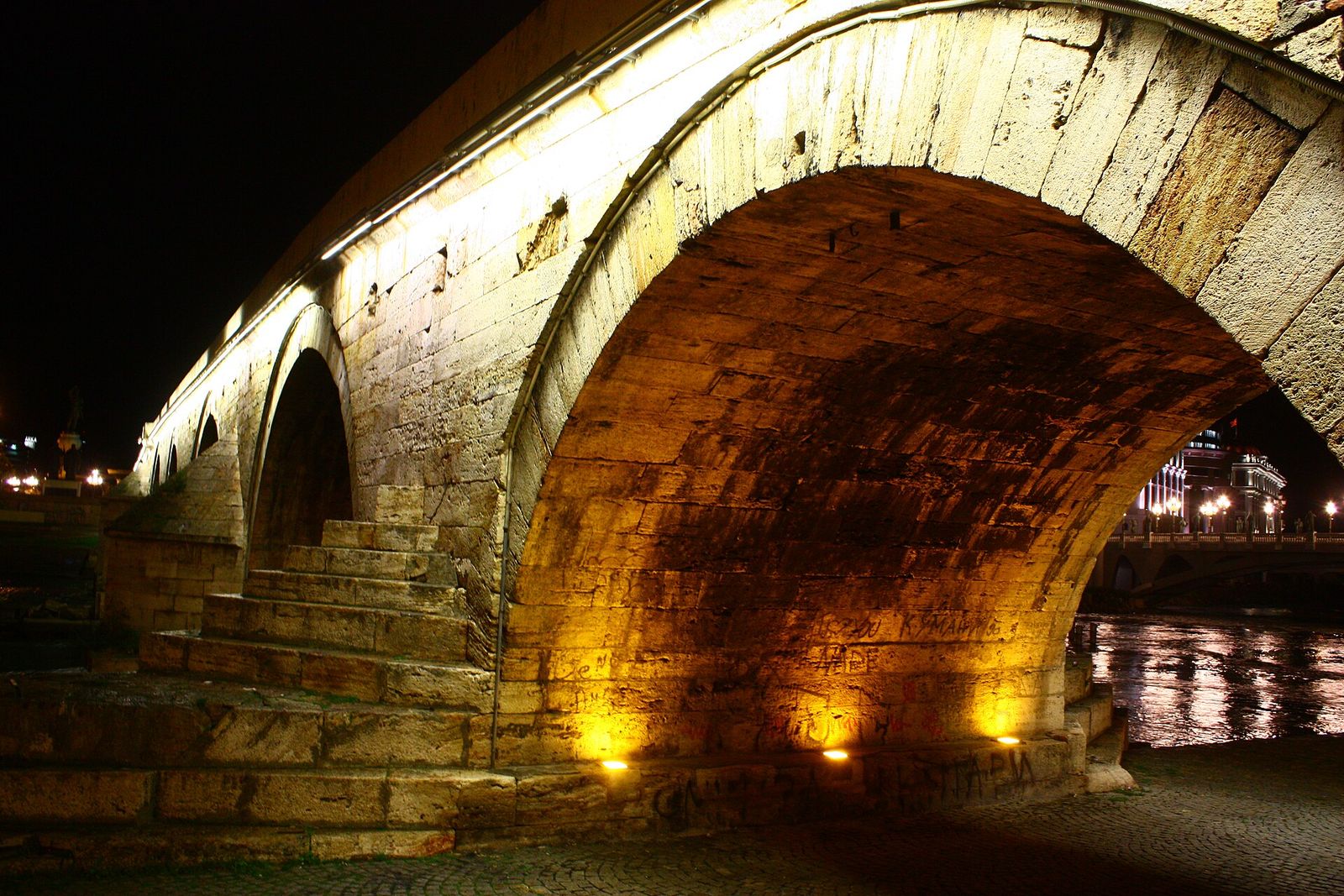
North Macedonia's capital is famous for the Skopje 2014 project, which filled the center with more than 130 statues, Alexander the Great among them. The older city starts across the Stone Bridge, with the Ottoman Old Bazaar and the Kale Fortress above it. One night is enough for me, or two if you want the Matka Canyon, a local bus ride out of town.
Ohrid, North Macedonia
Ohrid is the stop I'd stay longest at on this half of the route. It sits on the lake North Macedonia shares with Albania, about 3 hours 10 minutes from Skopje by bus.
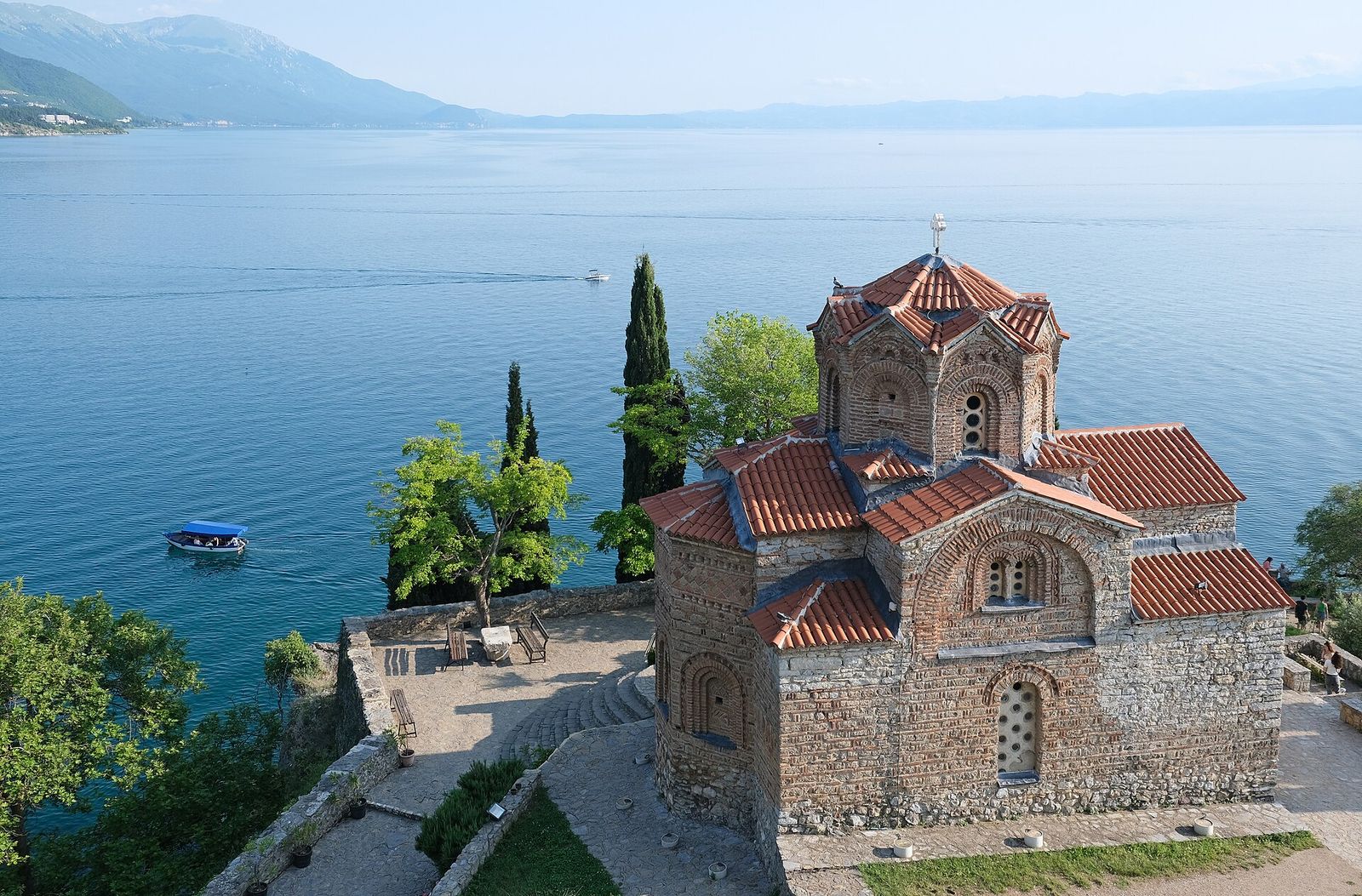
The Church of St John at Kaneo stands on a cliff over the water, and the old town climbs from the lake to Samuel's Fortress, past an ancient theater. Give it two days, and keep one for the Monastery of St Naum and the springs beside it.
Tirana, Albania
Albania's capital runs on its cafes, and it is one of the cheapest cities on this route, about 2.5 hours from Ohrid by direct bus.
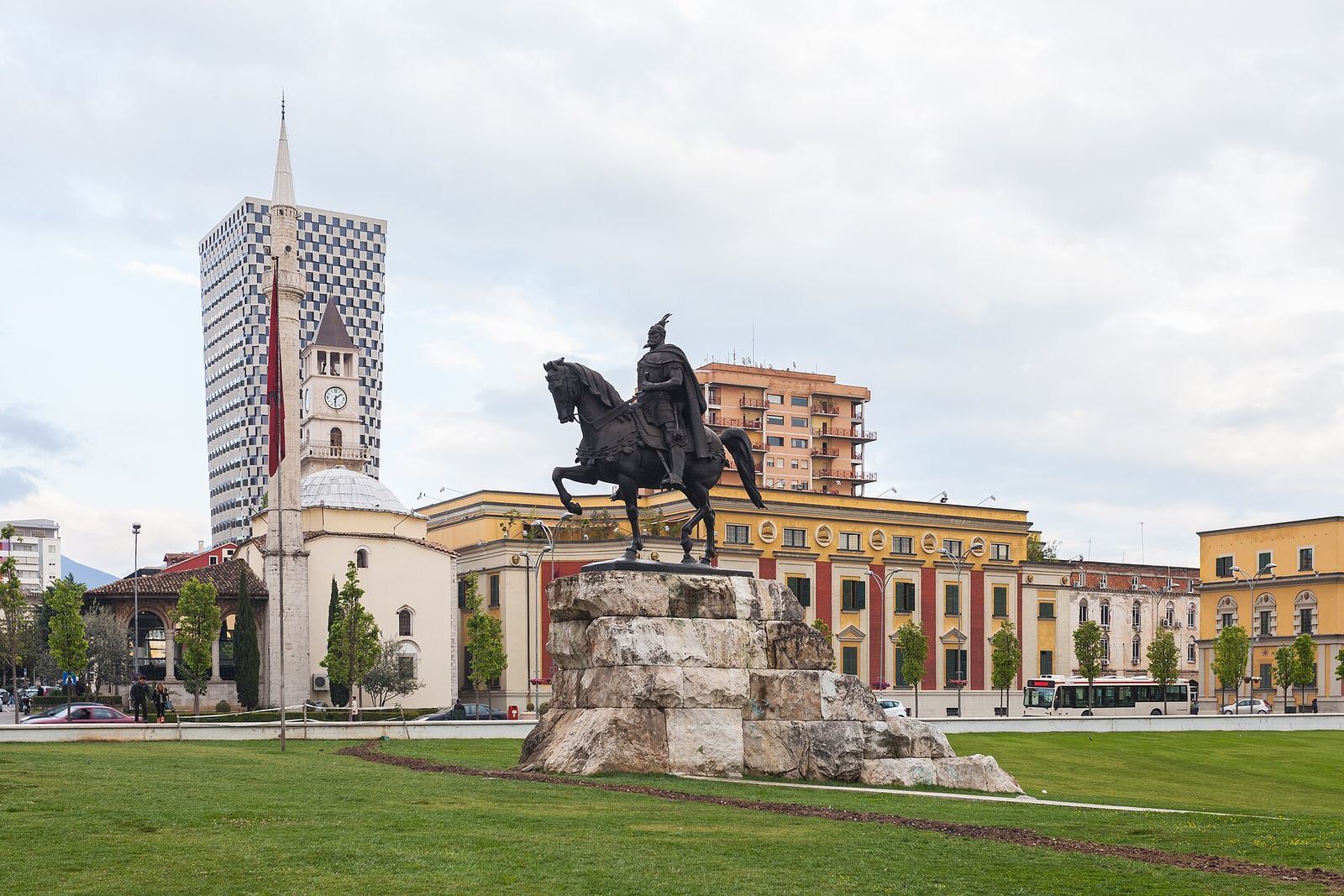
Start at Skanderbeg Square, then spend the day on Albania's communist past: the House of Leaves, a museum of state surveillance, and the two Bunk'Art museums in old bunkers. The Dajti Ekspres cable car climbs the mountain behind the city, and the Blloku district is where Tirana goes out at night. Berat, with its UNESCO-listed old center, is about 1.5 hours away by car.
Kotor, Montenegro
The bus from Tirana takes about 6 hours, or you can break the trip in Shkoder, 2 hours from Tirana and about 4 hours 10 minutes from Kotor.
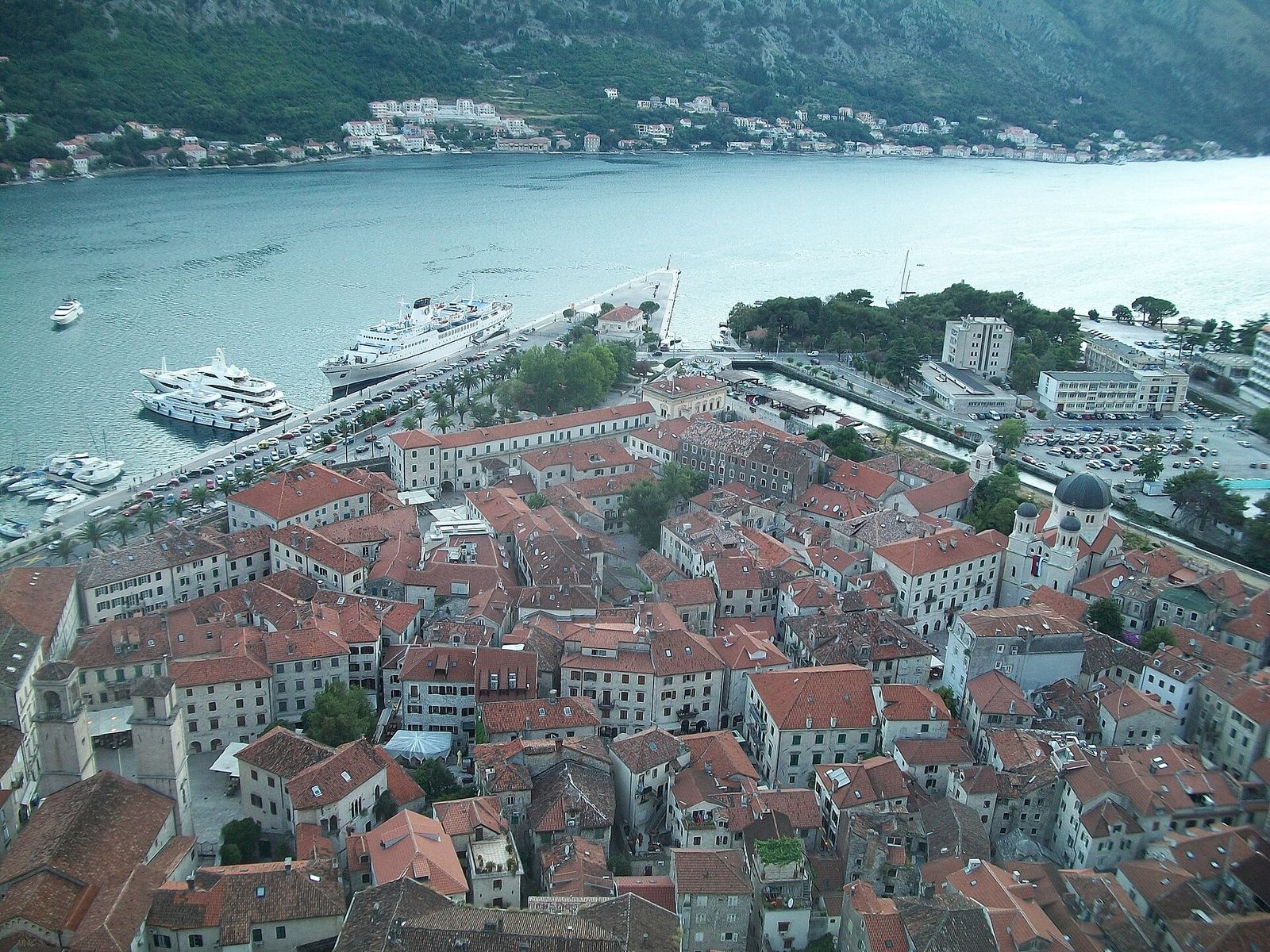
The walled old town sits on the Bay of Kotor, and the climb up the city walls behind it gives the view down over the roofs and the water. The village of Perast, a short ride along the bay, is quieter. Kotor is pricey by Balkan standards: hostel dorms run €20 to €30 and Old Town mains €15 to €25.
Dubrovnik, Croatia
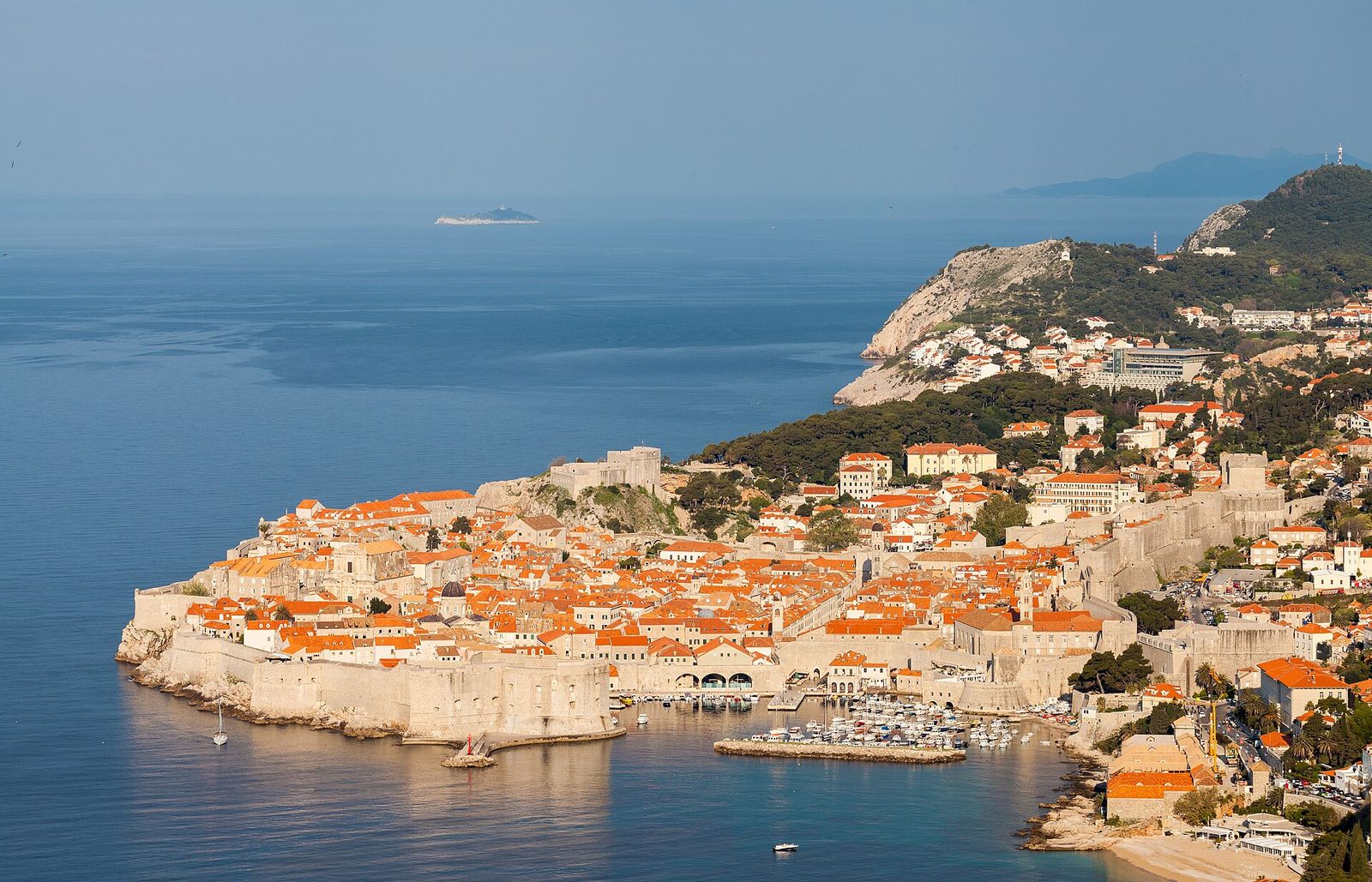
Dubrovnik is 2 hours 10 minutes up the coast from Kotor. Croatia joined Schengen in 2023 and uses the euro, so this crossing is a full passport check into the Schengen area.
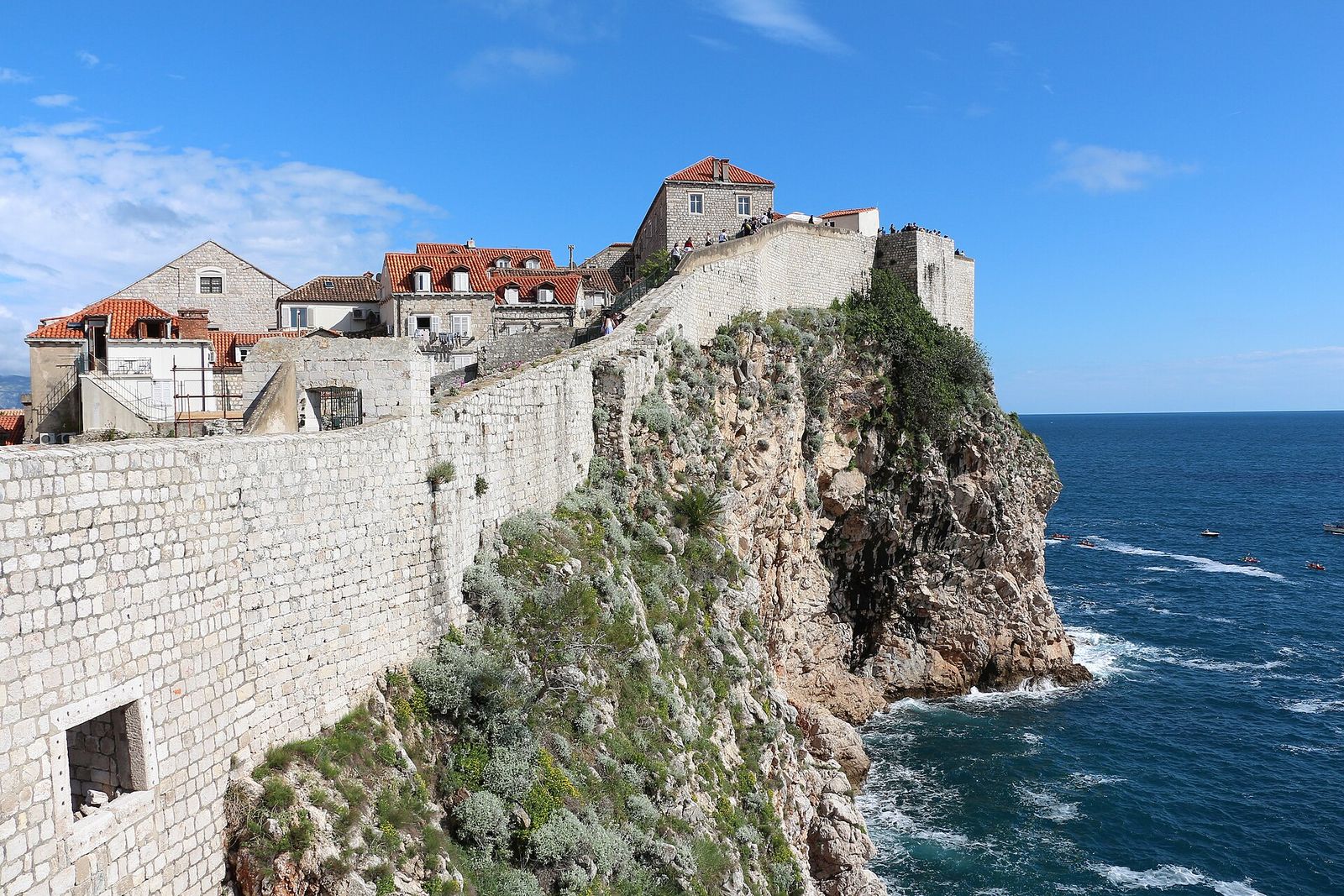
Walk the city walls and the Old Town lanes inside them, and take the boat over to Lokrum Island for an afternoon.
Mostar, Bosnia and Herzegovina
The road turns inland for the 3 hours 15 minutes to Mostar. Its Old Bridge, the Stari Most, stood over the Neretva for more than 400 years until it was destroyed in 1993, and it was rebuilt in 2004.
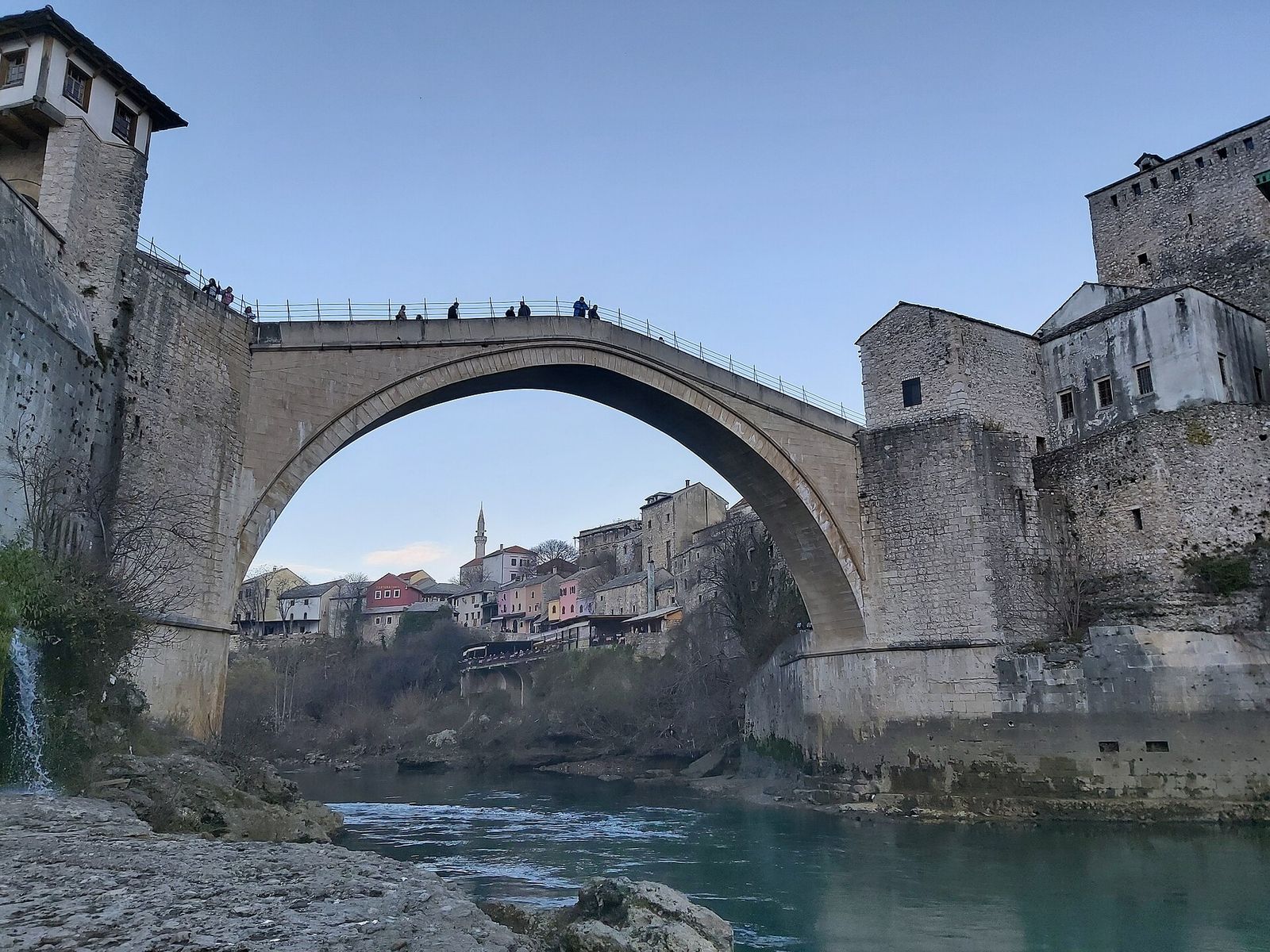
I'd stay the night to see the bridge in the evening and again early in the morning. The Kravice Waterfalls and the riverside village of Blagaj are the trips out of town.
Sarajevo, Bosnia and Herzegovina
I'd finish in Sarajevo, about 2.5 hours from Mostar. The city carries Ottoman and Austro-Hungarian layers in the same few streets, and its recent history is the siege of the 1990s.
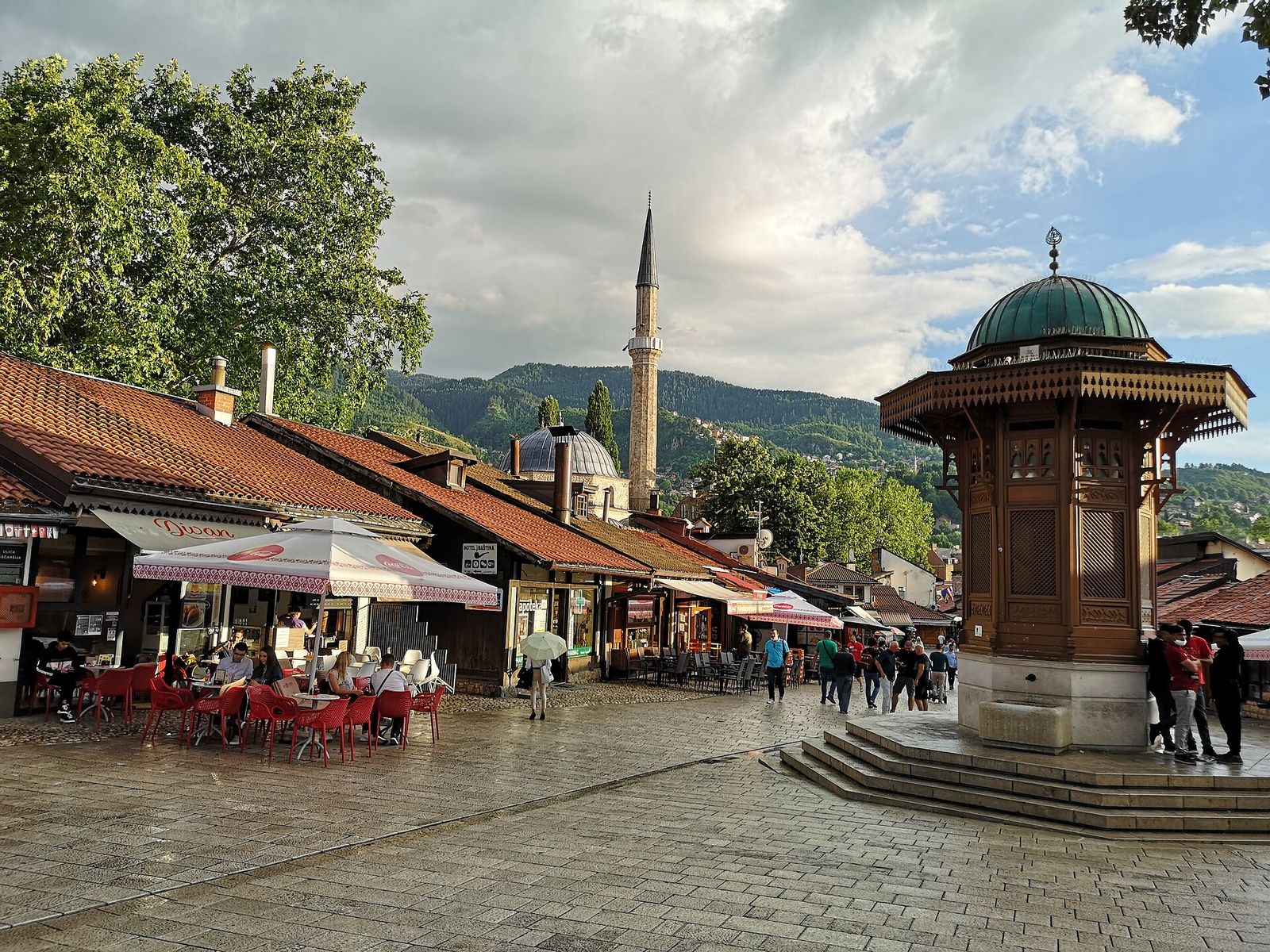
Spend a day in the bazaars of Bascarsija and at the Latin Bridge, where Archduke Franz Ferdinand was shot. Give the second to the war: the War Childhood Museum, the War Tunnel Museum and the cable car to the abandoned bobsled track from the 1984 Winter Olympics. From Sarajevo, I'd fly home.
Route 2: the southern loop in 10 days
This loop starts and ends in Sofia, so it suits a return flight. It goes south to Greece, west to North Macedonia and back, and never needs a car.
| Leg | Time | Fare |
|---|---|---|
| Sofia to Thessaloniki | From 4 hours 40 minutes | From €12.48 |
| Thessaloniki to Skopje | About 4 hours | |
| Skopje to Ohrid and back | About 3 hours 10 minutes each way | |
| Skopje to Sofia | 5 to 5.5 hours |
Plan two nights in Thessaloniki, one in Skopje, three in Ohrid and a last night in Skopje before the bus home. That leaves two or three days spare for Sofia at either end.
Thessaloniki, Greece
Thessaloniki is about 294 km south of Sofia. FlixBus runs at least twice a day from €12.48, Union Ivkoni charges €25, and the border at Kulata is an internal Schengen crossing with no routine passport check.
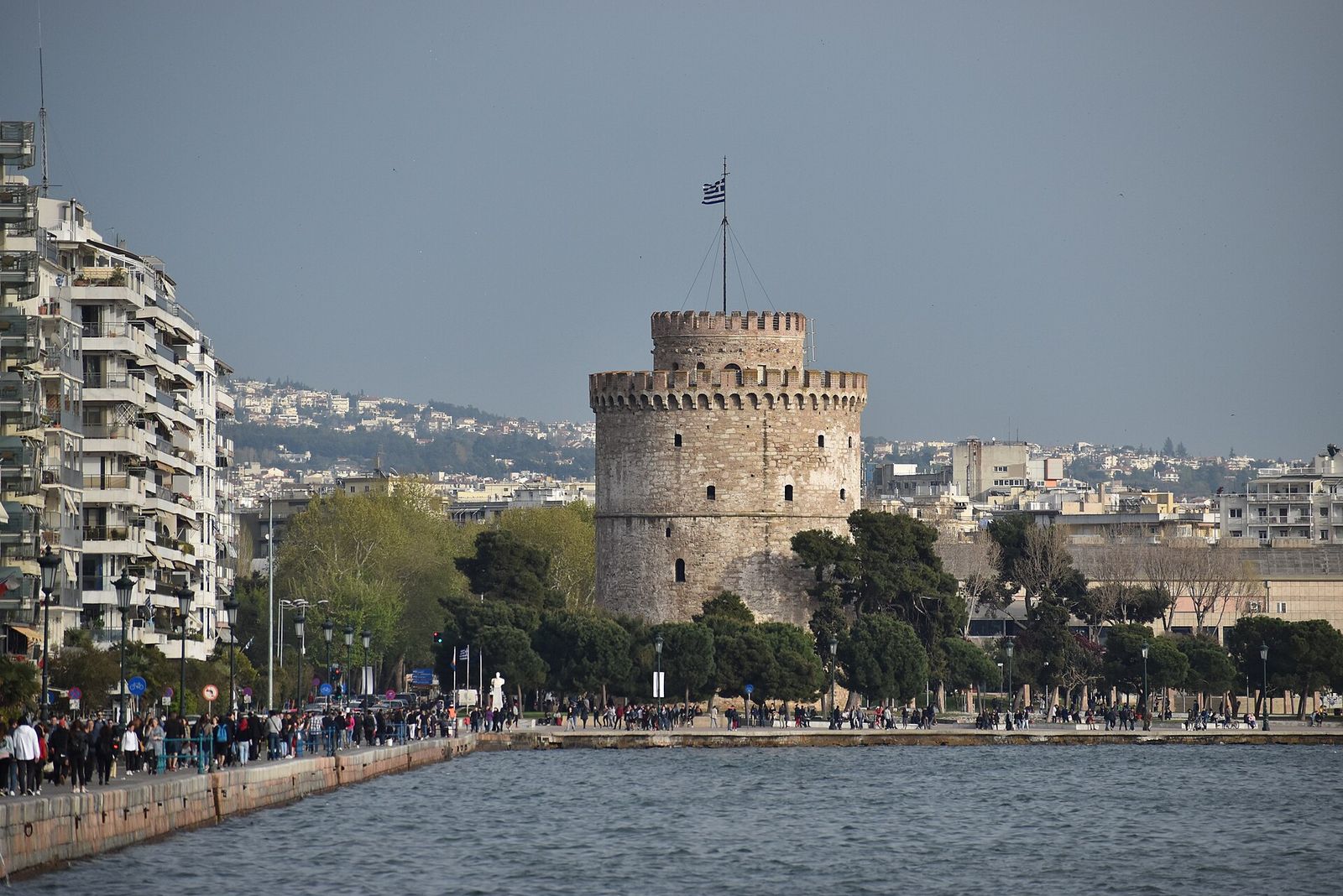
The buses stop at the train station on Monastiriou Street, a short ride from Aristotelous Square and the long waterfront promenade. There is no train from Sofia, so the bus to Thessaloniki is the way to go, and from Thessaloniki, Athens is about 4 hours away by train if you want to keep going south.
Route 3: Sofia, Plovdiv and Istanbul in a week
This is the shortest route and the one with the best single journey. Spend two nights in Sofia and two in Plovdiv, then board the night train to Istanbul and fly home from there.
Plovdiv is about 2 hours from Sofia by bus, for €7 to €8. Plovdiv's Roman theater, Old Town and Kapana quarter fill two days, and the Istanbul train calls there at 9:57 PM, so you can spend the last day in town and board in the evening.
Istanbul, Turkey
The Sofia-Istanbul Express leaves Sofia at 6:50 PM every day and reaches Istanbul Halkali at 7:21 AM. It has sleeping cars and a couchette car, and no seats, so everyone gets a bed.
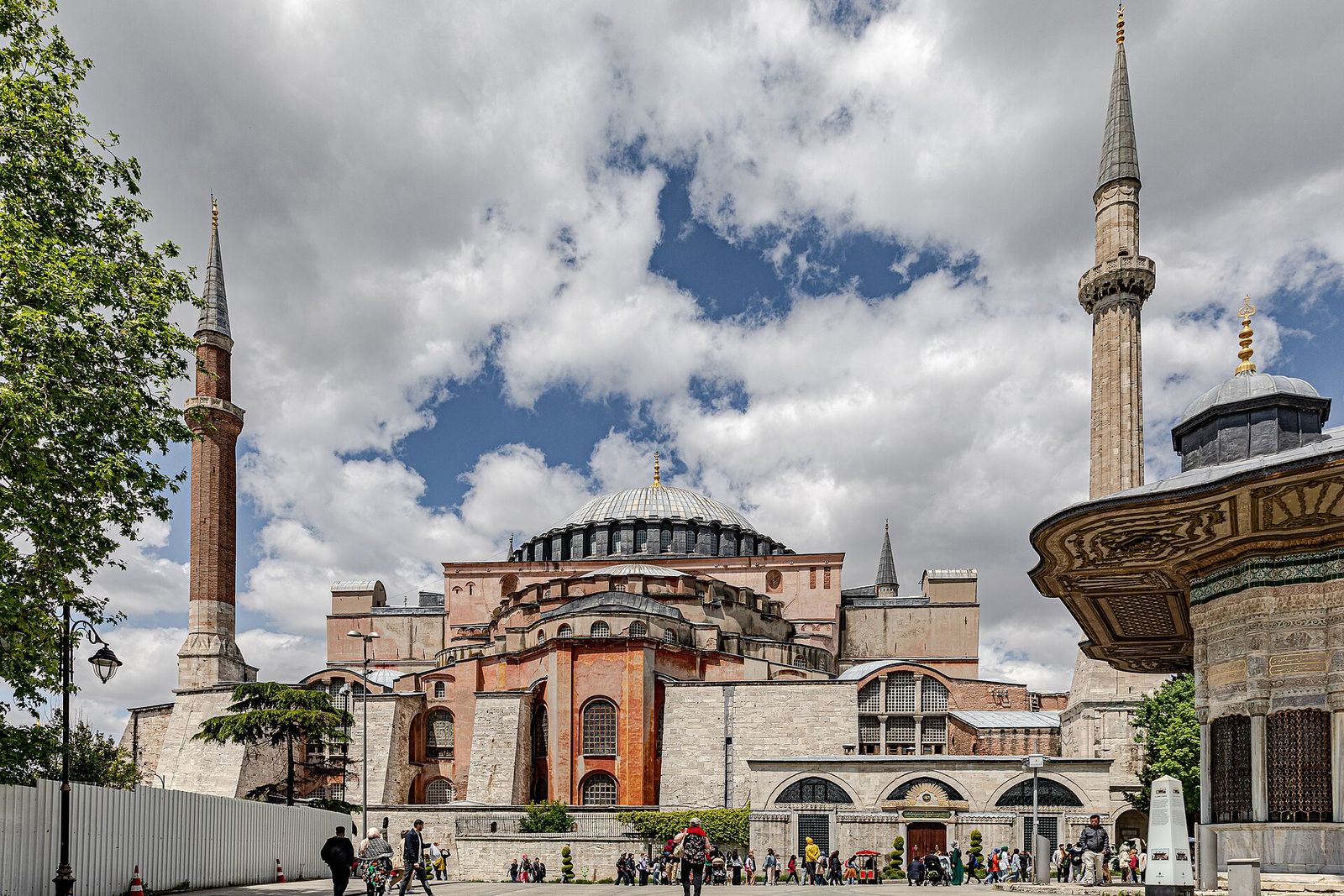
A couchette berth costs €38, a place in a shared 2-bed sleeper €44 and a single sleeper €78, booked online with Turkish Railways up to 8 weeks ahead. From Halkali, the Marmaray suburban line runs into the old city at Sirkeci. Turkey is outside the EU and Schengen, so you clear a full passport check and need Turkish lira, and the Sofia to Istanbul bus, at 8 hours or more, is the fallback when the train sells out.
Add-ons from Sofia: Bucharest and Belgrade
Two more capitals are a direct bus from Sofia. Neither fits neatly into the routes above, because there is no easy public transport between Belgrade and Sarajevo or between Belgrade and Bucharest.
Bucharest, Romania
Bucharest is just under 400 km north of Sofia by road. Around 13 buses a day make the trip in 6 to 7 hours, from about €15, and most arrive at Militari station on metro line M3.
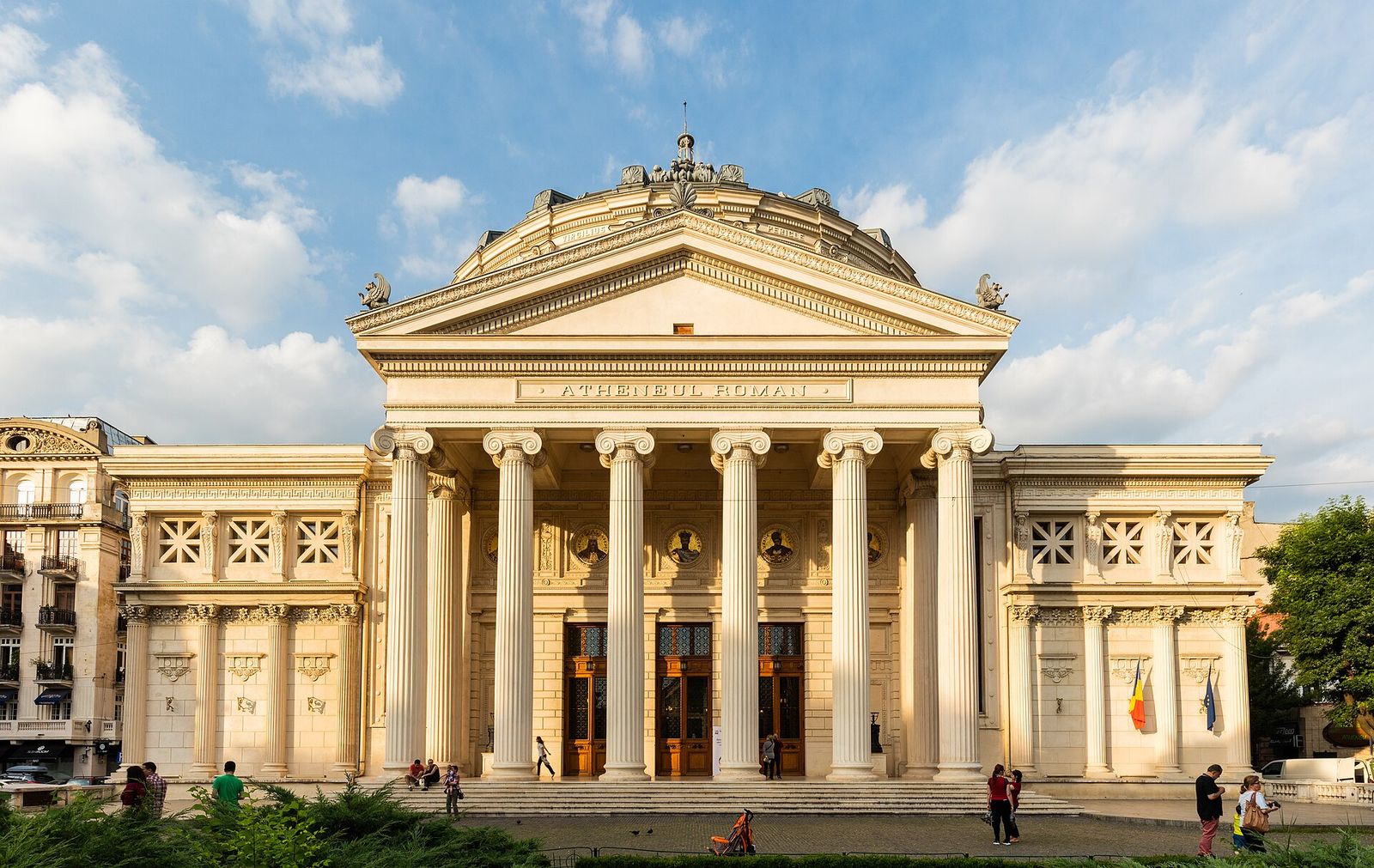
The daily train leaves from Sofia Sever at 7:15 AM while track work lasts and reaches Gara de Nord at 4:56 PM for €36, through the Danube bridge between Ruse and Giurgiu. Outside 12 June to 11 October you change trains at Ruse. I'd break the trip with a night in Veliko Tarnovo, the old Bulgarian capital, and the trip from Sofia to Bucharest then makes a good week with Bulgaria's north.
Belgrade, Serbia
Belgrade is about 401 km northwest of Sofia. FlixBus runs 4 buses a day from €37.98, the fastest in 6 hours, and there is no direct train in 2026.
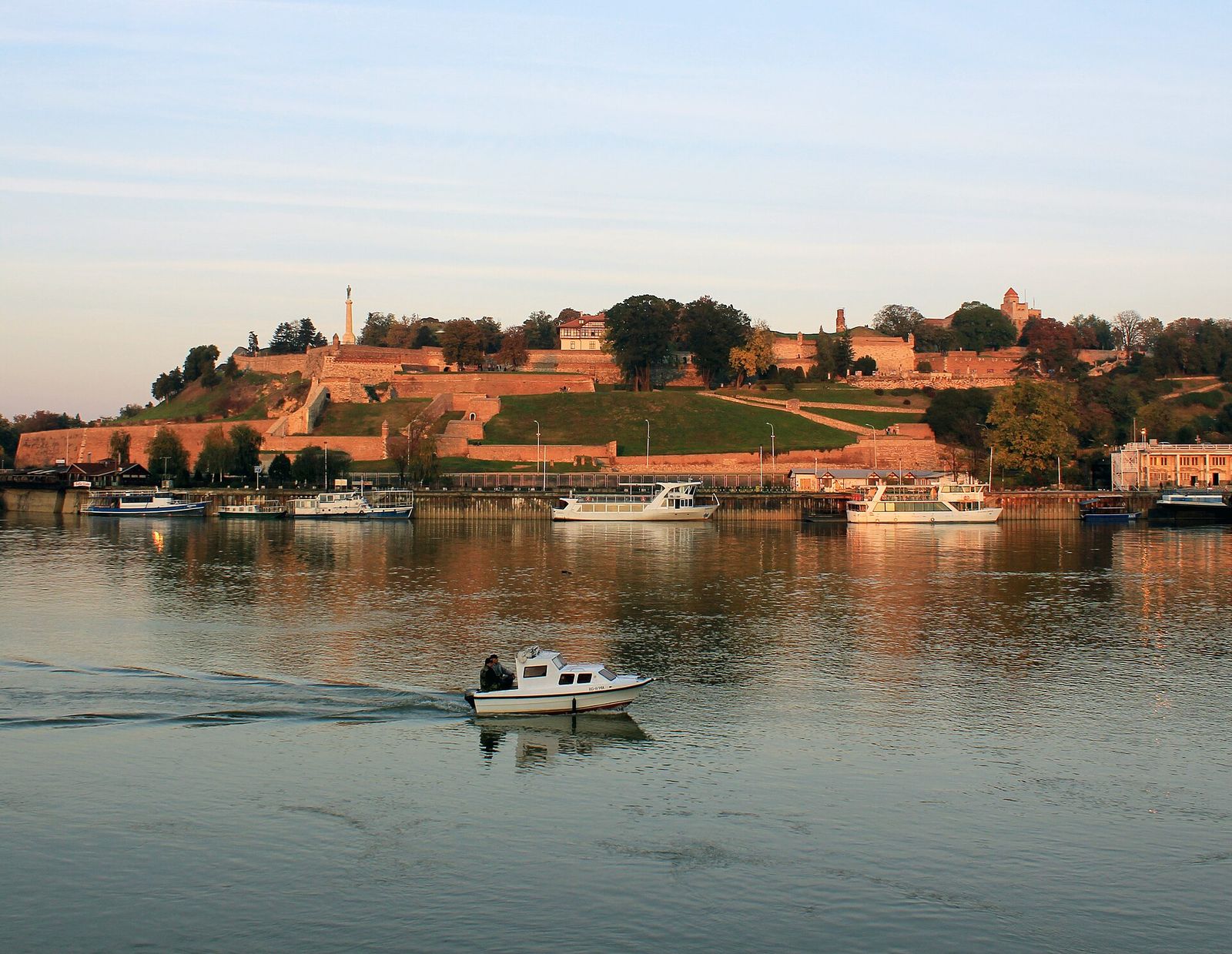
The Kalemegdan fortress stands above the meeting of the Sava and the Danube, and the city around it has the St Sava church, the old streets of Dorcol and Skadarlija, and the Museum of Yugoslavia. Keep 300 dinars in cash, about €2.55, for the platform fee at Belgrade's main bus station, the stop for the bus from Sofia to Belgrade.
Borders, currencies and Schengen days
Bulgaria has been fully in Schengen since 1 January 2025. The borders with Greece and Romania are internal, while those with North Macedonia, Serbia and Turkey are full passport checks.
| Country | EU | Schengen | Currency |
|---|---|---|---|
| Bulgaria | Yes | Yes | Euro |
| Greece | Yes | Yes | Euro |
| Romania | Yes | Yes | Leu |
| Croatia | Yes | Yes | Euro |
| North Macedonia | No | No | Denar |
| Albania | No | No | Lek |
| Montenegro | No | No | Euro |
| Bosnia and Herzegovina | No | No | Convertible mark |
| Serbia | No | No | Dinar |
| Turkey | No | No | Lira |
UK, US, Canadian, Australian and New Zealand passport holders need no visa for any country on routes 1 and 2, and Bulgaria's entry rules add a photo and fingerprints at your first entry into Schengen. Spend or change your local currency before you leave each country, because denars, lek and dinars are hard to swap anywhere else, but keep a few coins for the next bus station fee. Skopje's station charges 50 denars, about €0.85.
EU roaming covers Bulgaria, Greece, Romania and Croatia, but many Europe eSIMs leave out Albania, Bosnia, Montenegro and North Macedonia, so read the country list on a Bulgaria SIM card or eSIM before you buy one for the trip.
Getting around the Balkans: buses, trains and cars
Buses are the backbone of every route here. FlixBus covers some legs and sells tickets on your phone, while many other routes are sold only at the station, often for cash.
Trains are thin. From Sofia, the only international trains in 2026 are the night train to Istanbul and the day train to Bucharest. There is no passenger train to Skopje, Thessaloniki or Belgrade.
I'd do every long leg by bus and hire a car only for a side trip from one base, such as Berat from Tirana.
Balkans trip costs by country
North Macedonia, Albania, Bosnia and Serbia are the cheapest countries on these routes, Sofia and Bucharest sit a little above them, and a bed or a meal in Kotor or Dubrovnik costs two to three times as much.
| Where | Hostel dorm | Main course |
|---|---|---|
| Albania, Bosnia, North Macedonia, Serbia | €8 to €12 | €6 to €8 |
| Sofia | €10 to €20 | €5 to €10 |
| Kotor | €20 to €30 | €15 to €25 in the Old Town |
| Dubrovnik | From €20, up to €40 to €50 on summer weekends | The priciest on the route |
On a backpacker budget, about €40 a day covers the cheaper countries with hostel beds and local food. Money in Bulgaria is already euros, so for the Bulgarian part of the trip you can pay by card almost everywhere.
Best time to visit the Balkans
April to June and September to October are the months I'd travel. Summer is hot inland, with days near 40°C, and the Adriatic towns are at their most crowded and expensive from June to August.
Winter is cheap and quiet, and from December to March it is ski season in Bansko. The beach season is over, though, so routes 1 and 2 lose their swims.
If you have a week more, spend it inside Bulgaria first. A Bulgaria itinerary through Rila, Plovdiv and Veliko Tarnovo meets the Istanbul train in Plovdiv, and it adds Bulgaria's best monastery and its medieval capital before you cross a border.
Key takeaways
- Give the Balkans at least two weeks, and keep to two or three countries a week.
- Route 1 runs Sofia, Skopje, Ohrid, Tirana, Kotor, Dubrovnik, Mostar and Sarajevo in two weeks by bus.
- Route 2 loops through Thessaloniki, Skopje and Ohrid in 10 days and ends back in Sofia.
- Route 3 takes the night train from Plovdiv to Istanbul, from €38.
- Only Bulgaria, Greece, Romania and Croatia count toward Schengen days on these routes.
Frequently asked questions
What is the best way to get around the Balkans?
By bus. Buses link every capital on these routes and are faster than trains on most legs. Buy at the station where you can, and keep some local cash for platform fees.
Which month is best to visit the Balkans?
September is the best all-round month, with warm sea, open roads and smaller crowds. May and June are also good, and July and August are hot and crowded on the Adriatic.
Is 2 weeks enough for the Balkans?
Two weeks is enough for one route of six or seven stops, like Sofia to Sarajevo through Ohrid, Albania and the Adriatic. It is not enough to see every Balkan country, so pick two or three and leave the rest for another trip.
What is the prettiest country in the Balkans?
For me it is North Macedonia, for Lake Ohrid and the Church of St John at Kaneo above it. Montenegro's Bay of Kotor and Bosnia's Mostar come close.
Which is the safest country in the Balkans?
All the countries on these routes are safe for visitors who take normal care with bags and taxis. The real risks are petty theft in crowds and fast driving on mountain roads, and the rules for solo female travel in Bulgaria, watching your drink and taking licensed taxis at night, work across the region.
Can you travel the Balkans without a car?
Yes. Every leg on these three routes runs by bus or train, and a car only helps for side trips off the main roads, such as Berat from Tirana.
Sofia Travel Tips: What I'd Tell You Before a First Trip to Bulgaria
Sofia is easy once you know a few rules. What I'd tell a friend about visas, the euro, taxis and getting around.
Read the guide
Sofia Itinerary: 1 to 5 Days
Sofia fits its best sights into a walkable center. The day-by-day plan I'd follow for 1 to 5 days, with prices.
Read the guide
Best Time to Visit Sofia
Sofia has four real seasons. The months I'd pick for walking, hiking, skiing and saving money, with the weather.
Read the guide