The Antiques Market at Alexander Nevsky: Sofia's Flea Market
Sofia's best-known flea market is the antiques market on Alexander Nevsky Square, where traders lay out their stalls every day beside the cathedral. This guide covers where the market is and when it runs, what the stalls sell, from Soviet badges and icons to lace tablecloths, how to tell an original from a copy, how haggling works, and the other flea markets in Sofia.
The antiques market at a glance
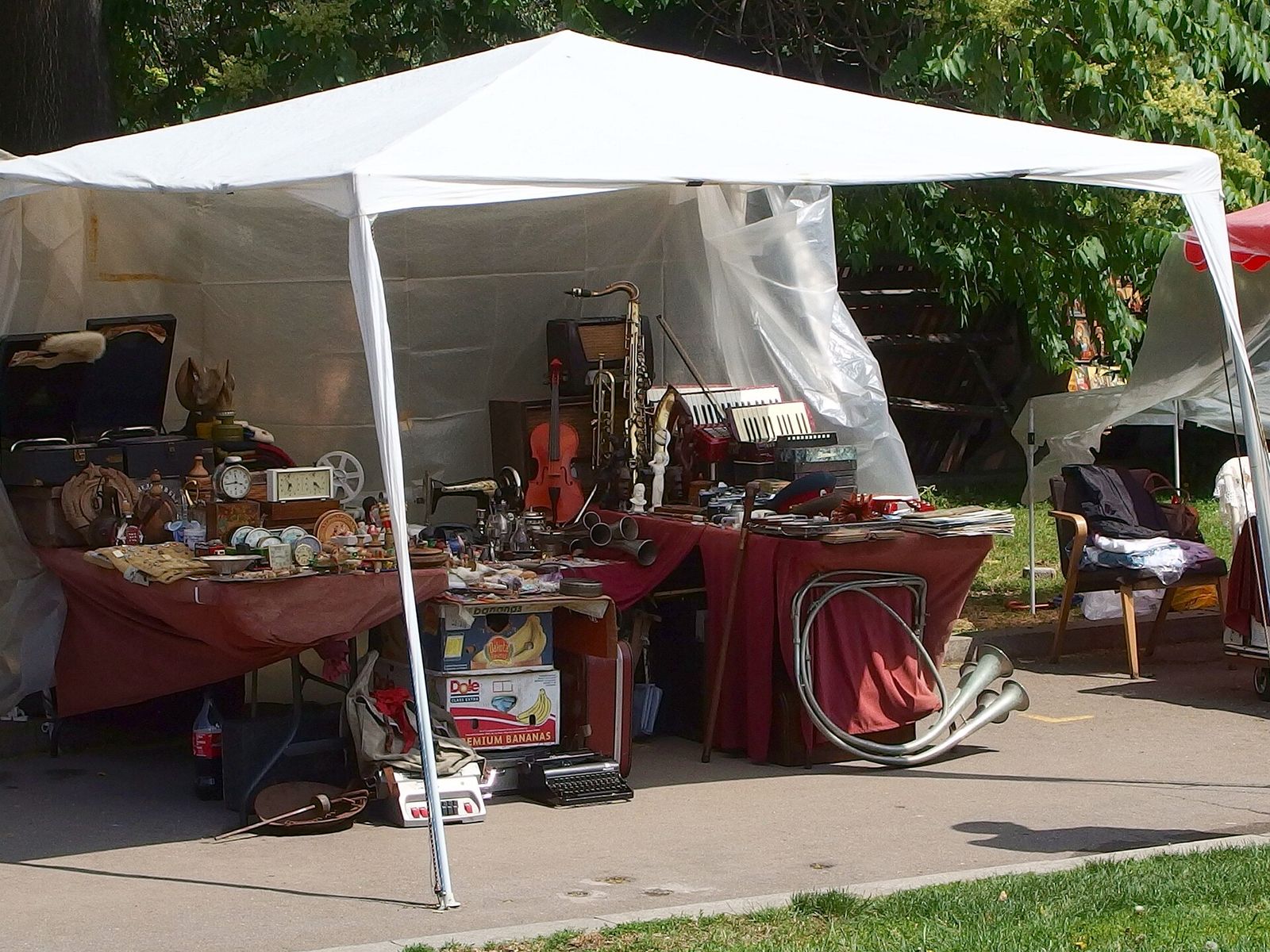
The market is an open-air row of tables and gazebos on the square around Sofia's most famous church. It sells a mix of real antiques, communist-era leftovers, folk crafts and tourist souvenirs, and every trader sets their own prices.
Where the antiques market is
The stalls stand on Alexander Nevsky Square in the old center, on the same square as Alexander Nevsky Cathedral and St Sofia Church. The cathedral is the first stop for the tourist buses that come into town, and the dealers set up where the visitors are. Over the years the stalls became a fixture of the square.
The market has two parts. The antiques and bric-a-brac tables run along the paths of the square, under the trees. To the side of the cathedral, older women keep their own stalls of linen, lace tablecloths and knitted socks. Nearby, on the pedestrian part of 6th September Street, Bulgarian artists show their paintings.
SU St. Kliment Ohridski, by Sofia University, is the closest metro station, about 250 meters away. Serdika, where the main lines cross, is about 850 meters away, a 10-minute walk, and a single ride on the Sofia metro costs €0.80.
When the antiques market runs
The market runs every day of the week. Traders start laying out their tables around 10 AM, and many stay until the evening.
It is an outdoor market, and the weather decides how many stalls you get. On a dry, sunny day the paths fill with tables. On a wet or cold one, expect far fewer stalls.
What you can buy at the antiques market
The range is wide, and a lot of it is junk. Between the badges and icons you will find old cameras, typewriters, dial phones, a violin or two, banknotes from the kingdom of Bulgaria, Cyrillic signs, chess and backgammon sets in wooden boxes and fridge magnets.
Soviet badges, medals and war relics
Most of the stock comes from the communist decades. The stalls sell Soviet badges and pins, medals, officer hats and winter hats, metal signs, flasks, lighters and busts of Lenin and Stalin.
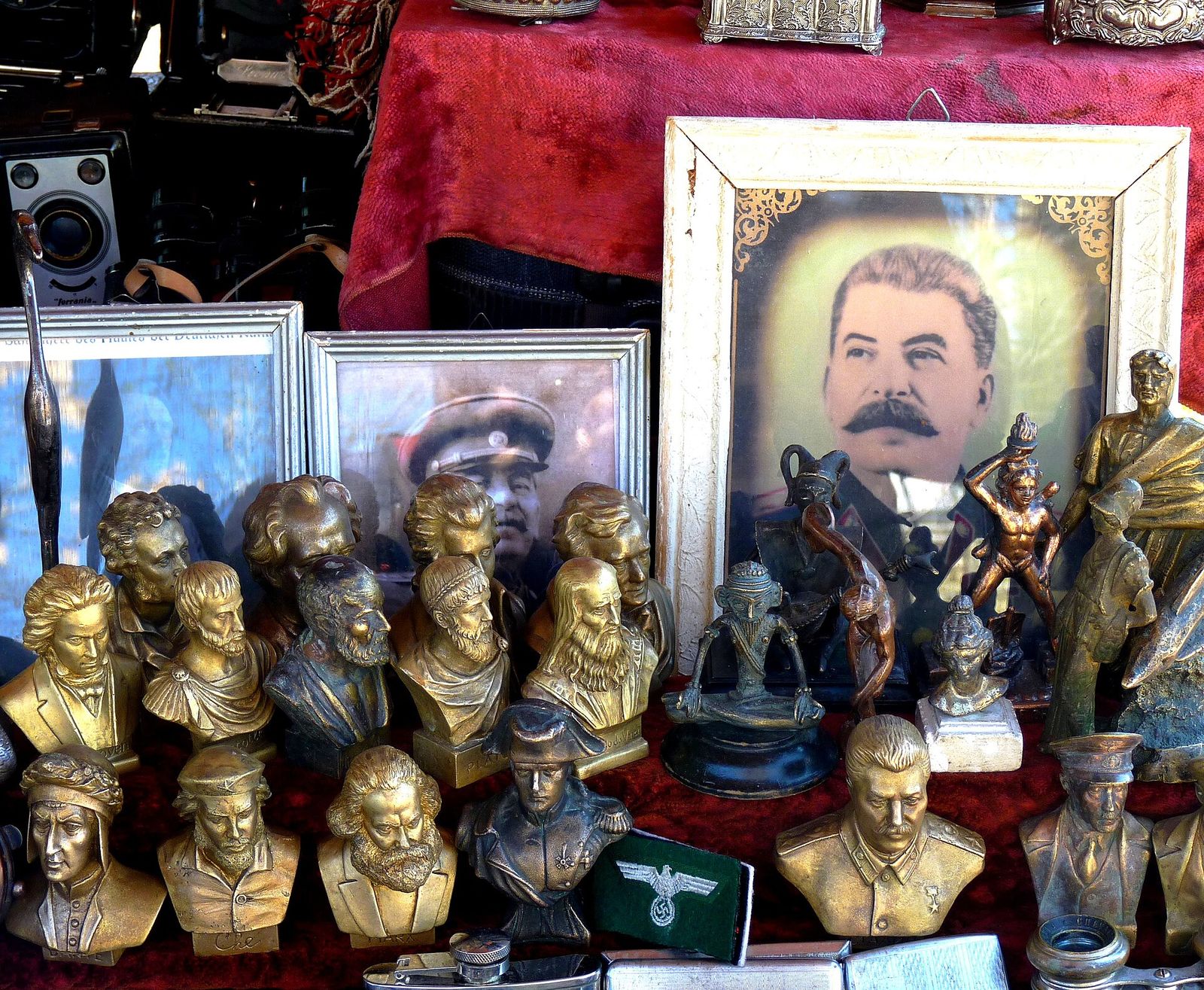
The war tables go further back. Traders sell helmets, gas masks and ammunition from the First and Second World Wars, and German wartime pieces like cigarette cases, belts and compasses turn up next to the Soviet ones. All of it is legal to buy.
Bulgaria was never part of the Soviet Union, so the hammer-and-sickle pieces come from Soviet history. For something from the country's own past, look for Bulgarian medals and old Bulgarian banknotes and coins.
Icons and religious art
Icons are the craft on the square that ties in best with the cathedral next to it. Traders set out long racks of painted icons, from small saints to large icons of the Virgin, and this is one of the best places in Sofia to browse for an icon at a fair price.
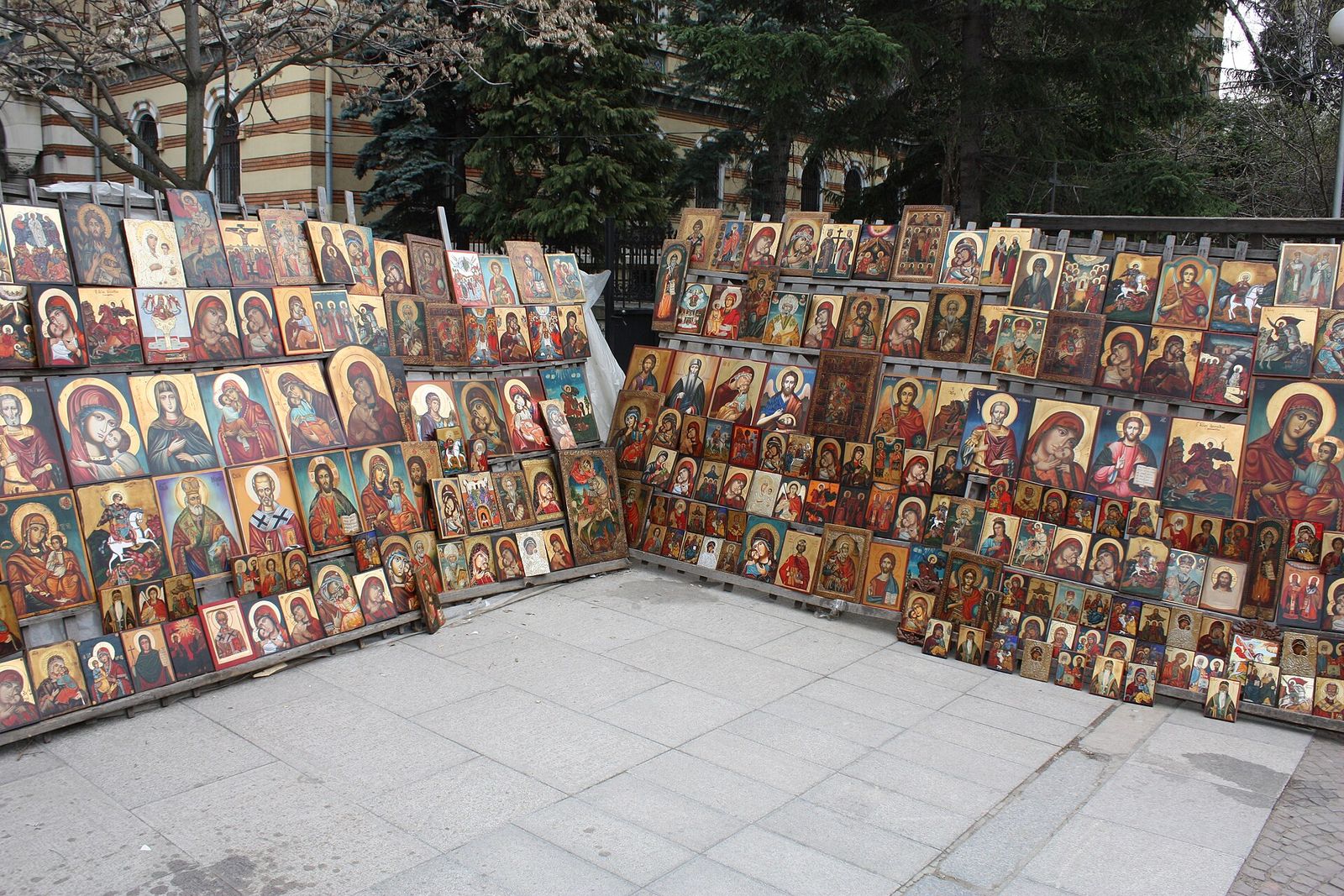
An icon with real gold leaf costs much more than one painted in colors alone. I'd assume an icon on the square is new work in the old style, and price it that way.
Lace, embroidery and knitted socks
The linen stalls to the side of the cathedral are the part of the market I like best. Older women sell hand-crafted lace, embroidered tablecloths and table mats, hand-knitted wool socks, and cotton and silk cardigans and sweaters at reasonable prices.
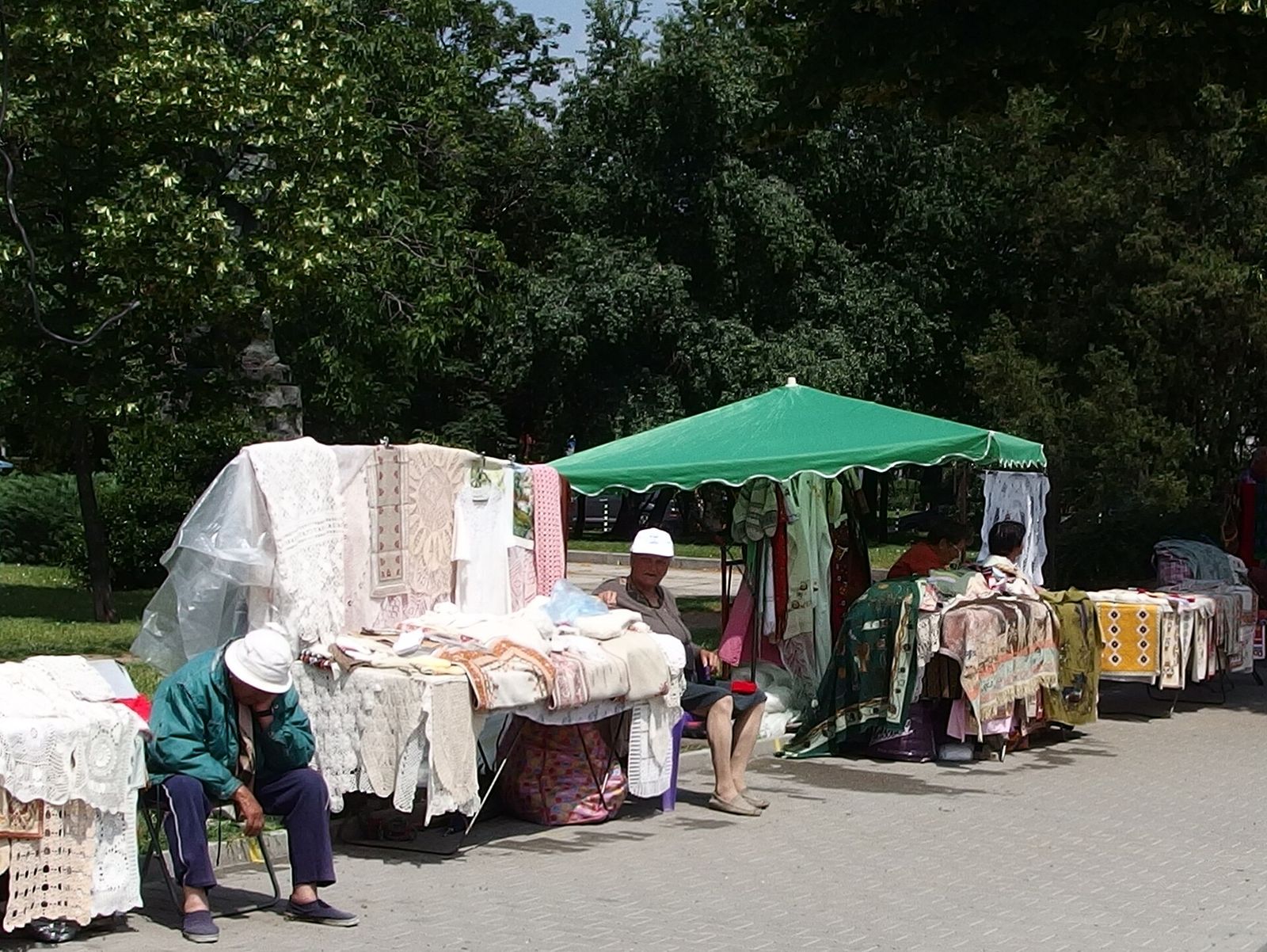
A pair of hand-knitted wool socks is a cheap, real Bulgarian souvenir, and a lace tablecloth is the one I'd pick for a gift. Hand embroidery, with its vivid reds, belongs to the same folk heritage as the other Bulgarian crafts, and a big embroidered tablecloth costs far more than a pair of socks.
Everything on the stalls, at a glance
| What you'll find | Where it comes from | What to know |
|---|---|---|
| Soviet badges, pins, officer hats | Communist era, mostly Soviet | Many are reproductions |
| Bulgarian medals, coins, banknotes | Kingdom and communist Bulgaria | The real Bulgarian history on the square |
| Helmets, gas masks, ammunition | First and Second World Wars | Legal to buy |
| Busts of Lenin and Stalin | Communist era | Soviet leaders, not Bulgarian ones |
| Painted icons | Orthodox tradition | Gold leaf costs more |
| Old cameras, typewriters, phones | 20th century | Check the mechanism works if it matters |
| Lace, tablecloths, knitted socks | Bulgarian folk craft, made by hand | Reasonable prices |
| Russian dolls and lacquered boxes | Made for tourists | Russian souvenirs |
| Paintings | Local artists | On 6th September Street nearby |
Original or reproduction
Plenty of the communist memorabilia on the square is reproduction, and some of the "antiques" are simply second-hand. That is fine if you want a fun souvenir and price it as one. It is a problem only if you pay antique prices for a copy.
My rule is to buy the object for itself. Pick a badge or a medal because you like it at the price, and assume it is a copy unless the trader can show you otherwise. The same tables sell fake Montblanc pens.
How haggling works at the market
Haggling is normal on the square and expected by the traders. The first price you hear is an opening offer, and it depends on who is asking: a well-dressed foreigner usually gets a higher quote than a Bulgarian.
Walk the stalls once before you buy, because the same badge or icon can be on three tables at three prices. Offer less than the asking price, settle somewhere in the middle, and walk away politely if the number does not move.
Is the antiques market worth visiting?
The market suits four kinds of visitor best:
- Souvenir hunters. A lace tablecloth or wool socks from the linen stalls, or a small painted icon, beats most of what the souvenir shops sell.
- Collectors of small things. Old Bulgarian banknotes, coins and badges are cheap, light and easy to carry home.
- Fans of communist kitsch. The busts and badges are the easiest way to take home a piece of the Cold War.
- Anyone visiting the cathedral. The stalls sit a few steps from the doors, so a browse fits between the church and the crypt.
Skip it if:
- You want a guaranteed antique. There is no receipt, no certificate and no comeback.
- You hate haggling. Prices are set by the conversation, and a fixed-price shop will suit you better.
- You are after Bulgarian crafts in quantity. Bulgarian souvenirs like Troyan pottery and rose oil have a wider choice in the shops around the center.
More to see on Alexander Nevsky Square
The market sits on Sofia's grandest square, so it is easy to fold into an hour of sightseeing. Alexander Nevsky Cathedral is free to enter, and its crypt holds the Museum of Christian Art, a branch of the National Gallery. A ticket costs €10, or €2 on Thursdays, and it opens Tuesday to Sunday from 10 AM to 6 PM.
I'd see the crypt before you buy an icon on the square. It shows you what centuries-old Bulgarian icon painting looks like, and it makes it much easier to judge the new work on the stalls.
St Sofia Church stands across the street, the second-oldest church in the city and the one that gave Sofia its name in the 14th century, and St Sofia Basilica has a paid underground necropolis with tombs about 1,500 years old. If the communist pieces on the stalls are what drew you, the Museum of Socialist Art in the Iztok district has the real statues of the era in its sculpture garden, 15 to 20 minutes by tram from the center.
Other flea markets in Sofia
Bitaka, on the outskirts of the city, is the largest flea market in Sofia. It runs on Saturdays, with antiques, collectibles, second-hand clothes and electronics, and it is the other good place in the city for communist memorabilia. Haggling is the rule there too.
The Slaveykov Square book market
Slaveykov Square, on Graf Ignatiev Street, is Sofia's open-air book market. Rows of covered book stalls line the sidewalk, and most of the stock is in Bulgarian.
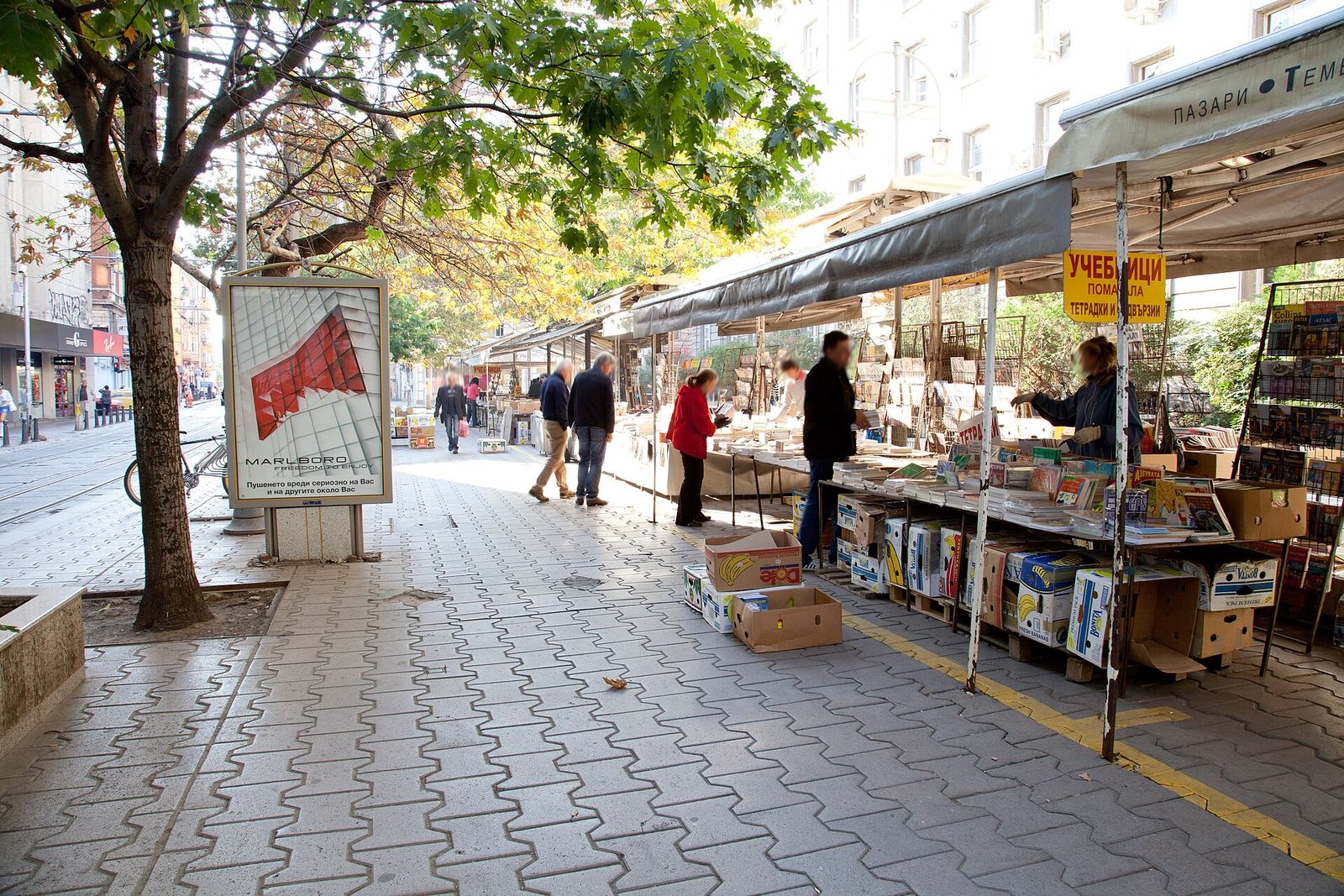
An old Bulgarian edition of a book you love is a cheap souvenir that weighs almost nothing.
Ilientsi Market is the other big outdoor market, the largest in Sofia for cheap clothes and shoes. It sells mostly new imported goods, so I'd only go if you need basics. Shopping in Sofia has a market for nearly everything, and the best markets in Sofia for food, Zhenski Pazar and the Central Market Hall, are both in the old center.
Key takeaways
- The antiques market is on Alexander Nevsky Square, beside the cathedral and St Sofia Church, and it is free to browse.
- Stalls set up daily from about 10 AM in fine weather; go at 10 AM, before the tour buses.
- Expect Soviet badges, medals, war relics, icons and bric-a-brac, plus handmade lace and wool socks from the women's stalls.
- Haggle, pay cash in euros, and treat anything sold as genuine as a copy unless proven otherwise.
- Bitaka, on Saturdays on the outskirts, is the largest flea market in Sofia.
Frequently asked questions
Is there a flea market in Sofia?
Yes. The best known is the antiques market on Alexander Nevsky Square, open every day beside the cathedral, and the largest is Bitaka, a Saturday market on the edge of the city.
What days is the Alexander Nevsky market open?
The antiques market on Alexander Nevsky Square is open every day of the week. Stalls set up from about 10 AM, and fewer traders come out in rain or cold.
What can you buy at the Sofia antique market?
You can buy Soviet badges, medals and officer hats, war relics, icons, old cameras, typewriters and banknotes. There is also a section of handmade lace, embroidered tablecloths and knitted wool socks.
Can you haggle at the market by Alexander Nevsky Cathedral?
Yes, haggling is expected. The first price is an opening offer and often depends on who is asking, so compare a few stalls and offer less.
Is the Soviet memorabilia in Sofia real?
Some of it is, but a lot is reproduction. Assume a piece is a copy unless the trader can show otherwise, and pay souvenir prices.
Do the stalls at Alexander Nevsky take cards?
Mostly not. Bring cash in euros, ideally in small notes, and do not expect a receipt.
Where is the biggest flea market in Sofia?
Bitaka, on the outskirts of the city, is the biggest flea market in Sofia. It runs on Saturdays and sells antiques, collectibles, second-hand clothes and electronics.
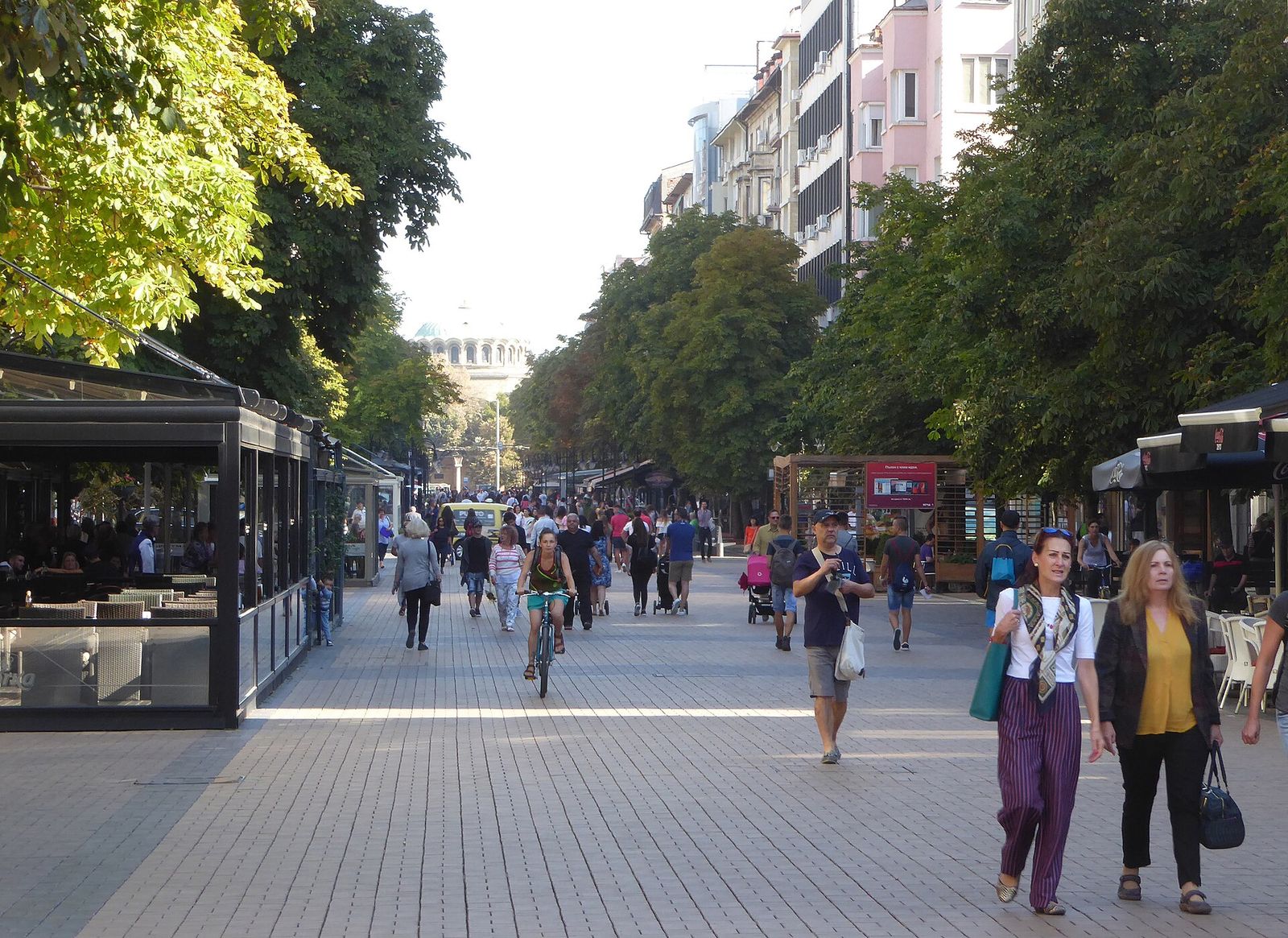
Shopping in Sofia: Streets, Markets and What to Buy
Sofia is known for one long shopping boulevard and a lot of small streets. Where to shop, what to buy and what it costs.
Read the guide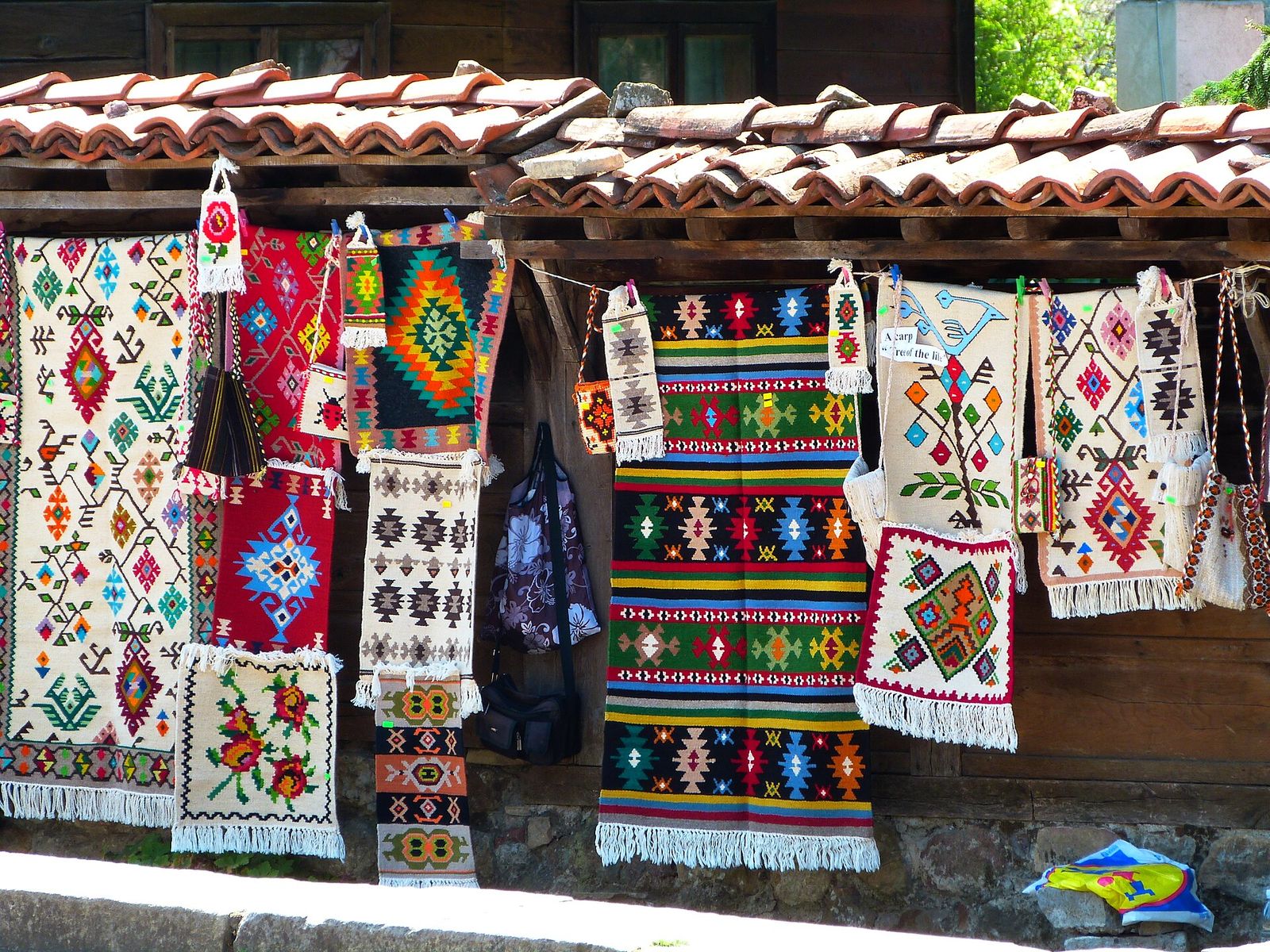
Bulgarian Souvenirs Worth Buying, and Where to Find Them in Sofia
Bulgaria is known for rose oil and folk crafts. The souvenirs worth buying, what they cost and where to get them.
Read the guide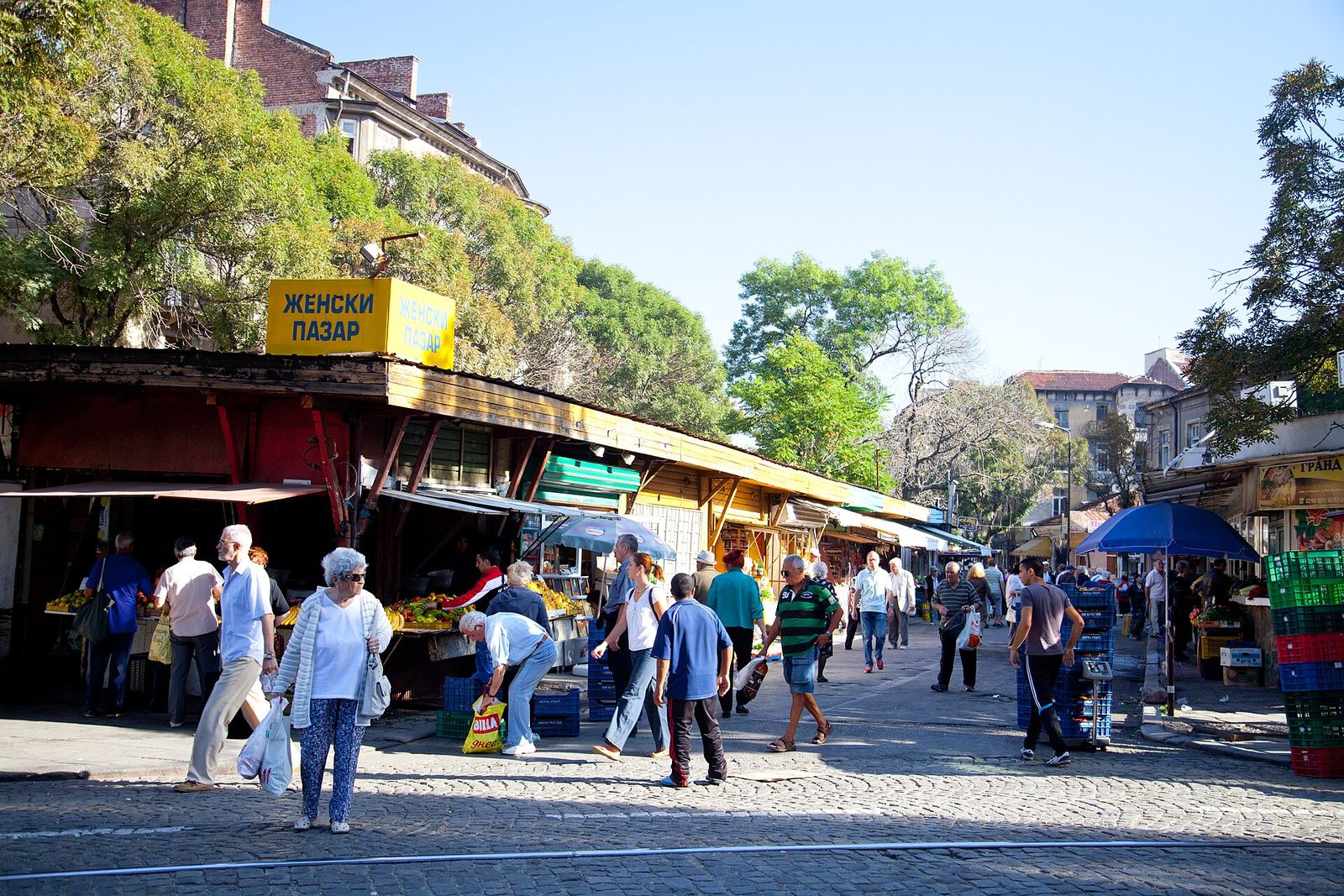
Zhenski Pazar: A Guide to Sofia's Women's Market
Sofia's oldest open-air market has traded since 1878. What Zhenski Pazar sells, what to eat there and when to go.
Read the guide