Bulgarian Drinks: What to Drink in Bulgaria and Where to Try It in Sofia
Bulgaria is known for rakia, its fruit brandy, but the drinks list runs much longer: wine from grapes that grow almost nowhere else, a salted yogurt drink at breakfast, a thick fermented grain drink and mineral water from more than 200 springs. Here is what each one is, when Bulgarians drink it and where I'd go in Sofia to try it.
Bulgarian drinks at a glance
Ten drinks cover most of what you will be offered in Bulgaria, from a dinner table in Sofia to a village kitchen.
| Drink | What it is | Strength | When Bulgarians drink it |
|---|---|---|---|
| Rakia | Fruit brandy, usually grape or plum | About 40%, homemade stronger | With the salad, before dinner |
| Wine | Mostly red, many native grapes | Table wine | With the main course |
| Beer | Lager and dark beer | Regular beer | Lager in summer, dark beer in winter |
| Mastika | Clear anise spirit | 47% to 50% | Summer, over ice |
| Menta | Green mint liqueur | About 25% | Summer, with Sprite or milk |
| Ayran | Yogurt, water and salt | None | Breakfast and with grilled meat |
| Boza | Fermented wheat or millet | 0.5% to 1% | Breakfast, with banitsa |
| Mineral water | From more than 200 springs | None | All day, every day |
| Mountain tea | Herbal tea from wild mountain plants | None | Any time, iced in summer |
| Turkish-style coffee | Boiled with sugar in a copper pot | None | In traditional restaurants |
Alcoholic Bulgarian drinks
Rakia
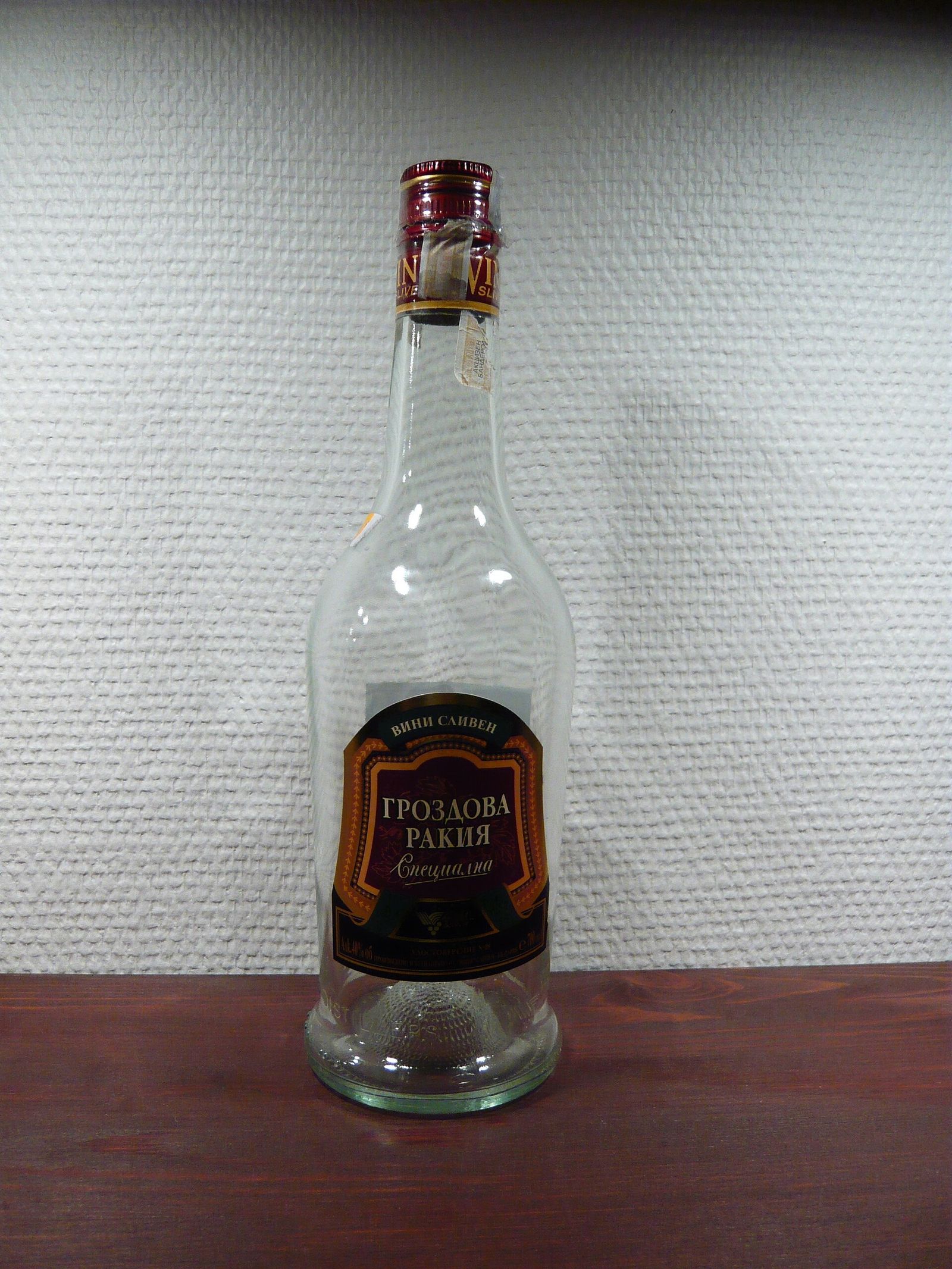
Rakia is a fruit brandy, and it is the first thing a Bulgarian host pours for a guest. Grape rakia (grozdova) is the most common kind, plum (slivova) comes second, and apricot, pear, quince and even rose rakia all exist. Shop bottles sit around 40% alcohol, and homemade rakia, which many families still distill every autumn in a copper still called a kazan, often runs above 50%.
Each fruit gives grape, plum and apricot rakia its own character. Grape is the driest, plum is rounder and a little sweet, and apricot is the most fragrant. If you only try one, I'd make it a plum rakia from the Troyan area, where the plum orchards are.
Rakia is sipped, never shot. A small serving is 50 ml and a big one is 100 ml, and a big one of homemade rakia is a serious amount of alcohol.
Bulgarian wine
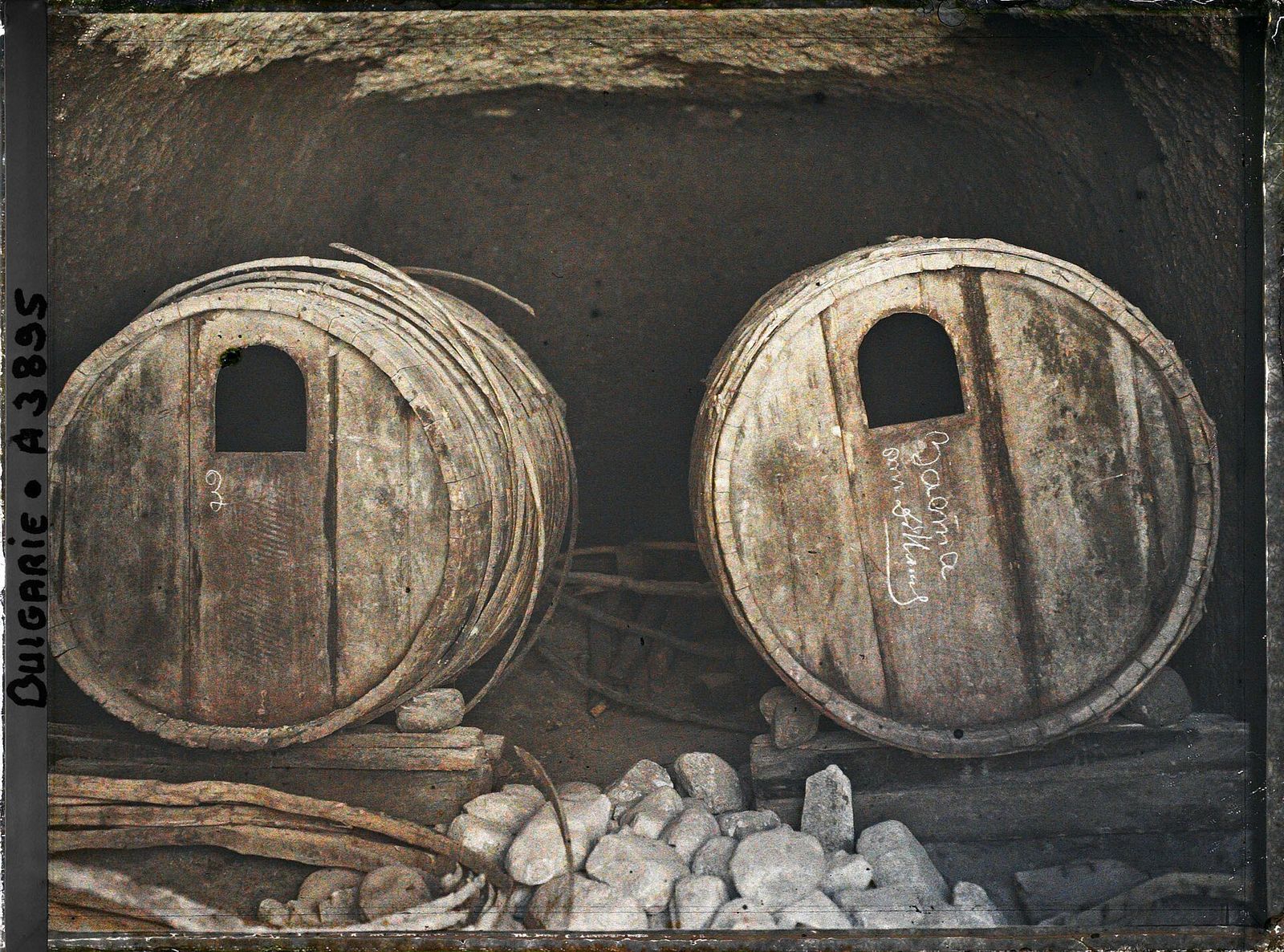
Thracian tribes were growing grapes here 4,000 to 6,000 years ago, and in the 1970s and 1980s Bulgaria was the fourth largest wine producer in the world, with most of it shipped to the Soviet Union. Bulgarian wine today comes from about 60,000 hectares of vineyards, and most of it is red.
International grapes like Cabernet Sauvignon and Merlot make up about 70% of the plantings, but the native grapes are the reason to drink it here. Mavrud gives a rich red with cherry and chocolate flavors, Melnik from the Struma Valley in the southwest is peppery, Rubin is a Bulgarian cross of Nebbiolo and Syrah, and Gamza from the northwest is light and tart. The whites to know are Dimyat and Misket.
For a first bottle I'd pick a Mavrud or a Melnik, the two best-known native reds.
Bulgarian beer
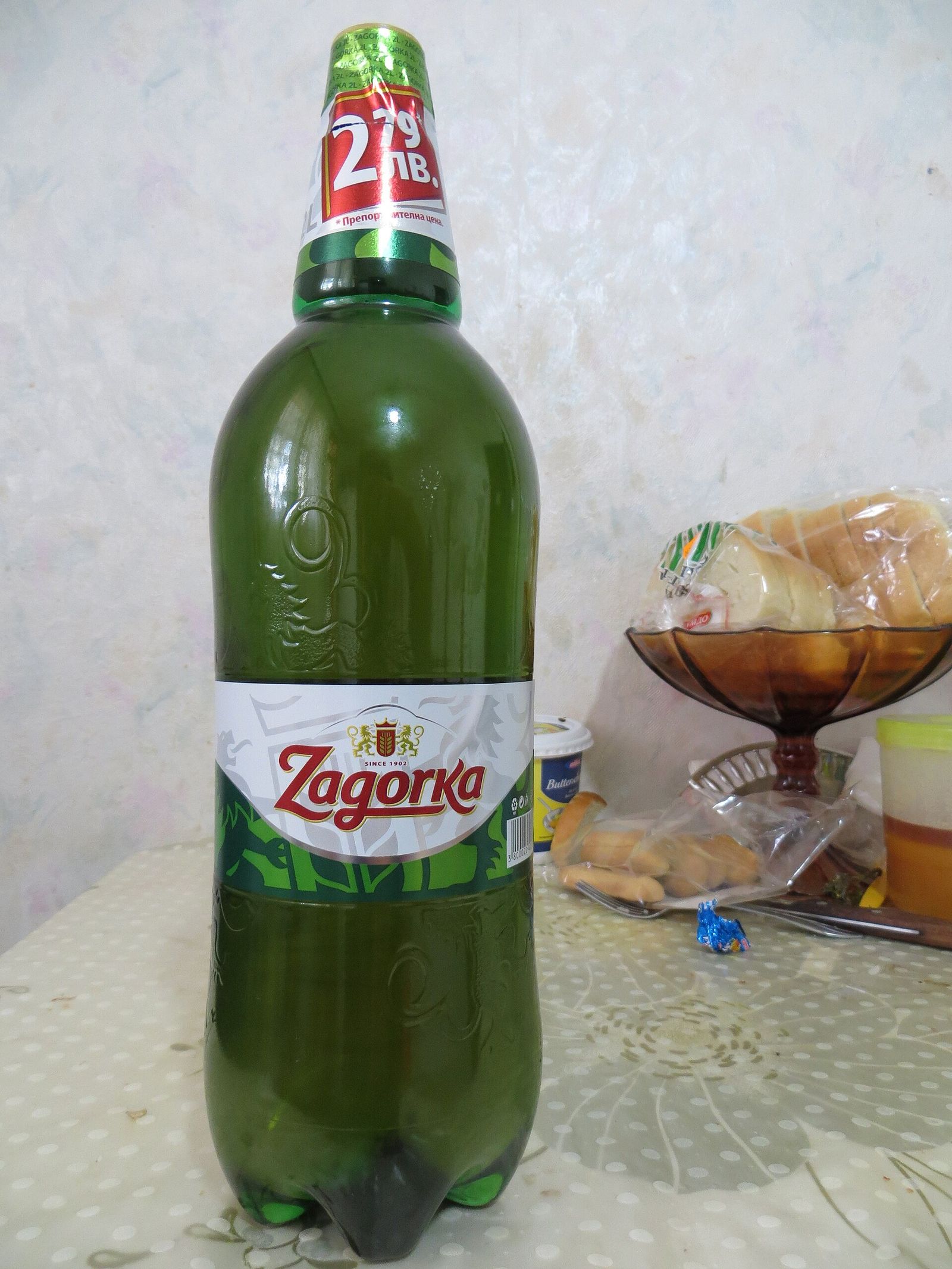
The national beer brands are Zagorka, Kamenitza, Shumensko, Stolichno and Pirinsko, which is brewed in Blagoevgrad under the Pirin Mountains, belongs to Carlsberg and goes well with grilled meat. Bulgarians drink light lager in summer and switch to dark, caramel-sweet beer in winter.
I find the big brands easy everyday lagers. The more interesting side of Bulgarian beer is the small producers: Glarus, Ailiak, Divo Pivo and Dunav Craft are the craft names to look for, and craft beer in Sofia has grown alongside microbreweries in Plovdiv and Burgas.
Non-alcoholic Bulgarian drinks
Ayran
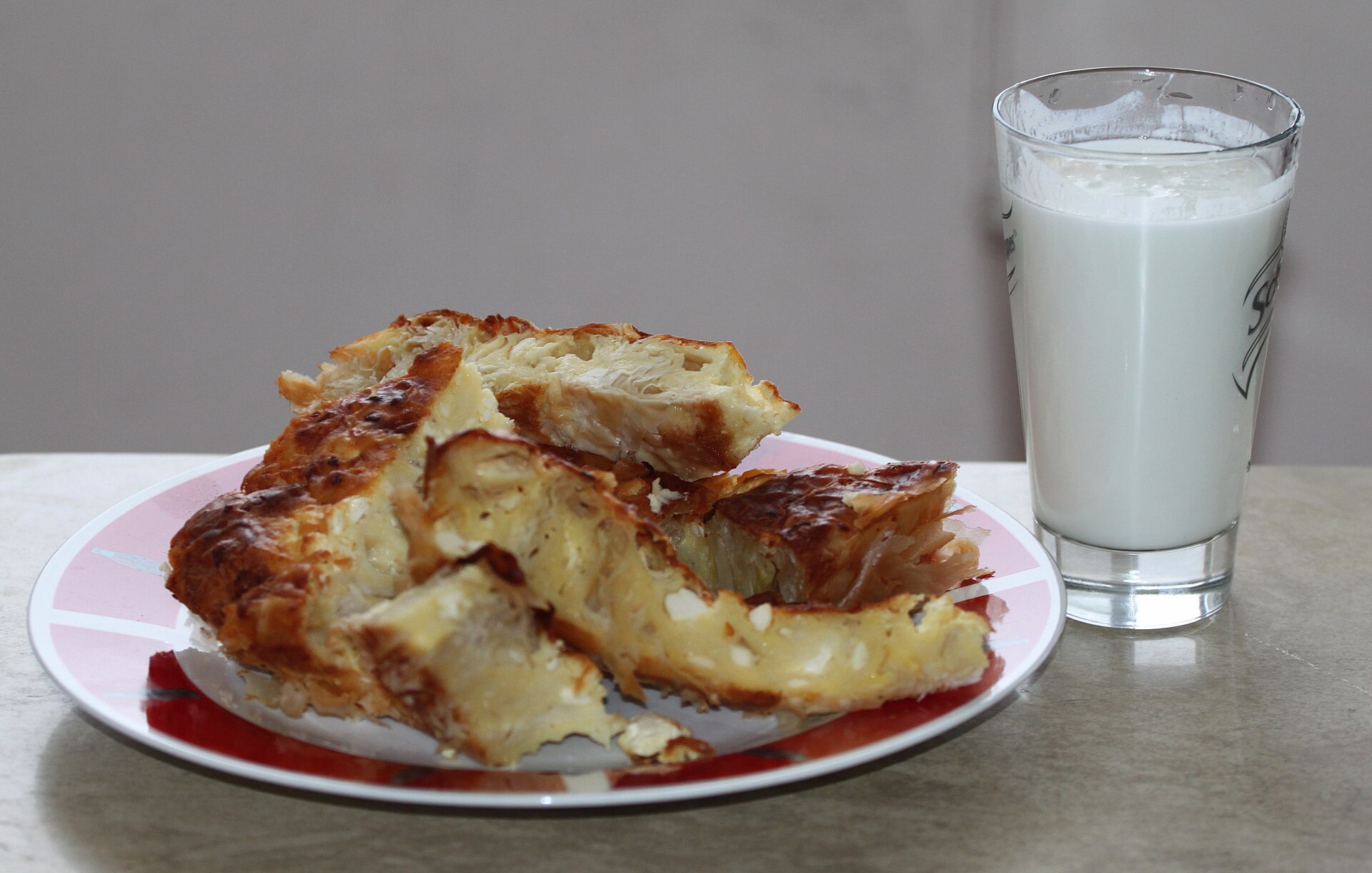
Ayran is yogurt whisked with water and a pinch of salt, served cold. It is the drink of hot Balkan summers, and it shows up at breakfast next to banitsa and at lunch next to grilled kebapche and kyufte. Supermarkets also sell fruit-flavored versions.
Its sour edge comes from Bulgarian yogurt, made with Lactobacillus bulgaricus. A glass of ayran with a slice from one of Sofia's banitsa shops is the breakfast I'd send every visitor out for.
Boza
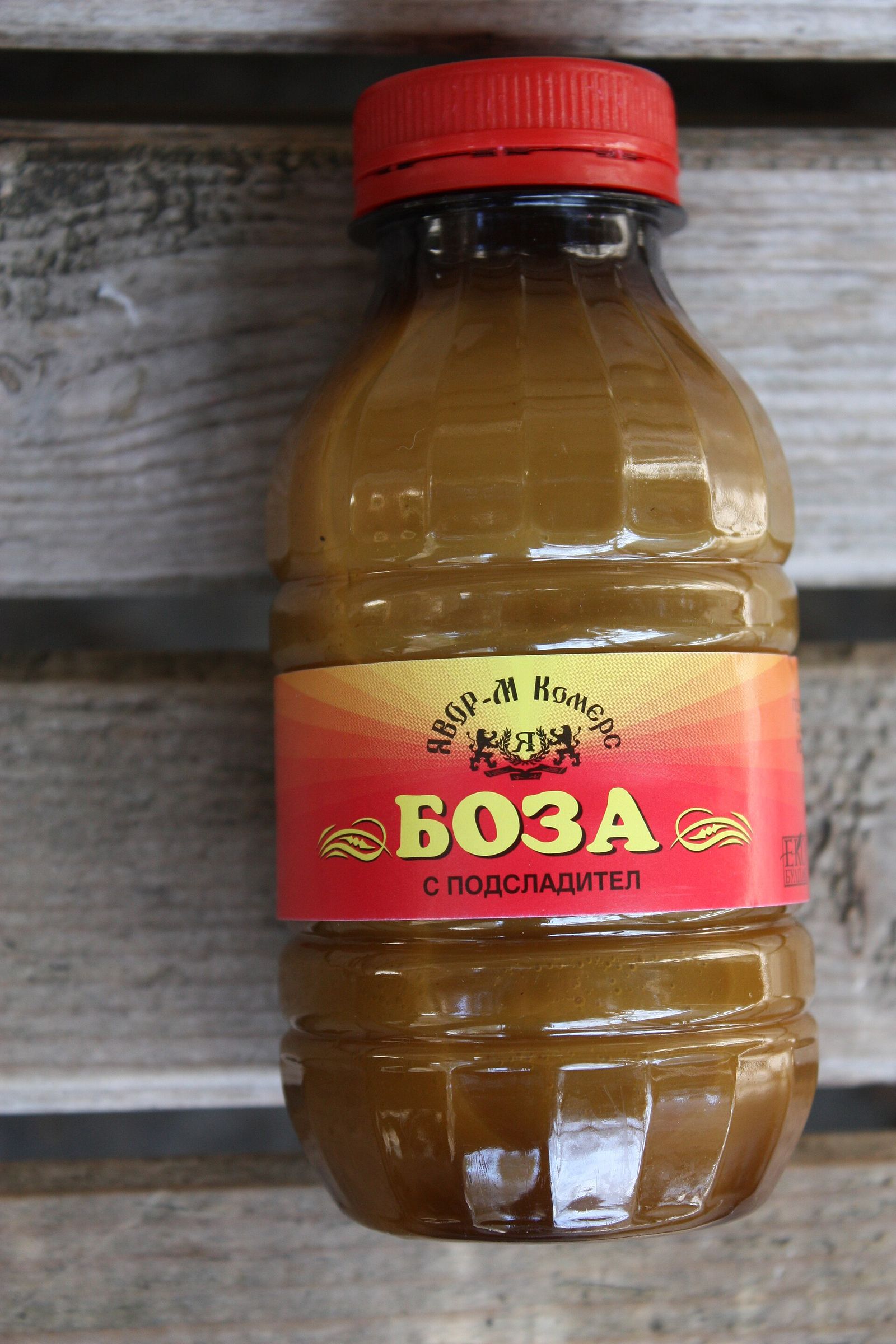
Boza is a thick, sweet, slightly sour drink made by fermenting wheat or millet with water and sugar. It is brown, comes in clear plastic bottles from bakeries, delis and supermarkets, and Bulgarians drink it at breakfast with banitsa.
I'll warn you that boza is hard to love on the first try, and I'd still drink it once with a banitsa before writing it off. The towns of Radomir and Lyubimets are known for the best boza, and Radomir even has a monument to the boza seller.
Mineral water
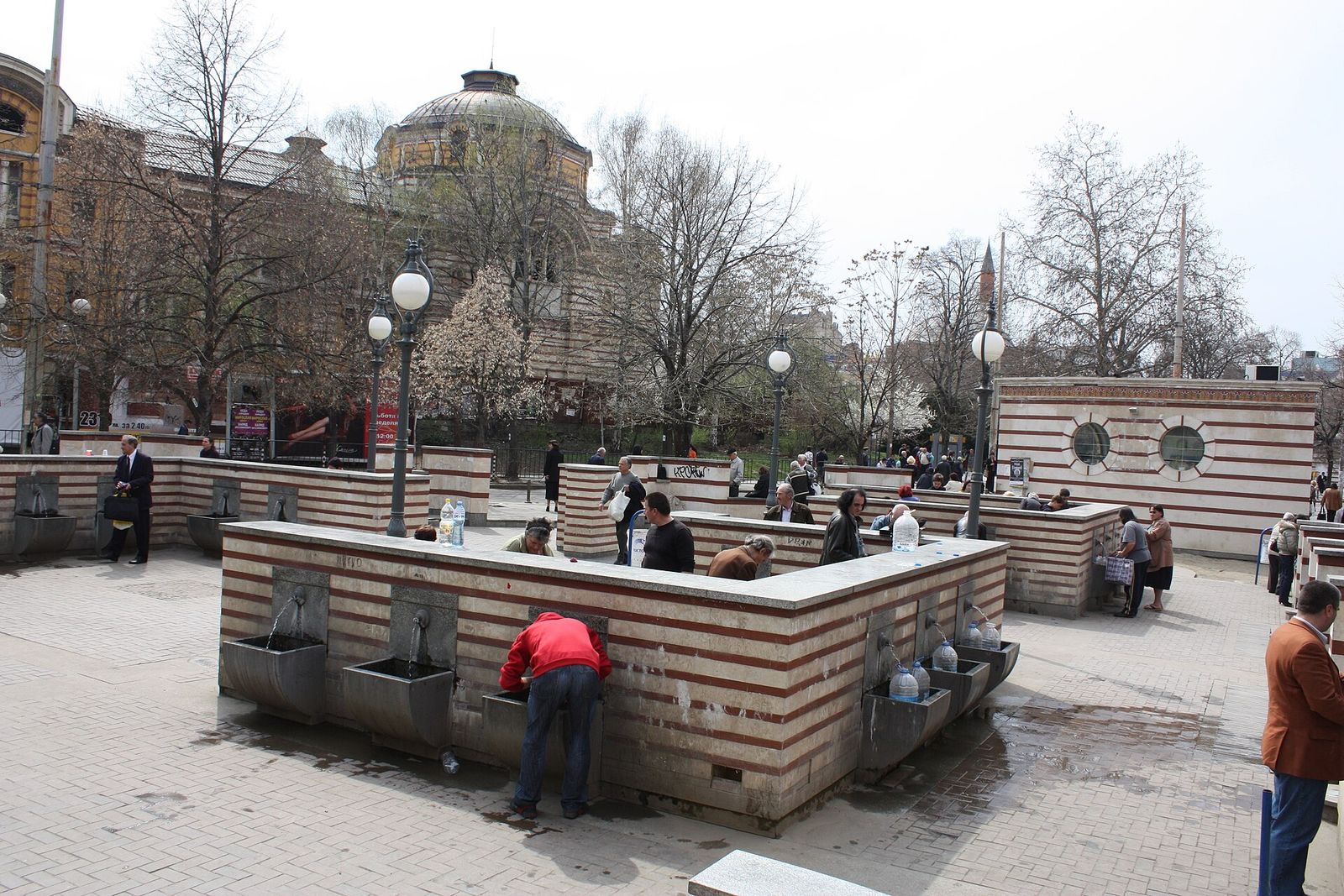
Bulgaria counts more than 200 mineral springs, second in Europe only to Iceland, and bottled mineral water is cheap. Devin, Hisar and Gorna Banya are three of the popular brands, sold in every restaurant, bar and shop.
Sofia sits on its own springs. Beside the Central Mineral Baths there are public taps where people fill plastic bottles with hot mineral water, and Bankya, Knyazhevo and Gorna Banya on the edge of the city have their own sources. Further out, the water at Mihalkovo comes out of the ground already fizzy, and Sapareva Banya has the hottest geyser in continental Europe.
Mountain tea
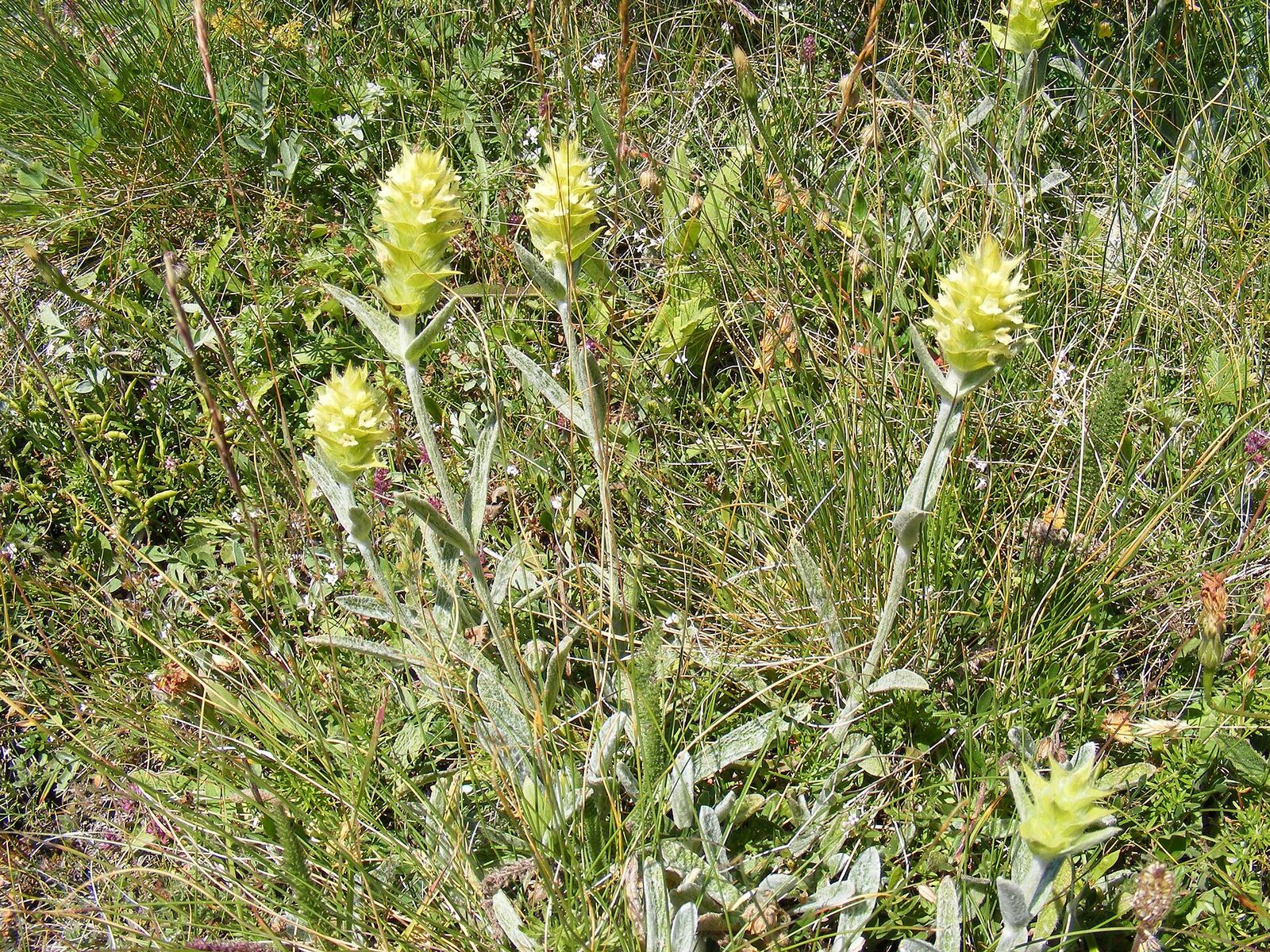
Bulgarians are proud of their herbs, and tea here usually means herbal tea. The best known is mursalski chai, the mountain tea made from a wild plant with pale yellow flower spikes, and Rodopi tea is made from herbs picked in the Rhodope meadows. Chamomile and mint tea are everyday drinks, and in summer iced tea takes over.
I'd take a bag of mursalski chai home as a souvenir. It weighs nothing, and it is one of the most famous teas in the country.
Turkish-style coffee
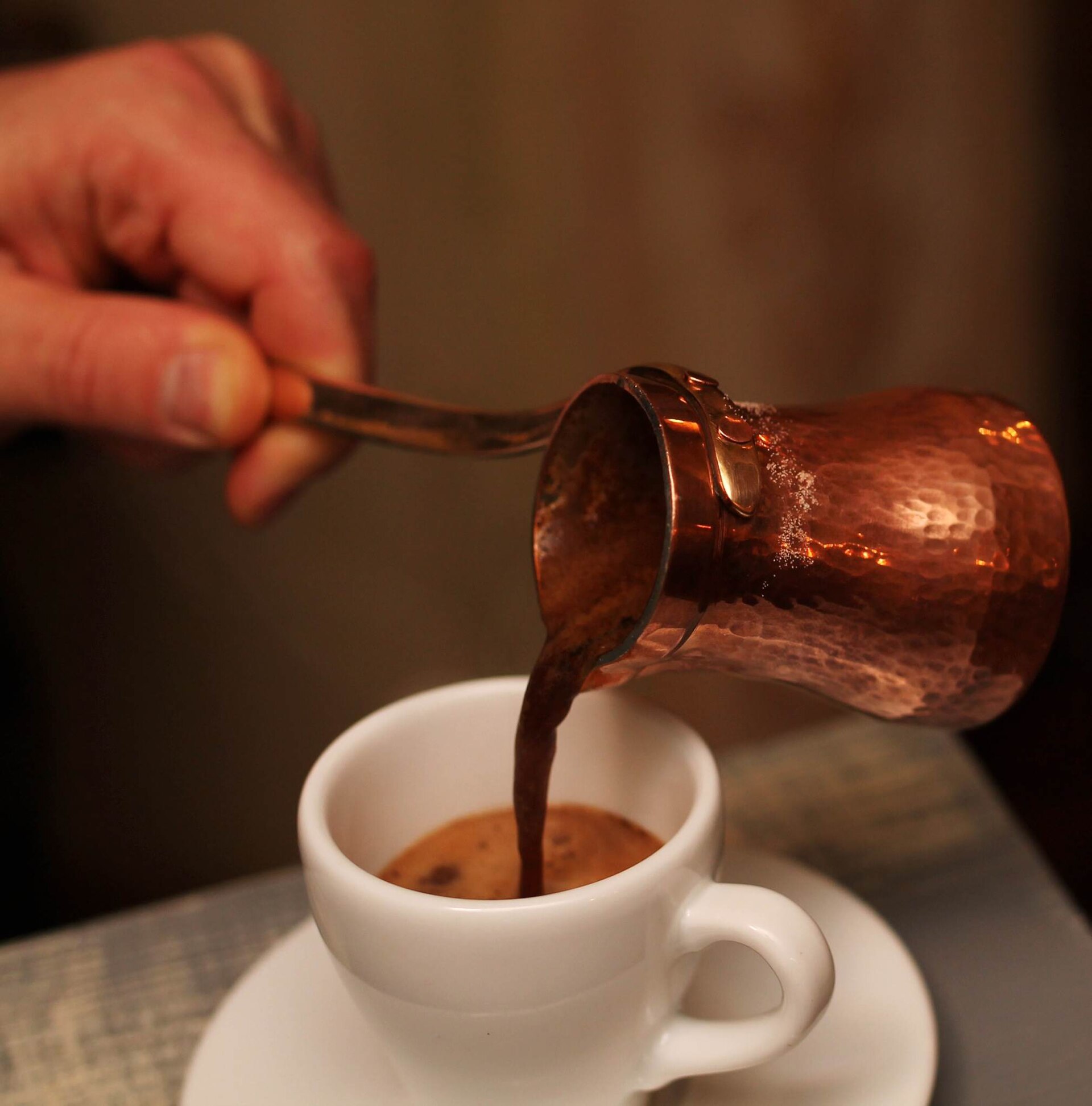
Coffee arrived in Bulgaria during Ottoman rule, and the old way of making it has stayed. Finely ground coffee is boiled with sugar in a small copper pot called a dzhezve, which gives a thick, creamy cup with a layer of grounds at the bottom. Bulgarian fortune tellers read the pattern those grounds leave.
Order it in a traditional restaurant, because the trendy cafes on Vitosha Boulevard do not serve it.
Mastika, menta and the other drinks on the menu
These turn up at summer tables and on bar menus across the country, and two of them you will mostly meet in someone's home.
| Drink | What it is | How it is served |
|---|---|---|
| Mastika | Clear anise spirit, 47% to 50% | Very cold over ice, which turns it cloudy white; sometimes mixed with ayran |
| Menta | Green spearmint liqueur, about 25% | Cold, with Sprite and a slice of lemon, or with cold milk |
| Oblak | Mastika and menta mixed, its name means "cloud" | A strong summer cocktail |
| Etar | Light-brown fruit soda from before 1989 | Glass bottles in a few supermarkets |
| Elderberry juice | Semi-sweet, semi-tart homemade juice | In village homes, rarely in shops |
| Lemonade | Lemon, sparkling water and sugar | Often with strawberry or raspberry syrup |
Mastika tastes like ouzo, and it goes with tarator and shopska salad on a hot evening. At summer parties some Bulgarians inject it into a watermelon with a syringe.
Etar is the one I'd look for out of curiosity. It was the soda of the socialist years, light brown with a fruit flavor nobody can quite name, and it takes its name from the old name of the Yantra River. Some Bulgarians still drink it on the side with rakia.
How Bulgarians drink: rakia first, wine with the meal
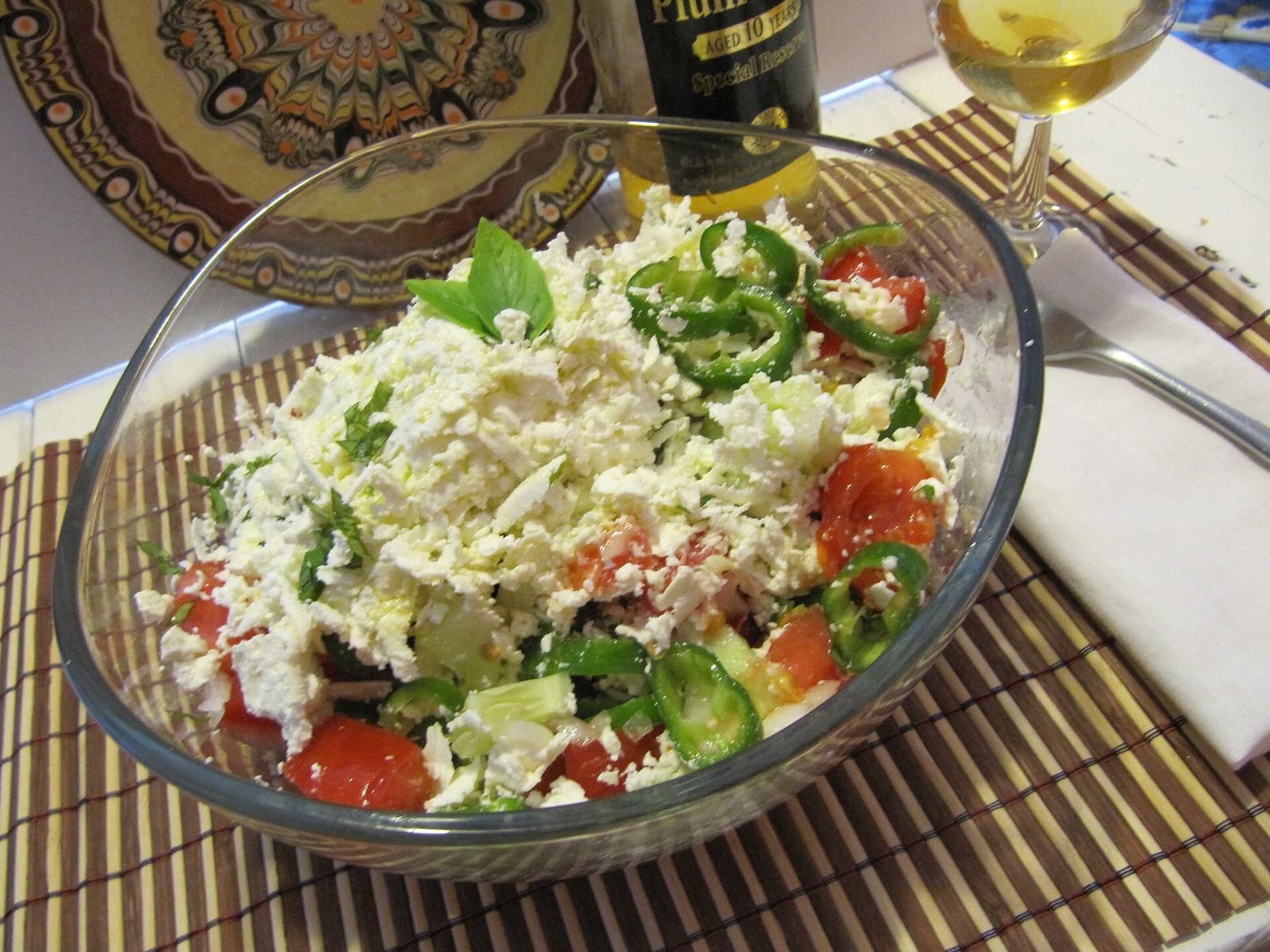
The order of drinks at a Bulgarian table follows the food. Rakia comes first, with the salads, and the classic pairing is a shopska salad of tomato, cucumber and white cheese. Once the salads are cleared, people move on to wine or beer for the main course, and carrying on with rakia through dinner looks like you came to get drunk.
There is even a name for it: "rakia time" is the hour before dinner, around 6 PM, when the first glass gets poured. In winter, rakia is heated with honey, and some add black pepper, which is also the household cure for a cold.
The toast is "nazdrave", to health, and you look each person in the eye as you clink. Looking away is considered bad luck, as is raising an empty glass, and both are part of Bulgarian etiquette at any table. If a host offers you rakia at home, take at least a sip: an outright no reads as rude unless you give a reason like driving or medication.
Where to try Bulgarian drinks in Sofia
Raketa Rakia Bar
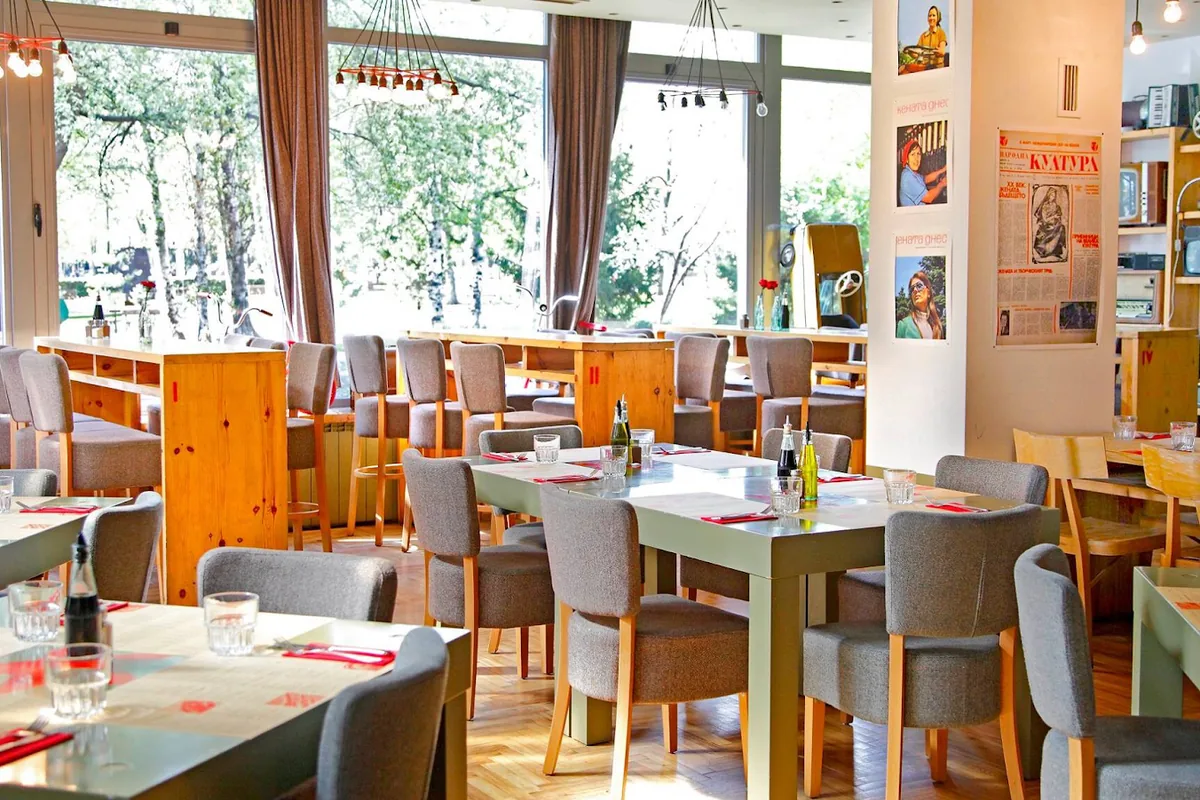
Raketa is the rakia bar I'd send a first-timer to. It opened in 2012 on Yanko Sakazov Boulevard, at a spot where there has been a restaurant since 1954, and it is decorated with radios, rotary phones and other objects from the socialist era. The menu leans on socialist-era classics, the rakia arrives chilled, and the staff will recommend one to match your mood.
Coupage Wine and Cheese
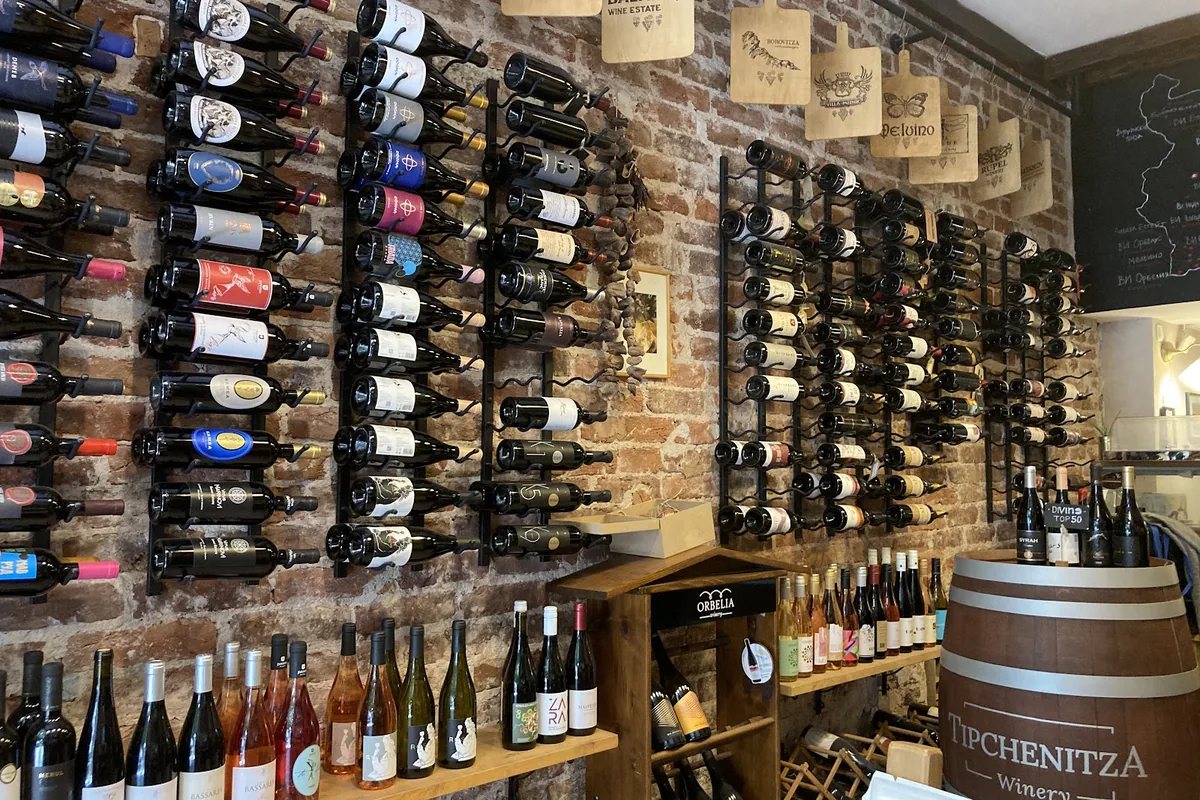
Coupage is a wine and cheese shop a few blocks off Slaveykov Square, run by Aleksander Angelov. He runs guided tastings for individuals and small groups, pouring wines from small Bulgarian producers next to Bulgarian cheese and charcuterie, and he uses a chalkboard map of the country above the cheese counter to show where each one comes from. It is the place I'd start on a first day in Sofia if wine is the reason you came.
Tempus Vini also runs tastings, and Wine Generator, Phine, Vineria, Wine & Co and Grape Central round out Sofia's wine bars and shops.
Supermarkets, bakeries and markets
The everyday drinks are easiest to find in shops. Supermarkets sell plain and fruit ayran, boza is sold at bakeries and delis, and Etar turns up in glass bottles in a few supermarkets. For a bottle of rakia to take home, supermarkets carry Peshterska and Karnobatska grape rakia and Troyan plum rakia, and the wine and spirit shops around Zhenski Pazar stock a wider range from the regions.
Key takeaways
- Start a Bulgarian meal with a small rakia and the salad, then move to wine or beer for the main course.
- The native wine grapes to try are Mavrud, Melnik, Rubin and Gamza for reds, and Dimyat and Misket for whites.
- For breakfast, order ayran or boza with a banitsa.
- Mastika (anise, 47% to 50%) and menta (mint, about 25%) are the summer spirits.
- Raketa Rakia Bar on Yanko Sakazov Boulevard and Coupage Wine and Cheese near Slaveykov Square are my two Sofia picks.
Frequently asked questions
What is the national drink of Bulgaria?
Rakia, a fruit brandy usually made from grapes or plums, is Bulgaria's national drink. It is poured for guests, toasted at weddings and christenings, and drunk with the salad before dinner. Many families still make their own.
What does rakia taste like?
Rakia tastes of strong alcohol first, then fruit. Grape rakia is dry and aromatic, plum rakia is rounder and slightly sweet, and apricot rakia is the most fragrant. Served cold, it is smooth; served warm, it burns.
Is rakia stronger than vodka?
Shop rakia is about the same strength as vodka, at around 40%. Homemade rakia is often stronger, above 50%, and some village batches go much higher, so a big 100 ml glass of it is a lot of alcohol.
What do Bulgarians drink with breakfast?
Bulgarians drink ayran or boza with banitsa, the cheese pastry, at breakfast. Ayran is cold salted yogurt and water, and boza is a thick, sweet fermented grain drink. Coffee is the other morning drink.
Is boza alcoholic?
Boza contains a trace of alcohol, between about 0.5% and 1%, because it is fermented. That is far too little to feel, which is why it counts as a breakfast drink.
What beer do Bulgarians drink?
The best-selling Bulgarian beers are Zagorka, Kamenitza, Shumensko, Stolichno and Pirinsko. Craft brewers such as Glarus, Ailiak, Divo Pivo and Dunav Craft make the more interesting beers, and Sofia, Plovdiv and Burgas all have microbreweries.
What soft drinks are popular in Bulgaria?
Ayran, mineral water and homemade lemonade with strawberry or raspberry syrup are the everyday soft drinks in Bulgaria. Etar, a fruit soda from the socialist years, still sells in glass bottles to people who remember it.
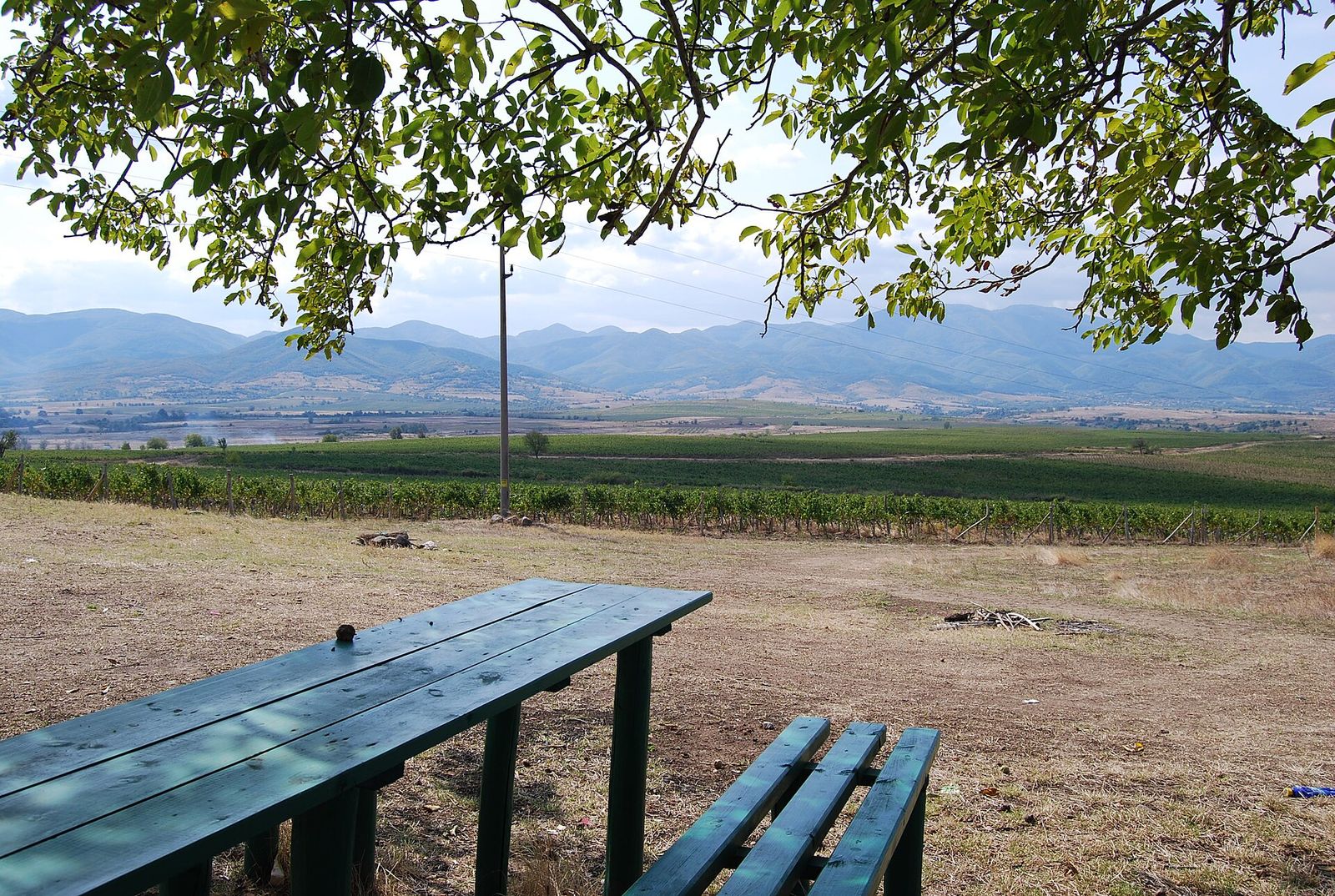
Bulgarian Wine: A Visitor's Guide
Bulgaria has made wine since the Thracians: the grapes to order, how to read a label and where to taste it in Sofia.
Read the guide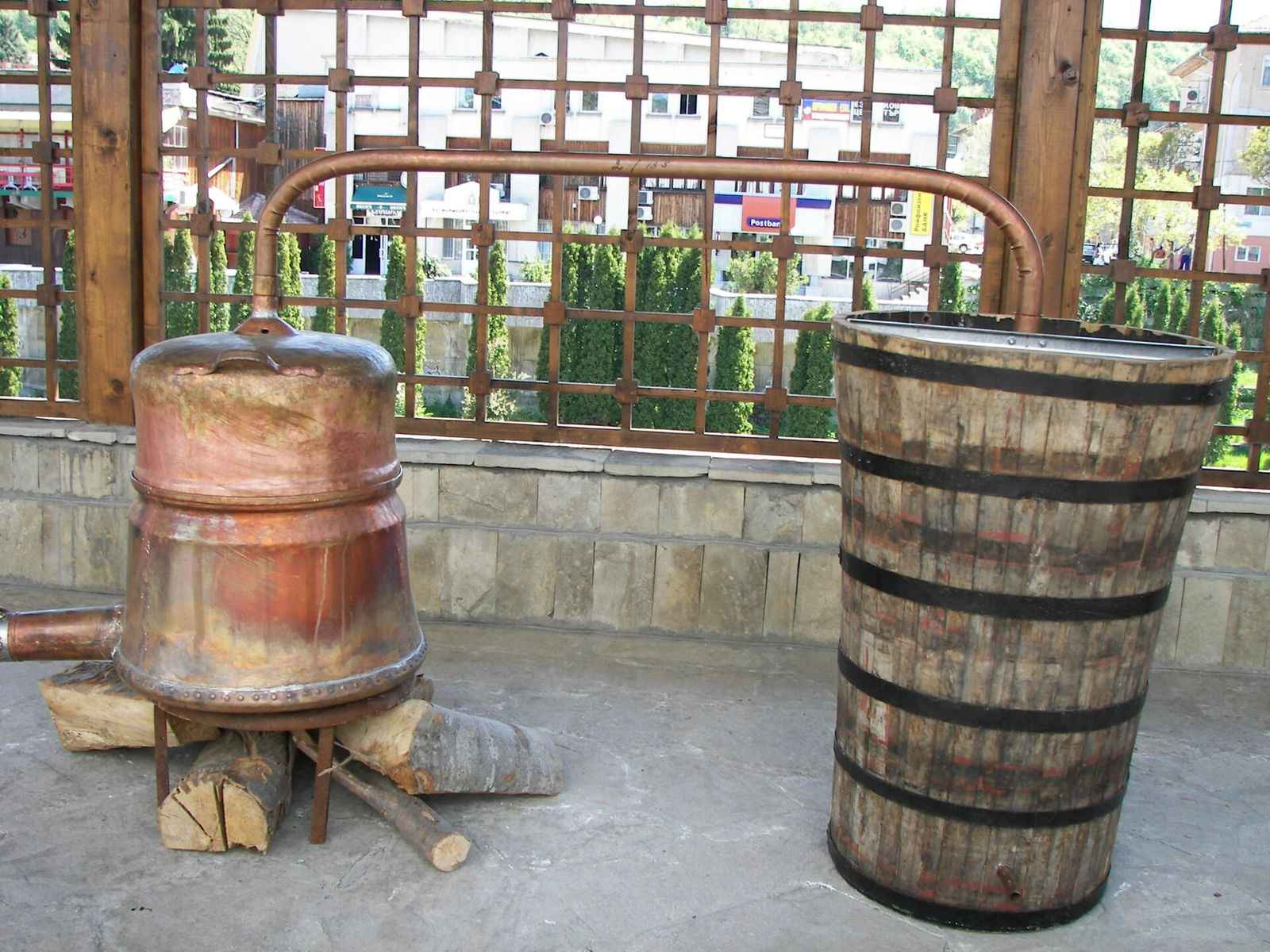
Rakia: Bulgaria's Fruit Brandy
Rakia is the drink Bulgarians pour for guests: what it is, the types to try and how to drink it the local way.
Read the guide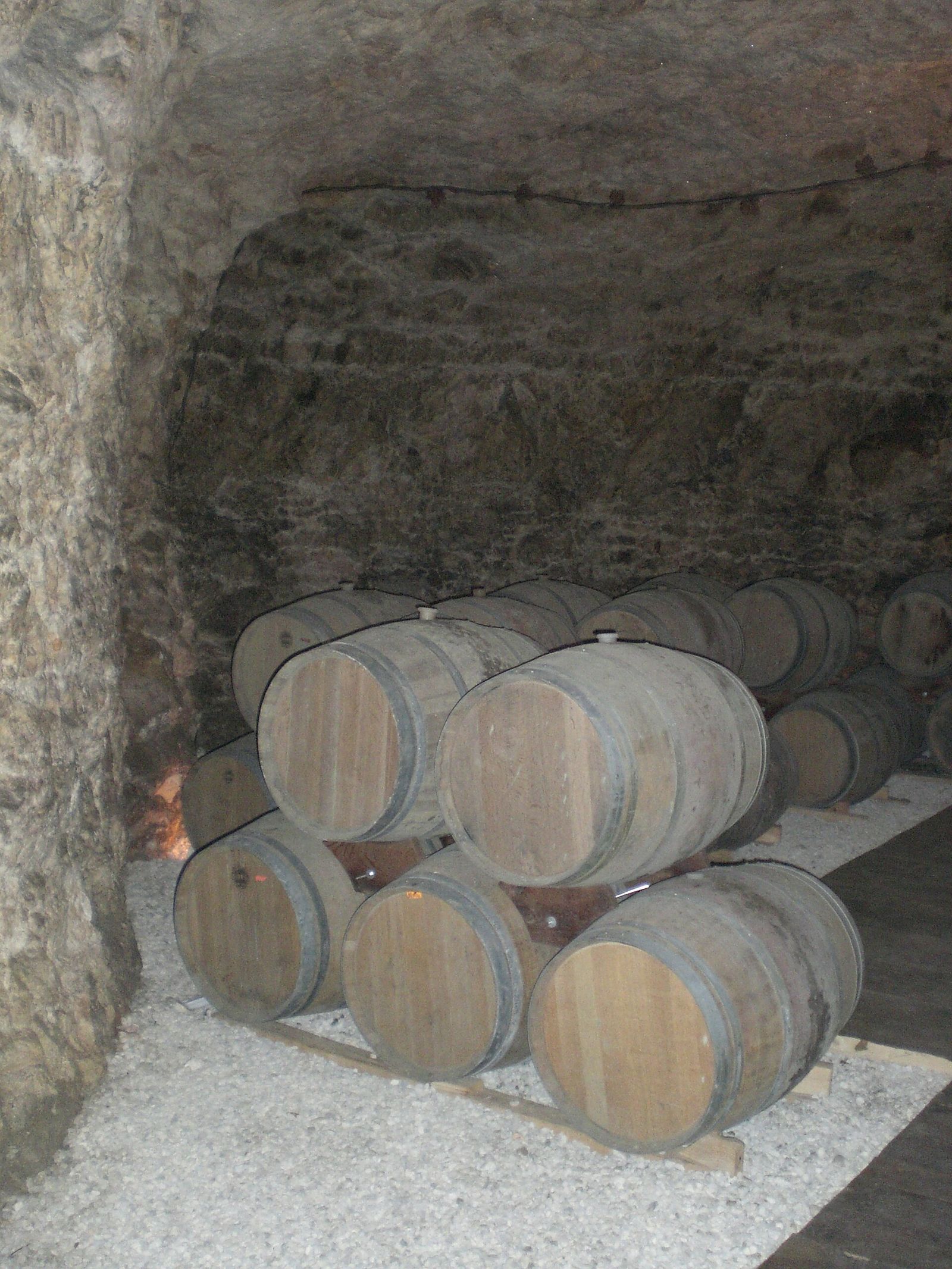
The Best Bulgarian Wines to Try
Bulgaria's best wines come from grapes found almost nowhere else: the 12 I'd order and the bottles to look for.
Read the guide