Boyana Church: Visiting Sofia's UNESCO Frescoes
Boyana Church is a small medieval church on the southern edge of Sofia, below Vitosha, and a UNESCO World Heritage Site since 1979 for its frescoes painted in 1259. You get about 10 minutes inside, with no more than 9 people in the room. This guide covers what makes the paintings special, how the time slots work, ticket prices, the bus from the center and what to pair it with.
Boyana Church at a glance
The church sits in a walled garden in the Boyana district, about 8 km south of the center, at 3 Boyansko Ezero Street. It is run as part of the National Historical Museum, which stands about 2 km away.
Why Boyana Church is a UNESCO site
Boyana is on the UNESCO list because of one layer of paint. In 1259, an unknown master working in the tradition of the Tarnovo School, the art center of the medieval Bulgarian capital, covered the walls with 89 scenes and 240 human figures. UNESCO added the church to the World Heritage List in 1979.
What sets them apart is the faces. Most Byzantine church painting of the time shows flat, near-identical saints. The Boyana painter gave each figure its own face, weight and expression, and that realism is why the frescoes get called "pre-Renaissance": they came about 70 years before Giotto started doing similar things in Italy.
On the walls you see a 13th-century Bulgarian painter who looked hard at real people, and to my eye these are the finest medieval paintings anywhere near Sofia.
Three churches in one building
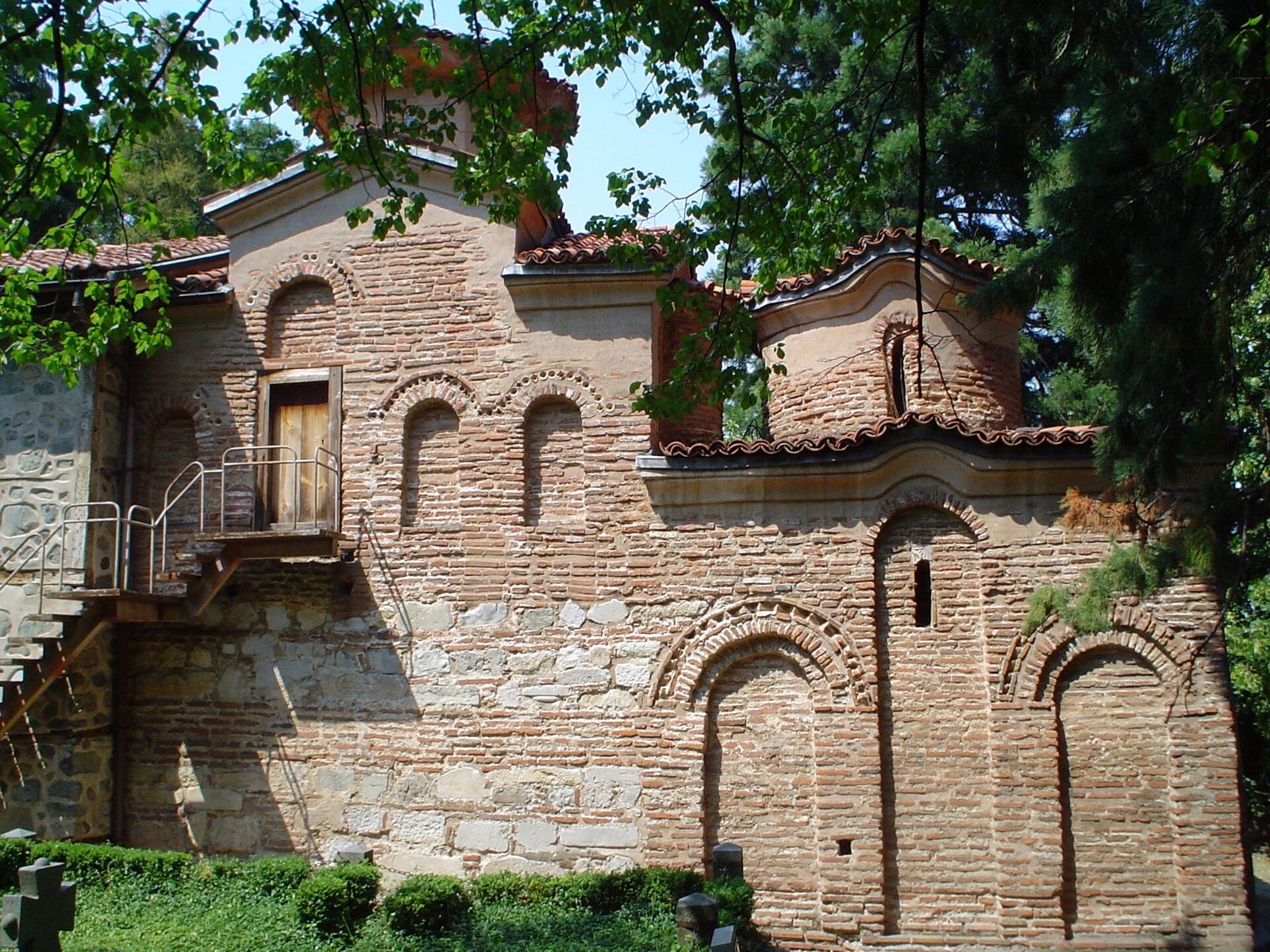
From outside, Boyana looks like one small church. It is three buildings joined together, each from a different century.
- The eastern church is the oldest part, a small single-apse chapel from the late 10th or early 11th century.
- The middle section is two stories high, added around 1259 by a local nobleman, Sebastocrator Kaloyan, and his wife Desislava. This is the part with the famous frescoes.
- The western extension is the newest, built with local donations in the mid-19th century.
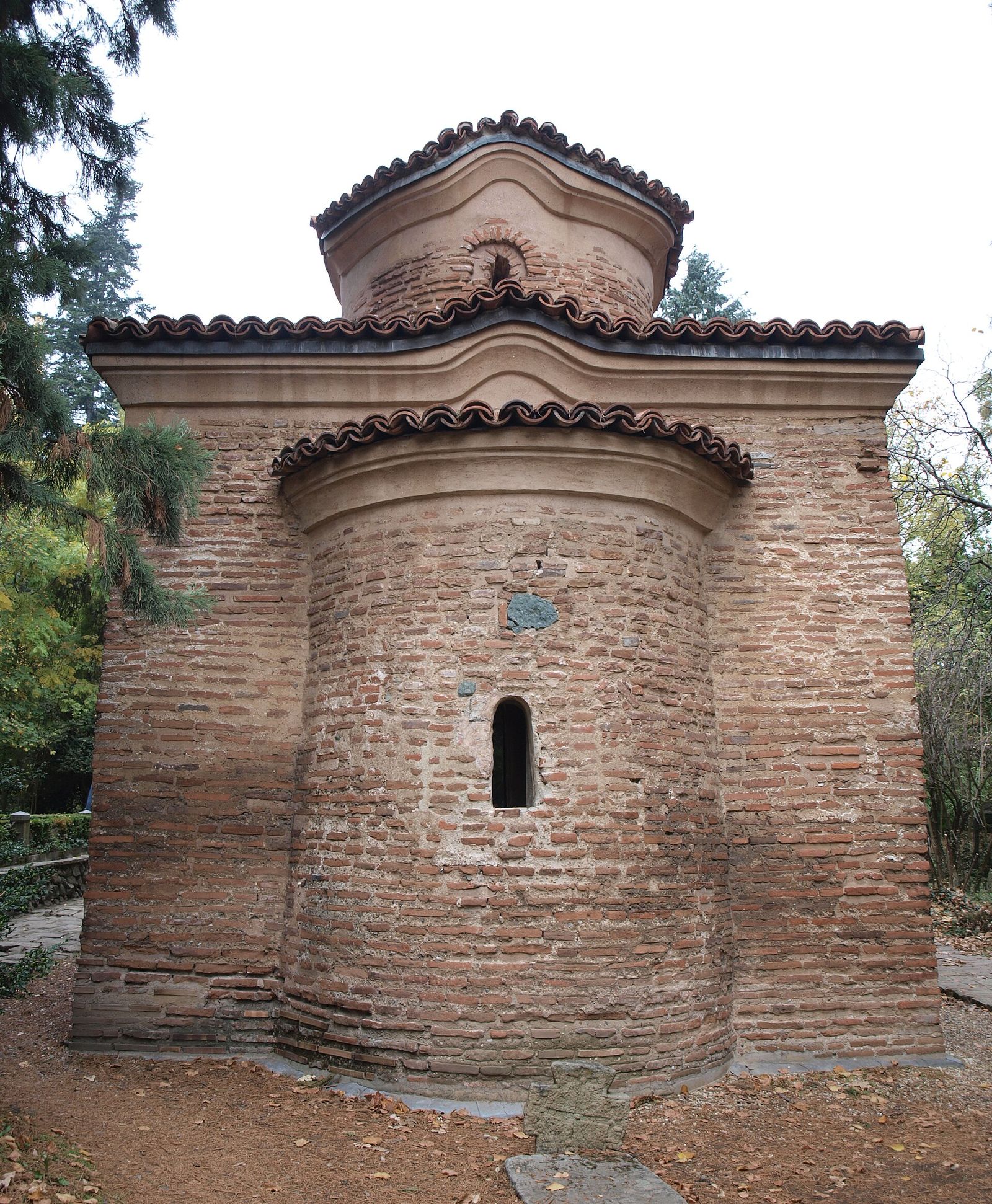
That gives you more than 800 years of building in a footprint you could pace out in under a minute. Fresco fragments survive from every period, from the 11th and 12th centuries to the 19th. The rounded apse of the eastern church, with its little dome, is the part to look at from the garden.
What you see inside Boyana Church
The interior is kept cool and dry, at a steady 17 to 18°C, because humidity and body heat are what damage 750-year-old plaster. That is why the visits are short and the groups small. The frescoes cover the walls from the floor to the vaults.
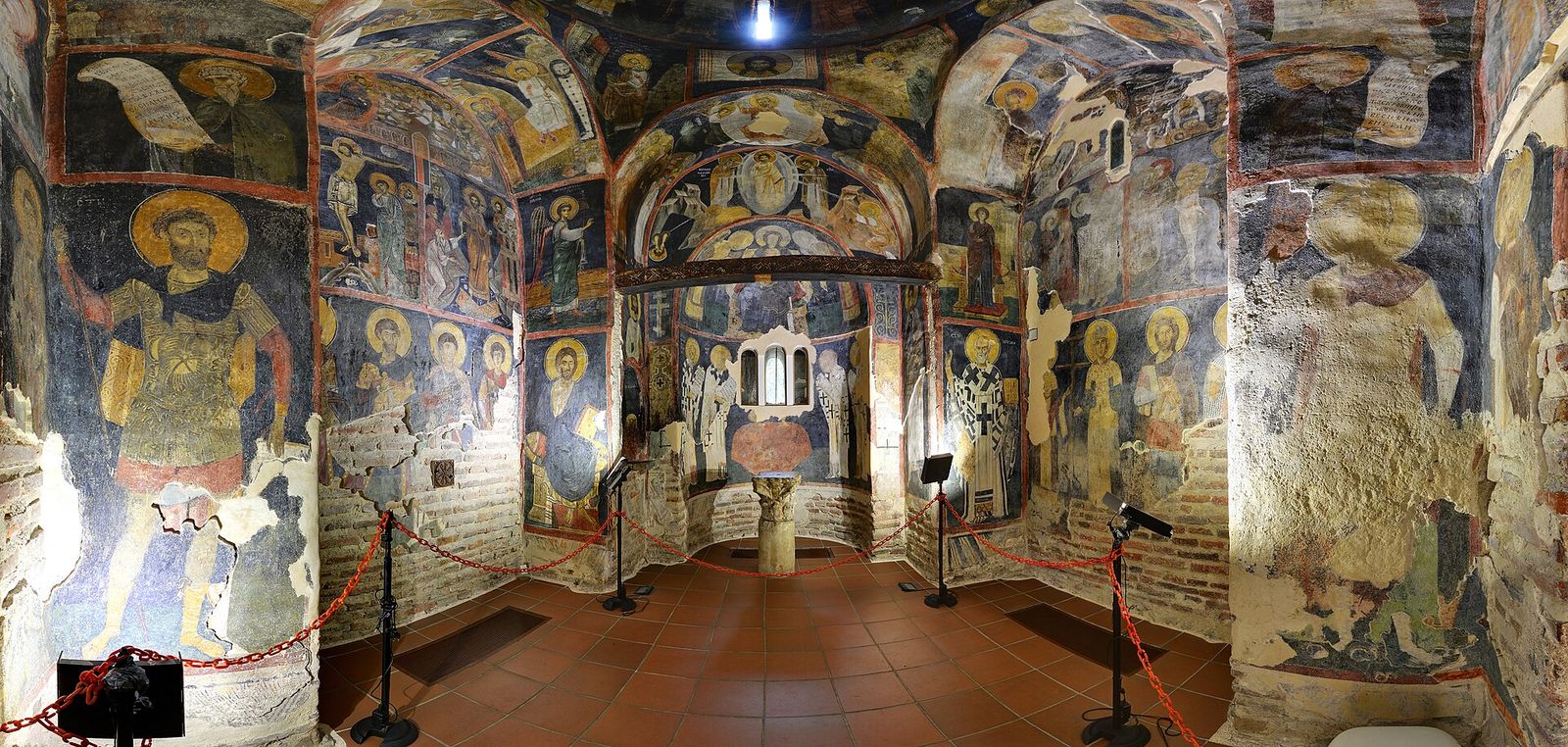
Ten minutes is enough if you know where to look. These are the paintings I'd go straight to:
- The donor portraits on the north wall. Sebastocrator Kaloyan holds a model of the church he paid for. Next to him, Desislava, in a patterned robe, looks straight out at you, and hers is one of the most famous faces in Bulgarian art.
- The royal couple. Nearby are Tsar Konstantin Asen Tikh and Tsaritsa Irina, who ruled Bulgaria at the time. They are real medieval people, painted as individuals.
- The saints. Compare the faces from one saint to the next, because each one has its own expression.
- The bread on the table. In one scene Christ is shown with a round loaf scored exactly the way Bulgarian round bread still is.
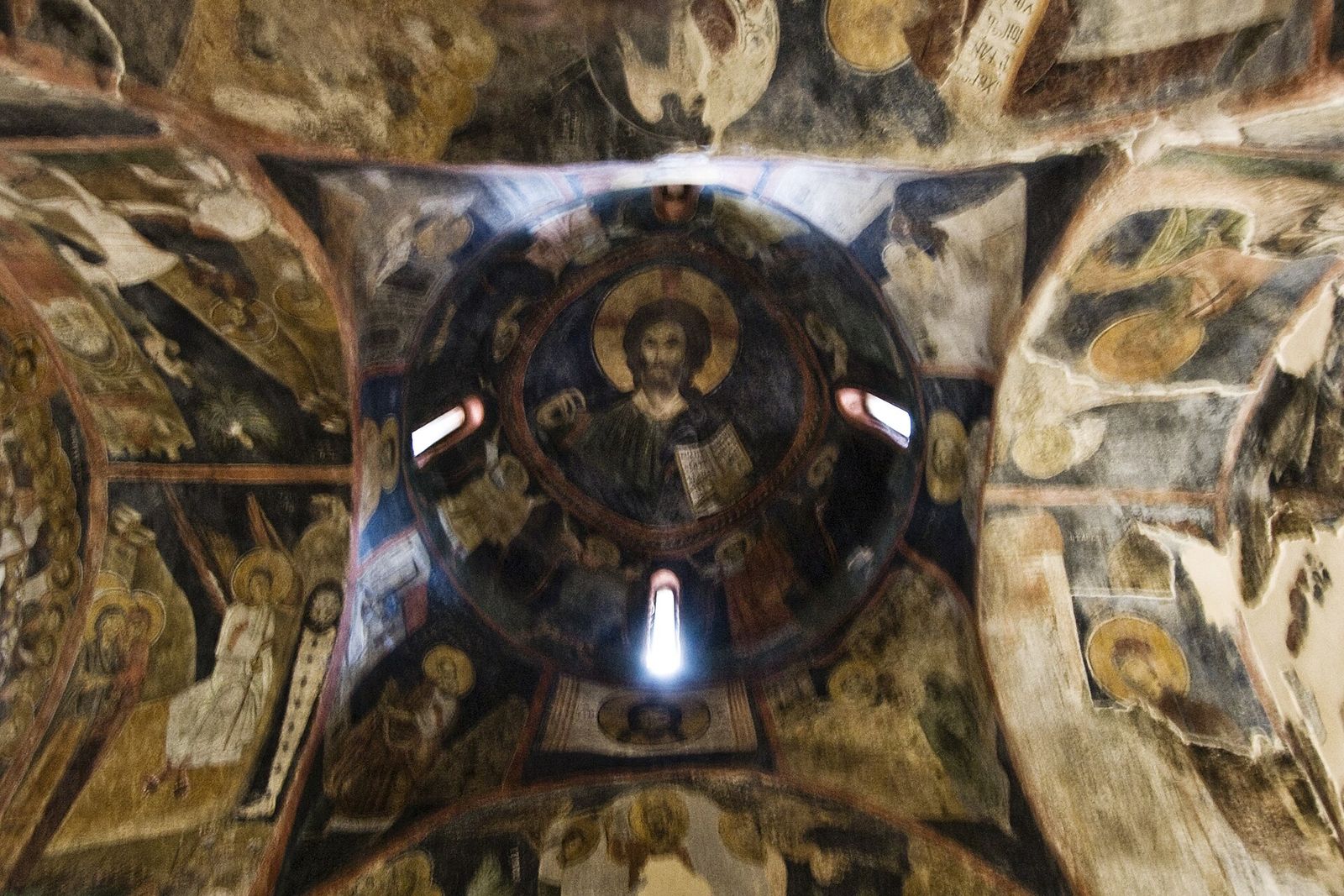
The ceiling of the middle church holds Christ Pantocrator, ringed by saints, part of the same 1259 work that runs from the floor to the dome.
Photography and filming are not allowed inside, with a camera or a phone. Leave it in your bag and look. The garden and the outside of the church are fine to photograph, and the brick and stone walls are the best shot you will get.
The 10-minute rule and the time slots
No more than 9 visitors are allowed inside at once, and each visit to the medieval rooms lasts 10 minutes. Individual travelers and small groups of up to 5 can come with or without a reservation. Organized groups get in only with a confirmed booking.
Individual visits run on a fixed timetable. The official timetable sets aside these 15-minute slots for individual visitors, with the gaps between them going to booked groups:
| Window for individual visitors | Slots |
|---|---|
| Opening | 9:30, 9:45 |
| Late morning | 11:15, 11:30, 11:45 |
| Early afternoon | 1:15, 1:30, 1:45, 2:00 PM |
| Mid afternoon | 3:30, 3:45, 4:00 PM |
| Before closing | 5:30, 5:45 PM |
The church publishes one timetable for the year, and it runs to 6 PM. From November to March the church closes at 5:30 PM, so the 5:30 and 5:45 PM slots drop out and the last individual slot of the day is at 4 PM.
To reserve a slot, buy your ticket on site and book a time at the desk, or email reservation@boyanachurch.info. If your requested time is free, they send bank details, and your proof of transfer works as your ticket. It has to show the date, the time, and the number and type of tickets.
Boyana Church tickets and opening hours
| Ticket | Price |
|---|---|
| Adult, individual visit | €10 |
| Student | €3 |
| Group of 10 or more, per person | €7 |
| Student group of 10 or more, per person | €2 |
| Preschool children | Free |
| People with special needs and one companion | Free |
The church is open every day. From 1 November to 31 March, hours are 9 AM to 5:30 PM, with the last checkout at 5:20 PM. From 1 April to 31 October, hours are 9:30 AM to 6 PM, with the last checkout at 5:50 PM. It closes on 1 January, Orthodox Easter Sunday, and 24 and 25 December.
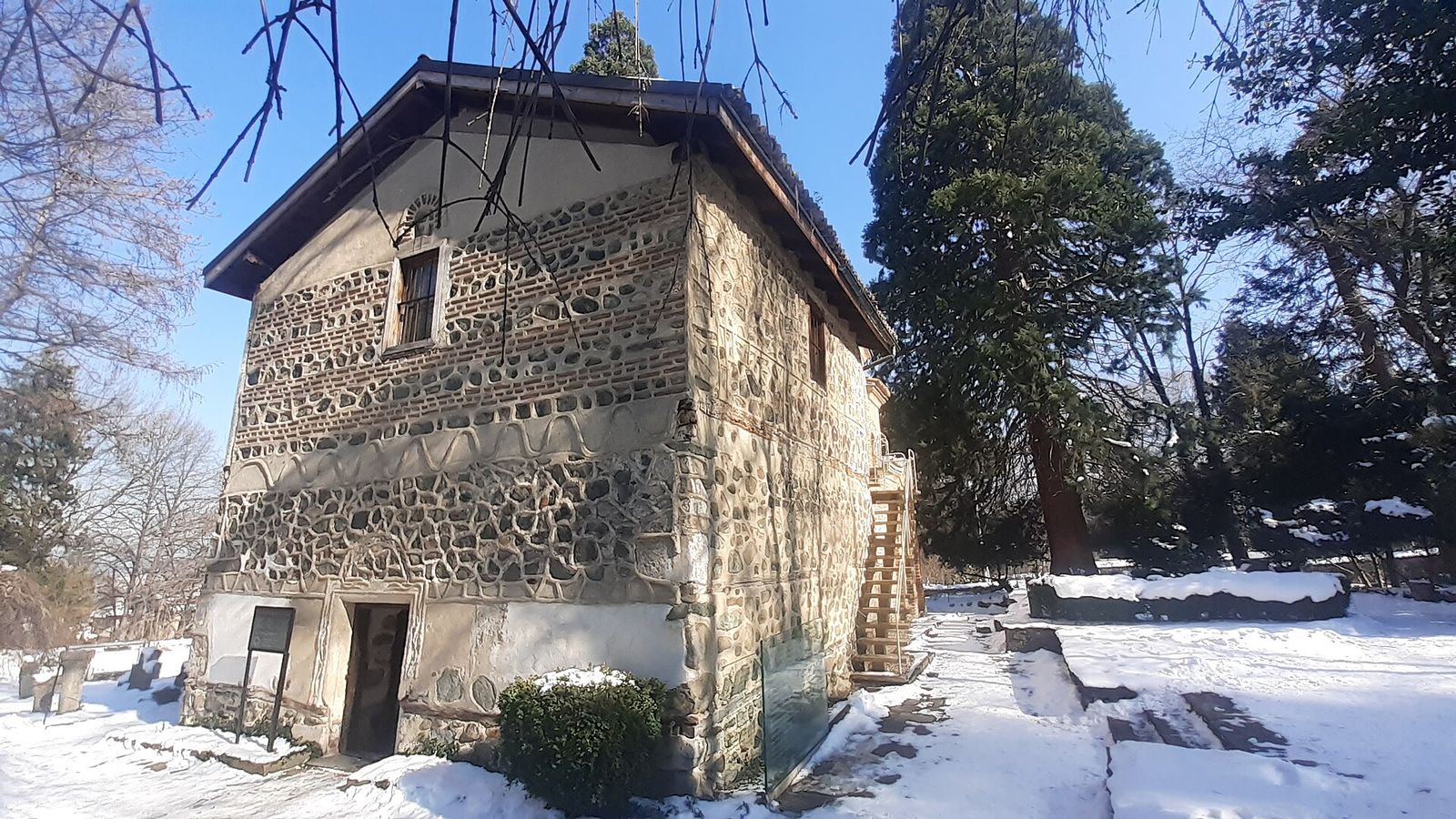
The church is open all year, and I like it best in winter, when the garden is under snow. Summer middays are the busiest time.
The site has a wheelchair ramp and toilets. Guide dogs are allowed in the courtyard only, and other dogs are not allowed at all. Food, drinks, smoking, vaping and drones are banned on the site.
How to get to Boyana Church
Boyana is an easy trip on your own by city bus, taxi or car.
By bus. Bus 64 is the main line to the church. Catch it near Vitosha metro station on line M2 and ride to the Boyansko Hanche stop, a short walk from the gate. Bus 107 is an alternative from the tram 5 terminus. From Sofia University you can also take trolleybus 2 or 8, or bus 204 from Orlov Most, and change to bus 64. Allow 30 to 50 minutes from the center, depending on connections. Bus 64 runs about every 15 to 20 minutes.
A single ticket costs €0.80 on every bus, tram and metro line, and you pay by tapping a contactless card or phone on the validator inside the bus. After three taps, at €2, the rest of the day's travel is free, so a full day of getting around Sofia by bus, tram and metro never costs more than €2.
By taxi. A taxi from the center takes 15 to 25 minutes, depending on traffic, and costs roughly €15 to €20. Order a licensed one through a company app or have your hotel call it, because taxis in Sofia still overcharge visitors who flag one down at random.
By car. There is parking near the site, and Boyana is an easy stop if you are already driving up Vitosha.
Pair it with the National Historical Museum
The best reason to give Boyana half a day is the National Historical Museum, about 2 km away in the same district. It is a 25 to 30 minute walk.
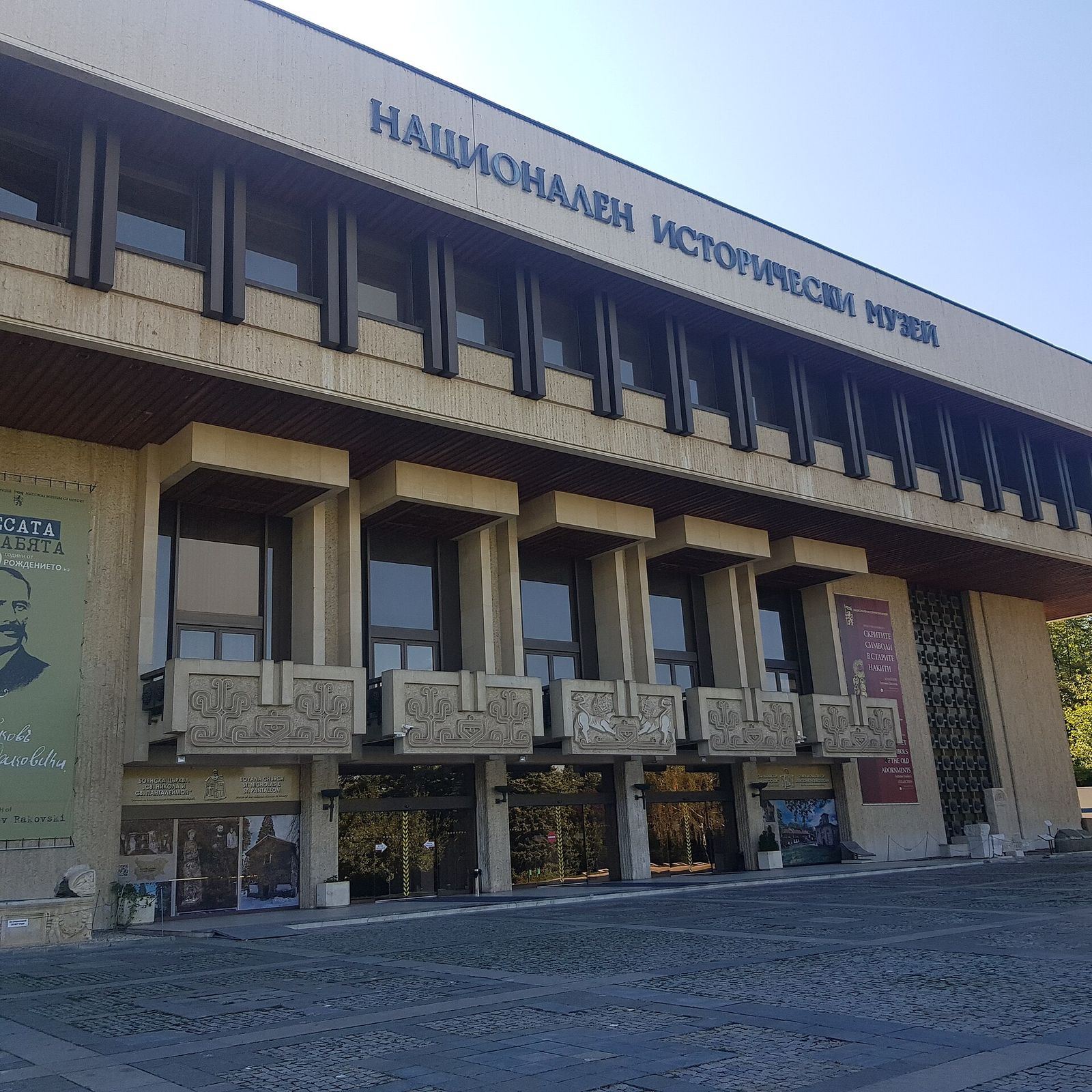
The museum holds more than 650,000 objects and the country's headline collection of Thracian gold, including the Panagyurishte Treasure. It is housed in a large former government residence, and you could easily spend two hours there. The National Historical Museum needs no timed slot, which is why I'd do the church first, when it is quiet, and walk down to the museum after.
Boyana with Vitosha or Rila Monastery
Boyana sits on the lower slopes of Vitosha Mountain, so it combines well with a day in the mountains. Buses climb the mountain from the Vitosha metro station area, and bus 66 goes highest, to the Aleko hut, the usual start for the walk up Cherni Vrah, the 2,290 meter summit.
If you have a car, Boyana also works as the first stop of a day to Rila Monastery, 127 km south and about 2 to 2.5 hours by road. Take the 9:30 slot, and you are back in the car within the hour.
Is Boyana Church worth visiting?
Yes, if you know what you are getting. You travel to the edge of town and pay €10 for 10 minutes in a very small room. If you want grand architecture, Alexander Nevsky Cathedral in the center does that for free. If you care about medieval art or history, Boyana is one of the most memorable half hours in Sofia.
Who Boyana suits:
- Art and history lovers. These are among the most important medieval paintings in the world, a short bus ride from the center.
- Travelers with three days in Sofia. Two days cover the center, and Boyana with the museum makes a good third.
- Anyone heading up Vitosha. The church sits at the foot of the mountain, on the way up.
- Winter visitors. It is open almost every day of the year, and the visit is indoors at the same temperature in any weather.
Skip it if:
- You have one day in Sofia. The center has more to see per hour, and Sofia's churches in the old town are all walkable.
- You are not interested in church art. Without the frescoes, the visit is a small brick church in a garden.
Of all the things to do in Sofia, Boyana is the one to plan by the clock, because the slots decide when you get in.
Key takeaways
- Boyana Church is a UNESCO site for 89 scenes and 240 figures painted in 1259.
- Visits last 10 minutes, with 9 people at most, on a fixed timetable of slots.
- Tickets cost €10, or €3 for students, and entry is free on the last Monday of the month after 3 PM.
- Bus 64 from near Vitosha metro station goes to the Boyansko Hanche stop, for €0.80.
- Pair it with the National Historical Museum, 2 km away, for a half day.
Frequently asked questions
Is Boyana Church worth visiting?
Yes, for anyone interested in art or medieval history. The 1259 frescoes are some of the most important medieval paintings in the world. The visit is short, 10 minutes in a small room, so pair it with the National Historical Museum nearby.
Can you take photos inside Boyana Church?
No. Photography and filming are not allowed inside, with a camera or a phone, to protect the frescoes. You can take photos of the outside and the garden.
Do I need to book Boyana Church in advance?
No, individual visitors and groups of up to 5 can buy a ticket on the day. Booking by email to reservation@boyanachurch.info locks a specific slot, which I'd do for a weekend visit. Organized groups must book.
How long does a visit to Boyana Church take?
The time inside is 10 minutes, and your slot may mean a short wait in the garden first. Add 30 to 50 minutes each way by bus from the center.
How old is Boyana Church?
The oldest part, the eastern chapel, dates from the late 10th or early 11th century. The middle section with the famous frescoes was added around 1259, and the western extension in the mid-19th century.
How much does Boyana Church cost?
An adult ticket costs €10 and a student ticket €3. Preschool children enter free, and everyone gets in free on the last Monday of the month after 3 PM, on 18 May, 17 September and 1 November.
Is Bulgaria Catholic or Orthodox?
Bulgaria is mainly Eastern Orthodox, and Boyana is a medieval Orthodox church. Its frescoes follow the Orthodox tradition of the Tarnovo School, the art center of medieval Bulgaria.
How do I get to Boyana Church by public transport?
Take the metro to Vitosha station on line M2, then bus 64 to the Boyansko Hanche stop near the gate. The trip takes 30 to 50 minutes from the center, and each ride costs €0.80.
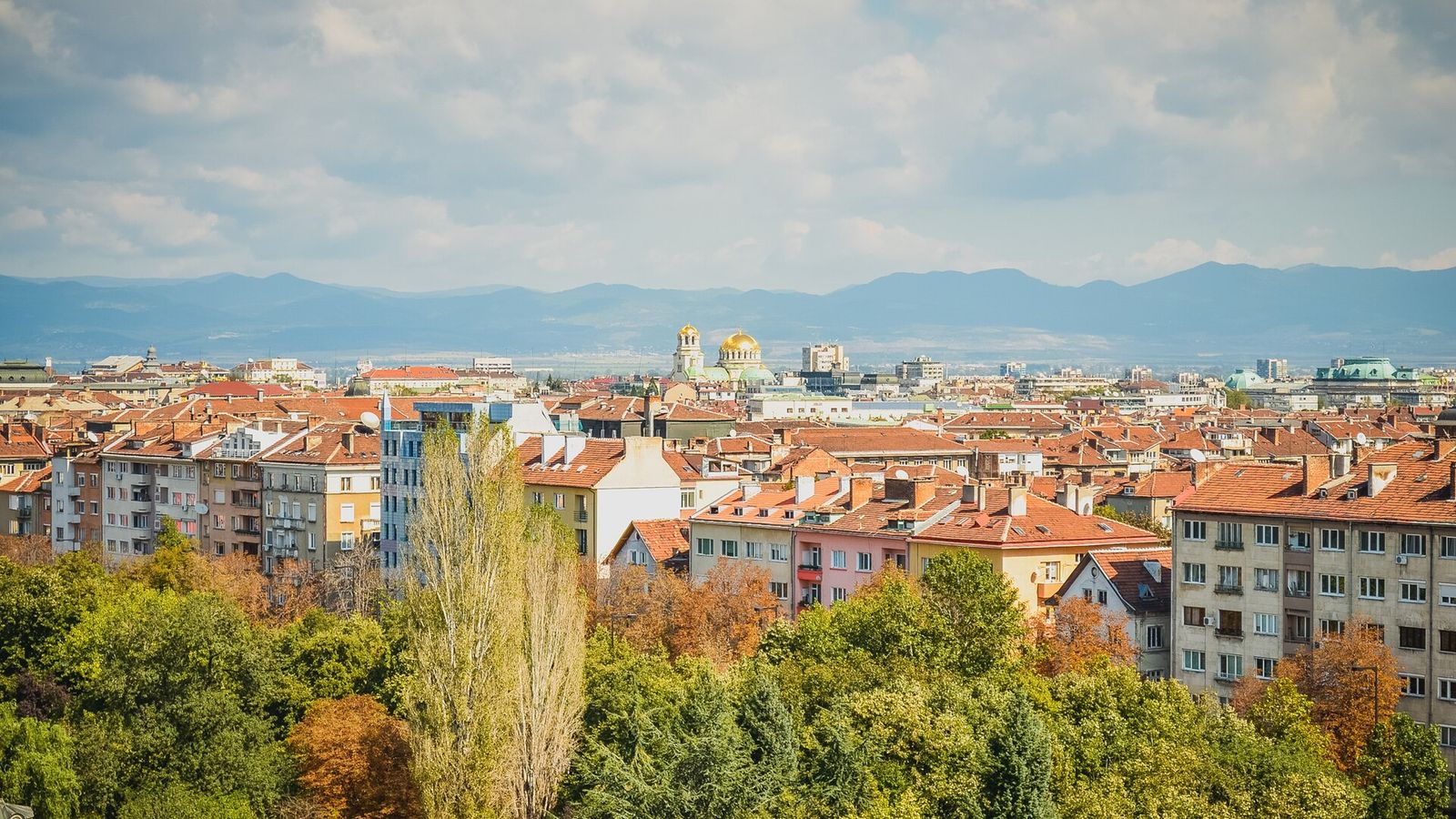
25 Best Things to Do in Sofia in 2026
Sofia packs 2,000 years into a walkable center. The 25 sights, museums, foods and day trips I'd put first, with prices.
Read the guide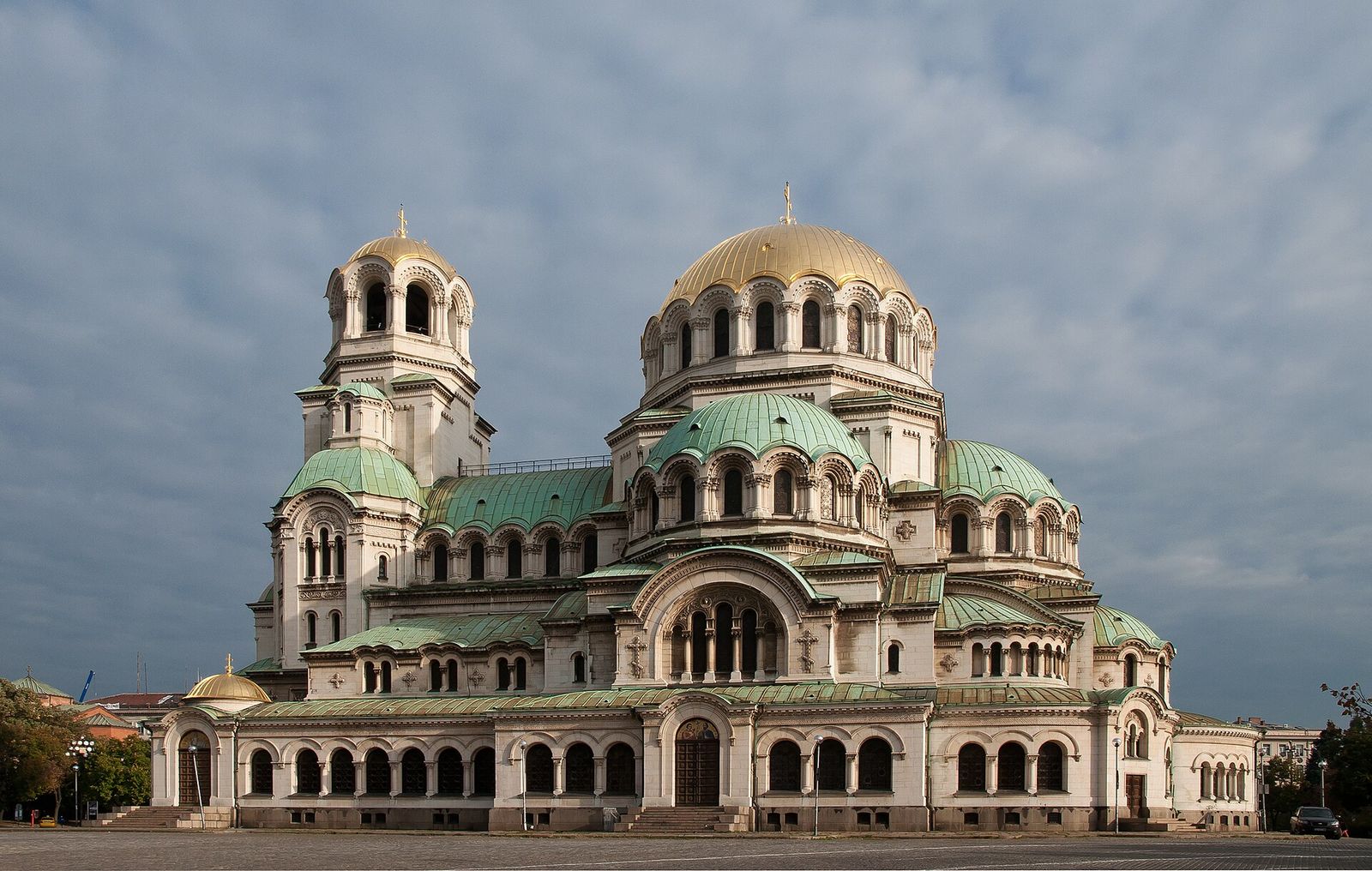
Alexander Nevsky Cathedral in Sofia: A Visitor's Guide
Sofia's gold-domed landmark is free to enter. Here is its story, what to see inside, the crypt museum and when to go.
Read the guide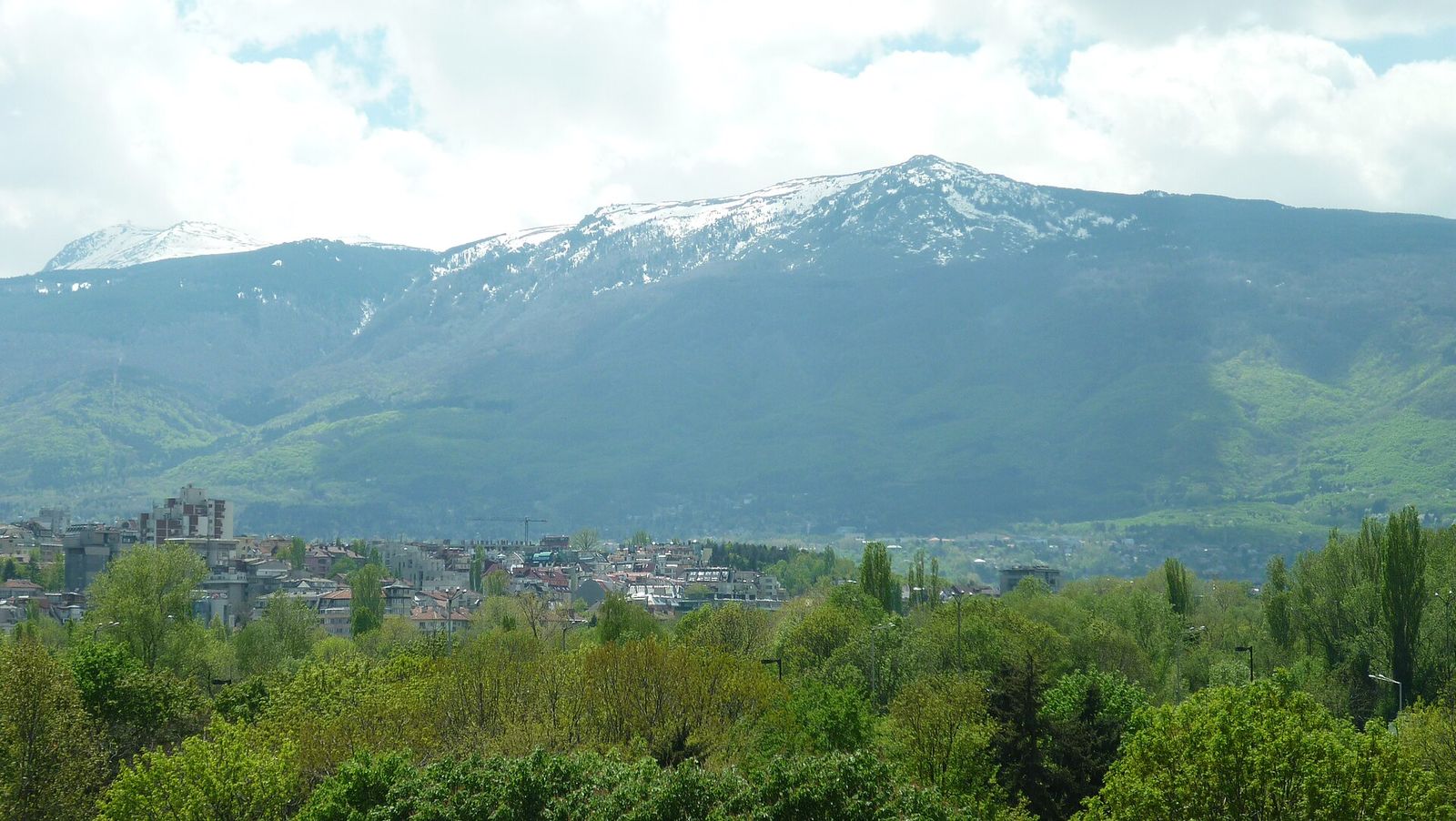
Vitosha Mountain: How to Get There and the Best Hikes
Sofia has a 2,290 m mountain at the end of its tram lines. Here is how to get up it and which walks to pick.
Read the guide