Sofia Travel Tips: What I'd Tell You Before a First Trip to Bulgaria
Sofia is known as one of the most affordable capitals in Europe and an easy city to get around, but a few things still catch first-timers out: the head shake, the taxis and the new euro. These are the tips I'd give a friend before a first trip, from visas and money to the metro, local habits and day trips.
Sofia travel basics at a glance
Sofia runs on euros, Schengen rules and EU roaming, so visitors from another eurozone country arrive with almost nothing to change.
Do you need a visa for Bulgaria?
No, if you travel on a US, UK, Canadian, Australian or New Zealand passport. You can stay up to 90 days in any 180-day period as a tourist, to visit friends or for business meetings. EU citizens can enter with a national ID card.
The 90 days are a Schengen allowance, shared with every other member country. Days you spent in Italy, Croatia or any other Schengen country in the previous 180 days come off your total, and overstaying can bring a ban from Schengen countries of up to 3 years.
Your passport needs to have been issued less than 10 years before you arrive, and it must stay valid for at least 3 months after the day you plan to leave the Schengen area. At the border you may also be asked for a hotel booking, travel insurance, a return or onward ticket and proof that you have enough money for the stay. If your nationality needs a Schengen visa, the same visa covers Bulgaria.
Bulgaria in Schengen: the EES and the border
Bulgaria became a full member of the Schengen area on 1 January 2025. Flights from other Schengen countries now arrive without routine passport checks, though most airlines still want photo ID. Carry your passport if you cross by land into Greece or Romania, because border guards may still check it there.
The EU's Entry/Exit System has run in full since 10 April 2026, and it replaces the old passport stamps. On your first entry, non-EU visitors have a photo taken and fingerprints scanned at a booth before passport control, which costs nothing and stays on record for 3 years. Children aged 11 or younger have only their photo taken.
Allow extra time at the airport on the way out, because EES checks can happen before you reach the gate. ETIAS, the EU's online travel authorization, comes after EES. It was not running yet in November 2026, and the EU will announce its start date several months ahead; once it starts, it costs €20 and lasts 3 years.
Money: Bulgaria uses the euro now
Bulgaria swapped the lev for the euro on 1 January 2026 and became the 21st country in the eurozone. The rate was fixed at 1.95583 lev to the euro, so an old lev price converts at roughly half.
Shops no longer accept lev. Free exchange of old notes at commercial banks ended on 30 June 2026, and the dual prices in lev and euros came off shop labels on 8 August 2026.
Cards work almost everywhere in Sofia, including at the metro gates, so money in Bulgaria mostly means tapping a card. Keep €20 to €30 in small notes for kiosks, market stalls and village cafes, and take cash from bank ATMs rather than Euronet machines, which charge high fees.
Tipping in Bulgaria is casual: round up in cafes and leave about 10% for good service at a sit-down restaurant. A city coffee costs €1.80 to €2.80, a half-liter beer in a bar €2 to €3.50, and a sit-down dinner with wine €15 to €28, which makes Sofia on a budget easy at around €35 a day.
Sofia Airport to the city center
The M4 metro line starts inside Terminal 2 and reaches the center in about 20 minutes for €0.80. If you fly a budget airline such as Wizz Air or easyJet, you will probably land at Terminal 1, and a free shuttle runs from there to Terminal 2 every 20 to 40 minutes.
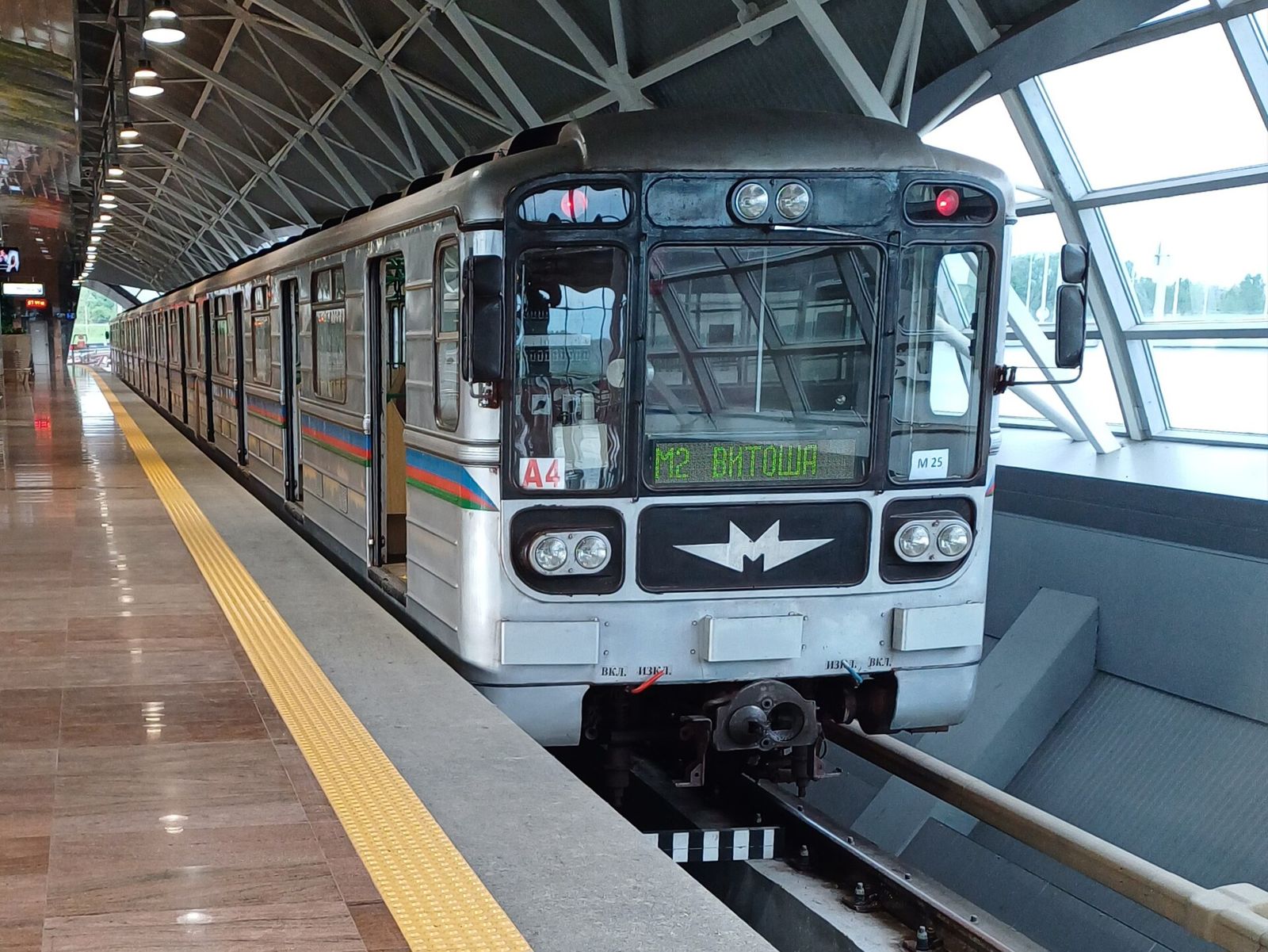
The last train leaves the airport at about 11:30 PM. After that, take a metered taxi from the Yellow! desk in arrivals for about €13 to €15 to the center. Getting from Sofia Airport to the city center goes wrong mostly with unlicensed drivers who walk up to you in the arrivals hall and overcharge, so say no and head to the desk.
Getting around Sofia: metro, trams and buses
Sofia's center is compact and walkable, so you only need transport for Boyana Church, Vitosha Mountain, the airport and the museums on the edge of town.
| Ticket | Price | What it covers |
|---|---|---|
| 30-minute ticket | €0.80 | Metro, trams, trolleybuses and buses, with changes |
| 60-minute ticket | €1.10 | The same, for 60 minutes |
| Contactless cap | €2 a day | Card taps stop charging at €2 |
| 24-hour card | €3 | 24 hours, night lines included |
| 72-hour card | €7.60 | 72 hours, night lines included |
Tap a contactless bank card or phone on the reader at the metro gate or inside the tram or bus, and validate every ride, because inspectors do check. With a card, getting around Sofia takes one tap per ride.
Taxis in Sofia: no Uber, so use an app
Sofia has no Uber or Bolt cars, so order through the TaxiMe or Yellow! app instead. Both show the fare up front and take cards, and a 5 km ride across the center by day costs about €5.
If you hail a car on the street, flag one with a green "available" light, and read the license and the tariff sticker on the window before you get in. Licensed Yellow! cars are the most reliable on the street, and ordering taxis in Sofia through an app takes the guesswork out of the fare.
The head shake, Cyrillic and other local habits
Bulgarians shake their head for yes and nod for no. Younger Bulgarians often switch to the Western gestures with visitors and older ones may not, so say "da" for yes and "ne" for no to be sure. Of all the Bulgarian customs, the head shake is the one first-timers get wrong most often.
Signs are written in Cyrillic, though menus and transport maps in the center often show both scripts. I'd spend an evening on the Bulgarian alphabet before you fly, because it pays off fast on bus fronts and street names. Younger Bulgarians in Sofia usually speak good English, and so do staff in hotels and many restaurants in the center.
A few rules that catch visitors:
- Churches. Cover shoulders and knees and keep your voice down. At Banya Bashi Mosque, shoes come off and women cover their hair.
- ID. Carry your passport or a printed copy of its photo page at all times.
- Drunken behavior. Loud drunken behavior and urinating in the street can bring an arrest or a fine.
- Photos. Do not photograph military sites, and ask if in doubt.
Is Sofia safe for tourists?
Yes. The US rates Bulgaria at Level 1, the lowest, which means normal precautions, and there is no recent history of terrorism in the country. The real risks are pickpockets on crowded trams, buses and stations, and bars that overcharge.
Some so-called gentlemen's clubs in Sofia run up bills of several hundred euros and threaten customers who refuse to pay, so I'd drink in places with prices on the menu. After dark I'd stay off the streets around Sveta Nedelya Square and the red light area near Hotel Pliska, the two weak spots for safety in Sofia at night. For women traveling alone, catcalling is the most common problem, and solo female travel in Bulgaria comes down to the usual care with drinks and late walks home.
SIM cards, plugs and staying connected
Bulgaria's three networks are A1, Vivacom and Yettel, and a prepaid SIM needs your passport at the counter. EU visitors roam at home prices. Everyone else should check what their home plan charges in Bulgaria, and a Bulgarian SIM or eSIM is the cheap fix if roaming costs too much.
Plugs are Type C and F at 230 V, the round two-pin European kind. Signal can drop in the mountains, so download offline maps before a day trip.
When to go and how long to stay
For walking around the city, the best months are May to June and September to early October, with highs around 20 to 23°C. July and August reach 26°C and more, with afternoon thunderstorms, and winter highs sit at 2 to 4°C with snow from December to February. The best time to visit Sofia depends on what you add: ski days in winter, lakes and hiking in summer.
Two to three days covers the city. A Sofia itinerary of three days gives you the center on foot plus Boyana Church and Vitosha, and a fourth or fifth day adds Rila Monastery or Plovdiv.
Food and drink tips
Tap water in Sofia is safe to drink, and the public taps by the Central Mineral Baths run free warm mineral water. Start the day the local way with a banitsa, the cheese pastry sold at bakeries for €1 to €2, and order a shopska salad for €4 to €5 at lunch.
Bulgarian food is hearty and cheap: kebapche from the grill, tarator soup in summer, kavarma stew in a clay pot. Rakia, the fruit brandy, arrives with the salad course in a 50 or 100 ml glass, and Bulgarians sip it slowly, never as a shot.
Day trips: buses, cars and vignettes
For trips out of Sofia, intercity buses are faster than trains. Plovdiv is about 2 hours away by bus for about €7 to €8 each way, with departures about every hour from the Central Bus Station.
Rila Monastery is the exception. Its old direct bus no longer runs, so the trip to Rila means a car, about 2 hours each way, or a bus to Dupnitsa and a taxi. Car hire costs about €15 to €25 a day, and the day trips from Sofia that suit a car best are Rila, the Seven Rila Lakes and Koprivshtitsa.
Motorways and main roads outside towns need an e-vignette, bought online before you drive. It is linked to your number plate and costs €5.30 for a day, €6.60 for a weekend, €10 for a week or €19.90 for a month.
Drive with dipped headlights on, day and night, and skip the wine at lunch, because drink-driving penalties include prison and losing the car. Many roads are in poor repair, with roadworks unmarked and unlit at night, which is why getting around Bulgaria by bus is the calmer choice for longer trips.
Key takeaways
- No visa for US, UK, Canadian and Australian visitors: 90 days in any 180, counted across the Schengen area.
- Bulgaria has used the euro since 1 January 2026; carry €20 to €30 in small notes for kiosks and markets.
- Take the M4 metro from Terminal 2 for €0.80, and tap one card per person to cap fares at €2 a day.
- Order taxis by app, TaxiMe or Yellow!, and skip any driver who approaches you.
- A head shake means yes, so say "da" or "ne" to avoid confusion.
Frequently asked questions
Do I need a visa for Bulgaria?
No, not for US, UK, Canadian, Australian or New Zealand passports. You can stay up to 90 days in any 180-day period, and those days count across every Schengen country. Your passport must stay valid for at least 3 months after you leave.
Is Bulgaria in the Schengen area?
Yes, Bulgaria has been a full Schengen member since 1 January 2025. There are no routine passport checks on flights from other Schengen countries, and non-EU visitors register in the EU's Entry/Exit System with a photo and fingerprints on their first entry.
What currency does Bulgaria use?
Bulgaria has used the euro since 1 January 2026. Shops no longer accept lev, but the Bulgarian National Bank exchanges old lev notes for free with no deadline.
Do I need cash in Sofia?
Only a little. Cards work in shops, restaurants and at the metro gates, but keep €20 to €30 in small notes for kiosks, market stalls and small cafes.
Is there Uber in Sofia?
No, Sofia has no Uber or Bolt cars. Use the TaxiMe or Yellow! apps, which show the fare first and take cards, or the official Yellow! desk at the airport.
Can you drink tap water in Sofia?
Yes, tap water in Sofia is safe to drink. The public taps by the Central Mineral Baths also run free warm mineral water that locals collect in bottles.
Do people speak English in Sofia?
Yes, in the center. Hotel staff, many restaurant staff and younger Bulgarians in general speak good English. Away from the center and in villages it is less common, so a few Bulgarian words help.
Sofia Itinerary: 1 to 5 Days
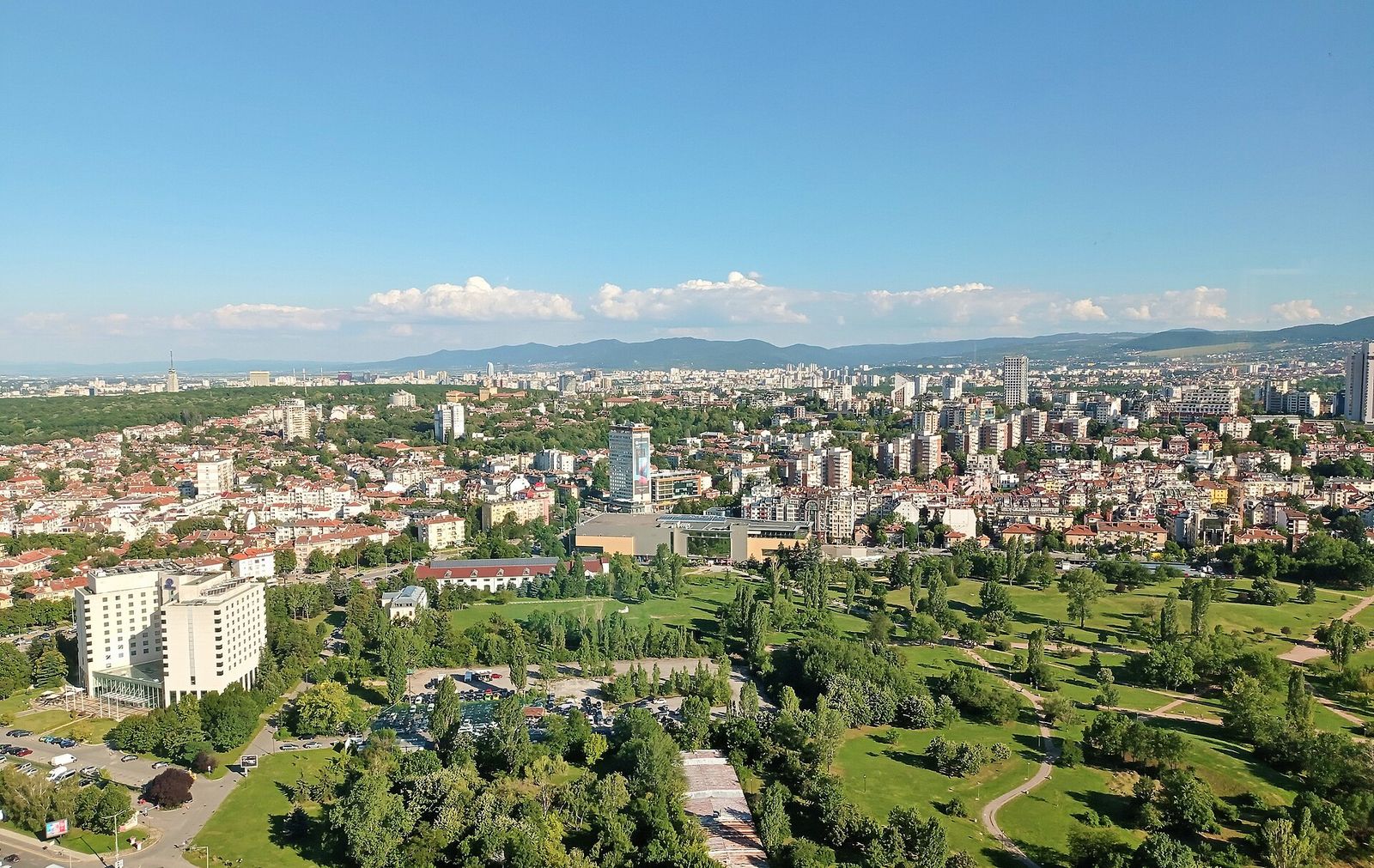
Sofia fits its best sights into a walkable center. The day-by-day plan I'd follow for 1 to 5 days, with prices.
Read the guide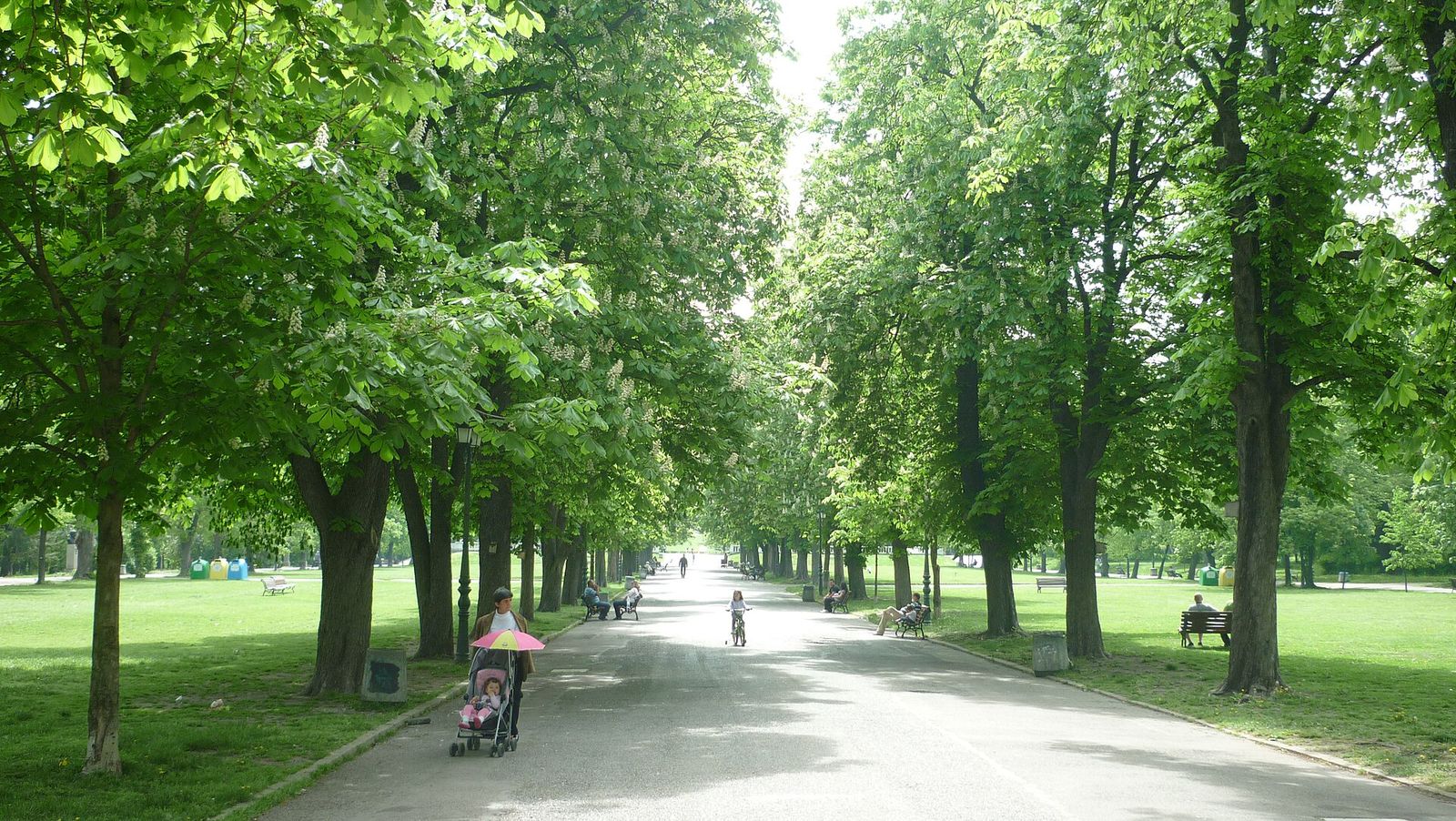
Best Time to Visit Sofia
Sofia has four real seasons. The months I'd pick for walking, hiking, skiing and saving money, with the weather.
Read the guide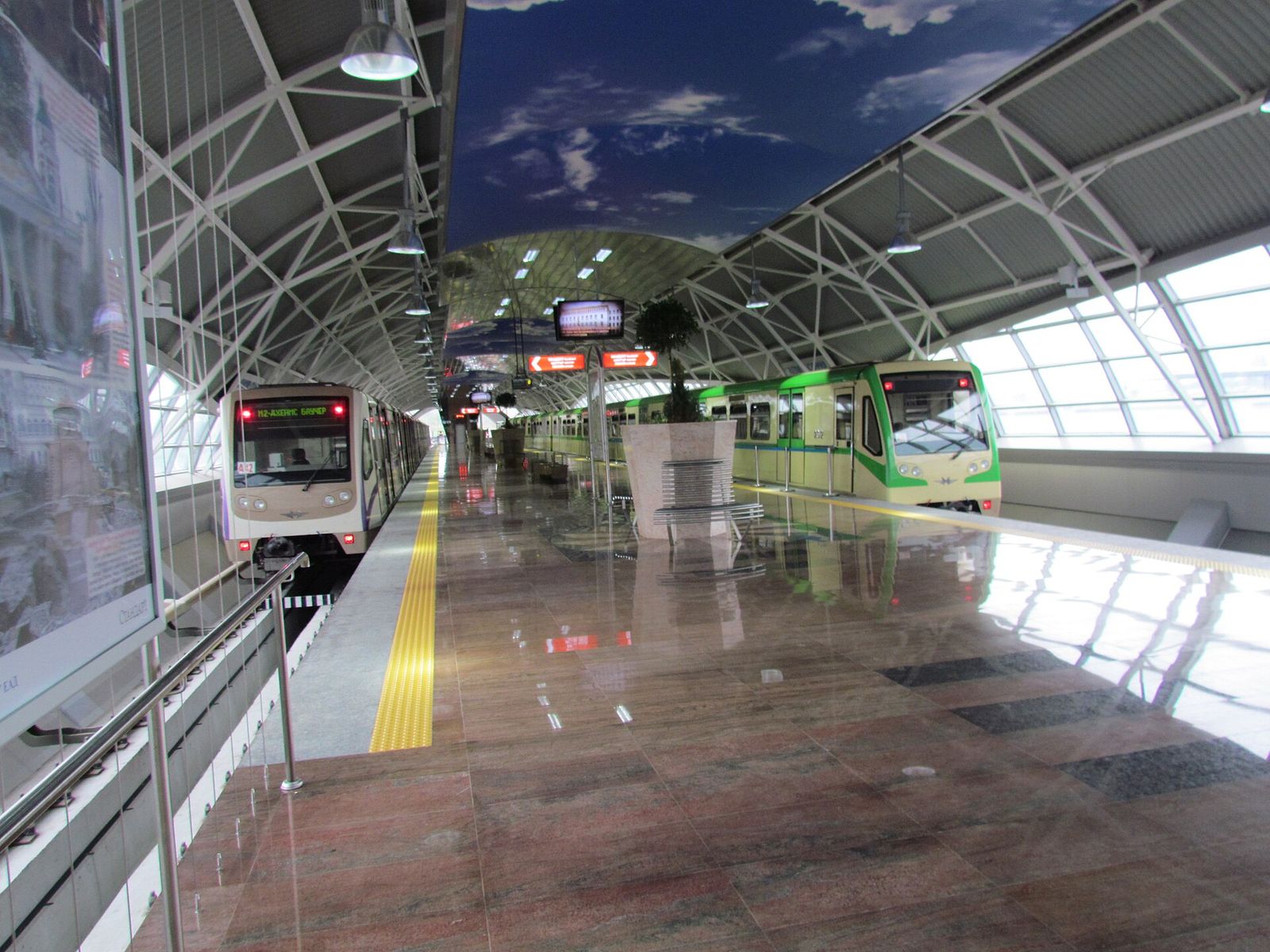
Sofia Airport to the City Center: Metro, Bus and Taxi
Sofia Airport has its own metro station. Here is every way into the center, with prices, times and the one I'd pick.
Read the guide