The Bulgarian Black Sea Coast: Where to Go and How to Get There
The Bulgarian Black Sea coast runs 378 km from the Romanian border to Turkey: cliffs and quiet bays in the north, big resorts and old towns in the middle, river-mouth beaches in the south. This guide covers getting there from Sofia by bus, train, plane or car, then goes north to south through the towns and beaches I'd pick, and ends with the best months for a beach trip.
The Bulgarian Black Sea coast at a glance
Varna, the third-largest city in Bulgaria and the biggest on the coast, is the gateway to the north, and Burgas, the fourth-largest, is the gateway to the south. Both have direct buses from Sofia every day.
How to get from Sofia to the coast
The coast is on the far side of the country from Sofia, 5 hours or more by road or rail. Buses are the everyday choice, the night train saves a hotel night, and a flight to Varna takes 50 minutes.
| How | Sofia to Varna | Sofia to Burgas | Fare |
|---|---|---|---|
| Bus | 6 to 7 hours, about hourly | 5.5 to 7 hours, 9 a day with Union-Ivkoni | About €18 to €20 |
| Day train | 7 h 42 min to 11 hours, with a change | 6 hours direct, leaving at 6 AM | About €15 to Varna |
| Night train | 7 h 50 min to 9 hours | About 7.5 hours | Private sleeper to Varna €33.70 |
| Car | 5 to 6 hours | 5 to 6 hours | Fuel plus an e-vignette |
Buses and trains both leave from the north of the center, where the Central Bus Station at 100 Knyaginya Maria Luiza Boulevard stands next to the Central Railway Station. Metro line 2 stops right there. Getting around Bulgaria by bus is faster than by rail on most routes, and to Varna the bus beats every day train.
Sofia to Varna by bus, train or plane
Varna lies about 450 km east of Sofia by road. Buses run roughly every hour through the day, take 6 to 7 hours and cost about €18 one way. Some services leave from other terminals in the city, so check the address on your ticket the night before.
The railway is longer, about 543 km. In November 2026 day trains to Varna need a change and take 7 h 42 min to 11 hours, for about €15 in second class, while the two direct sleepers leave Sofia at 8:50 PM and 11 PM and reach Varna at 5:50 AM and 6:50 AM. Of the trains in Bulgaria, the night train to Varna is the one I'd take, and summer timetables can add a third. Compartments sleep 1, 2 or 3, and a private one for a single traveler costs €33.70.
Bulgaria Air flies Sofia to Varna 2 to 3 times a day in 50 minutes. Even with the trip out to Sofia Airport and check-in, it beats every bus. Varna Airport is about 8 km west of the city center.
By car, the drive takes 5 to 6 hours. You need an e-vignette for motorways and most main roads, bought online or in the official app, and it is valid as soon as you pay.
Sofia to Burgas by bus or train
Union-Ivkoni alone runs 9 buses a day from Sofia to Burgas, from 7 AM to 11:30 PM, and fares run from €18.80 to €19.50. The fastest take about 5 h 35 min and the slowest about 7 h 10 min. Most leave from the Central Bus Station and arrive at Burgas South bus station, next to the railway station on Bulair Boulevard.
By rail, the November 2026 timetable has one direct day train, leaving Sofia at 6 AM and reaching Burgas at noon, and a night train with a sleeping car that leaves at 10:20 PM and arrives at 5:49 AM. I'd take the sleeper over the 9:30 PM and 11:30 PM buses, which drop you in Burgas in the early hours.
North, middle or south: the three stretches
The middle of the coast, around Sunny Beach and Nessebar, gets the most crowded in summer. The north and the south are quieter, and they are where I'd spend most of a trip.
| Stretch | Main places | What it is like | Base |
|---|---|---|---|
| North | Varna, Golden Sands, Albena, Balchik, Kaliakra | City beaches, family resorts, white cliffs | Varna or Balchik |
| Middle | Obzor, Sunny Beach, Nessebar, Pomorie, Burgas | Big resorts, the busiest old town, a long city beach | Nessebar or Burgas |
| South | Sozopol, Primorsko, Tsarevo, Ahtopol, Sinemorets | Old towns, long beaches, wild river mouths | Sozopol or Sinemorets |
The north coast
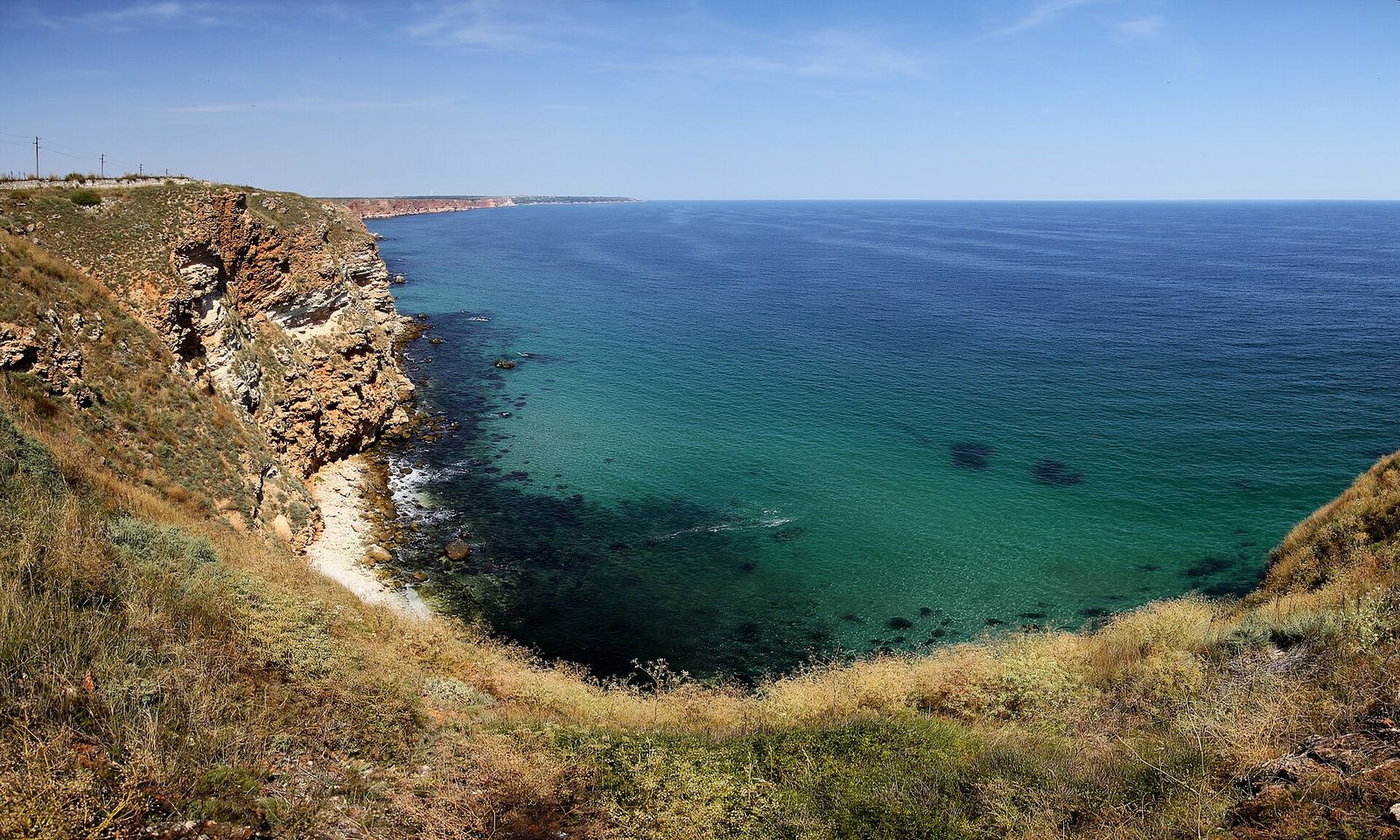
The north runs from Varna up to the Romanian border. Past Balchik the resorts end and the coast turns into high limestone cliffs, caves and small bays.
Varna
Varna is the sea capital of Bulgaria. Its Archaeological Museum holds the gold of the Varna Necropolis, worked between 4400 and 4200 BC and the oldest processed gold found anywhere. The Roman Baths and the Cathedral of the Assumption are the other big sights in the center.
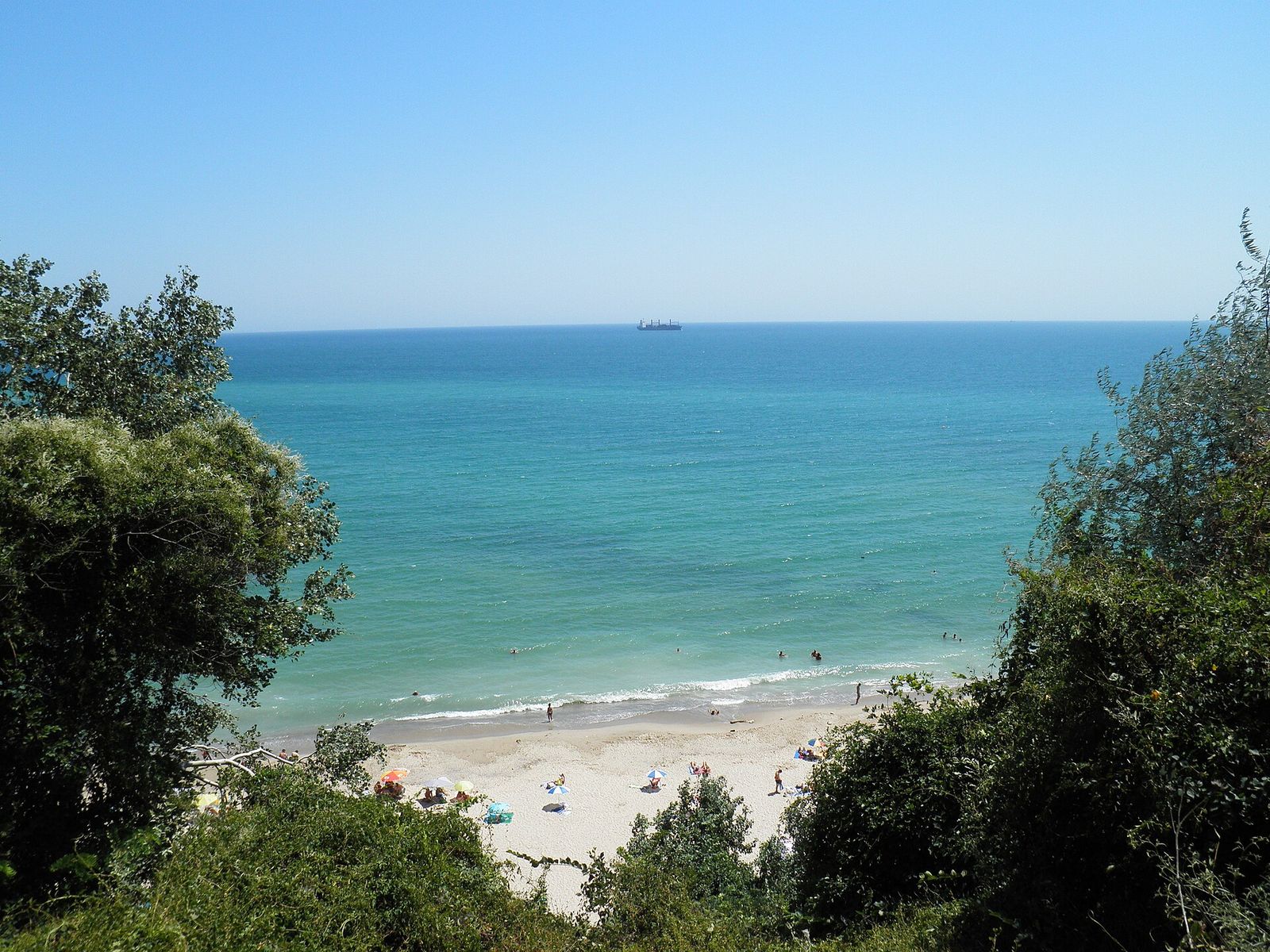
The Sea Garden, a long park, runs along the waterfront above the city beaches. With its museums and daily flights from Sofia, Varna also works as a city break outside beach season. About 18 km inland, Pobiti Kamani, the Stone Forest, is a stretch of sand with natural stone columns up to 10 m tall.
Golden Sands
Golden Sands is the big resort just north of Varna, and it has a calmer, more family-friendly feel than Sunny Beach.
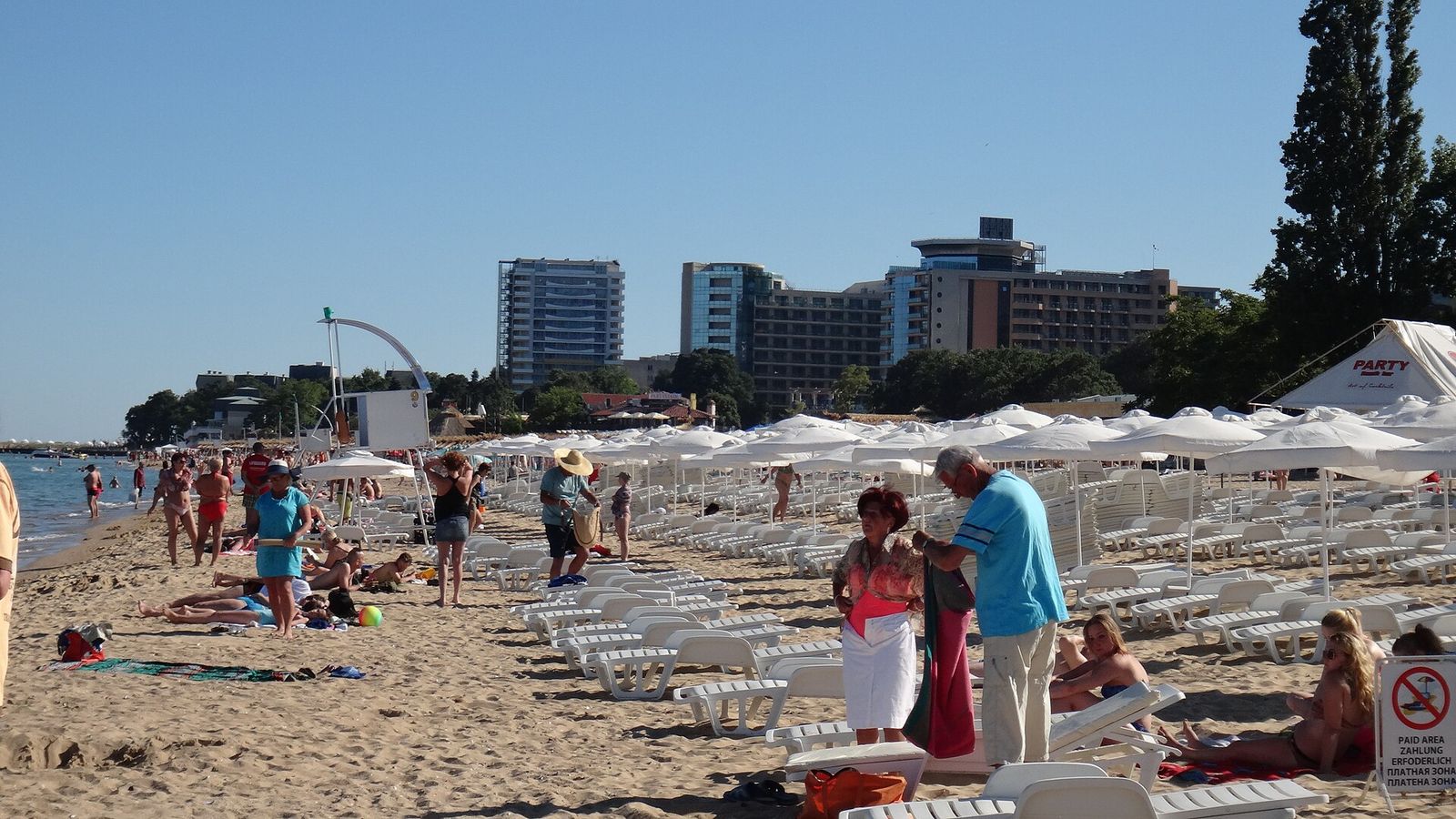
Further north, Albena is the resort I'd pick for small children. The water is shallow, and little road trains carry people around the resort.
Balchik
Balchik is a small town about 31 km north of Varna, below white limestone cliffs. Its palace was built for Queen Marie of Romania, who lived from 1875 to 1938.
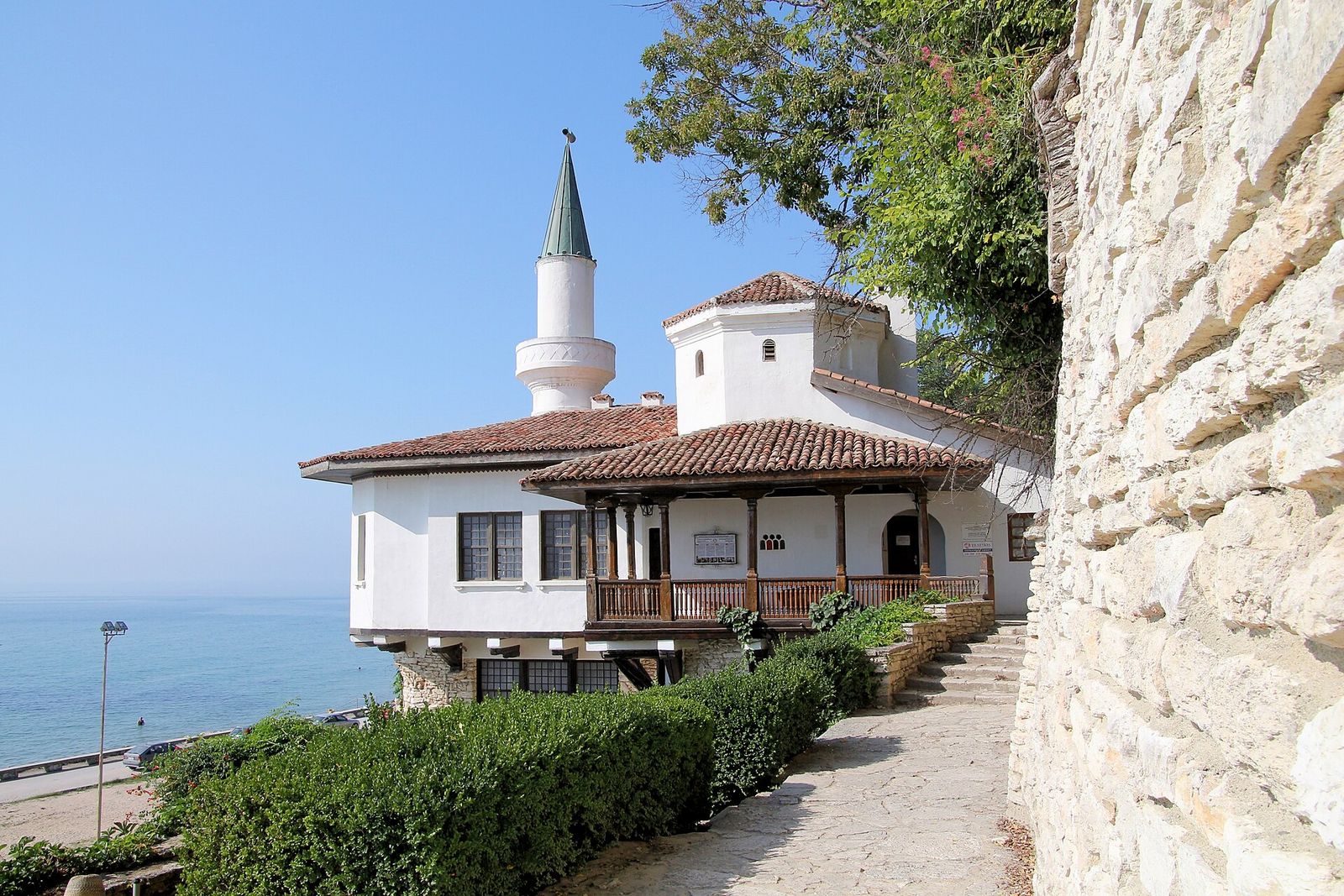
The Botanical Garden around the palace holds about 3,000 plant species, including about 250 kinds of cactus, and the palace and garden fill a morning.
Cape Kaliakra
Cape Kaliakra is a narrow rocky headland that juts about 2 km into the sea, with cliffs 60 to 70 m high dropping straight into the water. It is a nature and archaeological reserve, and its protected area reaches out into the sea. The fortress on the cape was the capital of the Karvuna principality in the 14th century.
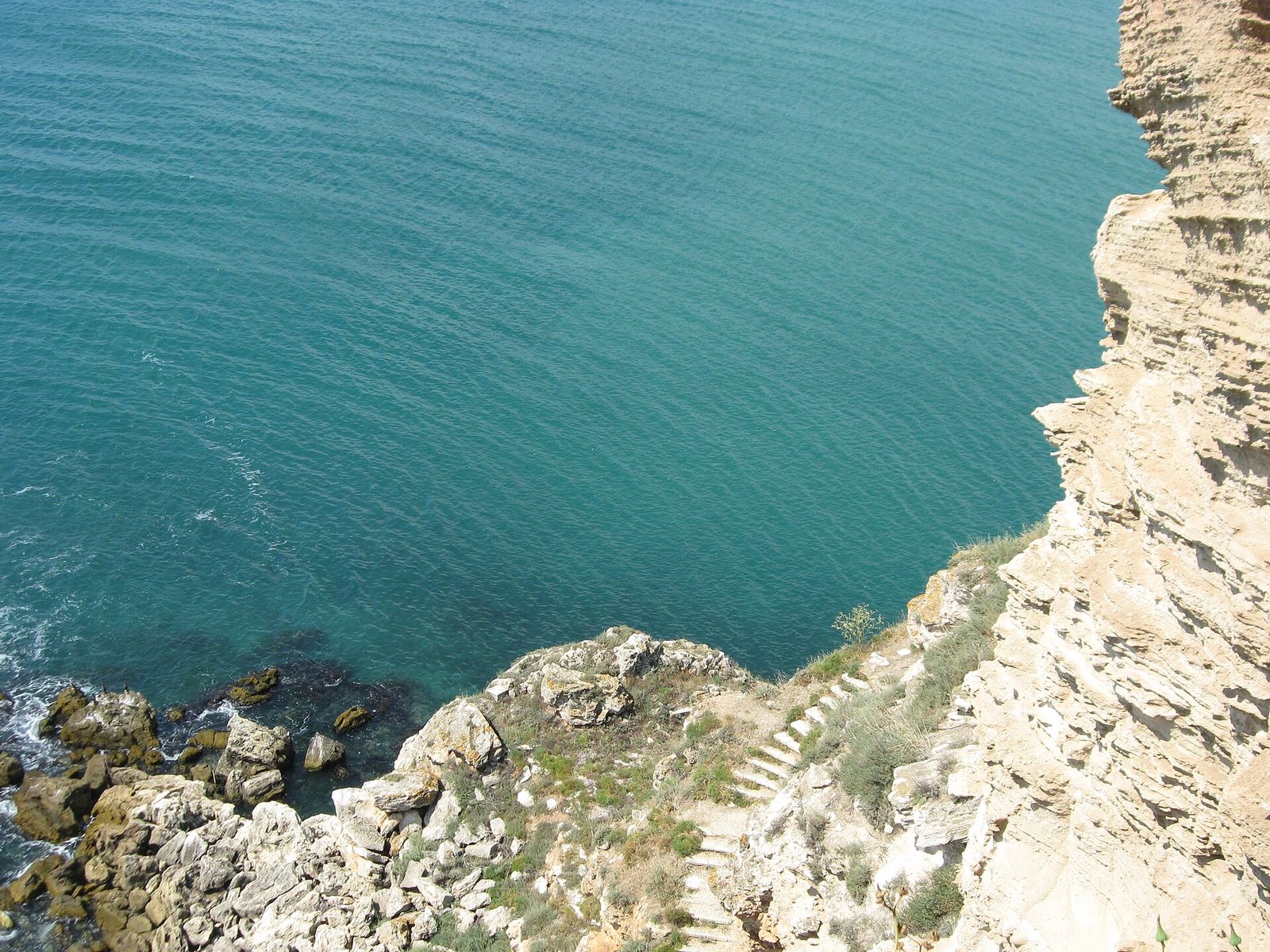
The cape also carries the legend of the 40 maidens, said to have leapt from these cliffs into the sea.
North of the cape, Yailata is an archaeological reserve below 50 to 60 m cliffs with more than 100 caves and rock tombs. Tyulenovo, an almost empty village, is known for a rock arch over the water and has no sand at all. The Shabla lighthouse, built in 1856 on the easternmost point of Bulgaria, is the oldest and tallest in the country; you can see it only from outside. Direct buses from Sofia to Kavarna, Balchik and Shabla take 8 hours or more, so I'd see this stretch by car from Varna.
The middle coast
The middle coast runs from Obzor, with its 10 km of beach, down to Burgas, the main city of the south.
Sunny Beach
Sunny Beach is the party resort of the Bulgarian coast, with water sports on the beach by day and nightlife that runs until late.
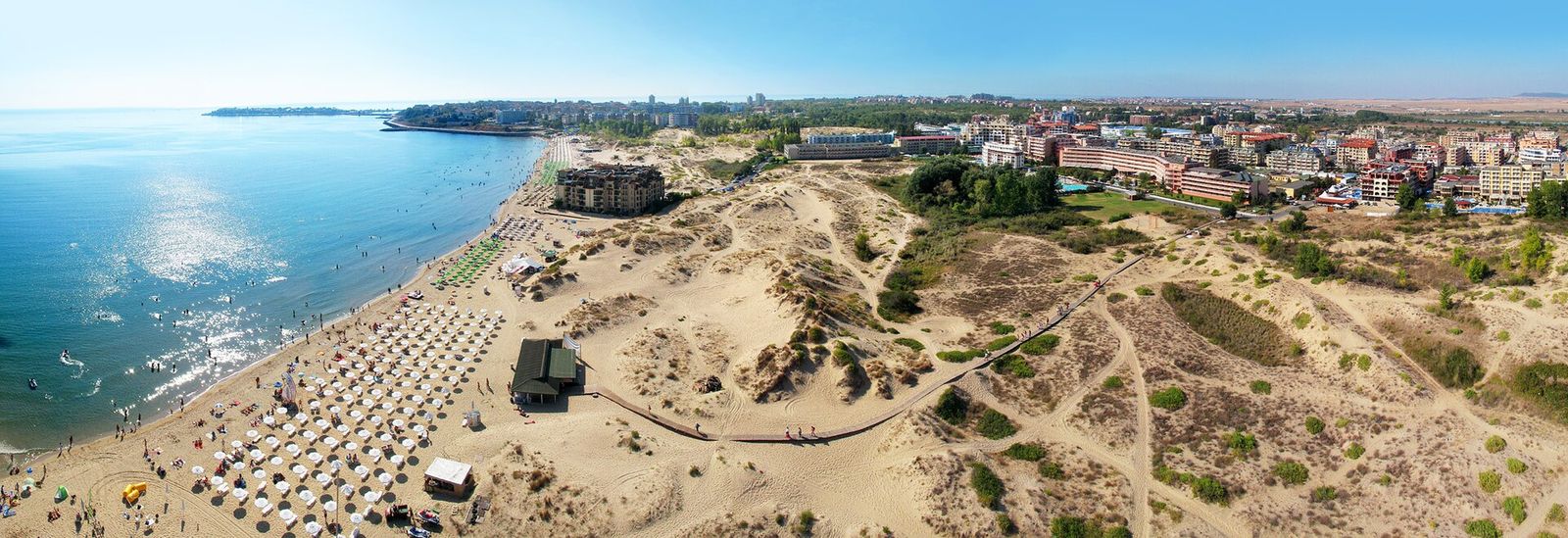
Families do fine here too, and the party crowds are easy to avoid, but for a quiet stay I'd pick Nessebar or somewhere further south.
Nessebar
Nessebar was founded as a Greek colony in the 6th century BC, and its old town on a rocky peninsula, once an island, has been on the UNESCO World Heritage List since 1983. Its churches, the old basilica of St Sofia and 19th-century wooden houses in the Black Sea style fill a few streets.
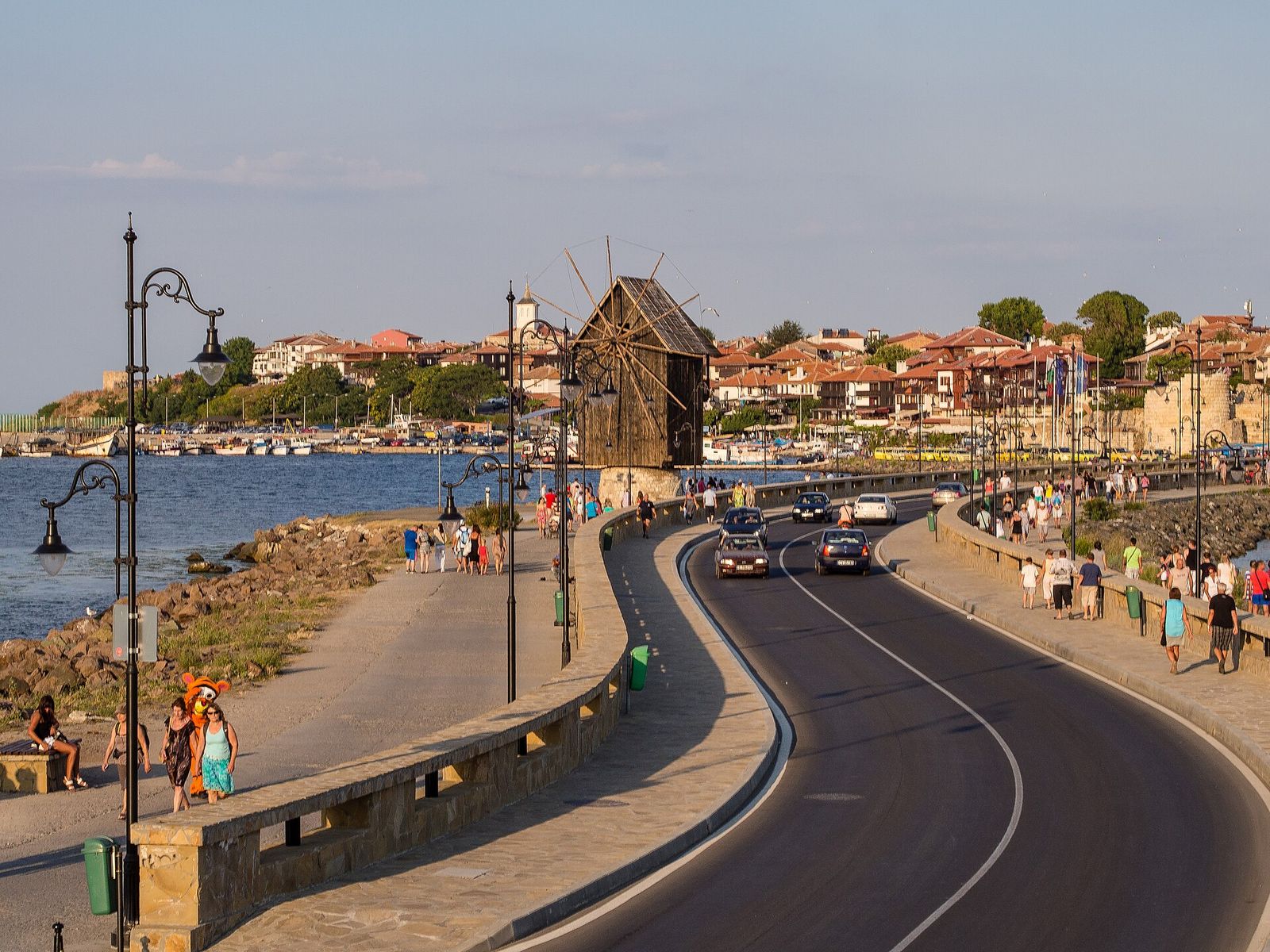
A wooden windmill stands beside the narrow road into the old town. Nessebar is about 35 km north of Burgas and less than 10 km from Sunny Beach, and it has its own sandy beaches, South and North, so you can stay in town instead of the resort.
Burgas
Burgas is the second-biggest city on the coast. Its Sea Garden runs along a city beach more than 2 km long, where the sand has black grains in it.
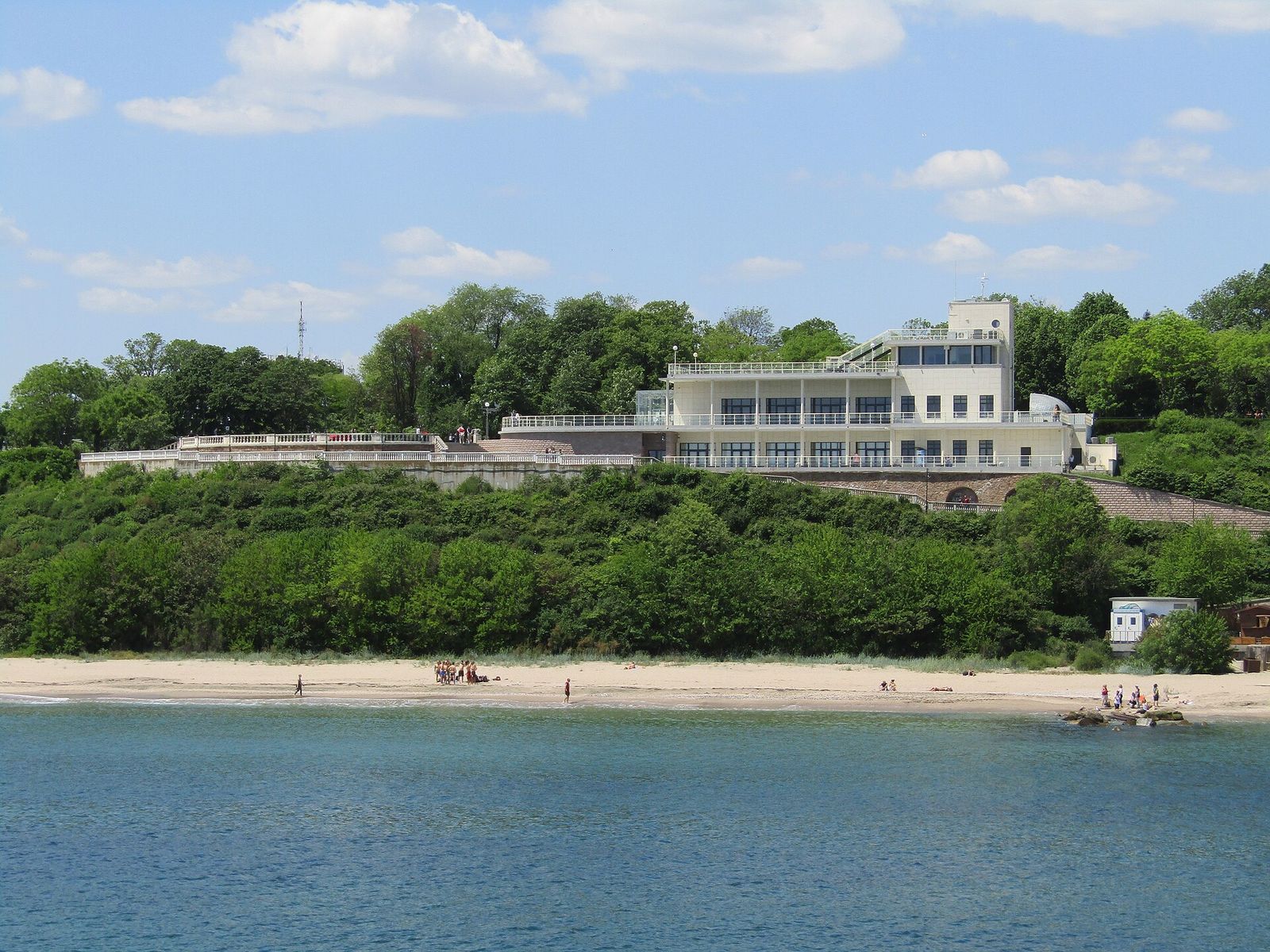
Burgas also has the Pink Lake, Atanasovsko, and it is the practical base for the south: buses run from its South bus station to Sozopol, Primorsko and the towns toward Turkey. Just north, Pomorie is the spa town of the coast, known for mud treatments, a small old town and its Salt Museum. It also sits in one of Bulgaria's wine regions, with wineries near the sea.
The south coast
South of Burgas the coast gets wilder, and from Primorsko south the Strandzha mountains come down to the water.
Sozopol
Sozopol is one of the oldest towns on the coast, founded by Greeks in the 7th century BC. Its old town on a rocky peninsula has been an architectural and historical reserve since 1965, with houses of stone below and wood above, built in the Black Sea style.
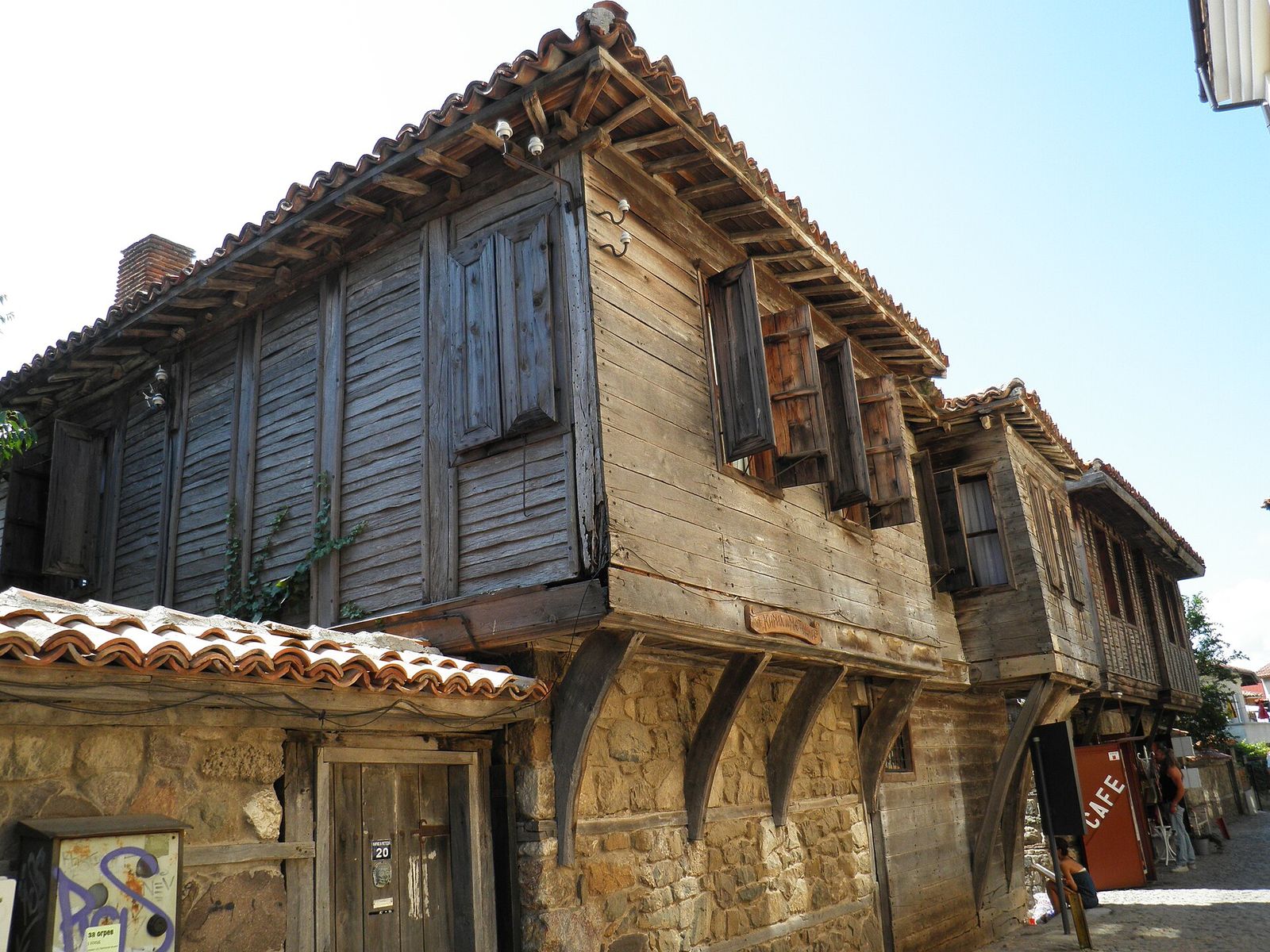
Walking the old town is free, and its beaches, Central and Harmanite among them, are an easy walk from it. Sozopol is the town I'd pick for a week on the coast, and early September brings the Apollonia arts festival and quieter sand.
About 10 km north, Chernomorets spreads over three bays and is mostly guesthouses. Between the two, Gradina is a campsite on a shallow, north-facing beach with beach bars. Smokinya, another camping beach, lies near Sozopol too.
Primorsko
Primorsko is about 20 km south of Sozopol, a small town on a rocky point between two bays where the Strandzha mountains meet the sea. It has the second-longest beach on the Bulgarian coast.
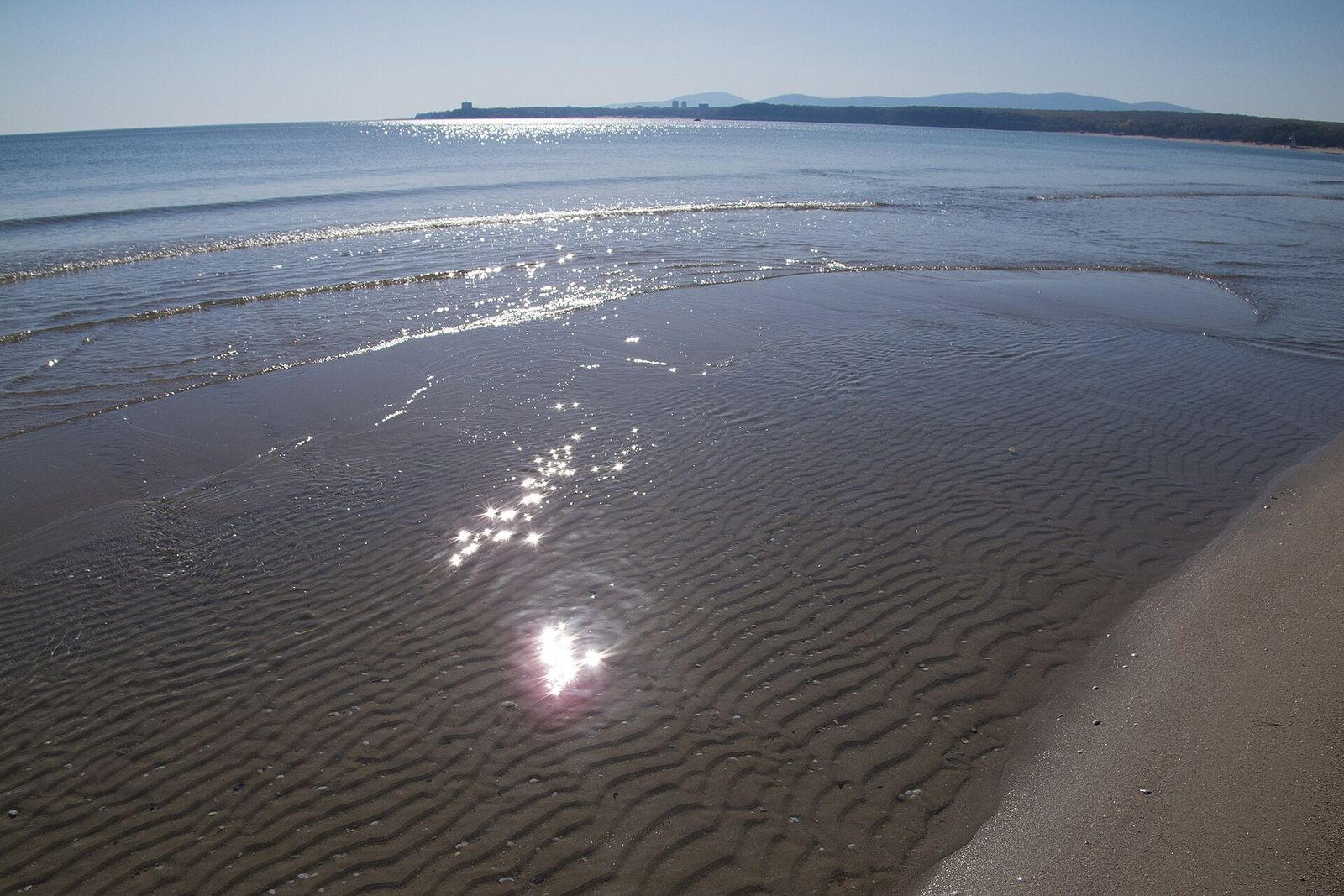
A short drive north brings you to the mouth of the Ropotamo river, the beach at Arkutino and the Dyuni dunes reserve. Beglik Tash, an ancient Thracian sanctuary, is nearby too. South of Primorsko, Lozenets is a small resort with Coral beach, and Tsarevo is a quiet family town with the southernmost harbor on the coast.
Sinemorets
Sinemorets is a village close to the Turkish border, where the Veleka river flows into the sea. Veleka beach is a strip of sand between the two, with the river on one side and the sea on the other.
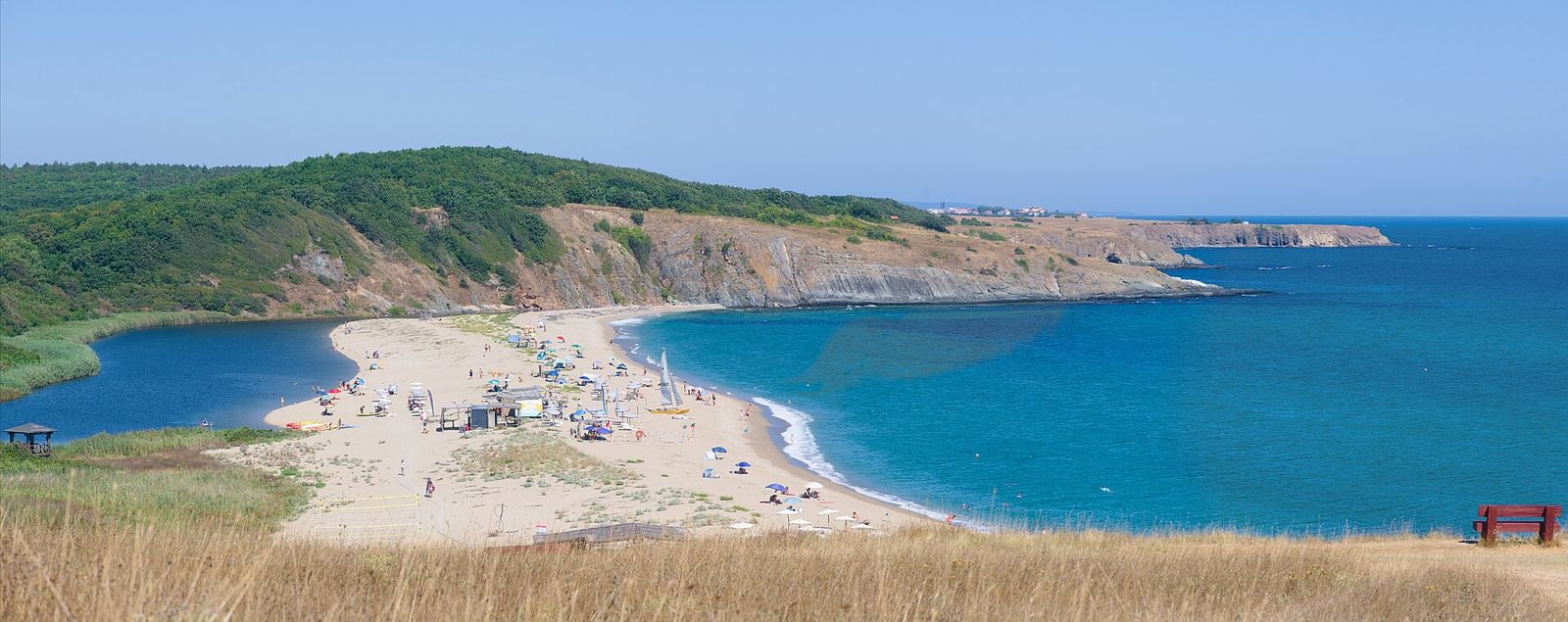
Butamyata is the village's other main beach, and Lipite, a short hike away, is a secluded cove. Strandzha Nature Park, right next to the village, has forest trails for a cooler day. Nearby Silistar is a protected beach deep in Strandzha, and Ahtopol, just north, is quieter and cheaper than the big resorts, with a lighthouse. For wild nature, this is my favorite corner of the coast.
The best wild beaches in Bulgaria
Most Bulgarian beaches come with umbrellas, loungers and a bar. These are the ones that still feel wild, with few or no buildings behind the sand.
| Beach | Where | What it is like |
|---|---|---|
| Veleka | Sinemorets, far south | Sandbar between the river and the sea |
| Silistar | Strandzha, near the Turkish border | Protected area, remote |
| Arkutino | North of Primorsko, by the Ropotamo | Beach near the river mouth |
| Irakli | South of Obzor, near Emona | No big resorts, campers, July Morning crowds |
| Kara Dere | Near Byala, between Varna and Burgas | Wild, dirt road, no facilities |
| Bolata | Near Kavarna, far north | Clear calm bay with rocks and caves, part of a reserve |
| Smokinya | Near Sozopol | Camping beach |
Which part of the coast suits your trip
Where I'd send you, by the kind of trip:
- Families with small children. Albena or Gradina near Sozopol for shallow water, or Golden Sands for a calmer big resort.
- Old towns and history. Nessebar and Sozopol, both Greek-founded towns on peninsulas.
- Nightlife. Sunny Beach, without competition.
- Wild beaches and nature. Sinemorets and Strandzha in the south, or Kaliakra and Bolata in the north.
- No car. Varna, Burgas, Nessebar and Sozopol, which all have direct buses from Sofia.
- A long weekend from Sofia. Fly to Varna and stay in the city.
For a longer trip, the coast fits at the end of a loop through the mountains and Plovdiv, and a two-week Bulgaria itinerary can end with a flight home from Varna or Burgas. Of the best places to visit in Bulgaria, Veliko Tarnovo is the natural stop on the way to Varna.
When to go to the Bulgarian Black Sea coast
June to early September is beach season. July and August are the peak months, when the resorts and old towns are at their busiest, and so many Sofia residents head to the coast that Sofia in summer feels emptier than usual. Early September is my favorite time: the peak crowds have gone and you still get beach weather.
Of the summer festivals in Bulgaria, Varna Summer runs the longest on the coast, a classical music festival held from June to September since 1926.
Key takeaways
- The Bulgarian Black Sea coast is 378 km long, with Varna in the north and Burgas in the south.
- Buses from Sofia take 6 to 7 hours to Varna and 5.5 to 7 hours to Burgas, for about €18 to €20.
- The night train to Varna takes 8 to 9 hours, and a private sleeper costs €33.70.
- Nessebar and Sozopol are the old towns, Sinemorets and Kaliakra the wild ends, Sunny Beach the party resort.
- Go from June to early September; early September gives you beach weather without the July and August crowds.
Frequently asked questions
Does Bulgaria have good beaches?
Yes. Bulgaria has 378 km of Black Sea coast with long sandy beaches, from big resorts like Sunny Beach and Golden Sands to wild beaches like Veleka at Sinemorets and Irakli. The season runs from June to early September.
How long does it take to get from Sofia to Varna?
About 6 to 7 hours by bus and 5 to 6 hours by car. The night train takes 7 h 50 min to 9 hours, day trains with a change 7 h 42 min to 11 hours, and a Bulgaria Air flight 50 minutes.
How do I get from Sofia to Burgas?
Take a Union-Ivkoni bus from the Central Bus Station: 9 run every day, take 5.5 to 7 hours and cost €18.80 to €19.50. A direct train leaves at 6 AM and takes 6 hours, a sleeper leaves at 10:20 PM, and several buses continue to Nessebar, Sunny Beach or Sozopol.
What is the nicest beach in Bulgaria?
My pick is Veleka beach at Sinemorets, a sandbar between the Veleka river and the sea near the Turkish border. For a town beach, Sozopol's beaches below its old town are the ones I'd choose.
Is Burgas worth visiting?
Yes, as a base for the south coast. Burgas has a Sea Garden, a city beach more than 2 km long and the Pink Lake nearby, and buses run from its South bus station to Sozopol, Primorsko and Nessebar.
Is Varna or Burgas better for a beach holiday?
Pick Varna for the north coast, the city's museums and daily flights from Sofia, and Burgas for the south, with Sozopol, Primorsko and Sinemorets close by. Both have airports and direct buses from Sofia.
When is the beach season in Bulgaria?
From June to early September. July and August are the busiest months, and early September is quieter.
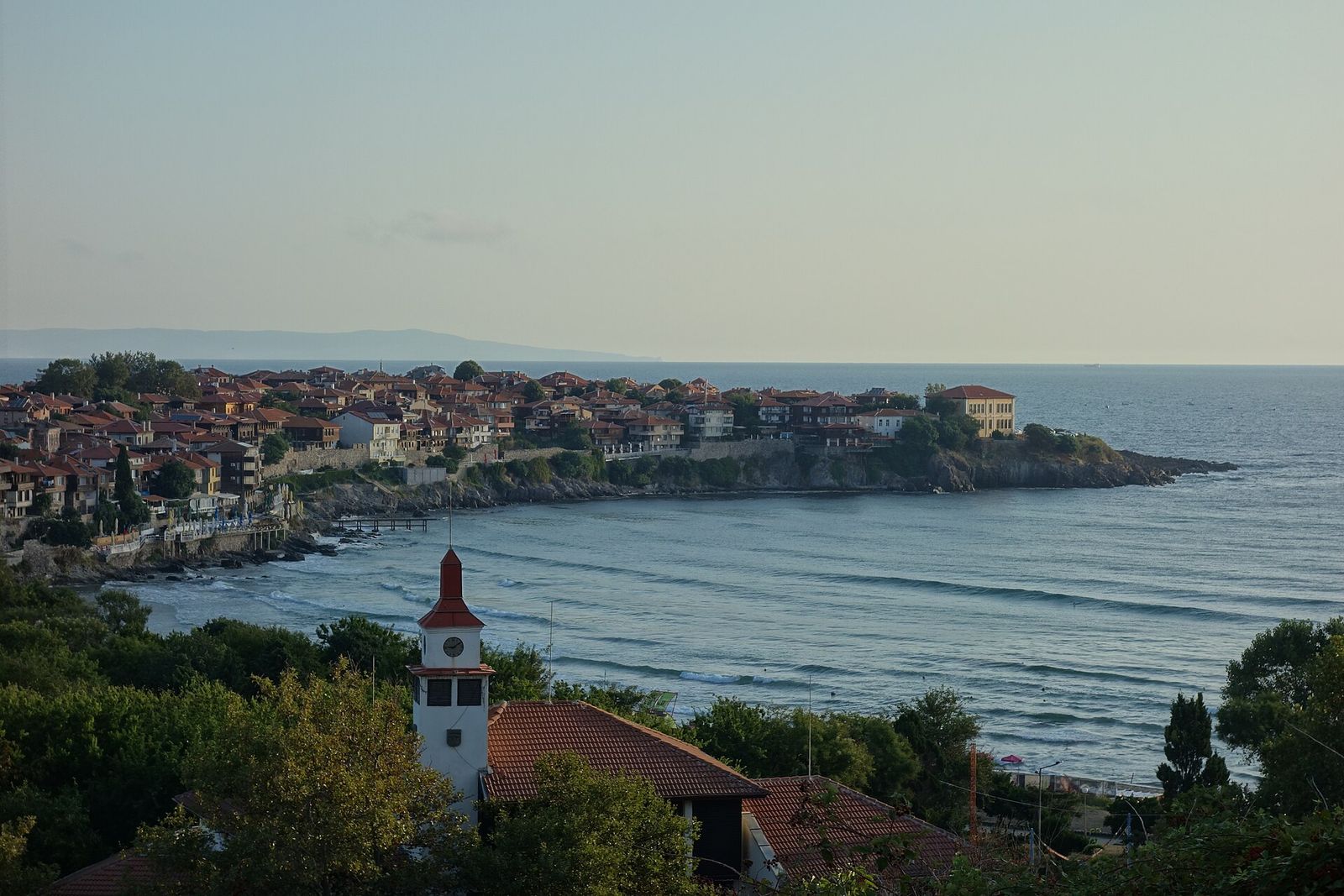
12 Best Places to Visit in Bulgaria in 2026
Bulgaria packs Roman cities, mountain monasteries and Black Sea old towns into a small map. These are the 12 I'd pick.
Read the guide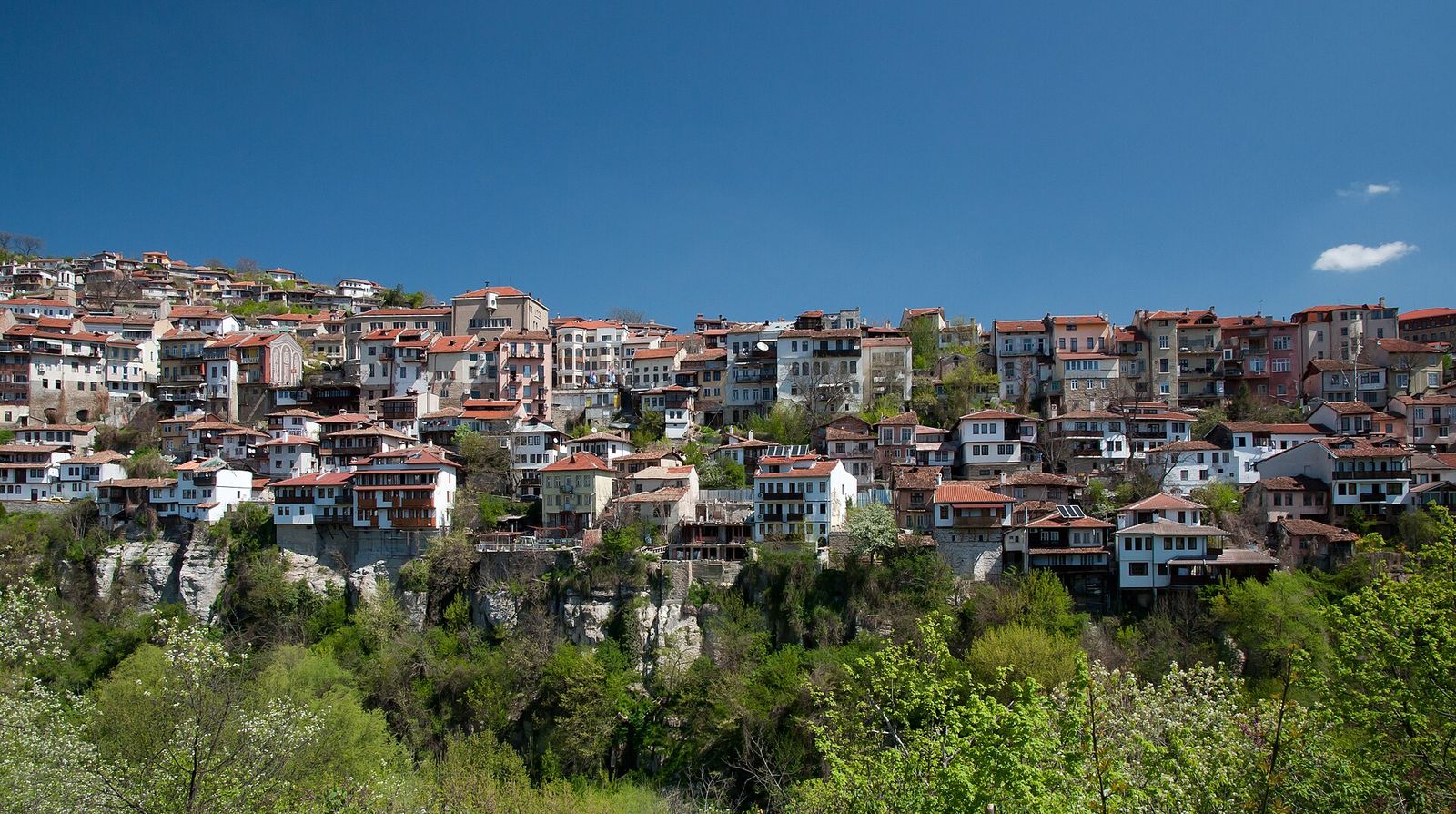
Veliko Tarnovo: Tsarevets, the Old Town and What to See
Veliko Tarnovo is known for Tsarevets and its houses above the Yantra. What to see, the hours and how long to stay.
Read the guide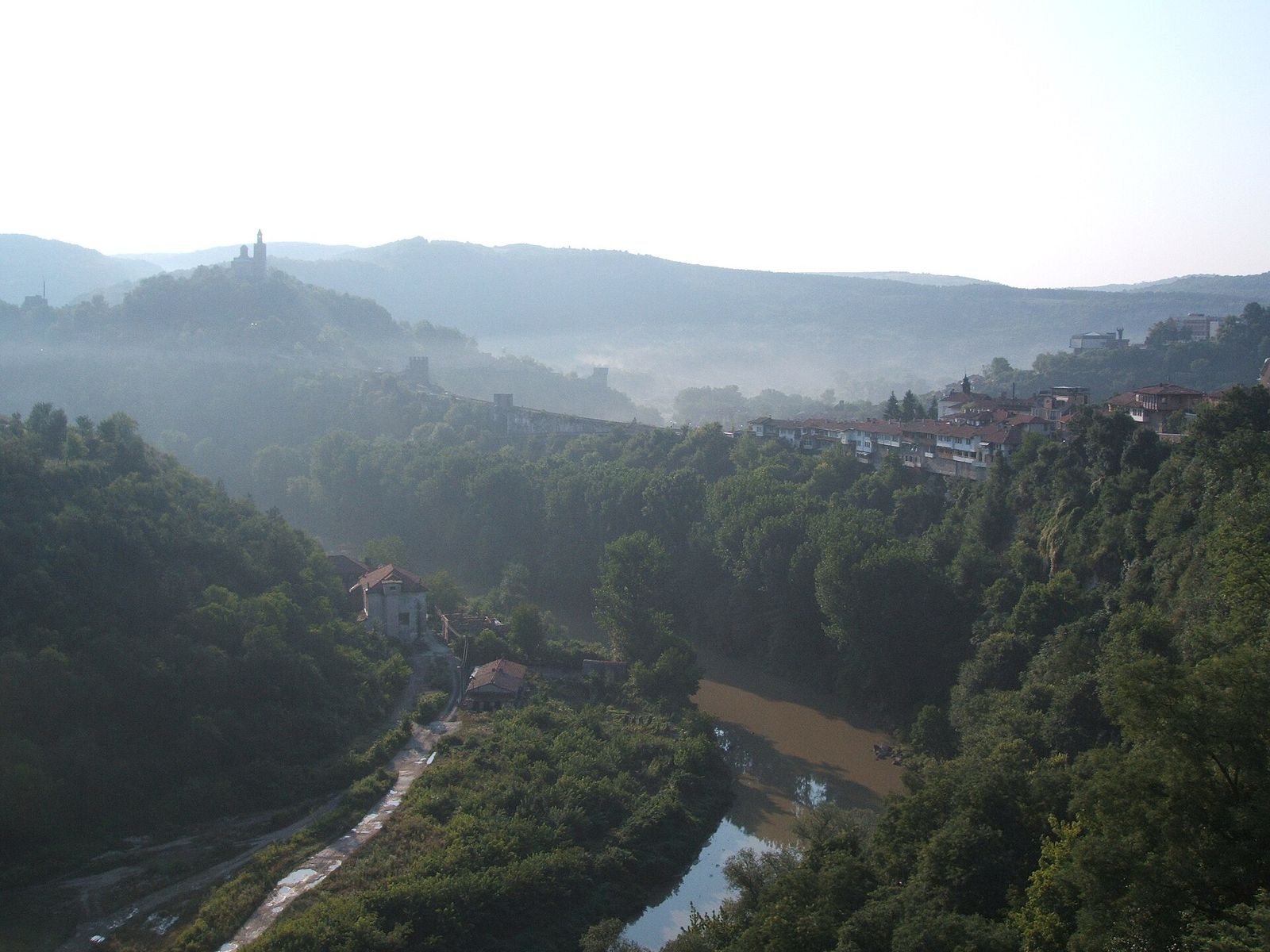
Sofia to Veliko Tarnovo: Bus, Train or Car in 2026
Veliko Tarnovo is about 3 hours from Sofia by bus. The 2026 departures, the train change and the drive, compared.
Read the guide