Bulgarian Desserts: The Sweets to Try and Where to Eat Them in Sofia
Bulgarian desserts sit where the Ottoman kitchen met the Balkan farmhouse: filo and syrup from one side, walnuts, pumpkin, honey and yogurt from the other. Some are everyday sweets from a bakery counter, and some only appear on Christmas Eve or Easter morning. Below are the sweets I'd try first, what goes into each one, and the places in Sofia where I'd order them.
What Bulgarian desserts are like
Nearly five centuries of Ottoman rule left Bulgaria with baklava, revane and tulumbi, the sweets soaked in sugar syrup. The rest of the dessert table is home baking: cakes layered with walnuts, pumpkin baked in filo, honey cookies and a jar of jam on the shelf. Yogurt goes into a surprising number of them, from the dough of Kazanlak donuts to the peach cookies in almost every bakery.
Walnuts are the nut you will meet most. Cinnamon is the spice. The sweetness runs high in the syrup desserts and low in the farmhouse ones, like baked pumpkin with honey and walnuts.
Syrup sweets from the Ottoman kitchen
Baklava
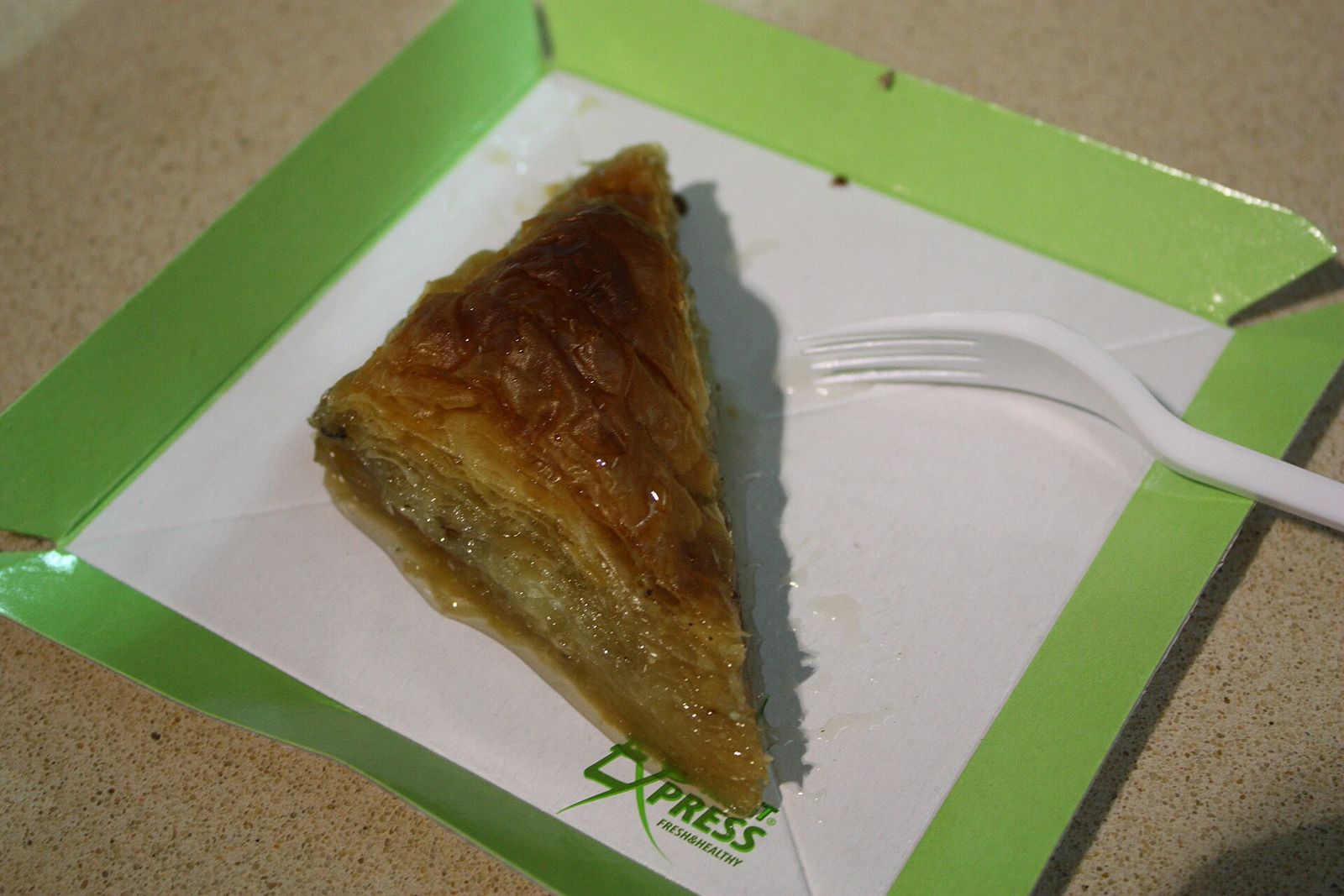
Baklava is thin layers of filo with chopped walnuts between them, baked and then drenched in sugar syrup. It is cut into diamonds or squares. A small piece goes a long way. Bulgarians make it at home for Christmas and New Year's Eve.
For the most baklava in one place, go north of Lion's Bridge, where the Kurdish, Iraqi and Middle Eastern places of Sofia's "Little Iraq" serve it with tea. I'd order one piece and a strong tea to cut the syrup.
Revane
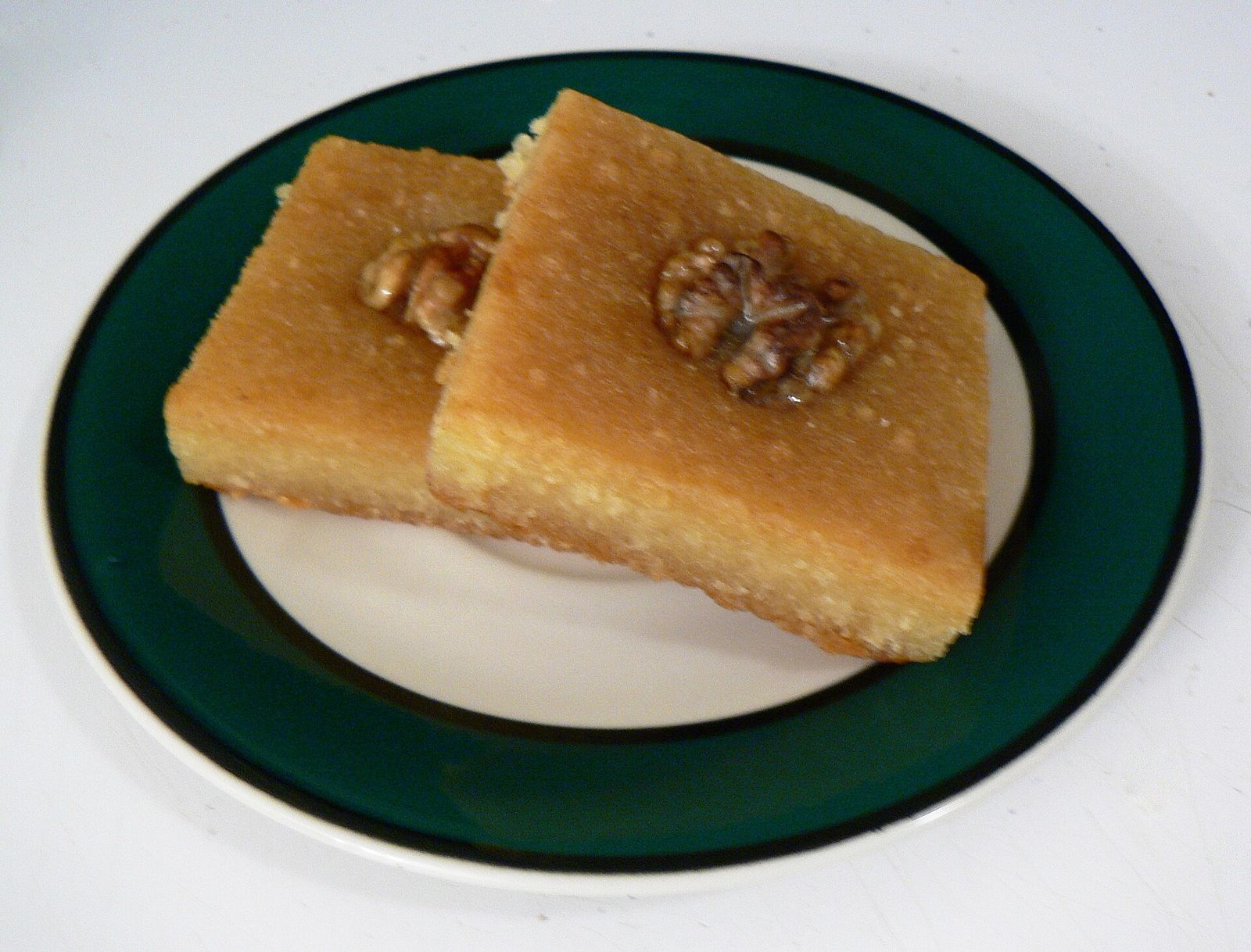
Revane is a semolina sponge made with eggs, baked and left to sit in syrup until it soaks through. It goes by basbousa or revani elsewhere in the Balkans and the Middle East, and it is cut into squares or diamonds. Many Bulgarians grew up on it, and it is on the dessert list of plenty of restaurants as well as in home kitchens.
Tulumbi
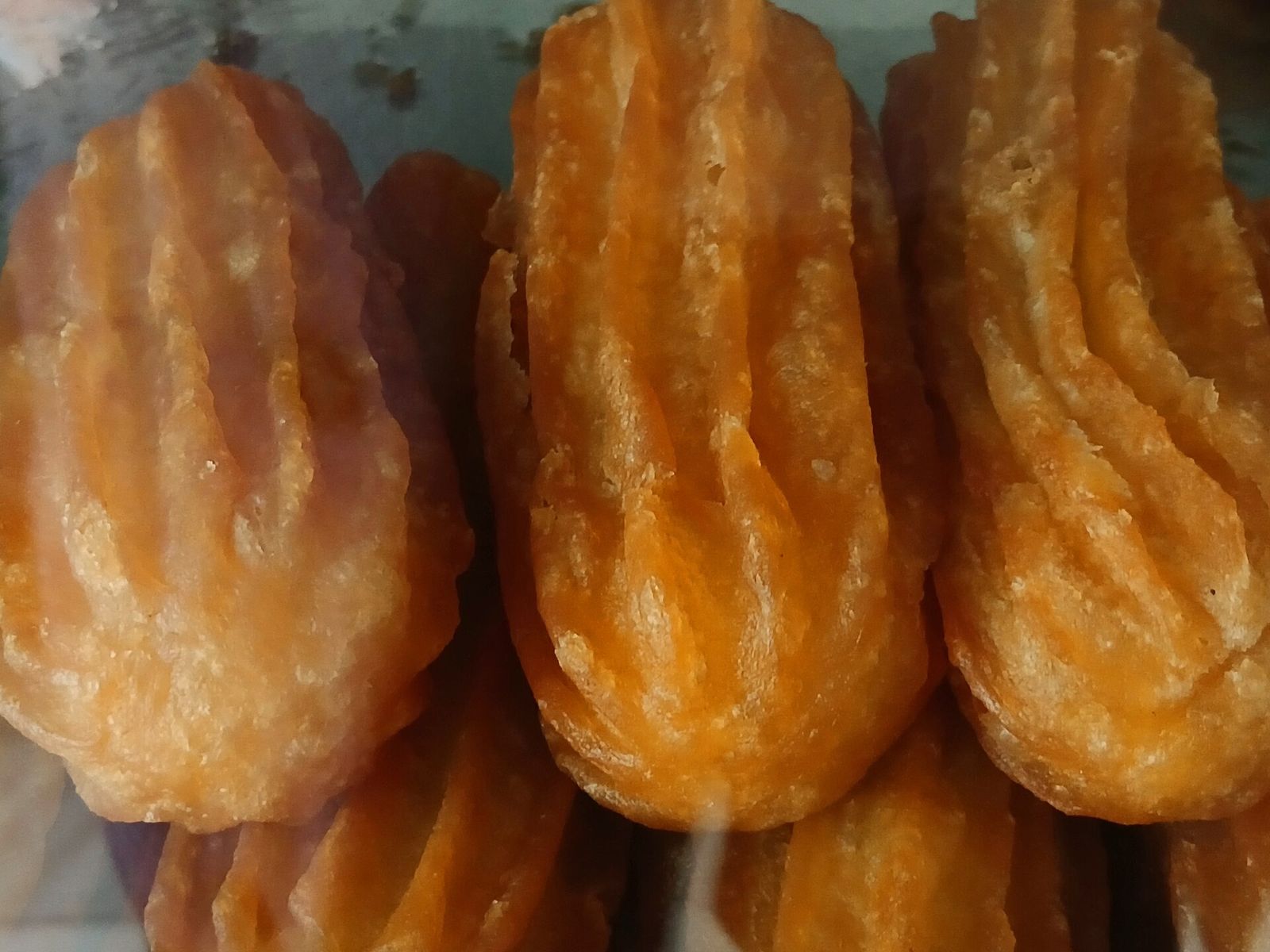
Tulumbi are ridged fingers of fried dough made from flour, eggs, butter, sugar and vanilla, then soaked in syrup. Each one is crisp at the edges and heavy with syrup in the middle. They are the sweet a Bulgarian host puts out for guests, and few homes would welcome visitors without a plate of them.
Kunefe, which most people know from the Turkish kitchen, is the other one to look for: two layers of shredded kadaif pastry with unsalted cheese between them, served warm. Raw kadaif is hard to find in Bulgaria, so when a bakery or a menu has kunefe, order it.
Pumpkin and filo sweets
Tikvenik
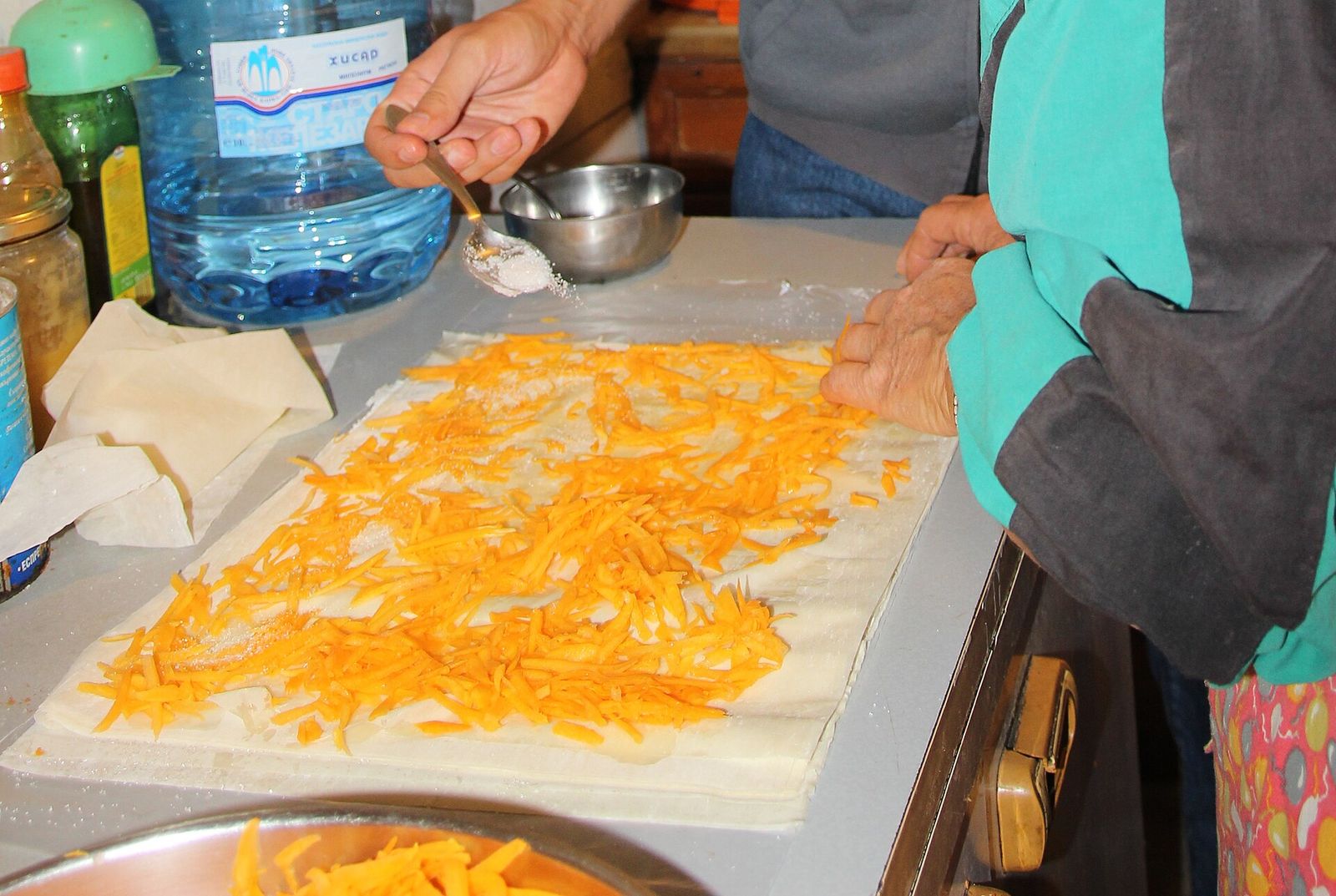
Tikvenik is the sweet cousin of banitsa: the same filo, rolled around grated pumpkin, walnuts, sugar and cinnamon, sometimes nutmeg, then baked and dusted with powdered sugar. Ask Bulgarians what autumn and winter taste like and many will say tikvenik. It is one of the dishes on the meatless Christmas Eve table.
Outside the holiday, the closest thing in a Sofia bakery is pumpkin banitsa. Furna bakes it with walnut and brown sugar, and Sofia's banitsa bakeries sell sweet fillings next to the cheese ones every morning.
Sweet banitsa
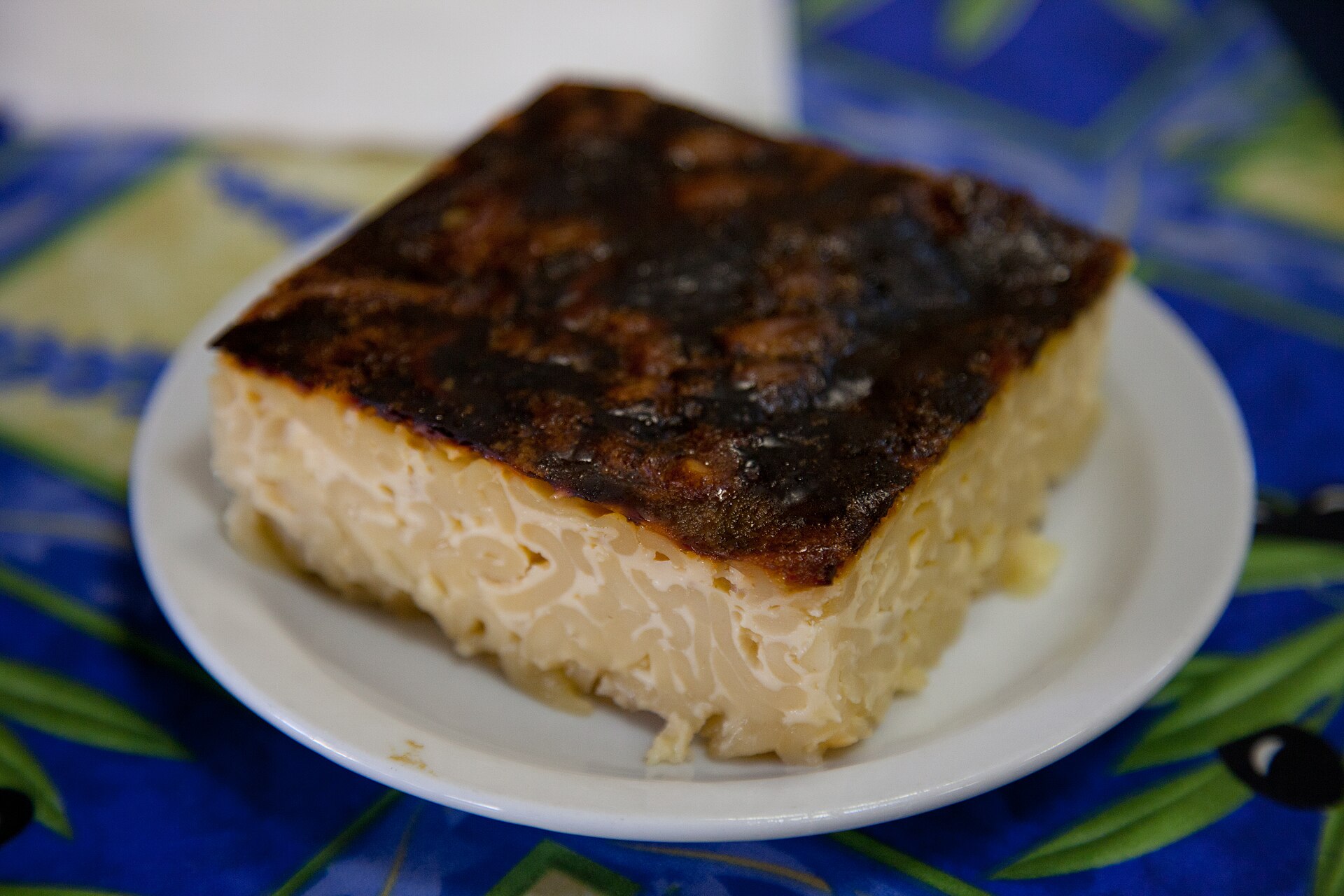
Sweet banitsa is one of the oldest recipes in the Bulgarian cookbook. It is made with filo or with thin noodles, baked with milk, eggs, sugar and butter. Children's menus carry it, and plenty of adults order it for dessert or eat it for breakfast.
In Sofia, Hadjidraganov's House serves banitsa as dessert, with orange syrup poured over it.
Bulgarian cakes: garash, biscuit cake and yogurt cake
Garash is the famous one. It was created in Ruse, on the Danube, at the beginning of the 20th century: layers of ground walnut sponge with chocolate cream between them, a chocolate ganache on top and often chopped almonds for crunch. The original was made without white flour, and some bakers still make it that way. It is the cake for birthdays and celebrations, and you will find it in almost every restaurant and pastry shop in Bulgaria.
Biscuit cake, biskvitena torta, is the simple one to make: layers of plain biscuits with a cream of milk, eggs, sugar and vanilla, topped with cocoa, chocolate or fruit. Restaurants, cafes and even supermarkets sell it, and some cooks add walnuts, raisins or banana between the layers.
Yogurt cake is the one every Bulgarian family bakes. Baking soda goes into the yogurt to make it rise, a cocoa layer alternates with a plain one, and the cake is baked in a ring pan and dusted with powdered sugar. The brown cake with cocoa icing on bakery counters uses yogurt too.
Puddings and spoon sweets
Krem karamel
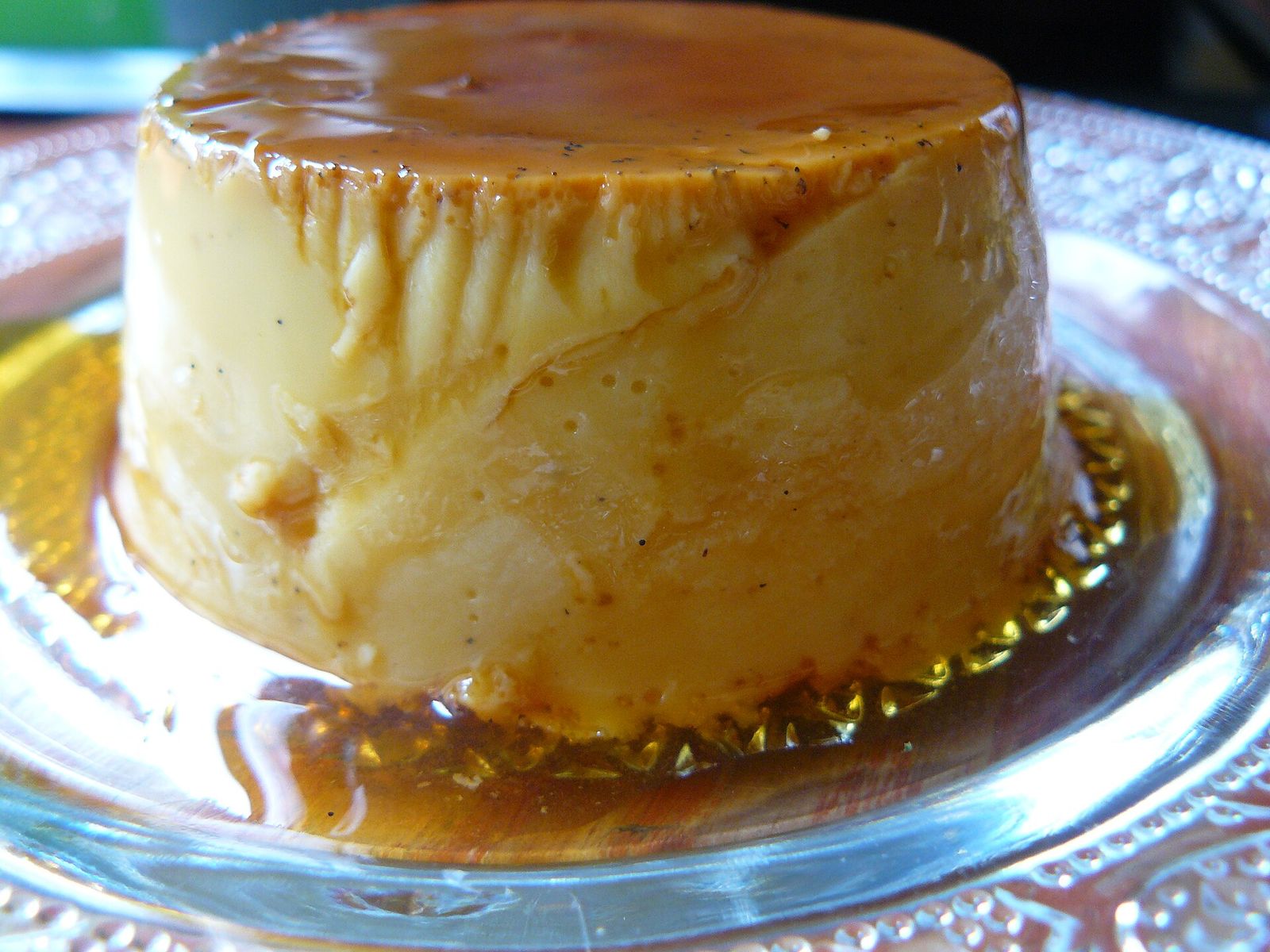
Krem karamel is the Bulgarian crème caramel: eggs, fresh milk, sugar, vanilla and a little lemon juice, baked over a layer of caramel and turned out upside down. It is the dessert many Bulgarians remember their grandmothers baking.
Mlyako s oriz, rice pudding, is one of the most popular desserts in the country. The milk is boiled with sugar, the rice is cooked separately, and the two are mixed over a medium heat, with cinnamon sprinkled on top before serving. Restaurants and fast-food places both serve it.
Rose petal jam
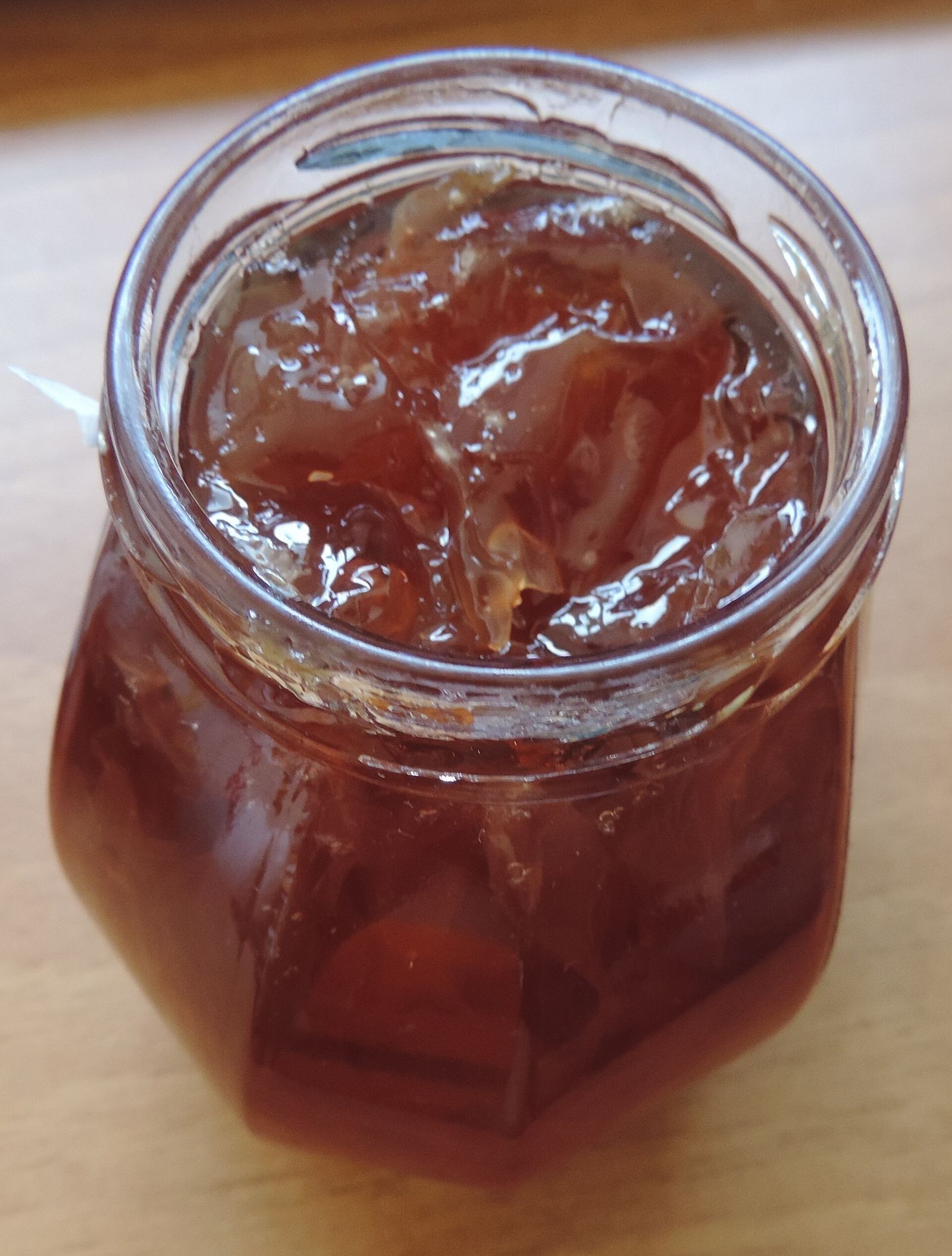
Rose petal jam is made from the Damask rose of the Rose Valley around Kazanlak. It tastes the way the rose smells. Supermarkets and souvenir shops sell it, and it is one of the cheap rose buys. I'd stir a spoonful into a bowl of thick yogurt.
White jam, byalo sladko, is the old-fashioned one: only water, sugar and lemon juice, cooked into a thick white paste. The custom is to serve a spoonful in a glass of water. Many young Bulgarians have never tried it. Supermarkets still sell it.
Bulgarian holiday sweets
Kozunak
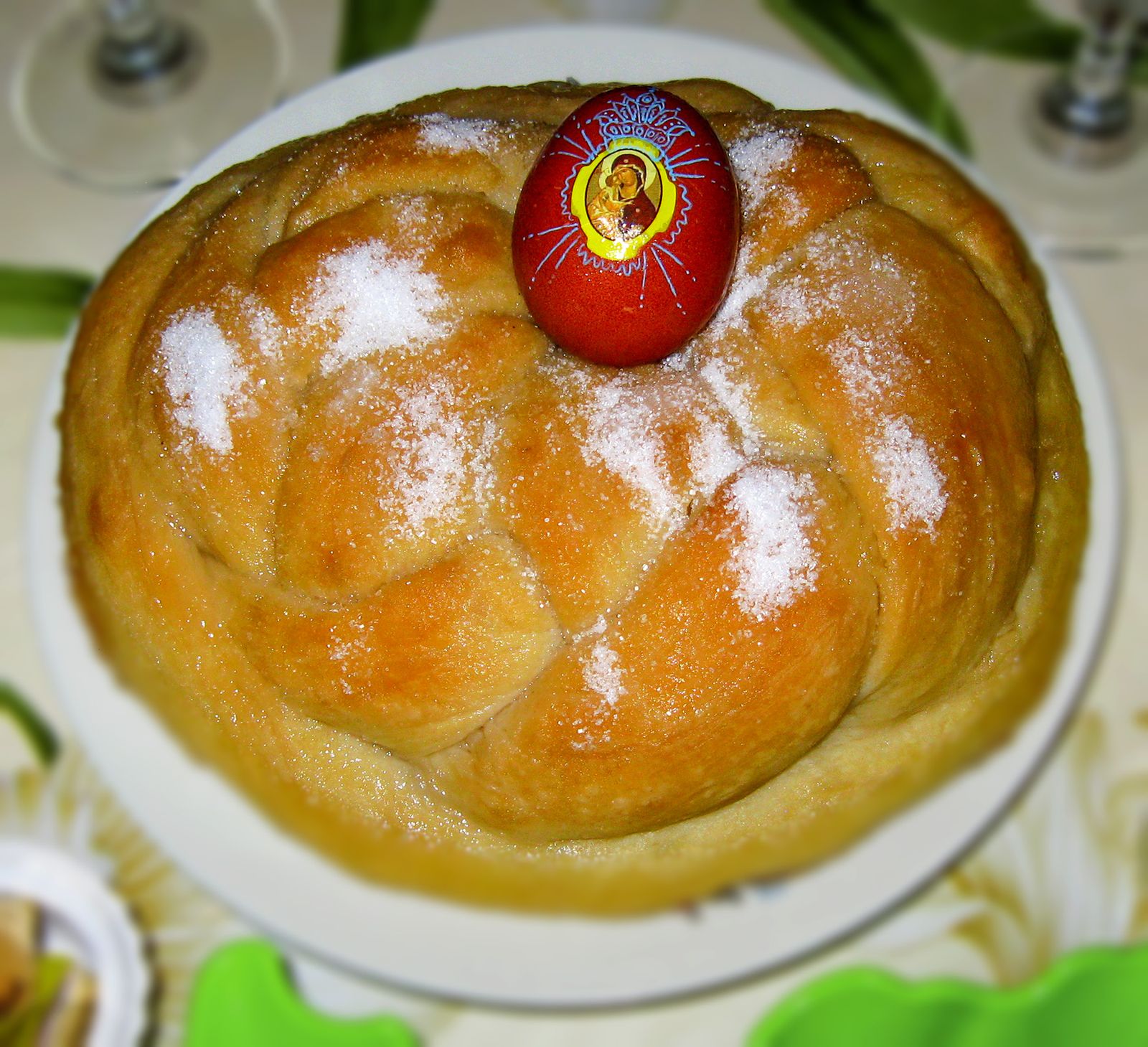
Kozunak is a sweet braided bread, rich like brioche, usually with raisins and sometimes walnuts. It is the Easter loaf, served with red eggs on Easter morning, and it comes back at Christmas. During Easter in Bulgaria, the dough is started on Holy Thursday and the loaves are baked by Holy Saturday.
| Holiday | Sweets on the table | What they are |
|---|---|---|
| Christmas Eve | Tikvenik, maslenki, oshav | Pumpkin filo, jam cookies, dried fruit cooked in water |
| Christmas | Medenki, kozunak | Honey and cinnamon cookies, sweet bread |
| New Year's Eve | Baklava, banitsa with lucky charms | Syrup pastry; the banitsa hides a coin for luck |
| Easter | Kozunak, kurabiiki | Braided sweet bread, small sugar cookies |
Christmas Eve dinner in Bulgaria is meatless, with an odd number of dishes, which is why its sweets lean on pumpkin, dried fruit and jam. Over the Christmas and New Year season in Sofia, the Bulgarian stalls at the Christmas markets sell kozunak next to banitsa and kebapche.
More Bulgarian sweets to look for
| Sweet | What it is | Good to know |
|---|---|---|
| Kurabiiki | Small round cookies dusted with sugar | Supermarkets, bakeries, coffee shops |
| Maslenki | Jam-filled butter cookies | A Christmas Eve sweet |
| Medenki | Honey and cinnamon cookies | Christmas season |
| Praskovki | Peach-shaped cookies of yogurt dough with a nut filling | Bakeries and supermarkets |
| Funiiki s krem | Pastry horns filled with custard or cream | Bakeries and supermarkets |
| Kazanlak donuts | Fried yogurt dough rolled in sugar, sometimes with jam or honey | Named after the town of Kazanlak |
| Mekitsi | Puffed fried dough with powdered sugar, honey or jam | Mekitsa and Coffee |
| Marudnik | Pancake of flour, yogurt, butter and eggs, with jam | Hotel breakfasts |
| Kifli | Soft crescent rolls filled with jam or cream | A children's favorite |
| Sweet salami | Biscuits, cocoa and butter rolled into a log and sliced cold | Small bakeries, home kitchens |
| Tikva s orehi | Baked pumpkin with honey and walnuts | Home kitchens in autumn |
| Yogurt with honey and walnuts | Thick yogurt, honey, nuts and sometimes fruit | Ski resorts |
The last row is the dessert I'd order most often. A bowl of Bulgarian yogurt with honey and walnuts is light, and it is the mountaineers' favorite and a classic on a ski trip.
Where to eat Bulgarian desserts in Sofia
Bakeries sell pastries and cookies to take away, pastry shops sell cakes by the slice with coffee, and traditional restaurants carry the home desserts like krem karamel and sweet banitsa.
Hadjidraganov's House
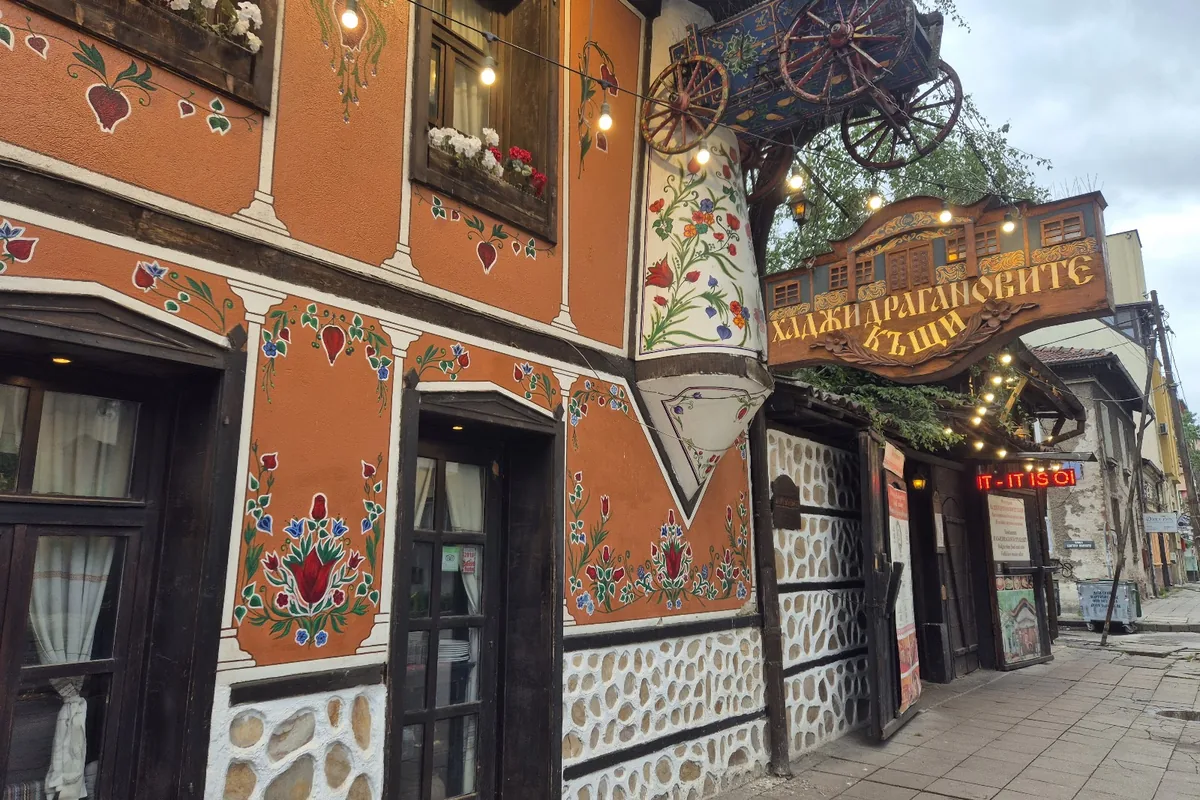
Hadjidraganov's House on Kozloduy Street, near Lion's Bridge, is a traditional restaurant spread over four houses from 1886, each room decorated like a different Bulgarian town. For dessert, the orange-syrup banitsa is the order, and the handmade ice cream is the other choice. I'd book it for a full Bulgarian dinner with the band playing.
Vila Rosiche
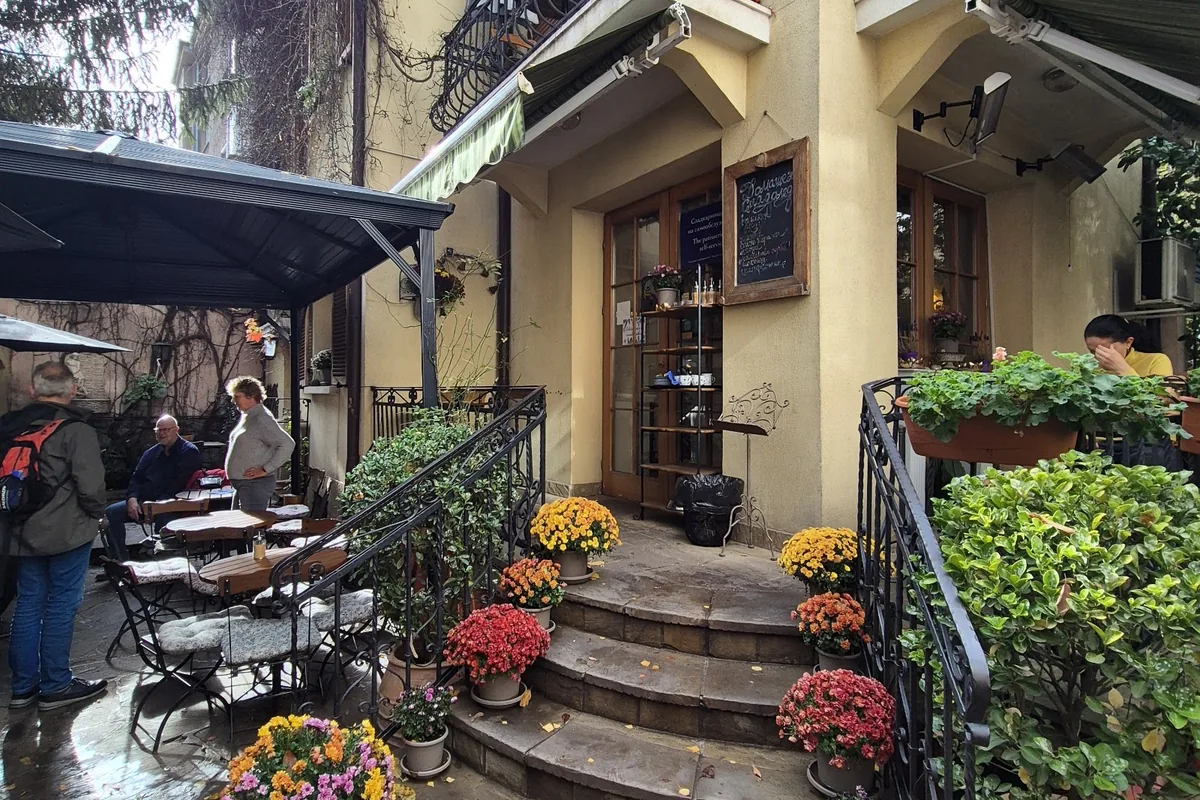
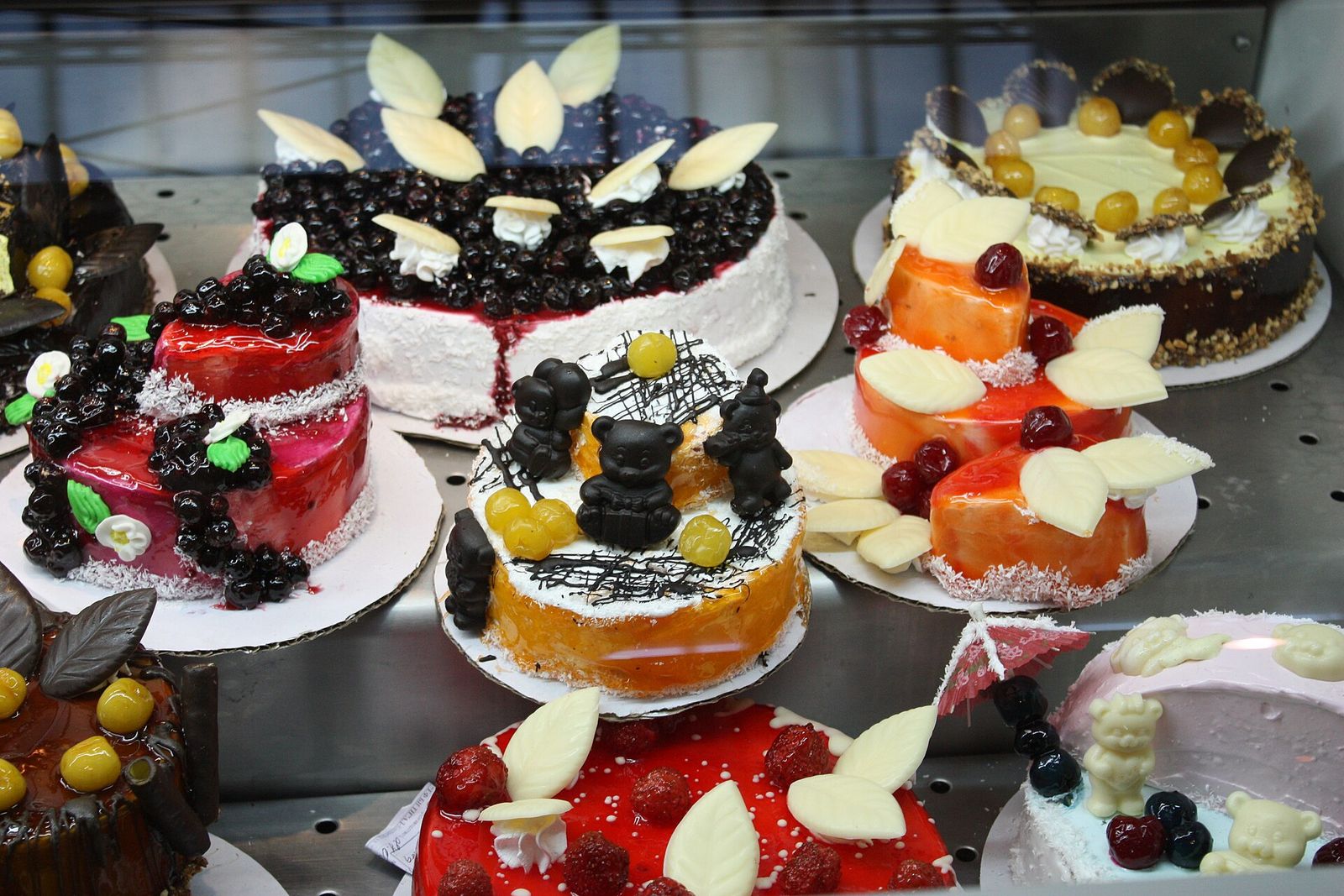
Vila Rosiche at Neofit Rilski 26 is a pastry shop in a vintage-styled house with a garden. The chocolate cakes and creamy fruit cakes are the reason to come. Portions are generous, and prices sit above most Sofia pastry shops. On a warm afternoon, take a table in the garden.
Laguna Viennese Patisserie
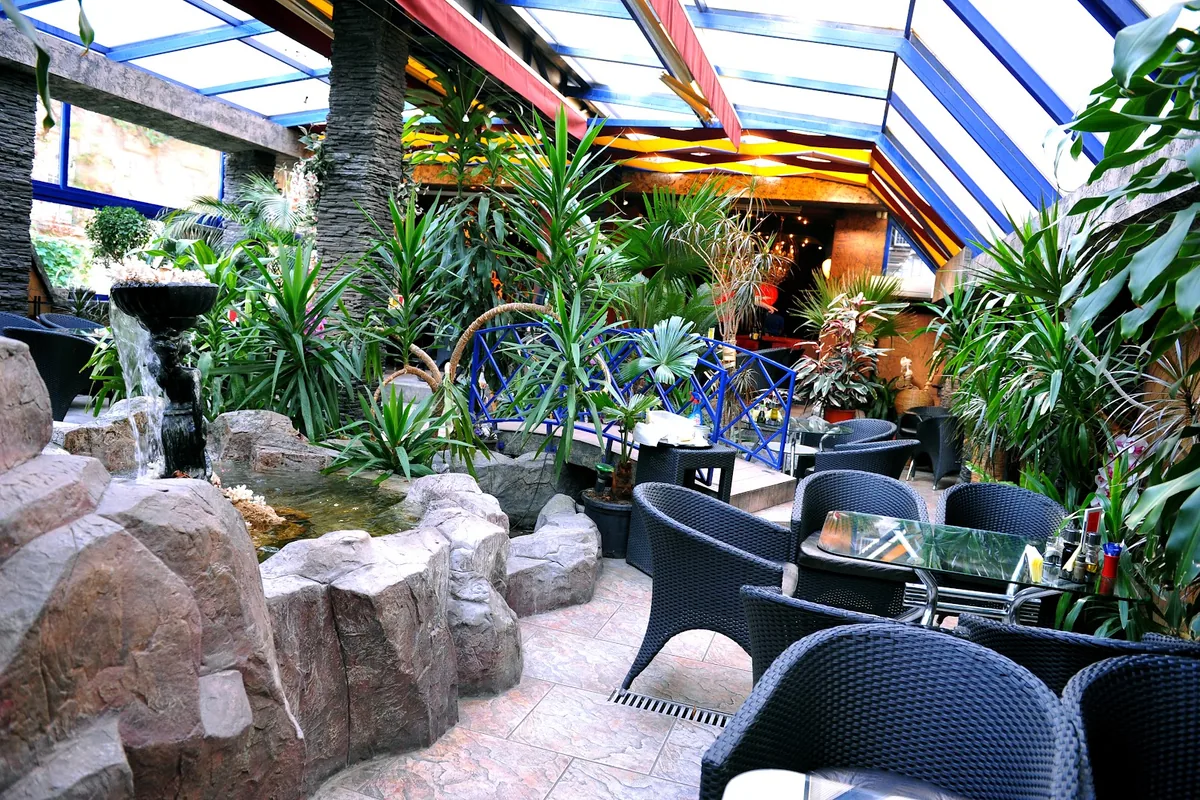
Laguna at Hristo Belchev 13 is a Viennese-style patisserie with a big range of cakes at reasonable prices. Confetti, the Italian gelateria at Hristo Belchev 5, is a few doors along the same street if you want a scoop after the cake.
100 Grama Sladki
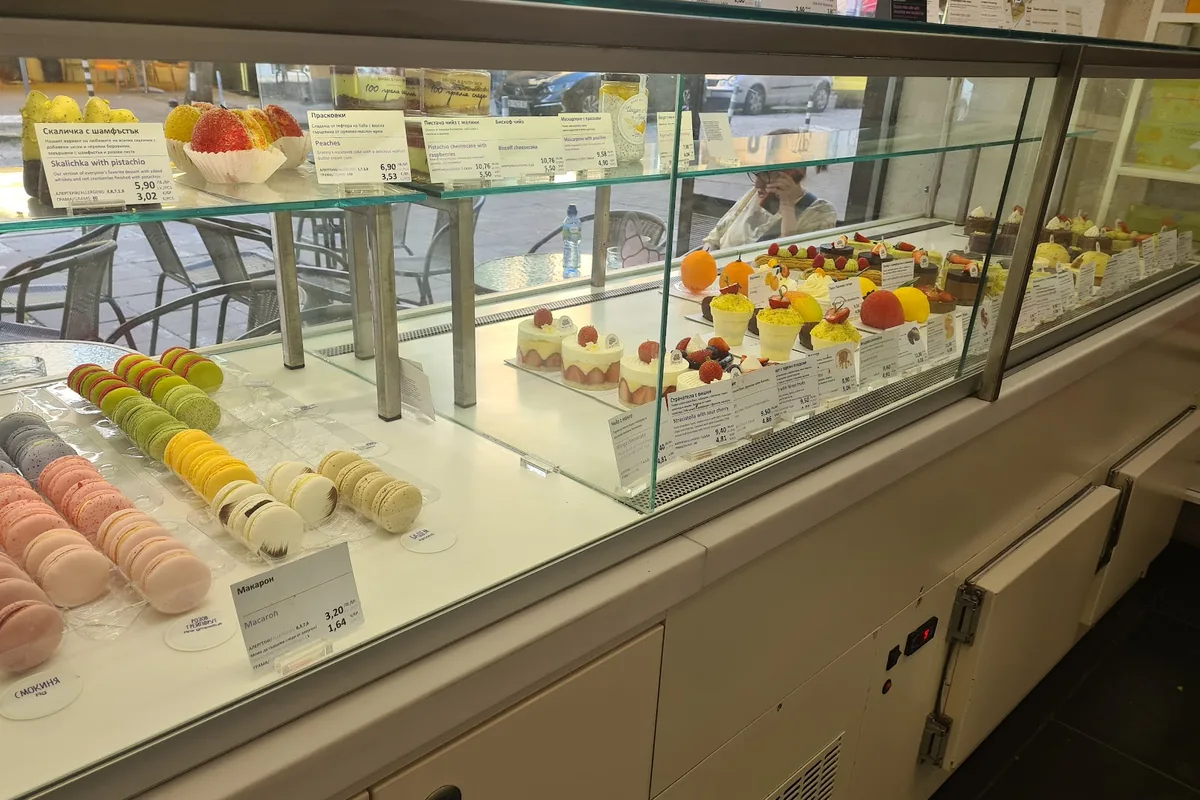
100 Grama Sladki has two pastry shops, at Angel Kanchev 18A and Shipka 12. The cheesecake and chocolate cake are the favorites, and the counters also carry Linzer cookies and a mini marble cake with a pistachio coating and a mascarpone center.
Kostis Bakery
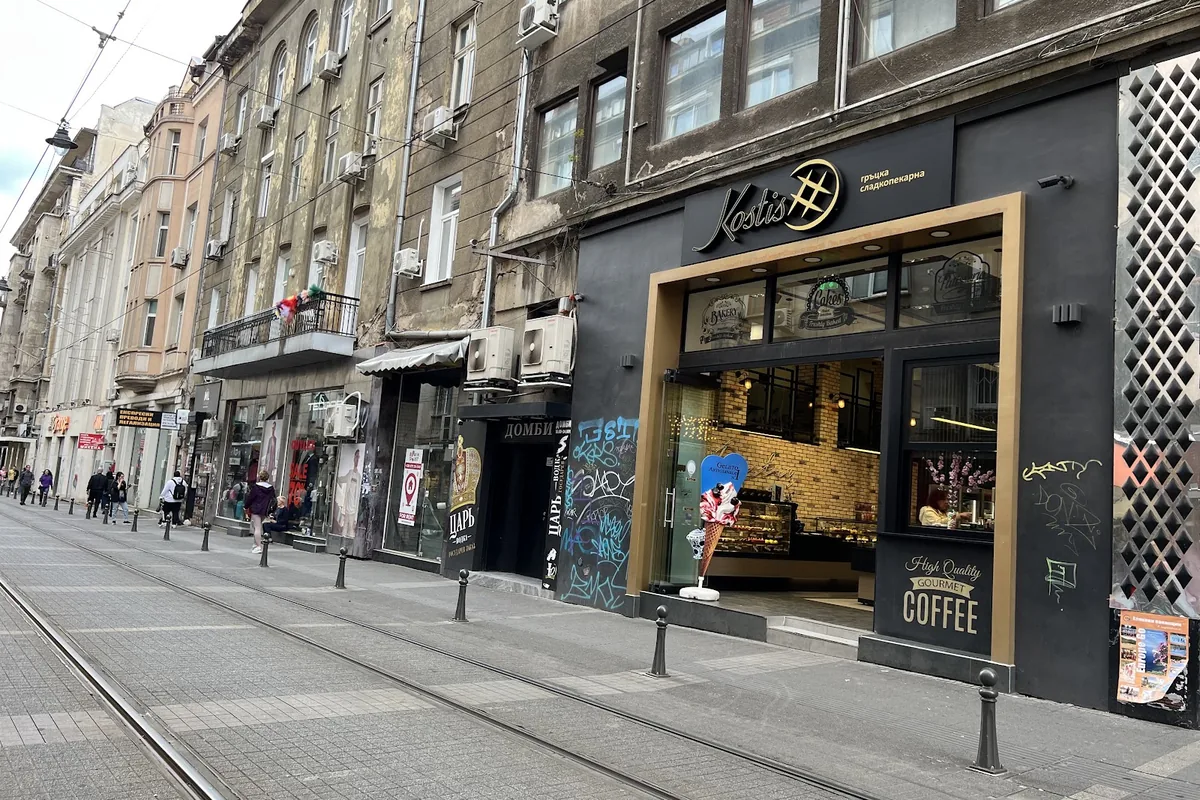
Kostis Bakery at Graf Ignatiev 12 is the place for a mascarpone chocolate cake, and its cheesecake is the other order. It is on the same street as Mekitsa and Coffee, so a sweet breakfast and a slice of cake fit into one walk.
Mekitsa and Coffee
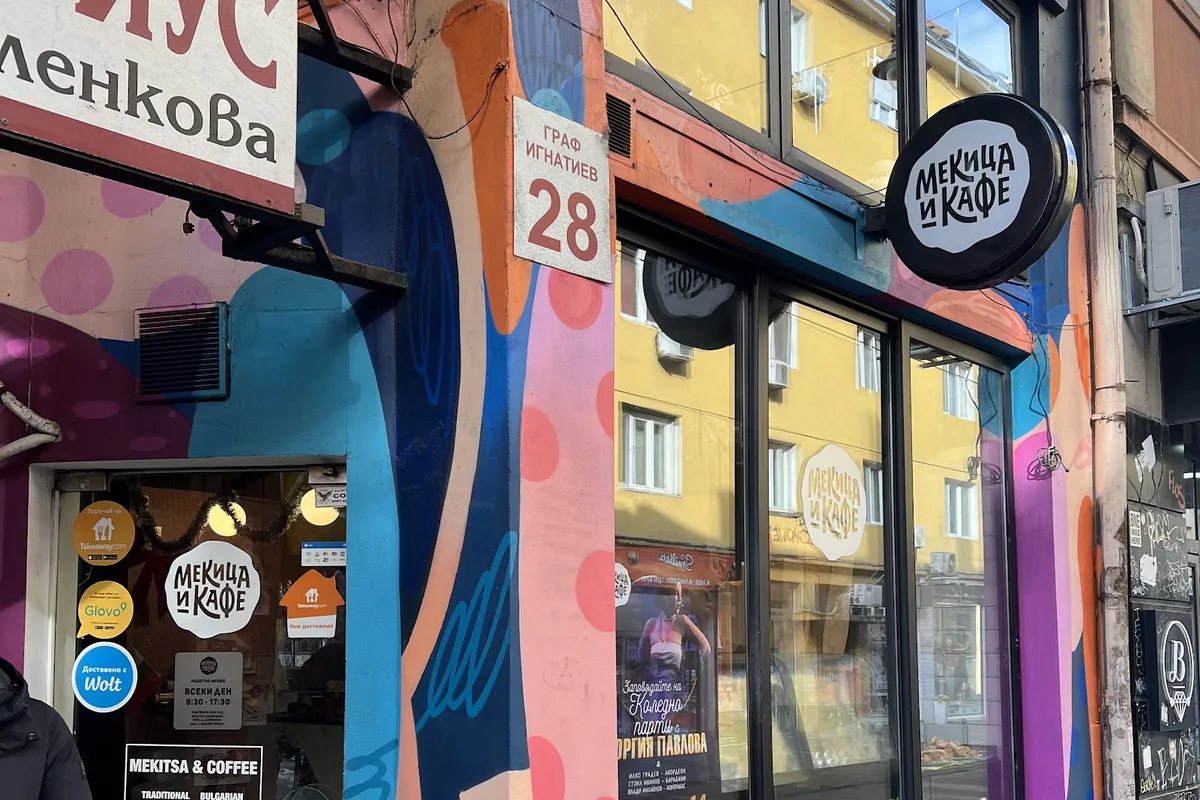
Mekitsa and Coffee at Graf Ignatiev 28 fries mekitsi to order in front of you. The sweet toppings run from powdered sugar and honey to pistachio spread, and prices start at about €2.50. It is my pick for a sweet breakfast in Sofia, with an espresso on the side.
JoVan The Dutch Bakery
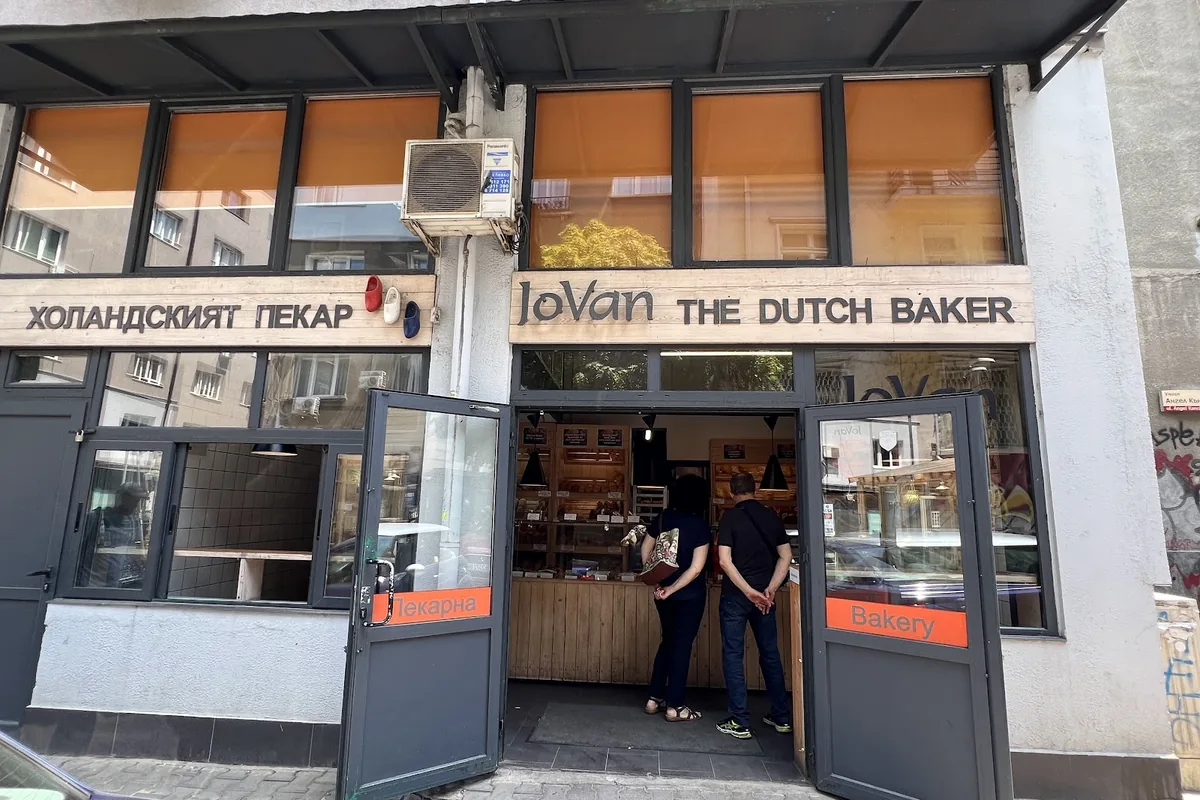
JoVan at Angel Kanchev 37 is a Dutch bakery, and its kozunak is especially popular at Easter. In the week before the holiday, it is the loaf I'd buy.
Cosmos
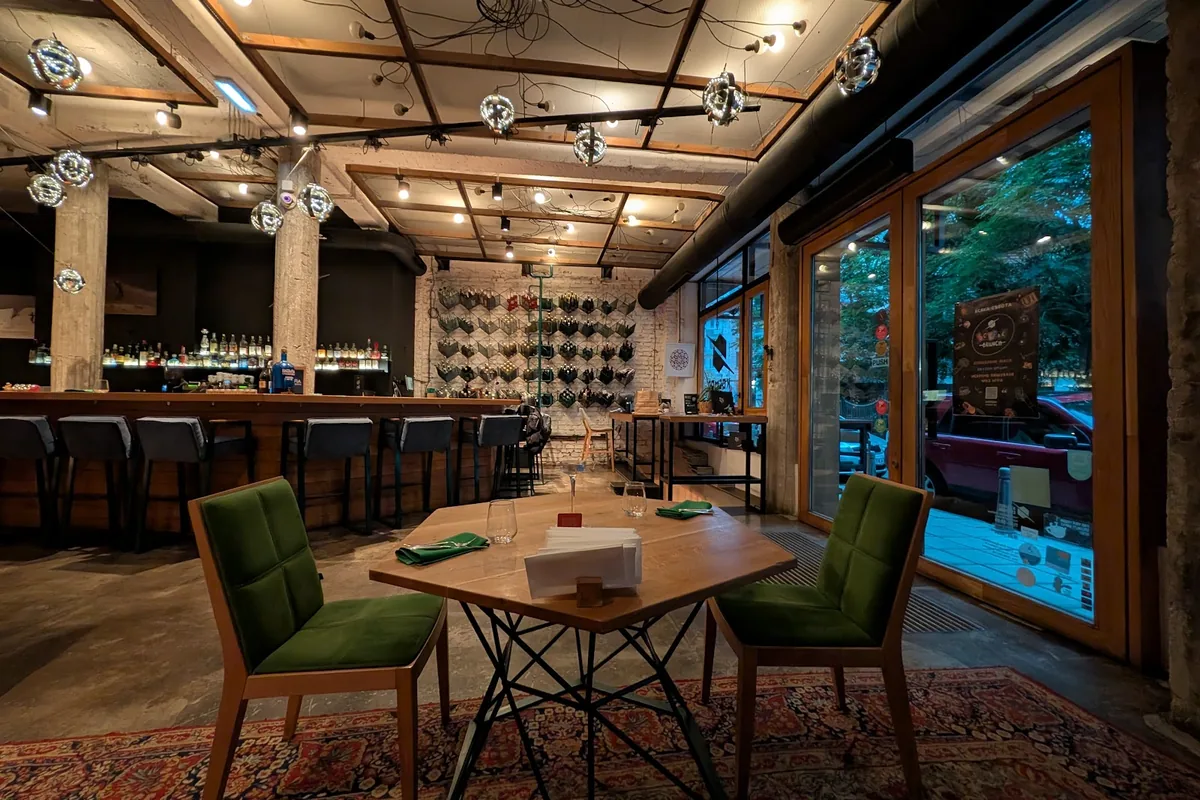
Cosmos at Lavele 19 reworks Bulgarian recipes into a tasting menu, and its Bulgarian rose dessert is the course I'd save room for. The tasting menu costs about €70 to €80 per person and needs booking. It is a special-occasion dinner, and the rest of Sofia's best restaurants cover the everyday end.
Altruist, a cafe and patisserie on Ekzarh Yosif Street, serves a pistachio cheesecake, and it is one of Sofia's best cafes for a long sit with a laptop. On a hot day, I'd swap cake for ice cream in Sofia, where gelato flavored with yogurt and rose oil puts a Bulgarian dessert in a cone.
Bulgarian sweets to take home
Lokum, the Bulgarian Turkish delight, is the sweet that travels best: rose is the classic flavor, and some brands still sell it in retro boxes. Rose petal jam packs well in a jar, and supermarkets stock kurabiiki, peach cookies and white jam. All of them count among the small, light Bulgarian souvenirs that fit in any bag.
Cakes and syrup sweets are for eating here. Baklava survives a day in a bag, but garash and krem karamel need a fridge.
Key takeaways
- Order garash, the chocolate and walnut cake from Ruse, at almost any Bulgarian restaurant or pastry shop.
- Pumpkin sweets are seasonal: tikvenik and pumpkin banitsa fill the bakeries from about October to January.
- The syrup desserts came with Ottoman rule, while kozunak and kurabiiki are the Easter sweets.
- In Sofia, Vila Rosiche and 100 Grama Sladki are the cake stops, and Mekitsa and Coffee does the sweet breakfast from about €2.50.
Frequently asked questions
What is the most popular Bulgarian dessert?
Garash cake and tikvenik are the most Bulgarian, and baklava is the most common. Garash is a chocolate and walnut cake from Ruse, and tikvenik is pumpkin baked in filo. Baklava is the easiest to find, and Bulgarians bake trays of it at home for the winter holidays.
What is garash cake?
Garash is a Bulgarian chocolate cake of ground walnut sponge layered with chocolate cream and covered in chocolate ganache. It was created in Ruse at the beginning of the 20th century, and the original recipe has no white flour. Restaurants and pastry shops across the country serve it.
What do Bulgarians eat for dessert at Christmas?
On Christmas Eve, Bulgarians eat tikvenik, maslenki cookies and oshav, dried fruit cooked in water, as part of a meatless dinner. Kozunak and honey medenki cookies follow over Christmas, and baklava arrives for New Year's Eve.
Is baklava Bulgarian?
Baklava came to Bulgaria with the Ottoman Empire, and Bulgarians have made it at home for generations. The Bulgarian version uses filo, walnuts and sugar syrup. It is a holiday sweet for Christmas and New Year as much as an everyday one.
What are traditional Balkan desserts?
Baklava, revane, tulumbi and kunefe are shared across the Balkans and Turkey. Bulgaria adds its own: garash, tikvenik, kozunak, kurabiiki and sweets made with yogurt, like Kazanlak donuts and yogurt cake.
What do Bulgarians eat for a sweet breakfast?
Mekitsi with powdered sugar, honey or jam are the sweet Bulgarian breakfast, and sweet banitsa and marudnik pancakes with jam are the other two. The everyday breakfast is savory, though: cheese banitsa with ayran or boza.
Where can I buy Bulgarian sweets in Sofia?
Bakeries and supermarkets sell kurabiiki, peach cookies, lokum and white jam. For cakes, go to a pastry shop such as Vila Rosiche on Neofit Rilski Street, Laguna on Hristo Belchev Street or 100 Grama Sladki on Angel Kanchev Street.
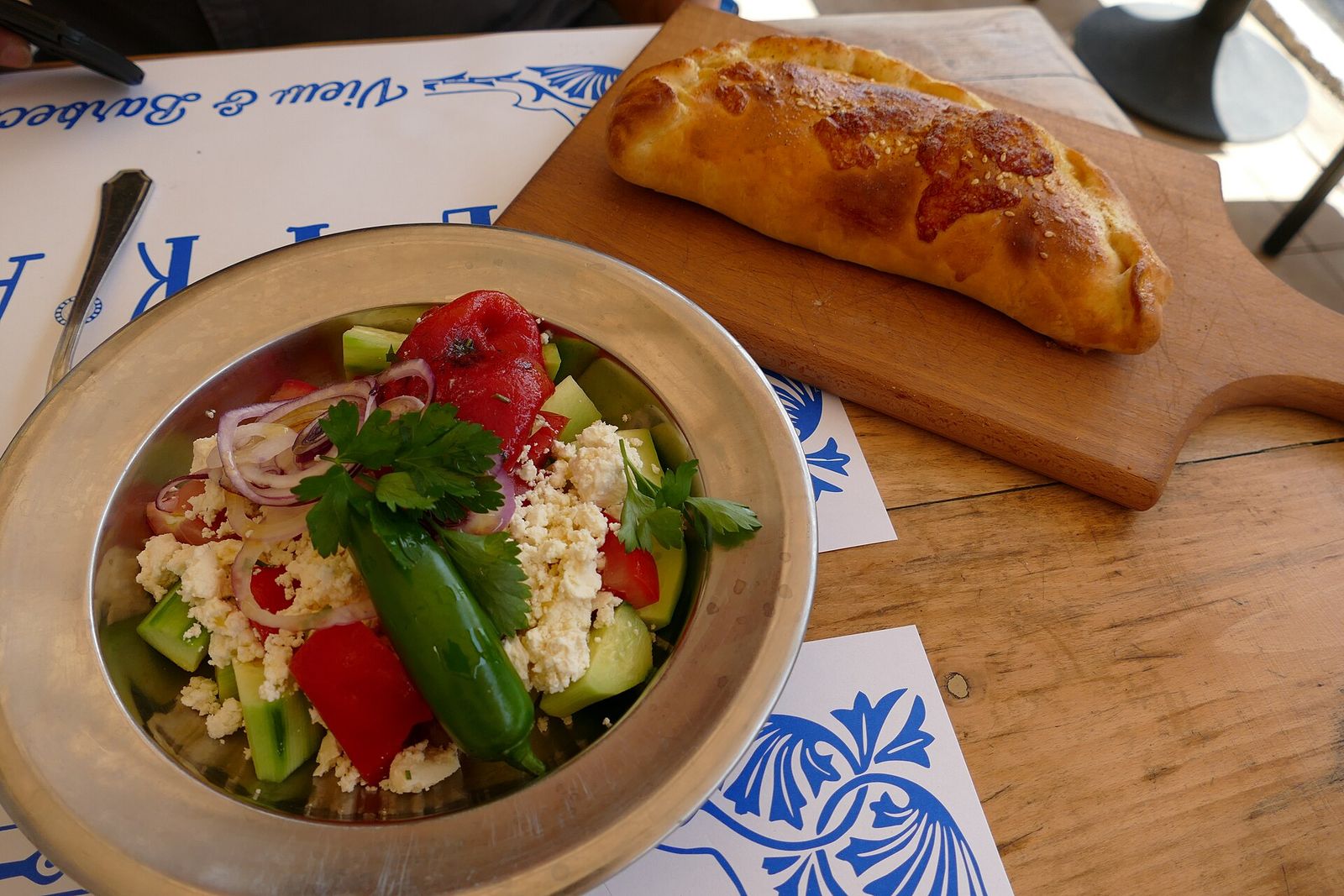
Sofia Food Guide: What to Eat and Where to Eat It
Sofia eats banitsa at breakfast and grills at night. Here is what to eat in the city, where to eat it and what it costs.
Read the guide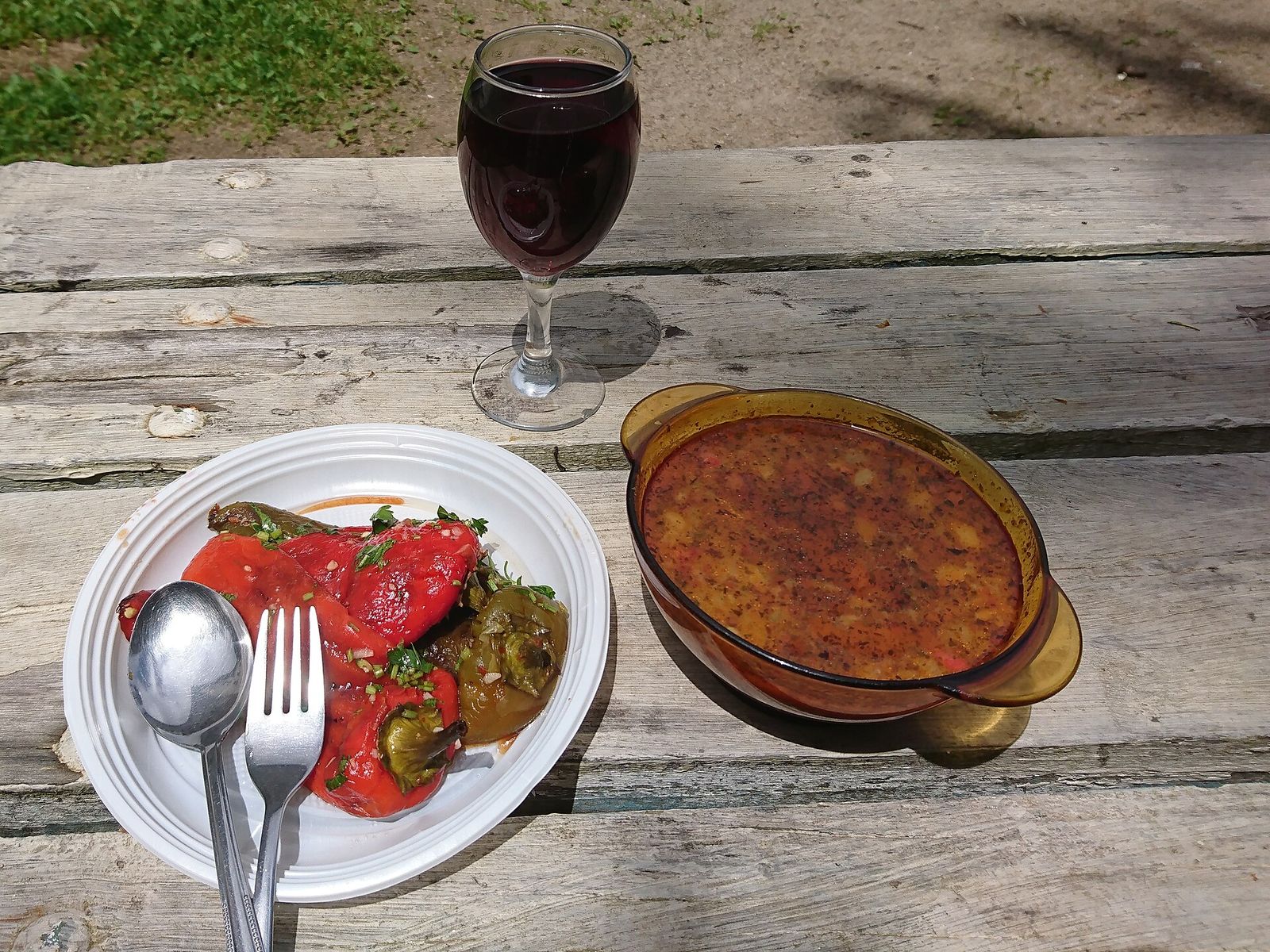
Bulgarian Food: 14 Traditional Dishes to Try in Sofia
Bulgarian food runs on white cheese, yogurt and the grill. Here are 14 dishes to order and where to eat them in Sofia.
Read the guide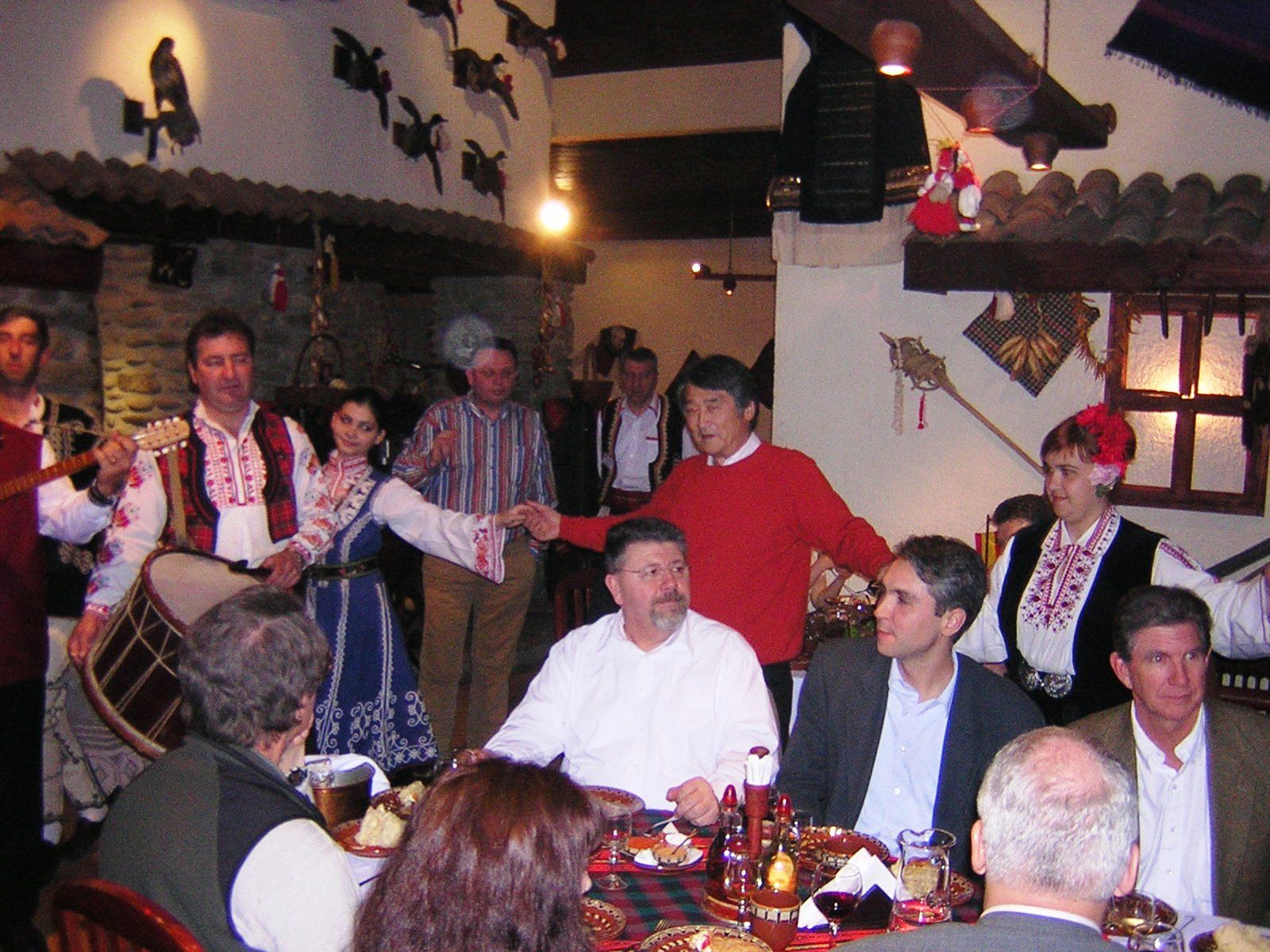
The Best Restaurants in Sofia: 20 Places I'd Book
Sofia eats out in mehanas, garden bistros and one bold tasting menu. These are the 20 restaurants I'd book.
Read the guide