What to Pack for Bulgaria: A Packing List for Every Season
Bulgaria is known for having four full seasons, from snowy January days with highs of 2°C in Sofia to summer heatwaves past 35°C, with mountains that stay cold when the cities bake. This packing list covers what I'd bring for each season, the shoes, the church dress code, the mountain and beach extras, and the plugs, cash and documents that matter in 2026.
Bulgaria packing list at a glance
What to pack for Bulgaria by season
Sofia runs a little cooler than Plovdiv and Veliko Tarnovo in summer, and much warmer than the mountains. These are Sofia's average daytime highs and what I'd wear in each month.
| Month | Average high in Sofia | What to wear |
|---|---|---|
| January | 2°C (36°F) | Winter coat, hat, gloves, waterproof boots |
| February | 4°C (39°F) | Winter coat, thermal base layer, boots with grip |
| March | 9°C (48°F) | Warm jacket, sweater, waterproof shoes |
| April | 15°C (59°F) | Light jacket, sweater, umbrella |
| May | 20°C (68°F) | T-shirts, light jacket, rain jacket |
| June | 23°C (73°F) | T-shirts, a rain jacket for storms |
| July | 26°C (79°F) | Light, breathable clothes, sun hat |
| August | 26°C (79°F) | Light clothes, sun hat, sunscreen |
| September | 23°C (73°F) | T-shirts and a light layer for the evening |
| October | 16°C (61°F) | Sweater, light jacket |
| November | 10°C (50°F) | Warm jacket, waterproof shoes |
| December | 4°C (39°F) | Winter coat, hat, gloves, boots |
Those are averages. Summer heatwaves push past 35°C, winter cold snaps reach -8 to -10°C for a few days, and spring rain falls on 10 to 20 days a month. The best time to visit Sofia for walking is May to June or September, when one light layer covers the evening.
Clothes for a Bulgaria trip
For a week in spring, summer or autumn, this is the list I'd pack:
- 4 to 5 tops. T-shirts in summer, plus two long-sleeved tops for spring and autumn.
- 2 pairs of trousers or jeans, and shorts or a skirt in summer.
- A sweater or fleece. You will want it in the evening from September to May, and on any mountain day.
- A light rain jacket. Bulgaria is drizzly all year, and May and June are the wettest months.
- One smarter outfit. Bulgarians dress up for an evening out, and in Sofia people wear casual but neat clothes to dinner.
- A scarf or light shawl for churches, monasteries and air conditioning.
Shoes for cobbles, trails and beaches
Two or three pairs cover any Bulgaria trip, and the cobbled old towns in Plovdiv and Veliko Tarnovo decide what the first pair should be.
- Comfortable walking shoes with a grippy sole for the cities. Sneakers work for most of the year.
- Waterproof hiking boots with ankle support if you plan to hike in Rila, Pirin or on Vitosha.
- Sandals for the coast and hot summer days in the cities.
Sofia's pavements are cracked in places, which is hard on suitcase wheels. If you can, travel with a backpack, or budget for a taxi between the bus station and your hotel with a rolling case.
What to wear in churches, monasteries and mosques
Orthodox churches and monasteries expect shoulders and knees covered, for men and women. That covers Alexander Nevsky Cathedral, Boyana Church and the frescoed church at Rila Monastery, and a long skirt, trousers and a shawl over a T-shirt work everywhere.
Some Bulgarian women cover their hair in church. Visitors do not have to, but if a church hands you a headscarf, it is polite to take it.
Mosques have stricter rules. At Banya Bashi Mosque in central Sofia, shoes come off at the door and women cover their hair, and it is free to visit outside prayer times.
What to pack for the mountains
Mountain weather in Rila and Pirin flips fast, and afternoon thunderstorms are common in July and August.
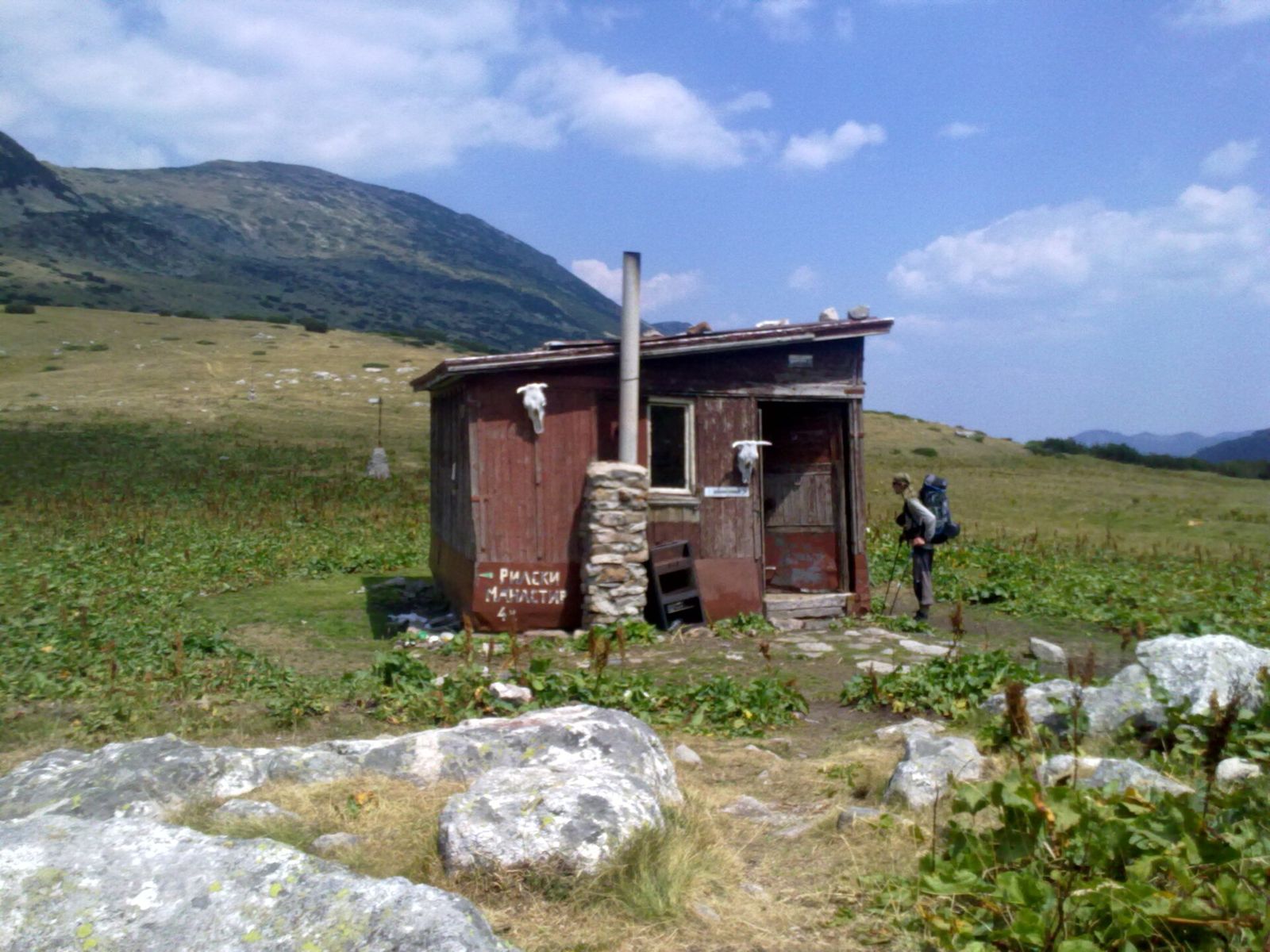
For a day hike like the Seven Rila Lakes, I'd pack:
- Hiking boots that are already broken in.
- A warm layer and a windproof jacket, even in July, since high trails can sit at 0 to 10°C.
- 1 to 2 liters of water and snacks. There are springs and a hut on the lake route.
- Sunscreen and sunglasses, because the sun is strong above 2,000 meters.
- Cash for the mountain huts and the village shops on the way.
- An offline map, since signal drops in the mountains.
The summit of Cherni Vrah on Vitosha, at 2,290 meters, averages a daily high of about 12°C in July, against 26°C in Sofia below it, so I'd take long trousers to the top even on a hot day in the city.
What to pack for the Black Sea coast
Beach season runs from June to early September, and the list for it is short.
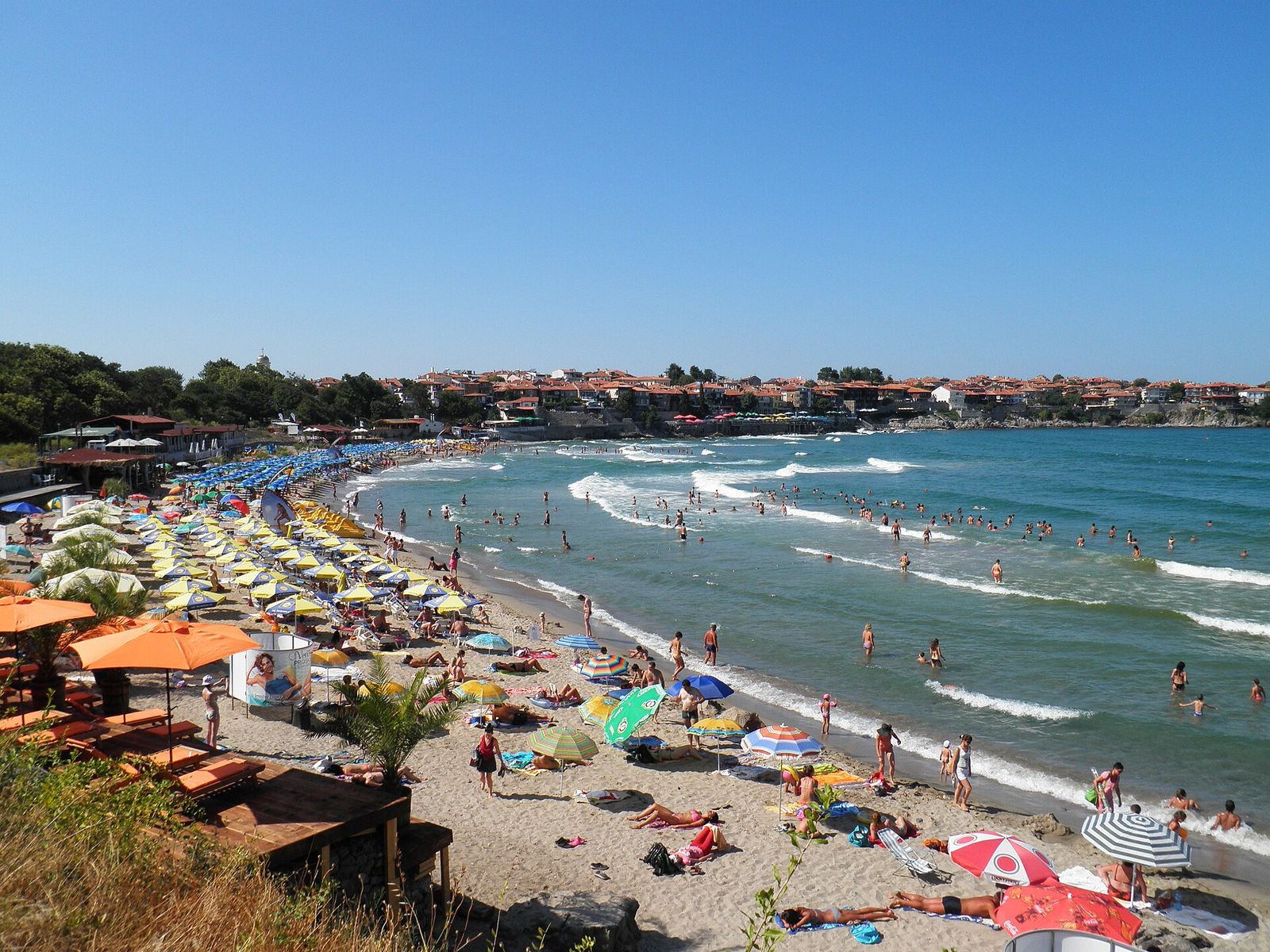
- Two swimsuits, so one is always dry.
- A beach towel. A microfiber one packs small.
- Flip-flops or sandals, and water shoes for the rocky coves.
- Sunscreen, a hat and sunglasses.
- Mosquito repellent, for evenings near the lakes, rivers and wetlands along the Bulgarian Black Sea coast.
Leave valuables in your room. Petty theft on busy beaches is the most common problem in the big resorts in summer.
What to pack for Bulgaria in winter
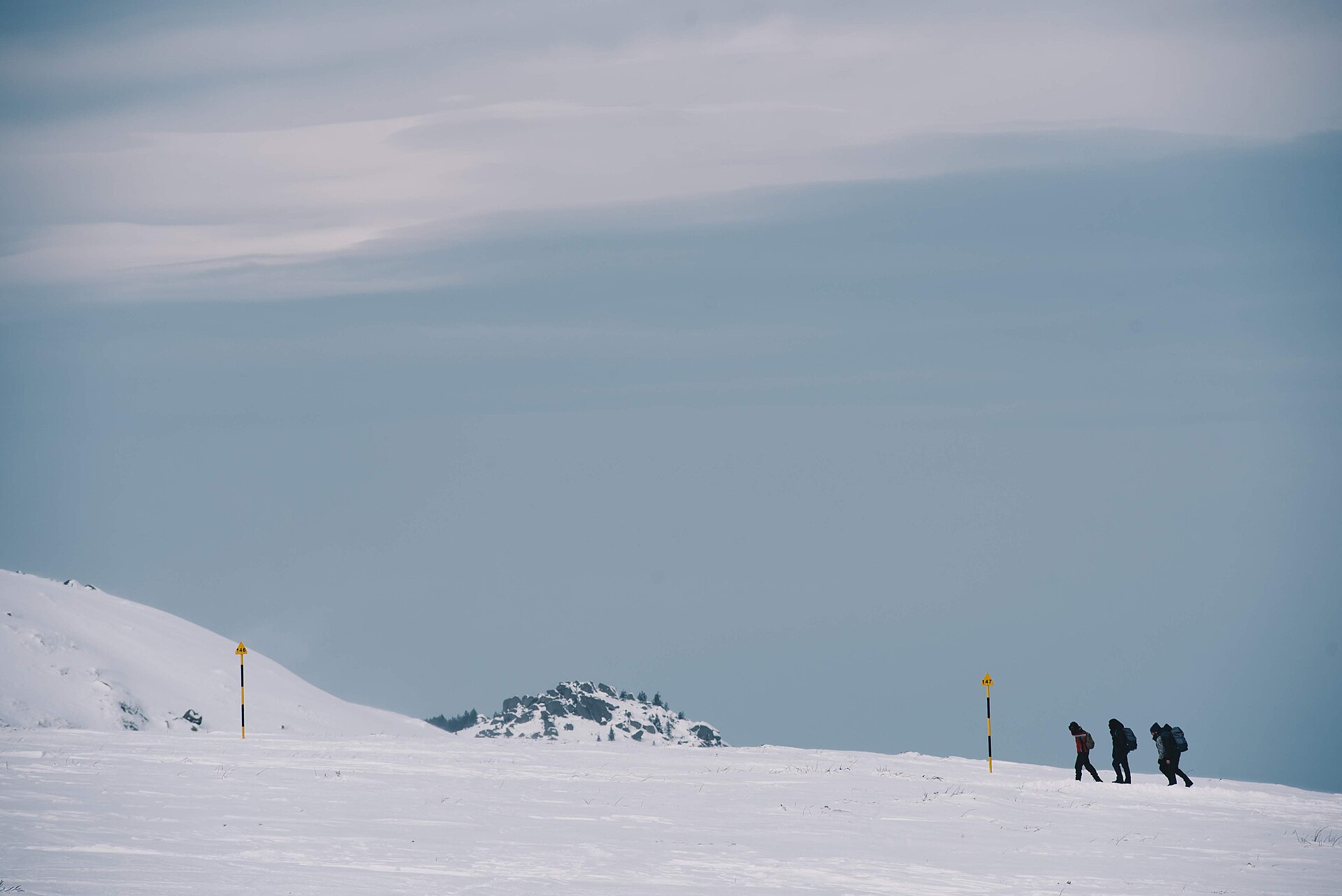
Winter in Sofia runs from December to February, with highs of 2 to 4°C, lows of -3 to -5°C and snow several times a season.
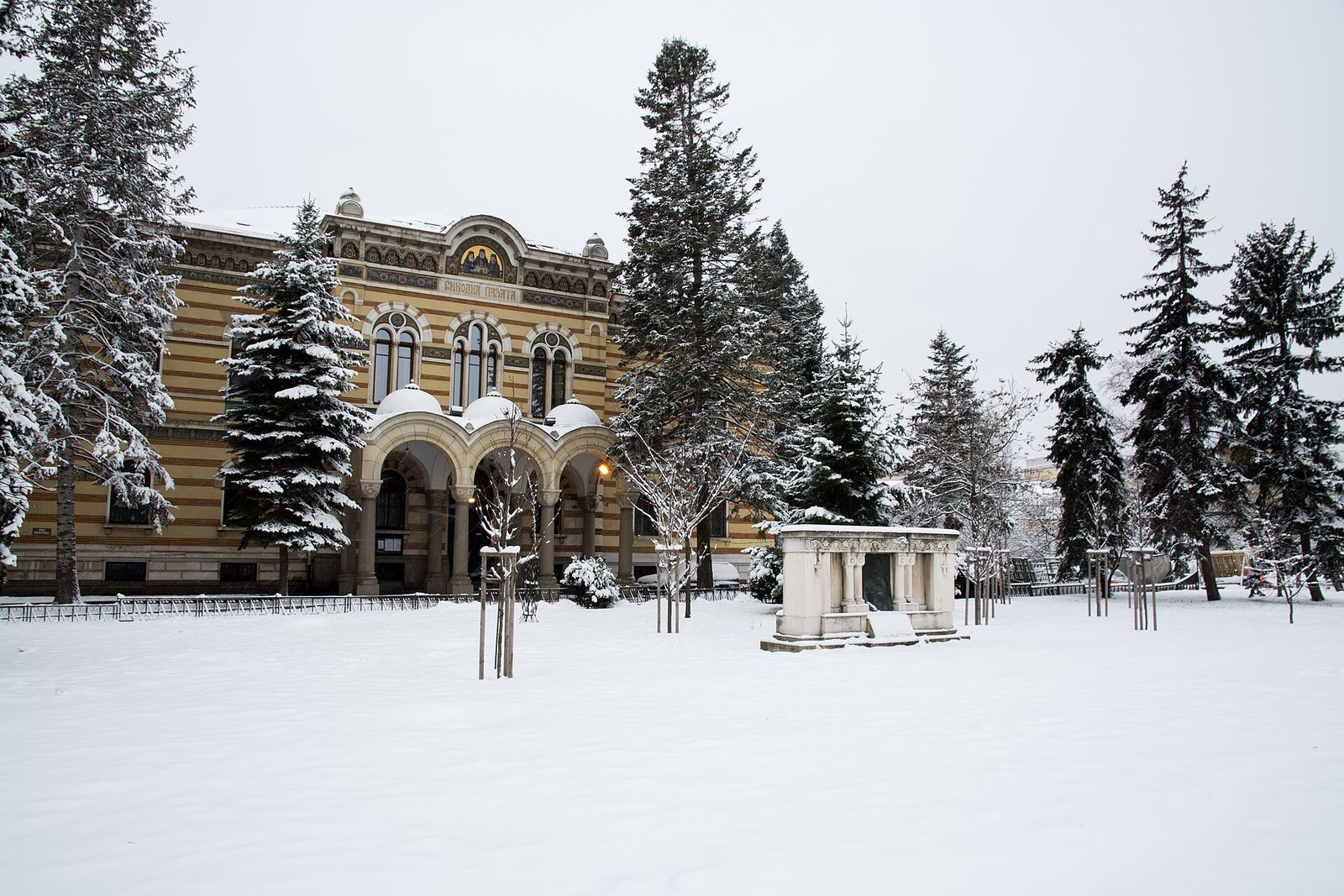
- Waterproof boots with a soft, deep-grooved sole. Pavements turn icy after a snowfall, and hard soles slide.
- A warm coat rated for about -10°C.
- A thermal base layer and a fleece or down mid layer.
- Hat, gloves and scarf.
- Lip balm and moisturizer for the cold, dry air.
- A swimsuit for the hot pools at Sapareva Banya or Bankya.
Sofia in winter means short days and indoor afternoons, so under the coat I'd wear layers that come off in a heated museum. If you plan to ski in Bansko or Borovets, bring ski clothes, because it is much colder on the slopes than in the city.
What to pack in a day bag
Most days in Bulgaria are long walks or a few hours on a bus to Rila, Plovdiv or Koprivshtitsa, and for those a 15 to 20 liter backpack with a zip is the size I'd carry.
- Water and a snack. Fill the bottle from the tap before you leave.
- A light layer, for the bus air conditioning and the mountain stops.
- Sunscreen and sunglasses from May to September.
- A power bank, because maps and bus tickets live on your phone.
- Small euro notes and coins, for car parks, station toilets and the bakery.
On a drive to Rila Monastery, bring cash for the car park outside the walls.
Documents, money and cards
Pack your passport, travel insurance details and a copy of your bookings. For non-EU visitors, the passport must have been issued within the last 10 years and stay valid for at least 3 months after you leave the Schengen area.
Bulgaria has used the euro since 1 January 2026, and old lev notes are no longer accepted in shops. Money in Bulgaria is mostly card payments now, but keep €20 to €30 in small notes for kiosks, markets, village cafes and mountain huts, and use bank ATMs rather than Euronet machines to avoid fees.
If you plan to drive, bring your license. US license holders need an International Driving Permit alongside it, and some rental companies ask other visitors for one too. Your first entry into the Schengen area now includes a photo and fingerprints at the border under the EES, and UK, US, Canadian and Australian visitors can stay without a visa for up to 90 days in any 180.
UK visitors should pack a GHIC and EU visitors an EHIC, which cover state health care only. Add travel insurance that covers private clinics, and mountain rescue if you plan to hike or ski.
Plugs, phones and apps
Bulgaria uses the round two-pin European plugs, Type C and F, at 230 V. Visitors from the UK, the US and Australia need an adapter.
EU visitors roam at home prices. Everyone else can buy a prepaid Bulgaria SIM card or eSIM from A1, Vivacom or Yettel with a passport, and download offline maps before any mountain day trip.
Toiletries, medicine and small things
Bring any prescription medicine you need from home, enough for every day of the trip, and a small first-aid kit with blister plasters for the cobbles. A canvas tote saves the small charge shops add for plastic bags.
Women traveling alone can add a crossbody bag that zips shut and sits in front, the one piece of kit I'd suggest for solo female travel in Bulgaria.
What to leave at home
- Old lev notes. The Bulgarian National Bank swaps them for euros free of charge, with no deadline.
- High heels. A low heel with grip is what the cobbles need.
- Cotton-only hiking clothes. They stay wet and cold when the mountain weather turns.
- Too many clothes. A week of clothes and a sweater covers two weeks.
Leave room in your bag for Bulgarian souvenirs: rose oil, Troyan pottery, rakia and wine all travel well if you wrap the bottles in clothes. A Bulgaria itinerary that goes from the cities to the mountains in the same week needs the summer list and the mountain list together, and Plovdiv in July, warmer than Sofia, calls for the lightest clothes you own.
Key takeaways
- Pack layers in every season, and a warm layer for any mountain day, even in July.
- Two pairs of shoes cover most trips: walking shoes for cobbles and boots with grip for trails or ice.
- Keep shoulders and knees covered for churches and monasteries, and carry a scarf.
- Bring an adapter for Type C and F plugs, a water bottle and €20 to €30 in small euro notes.
- In winter, the item I'd never skip is waterproof boots with a grooved sole for the ice.
Frequently asked questions
What's the best currency to take to Bulgaria?
Euros. Bulgaria adopted the euro on 1 January 2026, so euro notes and cards work everywhere, and old lev notes are no longer accepted in shops.
How do people dress in Bulgaria?
Smart casual in Sofia and the other cities, and dressier for dinner or a bar in the evening. On the coast in summer, people dress more casually still.
What should I wear in Bulgaria in summer?
Light, breathable clothes, a sun hat and sandals for the cities, with one layer that covers your shoulders and knees for churches. Pack a warm layer too if you are heading into the mountains.
Do I need a plug adapter for Bulgaria?
Yes, unless you come from continental Europe. Bulgaria uses Type C and F plugs at 230 V, the same round two-pin plugs as most of the EU.
Can you wear shorts in Bulgaria?
Yes, shorts are normal in the cities and on the coast in summer. Change into trousers or a long skirt, or wrap a scarf, before you go into a church or monastery.
What shoes should I bring to Bulgaria?
Comfortable walking shoes with a grippy sole for the cobbled old towns, and hiking boots if you plan to hike. In winter, waterproof boots with a soft, deep-grooved sole handle the ice.
Is the tap water safe to drink in Bulgaria?
Yes, tap water in Sofia and the big cities is safe to drink. Bring a reusable bottle and refill it from the tap or the public fountains.
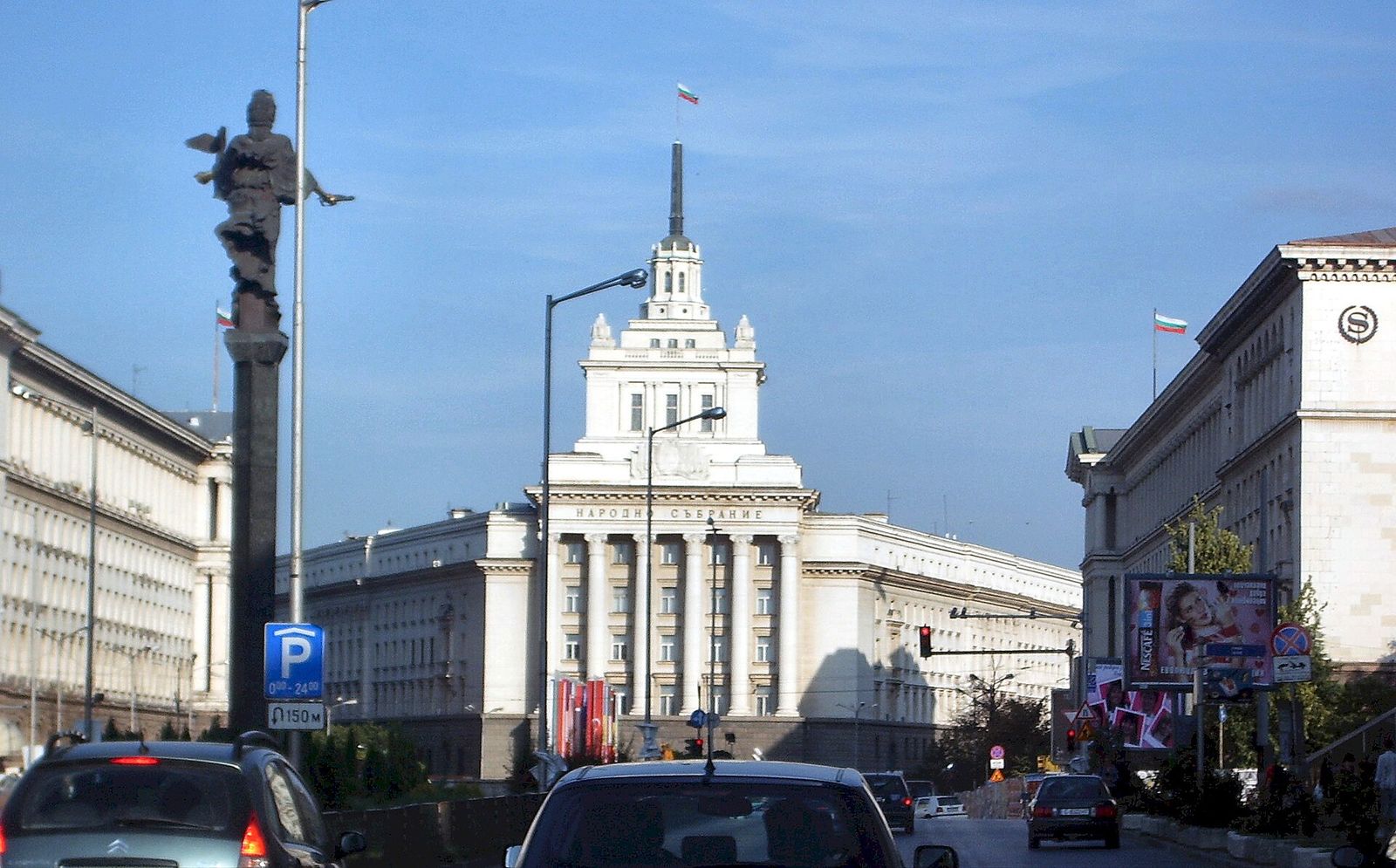
Sofia Travel Tips: What I'd Tell You Before a First Trip to Bulgaria
Sofia is easy once you know a few rules. What I'd tell a friend about visas, the euro, taxis and getting around.
Read the guide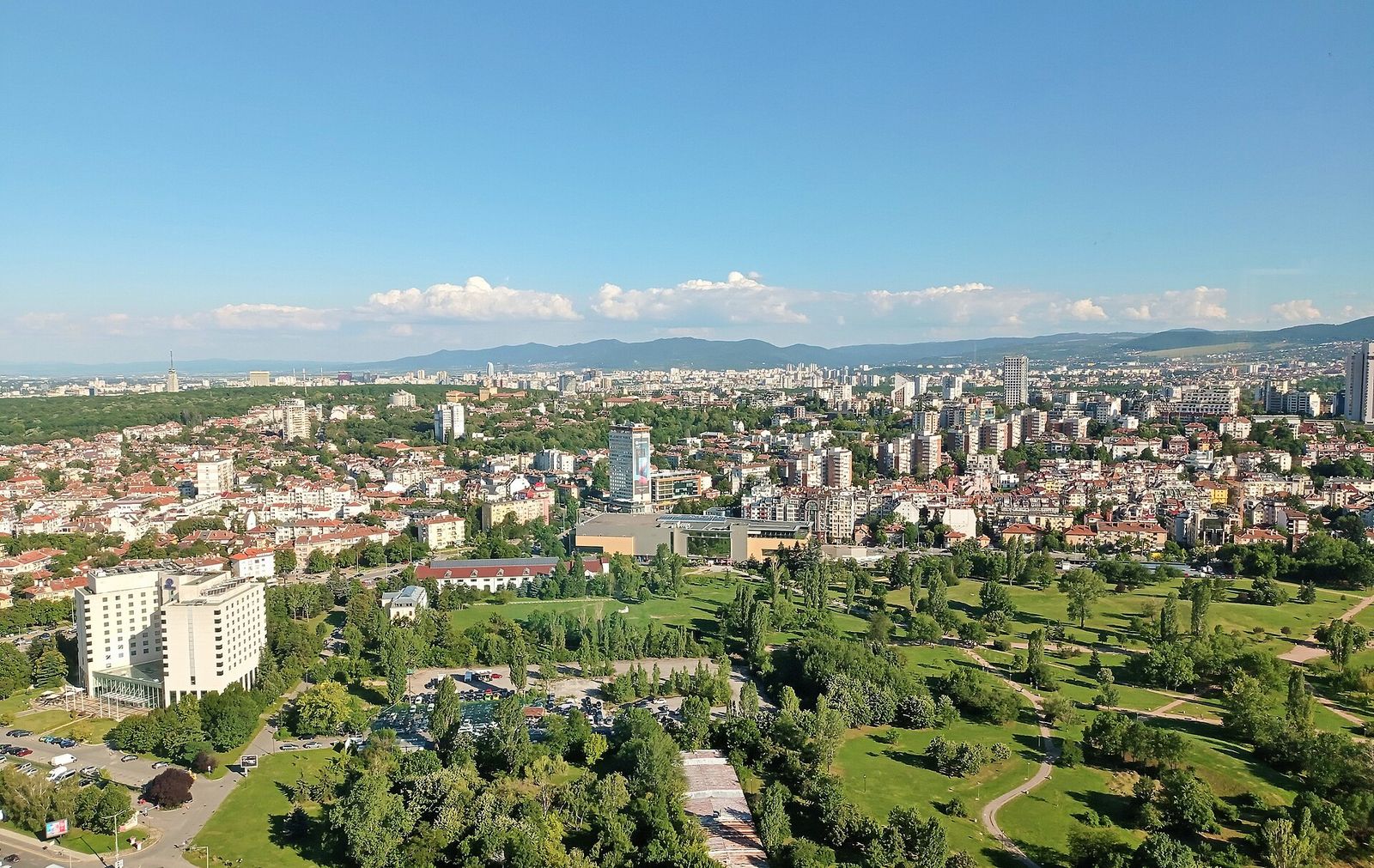
Sofia Itinerary: 1 to 5 Days
Sofia fits its best sights into a walkable center. The day-by-day plan I'd follow for 1 to 5 days, with prices.
Read the guide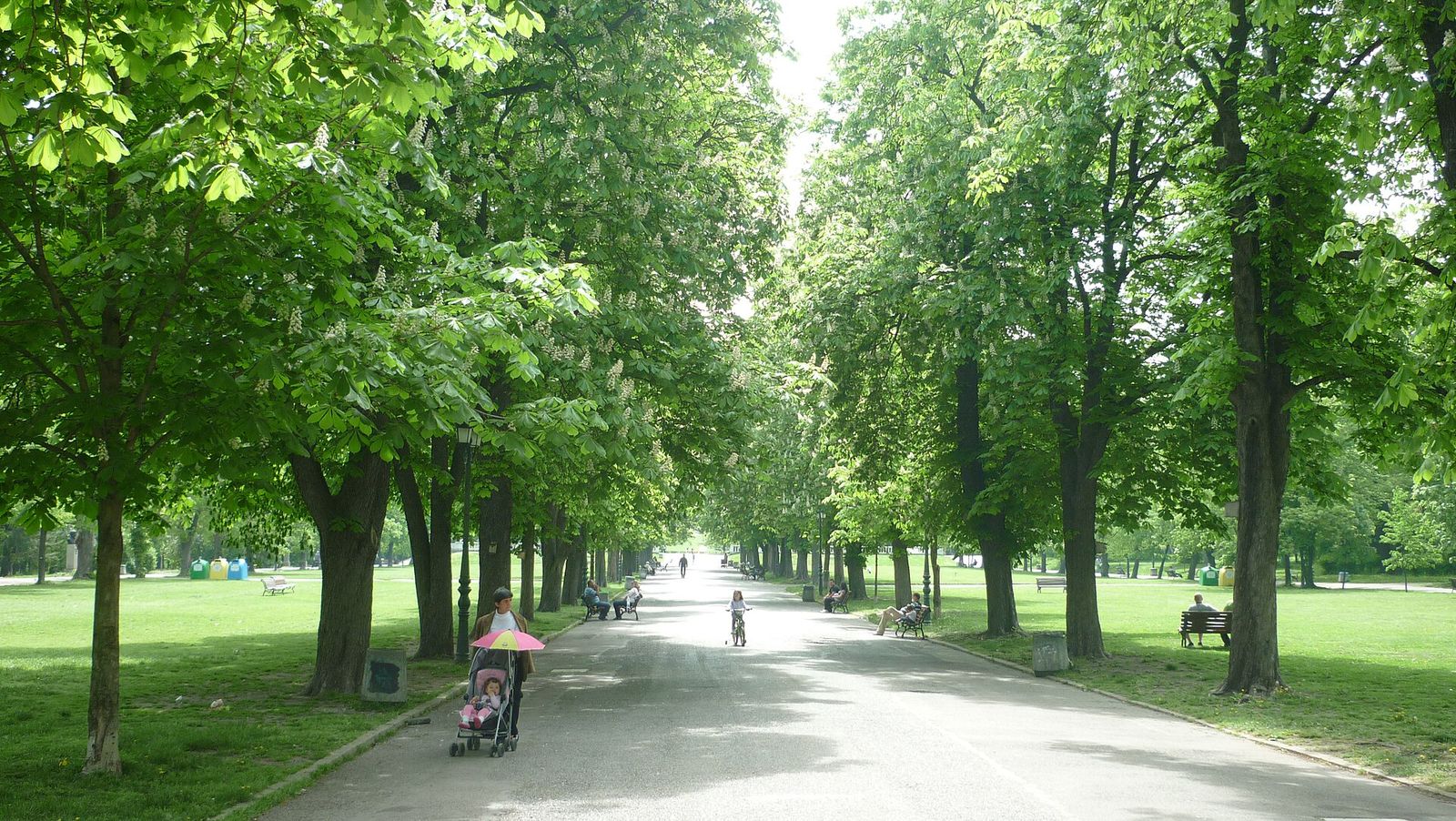
Best Time to Visit Sofia
Sofia has four real seasons. The months I'd pick for walking, hiking, skiing and saving money, with the weather.
Read the guide