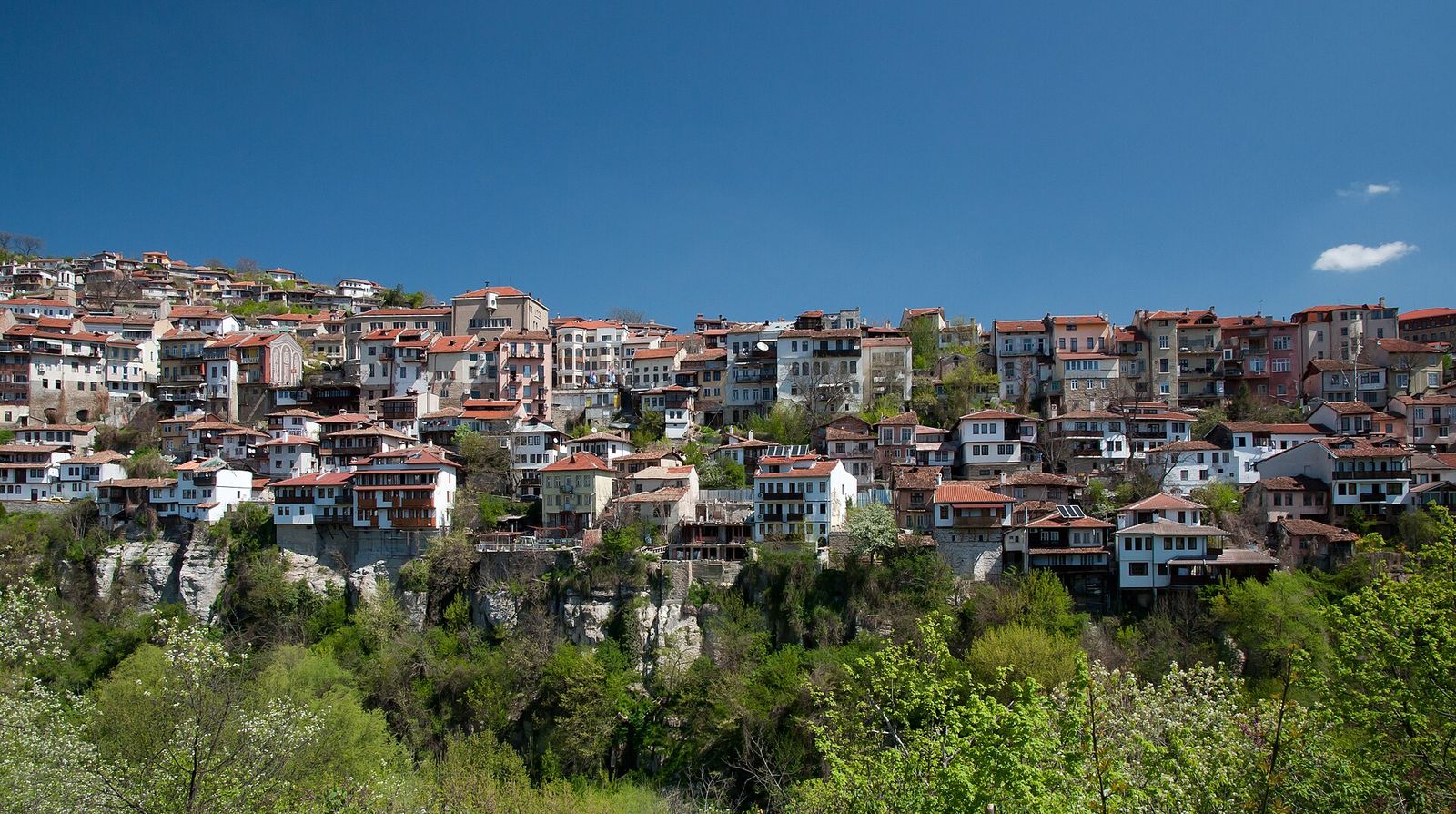
Veliko Tarnovo: Tsarevets, the Old Town and What to See
Veliko Tarnovo is known as Bulgaria's medieval capital: a fortress hill wrapped by the Yantra River and an old town of houses stacked up the cliffs above it. This guide covers the sights I'd pick, from Tsarevets to the craft street and Arbanasi, with the official opening hours, the Sound and Light show, how many nights to stay and the trip from Sofia.
Veliko Tarnovo at a glance
Veliko Tarnovo sits 224 km northeast of Sofia, in the hills where the Yantra River twists through a deep gorge. The town is built over three hills, Tsarevets, Trapezitsa and Sveta Gora, and the old quarters climb the slopes between them. For two centuries this was the seat of Bulgaria's tsars and patriarchs.
Distances in town are short, but the slopes and stairs make every walk harder than the map suggests, so I'd do the fortress in the cool of the morning.
Tsarevets Fortress
Tsarevets is the fortified hill that held the royal palace and the patriarch's church of the Second Bulgarian Empire. The Yantra wraps the 206 m hill on three sides, and you walk in from the town over a narrow stone causeway through a line of gate towers.
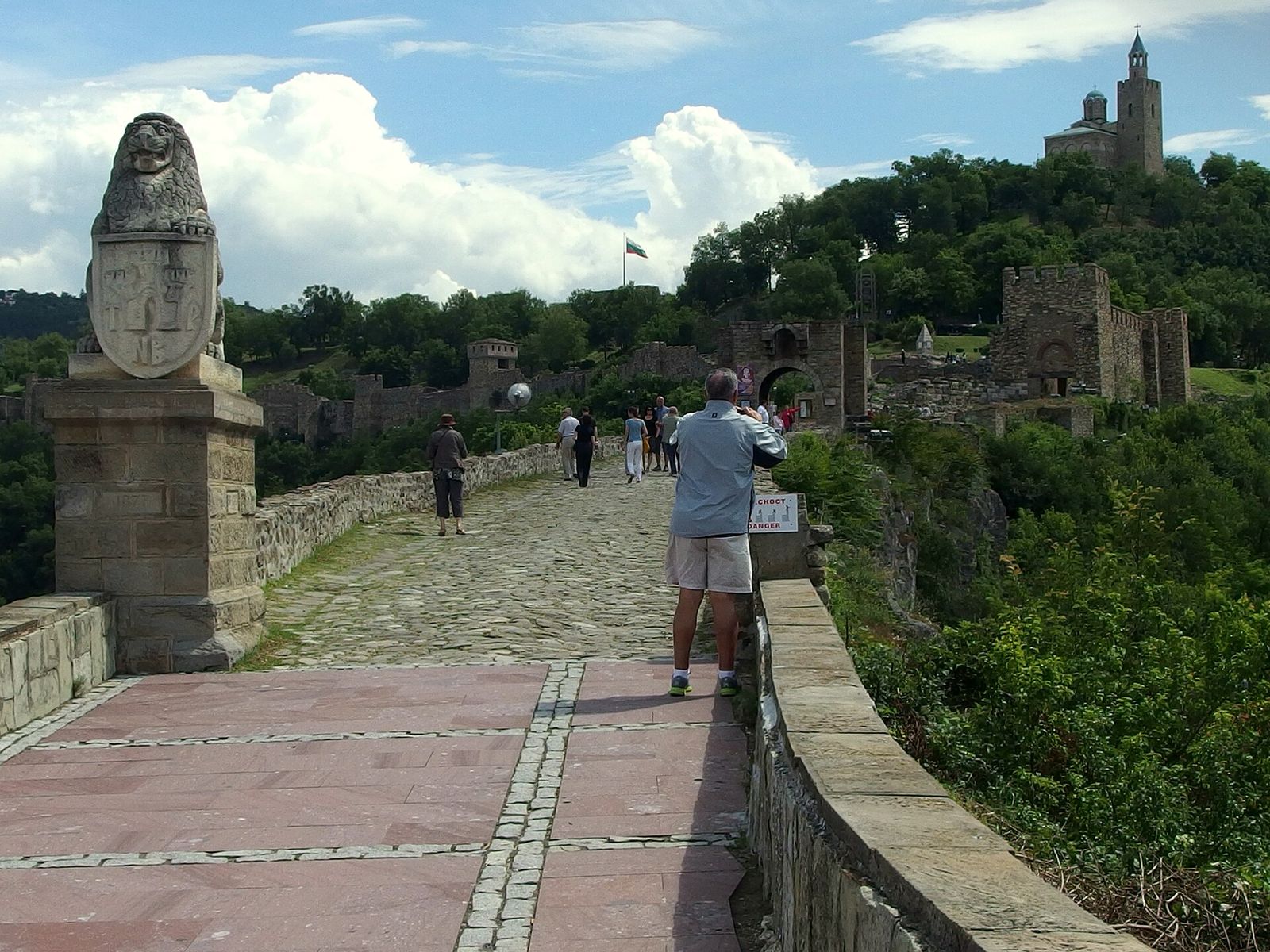
Inside, the walls run around the hill past the foundations of the Royal Complex, Baldwin Tower, church ruins, houses and gates. Walk the outer paths as well as the main climb; the views over the gorge change on every side.
It is the town's main paid sight, with tickets sold at the gate and online. Access stops an hour before closing from April to September, and the last entry is at 5 PM in October and 4 PM in winter.
The Patriarchal Cathedral
The Patriarchal Cathedral of the Holy Ascension crowns the top of the hill. The building is a reconstruction on the medieval foundations, and you can see its tower from almost anywhere in town.
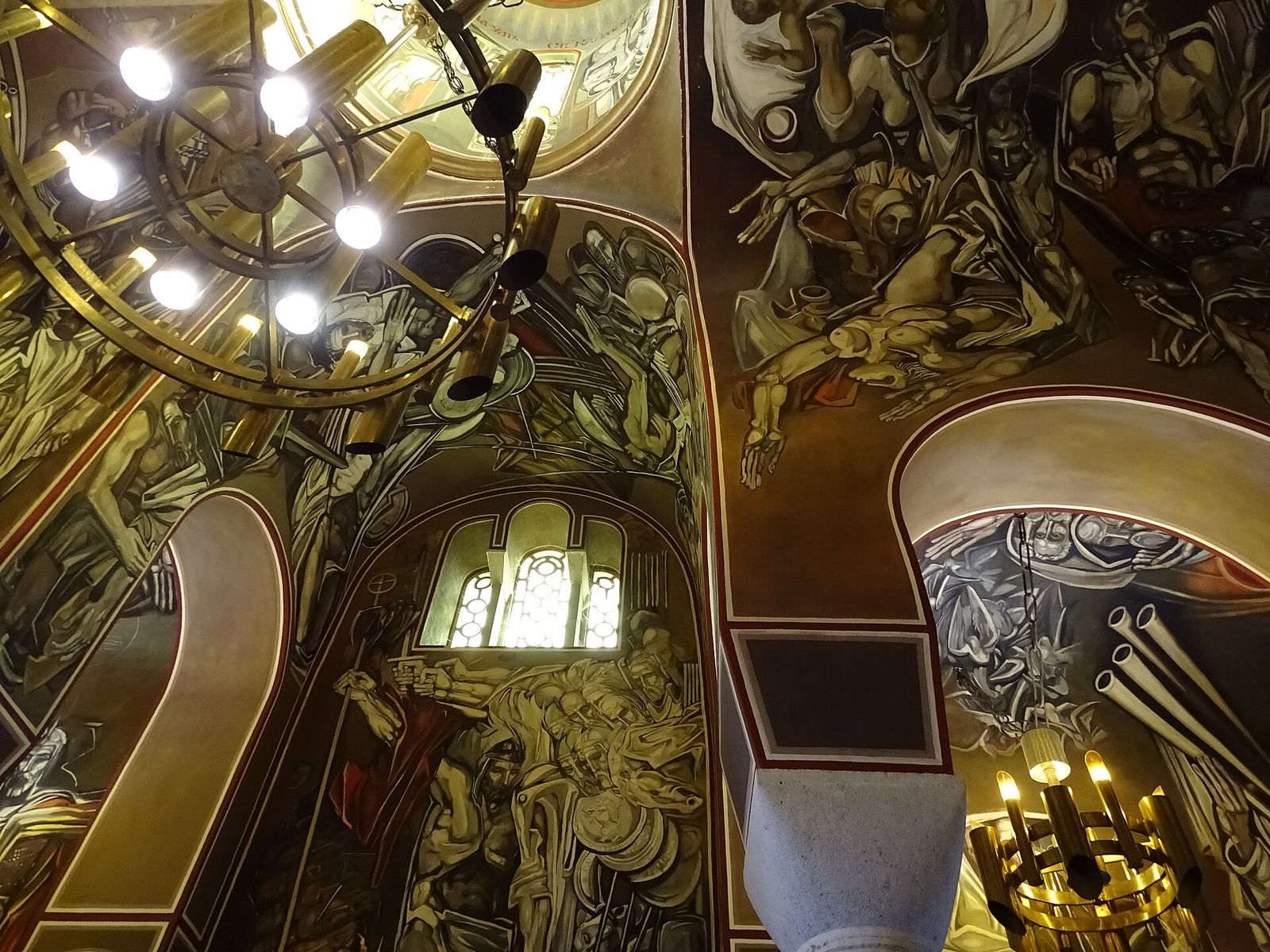
Step inside. The walls and arches are covered in modern murals of Bulgarian history, painted in dark, angular figures. I'd call it the most surprising room in Veliko Tarnovo. The Tarnovo School, the painting tradition of the old capital, is best seen near Sofia, in the 1259 frescoes of Boyana Church.
The Sound and Light show over Tsarevets
On selected evenings, the Tsarevgrad Tarnov Sound and Light show turns the fortress into a stage. Lights, lasers and music play across the walls, gates and cathedral.
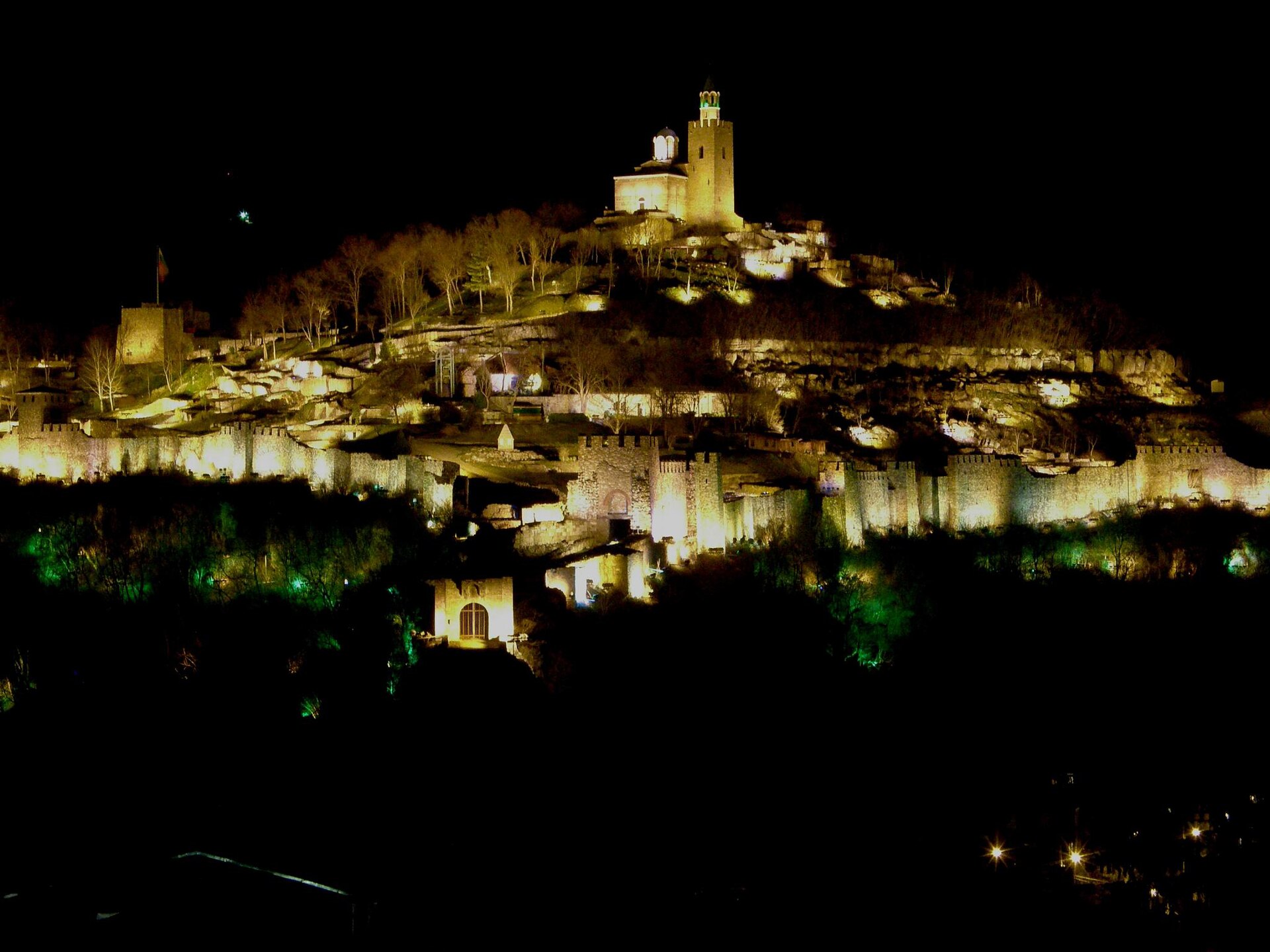
Some shows can be watched for free from Tsar Asen I Square below the fortress, and others have ticketed viewing. The show often runs on holidays, so the dates move from month to month.
Things to do in the Veliko Tarnovo old town
The old town runs along a ridge west of Tsarevets, with Stefan Stambolov Street on top and the Revival quarters falling away toward the river below it. The streets and viewpoints in this section are free.
Gurko Street
Gurko Street is the lane I'd walk first. It runs along the slope below the main street in the Varusha quarter, lined with 19th century houses stacked in tiers above the Yantra.
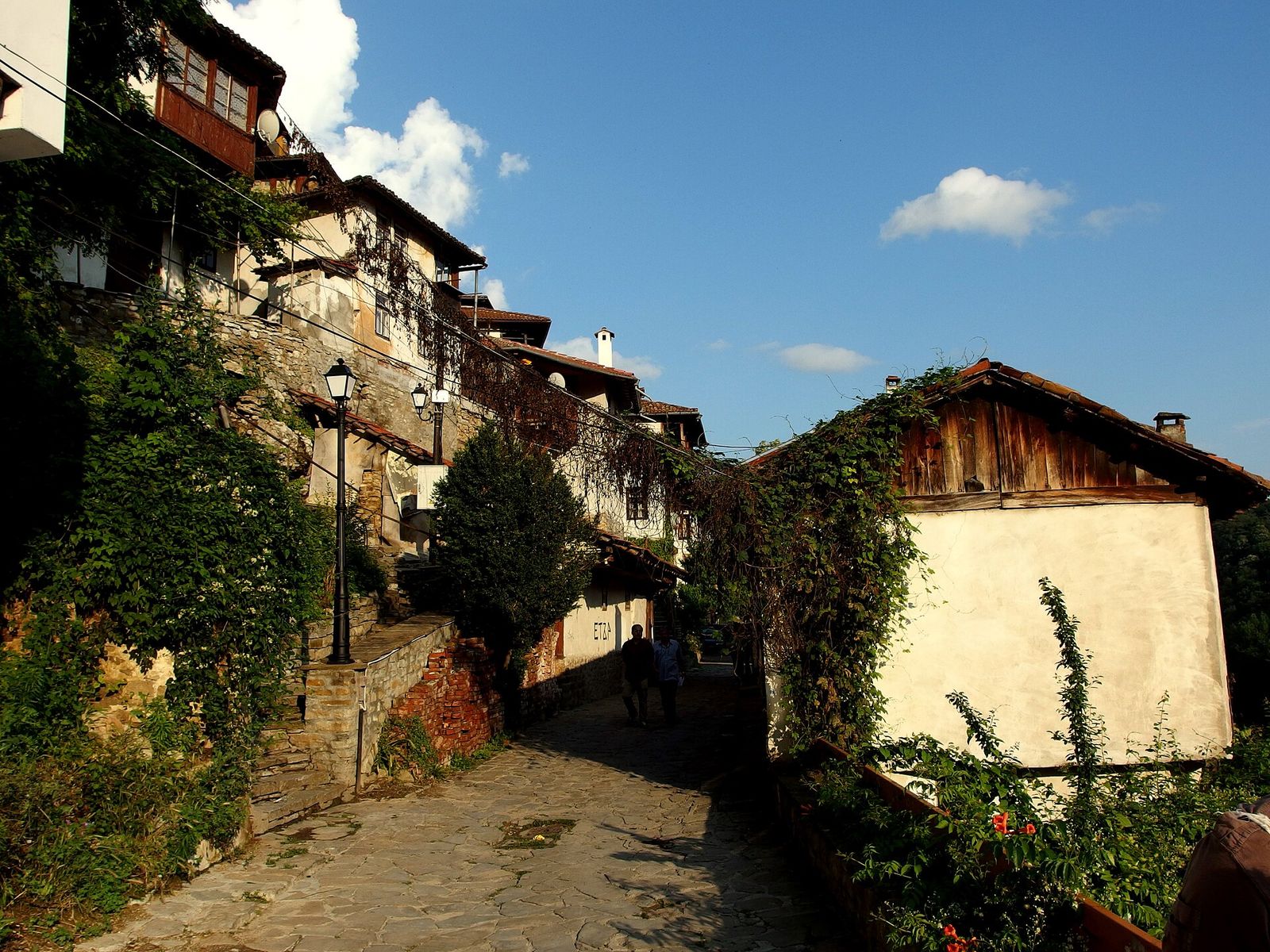
Houses that look like one floor from the street above drop several floors toward the river on this side. Gurko Street is also quieter than the main road, so I'd use it to get from the center toward Tsarevets. Sarafkina House, at No. 88, is a merchant house from 1861 and a museum of folk art, costumes and jewelry since 1981.
Samovodska Charshiya
Samovodska Charshiya is the old craft street, a cobbled lane of restored 19th century houses where potters, coppersmiths, woodcarvers, goldsmiths and icon painters keep open workshops.
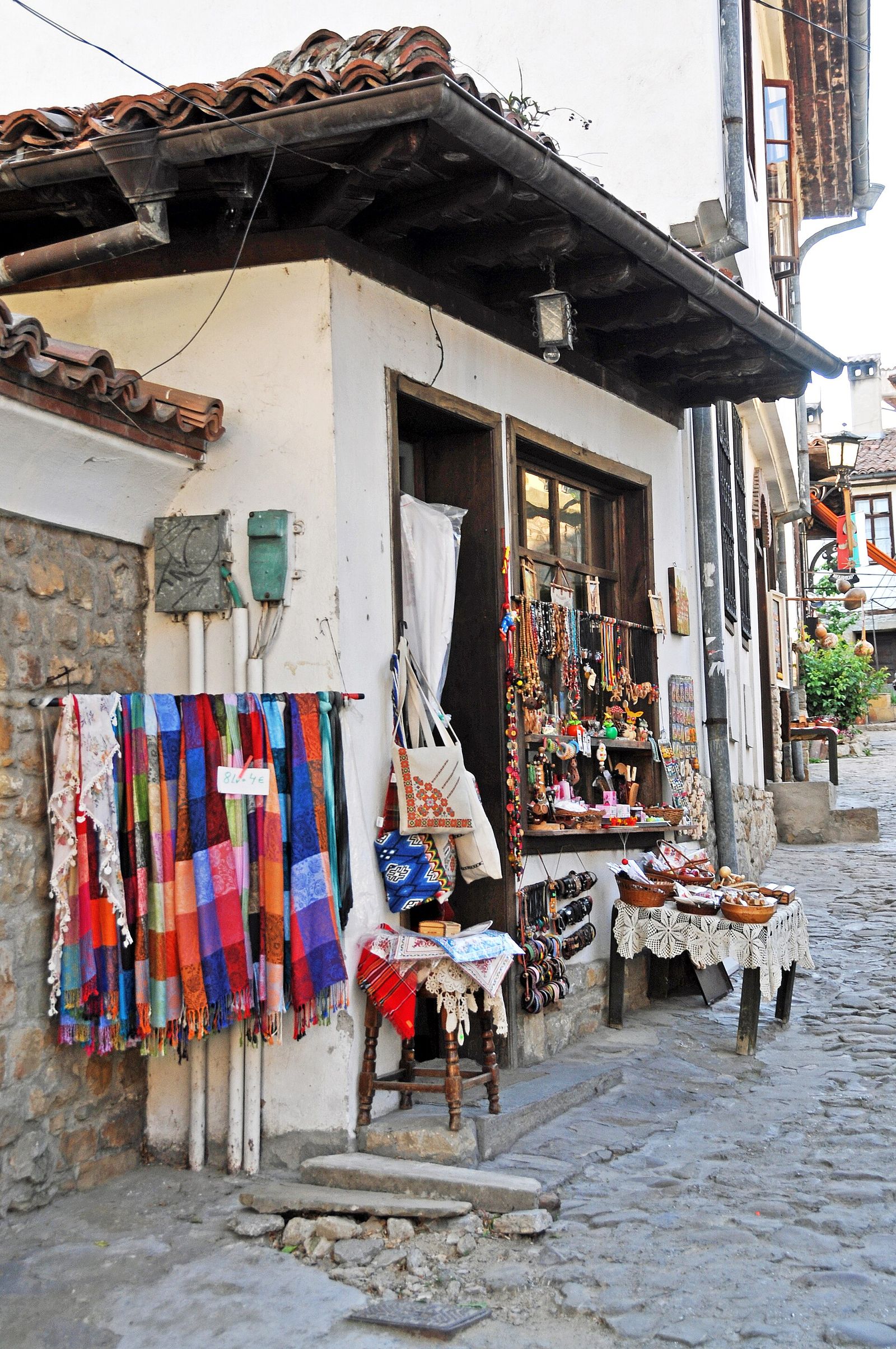
Some shops are plain souvenir stores now, so look for the workshops where you can watch something being made. Veliko Tarnovo is the town for silver filigree, and of all the Bulgarian souvenirs I'd buy here, that is the one; ask the seller who made each piece. Hadji Nikoli Inn, the last original inn of the Ottoman trading days, stands on the same street, with a restaurant and a small gallery of local artists upstairs.
The Asenevtsi Monument
The Asenevtsi Monument stands on a bend of the river below the old town. Unveiled in 1985 for the 800th anniversary of the revolt that founded the Second Empire, it shows four mounted tsars of the Asen dynasty around a giant sword.
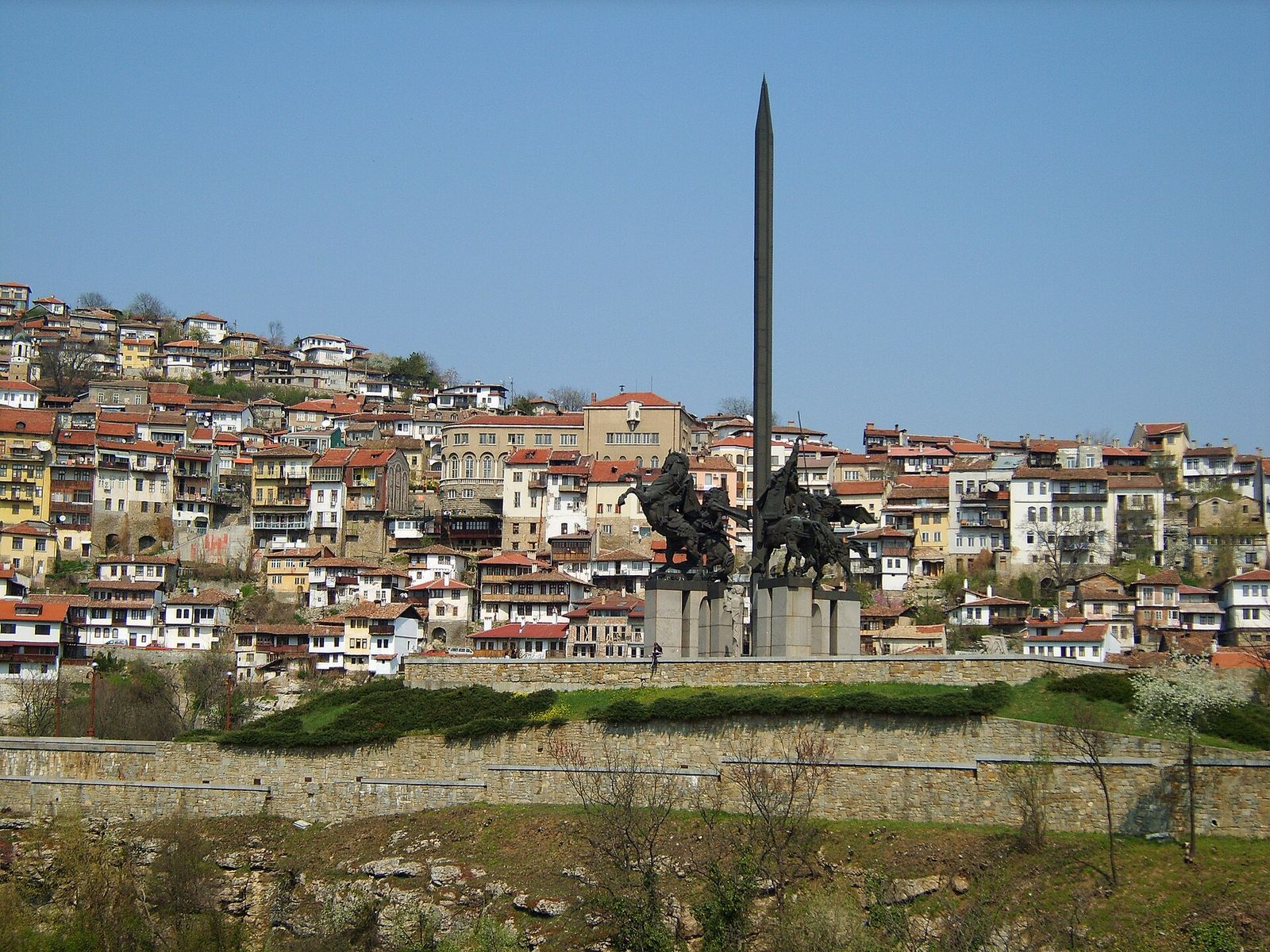
It is free and open around the clock, and the view of the old town from here is my favorite in Veliko Tarnovo. I'd come at sunset, when the lights come on across the cliffs. You cross Stambolov Bridge to reach it, and stairs behind the monument climb to Sveta Gora park and its two viewing terraces.
On the main street, the Sky Walk is a small viewing platform built in 2014 by architecture students, with a wooden cube for an entrance. It is a quick stop, and it gives you the gorge view without the walk down.
Below Tsarevets: the Asenov quarter
The Asenov quarter lies at river level under the fortress, around the Forty Martyrs Church and the old bridges. It is a quieter half day than the old town above.
Holy Forty Martyrs Church
Tsar Ivan Asen II built the Holy Forty Martyrs Church in 1230 to mark his victory over Theodore Komnenos of Epirus at Klokotnitsa. Bulgaria's independence was proclaimed inside it in 1908.
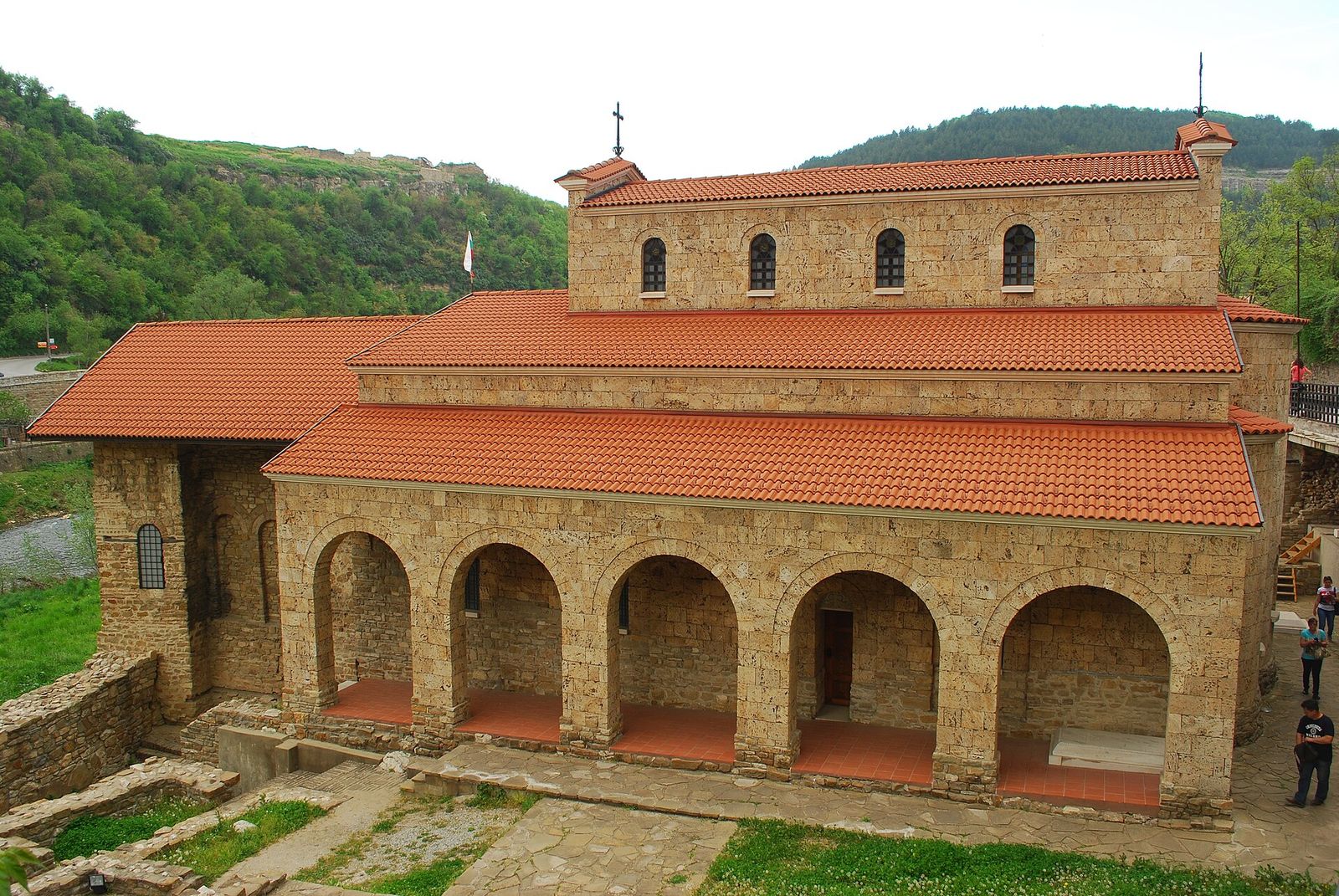
Inside stand the columns of the khans Krum and Omurtag and the tombs of Tsar Kaloyan and Ivan Asen II. It is museum-run and ticketed, open from 9 AM to 6 PM from April to October and to 5 PM in winter. The history of Bulgaria runs through this one room, from 9th century khans to the 1908 declaration.
Trapezitsa
Trapezitsa is the second fortress hill, across the Yantra from Tsarevets. It was another walled quarter of the medieval capital, and archaeologists have found the foundations of dozens of churches on it.
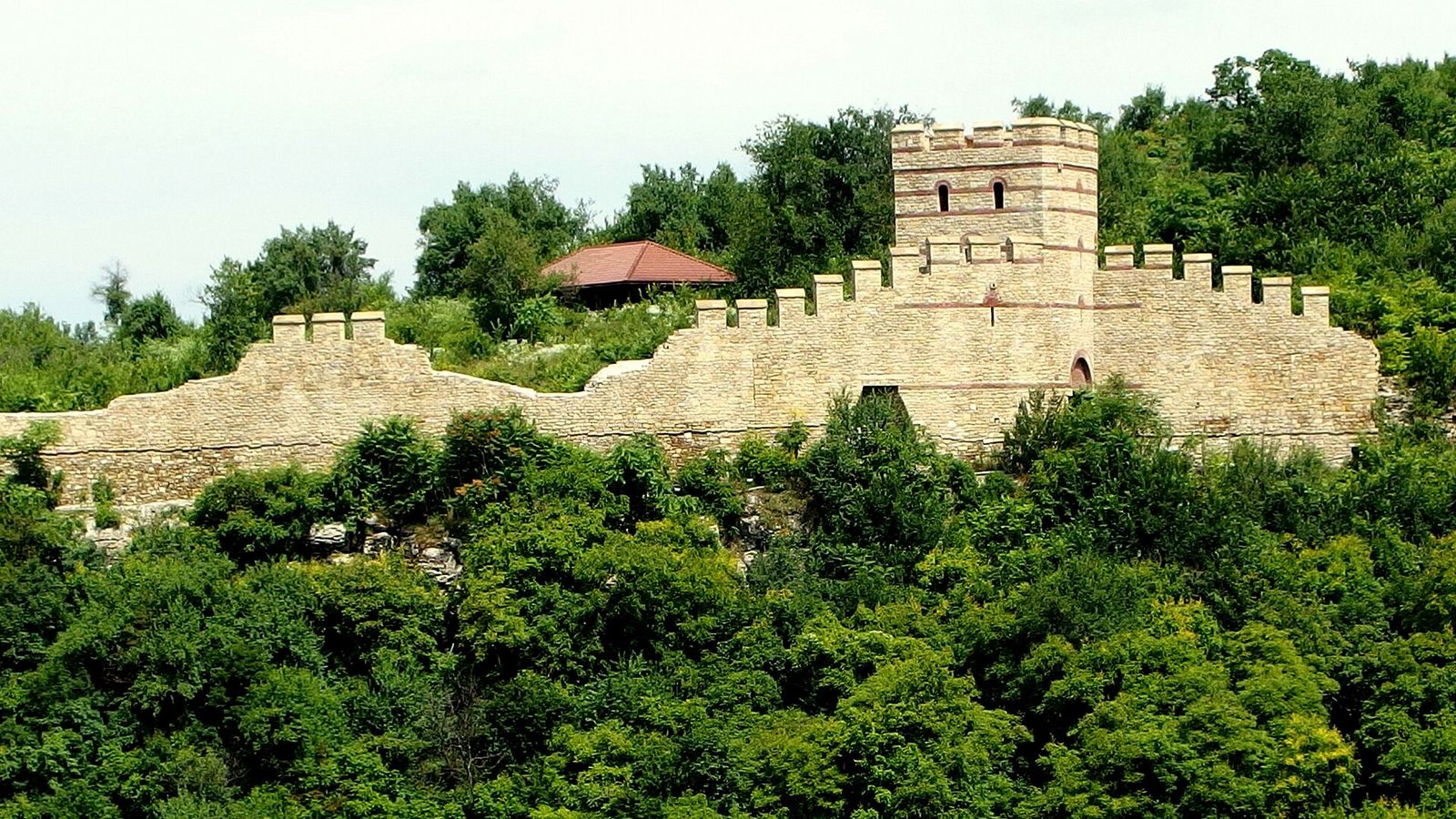
It is quieter than Tsarevets, and a funicular climbs the hill from May to October. On a first visit I'd do Tsarevets first and save Trapezitsa for the second day. On the way, Vladishki Bridge, the Bishop's Bridge, crosses the river on 17th century stone abutments with a wooden deck.
Museums in Veliko Tarnovo
Four museums are worth a slot on a two-night stay.
| Museum | What it shows | Best for |
|---|---|---|
| Archaeological Museum | Ancient and medieval finds from the region | Ruins lovers |
| Constituent Assembly museum | Bulgaria's 19th century political history | How modern Bulgaria began |
| Sarafkina House, Gurko Street 88 | An 1861 merchant house with folk art, costumes and jewelry | Revival-era home life |
| Tsarevgrad Tarnov visitor center | Sculptures and paintings of the people and events of the Second Empire | A quick primer before Tsarevets |
The Tsarevgrad Tarnov center, near Tsarevets, opens 9 AM to 7 PM from April to September and 9 AM to 5:30 PM in winter, and I'd visit it right before the fortress.
Arbanasi and Preobrazhenski Monastery
Two of the best sights are just outside town. Both are a short taxi ride away, and I'd give them their own half day.
Arbanasi
Arbanasi is a village on a plateau 4 km from Veliko Tarnovo, built by rich merchant families in the 17th and 18th centuries. Their houses look like small forts from the outside, with thick stone walls, and the village is a protected architectural reserve.
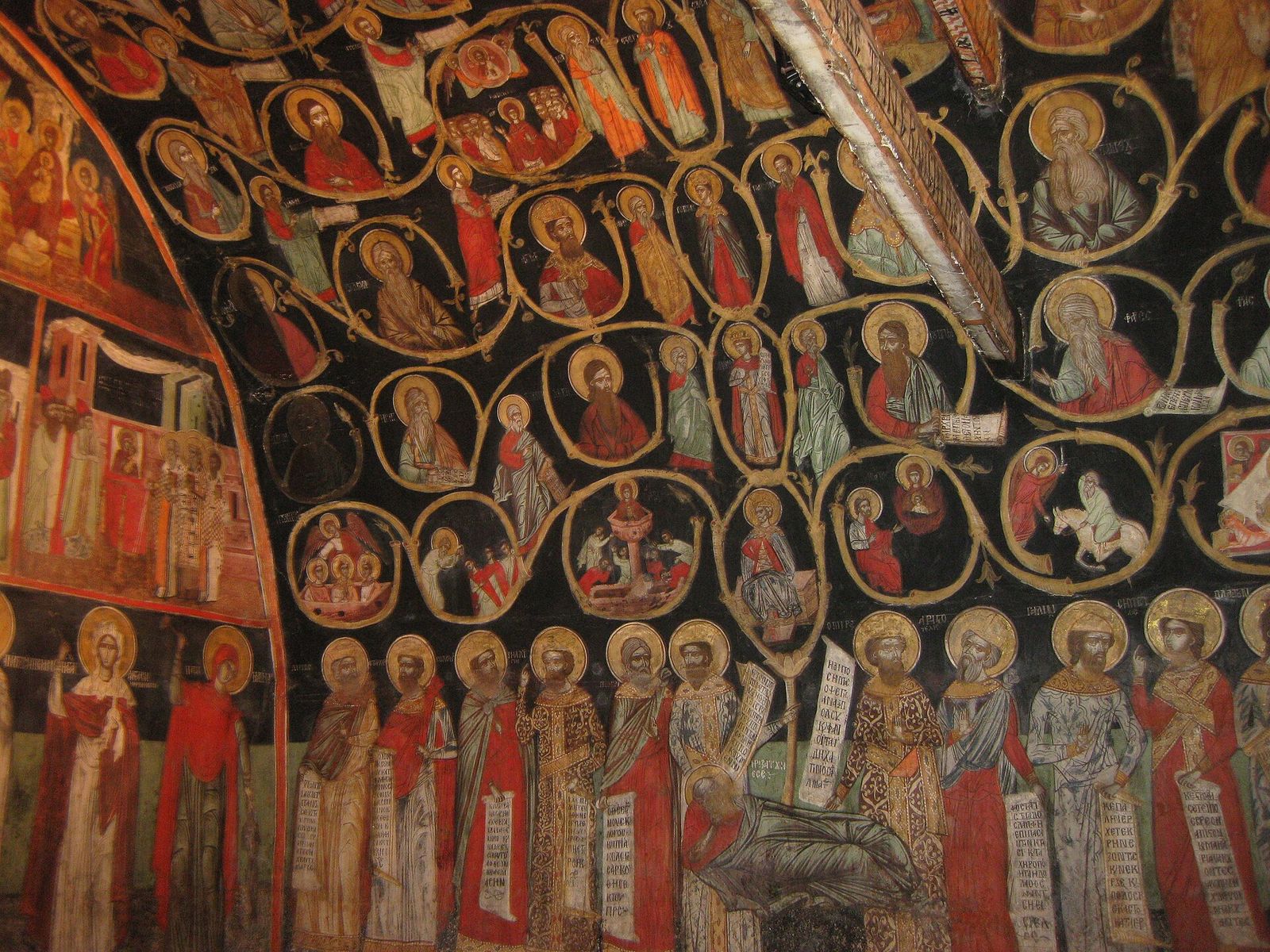
The Church of the Nativity is the one to see. It looks like a long, low barn from outside, and inside every wall is painted, with the oldest layer from the end of the 16th century. Konstantsalieva House, from the late 17th century, shows how the merchant families lived. Both are ticketed and open 9 AM to 6 PM in summer and 10 AM to 4 PM from November to March. The village streets are free.
Preobrazhenski Monastery, the Monastery of the Transfiguration, sits under cliffs in the Dervent gorge about 7 km north of town. Its 1834 main church carries the Wheel of Life fresco by Zahari Zograf, who also painted the church at Rila Monastery. Entry is free, daily from 7 AM to 7 PM.
Veliko Tarnovo sights at a glance
| Sight | Cost | Hours | Time needed |
|---|---|---|---|
| Tsarevets Fortress | Ticket | 8 AM to 8 PM in summer, 9 AM to 5 PM in winter | 2 to 3 hours |
| Holy Forty Martyrs Church | Ticket | 9 AM to 6 PM in summer, 9 AM to 5 PM in winter | 30 minutes |
| Trapezitsa | Ticket | Funicular May to October | 1 to 2 hours |
| Gurko Street | Free | Always open | 30 minutes |
| Samovodska Charshiya | Free | Workshops in the daytime | 1 hour |
| Asenevtsi Monument | Free | Always open | 30 minutes, longer at sunset |
| Arbanasi | Free village, ticketed church and house | 9 AM to 6 PM in summer, 10 AM to 4 PM in winter | Half a day |
| Preobrazhenski Monastery | Free | 7 AM to 7 PM | 1 hour plus the drive |
How many days to spend in Veliko Tarnovo
One night is the minimum, and two nights is what I'd book. With one night you get Tsarevets, the old town and one evening. The second night adds Trapezitsa, a free evening for the Sound and Light show and a morning in Arbanasi.
| One night | Two nights | |
|---|---|---|
| Day 1 | Arrive by midday, Gurko Street, Samovodska Charshiya | Arrive by midday, Gurko Street, Samovodska Charshiya |
| Evening 1 | Asenevtsi Monument at sunset, dinner on Stambolov Street | Asenevtsi Monument at sunset, dinner on Stambolov Street |
| Day 2 | Tsarevets in the morning, Forty Martyrs Church, bus back | Tsarevets in the morning, Forty Martyrs Church, Trapezitsa |
| Evening 2 | Sound and Light show if it is on | |
| Day 3 | Arbanasi and Preobrazhenski Monastery by taxi, then the bus back |
A day trip from Sofia is possible but hard work: 6 to 7 hours of travel for a few hours on the ground. Of all the day trips from Sofia, this is the one I'd turn into an overnight.
Getting to Veliko Tarnovo from Sofia
The bus is the easy way. Every day, 17 buses leave Sofia Central Bus Station, the ride takes about 3 to 3.5 hours and a ticket costs €14.50 to €15.50. They arrive at the South bus station, a short taxi ride from the old town.
There is no direct train: main line trains from Sofia stop at Gorna Oryahovitsa, about 10 km away, and you change to a local train, bus No. 10 or a taxi. By car the drive is about 3 to 3.5 hours, partly on the A2 Hemus motorway. Book the bus a day ahead in summer and on holidays, because the Sofia to Veliko Tarnovo route is popular with students and weekenders as well as visitors.
Eating and drinking in Veliko Tarnovo
The best tables in town hang over the gorge. Stefan Stambolov Street and the old town have restaurants where the view counts as much as the food, and I'd book one for the first evening.
For a full meal with wine, Hadji Nikoli Inn is the one I'd book. To taste and buy Bulgarian bottles, go to the Wine Tasting Centre on the same craft street. Ask for Gamza, the light red of northern Bulgaria, and Dimyat, a native white; both are Bulgarian grape varieties you rarely see outside the country. Veliko Tarnovo also brews its own beer: Boliarka and Britos both come from here, and they are the two names to ask for among Bulgarian beers.
Where to stay in Veliko Tarnovo
I'd stay in the old town, on or near Stefan Stambolov Street, Gurko Street or the Varusha quarter. You are a walk from Tsarevets and the craft street, and many rooms look across the gorge.
The catch is the hills and the cobbles. If you arrive with a big suitcase, take a taxi from the bus station to the door. The South bus station sits outside the old center, so staying near it saves little and costs you the views.
Day trips from Veliko Tarnovo by car
With a car, three bigger sights are within reach. Krushuna Falls is a series of travertine cascades in a green gorge, and Devetashka Cave is a huge cavern with holes in its roof that let the daylight in; both sit west of town and fit one day together.
To the south, the Buzludzha Monument is the saucer-shaped former Communist Party hall on a mountain top. Its interior is closed, so a visit to Buzludzha means walking around the outside and taking in the views from the peak. It also works as a stop on the drive between Veliko Tarnovo and Plovdiv, and the two towns together are the heart of a one-week Bulgaria itinerary.
Key takeaways
- Build the visit around a morning on Tsarevets, with water in your bag and at least 2 hours inside the walls.
- The best free hours are a walk along Gurko Street and Samovodska Charshiya, then sunset at the Asenevtsi Monument.
- Tsarevets lets in its last visitors an hour before closing, so in winter be at the gate by 4 PM.
- Two nights give you Trapezitsa, Arbanasi and a spare evening in case the Sound and Light show is on.
Frequently asked questions
How many days do you need in Veliko Tarnovo?
Two days is ideal, and one night is the minimum. One day covers Tsarevets and the old town, and a second day adds the Forty Martyrs Church, Trapezitsa and Arbanasi.
What was the Second Bulgarian Empire and when did it exist?
The Second Bulgarian Empire was the medieval Bulgarian state founded in 1185 by the brothers Petar and Asen, who led a revolt against Byzantium. Its capital was Tarnovo, today's Veliko Tarnovo, until the Ottomans took the city in 1393, and the last Bulgarian stronghold, Vidin, fell in 1396.
Is Veliko Tarnovo worth visiting?
Yes. It has Tsarevets, the fortress of Bulgaria's medieval tsars, an old town stacked over a river gorge, and Arbanasi a few kilometers away. For history and views, it is the town I'd add first after Sofia and Plovdiv.
Can you visit Veliko Tarnovo as a day trip from Sofia?
You can, but it means 6 to 7 hours on a bus or in a car for a few hours in town. I'd take an early bus and stay at least one night.
Does the Sound and Light show in Veliko Tarnovo happen every night?
No, it runs only on selected evenings and often on holidays. Check the schedule before your trip; some shows can be watched for free from Tsar Asen I Square below the fortress.
How do you get from Veliko Tarnovo to Arbanasi?
Take a taxi; Arbanasi is about 4 km from the center on a plateau above the town. I'd give it half a day and combine it with Preobrazhenski Monastery.
What should you buy in Veliko Tarnovo?
Silver filigree jewelry is the local specialty, and the workshops on Samovodska Charshiya also sell pottery, copper and wood carving. Ask who made a piece, since some shops sell imported souvenirs alongside the handmade ones.
How far is Veliko Tarnovo from Sofia?
Veliko Tarnovo is 224 km from Sofia. The bus and the drive both take about 3 to 3.5 hours, while the train needs a change at Gorna Oryahovitsa.
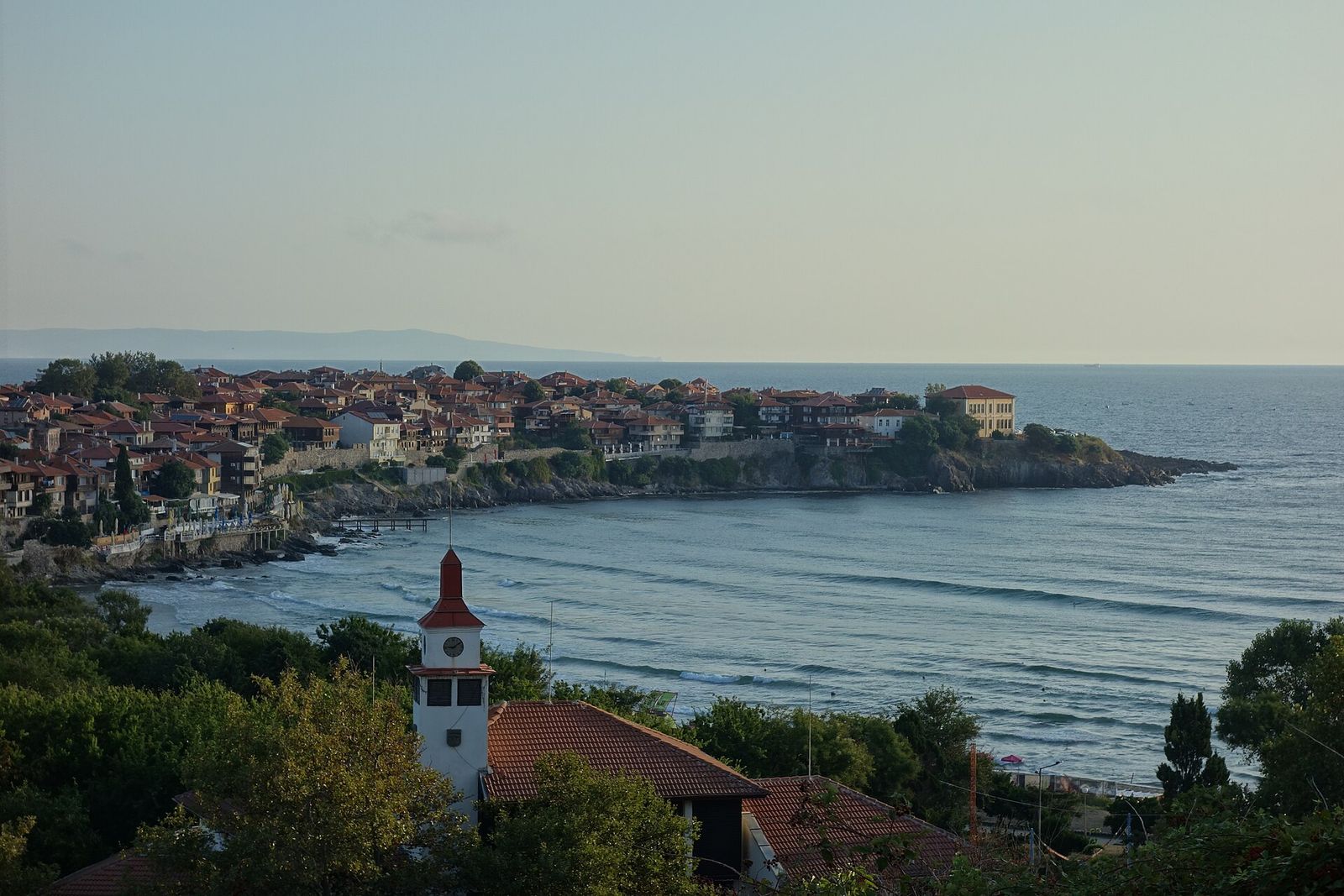
12 Best Places to Visit in Bulgaria in 2026
Bulgaria packs Roman cities, mountain monasteries and Black Sea old towns into a small map. These are the 12 I'd pick.
Read the guide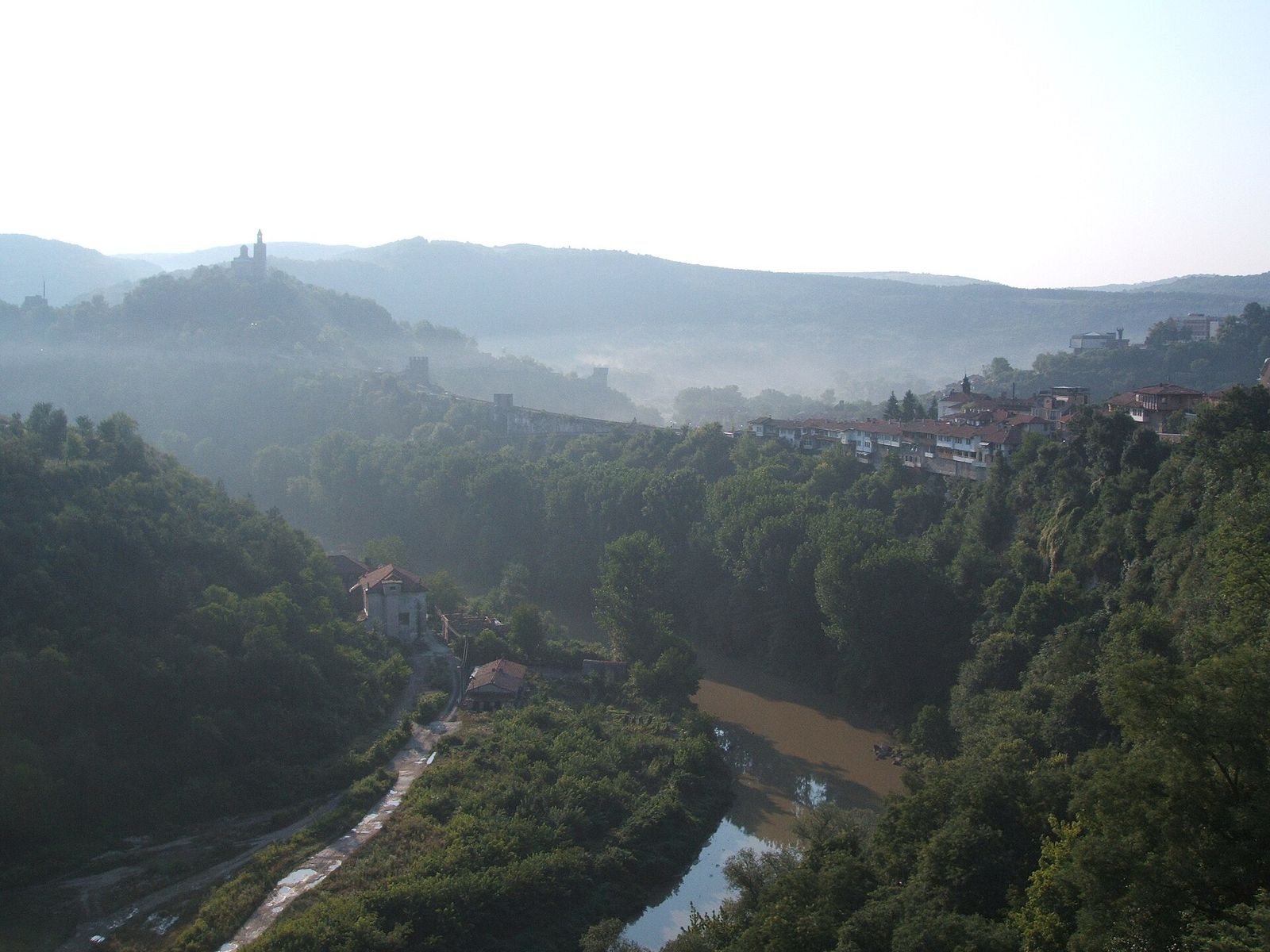
Sofia to Veliko Tarnovo: Bus, Train or Car in 2026
Veliko Tarnovo is about 3 hours from Sofia by bus. The 2026 departures, the train change and the drive, compared.
Read the guide
The Bulgarian Black Sea Coast: Where to Go and How to Get There
Bulgaria has 378 km of Black Sea coast, from cliffs near Romania to river beaches near Turkey. Where I'd go and how.
Read the guide