Bansko: Ski Resort, Old Town and Pirin Trails from Sofia
Bansko is a town of about 8,900 people at the foot of the Pirin Mountains, 160 km south of Sofia, and the biggest ski resort in Bulgaria. It is known for its gondola straight from town, an old quarter of stone houses and taverns, and summer trails toward Vihren. This guide covers the skiing and lift passes, the old town, the hot springs, summer in Pirin and how to get there from Sofia.
Bansko at a glance
Bansko lives on tourism in both seasons: skiing from December to April, and hiking, festivals and cool mountain air in summer. It has also become a base for remote workers.
The town sits at 925 m in the valley below the Pirin peaks, near the town of Razlog, and the ski area starts at the gondola station just above it.
Skiing in Bansko
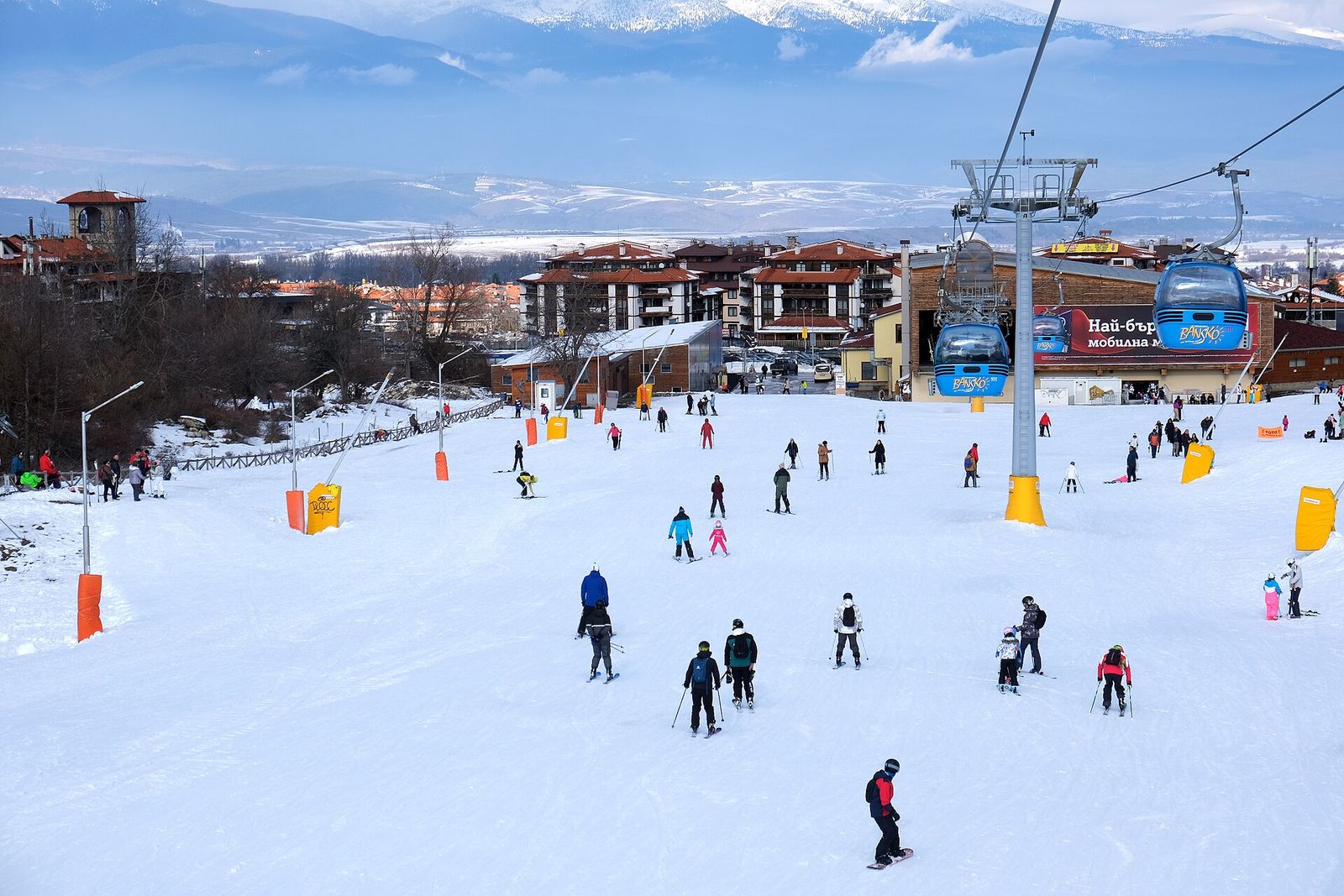
Bansko has about 70 km of marked runs, most of them easy or intermediate, and only about 6 km is black. It has hosted Alpine Ski World Cup races since 2009, and Mikaela Shiffrin won here in 2020. I'd call it a very good mountain for beginners and improving intermediates and a small one for experts.
The gondola and Banderishka Polyana
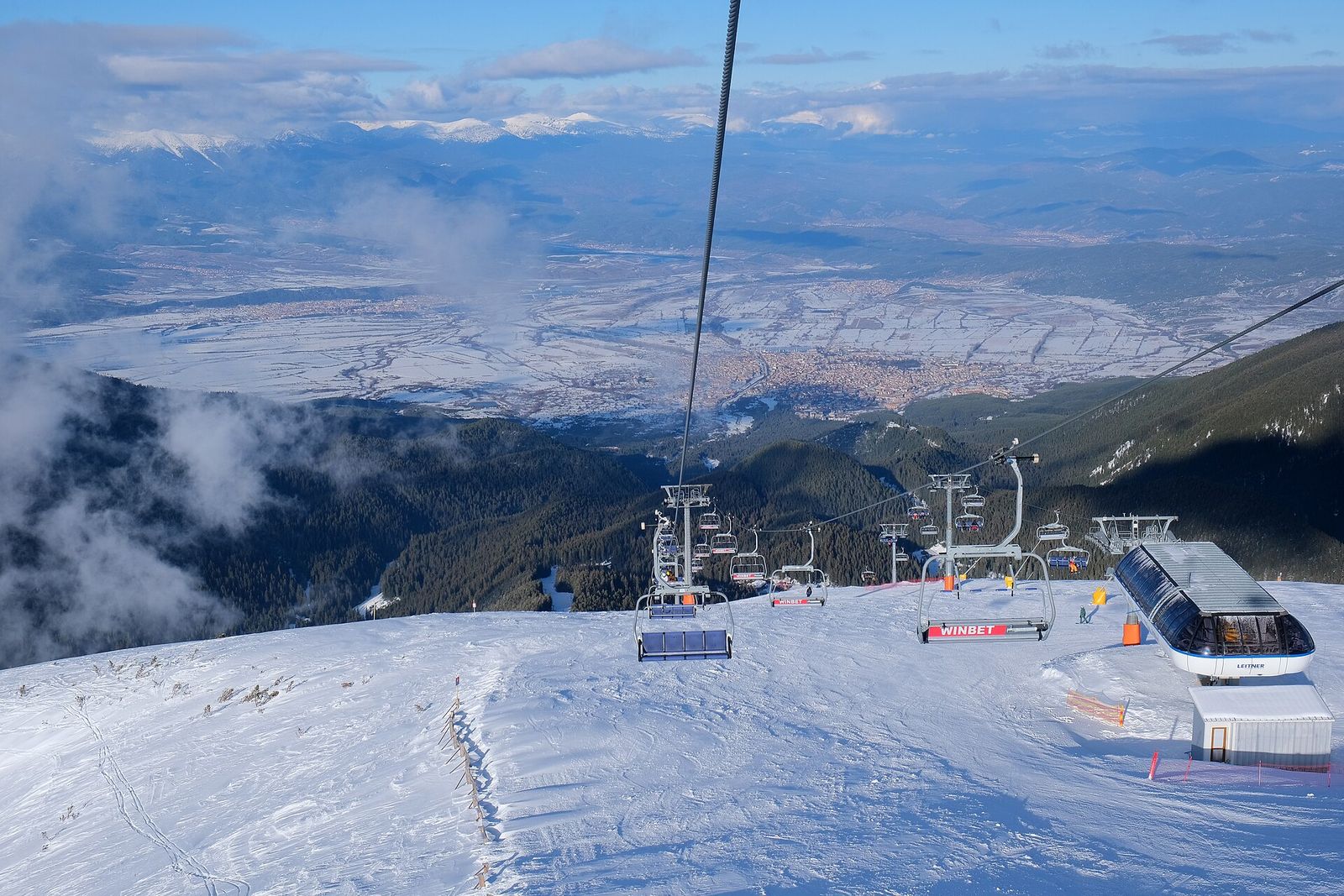
Every ski day starts with the 8-seat gondola. It runs about 6.2 km from the valley station at 990 m up to Banderishka Polyana at about 1,600 m, a ride of around 25 minutes. The gondola runs from 8:30 AM to 5 PM, and the chairlifts above it from 8:45 AM to 4:15 PM.
Banderishka Polyana is the hub. The ski school, the rental shops and the wide nursery slopes all sit around it, with their own lifts, so beginners learn away from the through traffic.
Todorka and the runs above
Above Banderishka Polyana, chairlifts fan out toward Todorka peak, around 2,530 m at the top of the ski area. The reds off Todorka are the heart of the mountain, where confident intermediates spend most of the week. The World Cup slope and a handful of steeper black sections are the expert terrain.
The Ski Road back to town
The best thing about Bansko is the long way down. In good snow you can ski a continuous 16 km line from the top back to the valley, through the forest. The last part is the Ski Road, a gentle tree-lined run from the ski area back to town, and one of the nicest beginner runs in the resort.
Bansko lift pass prices
These are the official day prices from winter 2025/26, VAT included.
| Pass, winter 2025/26 | Price |
|---|---|
| Adult day pass, 14 to 26 December | €33 |
| Adult day pass, 27 December to 31 March | €59 |
| Adult day pass, from 1 April | €45 |
| Child (7 to 11) day pass, high season | €30 |
| Adult 6-day pass | €341 |
For winter 2026/27, the adult season pass costs €870 if you buy it by 1 December 2026, at the MAXSPORT stores in Sofia and Bansko or at the ticket counters by the gondola's bottom station. Students, school pupils aged 12 to 18 and retirees under 75 pay €820, and children aged 7 to 11 pay €460.
When to ski in Bansko
The 2026/27 season is published as 1 December 2026 to 11 April 2027, but the real opening depends on the snow. Last winter the lifts opened on 13 December 2025 and ran until 12 April 2026. The top of the mountain usually holds snow into April, while the lower runs rely on snow cannons early and late.
Mid-January to late February is the safe window, when the base is deepest and the runs back to the valley are skiable. January is the coldest month, and from December to February the average highs are 1 to 3°C and the lows -4 to -7°C.
Weekdays beat weekends by a wide margin. From Tuesday to Thursday the slopes and the gondola are noticeably quieter, and at weekends day-trippers from Sofia and Thessaloniki arrive. If you are building a winter trip around the capital, Sofia in winter pairs well with two or three midweek days on the Bansko slopes.
Bansko old town
Follow Pirin Street from the gondola end of town for about 15 minutes and you reach the old town, a maze of cobbled lanes and stone houses from the 18th and 19th centuries. Many were built as fortified houses behind high stone walls.
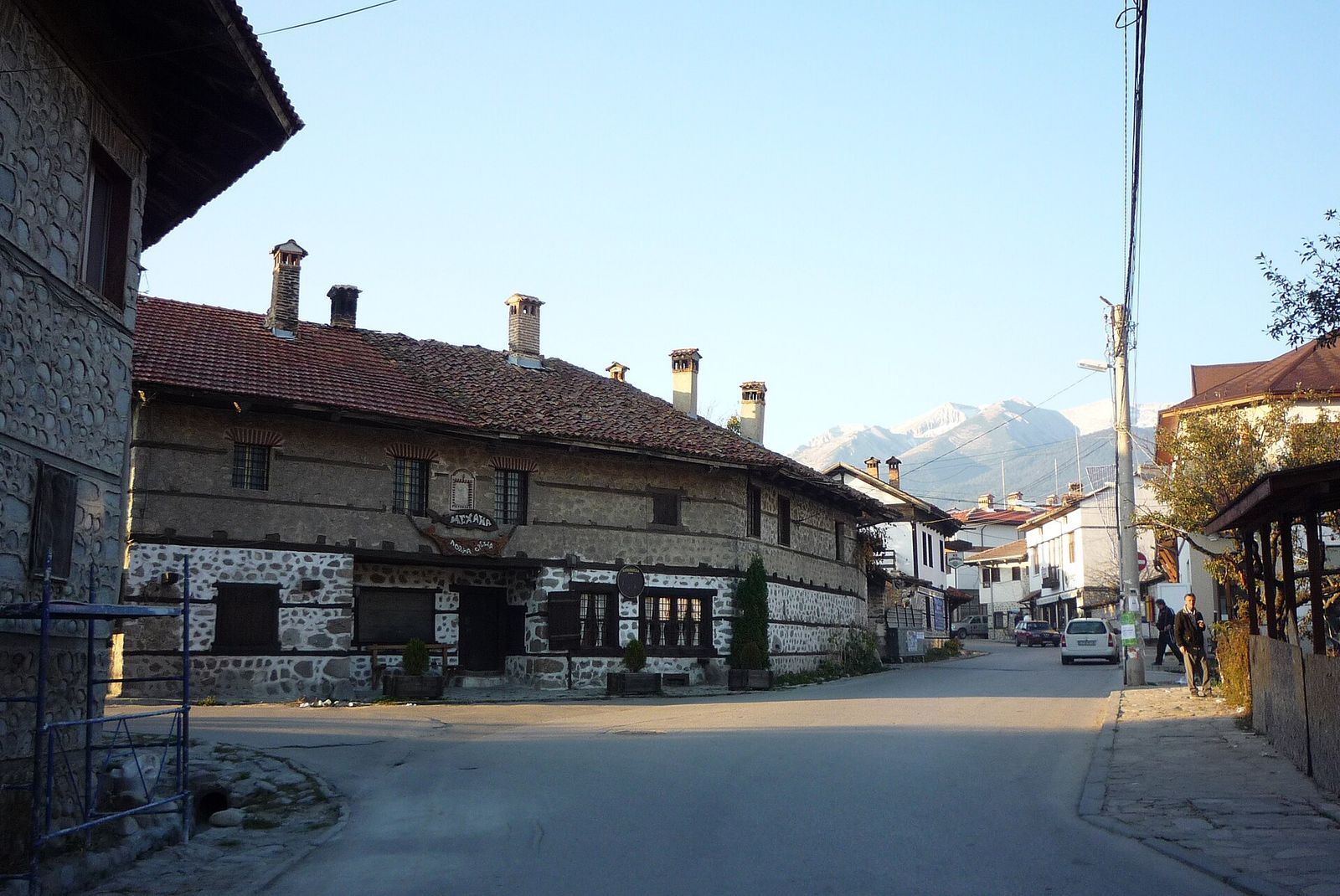
The house where the poet Nikola Vaptsarov grew up is a small museum, restored to look as it did in his childhood in the 1910s, with his poems on display. In winter the old town is quieter than the gondola end, and its mehanas are where skiers go for dinner. In summer it is the liveliest part of Bansko.
Holy Trinity Church
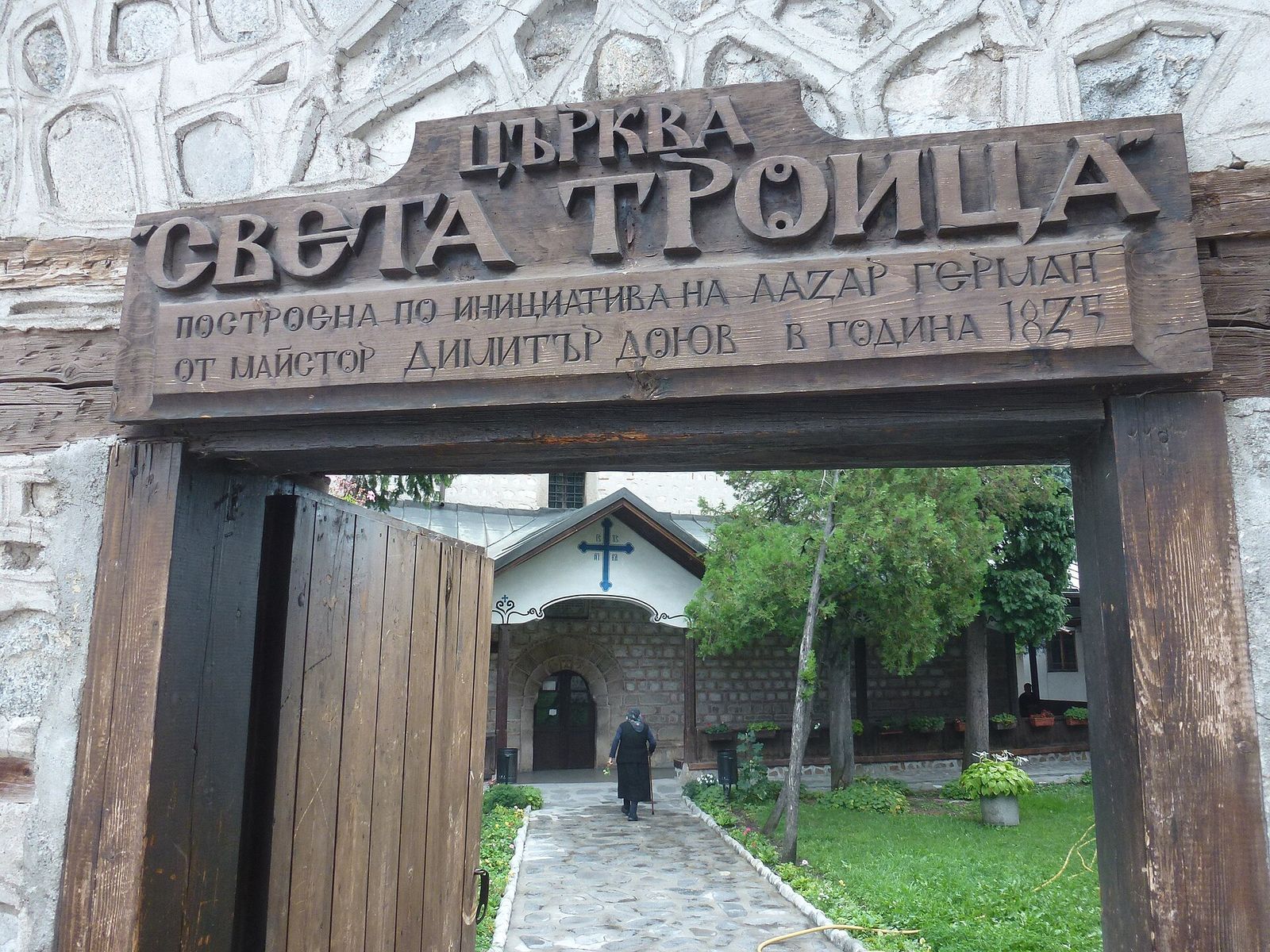
The Holy Trinity Church is the landmark of the old town, with a towering bell tower. The people of Bansko built it in 1835, behind a high wall and a carved wooden gate.
Bansko also has a place in Bulgaria's Protestant history: the first Protestant church community in the country was founded here on 6 August 1868.
Velyan's House
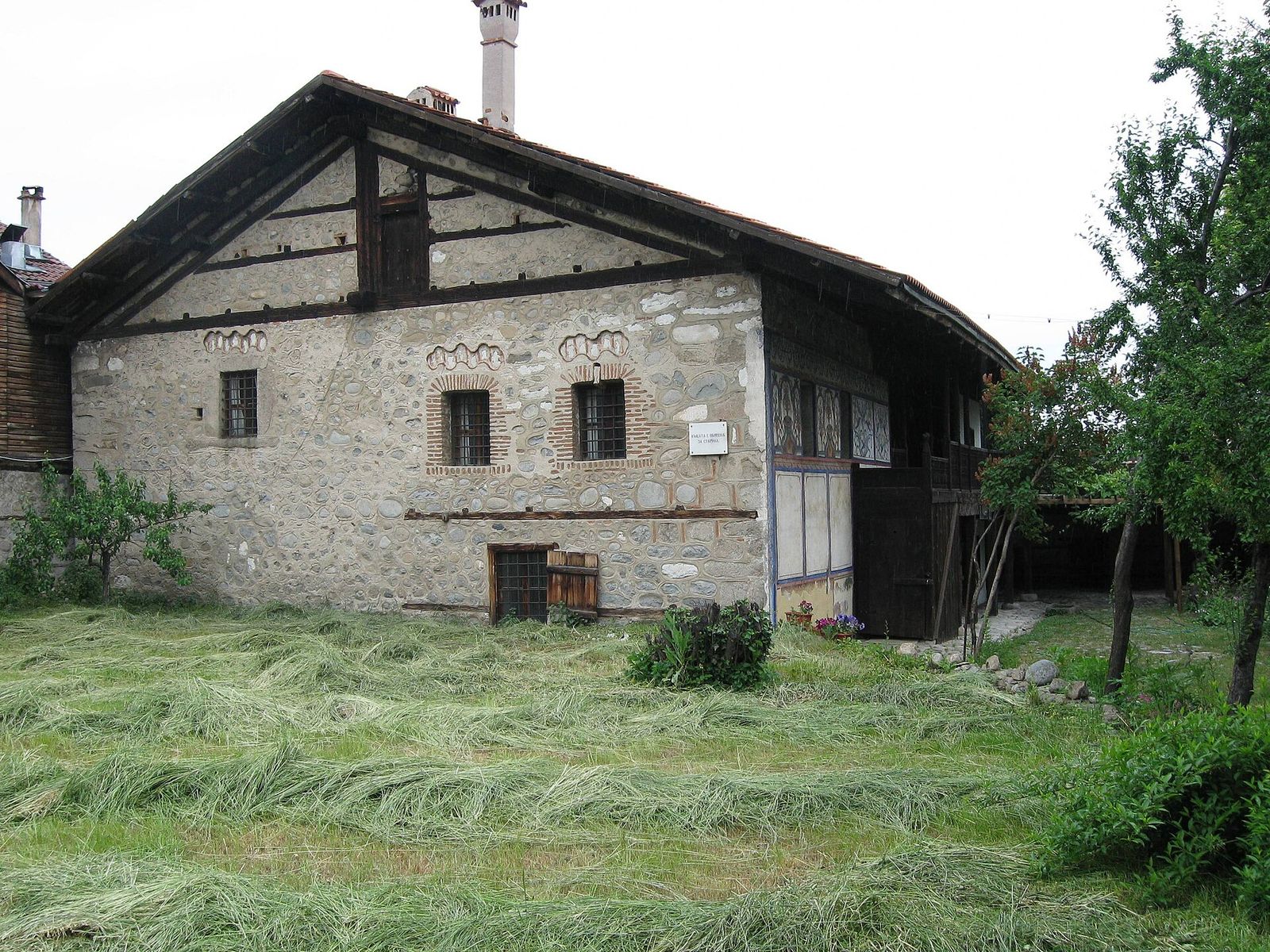
Velyan's House is a traditional Bulgarian stone house, open to visitors as a museum. Inside are 19th-century wall paintings and carved wooden ceilings, and it is the best place in Bansko to see inside one of the old fortified houses.
Mehanas and Bansko food
The old town is full of mehanas, the old-style taverns, and many have folk musicians playing in the evening.
In winter, look for chomlek, a beef stew, and kapama, meat and sauerkraut baked in a clay pot, two dishes of Bulgarian food made for cold nights. Sirene po shopski, cheese baked in a clay pot with tomatoes, peppers and an egg, is the meatless choice, and bob chorba, a bean soup, usually comes without meat too. Bai Kotse, in the heart of the old town, has the atmosphere I'd look for on a first night.
Hot springs in Banya
The village of Banya, about 5 km from Bansko, has 27 thermal mineral springs, with water at 37 to 57°C. A mix of public pools and hotels take day visitors, and a soak with the snowy peaks behind the steam is how I'd end a ski day.
Regnum has outdoor mineral pools, a large cold pool, a bar and plenty of loungers, and a full day costs about €18 for an adult and €5 for a child, or about €10 for an adult from 4 PM to 8 PM. Villa Victoria has an outdoor heated pool, a warmer jacuzzi pool and a spa inside, for about €10 a person.
Bansko in summer
The gondola closes in mid-April and reopens at the start of June, running until the end of September. In June and September it runs on weekdays with one ride up at 8 AM and one down at 4:30 PM, and in July and August it runs every day from 8:30 AM to 4:30 PM.
In summer the ski area goes quiet. At Banderishka Polyana a 350 m inflatable waterslide runs down the mountain, and the Bansko Jazz Festival fills a week in August, one of the summer festivals in Bulgaria I'd plan a trip around.
Pirin hikes and Vihren
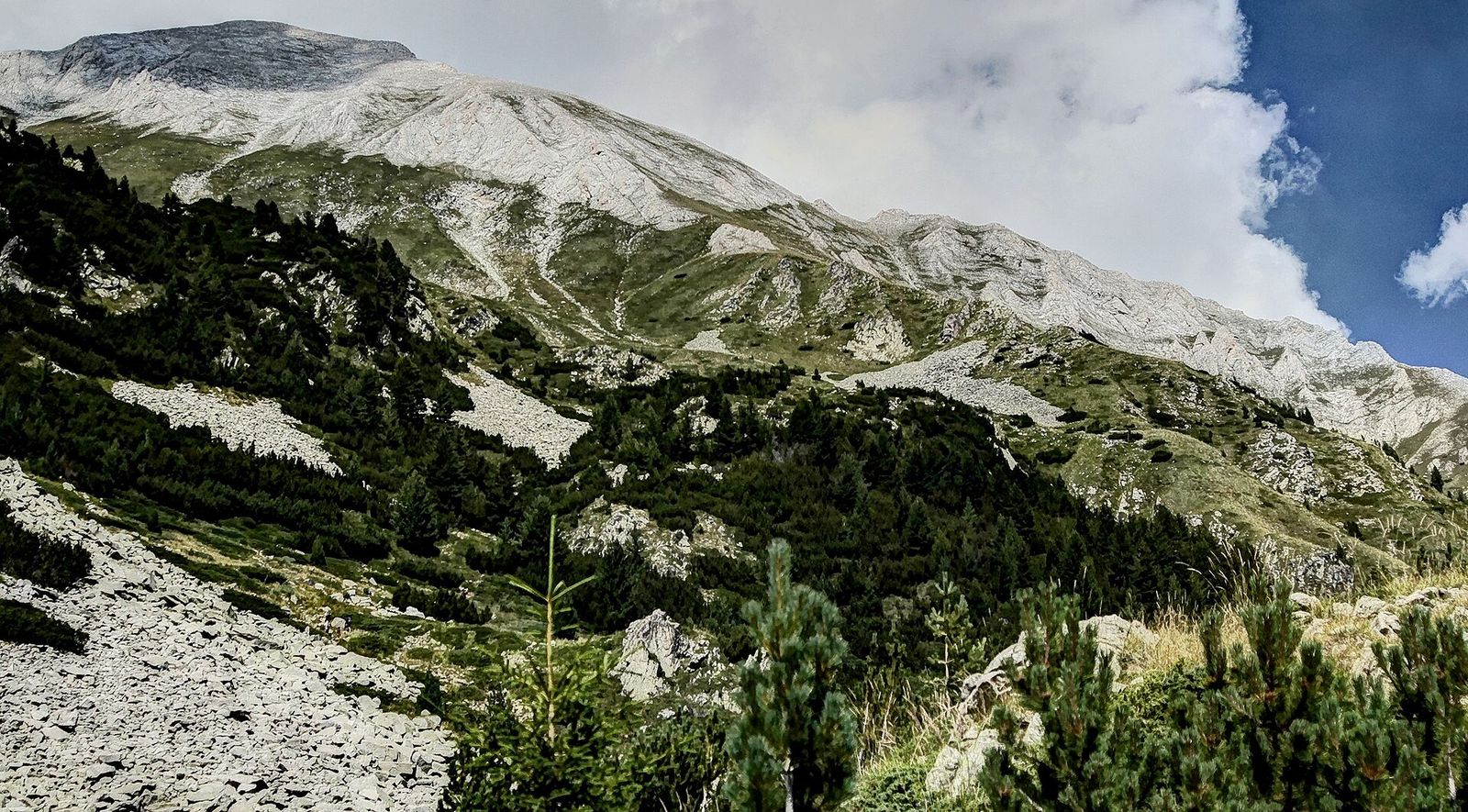
Bansko sits at the edge of Pirin National Park, and the gondola puts you at the start of its trails. From Banderishka Polyana, Banderitsa hut is about a 45-minute walk, and the huts here work as small cafes for a drink or a meal after a hike.
The big hikes start higher, at Vihren hut. From there a loop to the Banderitsa Lakes and the Todorka Lakes takes about 5 hours, and the climb to Vihren, at 2,914 m the highest peak in Pirin, is the hard one. In summer I'd give Bansko three or four days, with a long hike every other day and an evening in the old town after each one.
Getting to Bansko from Sofia
| Option | From | Time | Price |
|---|---|---|---|
| Direct bus | Sofia Central Bus Station, about 5 a day | About 2 hours 50 minutes | About €11 to €16 |
| Car | Sofia, A3 motorway toward Blagoevgrad, then via Razlog | 2 to 2.5 hours | Fuel only |
| Private or shared transfer | Sofia Airport | About 2.5 hours door to door | More than the bus |
| Train | Sofia, changing at Septemvri | About 8 hours | Varies |
The direct bus is the cheap option, and most leave from Sofia Central Bus Station next to the main train station, with some from Ovcha Kupel bus station in the west of the city. Buses are the backbone of getting around Bulgaria, and this route runs often enough for a weekend. Wrestling a ski bag onto a service bus is the one downside.
By car, take the A3 motorway south toward Blagoevgrad, then turn east through Razlog to Bansko. The road is good all the way to Razlog.
The narrow-gauge railway
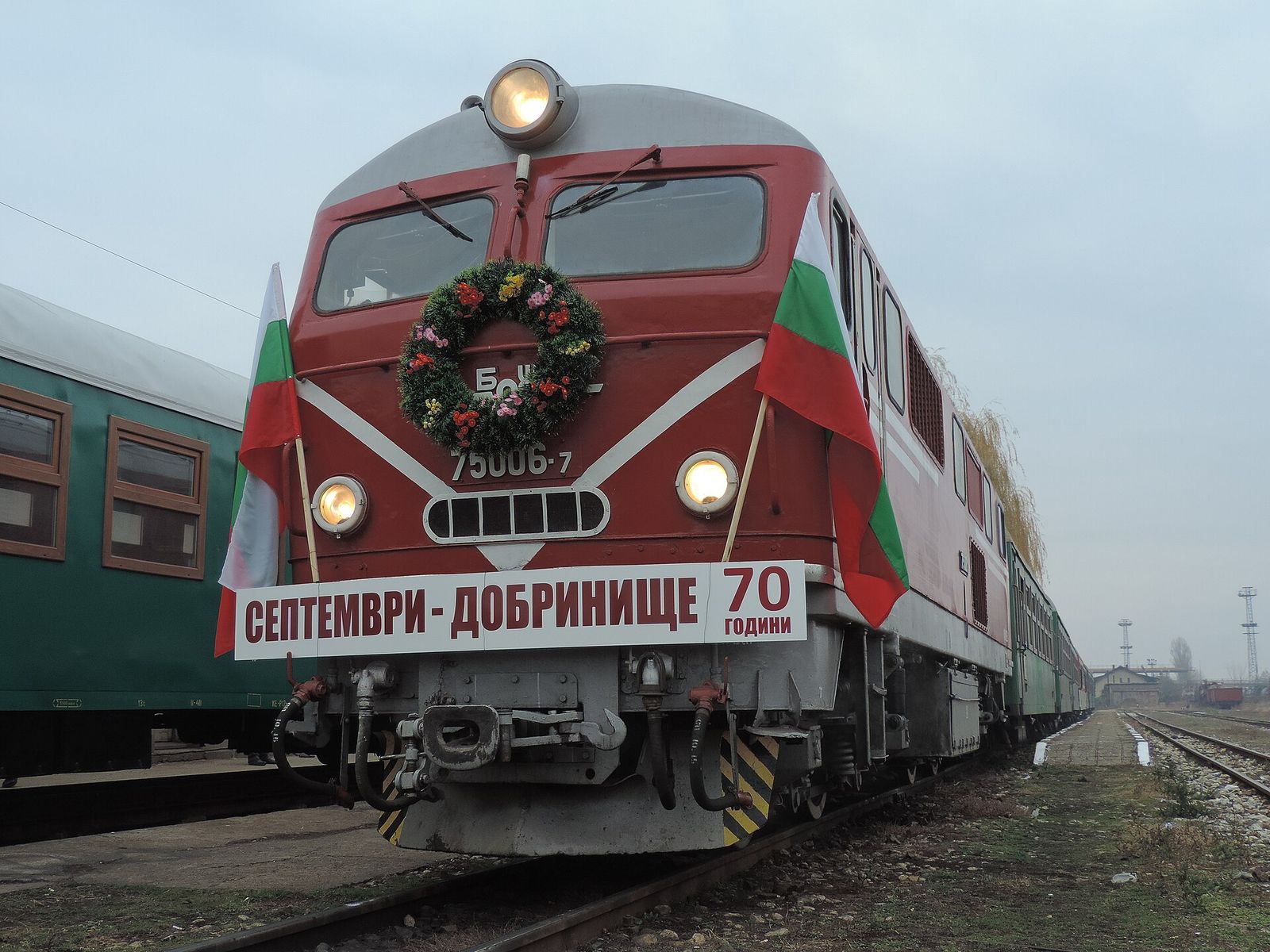
Bansko is a stop on the narrow-gauge railway from Septemvri to Dobrinishte, a slow, scenic line through the mountains. From Sofia you take a regular train to Septemvri and change onto the narrow-gauge line. I'd ride it for the views on a day with nothing else planned. Trains in Bulgaria are rarely the fast option, and here the train takes about 8 hours against 3 by bus.
Who Bansko suits
- Beginners and improving skiers. About 59% of the runs are easy, and the Ski Road is a gentle way back to town.
- Groups who want evenings out. The old town gives you a different mehana for every night of a ski week.
- Skiers who like long runs. From about 2,530 m at the top to the valley station at 990 m, the mountain drops more than 1,500 m.
- Summer hikers. The gondola, the huts and the lakes of Pirin are all within a day's reach.
- Remote workers. Bansko has co-working spaces, and the Bansko Nomad Fest brings digital nomads to town every June.
Skip it if:
- You are an expert skier on a week-long trip. With about 6 km of black runs, you will have skied most of the hard terrain in two days.
- You hate queues and can only come at weekends. Saturday mornings at the gondola are the worst time on the mountain.
- You have one day. Borovets is about half the distance from Sofia and works much better as a single ski day.
A weekend or a week, and day trips from Bansko
Bansko is too far for a comfortable day of skiing from Sofia, with 4 to 6 hours of travel there and back. I'd give it a weekend at the least, and a week if skiing is the point of the trip. As a day trip, it works in summer for the old town and a long mehana lunch, as long as you leave Sofia early.
Rila Monastery, the biggest monastery in Bulgaria, sits off the same A3 motorway you drive to Bansko, so it fits on the way there or back. Melnik, the smallest town in the country, is known for its wine, and a drive of a little over an hour down to Melnik makes a good rest day from the slopes. If you are in Bansko for New Year, Razlog next door sends its kukeri out on 1 January in tall costumes of goat hair, a short drive from the slopes.
Bansko is one of the best places to visit in Bulgaria in both seasons, and Thessaloniki is about 220 km away if you are traveling on to Greece.
Where to stay in Bansko
There are two parts of town to choose between. At the gondola end you walk to the lift in the morning, and the old town is quieter, with the mehanas on your doorstep and a 15-minute walk to the gondola.
Kempinski Hotel Grand Arena Bansko, the five-star next to the gondola, is the only ski-in, ski-out hotel in town. For a ski week I'd stay by the gondola, and for a summer stay I'd pick the old town.
Key takeaways
- Bansko is 160 km south of Sofia, 2 to 2.5 hours by car or about 3 hours by direct bus.
- Its ski area has about 70 km of mostly easy and intermediate runs and a 16 km descent to town in good snow.
- A high-season adult day pass cost €59 in 2025/26; the week before Christmas and April were much cheaper.
- Ski Tuesday to Thursday and be at the gondola by 8:30 AM to beat the queue.
- In summer, the gondola runs from June to September for Pirin hikes, and the old town is at its liveliest.
Frequently asked questions
Does Bansko get good snow?
Yes, in most winters. The ski area runs up to about 2,530 m, so the top holds snow into April, and snow cannons cover the lower runs early and late in the season. Mid-January to late February is the most reliable window.
What is the best month to ski in Bansko?
January and February have the deepest snow, and January is the coldest month. For lower prices, the week before Christmas and early April cost much less, with thinner snow on the lower runs.
How much is a Bansko lift pass?
An adult day pass cost €59 in high season in winter 2025/26, €33 before Christmas and €45 from 1 April. The 2026/27 adult season pass costs €870 if bought by 1 December 2026.
Which airport is closest to Bansko?
Sofia Airport is the closest year-round international airport, about 160 km and 2.5 hours away by road. Plovdiv Airport works mainly as a charter airport for ski trips in winter.
How do I get from Sofia to Bansko?
Direct buses leave Sofia Central Bus Station about 5 times a day, take about 2 hours 50 minutes and cost around €11 to €16. By car it is 2 to 2.5 hours on the A3 motorway toward Blagoevgrad, then east through Razlog.
Is Bansko crowded?
The gondola is, on peak weekends, when the morning queue can take 45 minutes. Weekdays from Tuesday to Thursday are much quieter, and the first gondolas at 8:30 AM beat the worst of the line.
Where is it best to stay in Bansko?
Stay near the gondola for a ski trip, so you walk to the lift in the morning. Stay in the old town for a summer trip or for quiet evenings close to the mehanas.
Is Bansko worth visiting in summer?
Yes. The gondola runs from June to September, the trails of Pirin National Park start from its top station and from Vihren hut, and the Bansko Jazz Festival fills a week in August.
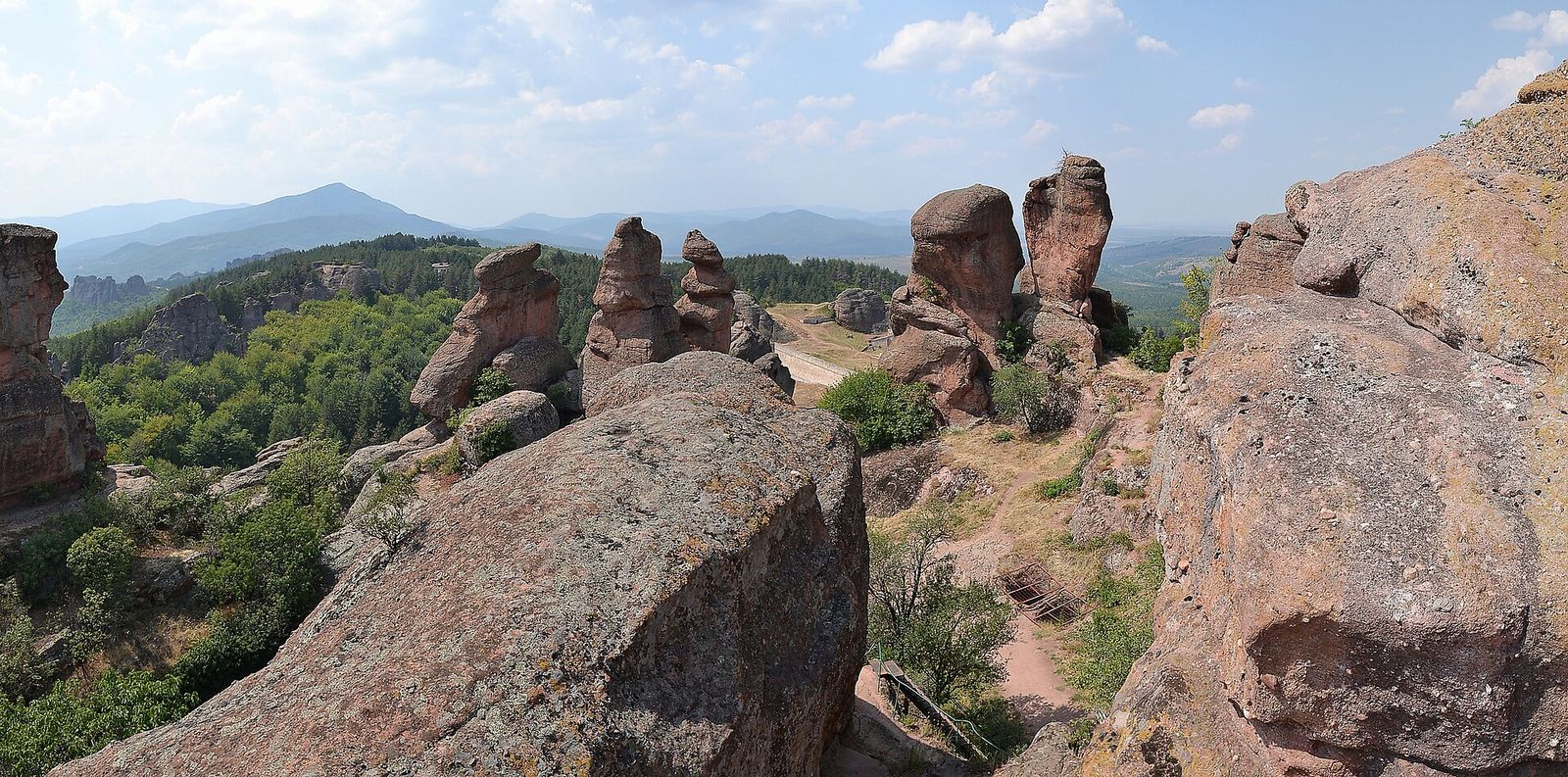
12 Best Day Trips from Sofia by Bus, Train and Car
Bulgaria's top monastery, oldest city and highest peak are a day out of Sofia. The 12 trips I'd pick and how to go.
Read the guide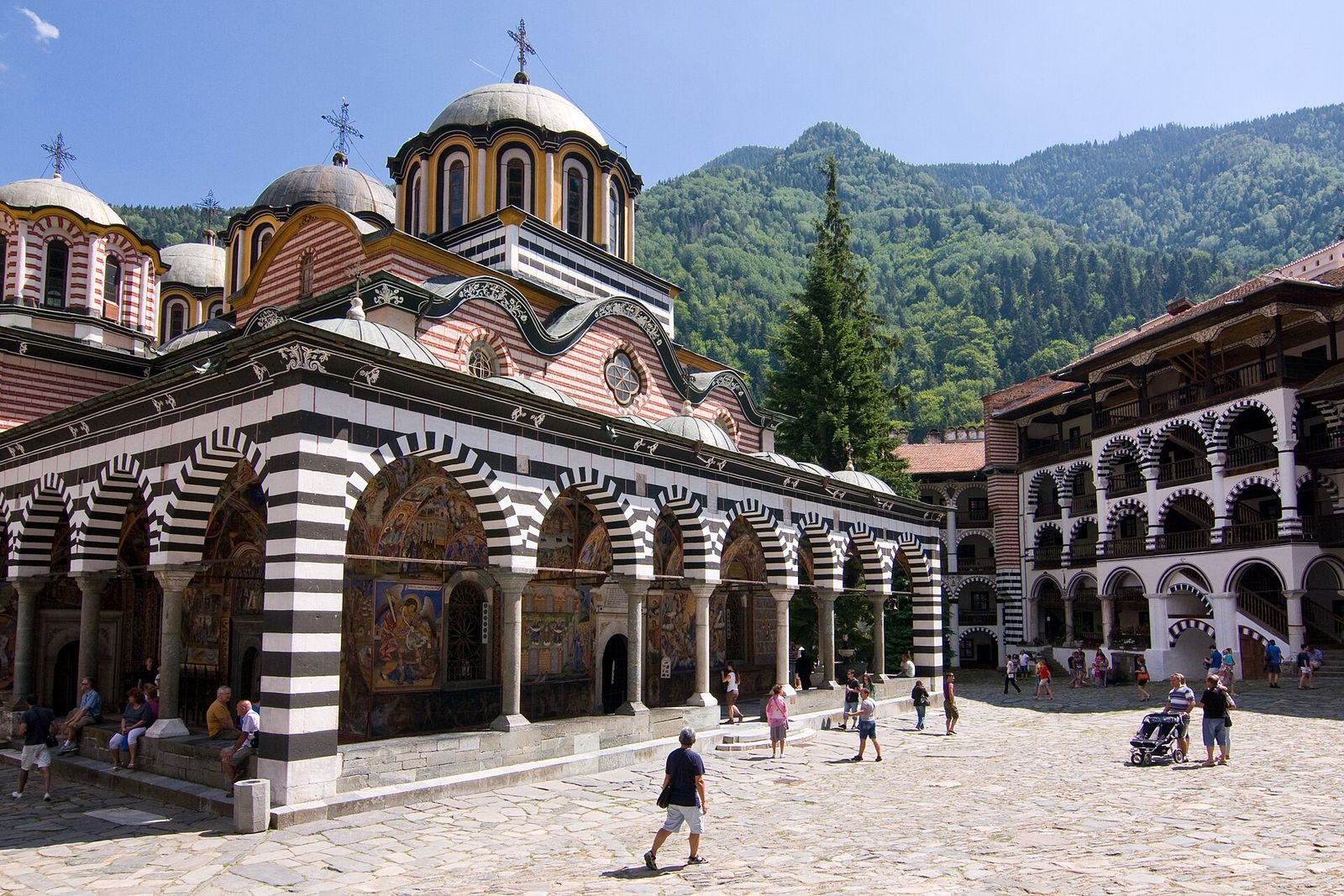
Rila Monastery from Sofia: How to Get There and What to See
Bulgaria's biggest monastery sits two hours from Sofia. How to reach it in 2026, what is free and what to see.
Read the guide
Sofia to Plovdiv: How to Get There and What to See in a Day
Plovdiv is 2 hours from Sofia by bus. Bus, train or car, the last rides home and the day I'd plan there.
Read the guide