Money in Bulgaria: The Euro, Cards and Cash in 2026
Bulgaria's currency has been the euro since 1 January 2026, and the lev is gone from shops and cash machines. Here is what that means on the ground: where cards work and where you still need cash, which ATMs to use, how to read old lev prices, what to do with leftover leva, and what everyday things cost in Sofia.
What currency does Bulgaria use?
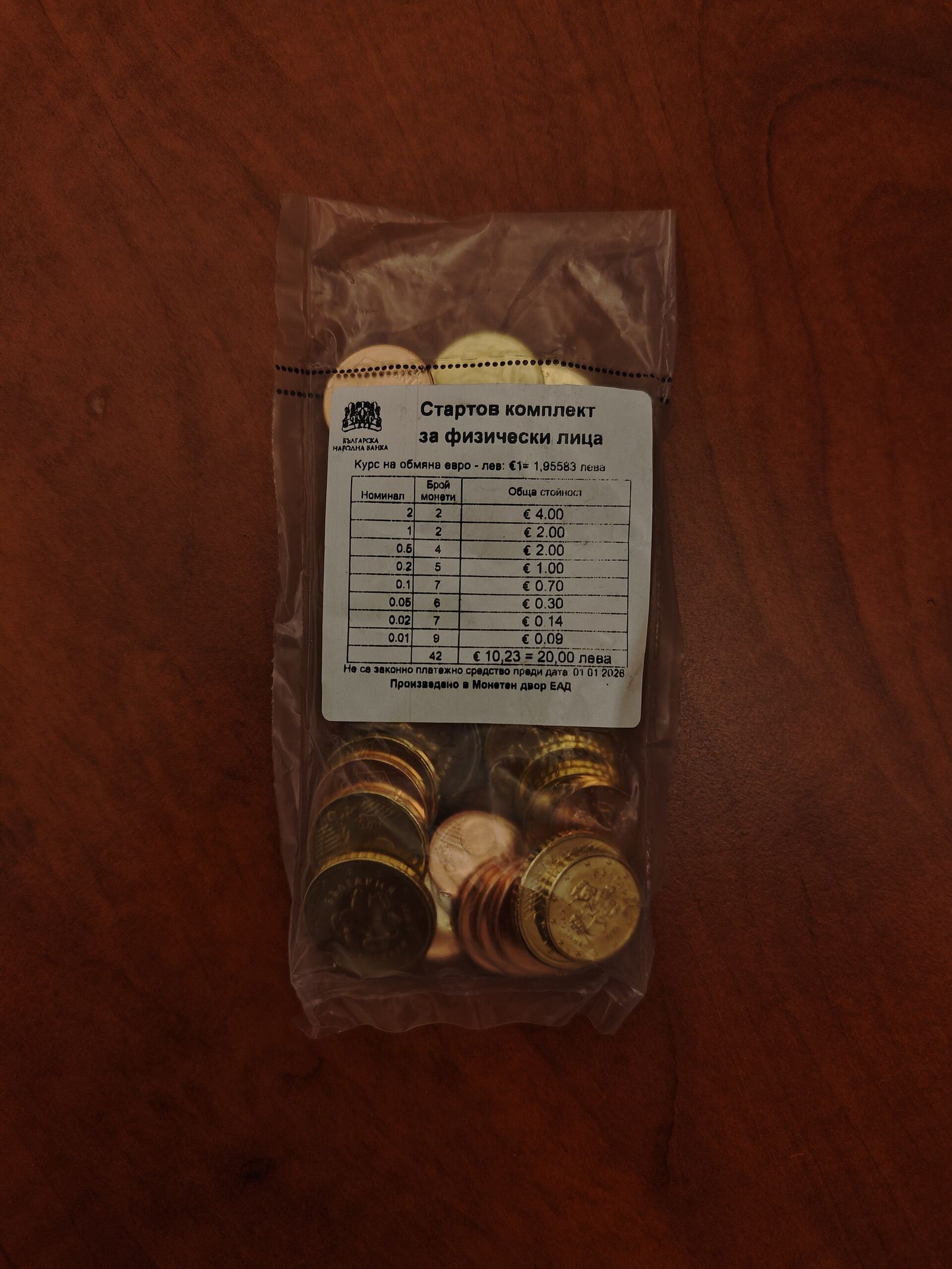
Bulgaria uses the euro. It joined the euro area on 1 January 2026 as its 21st member and retired the lev after 146 years. The conversion rate was fixed at 1.95583 leva to the euro, the same rate the lev had been pegged to since 1999, and it will never change.
For a visitor, Bulgaria now works like any other eurozone country. Card terminals charge in euros, ATMs dispense euro notes, and a card from another euro country goes through with no currency conversion at all. Bulgaria designs its own national side for the coins, with St Ivan of Rila on the €1 and Paisius of Hilendar on the €2, and they spend the same as euros from France or Spain.
How the switch from the lev went
The handover was short. During January 2026 shops accepted both leva and euros. Since 1 February 2026 the euro has been the only legal tender, and shops no longer take lev cash at the till.
Price tags had to show both currencies from 8 August 2025 to 8 August 2026, converted at the fixed rate. That rule has ended, so most tags and menus now show euros only. If a tag or menu still shows a lev column, dividing it by 1.95583 gives the euro price.
Old lev prices in euros
You will still meet lev prices in older guidebooks, older blog posts and the odd menu. The quick rule is to halve them and add a little: 20 leva is €10.23.
| Old lev price | In euros |
|---|---|
| 1 lev | €0.51 |
| 5 leva | €2.56 |
| 10 leva | €5.11 |
| 20 leva | €10.23 |
| 50 leva | €25.56 |
| 100 leva | €51.13 |
The lev was the national currency, with 100 stotinki to the lev, and its plural is leva. If a price you read online looks oddly high, check whether it is in leva before you budget for it.
What to do with leftover leva
Shops no longer take leva, and the free swap at commercial banks and post offices ran until 30 June 2026. Banks must still exchange leva until 31 December 2026, and they may now charge a fee.
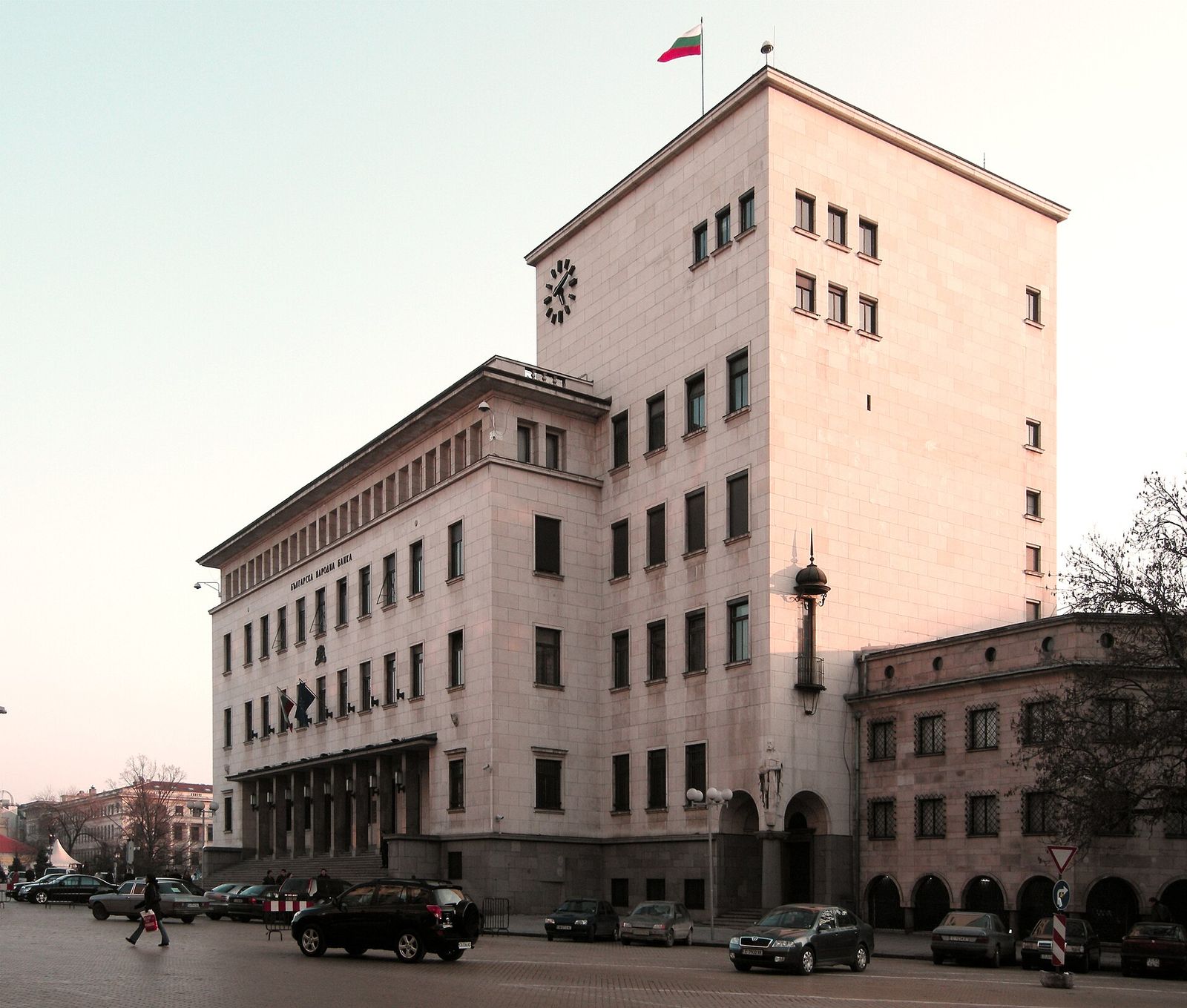
The reliable option is the Bulgarian National Bank. It swaps lev banknotes and coins for euros free of charge with no deadline, at its head office in Sofia and at cash offices in Sofia, Plovdiv, Burgas, Varna and Pleven. Since the rate is fixed, you lose nothing to the exchange.
Cards or cash in Sofia
In Sofia, a card covers almost everything. Restaurants, hotels, supermarkets, chain shops, gas stations and the city's transport machines all take cards, contactless is standard, and Apple Pay and Google Pay are widely accepted. Visa and Mastercard work everywhere that takes cards, and American Express less often.
Once you leave the main streets, cash still matters, so keep a modest amount on you. These are the places I'd expect to need it:
- Markets and produce stalls, where fruit, cheese and honey sellers deal in cash, including at Zhenski Pazar, Sofia's open-air produce market.
- Small taxis flagged in the street, especially independent ones outside the big companies.
- Villages and family guesthouses, once you leave the cities behind on a day trip or a road trip.
- Monasteries, where the entry ticket, the candles, the small museum and the parking lot often want coins. Rila Monastery is the classic example on a day trip from Sofia.
- Public toilets, parking machines and small bakeries, the little everyday purchases.
For a few days in the city, about €50 to €100 in cash between two people covers these. Top up before you head into the mountains or the villages, where cash machines get scarce.
ATMs in Bulgaria
The ATM you pick decides how much each withdrawal costs. Machines from Bulgaria's big banks charge a foreign card little or nothing, while private operators such as Euronet and B-Pay charge far more and push their own currency conversion.
| ATM | Fee per withdrawal | Cost of taking out €200 |
|---|---|---|
| Bank machines: DSK, UniCredit Bulbank, Raiffeisenbank, Postbank | About €0 to €3 | About €2 |
| Euronet, B-Pay and other private machines | About €3.50 to €7.50 | Close to €17 with its conversion |
That €17 at a private machine is a fee of about €7 plus about €10 lost when you accept its on-screen conversion. Drawing larger sums less often means paying the fee fewer times.
Always pay in euro
When an ATM or a card terminal asks whether you want to pay in your home currency, say no and pick euro, every time. That prompt is dynamic currency conversion, and its exchange rate costs you about 3 to 5% on the spot. Choosing euro leaves the conversion to your own bank, which is almost always cheaper.
If your bank charges for foreign withdrawals or card payments, a travel card such as Revolut or Wise gives a fairer conversion.
Exchanging money in Sofia
Most visitors have no reason to change money at all. If you come from another euro country, you already have the right cash, and from anywhere else a bank ATM gives you a fair rate in a minute.
The exchange bureaus at the airport run about 3 to 5% worse than the market, and the "0% commission" windows on tourist streets make their money on a poor rate. Street money changers are illegal, and their trick is sleight of hand with the notes, so you walk away with less than you agreed.
What things cost in Sofia
Bulgaria is still one of the cheapest countries in the EU, and these prices are why Sofia on a budget is an easy trip to plan. The figures are 2026 prices in euros.
| Item | Price |
|---|---|
| Metro, tram or bus ride | €0.80 |
| Public transport day card | €2 |
| Espresso from a street coffee machine | About €0.50 to €1 |
| Banitsa from a bakery | About €1 to €2 |
| Half-liter of beer in a bar | About €2 to €3.50 |
| Mid-range cocktail | About €8 to €12 |
| Rakia, 50 ml in a bar | About €4 to €6 |
| Taxi, 5 km across the center by day | About €5.25 |
| Taxi from the airport to the center | About €13 to €15 |
| Prepaid SIM with 12 GB of data | About €6 |
Most travel eSIM stores still price their fixed-data Bulgaria plans in US dollars, so a SIM card or eSIM for Bulgaria may be the one trip cost you see in another currency.
Did the euro make Bulgaria more expensive?
Barely. The European Central Bank's review of the changeover put the effect at about 0.3 to 0.4 percentage points on January 2026 inflation. On a €10 restaurant bill, that comes to 3 or 4 cents.
Tipping in Bulgaria
Tipping is modest. In restaurants, about 10% is normal for good service, and I'd leave it in cash even when you pay the bill by card.
Tipping in Bulgaria is lightest in taxis, where rounding the fare up is enough, so keep a few coins for the taxis in Sofia you flag in the street, which often want cash anyway.
Key takeaways
- Bulgaria uses the euro, at a fixed 1.95583 leva to €1, and shops have not taken lev cash since 1 February 2026.
- Cards work almost everywhere in Sofia, but carry about €50 to €100 in cash between two people for markets, small taxis and monasteries.
- Use bank ATMs and skip Euronet and other private machines, which charge about €3.50 to €7.50 a withdrawal.
- Always choose euro, never your home currency, at ATMs and card terminals.
- Swap old leva for free at the Bulgarian National Bank.
Frequently asked questions
Does Bulgaria use the euro?
Yes, Bulgaria has used the euro since 1 January 2026, as the 21st member of the euro area. Every price, card terminal and ATM works in euros, and the lev is no longer accepted in shops.
What is the currency of Bulgaria called?
The currency of Bulgaria is the euro. Until the end of 2025 it was the Bulgarian lev, plural leva, divided into 100 stotinki, and you still see lev prices in older guides.
How much is €100 in Bulgaria?
€100 is simply €100 in Bulgaria, since the country uses the euro, and in old money it equals 195.58 leva. It goes a long way in Sofia: the airport taxi at about €15 and a week of €2 transport day cards still leave about €70.
Can I still pay with leva in Bulgaria?
No, shops stopped accepting lev cash on 1 February 2026. You can swap old leva for euros free of charge at the Bulgarian National Bank, and at commercial banks until 31 December 2026, possibly for a fee.
Should I bring cash to Bulgaria?
Bring a card and get some euro cash from a bank ATM when you arrive. About €50 to €100 between two people covers markets, small taxis and monasteries for a few days in the city.
Are credit cards accepted in Sofia?
Yes, Visa and Mastercard work almost everywhere in Sofia, and contactless and phone payments are standard. American Express is accepted less often.
What is the exchange rate between the lev and the euro?
The rate is fixed at 1.95583 leva to €1 and will never change. To convert an old lev price, divide it by 1.95583, or roughly halve it.
Sofia Travel Tips: What I'd Tell You Before a First Trip to Bulgaria
Sofia is easy once you know a few rules. What I'd tell a friend about visas, the euro, taxis and getting around.
Read the guide
Sofia Itinerary: 1 to 5 Days
Sofia fits its best sights into a walkable center. The day-by-day plan I'd follow for 1 to 5 days, with prices.
Read the guide
Best Time to Visit Sofia
Sofia has four real seasons. The months I'd pick for walking, hiking, skiing and saving money, with the weather.
Read the guide