The National Historical Museum in Sofia: A Visitor's Guide
The National Historical Museum is the largest museum in Bulgaria, with more than 650,000 objects in a former government residence at the foot of Vitosha. Its halls run from Neolithic pottery to the bell that rang in the People's Republic in 1946. This guide has the 2026 ticket prices and opening hours, the bus and taxi out to Boyana, and the halls I'd see first if time is short.
The National Historical Museum at a glance
The National Historical Museum building and its history
The museum was founded in 1973, and its first big exhibition went up in 1984 inside the Palace of Justice on Vitosha Boulevard, for the 1,300th anniversary of the Bulgarian state. In 2000 it moved to Boyana, into House No. 1 of the state residence where communist leader Todor Zhivkov once lived. The new exhibition opened on 29 June 2000.
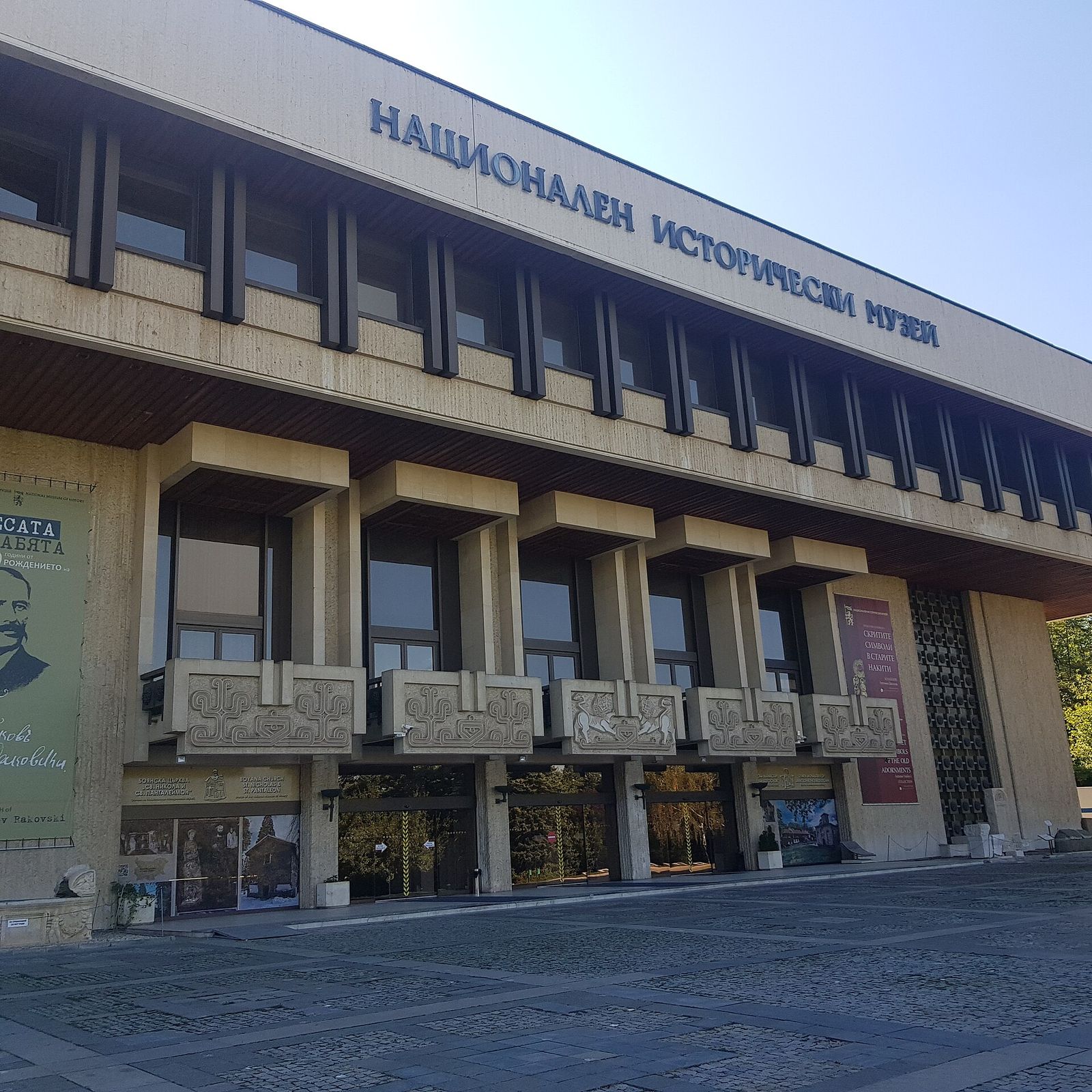
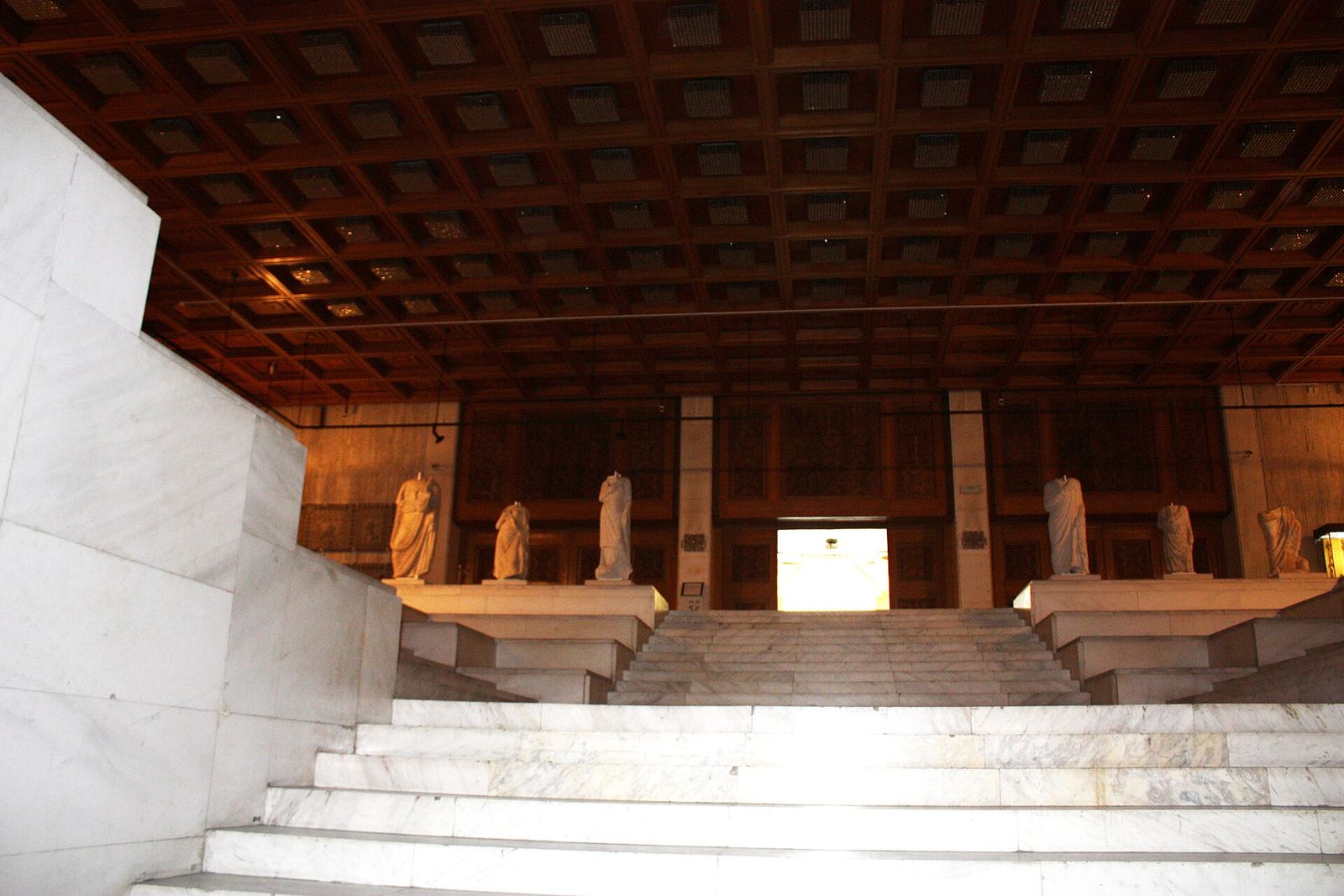
The building is 1970s Brutalism: long, low, heavy concrete with deep window bands. Inside you climb a wide marble staircase lined with ancient statues, and from some of the halls you look straight out at Vitosha. Around it lie the wooded grounds of the old residence.
Only about 10% of the collection is on show at any time, and the rest of the 650,000 objects stays in the museum's stores. The museum also has a cloakroom, a cafe, a library and a souvenir shop.
How to get to the National Historical Museum
The museum is not on the metro, and it sits on the southern edge of the city at 16 Vitoshko Lale Street in Boyana. The two practical ways out are bus 63 and a taxi. Bus 63 serves the museum from the city, and a single ride costs €0.80 when you tap a contactless card, with a daily cap of €2. A taxi from the center takes 20 to 25 minutes in normal traffic.
| How | Time from the center | Notes |
|---|---|---|
| Taxi | 20 to 25 minutes | The easiest way, and the best one in bad weather |
| Bus 63 | Longer, with the walk to the stop | Cheapest; tap a contactless card on board |
| On foot from Boyana Church | 25 to 30 minutes | About 2 km downhill through Boyana |
Getting around Sofia is mostly a matter of the metro, but Boyana is one of the corners where the bus or a cab makes more sense. For the ride back, order a taxi through a company app a few minutes before you leave the halls.
Tickets, opening hours and free days
Tickets are sold at the desk inside, and you pay in euros, in cash or by card. Individual visitors do not need to book: you turn up, buy a ticket and walk in. Groups of 10 or more get a lower price per person.
| Ticket | Price in 2026 |
|---|---|
| Adult | €9 |
| Retirees and visitors over 65 | €3 |
| Pupils and students | €2 |
| Adult with children | €3 per adult |
| Children over 7 with a parent | €2 |
| Groups of 10 or more | €6 per person |
| Preschool children | Free |
The museum has no weekly closing day, which makes it one of the few big museums in Sofia that opens on Mondays. From 1 April to 30 September it is open from 9:30 AM to 7 PM, and from 1 October to 31 March from 9:30 AM to 6 PM. The ticket desk closes 45 minutes before the doors, at 6:15 PM in summer and 5:15 PM in winter. The only days it shuts are 1 January, Easter Sunday and 24 and 25 December.
The adult price of €9 puts it at the top end of the best museums in Sofia, level with the Red Flat. For a family, though, the special rate of €3 per adult and €2 per child over 7 makes it one of the better deals in the city.
What to see at the National Historical Museum
The permanent exhibition runs in time order, hall by hall, from prehistory in Hall 1 to the Third Bulgarian Kingdom in Hall 5, with the ethnography, coin and Antarctica rooms alongside.
| Hall | Period | What to look for |
|---|---|---|
| Hall 1 | 6th to 2nd millennium BC | Prehistoric pottery and finds |
| Hall 2 | Early Iron Age | The rise of the Thracians |
| Late Antiquity | The late Roman centuries | Finds from the Roman provinces |
| Hall 3 | The medieval Bulgarian state, 7th to 14th century | Early Cyrillic inscriptions, the two Bulgarian empires |
| Hall 4 | Ottoman rule, 15th to 19th century | The National Revival collection |
| Ethnography | Folk culture | Costumes, jewelry, calendar holidays |
| Hall 5 | The Third Bulgarian Kingdom, 1879 to 1946 | The first Constitution, the 1908 independence decree |
| Hall 8 | Apollonia | The Greek colony that became Sozopol on the Black Sea |
| Coins | 6th century BC to 19th century AD | Thracian, Greek, Roman and Bulgarian coinage |
| Antarctica | Since 2012 | Bulgaria's research base in Antarctica |
Besides the Panagyurishte gold, the collection takes in the Valchitran and Dabene treasures and part of the Rogozen Treasure. Temporary shows change through the year, and 2026 has brought one for the 150th anniversary of the April Uprising and one on the Neanderthals of Bacho Kiro Cave.
The Panagyurishte Treasure
This is the piece most people come for. The Panagyurishte Treasure is a set of nine Thracian gold vessels, a little over 6 kg of gold in all, found on 8 December 1949 by three brothers near the town of Panagyurishte. It includes an amphora, a phiale (a shallow libation dish), jugs and rhytons, the horn-shaped drinking vessels of the ancient world.
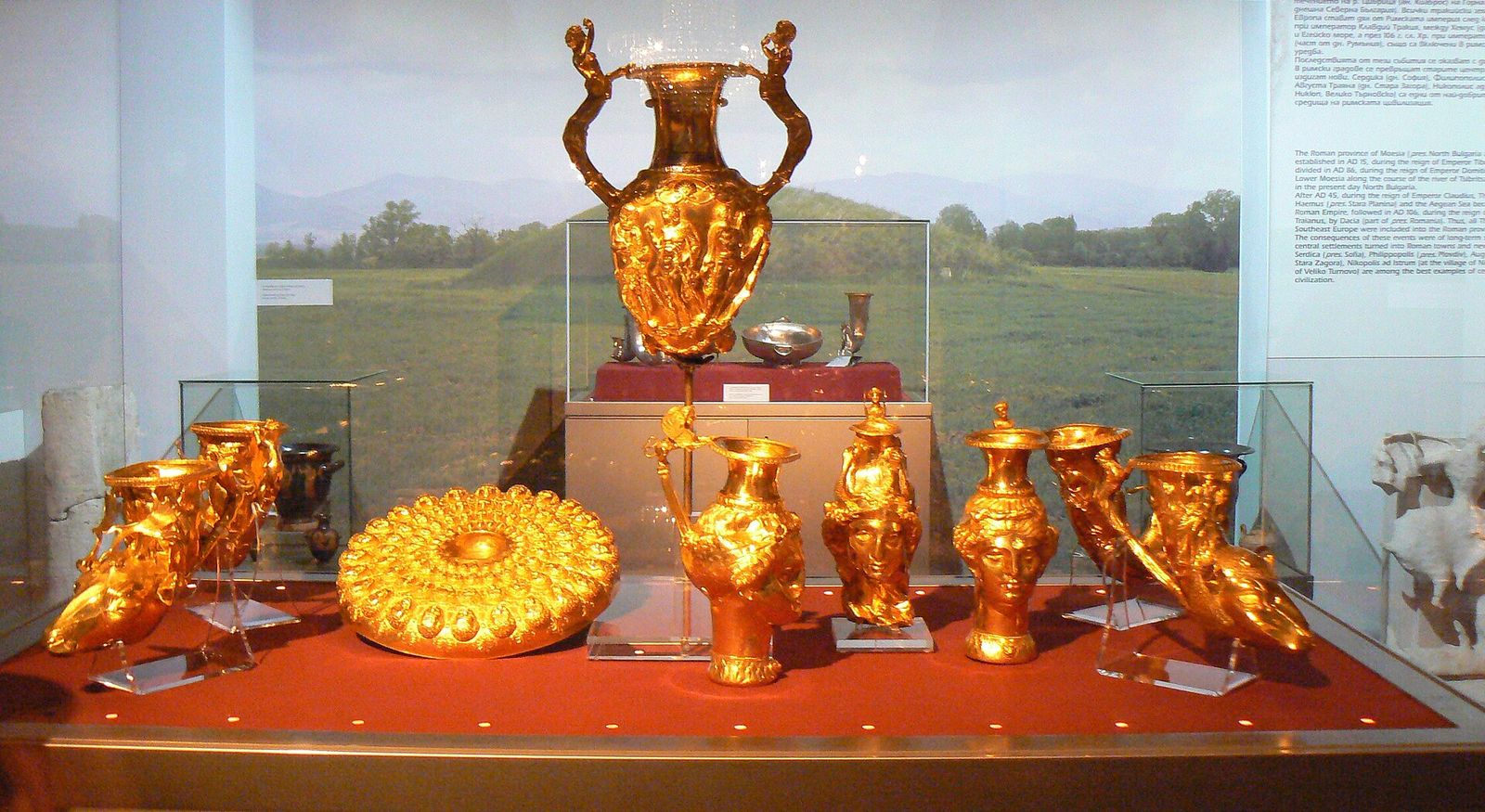
The gold travels. It has been lent to exhibitions abroad and to other Bulgarian museums, and when the originals are away the case holds replicas. If the treasure is the reason for your trip, ask at the ticket desk which version is on show that day before you pay.
The medieval hall
Hall 3 covers the medieval Bulgarian state from the 7th to the 14th century, from the first khans to the fall of the Second Bulgarian Empire. It is the hall I'd give the most time after the gold, because it explains why Bulgarians care so much about this period: the alphabet, the church and the two empires all come from here.
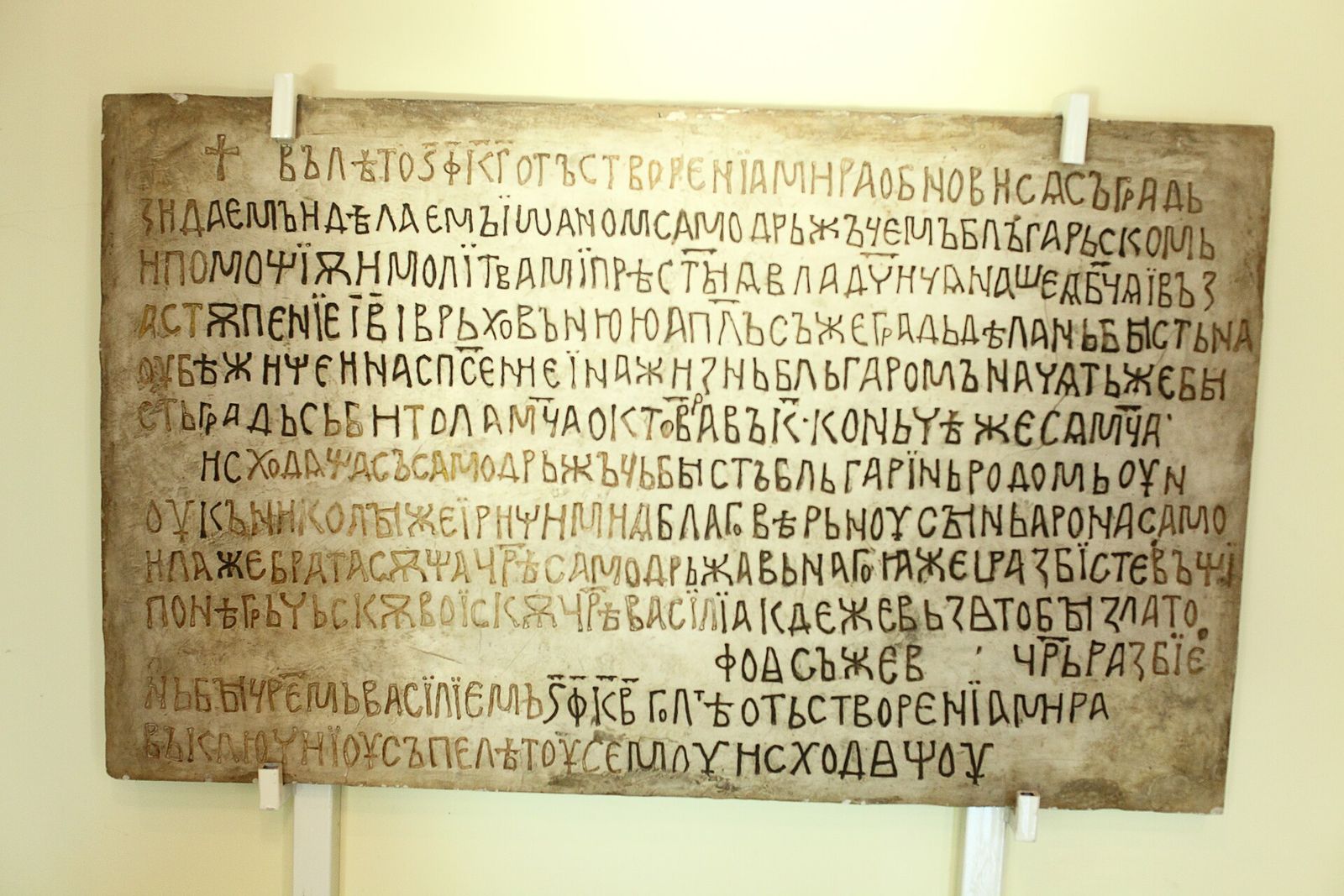
Look for the inscriptions carved in early Cyrillic, among them a marble copy of the one Tsar Ivan Vladislav had cut in 1016, whose original is in Bitola. Cyrillic took shape in medieval Bulgaria, it is still the alphabet on every street sign in Sofia, and it is the thread through the medieval part of Bulgaria's history.
The Ottoman centuries and the Third Bulgarian Kingdom
Hall 4 takes you through five centuries of Ottoman rule and the National Revival of the 18th and 19th centuries. Hall 5 then covers the Third Bulgarian Kingdom from 1879 to 1946. This is where the museum keeps Bulgaria's first Constitution, the 1908 decree that declared the country independent and the bell from Parliament that signaled the start of the People's Republic in 1946.
The ethnography hall is the most colorful room in the building, with ornate folk costumes and jewelry. The everyday customs behind them, from name days to the martenitsa, fill a good part of Bulgarian culture today, and this hall shows where they came from. The coin hall spans 25 centuries, from the 6th century BC to the 19th century AD, and the Antarctica room covers Bulgaria's research base on the ice.
How long to spend and how to plan the visit
Give it about 2 hours. You can see the highlights in an hour, but the halls are spread out, the English labels are thin and the layout can be confusing, so I'd decide in advance which rooms you want.
Bulky backpacks and large bags go to the cloakroom, and food and drink are not allowed in the halls. The museum cafe is the place for a coffee break between the medieval and the modern rooms. On a wet or cold day this is one of the best ways to spend a morning, and it is a natural pick for Sofia in winter, when the mountain above it is under snow.
Children get in for €2 if they are over 7 and free if they are younger, which makes it a cheap family outing. I'd keep a visit with younger kids to the gold, the costumes and the coins, then take them out into the wooded grounds. For Sofia with kids, a morning here plus the gardens around Boyana Church is one of the easier days to plan.
Boyana Church and the museum in a half day
Boyana Church is a branch of the National Historical Museum, about 2 km away in the same district. It is a UNESCO-listed medieval church with frescoes from 1259, and the walk between the two takes 25 to 30 minutes.
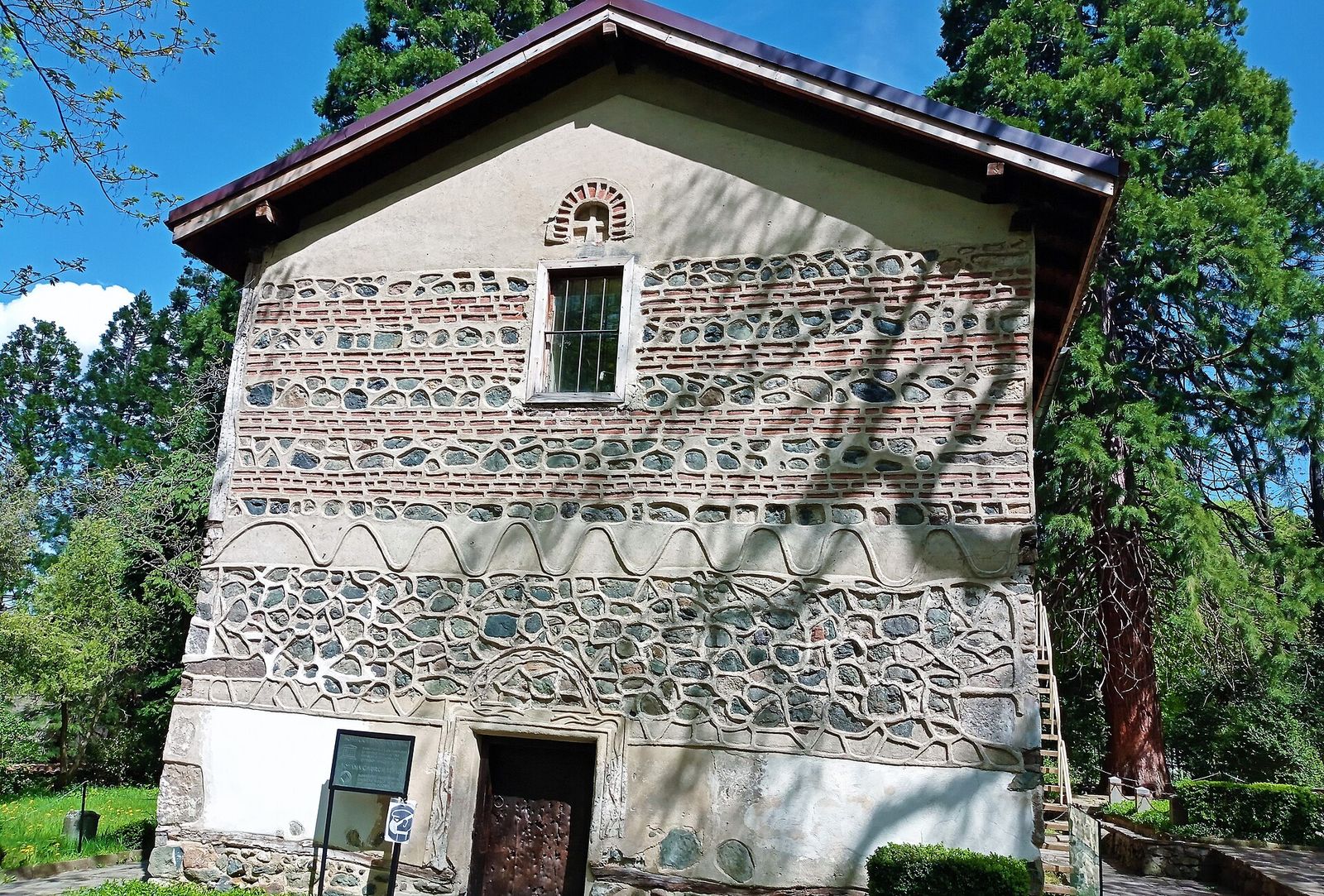
Visits to the church last 10 minutes, with at most 9 people inside at once, and an individual ticket costs €10. Boyana Church runs on timed slots, while the museum lets you walk in whenever you like, so plan the day around the church.
If you have a full day, add Vitosha Mountain after lunch. Boyana sits right at its foot, and bus 66 climbs to Aleko hut from Vitosha metro station. Boyana Church, this museum and Vitosha make up the third day of my Sofia itinerary, all of it by metro and bus.
Is the National Historical Museum worth it?
Yes, if you have 3 days or more and a real interest in Bulgarian history. It is the only place that tells the story from the Neolithic to 1946 under one roof, and the Panagyurishte gold alone justifies the trip. On a 1 or 2-day visit I'd pick the National Archaeological Museum in the center instead, which needs no taxi and covers the Thracian and Roman story in 1.5 to 2 hours.
It suits:
- History lovers. The medieval hall and the Third Kingdom rooms hold the founding documents of modern Bulgaria.
- Families. Two adults and two children over 7 pay €10 in all, with preschoolers free.
- Anyone visiting Boyana Church. The museum is 2 km away and makes the trip out to Boyana worth half a day.
- Monday visitors. The Palace, the Museum of Socialist Art and Earth and Man all close on Mondays, and this museum stays open.
Skip it if:
- You only have one day in Sofia. The trip out and back eats an hour you could spend in the center.
- You want 20th-century communist history. The statues and propaganda of 1944 to 1989 live at the Museum of Socialist Art, and this museum's permanent exhibition ends in 1946.
With Boyana Church, the half day costs €19 in tickets plus €2 in fares. Students pay €2 here and €3 at the church, so the pair fits Sofia on a budget for €5 in tickets.
Key takeaways
- The National Historical Museum is the largest museum in Bulgaria: 650,000 objects, about 10% of them on show.
- Adult tickets cost €9, retirees €3 and students €2, and the museum opens daily from 9:30 AM.
- It is in Boyana, off the metro, so take bus 63 or a 20 to 25 minute taxi.
- See the Panagyurishte Treasure and the medieval hall first, and ask at the desk whether the gold on show is original.
- Pair it with Boyana Church, its branch 2 km away, for a half day.
Frequently asked questions
How much is the National History Museum in Sofia?
An adult ticket costs €9 in 2026. Retirees and visitors over 65 pay €3, pupils and students €2, and adults with children pay €3 each, with €2 for children over 7.
Is the National Historical Museum in Sofia open on Mondays?
Yes, it opens every day of the week. It closes only on 1 January, Easter Sunday and 24 and 25 December, which makes it a good Monday plan when most other Sofia museums are shut.
Can I just turn up to the National History Museum?
Yes. Individual visitors buy a ticket at the desk, in cash or by card, and walk straight in.
How do I get to the National History Museum in Sofia?
Take bus 63 or a taxi from the center, which takes 20 to 25 minutes. The museum is in Boyana, south of the city and off the metro, and it is a 25 to 30 minute walk from Boyana Church.
How long do you need at the National Historical Museum?
Plan on about 2 hours. An hour covers the Panagyurishte Treasure, the medieval hall and the Third Kingdom rooms, but the halls are spread out and the English labels are thin.
Is the Panagyurishte Treasure at the National History Museum original?
Sometimes. The originals belong to the museum's collection but travel to exhibitions in Bulgaria and abroad, and replicas fill the case while they are away. Ask at the ticket desk which version is on show that day.
What is the National Historical Museum in Bulgaria known for?
It is known as the largest museum in the country and for its Thracian gold, above all the Panagyurishte Treasure. It also keeps Bulgaria's first Constitution, the 1908 independence decree and a big collection of folk costumes.
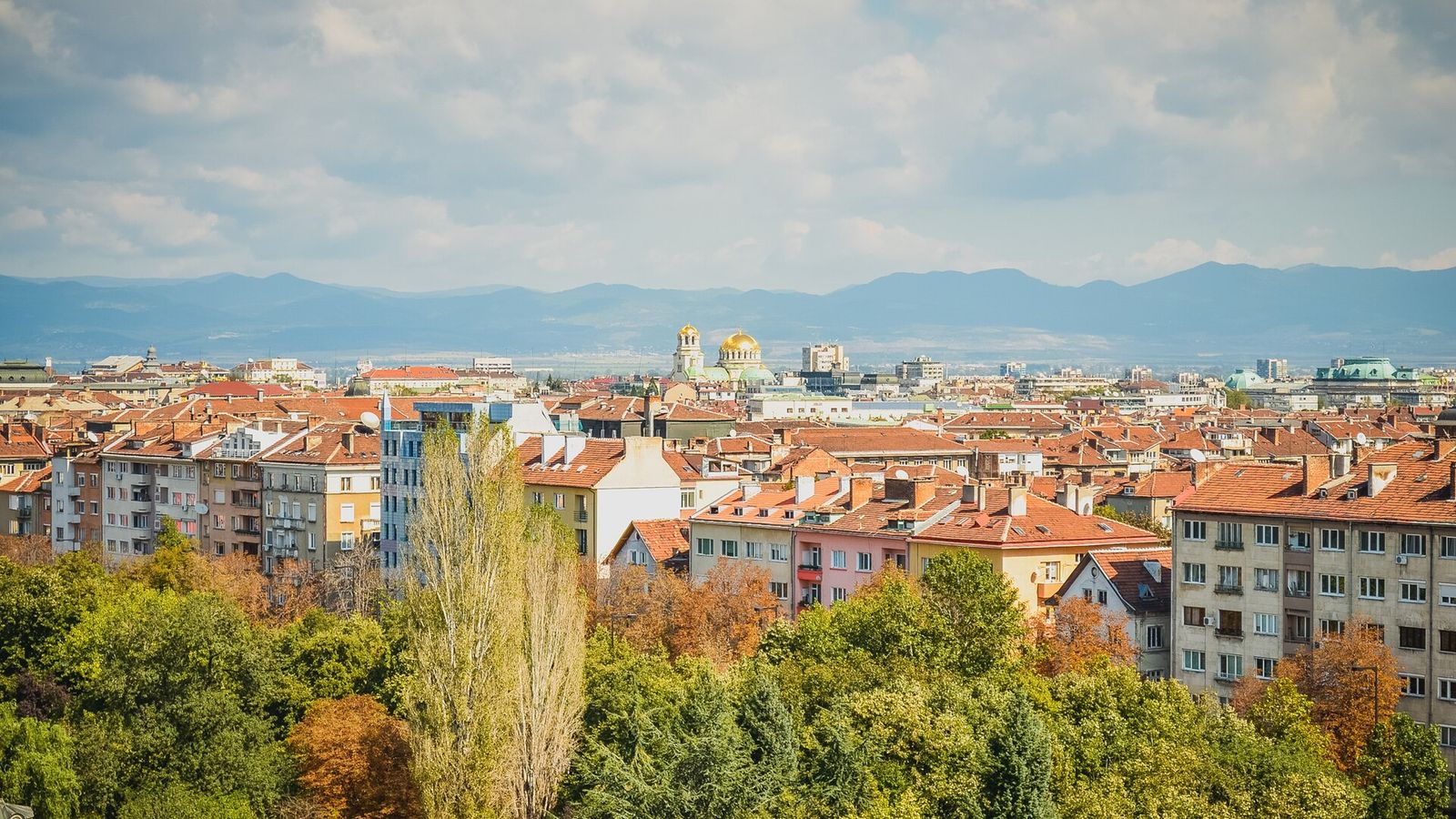
25 Best Things to Do in Sofia in 2026
Sofia packs 2,000 years into a walkable center. The 25 sights, museums, foods and day trips I'd put first, with prices.
Read the guide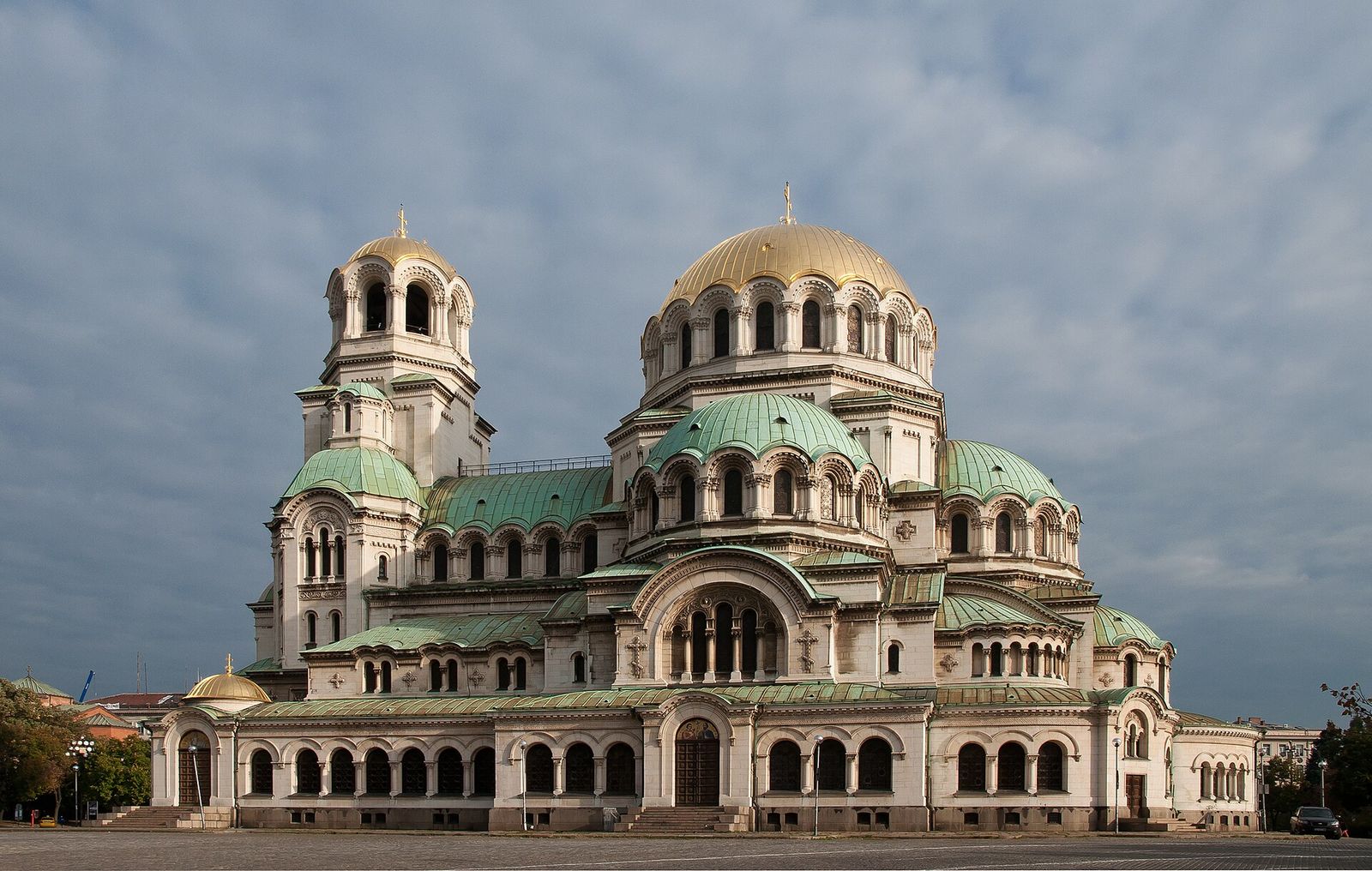
Alexander Nevsky Cathedral in Sofia: A Visitor's Guide
Sofia's gold-domed landmark is free to enter. Here is its story, what to see inside, the crypt museum and when to go.
Read the guide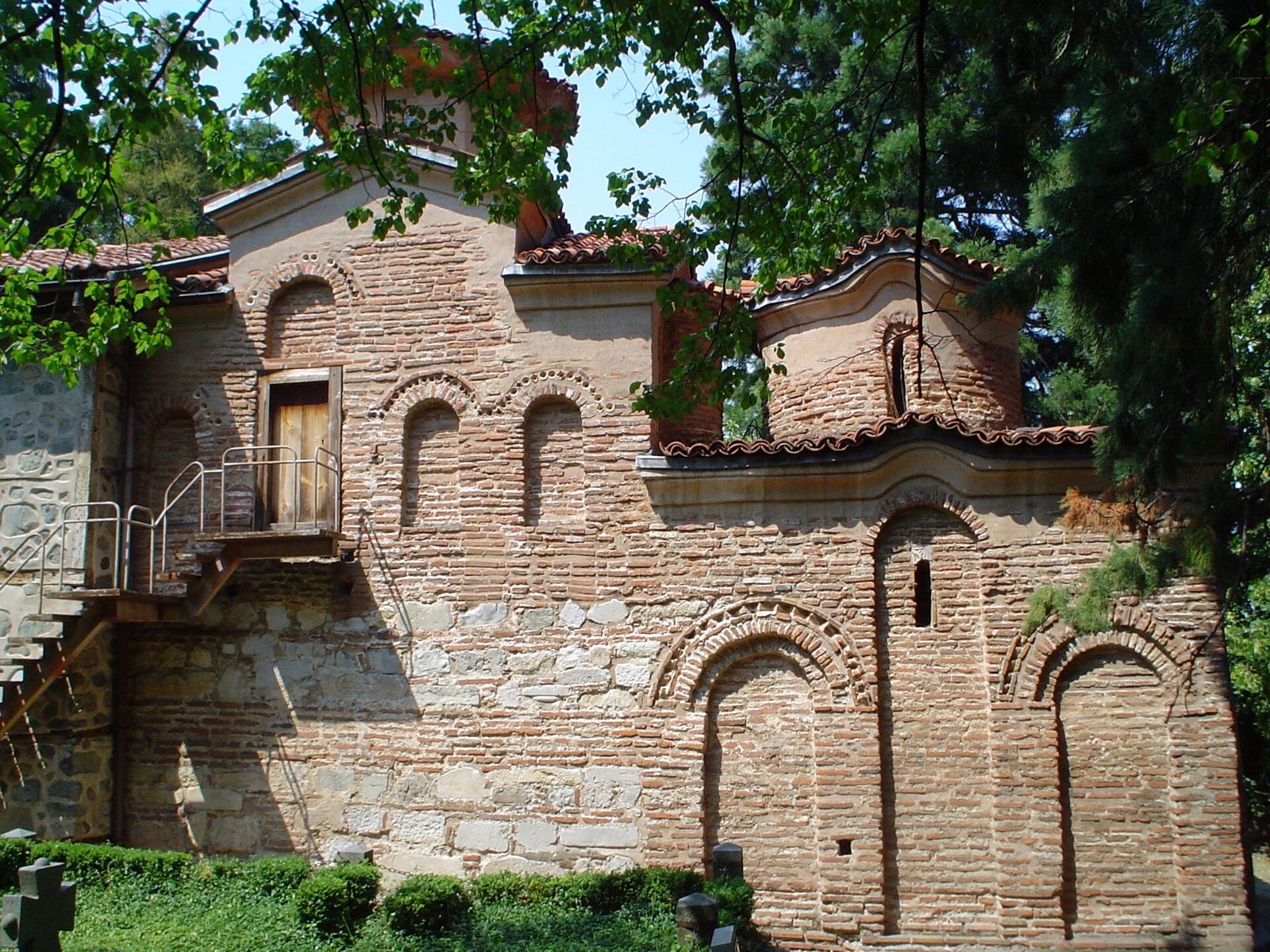
Boyana Church: Visiting Sofia's UNESCO Frescoes
A tiny UNESCO church under Vitosha with frescoes from 1259. Tickets, time slots, the bus out and what to find inside.
Read the guide