Belogradchik Rocks and Fortress: A Trip from Sofia
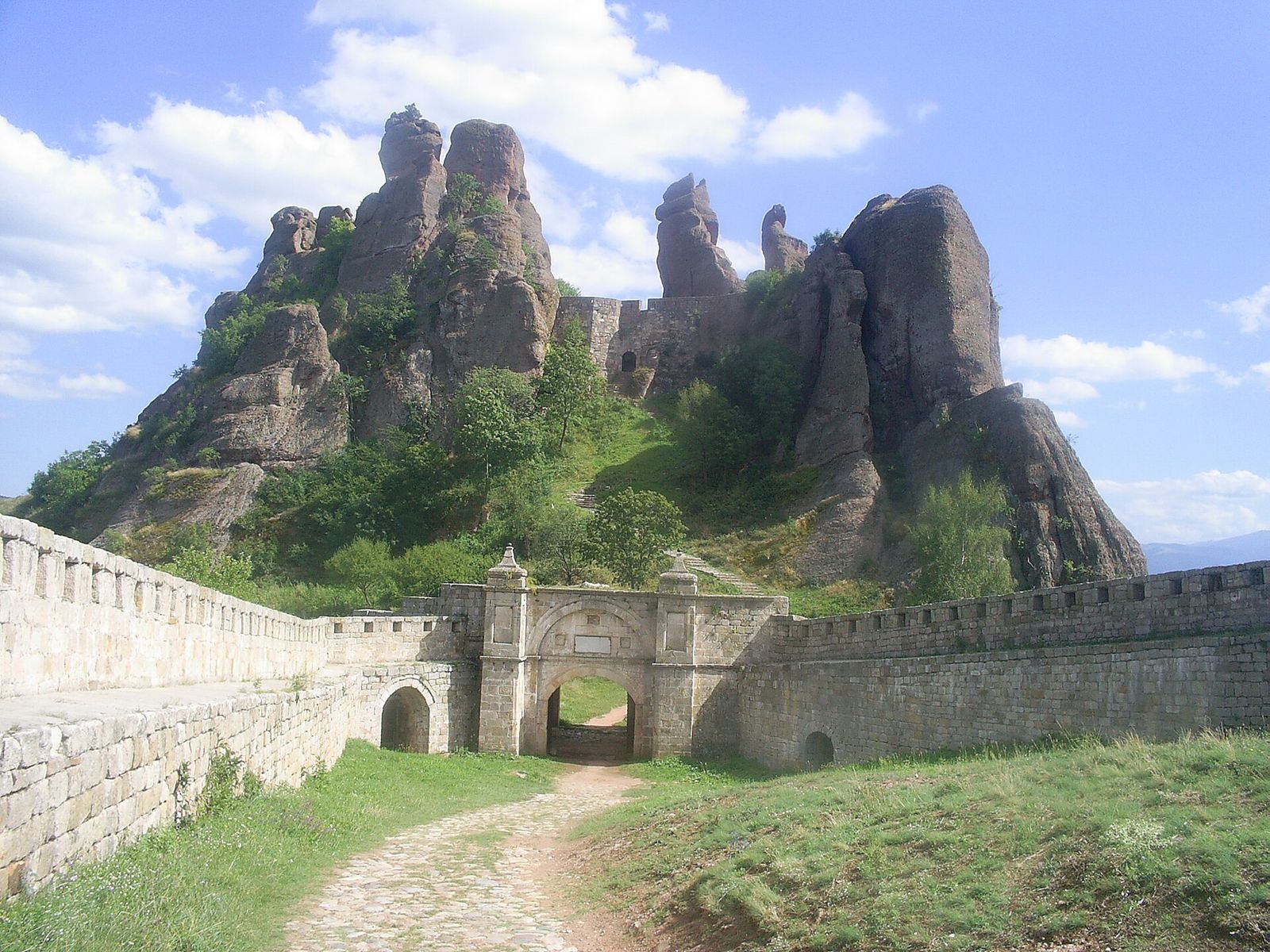
Belogradchik is a small town in the far northwest of Bulgaria, about 170 km from Sofia, where red sandstone towers up to 200 m tall rise behind the houses and a fortress uses them as its walls. Here is what the rocks and the Kaleto fortress are, how to get there by car, bus or train, what the ticket costs, and what I'd add nearby.
Belogradchik at a glance
Belogradchik sits on the western slopes of the Balkan Mountains, close to the Serbian border and 50 km south of Vidin on the Danube. The rocks start at the edge of town, and the fortress, which locals call Kaleto, is a short walk up from the center.
What the Belogradchik Rocks are
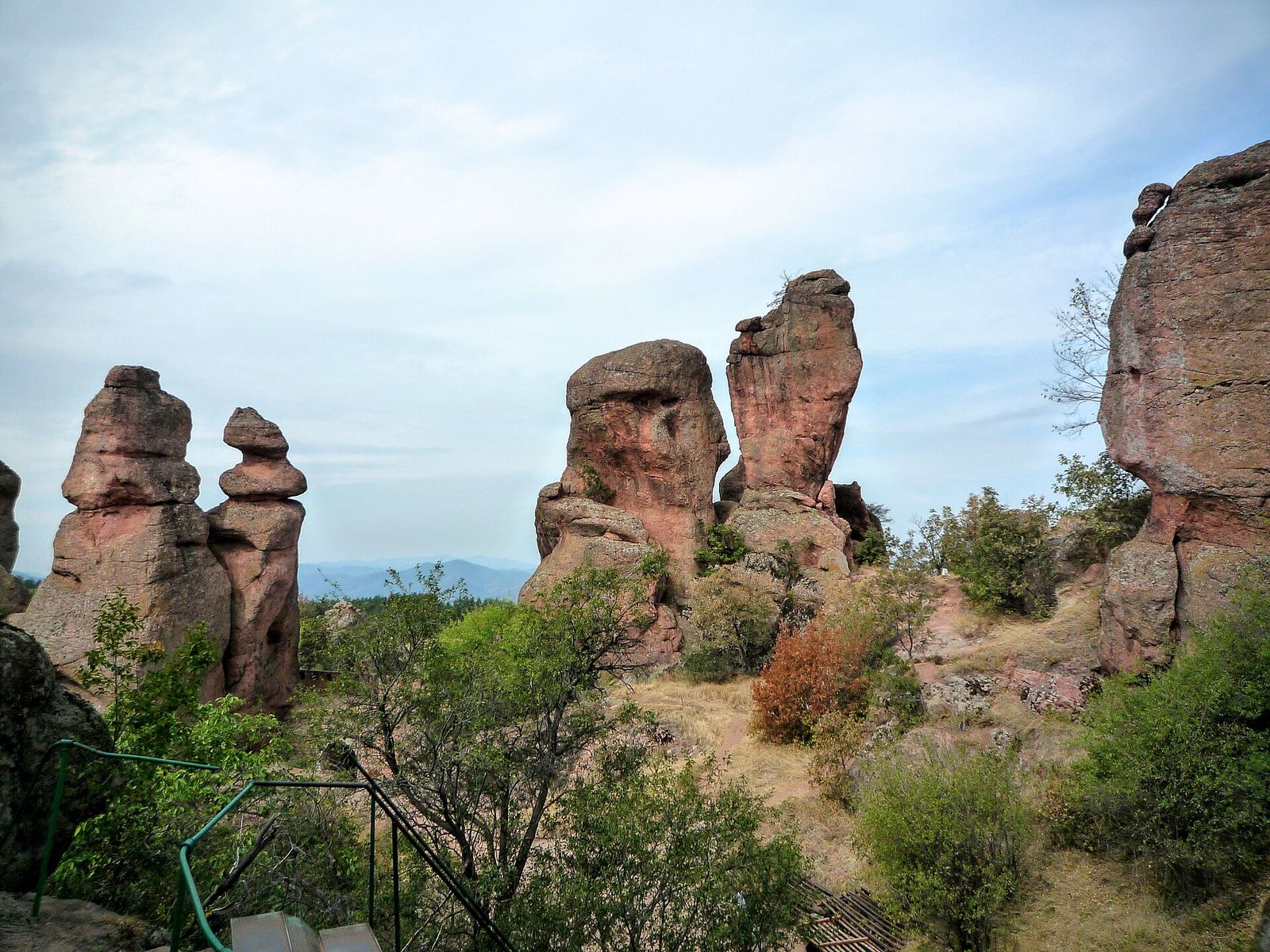
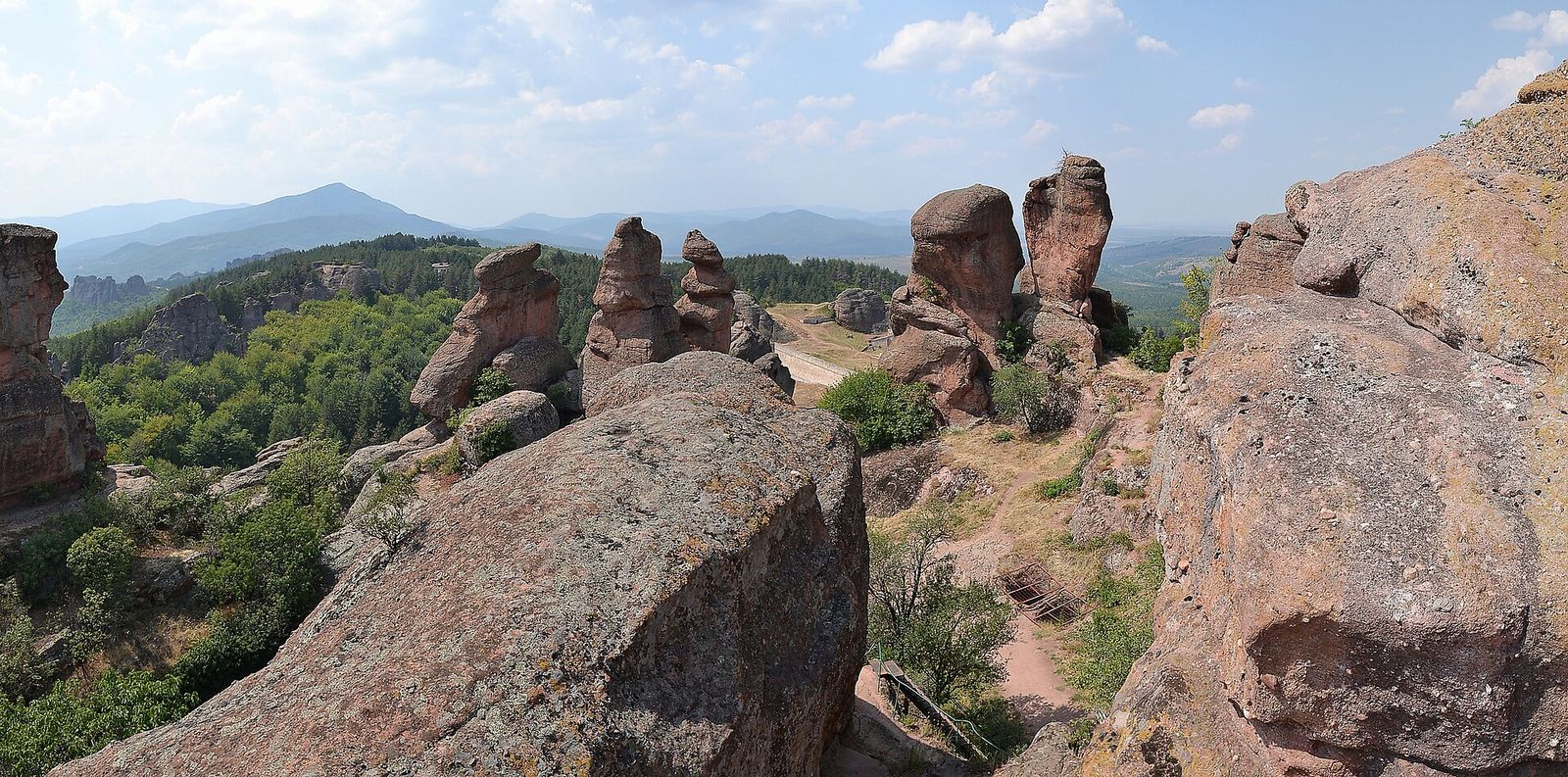
The Belogradchik Rocks are towers of sandstone and conglomerate that run along the western Balkan Mountains for about 30 km, from the village of Rabisha in the west to Belotintsi in the east. They cover about 50 square km, and the tallest reach 200 m. Iron oxide in the stone gives them their rusty red color, which fades to yellow in places.
Their story began about 230 million years ago, and later, in the Triassic, this corner of Bulgaria became the floor of a shallow sea. Gravel, sand and clay piled up there in thick layers that hardened into conglomerate and sandstone. Surface water then wore the layers down from above, cutting them into the separate pillars you see now.
The rocks were declared a natural monument in 1949 and went on Bulgaria's tentative list for UNESCO in 1984, together with Magura Cave. In 2009 they were the country's entry for the New 7 Wonders of Nature. They are also the only place in the world where a rare local hawkweed, Hieracium belogradcense, grows.
The central group, the one most visitors see, stands just south of the town and around the fortress.
The named rocks and their legends
Locals have named the rocks after what they look like, and two groups of them share a legend each. In the legend of the Madonna, a beautiful nun fell in love with a young horseman on a white horse and had his child. When the monks sent her and the baby into exile, a sudden storm broke and turned the nun, the horseman and the monks to stone.
| Rock | Who or what it is | The story it belongs to |
|---|---|---|
| The Madonna | A woman bending over a child | The nun cast out of the monastery |
| The Horseman | A rider on his horse | Her lover, riding to her on a white horse |
| The Monks | A group of hooded figures | The monks who judged her |
| The Schoolgirl | A young girl | A girl in love with a young smith, trapped in the rocks |
| The Dervish | A hunched figure | The jealous dervish who chased her |
| The Bear | A bear | The bear that blocked her way |
| Adam and Eve, the Mushrooms, the Camel, the Lion | Their shapes | Named for what they look like |
I'd read the Madonna story before you go. It ties 3 of the rocks together, and once you know it the figures are much easier to pick out.
Belogradchik Fortress (Kaleto)
Kaleto is the reason most people make the trip. Its builders set their walls into the gaps between the rock towers, so on two sides the defenses are cliffs up to 70 m high, and the fortress needed walls only on its northwest and southeast sides.
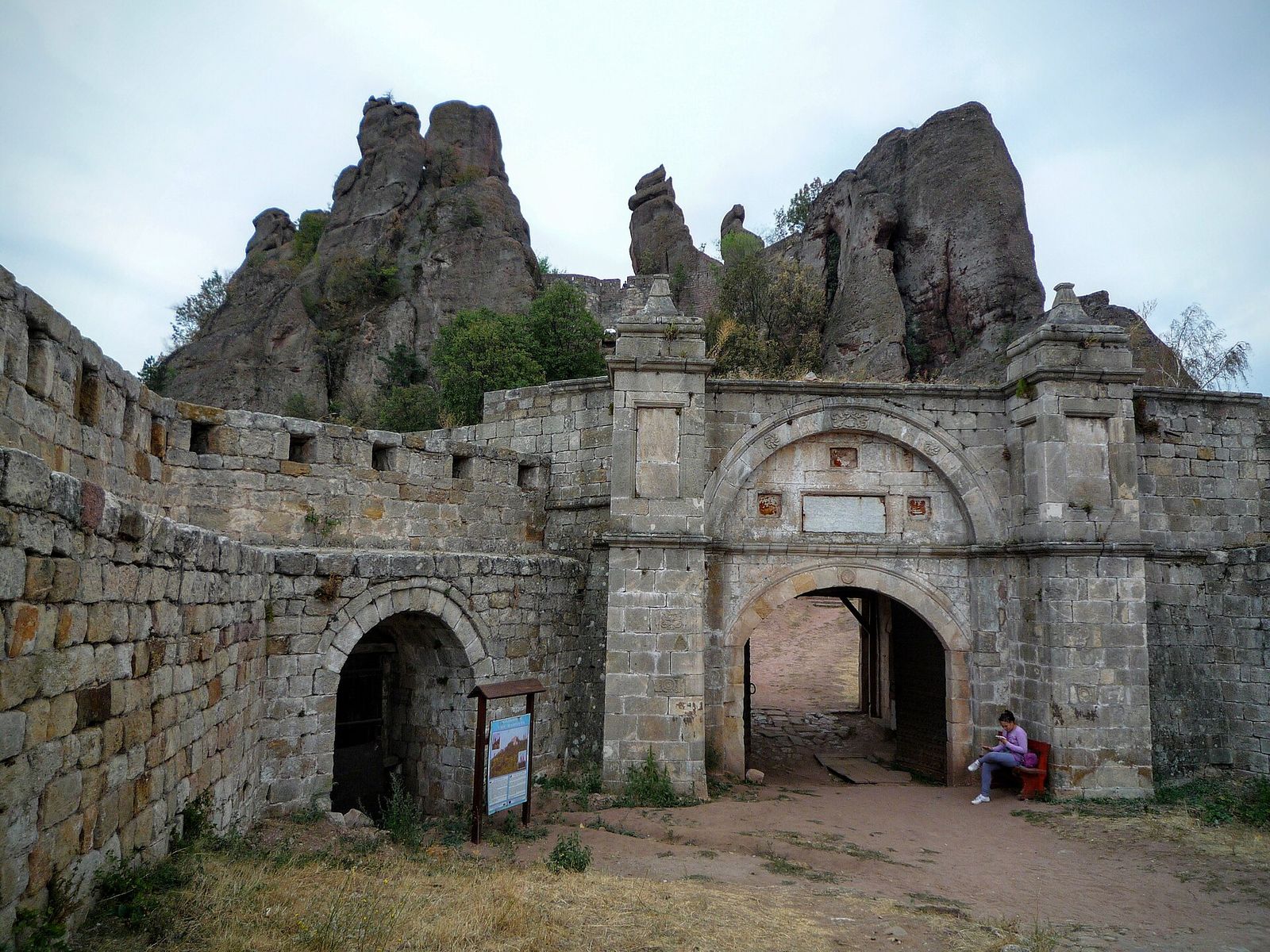
The Romans built the first fort here in the 3rd century. In the 14th century Tsar Ivan Sratsimir of the Vidin kingdom strengthened it with inner walls, stone staircases and rope bridges, and it became his second stronghold after Baba Vida in Vidin. The Ottomans took it around 1396. Most of what you see today comes from their rebuild between 1805 and 1837, when French and Italian engineers added the gun platforms.
The Ottomans used the fortress to crush the local peasant uprising of 1850. After the liberation of 1878, a turning point of Bulgarian history, it saw one last fight in the Serbian-Bulgarian war of 1885, when a Serbian attack was beaten back below its walls.
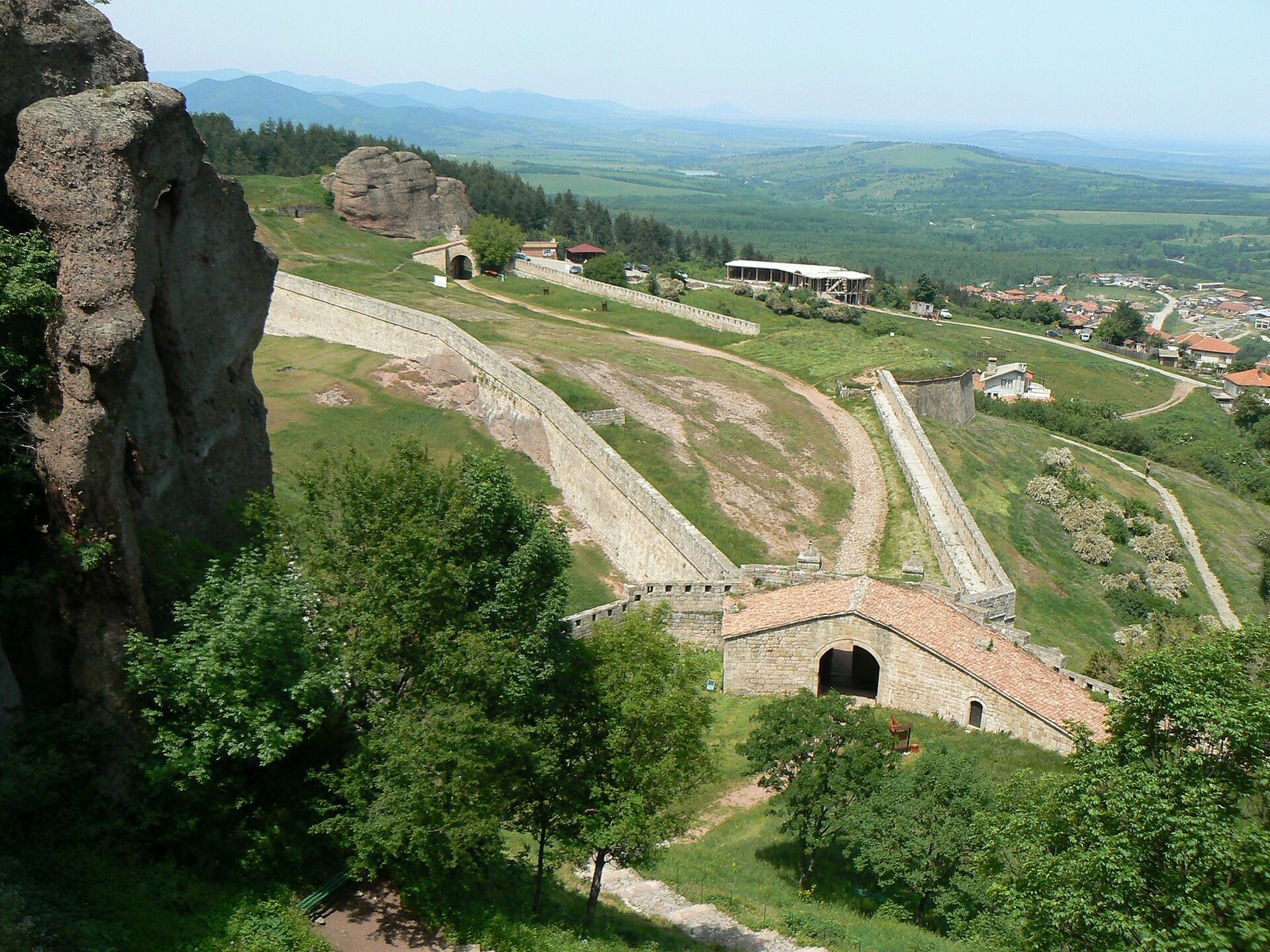
Inside, the fortress covers just over 10,000 square meters in 3 courtyards, each with its own gate. The lower walls are up to 12 m high and more than 2 m thick. You walk in through the first gate and climb through the second and third, and higher up the walls give way to bare rock.
The climb to the top
From the upper courtyard, cut steps and steep metal ladders run up the rock pinnacles to a small platform near the top. The view takes in the town, the rock field and the plain rolling toward the Danube, and it costs nothing extra once you are inside.
I'd do the climb on any dry day: it is the one part of Belogradchik I'd never leave out.
Tickets, opening hours and parking
An adult ticket costs about €4, students pay about €2 and pensioners about €2.50. A combined ticket that adds Magura Cave and the town museums costs about the same €4, so buy that one if the cave is on your plan.
| Months | Opening hours |
|---|---|
| January to March | 9:00 to 17:00 |
| April | 9:00 to 18:00 |
| May | 9:00 to 19:00 |
| June to August | 9:00 to 20:00 |
| September | 9:00 to 19:00 |
| October | 9:00 to 18:00 |
| November and December | 9:00 to 17:00 |
Parking in front of the entrance is a one-off fee of about €1.30 per car, and there is a public toilet by the gate. The ticket desk also offers an audio guide in English, Bulgarian or Romanian.
How to get to Belogradchik from Sofia
By car
Driving is the easy answer, at about 3 hours each way. The shorter road crosses the Balkan Mountains over the Petrohan pass. The other way follows the Hemus motorway to Vratsa and then runs on through Montana; it is longer but takes about the same time. With a car, Magura Cave and Vidin fit into the same trip.
By bus
One direct bus a day runs from Sofia Central Bus Station. It leaves in the late afternoon, around 4:30 PM, and takes about 4 hours, so there is no way to get there and back in one day. From the bus stop in Belogradchik it is about a 15-minute walk up to the fortress. Melnik has the same single daily bus, and the two are the trips from Sofia where buses across Bulgaria catch people out most.
By train
Belogradchik has no station of its own. Trains on the Sofia to Vidin line stop at Oreshets, about 10 km east of town, after 4 to 4.5 hours, and a taxi covers the last stretch. It is the slowest way in, and I'd only pick it if you enjoy long rides on Bulgarian trains.
From Vidin
Vidin, on the Danube, is 50 km north, with regular buses through the day that take about an hour. If you are coming from Romania across the river, or already traveling along the Danube, this is the natural way in.
| Route | Time each way | How often | Good to know |
|---|---|---|---|
| Car from Sofia | About 3 hours | Any time | Via the Petrohan pass, or via Vratsa and Montana |
| Bus from Sofia | About 4 hours | 1 a day, late afternoon | No same-day return |
| Train from Sofia | 4 to 4.5 hours to Oreshets | On the Sofia to Vidin line | Then about 10 km by taxi |
| Bus from Vidin | About 1 hour | Regular, through the day | 50 km |
Magura Cave
Magura Cave is 25 km from Belogradchik, near the village of Rabisha, and it is the other big sight of the region. The cave runs for 2.5 km through Rabisha Hill, with one main gallery and 6 halls. The largest, the Arc Hall, is 128 m long, 58 m wide and 21 m high, big enough for concerts at Christmas and Easter.
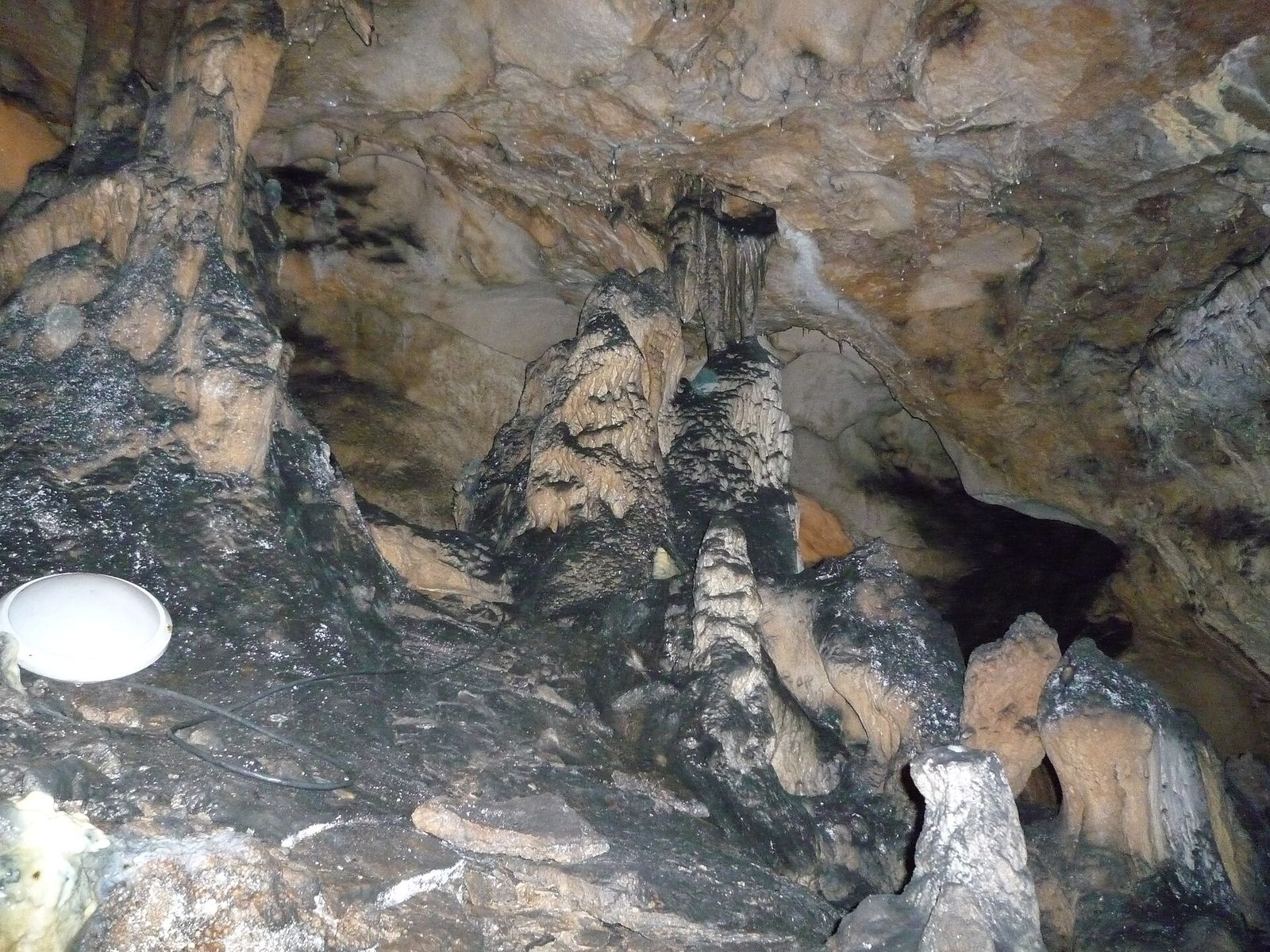
The reason to go is the wall paintings. More than 750 images, painted with bat guano, show dancers, hunters, animals and a group of Bronze Age signs that has been read as a solar calendar. They date from the late Stone Age to the early Bronze Age. You see them only on a guided visit, because the cave had no protection before 1993 and some of the drawings were scratched and vandalized.
The cave stays at about 12°C all year, so bring a layer even in August. The bats that live there today belong to 4 species, and bones of cave bears and cave hyenas have been found inside.
More to see near Belogradchik
Near the rocks, the Borovitza winery keeps old Gamza vines alive, and Gamza, a light red, is the grape of the Danube Plain wine region that runs along the north of the country. The Sofia Opera has also taken summer performances out to the rocks.
Baba Vida Fortress in Vidin
Baba Vida is a medieval fortress on the bank of the Danube in Vidin, the main stronghold of Ivan Sratsimir's kingdom, so seeing it with Kaleto gives you the two ends of the same medieval defense line.
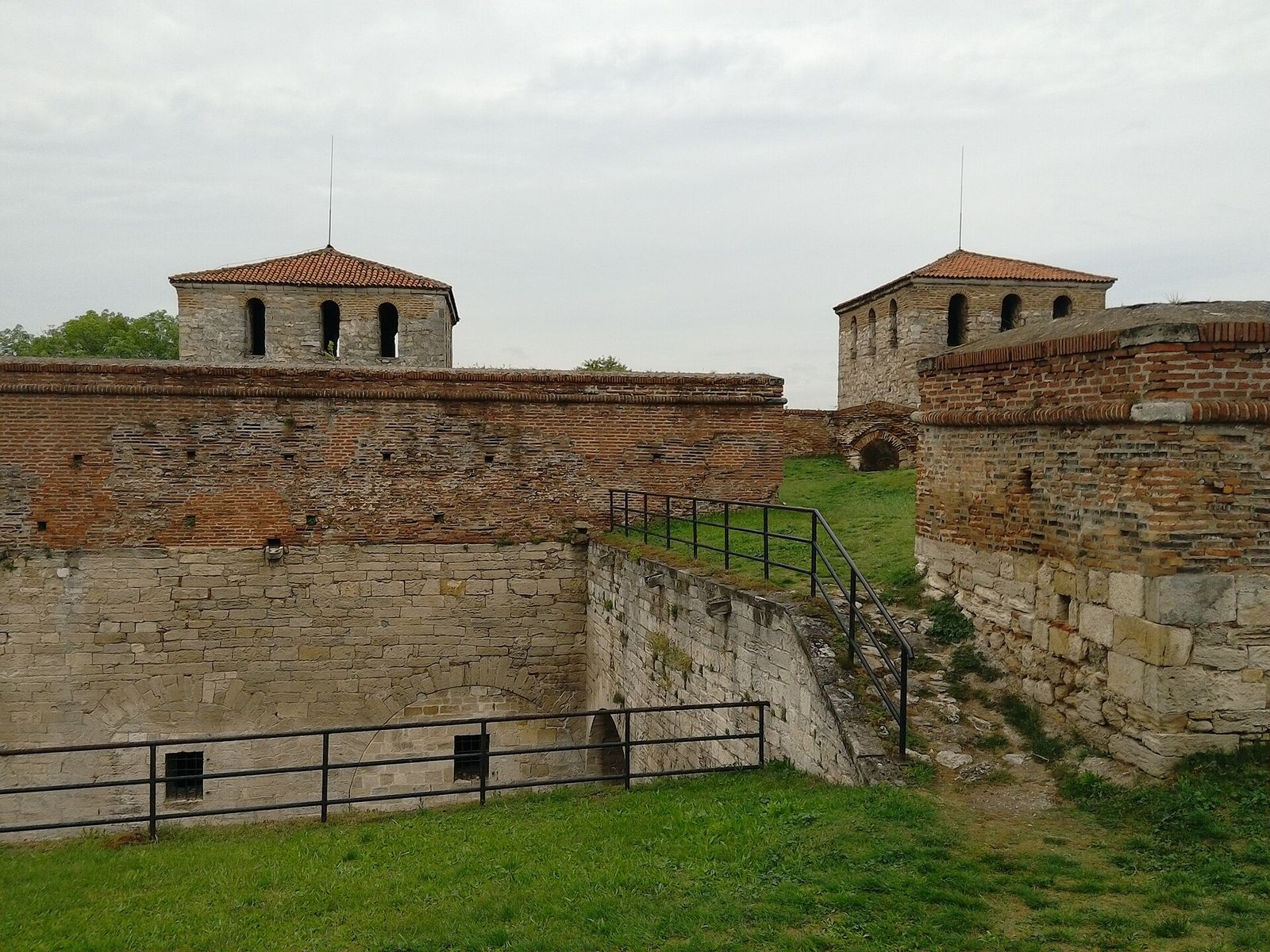
Kaleto in the morning and Baba Vida in the afternoon fit into one day, by car or on the bus from Belogradchik.
Best time to visit Belogradchik
April and May, or September and October, are the months I'd pick: mild days, long light and no heat coming off the bare rock. July and August get hot on the exposed courtyards and ladders, and the busiest time of the week is a summer Saturday afternoon. On a weekday you have far more of the fortress to yourself. Late May and September also fall in the best months for Sofia, so a trip then gives you the city and the rocks in good weather.
Day trip or overnight: how long to stay
By car, Belogradchik works as a long day from Sofia: 3 hours there, 2 hours in the fortress, a short drive and an hour at Magura Cave, lunch, then 3 hours back. I'd leave Sofia by 8 AM. It is one of the longest day trips from Sofia, and the one where a night away pays off most.
Without a car, you arrive on the evening bus, so book a room before you leave Sofia.
The town has guesthouses and a few restaurants that serve Bulgarian food, and Pri Ivan is the one I'd try first. Outside town there are small guesthouses, such as Torlashka Shreshta near the village of Varbovo, about 20 minutes' drive away, and the eco village called The Clay Houses.
Is Belogradchik worth it?
Yes, if you have a car or a spare night. Climbing ladders up a rock tower inside a fortress is something no other sight in Bulgaria gives you, and it is why Belogradchik is on my list of the best places to visit in Bulgaria.
It suits:
- Anyone with a car. The fortress, Magura Cave and Vidin fit into one or two days, and the drive over the Petrohan pass is part of the trip.
- Photographers. The red rock in late light, the gate set into the cliffs and the view from the ladders fill a memory card fast.
- History fans. Roman, medieval and Ottoman walls stand in one fortress, and the cave paintings nearby are thousands of years older than all of them.
- Families with older kids. The courtyards and ladders feel like a real castle climb; younger children need a hand at the top.
- Travelers heading to Romania. Vidin and the Danube lie to the north, so Belogradchik fits on the way.
Skip it if:
- You have 2 or 3 days in Sofia and no car. Rila Monastery or Plovdiv give you more for far less time on the road.
- You want wine and old houses more than rocks. Melnik, in the southwest, has both, and its sand pyramids are a second strange landscape in the far southwest.
- You can only go at midday in July or August. The heat on the ladders and the bare courtyards takes most of the fun out of the climb.
Key takeaways
- Belogradchik is about 170 km northwest of Sofia, about 3 hours by car or 4 hours on the one daily bus.
- The Kaleto fortress uses the rock towers as its walls, and an adult ticket costs about €4.
- The ladder climb to the platform near the top gives the best view; allow 1.5 to 2 hours in the fortress.
- Magura Cave, 25 km away, has prehistoric paintings you see on a guided visit.
- Go by car as a long day trip, or take the afternoon bus and stay one night.
Frequently asked questions
Is Belogradchik worth it?
Yes, if you have a car or can stay one night. The red rock towers and the fortress built into them are unlike any other sight in Bulgaria, and Magura Cave nearby adds prehistoric paintings to the same trip.
How far is Belogradchik from Sofia?
Belogradchik is about 170 km northwest of Sofia. The drive takes about 3 hours over the Petrohan pass, and the one direct bus a day takes about 4 hours.
Can you visit Belogradchik as a day trip from Sofia?
Yes, by car, if you leave early. Plan on about 6 hours of driving there and back, so I'd leave by 8 AM; by bus it is impossible in a day, because the only direct bus leaves Sofia in the late afternoon.
How old is the Belogradchik Fortress?
The first fort was built by the Romans in the 3rd century, so the site is about 1,700 years old. It was strengthened in the 14th century, and most of the walls you see today date from the Ottoman rebuild between 1805 and 1837.
How much does Belogradchik Fortress cost?
An adult ticket costs about €4, with students at about €2 and pensioners at about €2.50. A combined ticket with Magura Cave and the town museums costs about the same, and parking is about €1.30.
How long do you need at Belogradchik?
Plan 1.5 to 2 hours for the fortress with the ladder climb. Add about 2 hours for the drive to Magura Cave and the guided visit, and a full day covers both.
How were the Belogradchik Rocks formed?
They formed from gravel, sand and clay that piled up on the floor of a shallow sea in the Triassic and hardened into sandstone and conglomerate. Water then eroded the layers into pillars, and iron oxide in the stone gives them their red color.
What is near Belogradchik?
Magura Cave, with its prehistoric paintings, is 25 km away near Rabisha. Vidin and its Baba Vida fortress on the Danube are 50 km north, and the Borovitza winery near the rocks makes wine from old Gamza vines.
12 Best Day Trips from Sofia by Bus, Train and Car
Bulgaria's top monastery, oldest city and highest peak are a day out of Sofia. The 12 trips I'd pick and how to go.
Read the guide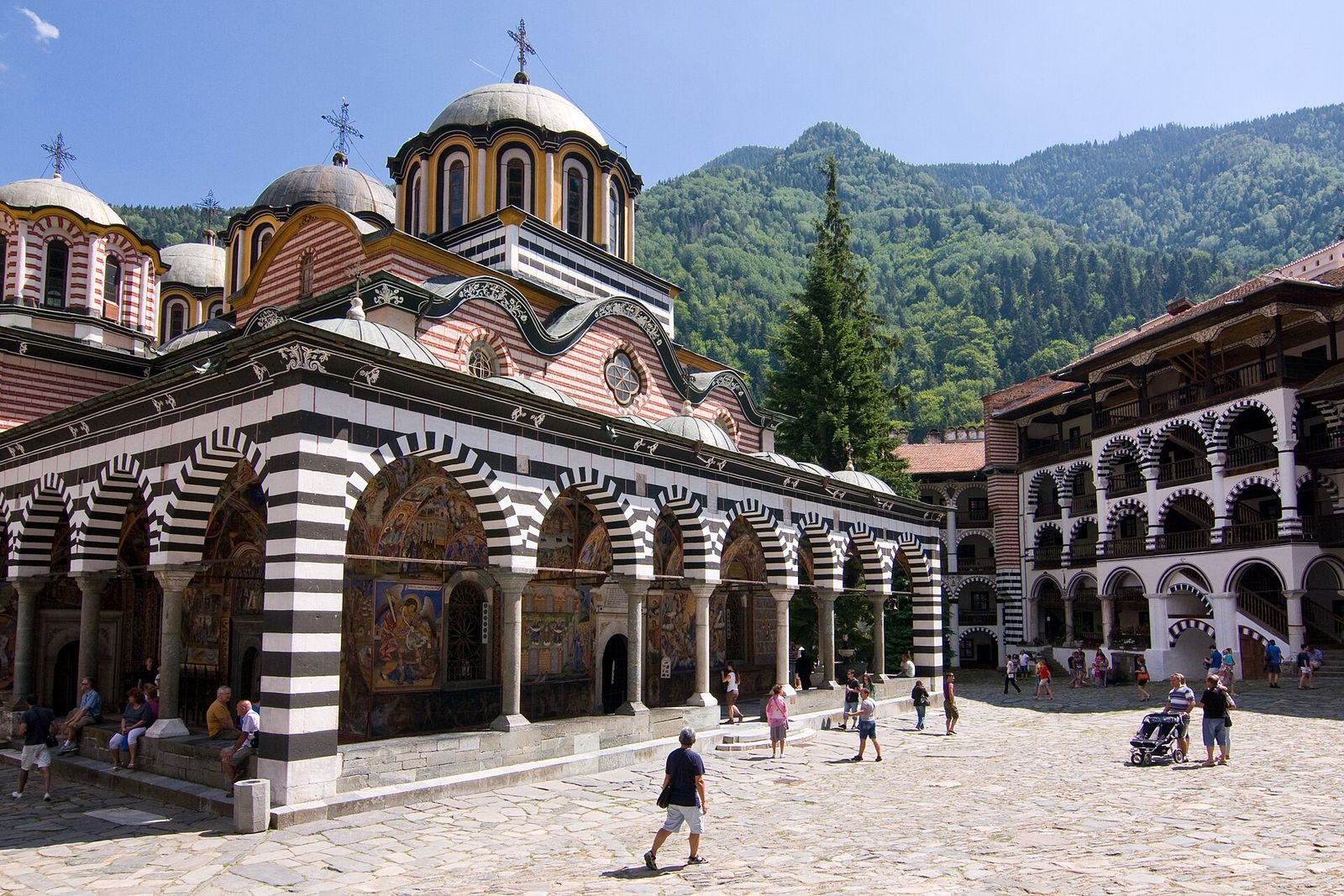
Rila Monastery from Sofia: How to Get There and What to See
Bulgaria's biggest monastery sits two hours from Sofia. How to reach it in 2026, what is free and what to see.
Read the guide
Sofia to Plovdiv: How to Get There and What to See in a Day
Plovdiv is 2 hours from Sofia by bus. Bus, train or car, the last rides home and the day I'd plan there.
Read the guide