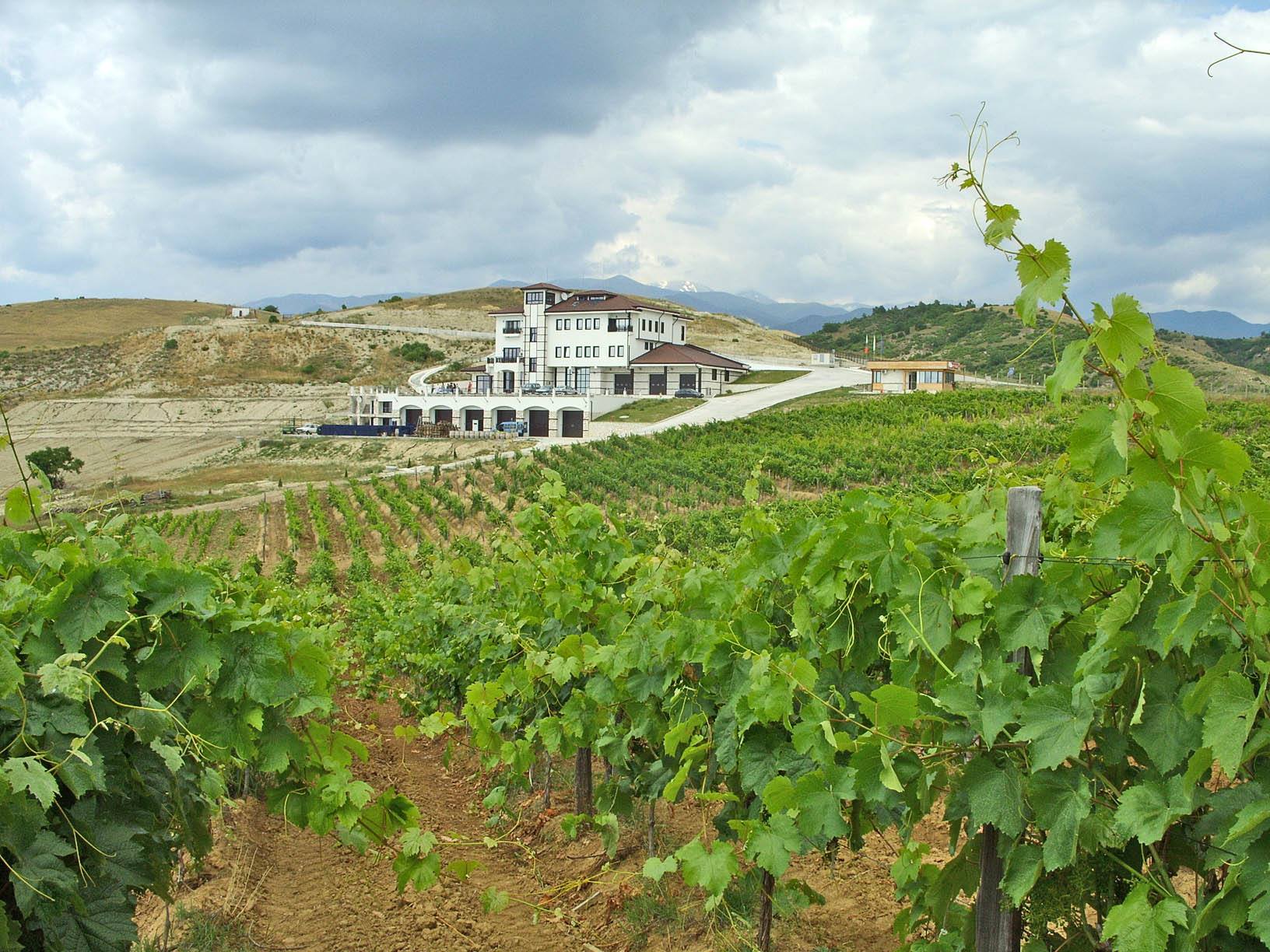
Bulgarian Wine Regions: The 5 Regions and How to Visit
Wine has been made in the Thracian Valley for around 7,000 years, and today Bulgaria has about 60,000 hectares of vineyards. On paper the country has just 2 wine zones, but winemakers still think in 5 regions, from the Danube in the north to Melnik near the Greek border. Here is what each region makes, which wineries to know there and how to reach them from Sofia.
How many wine regions does Bulgaria have?
Bulgaria has 2 official wine regions. They are Protected Geographical Indications, or PGIs, created on 16 August 2005 in the run-up to EU membership: the Danube Plain covers the north and the Thracian Valley, also called the Thracian Lowlands, covers the south. The southern PGI holds about 75% of the vineyards.
Only about 30% of Bulgarian wine is labeled under one of them. Bulgaria also has 52 smaller protected origins, the PDOs, but only 5 or 6 of them ever turn up on labels.
A government decree of 13 July 1960 split Bulgaria into 5 viticultural regions, and those older regions are the ones you will hear about at a tasting.
| Region | Where it is | Climate and style | Grapes to know |
|---|---|---|---|
| Danube Plain | The north, along the Danube | Continental, hot summers | Gamza, Muscat Ottonel, Chardonnay, Pinot Noir |
| Black Sea coast | The east | Long, mild autumns | Dimyat, Varnenski Misket, Traminer, Riesling |
| Rose Valley | The center, south of the Balkan Mountains | Mostly dry and off-dry whites | Red Misket, Muscat, Riesling, Rkatsiteli |
| Thracian Valley | The south, around Plovdiv | Moderate continental, sheltered from north winds | Mavrud, Rubin, Cabernet Sauvignon, Merlot |
| Struma Valley | The southwest, around Melnik | Mediterranean | Broad-leaved Melnik, Melnik 55, Keratsuda |
The Danube Plain wine region
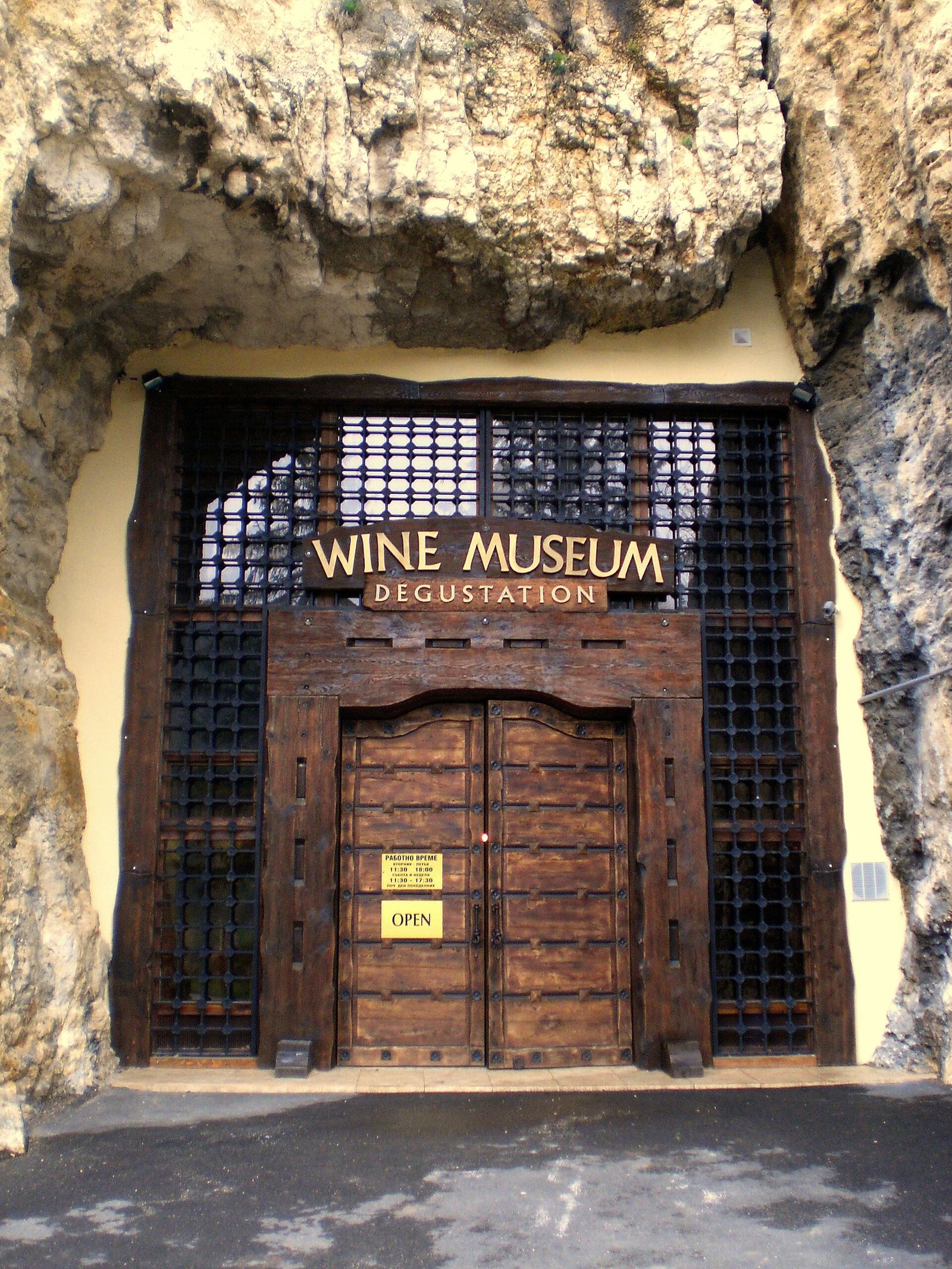
The Danube Plain covers the north of Bulgaria, from the south bank of the Danube to the foothills of the Balkan Mountains. The climate is continental, with hot summers, and the northwest corner is the coolest part of it.
Gamza is the grape of the north. It is the Bulgarian name for Kadarka, a light, Pinot Noir-like red, and its strongholds are the village of Novo Selo near Vidin and the towns of Pleven and Suhindol. The region also grows Muscat Ottonel, Chardonnay, Aligoté, Cabernet Sauvignon, Merlot and Pamid, and its Pinot Noir is some of the best value in Bulgaria.
Pleven is the wine town of the north. Its viticulture institute bred Rubin, a cross of Nebbiolo and Syrah, in 1944, and its Wine Museum is built into a rock face. The names to know in the region are Chateau Burgozone on the Danube, known for Chardonnay and Syrah, Bononia Estate for Gamza, and Borovitza near the Belogradchik Rocks, which keeps old Gamza vines alive. Belogradchik is about 170 km from Sofia, and I'd drive.
The Black Sea coast wine region
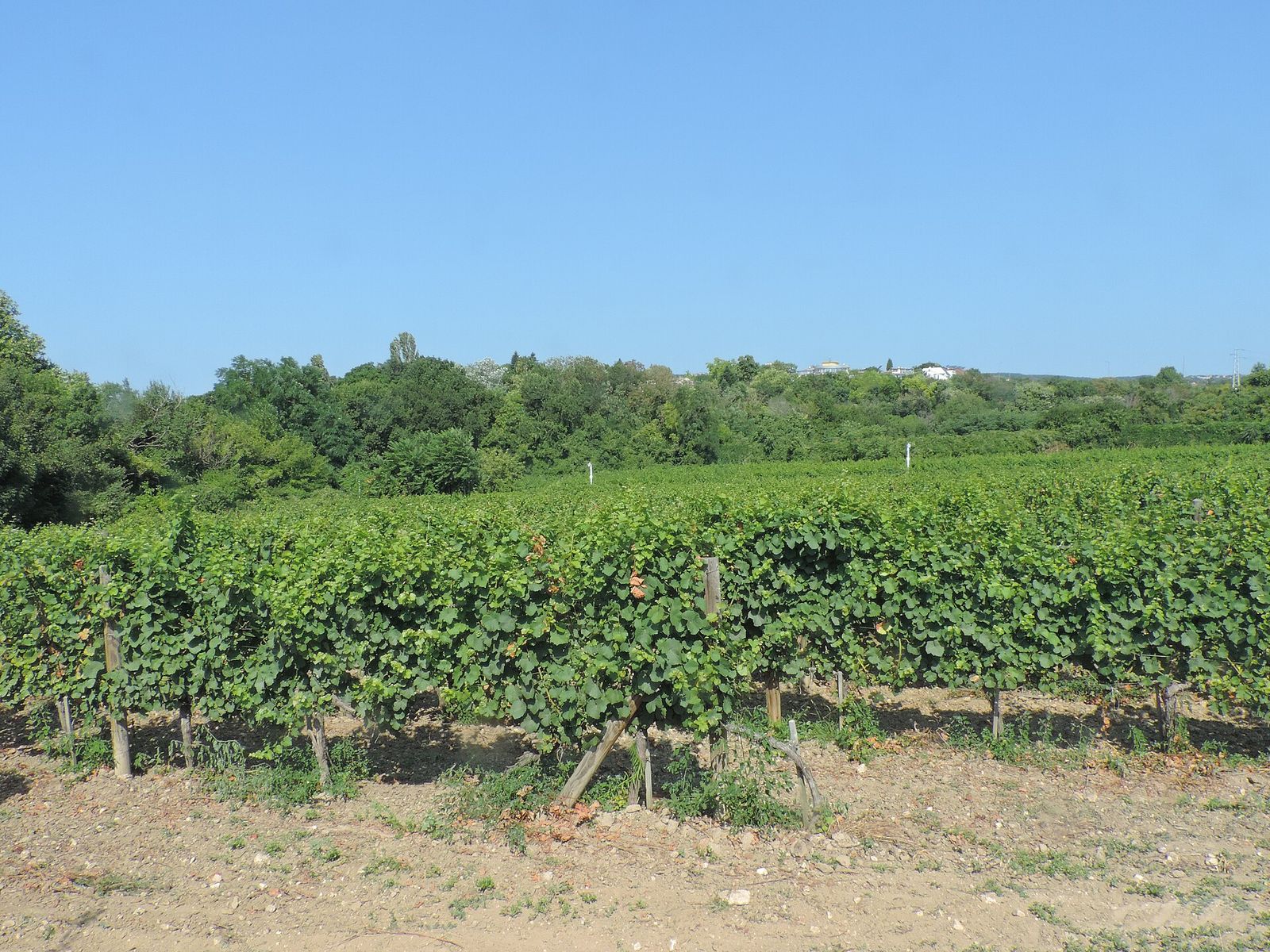
The Black Sea coast is the white wine region. Long, mild autumns let the grapes ripen slowly, and the region holds 53% of Bulgaria's white grape vines. The official map splits it between the two PGIs, which is one reason the old 5-region map makes more sense.
Dimyat is the local white, a grape with a fresh, citrus and saline style, grown around Varna, Shumen, Provadia and Pomorie. Riesling, Traminer, Gewürztraminer, Sauvignon Blanc, Ugni Blanc and Muscat Ottonel grow here too, along with Varnenski Misket, a Bulgarian cross of Dimyat and Riesling.
The wineries to look for are Varna Winery for fresh whites, Black Sea Gold near Pomorie, Odessos for Dimyat, and Clos Bibliothèque near Varna, which makes its Dimyat in clay amphorae. The coast is the farthest region from Sofia, 5 hours or more by road or a 50-minute flight to Varna, so I'd fold the wineries into a summer trip to the Black Sea coast.
The Rose Valley wine region
The Rose Valley, also called the sub-Balkan region, runs along the southern foot of the Balkan Mountains in the center of the country. It is split into an eastern and a western part, and it makes mostly dry and off-dry whites, with fewer reds.
Its eastern part holds the Sungurlare Valley, famous for Red Misket, a grape that makes a dry, aromatic white. The western part is the Rose Valley proper, around Kazanlak, where Bulgaria grows its oil roses. Across the region, the vineyards hold Muscat, Riesling, Rkatsiteli, Cabernet Sauvignon and Merlot.
Midalidare, Angelus and Alexandra Estate are the estates to know in the Rose Valley and the Sredna Gora hills to the south. Kazanlak is also home to a UNESCO-listed Thracian tomb from the 4th century BC, so a wine trip here mixes easily with history.
The Thracian Valley wine region
The Thracian Valley is the heart of Bulgarian red wine. It covers the plain of Upper Thrace along the Maritsa River and part of the Sakar hills in the southeast, and the Balkan Mountains to the north block the cold winds, which gives it a moderate continental climate.
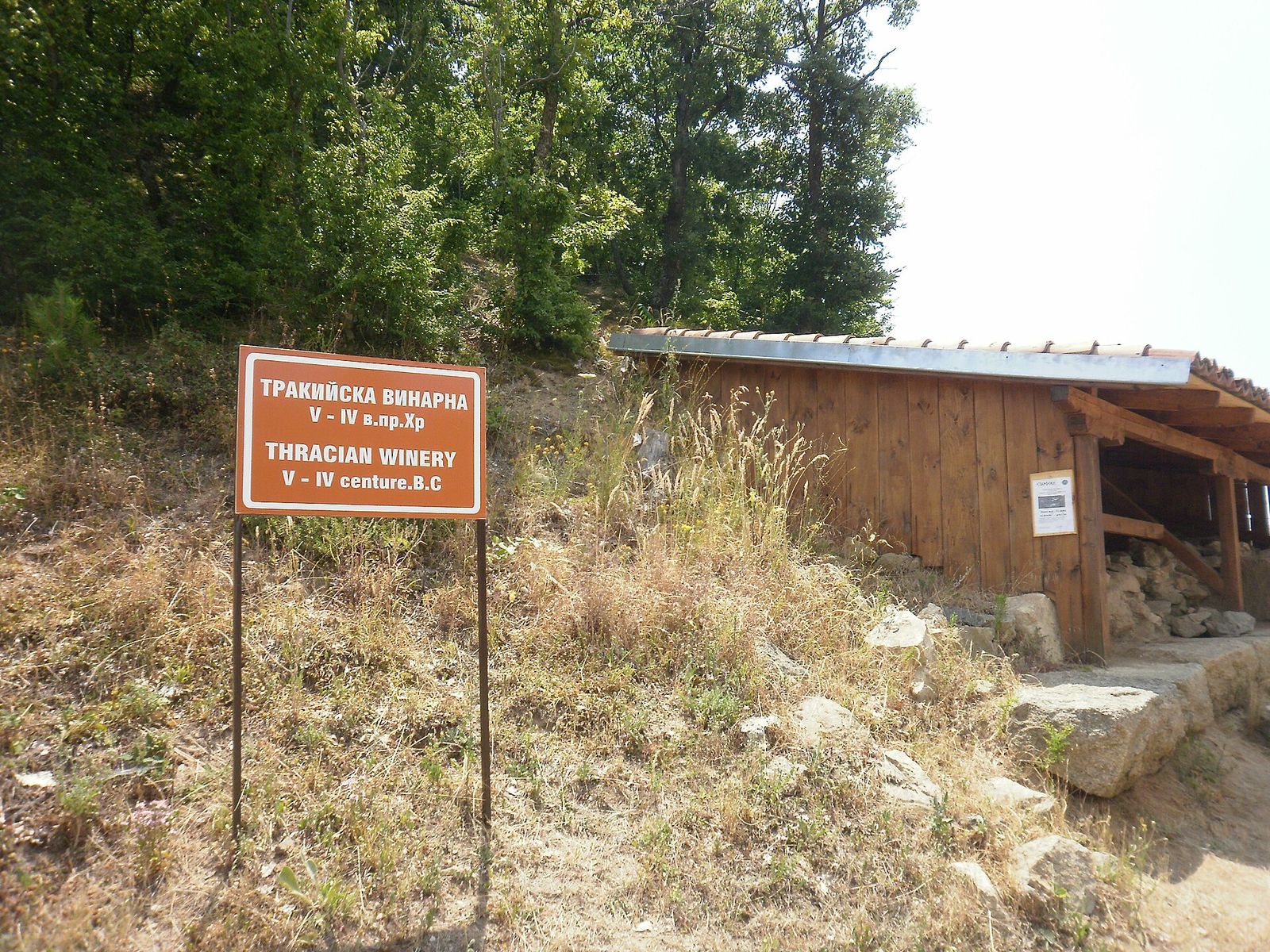
This is the oldest wine country in Bulgaria. The Thracians, who held these lands from about 2000 BC to 500 AD and open the story of Bulgarian history, made wine here, and Dionysus was one of their gods. The remains of a Thracian winery from the 5th and 4th centuries BC still stand near Starosel.
Mavrud is the grape of the Thracian Valley. Its home is the country around Plovdiv, Asenovgrad, Perushtitsa and Pazardzhik, and it ripens very late, with the harvest in late October. Rubin, Merlot, Cabernet Sauvignon, Muscat and Pamid grow alongside it, and Evmolpia, a cross of Mavrud and Merlot from Plovdiv's agricultural university, is a local curiosity.
Around Plovdiv, Villa Yustina makes Mavrud in the Yakata area, Zagreus works almost only with Mavrud, Dragomir bottles a Mavrud too, and Bessa Valley is the estate behind the Enira red. Further east are Edoardo Miroglio, maker of the Elenovo range, Angel's Estate near Sliven and Villa Yambol, and in Sakar the estates of Katarzyna, Castra Rubra and Bratanov.
Plovdiv is the base, about 1.5 hours from Sofia by car or 2 hours by bus. A day trip to Plovdiv works on its own, and with a car you can add a winery on the way back.
The Struma Valley wine region
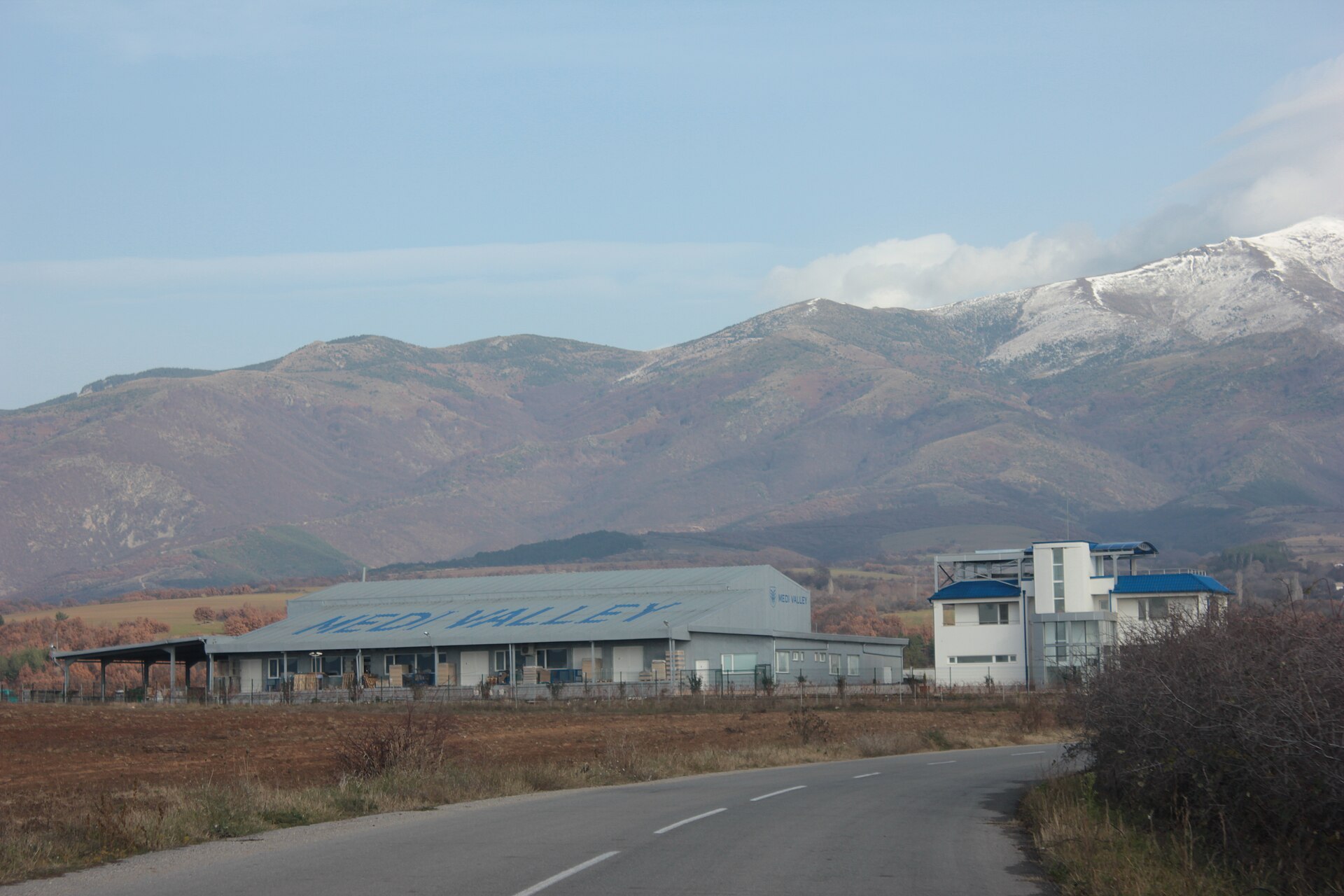
The Struma Valley in the southwest is a small region with a strong Mediterranean influence. Warm air comes up the river from the south, and the sheltered, sandy hills around Melnik, Sandanski and Petrich stay warm long into the autumn.
Broad-leaved Melnik grows almost nowhere else. It is a late-ripening red with thick skins and firm tannins, and the local story says it was Winston Churchill's favorite wine. Melnik 55, an earlier-ripening cross bred from it, is the softer local red, and nearly every winery in the valley makes one. Keratsuda, an old white grape grown around the village of Ilindentsi, and Sandanski Misket are the local whites.
Melnik is the town to visit. It is the smallest town in Bulgaria, with fewer than 400 people, its houses sit under the Melnik Earth Pyramids, and people have made wine here since the 14th century. Villa Melnik, Orbelus, Zlaten Rozhen and Rupel are the wineries around it, and Medi Valley is another Struma Valley estate.
A weekend in Melnik is my favorite wine trip from Sofia, for the town, the sand pyramids and the reds you cannot get anywhere else.
Which wine region to visit from Sofia
These are the towns I'd base myself in and the easiest ways to reach them.
| Region | Base | From Sofia | Best for |
|---|---|---|---|
| Thracian Valley | Plovdiv | About 1.5 hours by car, 2 by bus | Mavrud, a day trip |
| Struma Valley | Melnik | About 180 km; car best, one daily bus | Broad-leaved Melnik, a weekend |
| Rose Valley | Kazanlak | By car | Dry whites, the Rose Festival in June |
| Danube Plain | Pleven or Belogradchik | About 170 km to Belogradchik; car best | Gamza, Pinot Noir |
| Black Sea coast | Varna or Burgas | 5 hours or more by road, or fly | Dimyat, a beach holiday |
For a first wine trip, I'd pick the Thracian Valley if you have one day and the Struma Valley if you have two. Plovdiv is one of the easiest day trips from Sofia, with buses about every hour.
When to visit the Bulgarian wine regions
September and October are harvest time, and the best months for a wine trip. Melnik 55 is picked in late September or early October, Gamza in late September and Mavrud not until late October, so the vineyards are busy for weeks.
International Mavrud Day falls on 26 October each year, which makes late October the best time to drink Mavrud in the Thracian Valley. Early June is the time for the Rose Valley, while the roses are being picked, and summer suits the Black Sea coast, when you are there for the beaches anyway.
Tasting the regions in Sofia
Coupage Wine and Cheese, a few blocks off Slaveykov Square, runs guided tastings of small producers, and they start at a chalkboard map of the wine regions drawn above its counter.
Apollo Wine at 49 Konstantin Velichkov Boulevard is a wine bar and shop with a big range of Bulgarian bottles, and the other wine bars in Sofia pour plenty by the glass.
The Bulgarian grape varieties from Mavrud to Keratsuda are easier to remember once you know which region each one comes from. If you buy only 2 bottles, make them the best Bulgarian wines for my money: a Mavrud from the Thracian Valley and a Broad-leaved Melnik from the Struma Valley. On a Bulgarian wine label, "Reserve" means 6 to 18 months in oak and 6 months in the bottle, whichever region it comes from.
Key takeaways
- Bulgaria has 2 official wine regions, the Danube Plain and the Thracian Valley, but winemakers use the 5 traditional regions from 1960.
- The Thracian Valley is red wine and Mavrud country, the Black Sea coast is white wine country and the Struma Valley is home to Broad-leaved Melnik.
- Plovdiv is the easiest wine day trip from Sofia, and Melnik deserves a weekend with a car.
- September and October are the harvest months, and International Mavrud Day is on 26 October.
Frequently asked questions
What are the main wine regions in Bulgaria?
Bulgaria has 2 official wine regions, the Danube Plain in the north and the Thracian Valley in the south. Winemakers also use 5 traditional regions: the Danube Plain, the Black Sea coast, the Rose Valley, the Thracian Valley and the Struma Valley.
Which Bulgarian wine region is the best?
The Thracian Valley makes the most famous Bulgarian reds, led by Mavrud around Plovdiv, and holds about 75% of the vineyards. The Struma Valley around Melnik is the most distinctive, with its own grape, Broad-leaved Melnik, and a Mediterranean climate.
Where is Mavrud grown?
Mavrud grows mainly in the Thracian Valley, around Plovdiv, Asenovgrad, Perushtitsa and Pazardzhik. It is a very late grape, harvested in late October, and International Mavrud Day falls on 26 October.
What is the Struma Valley known for?
The Struma Valley in the southwest is known for Broad-leaved Melnik, a red grape that grows almost nowhere else, and for Melnik 55, its earlier-ripening offspring. It is a small region with a strong Mediterranean influence, around the towns of Melnik, Sandanski and Petrich.
Can you visit Bulgarian wineries from Sofia?
Yes. Plovdiv and the Thracian Valley wineries are about 1.5 hours away by car, and Melnik in the Struma Valley is about 180 km south. A rental car makes winery visits much easier, because buses to the wine villages are rare.
When is the grape harvest in Bulgaria?
The grape harvest runs from September to late October. Early grapes such as Pamid come in first, Melnik 55 in late September or early October, and Mavrud last, in late October.

Bulgarian Drinks: What to Drink in Bulgaria and Where to Try It in Sofia
Bulgaria is known for rakia, wine and yogurt drinks: what to order, when locals drink each one and where to try it.
Read the guide
Bulgarian Wine: A Visitor's Guide
Bulgaria has made wine since the Thracians: the grapes to order, how to read a label and where to taste it in Sofia.
Read the guide
Rakia: Bulgaria's Fruit Brandy
Rakia is the drink Bulgarians pour for guests: what it is, the types to try and how to drink it the local way.
Read the guide