Bulgarian Food: 14 Traditional Dishes to Try in Sofia
Bulgarian food is built on a few things eaten every day: white sirene cheese, thick sour yogurt, peppers roasted until the skin blisters, and meat off the grill. Most of it is cheap and filling. Below are the 14 traditional dishes I'd order first, what goes into each one, and where in Sofia to eat them.
What Bulgarian food is like
Bulgarian cooking borrows from Greek, Turkish and Balkan kitchens, so a lot of it will look familiar: grilled minced meat, stuffed vegetables, filo pastry and salads of tomato and cucumber. The dairy is what makes it Bulgarian. Sirene, a brined white cheese close to feta, goes on top of salads, inside pastries and into baked dishes, and kiselo mlyako, the thick sour yogurt, turns up in soups, dips and sauces.
The vegetables carry the rest. Tomato, roasted red pepper and cucumber turn up in almost every starter on a Sofia menu, from shopska salad to lyutenitsa.
Meat sits at the center of most main courses, usually pork, chicken or beef, either grilled or stewed slowly in a clay pot. Plenty of the classics carry no meat at all, though, so vegetarians eat well here too.
Bulgarian breakfast: banitsa and mekitsa
Banitsa
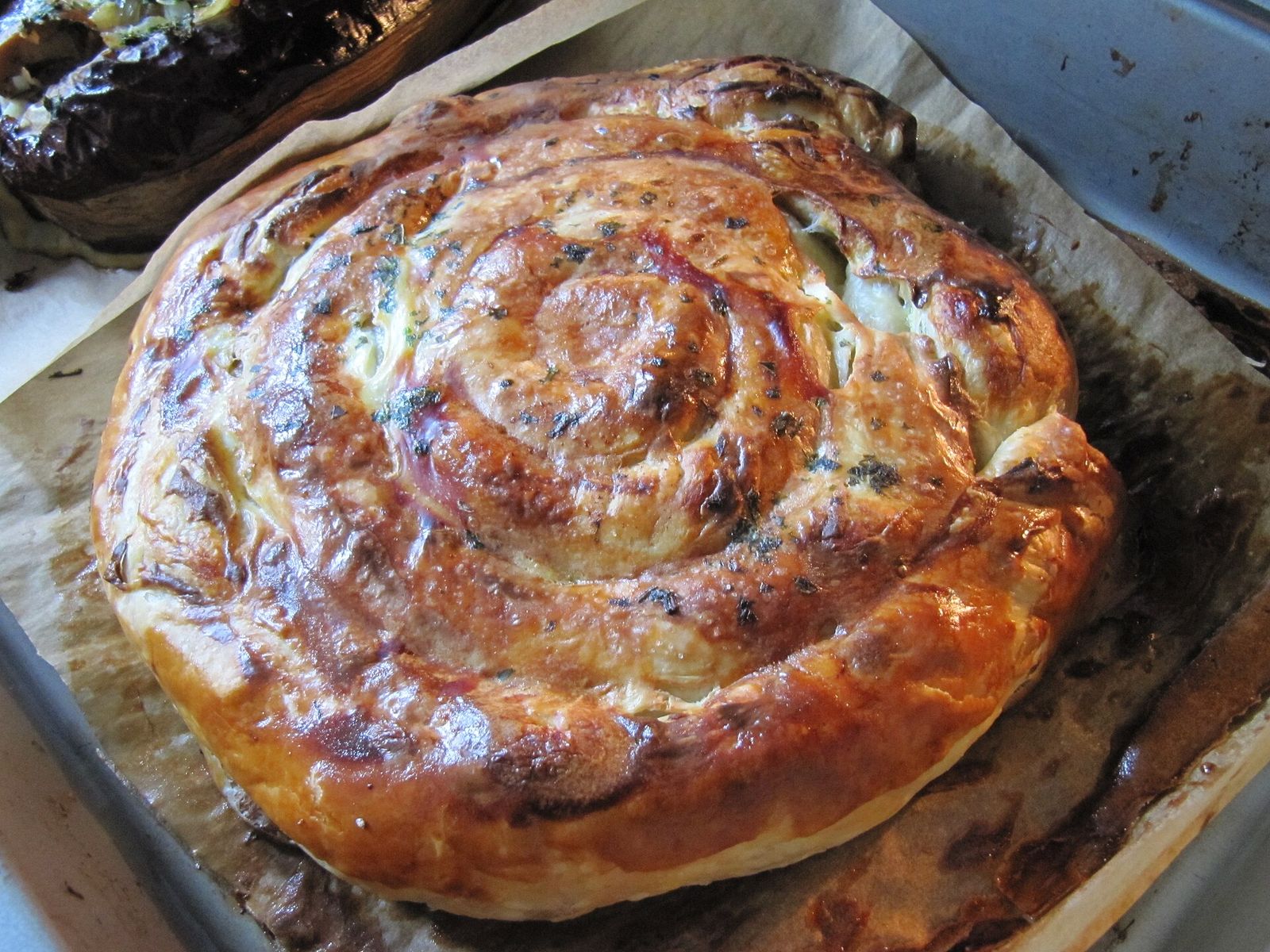
Banitsa is the national pastry: sheets of filo layered with whisked eggs, yogurt and crumbled sirene, then baked until the top turns golden. It comes in two shapes. The pan version is cut into squares, and the rolled version is coiled into a spiral or baked in long strips, with fillings from spinach to sweet pumpkin. Bulgarians eat it for breakfast with a glass of ayran or boza, and some add honey or jam.
Eat it fresh. Banitsa is at its best between about 7 and 10 AM, when a piece is crisp outside and soft in the middle. A slice of banitsa in Sofia costs about €1 to €2 at a bakery, and Furna, Hlebar and Sofiyska Banitsa are the three I'd send you to first.
Mekitsa
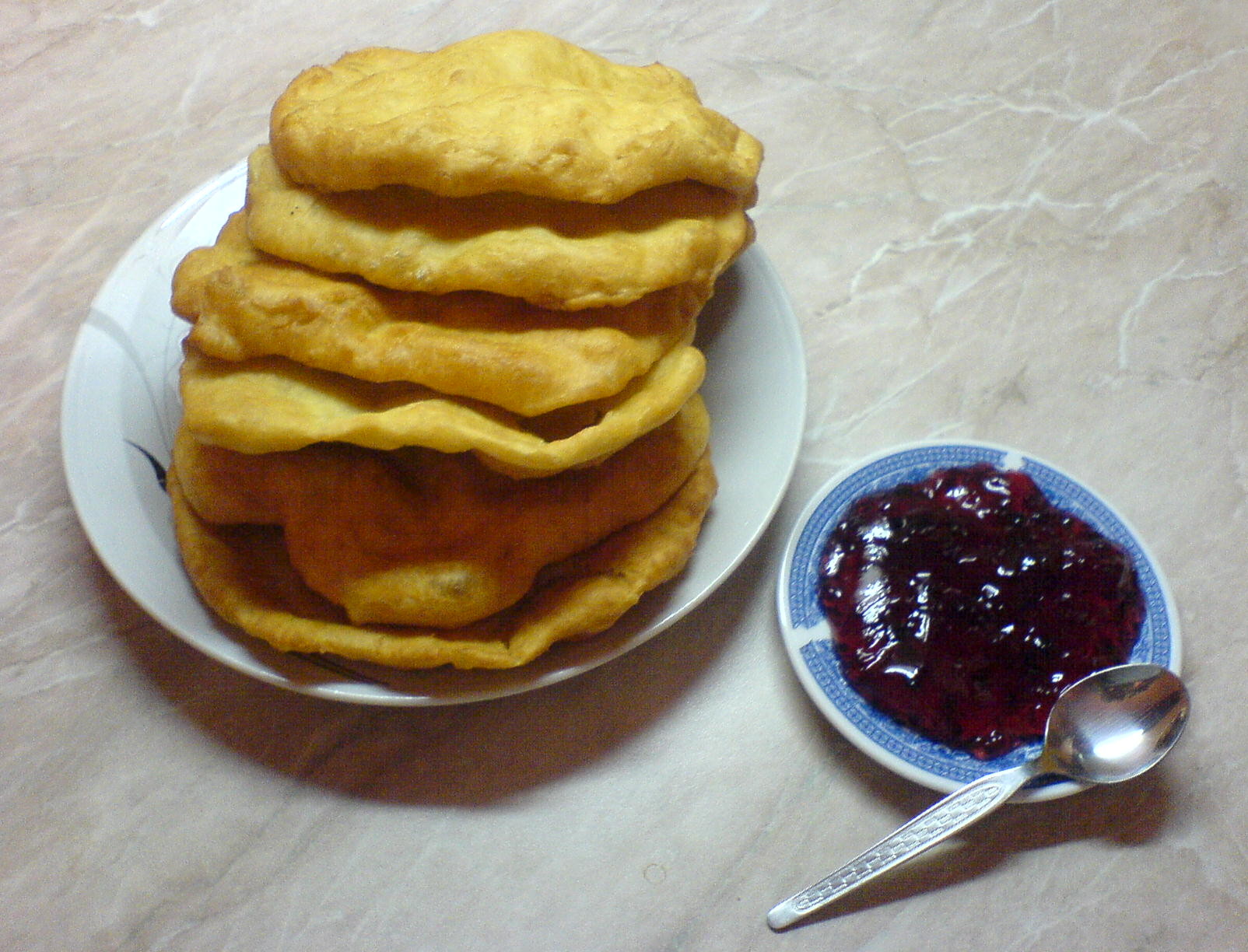
Mekitsa (mekitsi when there are several) is a dough of flour, egg and yogurt, deep-fried until it puffs. The usual toppings are powdered sugar, honey or jam, and a Bulgarian favorite is jam with crumbled white cheese on top. It is heavier than banitsa, and I'd keep it for a slow weekend breakfast or an afternoon snack.
In Sofia, Mekitsa and Coffee fries them with sweet and savory toppings, from pistachio spread to cream cheese and pesto, starting at about €2.50. Rainbow Factory and Raketa Rakia Bar also have mekitsa on the menu.
Bulgarian salads and spreads
Shopska salad
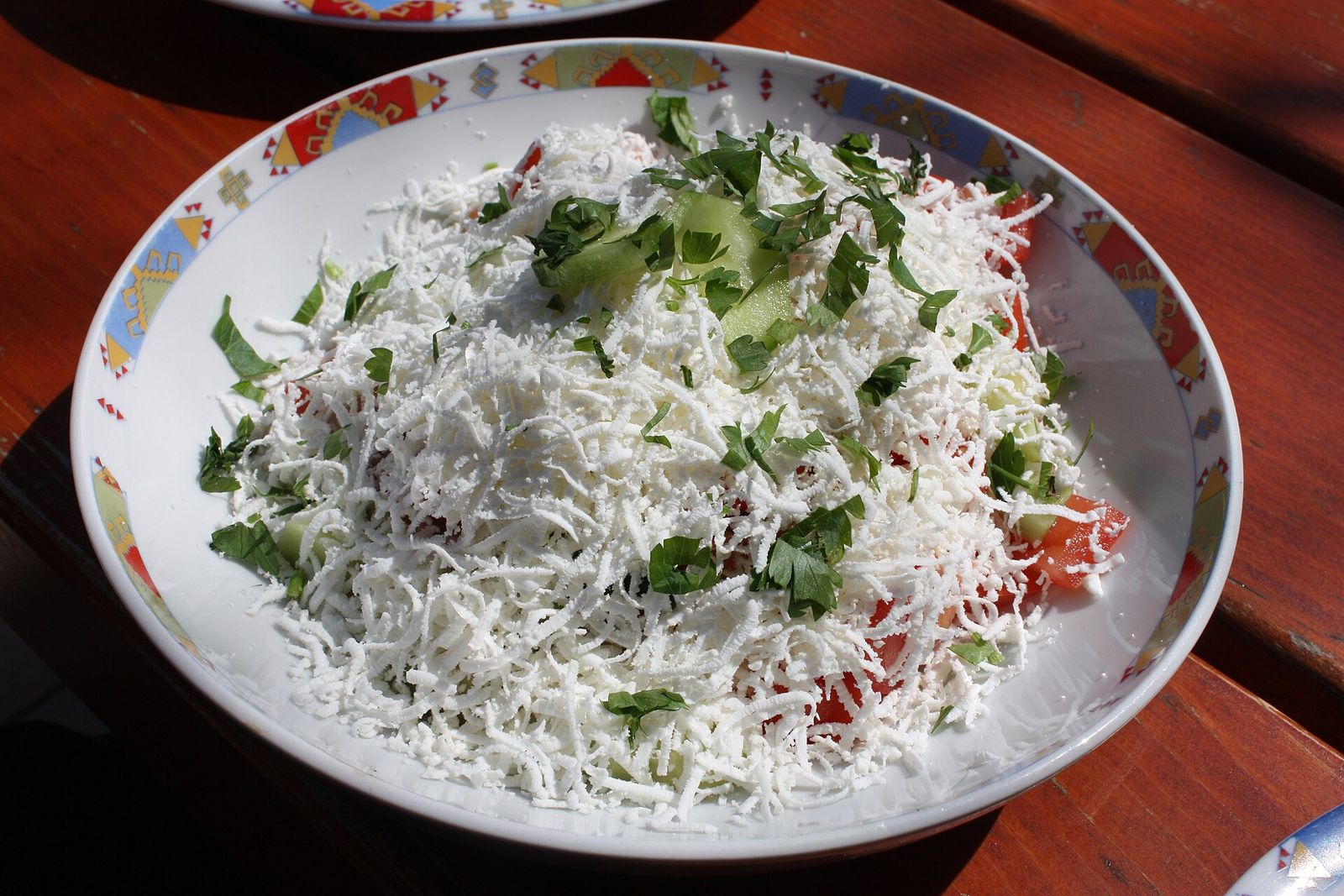
Shopska is the salad Bulgarians eat with almost everything: chopped tomato, cucumber, peppers and onion under a snowdrift of grated sirene. Its white, green and red are the colors of the Bulgarian flag.
Almost every Bulgarian restaurant in Sofia serves it, from a cheap grill to a mehana. The version at Shtastlivetsa, on Vitosha Boulevard, is plain and very good, and The Little Things serves it on its outdoor patio.
Lyutenitsa
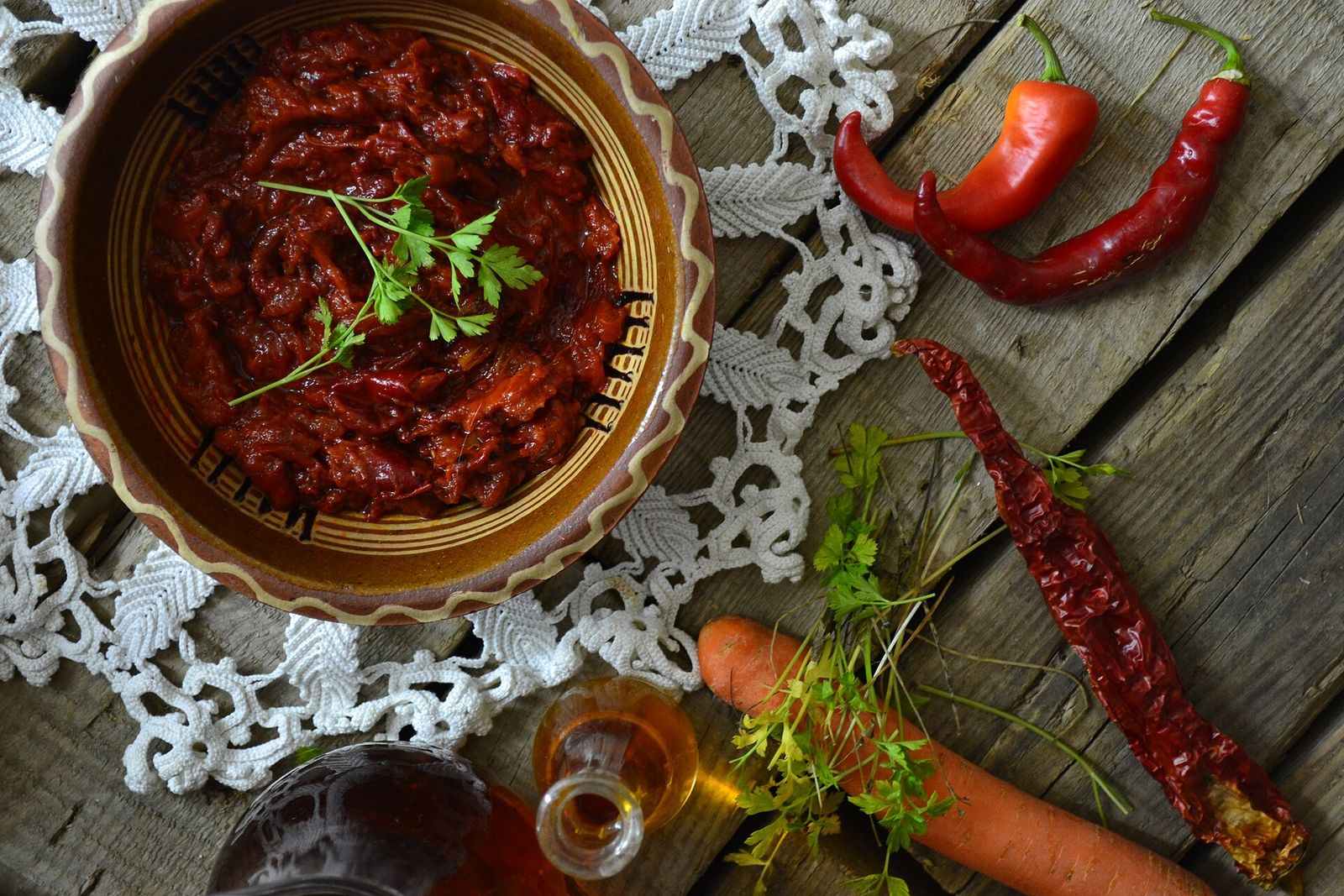
Lyutenitsa is a thick relish of roasted red peppers, tomatoes and garlic, often with aubergine and carrot, cooked down in oil. It arrives as a starter with bread and on the side of grilled meat.
Moma Bulgarian Food and Wine serves it on a mixed dip platter with kyopolu, a roasted aubergine and garlic spread, which is the easiest way to try both. The other dip to look for is katak, made of roasted pepper, sirene, yogurt and garlic.
Bulgarian soups
Tarator
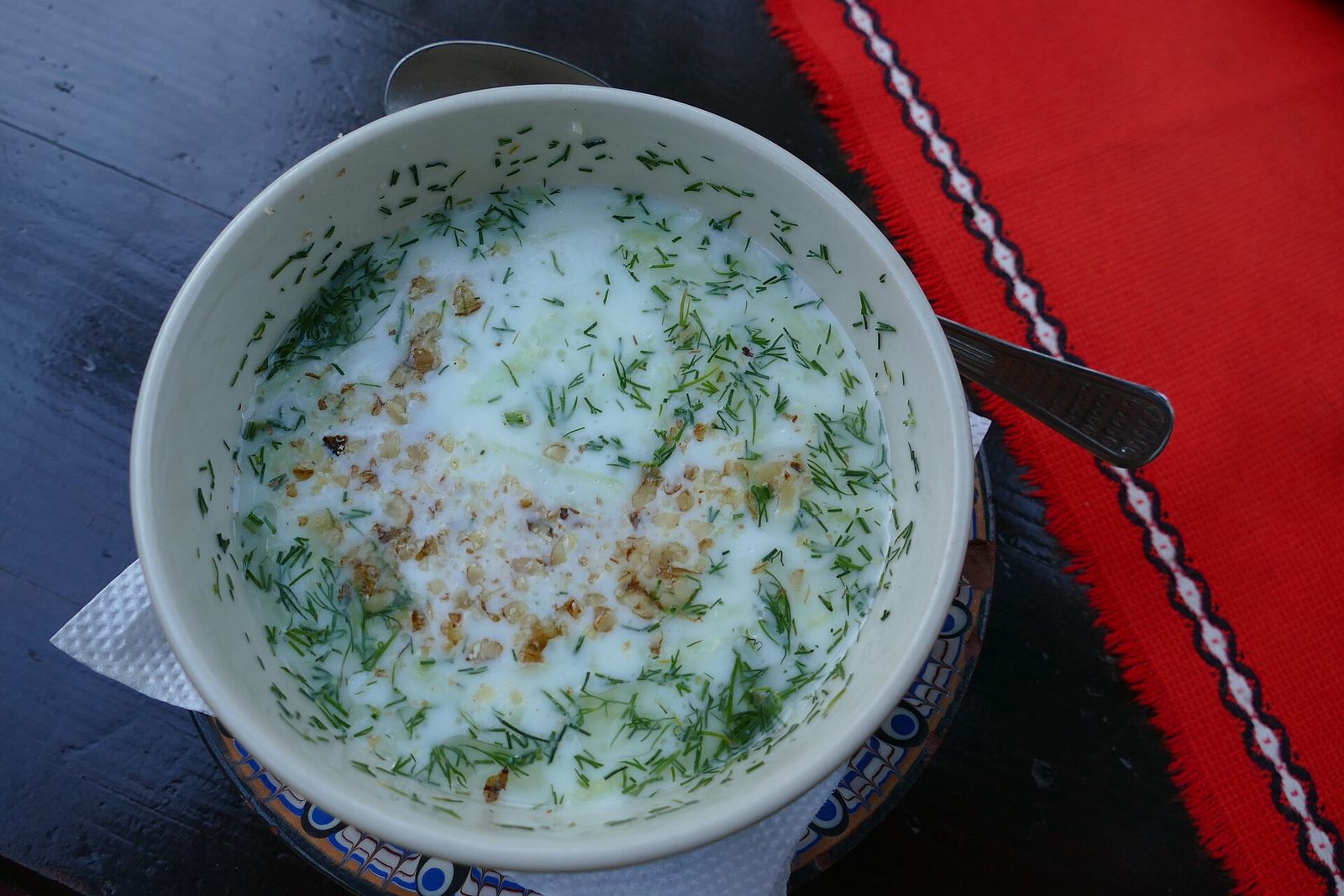
Tarator is the summer soup. Cucumber, yogurt, garlic, dill and walnuts go into it, thinned with water and a little sunflower oil and served cold. On a hot July afternoon it does the job of a starter and a cold drink at once. Bulgarians say that spilling tarator on yourself brings good luck.
It is on most menus in Sofia through the hot months. Dark Sister by Made in Home, Raketa Rakia Bar and Mehana Mamin Kolyo all serve it.
Bob chorba
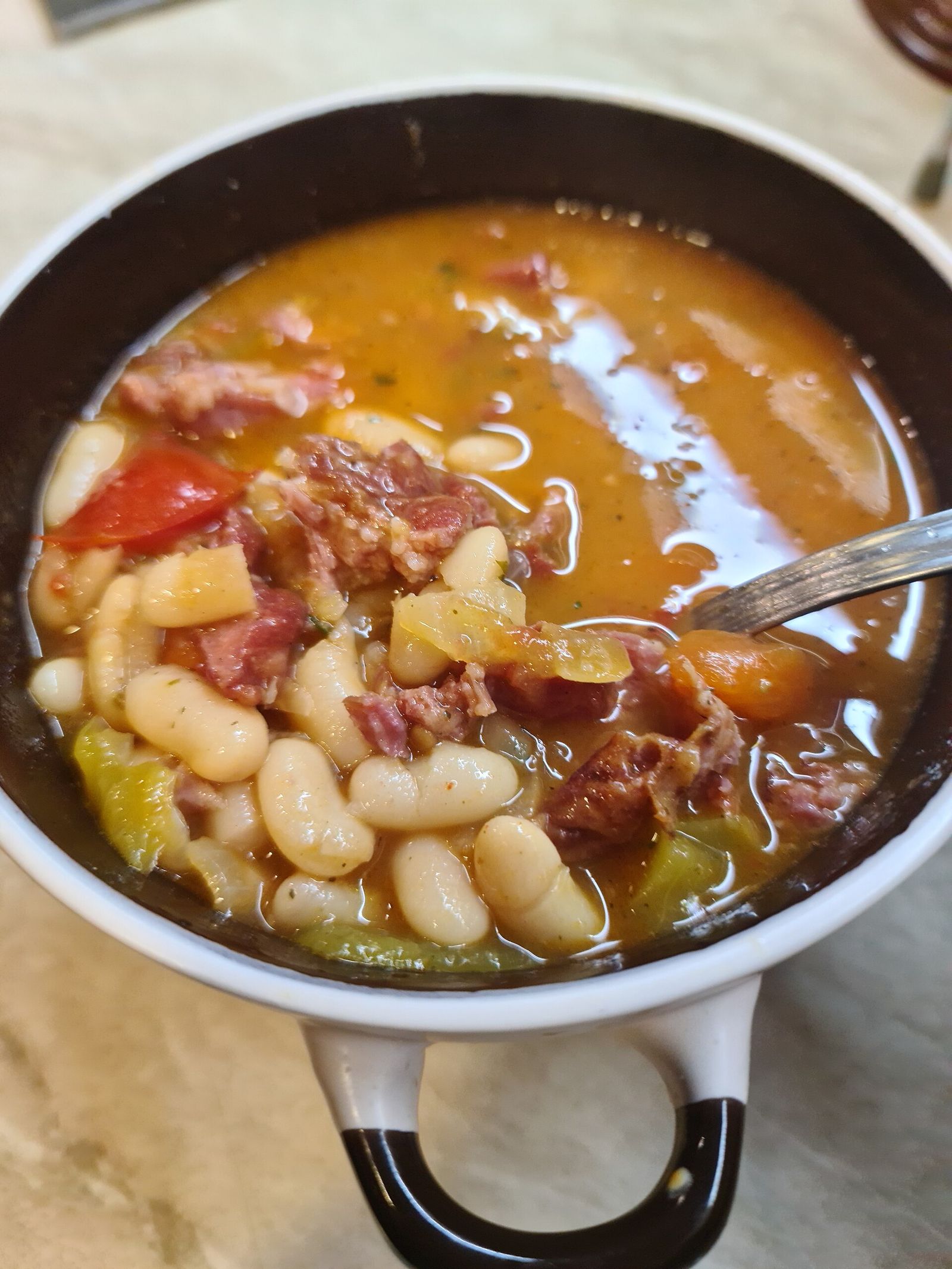
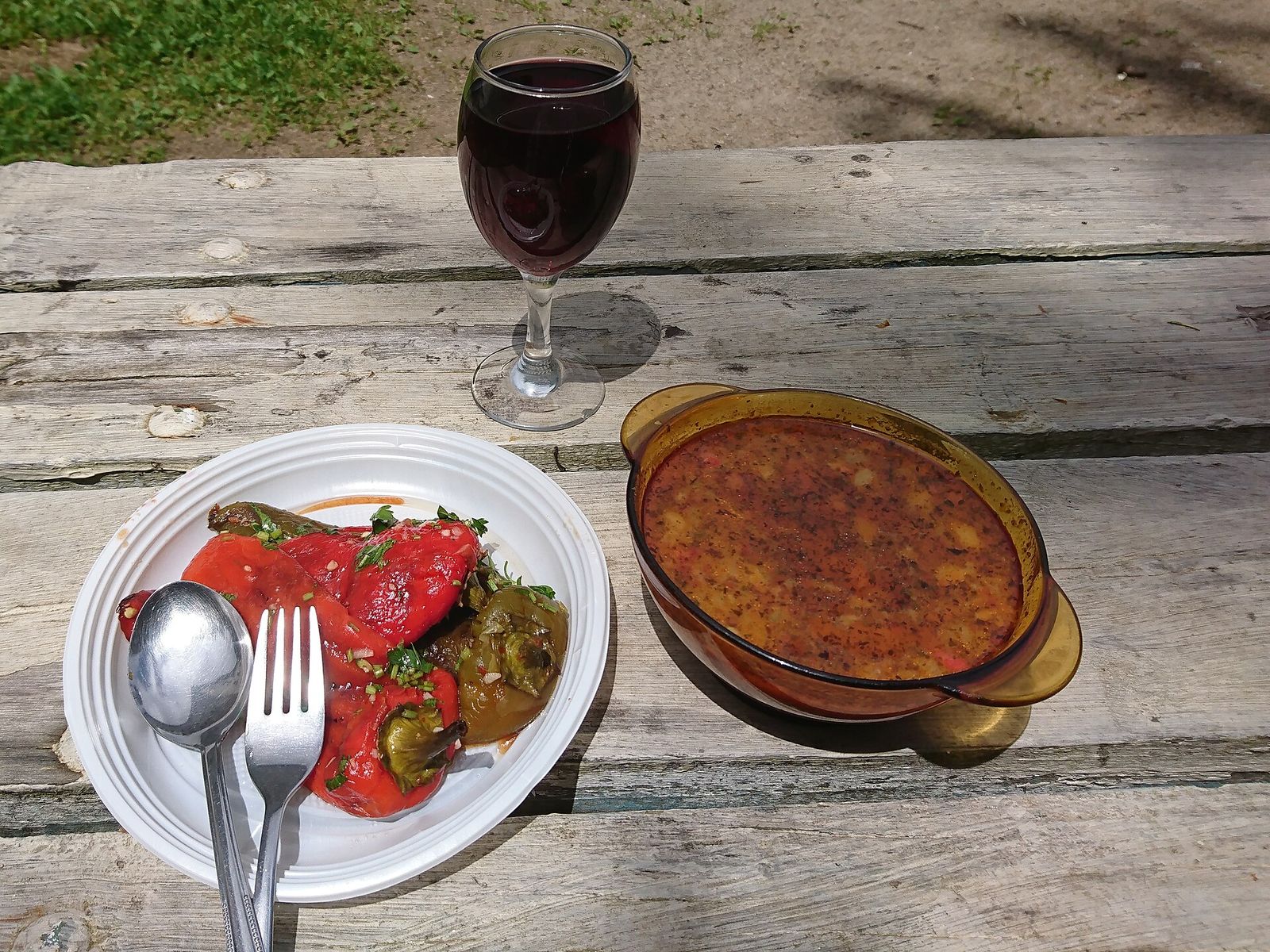
Bob chorba is a thick white bean soup, and it is on the menu of every traditional restaurant in Bulgaria. It is usually meatless, though some kitchens add sausage or pork, as in the bowl above. With a basket of bread it makes a full meal on a cold day.
Sun Moon, the vegetarian restaurant on 6th September Street, makes a vegan version.
Shkembe chorba
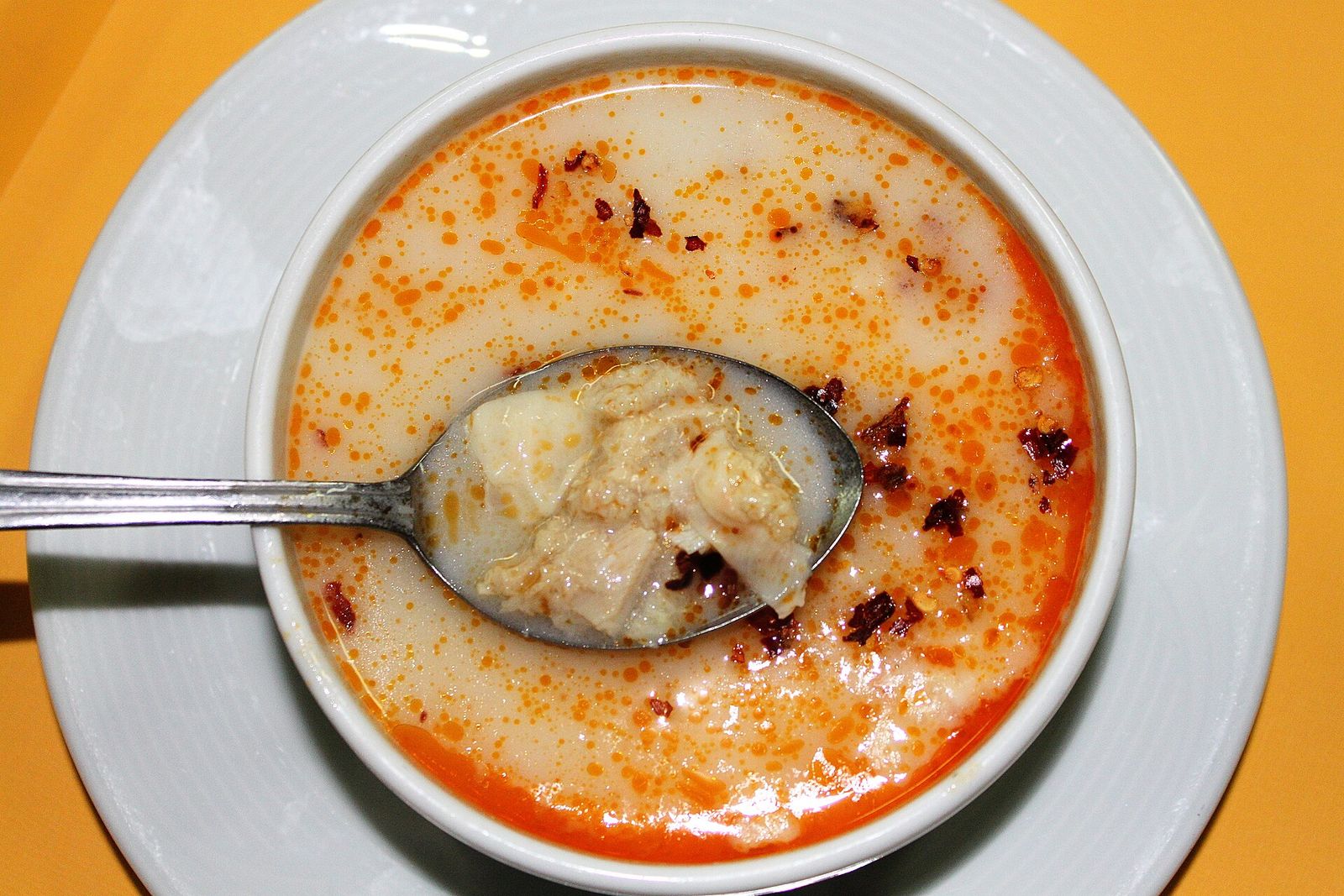
Shkembe chorba is tripe soup, seasoned with paprika, chili and garlic, and the result has a strong taste that people either love or cannot stand. Bulgarians swear by it as a hangover cure, and it is the soup to try if you want the most local thing on the menu.
Bulgarian hot starters
Chushki burek
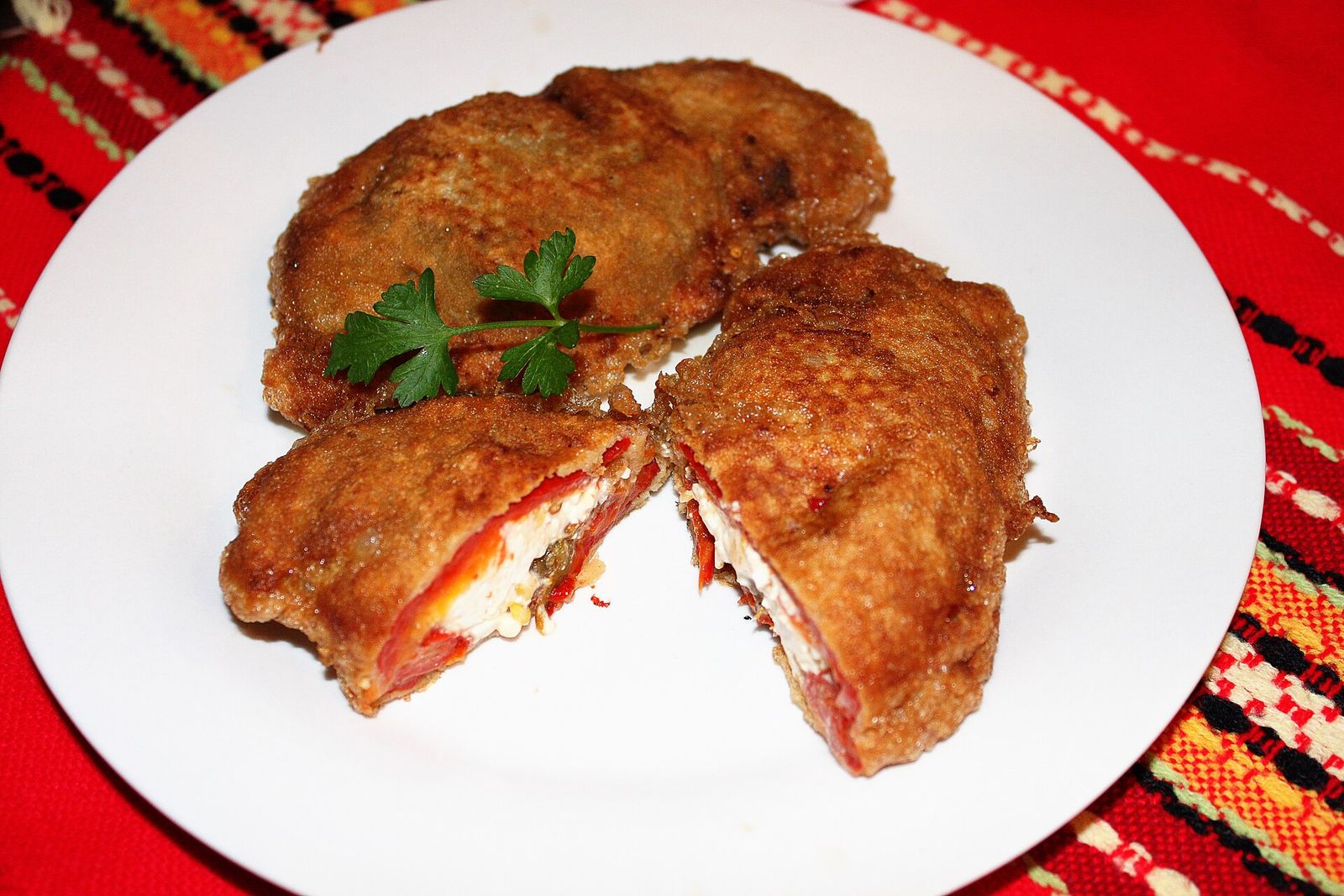
Chushki burek is a roasted red pepper stuffed with sirene, egg and herbs, rolled in breadcrumbs and fried until crisp. It comes with a garlic yogurt sauce or a drizzle of yogurt and dill. It is vegetarian. Before a grilled main, it is the hot starter I'd pick.
Lubimoto, a bistro on General Parensov Street with a hidden courtyard, has it on the menu, and so do Shtastlivetsa, Moma and Mehana Mamin Kolyo.
Sirene po shopski
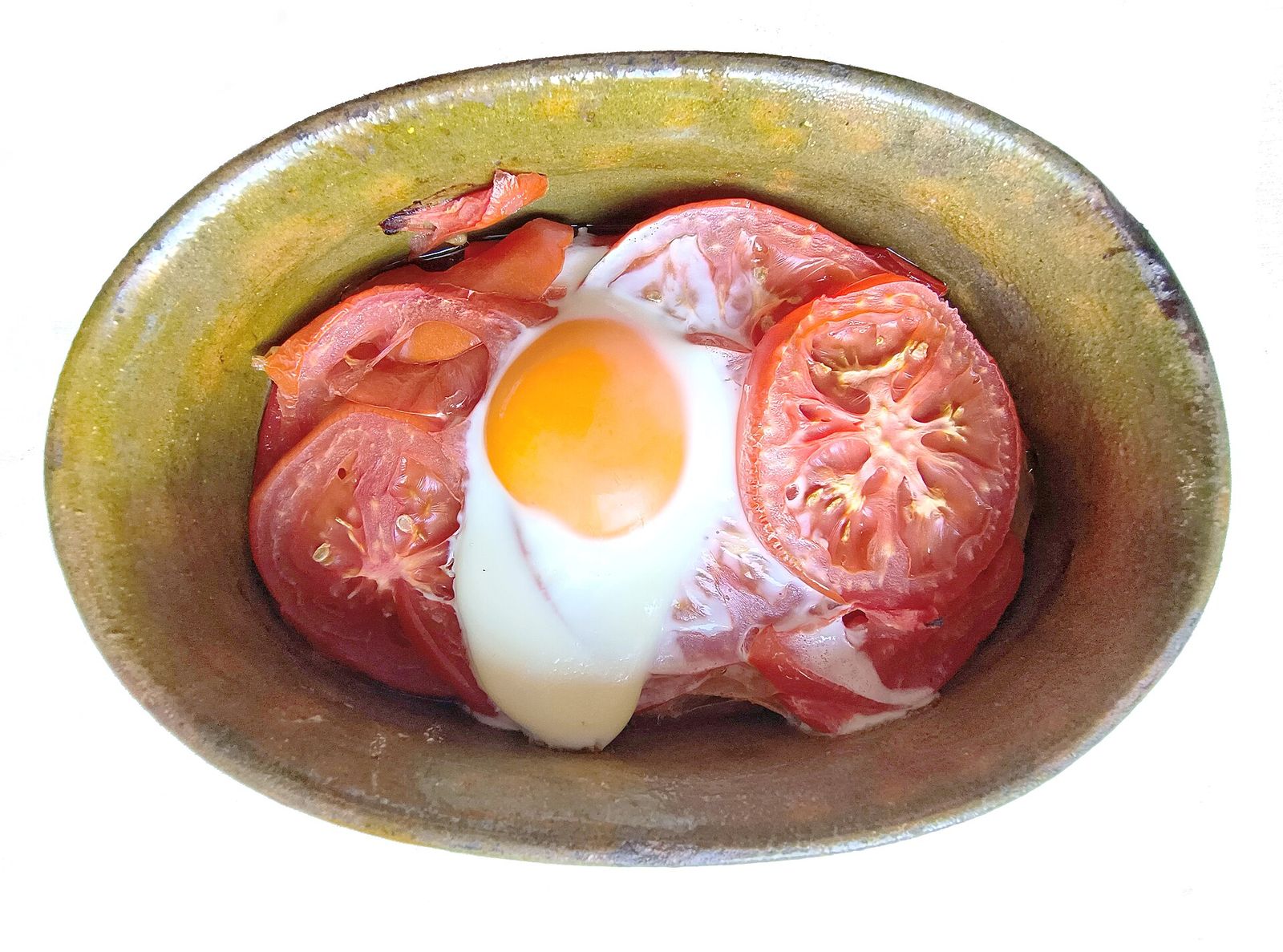
Sirene po shopski is white cheese baked in a small clay pot with tomatoes, peppers and an egg cracked on top. It comes to the table bubbling, and you eat it with bread torn from the basket.
Bulgarian main dishes
Kavarma
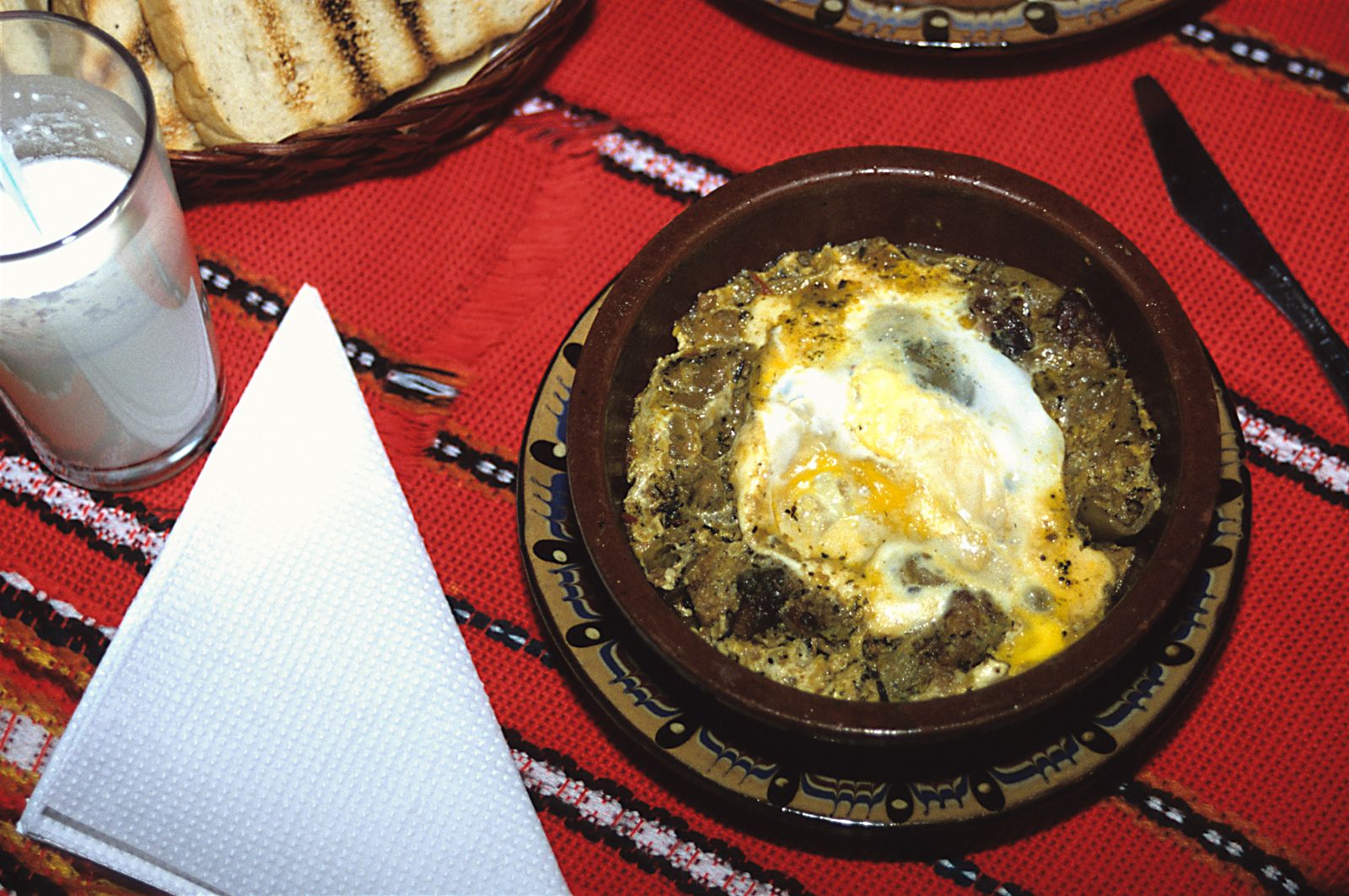
Kavarma is a slow-cooked stew of pork, chicken or beef with peppers, tomatoes, onions, mushrooms and leeks, often served in its own clay pot. On a cold night, this is my order. Drink Mavrud with it, the dark local red.
Hadjidraganov's Cellars on Hristo Belchev Street does clay-pot stews in a stone cellar lined with old barrels, with live folk music from Wednesday to Sunday evenings.
Kebapche and kyufte
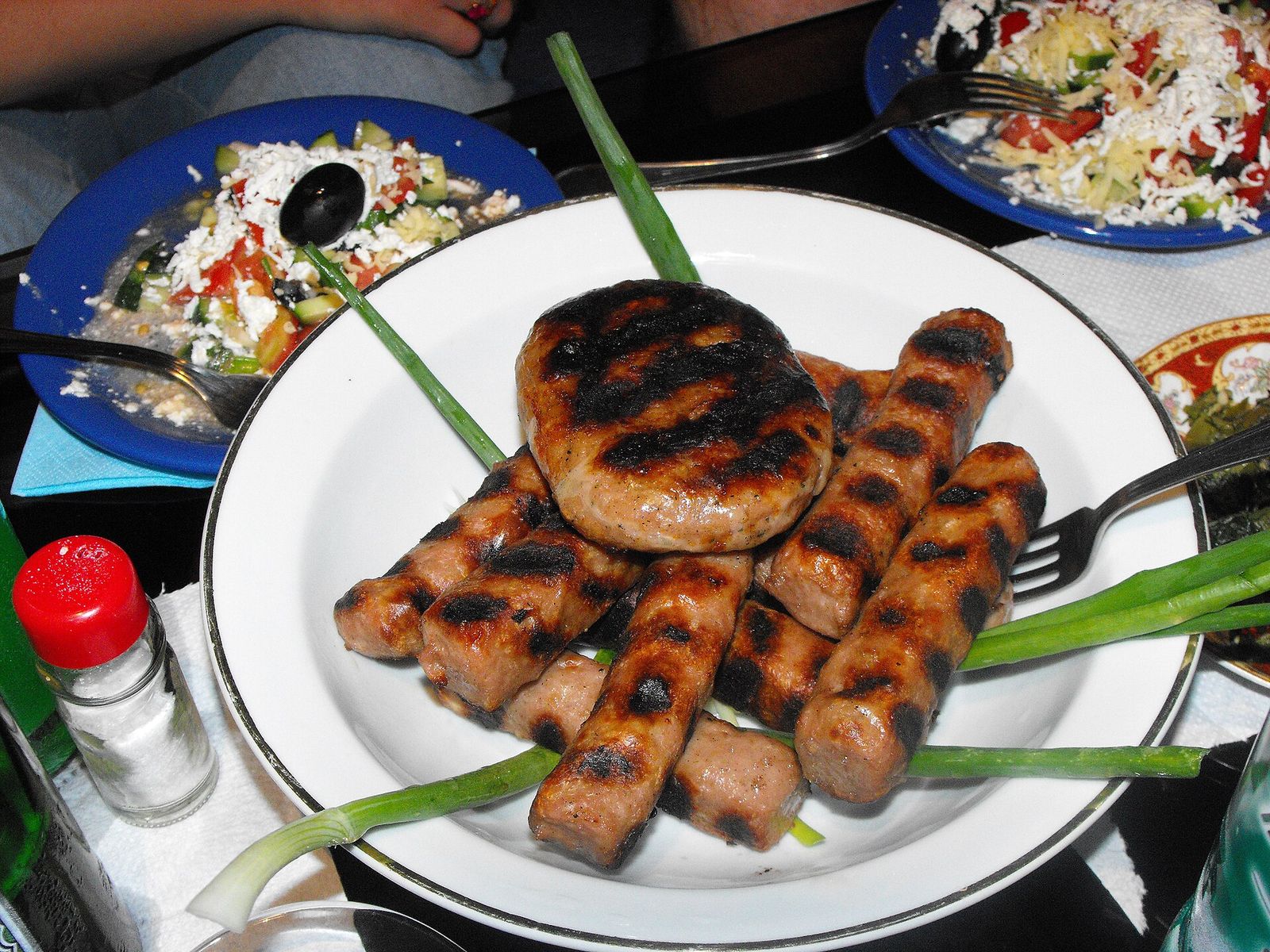
Kebapche and kyufte are the grill classics, made from spiced minced meat, usually beef, sometimes veal or pork. Kebapche is long, with no onion in the mix. Kyufte is a flat round patty with onion mixed into the meat. Both come with fries, lyutenitsa and a cabbage or shopska salad, and they are what Bulgarians order for a quick hot meal.
Shtastlivetsa serves kebapcheta with chips and homemade lyutenitsa. For a bigger plate, order meshana skara, the mixed grill, which puts both on one platter with other grilled meats.
Sarmi
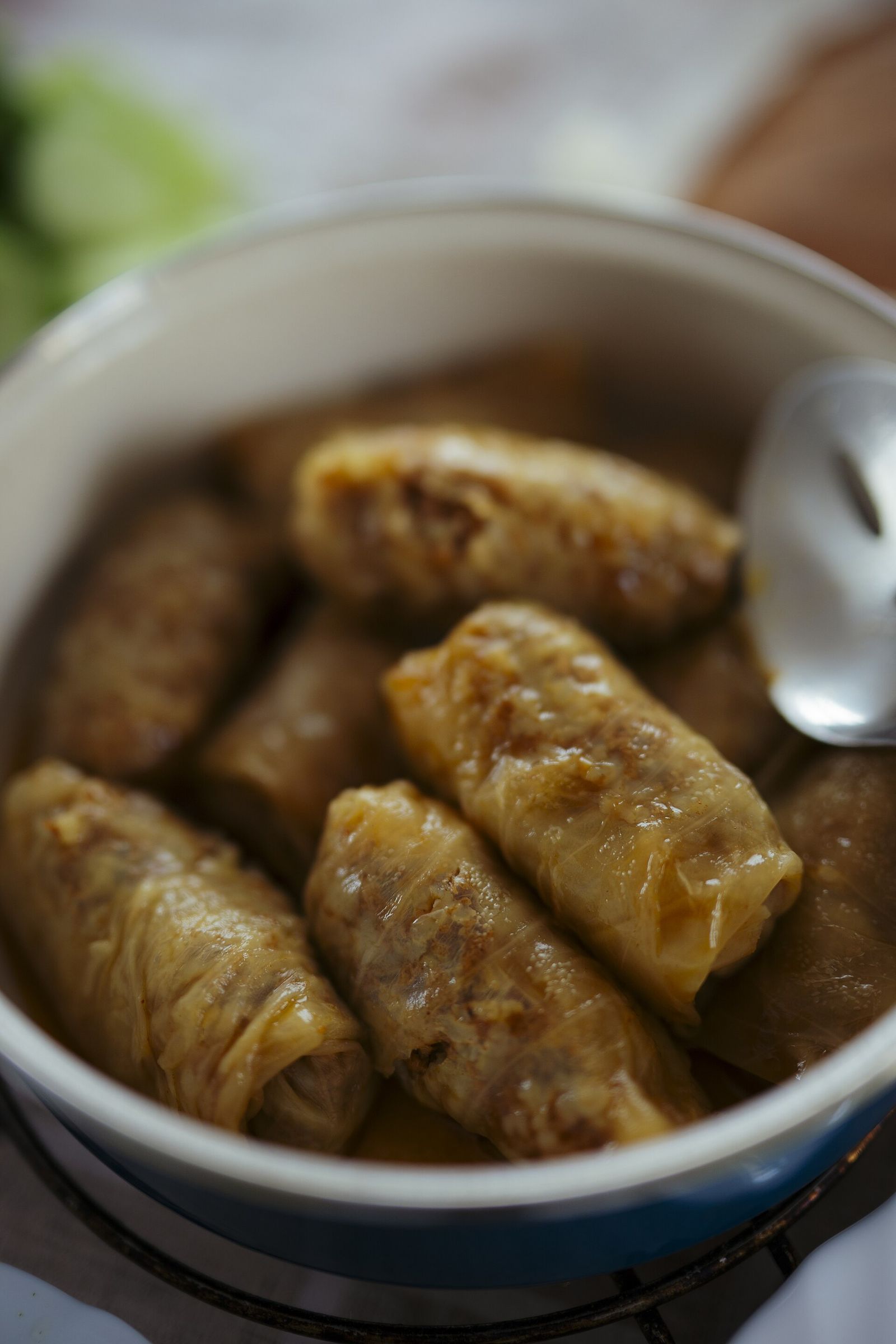
Sarmi are cabbage or vine leaves rolled around rice, spices and usually minced pork and veal, then cooked in a tomato sauce. Winter sarmi use pickled cabbage leaves and summer sarmi use vine leaves. They are always on the table on Christmas Eve.
Manastirska Magernitsa and Izbata Tavern both serve them.
Moussaka
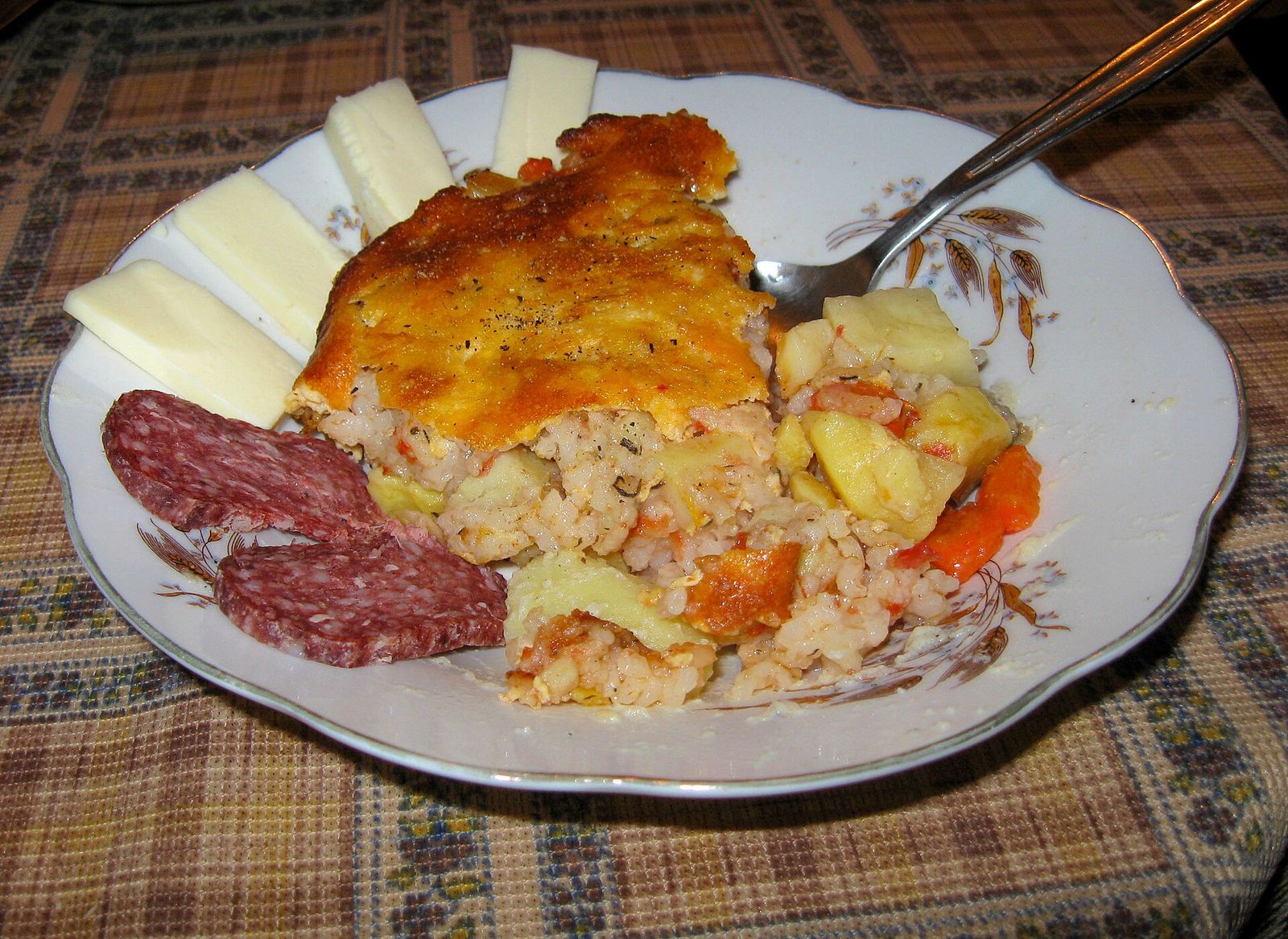
Bulgarian moussaka swaps the Greek aubergine for potatoes: diced potatoes, minced meat and tomato baked under a crust of yogurt and egg. It is a home-cooking classic, and Sofia restaurants serve it too.
Shtastlivetsa, the restaurant with branches on Vitosha Boulevard and San Stefano Street, does an oriental version.
Regional dishes you can eat in Sofia
Patatnik
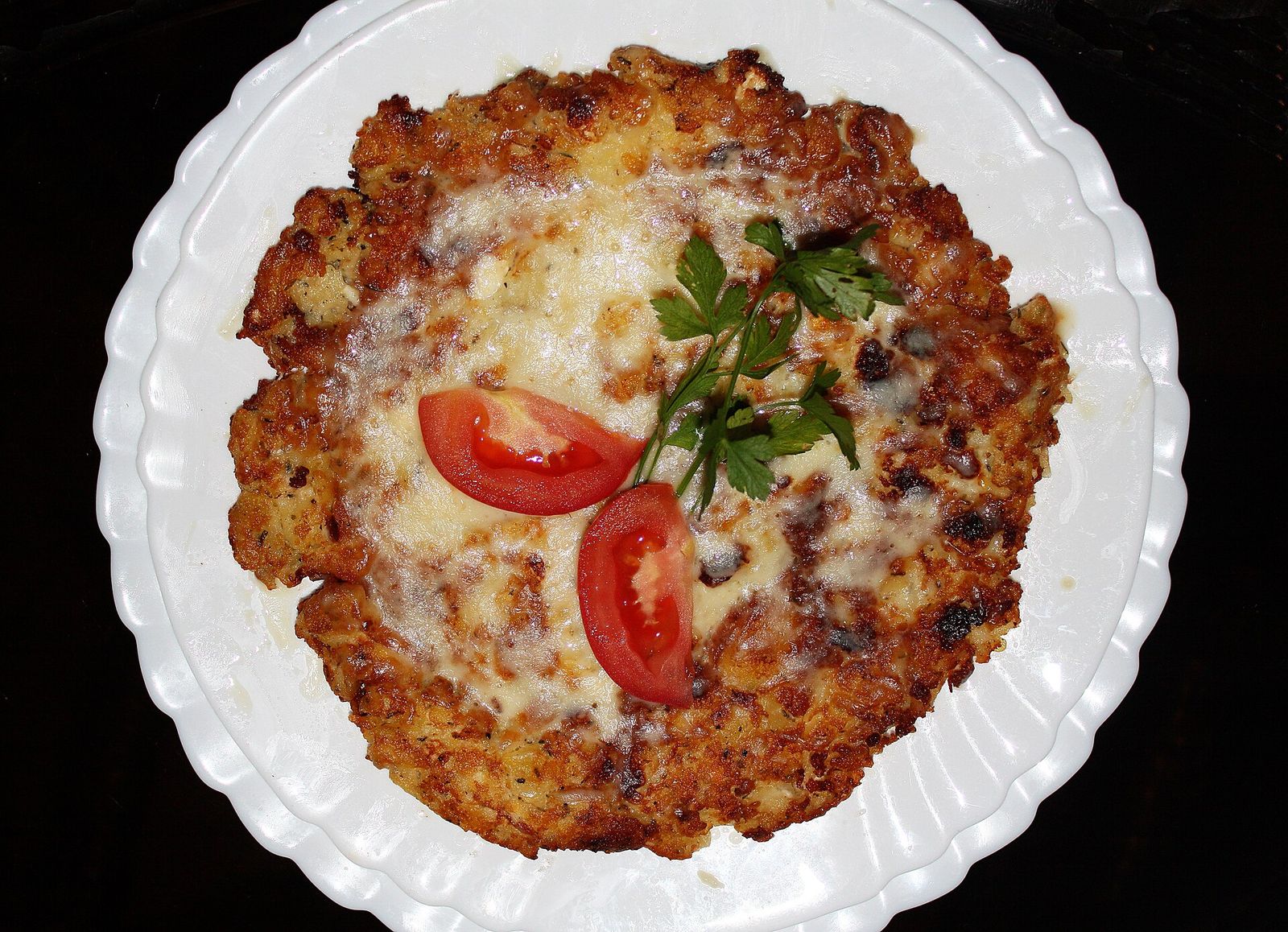
Patatnik comes from the Rhodope Mountains in the south: potatoes and cheese baked into a thick cake. Hadjidraganov's Cellars has it on the menu in Sofia.
Hadjidraganov's House near Lion's Bridge serves katino meze, another regional dish, in dining rooms styled after four Bulgarian towns, from Bansko to Melnik. Kachamak and marudnik are two more Rhodope dishes to look for.
More Bulgarian dishes to look for on the menu
Stuffed peppers, mish mash and the cured sausages are on most Sofia menus as well.
| Dish | What it is | Good to know |
|---|---|---|
| Palneni chushki | Peppers stuffed with rice, onion and carrot, sometimes minced meat, baked | Ask if there is meat inside |
| Mish mash | Scrambled eggs with peppers, tomato, onion and sirene | Old Lady Sofia adds lukanka |
| Snezhanka | Yogurt and cucumber salad | Vegetarian, served cold |
| Katak | Spread of roasted pepper, sirene, yogurt and garlic | Shtastlivetsa has it |
| Kyopolu | Roasted aubergine and garlic spread | On Moma's dip platter |
| Lukanka | Flat dried sausage of pork and beef with cumin and black pepper | Panagyurska lukanka is the famous one |
| Sudzhuk | Dried, fermented sausage spiced with pepper and cumin | Gornooryahovski sudzhuk has been made since 1538 |
| Meshana skara | Mixed grill platter | Kebapche, kyufte and more on one plate |
| Lozovi sarmi | Vine leaves stuffed with rice and sometimes meat | The summer version of sarmi |
| Grilled trout | Trout cooked on the grill | Pairs with Dimyat or Misket white |
Bulgarian desserts and yogurt
The Bulgarian desserts to look for are tikvenik, a sweet pumpkin filo pastry, and garash, a dense walnut and chocolate cake. Baklava and palachinki, thin Bulgarian crepes, turn up on dessert menus too.
Kiselo mlyako, Bulgarian yogurt, is made with two cultures, Lactobacillus bulgaricus and Streptococcus thermophilus, which give it a thick texture and a gentle sour taste. Bulgarians eat it plain and stir it into soups, salads and dips, from tarator to katak.
What to drink with Bulgarian food
| Drink | What it is | Drink it with |
|---|---|---|
| Ayran | Cold, salted yogurt drink | Banitsa, grilled meat, sarmi |
| Boza | Thick, sweet and slightly sour drink of fermented wheat or millet | Banitsa at breakfast |
| Rakia | Fruit brandy from grapes, plums or apricots, about 40%, homemade stronger | Shopska salad and cold starters |
| Red wine | Mavrud, Rubin, Gamza and Melnik reds | Kavarma, grilled meat, mixed grill |
| White wine | Dimyat and Misket | Trout, tarator, salads |
| Beer | Kamenitza, Shumensko, Astika, Zagorka | Anything off the grill |
Rakia is the drink that opens a Bulgarian dinner, sipped slowly with the salad. Boza is thick and semi-sweet, an acquired taste, and it belongs at breakfast next to a slice of banitsa. For dinner, the local reds are where I'd spend my money, and Mavrud is the one I'd pour with a clay pot of kavarma.
How to order a Bulgarian meal
Order a shopska or two and a plate of dips or chushki burek for the table, then a main each. Add a soup before the main in winter, or a bowl of tarator in summer.
Bread comes in a basket. At Manastirska Magernitsa it is pogacha, free with the meal, served with sharena sol, a "colorful salt" spice mix that you dip the bread into. Most central restaurants have English menus.
The tip is not on the bill. Leave about 10%, and if you pay by card, leave the tip in cash. The best restaurants in Sofia for traditional food are Manastirska Magernitsa, Hadjidraganov's Cellars and Moma. The price range of the Sofia food scene runs from a €1 bakery banitsa to a tasting menu at about €70 to €80 at Cosmos.
Key takeaways
- Banitsa is breakfast: buy it fresh from a bakery in the morning, with ayran or boza.
- Start dinner with shopska salad and a slow rakia, then add a hot starter like chushki burek.
- Kavarma, kebapche and kyufte, sarmi and moussaka are the main courses to know.
- Sirene cheese and kiselo mlyako yogurt run through almost every dish on the menu.
Frequently asked questions
What is traditional Bulgarian food?
Traditional Bulgarian food is Balkan home cooking built on white sirene cheese, yogurt, roasted peppers and grilled or slow-stewed meat. The best-known dishes are banitsa, shopska salad, tarator, kavarma, kebapche and sarmi. Most of it is simple, filling and cheap.
What is a typical Bulgarian breakfast?
A typical Bulgarian breakfast is a slice of banitsa with a glass of ayran or boza. Mekitsi, fried dough with jam and white cheese, are the weekend version. Bakeries in Sofia sell banitsa from early morning for about €1 to €2.
What is the national dish of Bulgaria?
Shopska salad is usually called the national dish, and banitsa is the national pastry. Shopska is tomato, cucumber, pepper and onion under grated sirene, in the colors of the Bulgarian flag. Among the meat dishes, kavarma and kebapche are the best known.
What is Bulgarian street food?
Bulgarian street food is banitsa from bakery windows, gevrek (a sesame bread ring), mekitsi and kebapche from grill kiosks. An espresso from a street machine costs about €0.50 to €1. A banitsa or a mekitsa costs about €1 to €2.
What is a popular Bulgarian snack?
Banitsa is the everyday snack, and gevrek, the sesame bread ring, is the one you buy on the street. With rakia, the snack is shopska salad or another cold starter.
Is Bulgarian food spicy?
Mostly no. The heat tends to come on the side, like the hot red pepper brought with shkembe chorba, so you add as much as you want. The soup itself is cooked with paprika and chili.
Is Bulgarian food good for vegetarians?
Yes, better than the grill menus suggest. Banitsa, tarator, shopska salad, chushki burek, sirene po shopski and most dips have no meat. Ask about stuffed peppers and bob chorba, which come both ways.
What do Bulgarians drink with dinner?
Bulgarians start dinner with rakia and the salad, then move to wine or beer with the main. Mavrud and Melnik reds go with grilled and stewed meat. Ayran is the non-alcoholic choice with kebapche and banitsa.
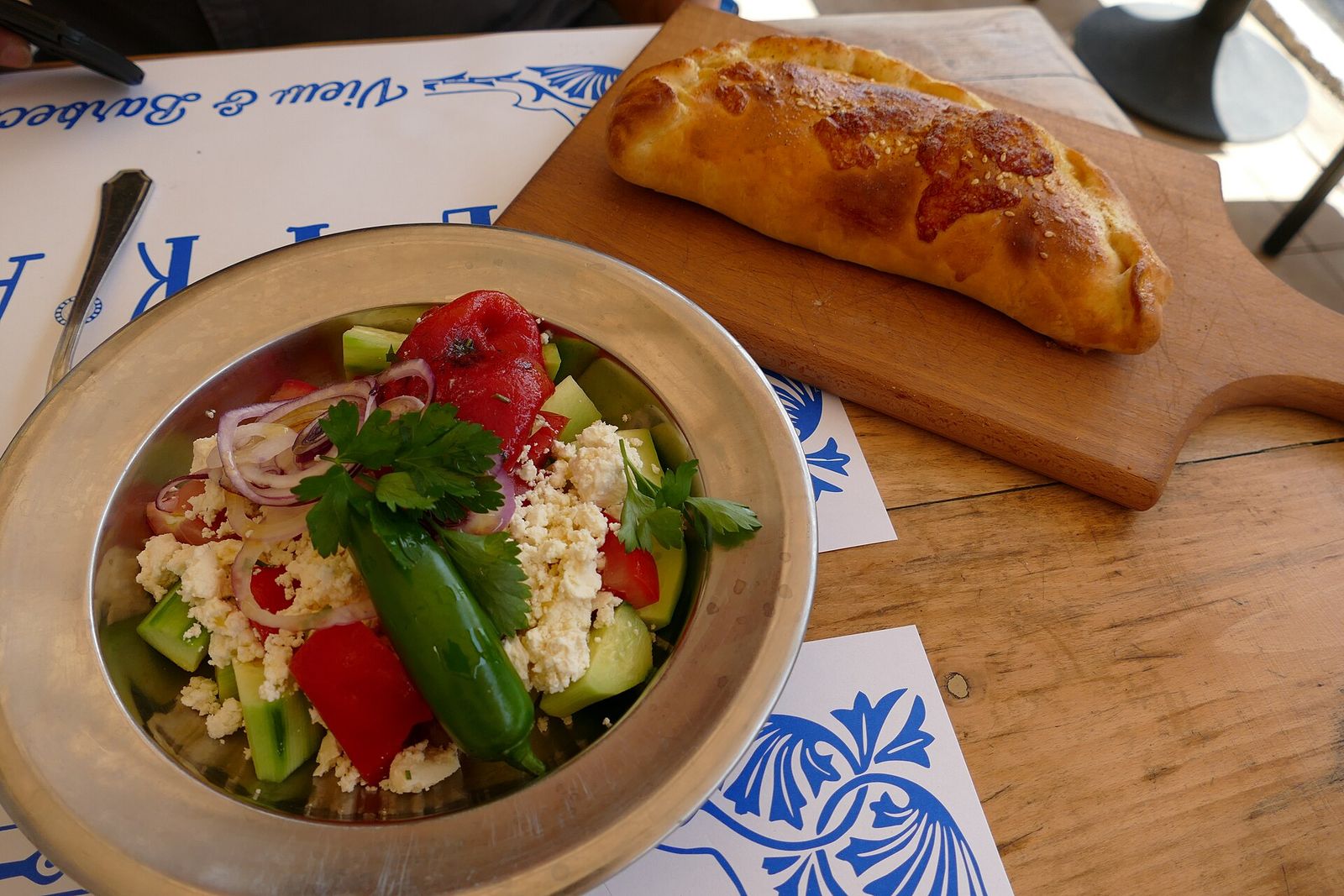
Sofia Food Guide: What to Eat and Where to Eat It
Sofia eats banitsa at breakfast and grills at night. Here is what to eat in the city, where to eat it and what it costs.
Read the guide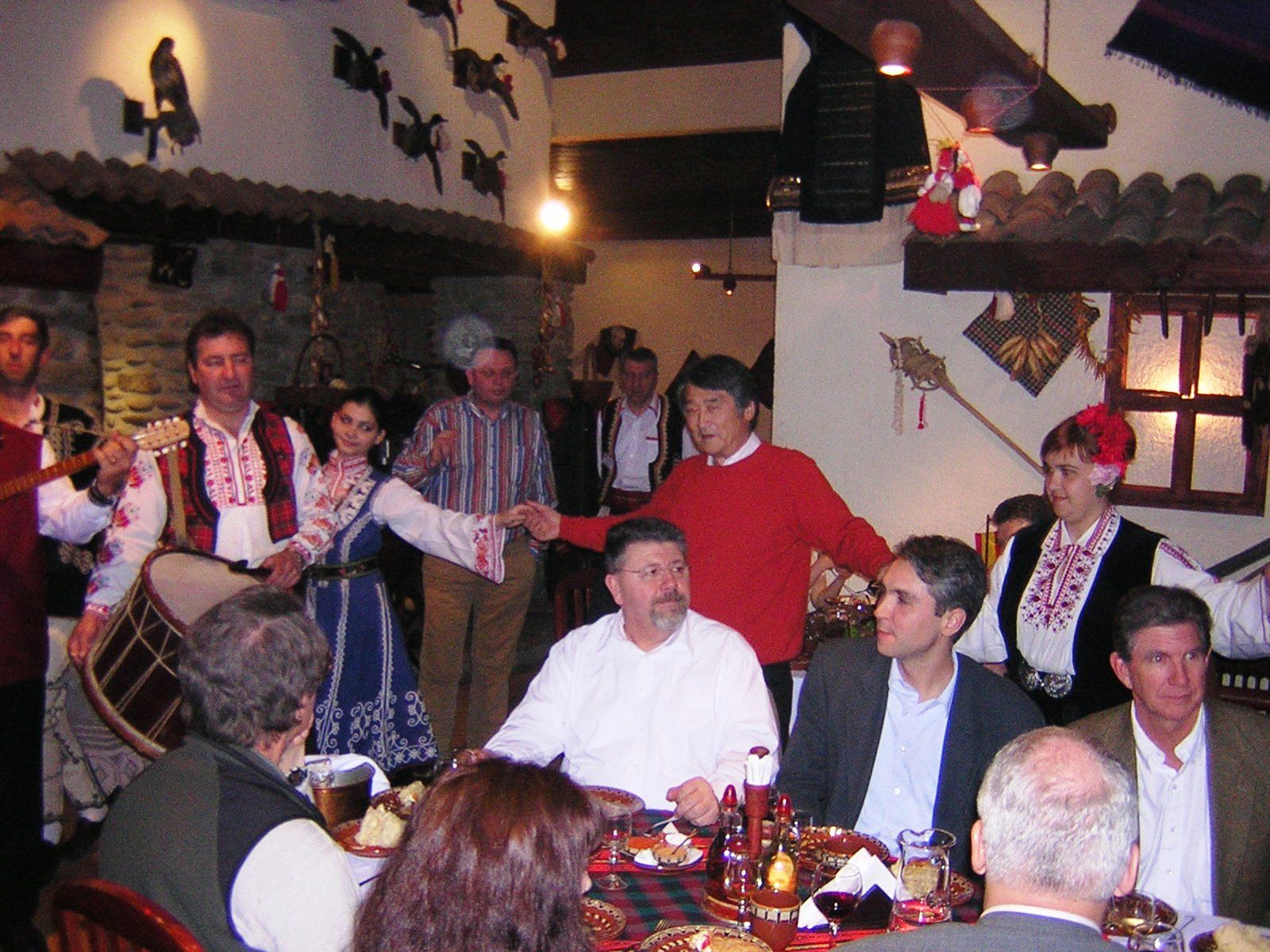
The Best Restaurants in Sofia: 20 Places I'd Book
Sofia eats out in mehanas, garden bistros and one bold tasting menu. These are the 20 restaurants I'd book.
Read the guide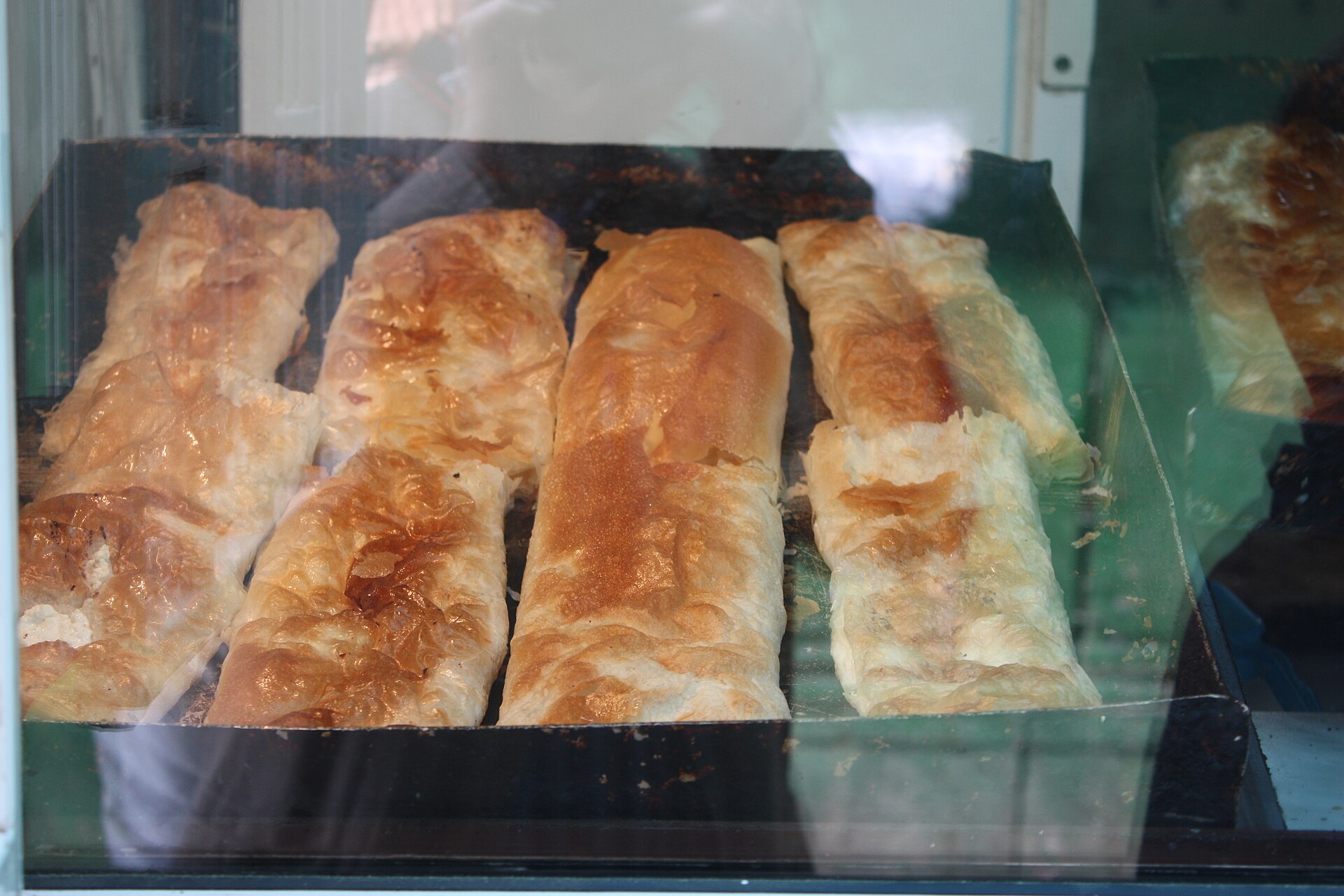
Where to Eat Banitsa in Sofia
Banitsa is how Sofia eats breakfast. Here is where to get the best one, what to ask for, and when it is freshest.
Read the guide