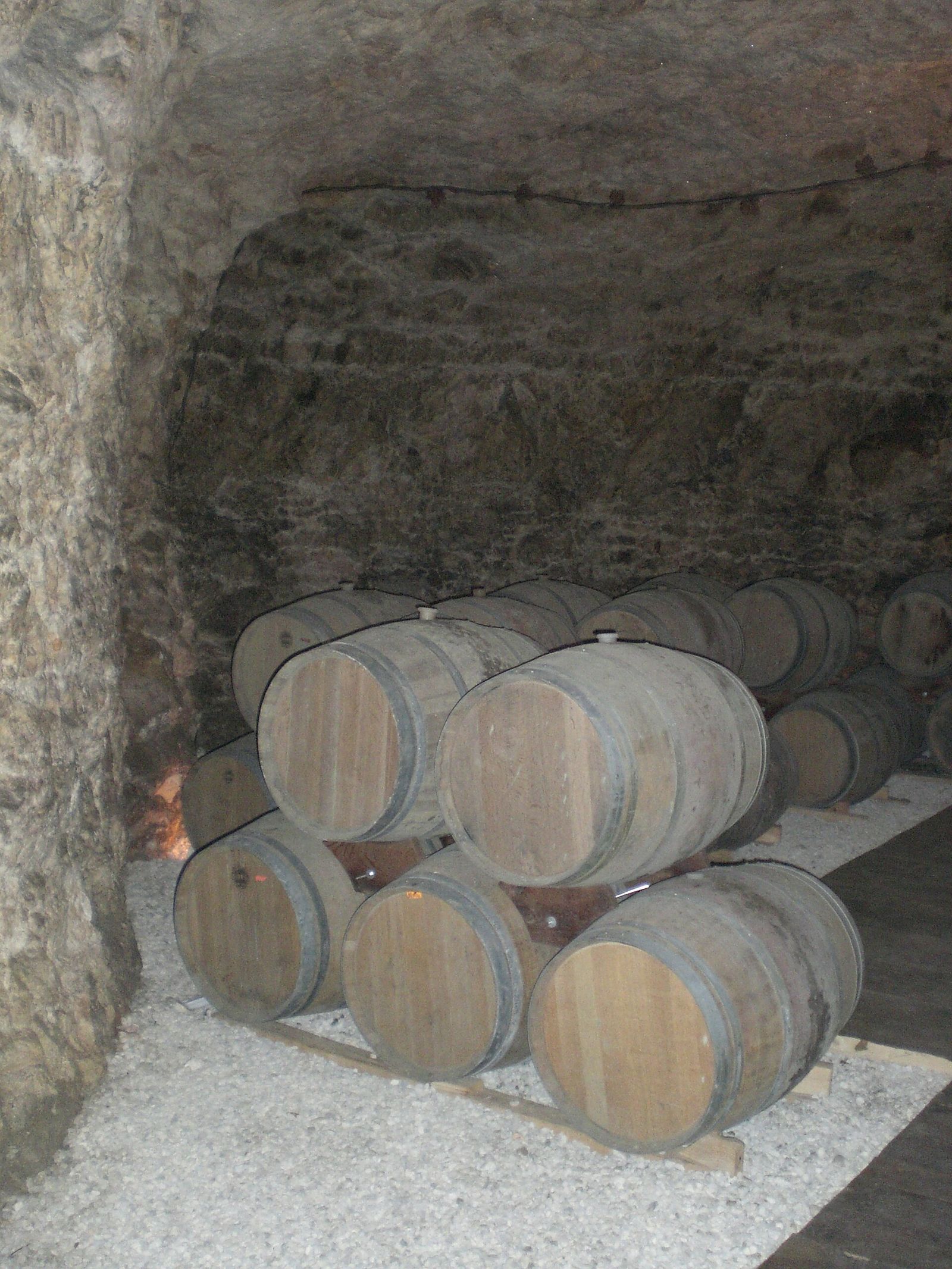
The Best Bulgarian Wines to Try
The best Bulgarian wines come from grapes most wine lovers have never met: Mavrud, Melnik, Rubin, Gamza, Dimyat and Misket. Bulgaria also makes very good Cabernet Franc and Syrah. Here are the 12 wines I'd try, red and white, what each one tastes like, the estates and bottles to find, and how to pick a good bottle in Sofia.
The best Bulgarian wines at a glance
| Wine | Type | Region | Style | A bottle to look for |
|---|---|---|---|---|
| Mavrud | Red | Thracian Valley | Cherry, chocolate, firm tannins | Rumelia Merul Mavrud |
| Broad-leaved Melnik | Red | Struma Valley | Cherry, then tar and leather with age | Villa Melnik, Orbelus or Medi Valley |
| Melnik 55 | Red | Struma Valley | Peppery, strawberry, blackberry | Orbelus Hrumki |
| Rubin | Red | Bred in Pleven, now widespread | Plums, herbs, firm tannins | Harlambievi H's Rubin |
| Gamza | Red | Northwest | Light, tart berries, pepper | Vidinska Gamza Traditions |
| Cabernet Franc | Red | Thracian Lowlands, Sakar | Cassis, red pepper, mint | Eolis Cabernet Franc |
| Syrah and red blends | Red | Thracian Valley, Sakar | Dark fruit, smoke, pepper | Rossidi Syrah |
| Dimyat | White | Black Sea coast | Apricot, quince, fresh | DeVina The Visitor |
| Red Misket | White | Several regions | Dry, aromatic, slightly salty | A local one by the glass |
| Tamianka | White | South Sakar, Struma Valley | Incense, roses, lychee | Bogdaya Tsventitsa Vineyard |
| Varnenski Misket | White | Northeast, near Varna | Stone fruit, melon, lemon | Staro Oryahovo White Story |
| Chardonnay, Riesling and orange wine | White | Across the country | Fresh and citrusy, or skin-contact | Rossidi Orange |
The best Bulgarian red wines
1. Mavrud
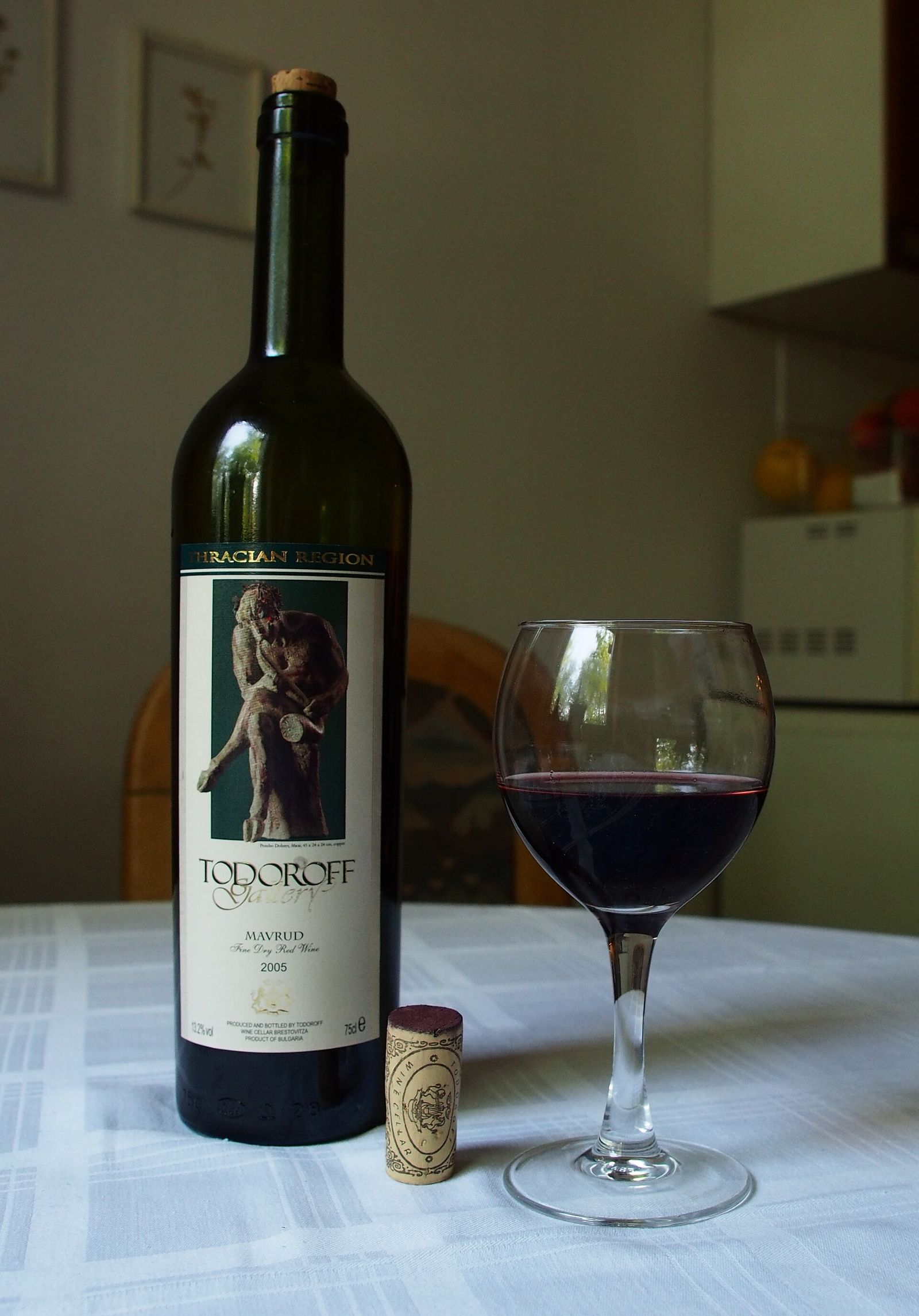
Mavrud is a native grape that has been part of the country's wine identity since ancient times, and its home is the country around Plovdiv in the Thracian Valley. The name comes from the Greek word mavro, black, after its deep blue-black skins, and the grape likes warm weather and ripens late.
A good Mavrud is medium-bodied with firm tannins and fresh acidity, and it tastes of cherries, prunes, mulberries and dark chocolate with a spicy, herbal finish. If you drink Malbec, a lightly oaked Mavrud will feel familiar, down to the magenta rim in the glass. Producers often blend it with Cabernet Sauvignon and Syrah.
The Mavruds I'd look for are Rumelia's Merul Mavrud from Panagyurishte, with dried fruit, dates and spice; the Bulgarian Heritage Mavrud Reserve from Izba Karabunar; and the Mavrud of Villa Yustina in the Yakata area west of Plovdiv. On a trip to Plovdiv, this is the wine to order at dinner.
2. Broad-leaved Melnik
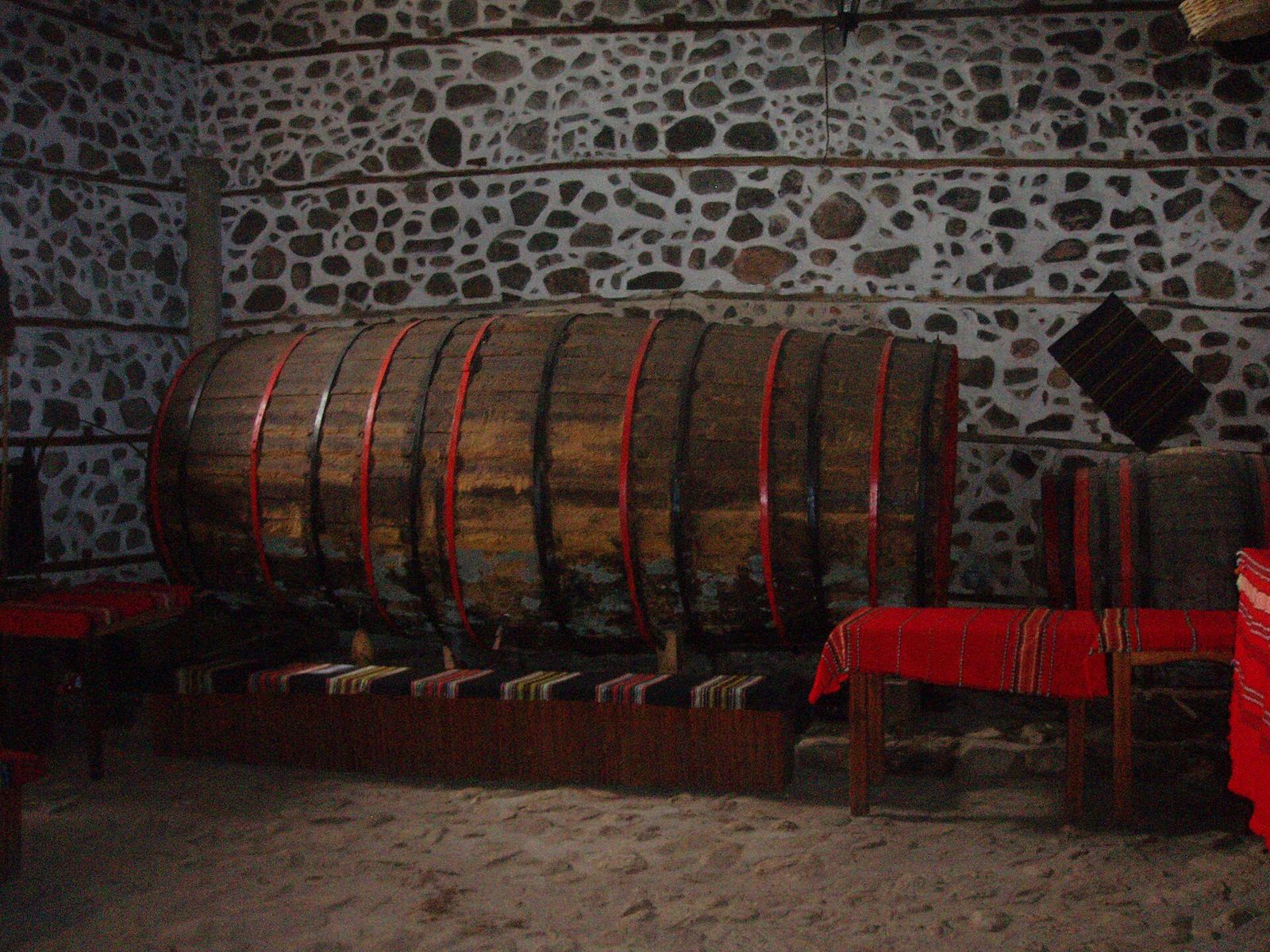
When Bulgarians say "Melnik wine", they usually mean Shiroka Melnishka Loza, the Broad-leaved Melnik. It is an ancient, late-ripening grape that grows almost only in the southwest, around the towns of Melnik, Petrich and Sandanski in the Struma Valley, where the valley opens toward the Aegean and the growing season runs long and warm.
Broad-leaved Melnik is tannic and built to age. Young, it tastes of cherries, strawberries and stone fruit; after some years in the bottle it turns to tar, leather and spice. It is known as Winston Churchill's favorite wine, and it is the one to buy if you want a bottle that will keep.
The estates of the Struma Valley are Villa Melnik, Orbelus and Medi Valley. A trip to Melnik lets you taste it in the town that gave the grape its name.
3. Melnik 55
Melnik 55, also called Early Melnik, is a cross between Broad-leaved Melnik and the French grape Valdiguié. It is picked very early in the harvest: in 2016, Orbelus brought its Early Melnik in on 10 August. Like its parent, it grows almost only in the Struma Valley.
The wines are elegant and peppery, with strawberry, blackberry and black pepper, and sometimes a savory note like soy sauce. Blended with other grapes, Melnik 55 gives bold tannins; on its own it is much lighter, closer to a Gamay from Beaujolais. It goes well with red meat and charcuterie.
Orbelus makes the bottle to look for, Hrumki, a blend of Merlot, Early Melnik, Syrah, Marselan and Grenache that changes from vintage to vintage. Its name means "whim", and it is fresh despite 14.5% alcohol. The same southwest also grows Melnik 1300, a newer cross of Broad-leaved Melnik and Saperavi.
4. Rubin
Rubin is a Bulgarian cross of Nebbiolo and Syrah, bred at the Institute of Viticulture and Enology in Pleven in the 1940s. It ripens fairly early, is very resilient, and took off with winemakers from the late 1950s. Many producers blend it with Mavrud for structure and color.
Rubin tastes of plums and herbs, from sweet strawberry to blackberry, with hints of coffee and firm tannins. It shows best with age, when the fruit opens up and the tannins soften, the way an aged Nebbiolo does.
For a bottle, look for H's Rubin from Harlambievi near Pleven, the town where the grape was bred, with fresh cherry, mulberry and blueberry, clove and black pepper. I'd drink it with anything off the grill.
5. Gamza
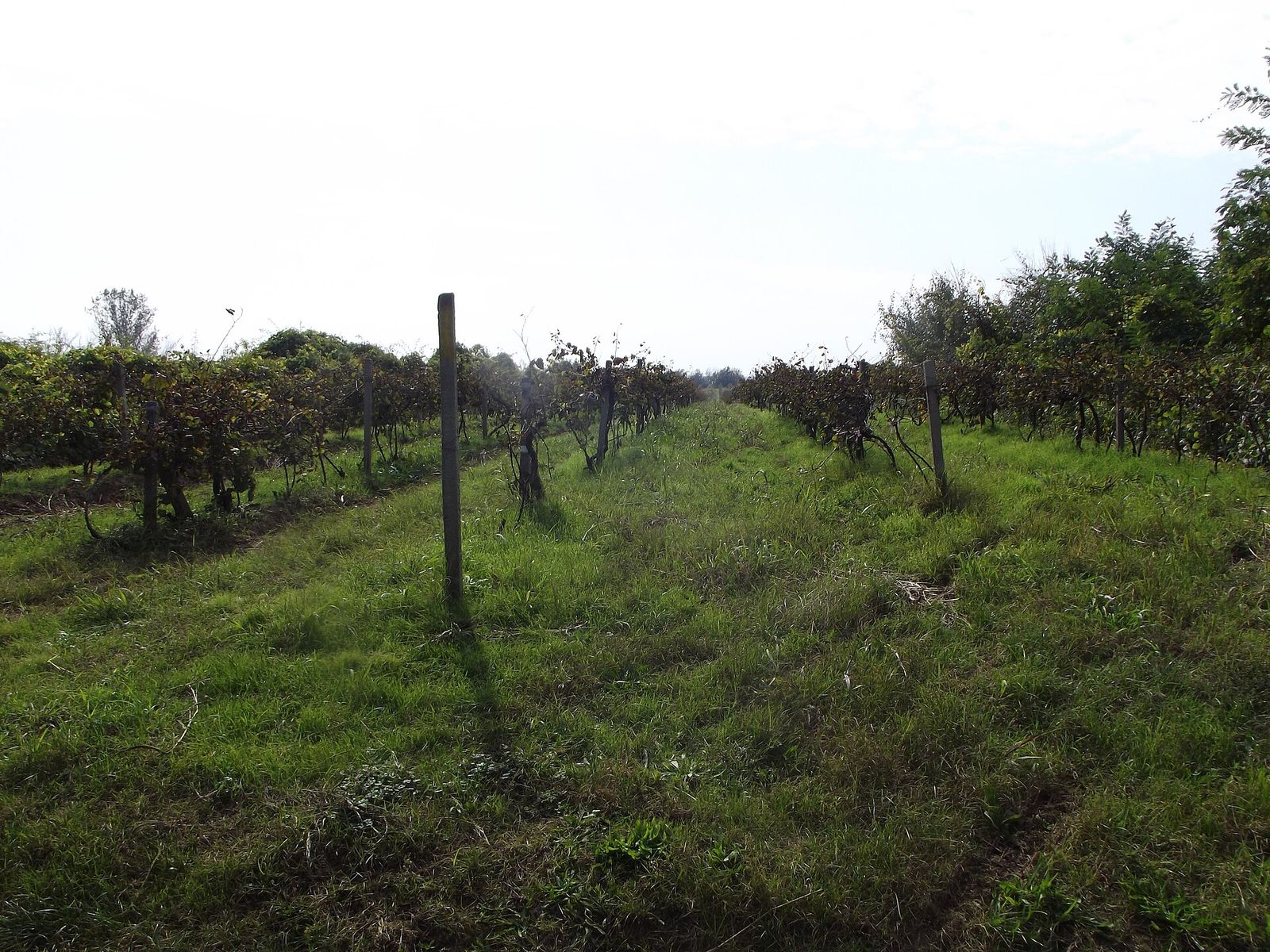
Gamza, known elsewhere as Kadarka, is an old Balkan grape that prefers the cooler northwest of Bulgaria, on the Danube Plain. It makes light, aromatic reds with tart berry fruit, a savory, herbal side and a touch of black pepper and baking spice, in the style of a Barbera or an Oregon Pinot Noir.
Bottles to look for: Vidinska Gamza's Traditions Gamza from Novo Selo, made from old, own-rooted vines, macerated for 30 days and aged two years in old French oak, with poppy, rhubarb and raspberry; and the Gamza from Borovitza, near the Belogradchik Rocks, where the winery keeps old Gamza vines alive.
6. Bulgarian Cabernet Franc
Cabernet Franc grows very well in Bulgaria's moderate climate, and it is the international grape I'd pick here over Cabernet Sauvignon. It is late-picked, harvested around mid-October in the Thracian Lowlands, and it gives cassis, red paprika, black currant, mint and cherry.
Eolis makes the one I'd hunt for: its Cabernet Franc is aged 15 months in 400-liter French oak, and it was €11 ex-cellar in 2018, with only 800 bottles made. Also look for Angel's Estate Deneb Cabernet Franc from Sliven, Seven Generations Cabernet Franc and the Cabernet Franc Private Reserve from Bratanov in South Sakar, which was €35 ex-cellar in 2018.
7. Bulgarian Syrah and red blends
The Thracian Valley and Sakar make big, structured reds from Syrah, Merlot and Cabernet Sauvignon, often blended with Mavrud or Rubin. They are the bottles I'd pick for a celebration dinner.
Start with Bessa Valley, the estate between the Rhodope Mountains and the Maritsa River set up with the help of Bordeaux owner Stephan von Neipperg, whose Enira and Grande Cuvée blend Merlot, Syrah, Petit Verdot and Cabernet Sauvignon; Rossidi's Syrah from high, north-facing vineyards, with tar, licorice and a wet-stone texture; Bratanov's South Sakar Selection Merlot and Syrah, smoky and peppery; The Firebird, a 100% Syrah from pianist and winemaker Ivo Varbanov; and Villa Yambol's Bolyarovo Cabernet Sauvignon.
For something stranger, Borovitza's Ogy's Legacy blends Bouquet, Gamza, Evmolpia, Rubin and Cabernet Franc, several of them crosses bred in socialist times.
The best Bulgarian white wines
8. Dimyat
Dimyat is Bulgaria's most planted native white grape, grown almost only in Bulgaria and mostly near the Black Sea, where it does well on steep limestone slopes. It is related to Chardonnay through a shared ancestor, and it makes light, fresh, aromatic wines with apricot, quince and apple blossom. Most Dimyat is drunk young, with appetizers, though some styles develop vanilla notes with age.
DeVina's The Visitor is the Dimyat to find: dry, with white peach, quince and flowers. It is the bottle I'd open on the Black Sea coast.
9. Red Misket
Red Misket, or Misket Cherven, is a native grape that makes white wine: the "red" refers only to the pinkish skin. It is dry, aromatic and a little salty, like a dry Moscato, with mandarin, rose water, lime and Thai basil, and a finish of dried pineapple or mango. Its acidity is low, so it is often blended with a crisper grape.
I'd order Red Misket as an aperitif, or with a salad or seafood.
10. Tamianka
Tamianka is the Bulgarian name for Muscat Blanc, and the name comes from its scent of incense. The wines are aromatic, with roses, tropical fruit, bergamot and spice, and they are often off-dry. A single-vineyard Tamianka from South Sakar is the flagship of Bulgaria's aromatic whites.
Look for Bogdaya's Tsventitsa Vineyard Tamianka from the Struma Valley, with lychee and guava, and the 100% Tamianka from Bratanov in South Sakar.
11. Varnenski Misket
Varnenski Misket is a Bulgarian cross of Dimyat and Riesling, grown in the northeast near Varna. It is aromatic like the Muscat family, with stone fruit, melon and candied lemon.
Staro Oryahovo, a small family winery just south of Varna that planted its first vines in 2010 and made its first wine in 2013, makes White Story, at 12% alcohol. Varna Winery, a white-wine specialist on the coast, makes a Varnenski Misket too.
12. Bulgarian Chardonnay, Riesling and orange wine
Bulgarian Chardonnay is often made unoaked, fresh and fruity with apple, pineapple and good acidity. The estates below push white grapes further, with skin contact, concrete eggs and Bulgarian oak.
Bottles to look for: Rossidi's orange Gewürztraminer, a month on the skins and eight months on the lees, with marmalade and orange zest; Rossidi's Chardonnay fermented in a concrete egg; Poissons D'Or, an Ivo Varbanov Chardonnay aged in 600-liter Bulgarian oak; Orelek from Orbelus, a Chardonnay and Viognier blend from an organic winery founded in 2009; the Chardonnay of Chateau Burgozone on the Danube; and Bratya Minkovi's Enoteca Riesling from Silistra.
How to pick a good Bulgarian wine
Start with the grape and the producer. The two official regions on most labels, Thracian Valley and Danube Plain, each cover half the country, so they tell you little. A smaller place name like Melnik or Sakar is a better sign, and "Reserve" means the wine spent 6 to 18 months in oak and 6 months in the bottle.
The grape and the region together tell you most of the style. A Mavrud from the Thracian Valley, a Gamza from the northwest and a Dimyat from the Black Sea are the classic matches, and the wider map of Bulgarian wine follows the same logic: reds in the south and southwest, more whites in the north and east. The other Bulgarian grape varieties, like Pamid, Gergana and Sandanski Misket, are worth a glass when a wine bar has them open.
Pair the wine with the food on the table: the reds with roast and grilled meat, the whites with salads, fish and appetizers. Most of these dishes are on the menu of any restaurant serving Bulgarian food.
Where to buy and taste Bulgarian wine in Sofia
For a guided start, Coupage Wine and Cheese, a few blocks off Slaveykov Square, pours wines from smaller Bulgarian producers with Bulgarian cheese and charcuterie, and Tempus Vini runs tastings too. For a glass or a bottle, Wine Generator, Phine, Vineria, Wine & Co and Grape Central are the names among Sofia's wine bars and shops.
Most Bulgarian wine never leaves the country: about 80% of it is drunk at home. If the bottle you liked at dinner is not exported, buy it in Sofia. The same grapes also end up in a glass of rakia: grozdova, made from grapes, is the most common kind in Bulgaria.
Key takeaways
- Start with Mavrud, the native red of the Thracian Valley.
- Melnik wine means Broad-leaved Melnik, which ages, or the lighter, peppery Melnik 55.
- Rubin and Gamza round out the native reds, and Cabernet Franc is my pick among the international grapes.
- Dimyat, Red Misket, Tamianka and Varnenski Misket are the whites to try.
- Choose by grape and producer, not by the "Thracian Valley" or "Danube Plain" on the label.
Frequently asked questions
What is the best wine in Bulgaria?
The best Bulgarian wines are the native reds from good estates, above all Mavrud from the Thracian Valley and Broad-leaved Melnik from the Struma Valley. Among the estates, I'd look for Bessa Valley's Enira, a Rossidi Syrah and a Gamza from Borovitza.
What is a famous Bulgarian wine?
Mavrud is the most famous Bulgarian wine, a dark red from the country around Plovdiv. Melnik, from the town of the same name in the southwest, is the other famous name, known as Winston Churchill's favorite wine.
What does Mavrud taste like?
Mavrud tastes of cherries, prunes, mulberries and dark chocolate, with a spicy, herbal finish. It is medium-bodied with firm tannins and fresh acidity, and a lightly oaked one is close in style to Malbec.
What is Melnik wine?
Melnik wine is red wine from the Struma Valley around the town of Melnik in southwest Bulgaria. It is made from Broad-leaved Melnik, a tannic grape that ages well, or from Melnik 55, a lighter, peppery cross bred from it.
Are Bulgarian wines any good?
Yes. Since about 2000, private estates have lifted quality sharply, and native grapes like Mavrud, Melnik and Gamza make wines you rarely find abroad. They are also very good value for the quality.
What are the main wine regions in Bulgaria?
Bulgaria has two official wine regions, the Danube Plain in the north and the Thracian Valley in the south. Labels and winemakers also use the smaller Bulgarian wine regions: the Black Sea coast, Sakar, the Rose Valley and the Struma Valley.
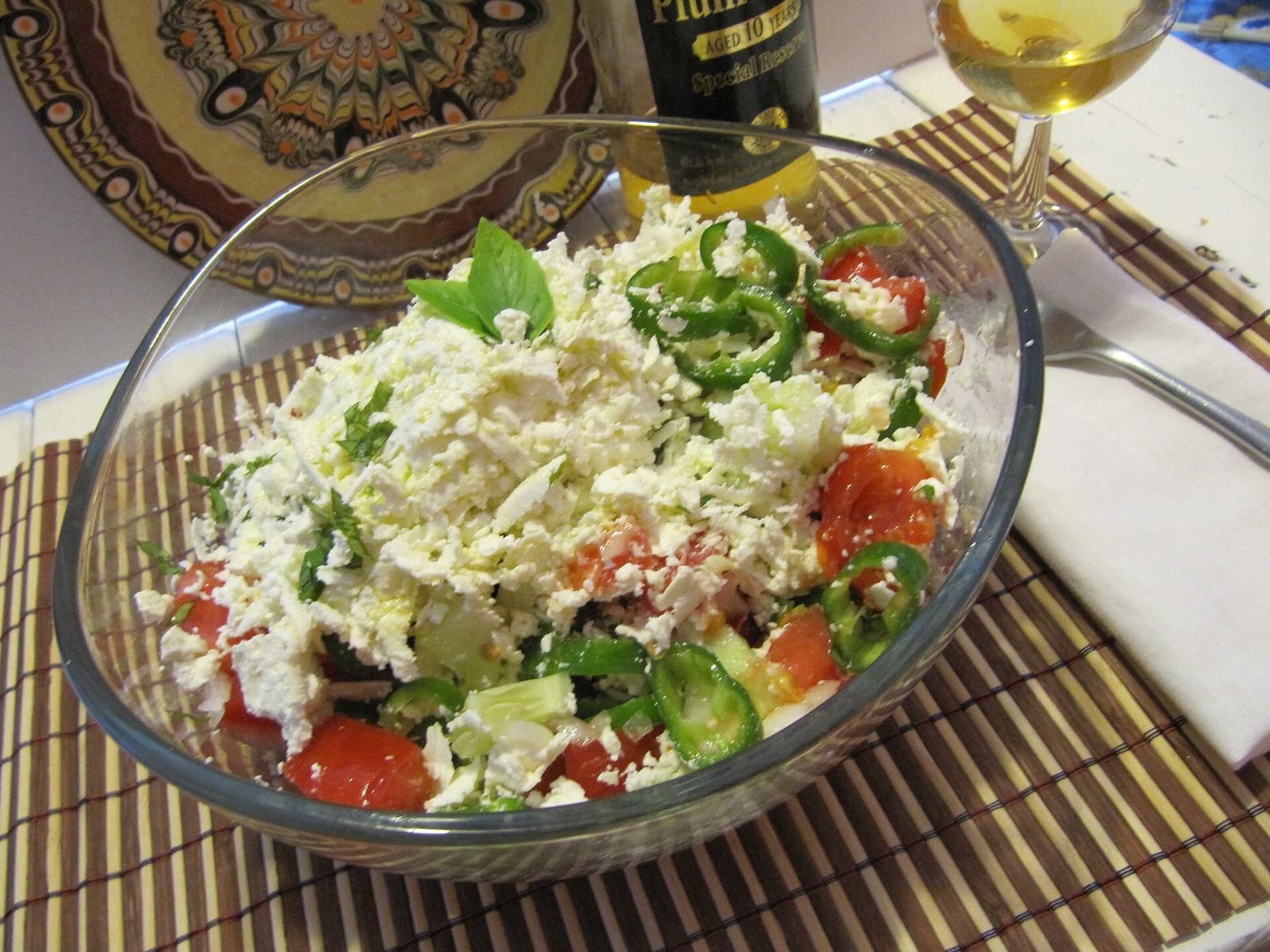
Bulgarian Drinks: What to Drink in Bulgaria and Where to Try It in Sofia
Bulgaria is known for rakia, wine and yogurt drinks: what to order, when locals drink each one and where to try it.
Read the guide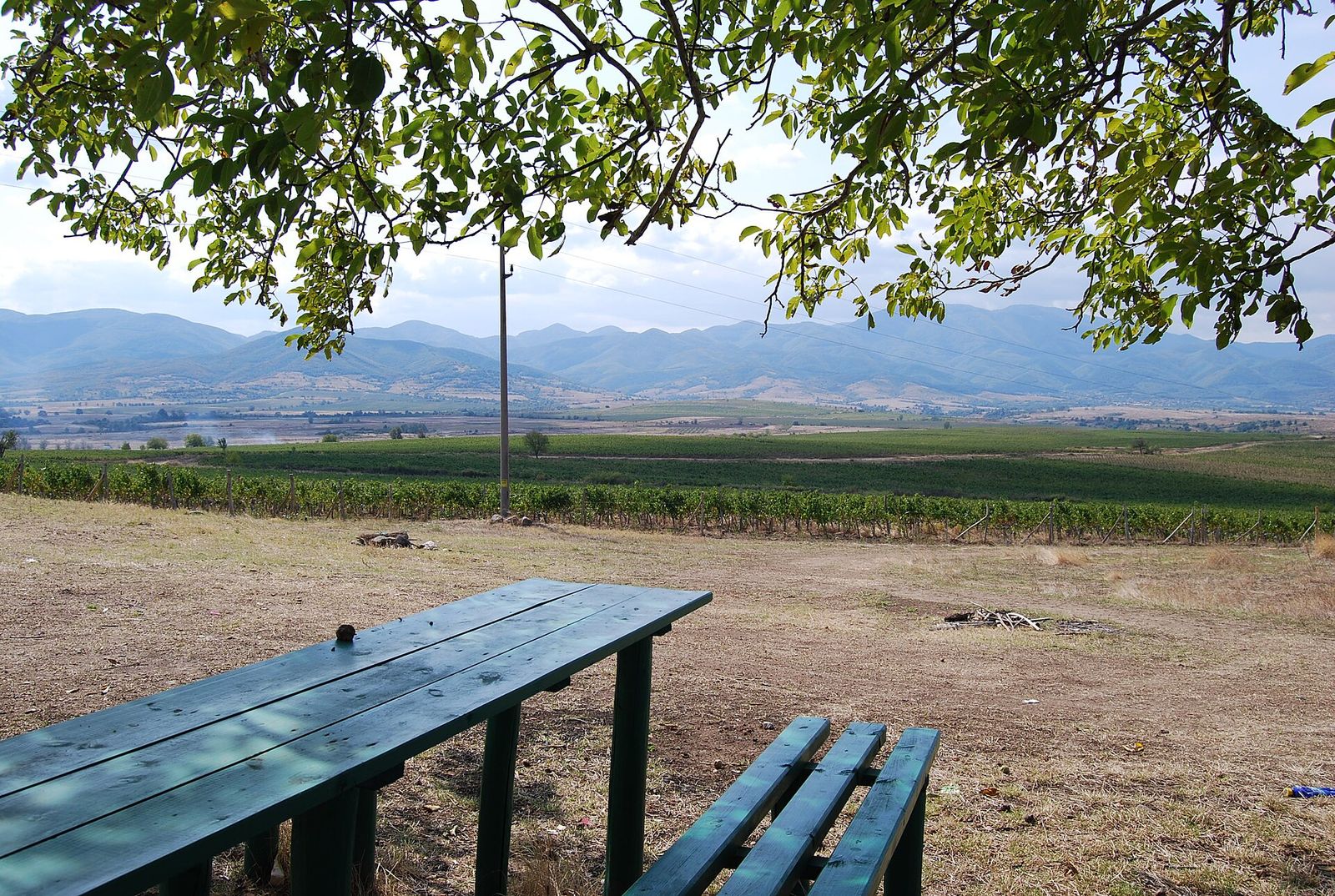
Bulgarian Wine: A Visitor's Guide
Bulgaria has made wine since the Thracians: the grapes to order, how to read a label and where to taste it in Sofia.
Read the guide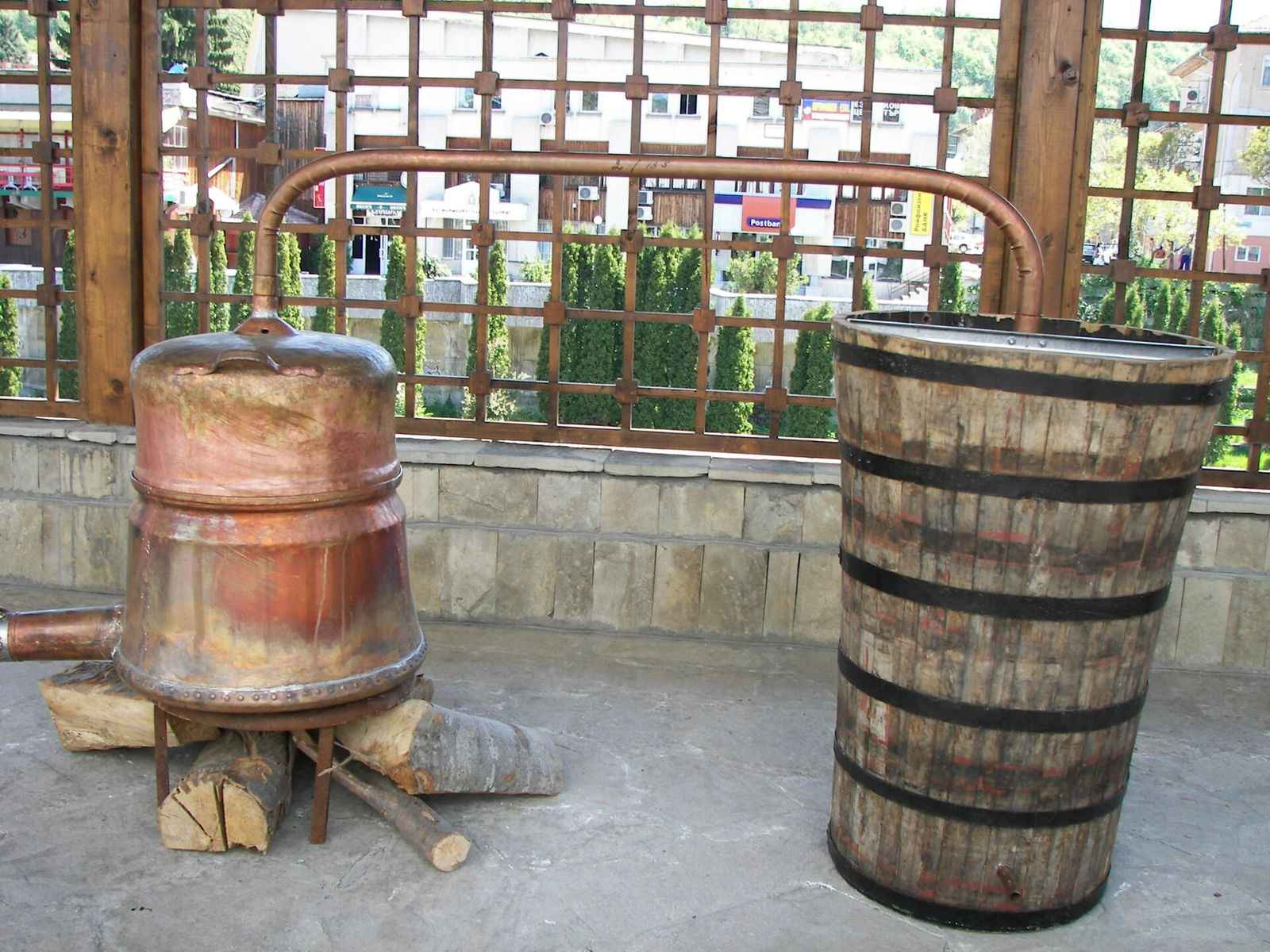
Rakia: Bulgaria's Fruit Brandy
Rakia is the drink Bulgarians pour for guests: what it is, the types to try and how to drink it the local way.
Read the guide