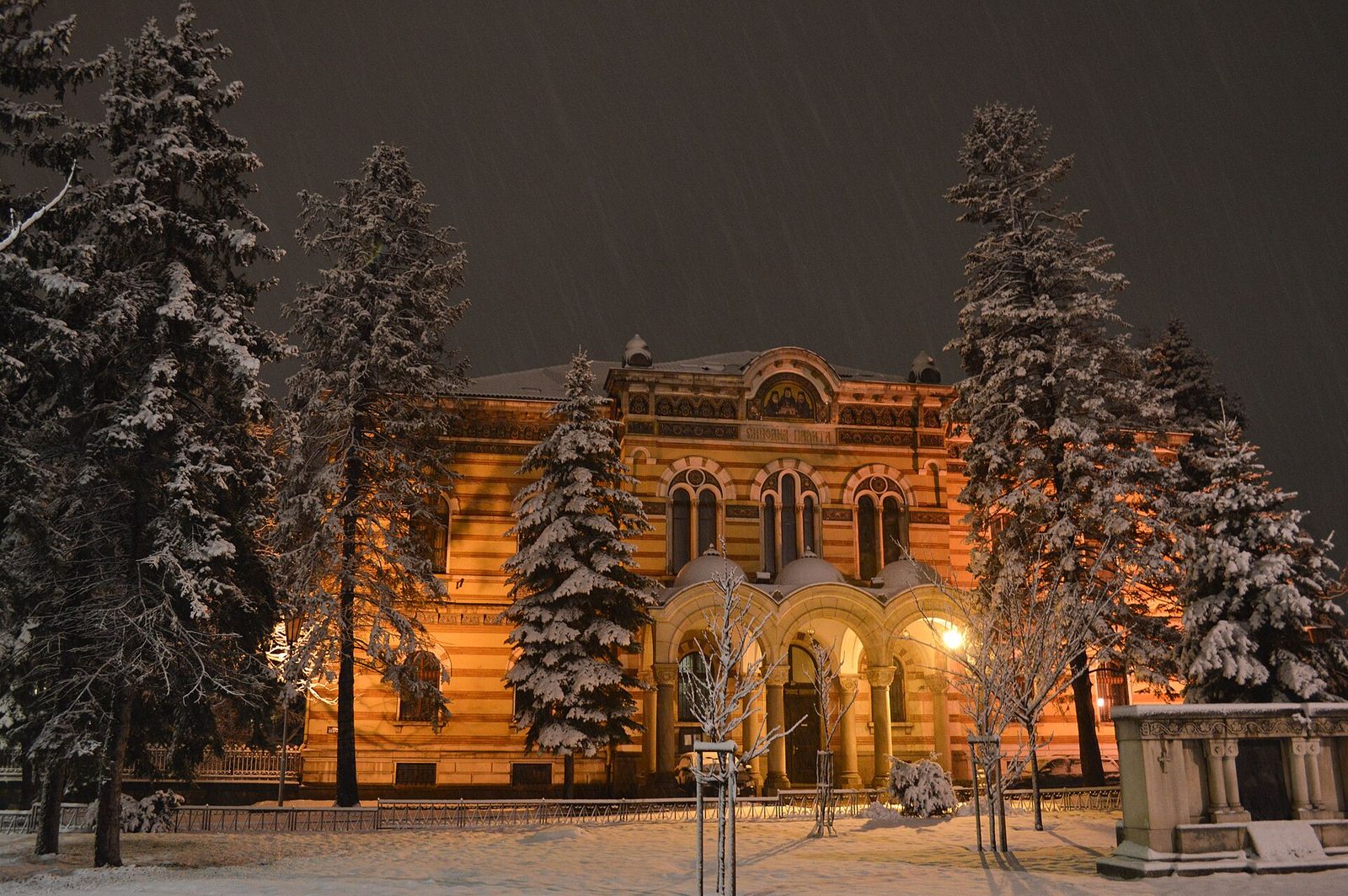
Sofia in Winter
Sofia is known in winter for snow on the church domes, a ski area at the edge of the city and the lowest hotel prices of the year. This guide covers the weather from December to February, skiing on Vitosha and in Borovets and Bansko, the holidays, the warm indoor plans, the hot springs, the day trips that still work and what to pack.
Sofia in winter at a glance
Winter in Sofia runs from December to February, and it is a real one. With Vitosha rising straight behind the city, it gets cold nights, regular snow and a ski season within sight of the center.
It is the quietest season for visitors. Museums and restaurants run as normal, the queues are gone, and the bars feel cozier with snow outside.
Winter weather in Sofia, month by month
| Month | Average high | Sunny hours a day | What's on |
|---|---|---|---|
| December | 4°C (39°F) | 2 hours | Christmas markets, the ski season opens, New Year's Eve |
| January | 2°C (36°F) | 2 hours | Yordanovden on 6 January, Surva in Pernik, the best snow on Vitosha |
| February | 4°C (39°F) | 3 hours | Ski days, Trifon Zarezan on 14 February |
Nights are much colder than these highs, and in a cold spell the city often drops to around -4°C.
Snow falls several times each winter, though the city rarely gets buried: 5 to 15 cm in the center is typical, and the main streets are cleared within a day.
Short days: how I'd pace a winter day
In December the sun sets around 4:30 PM, and by early February it stays light until about 5:30 PM, with about 9 hours of daylight in all against roughly 15 in June.
I'd run a winter day the other way round from summer. Walk the center in the morning, when the light is good on Alexander Nevsky and the Roman ruins at Serdika. Spend the afternoon inside a museum, and keep the evening for a long dinner, a glass of red or a night at the opera.
Most of the best museums in Sofia sit within walking distance of each other in the center, so a cold or wet afternoon can take in two of them.
Skiing near Sofia
Aleko, on Vitosha, is Sofia's own small ski area, at the end of a city bus line. Of Bulgaria's main resorts, Borovets is close enough for a day trip and Bansko for a weekend.
| Ski area | Distance from Sofia | Getting there | Best for |
|---|---|---|---|
| Aleko, Vitosha | On the mountain above the city | Metro line 2, then bus 66 | A morning on the slopes |
| Borovets | About 73 km | About 1.5 hours by car or direct bus | A full ski day |
| Bansko | About 160 km | 2 to 2.5 hours by car, about 3 by bus | A ski weekend |
Aleko on Vitosha
The ski runs sit around Aleko hut at 1,810 meters. They are short and few, a taxi from the center takes 20 to 30 minutes, and ski and snowboard gear can be rented at Aleko by the day.
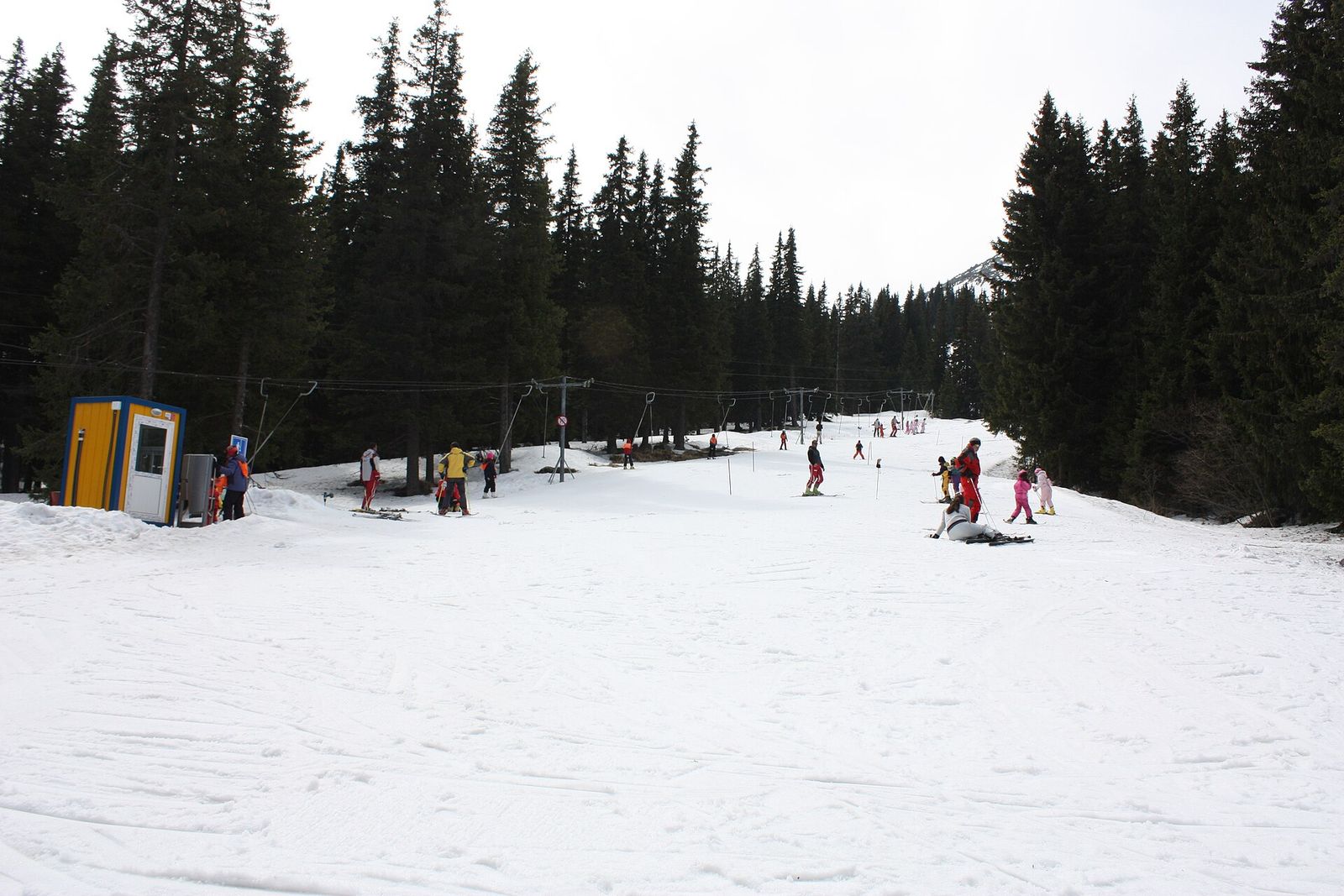
Without a taxi, take metro line 2 to its last stop, Vitosha, then bus 66 up the mountain, which runs most often at weekends. The lifts are mostly a weekend operation, weather permitting, so I'd plan a ski morning on Vitosha Mountain for a Saturday or Sunday.
Borovets
Borovets sits in the Rila Mountains about 73 km south of Sofia, about 1.5 hours by road, and it is the oldest winter resort in Bulgaria. Its season runs from mid-December into April in a good winter, and the gondola climbs toward Musala, the highest peak in the Balkans.
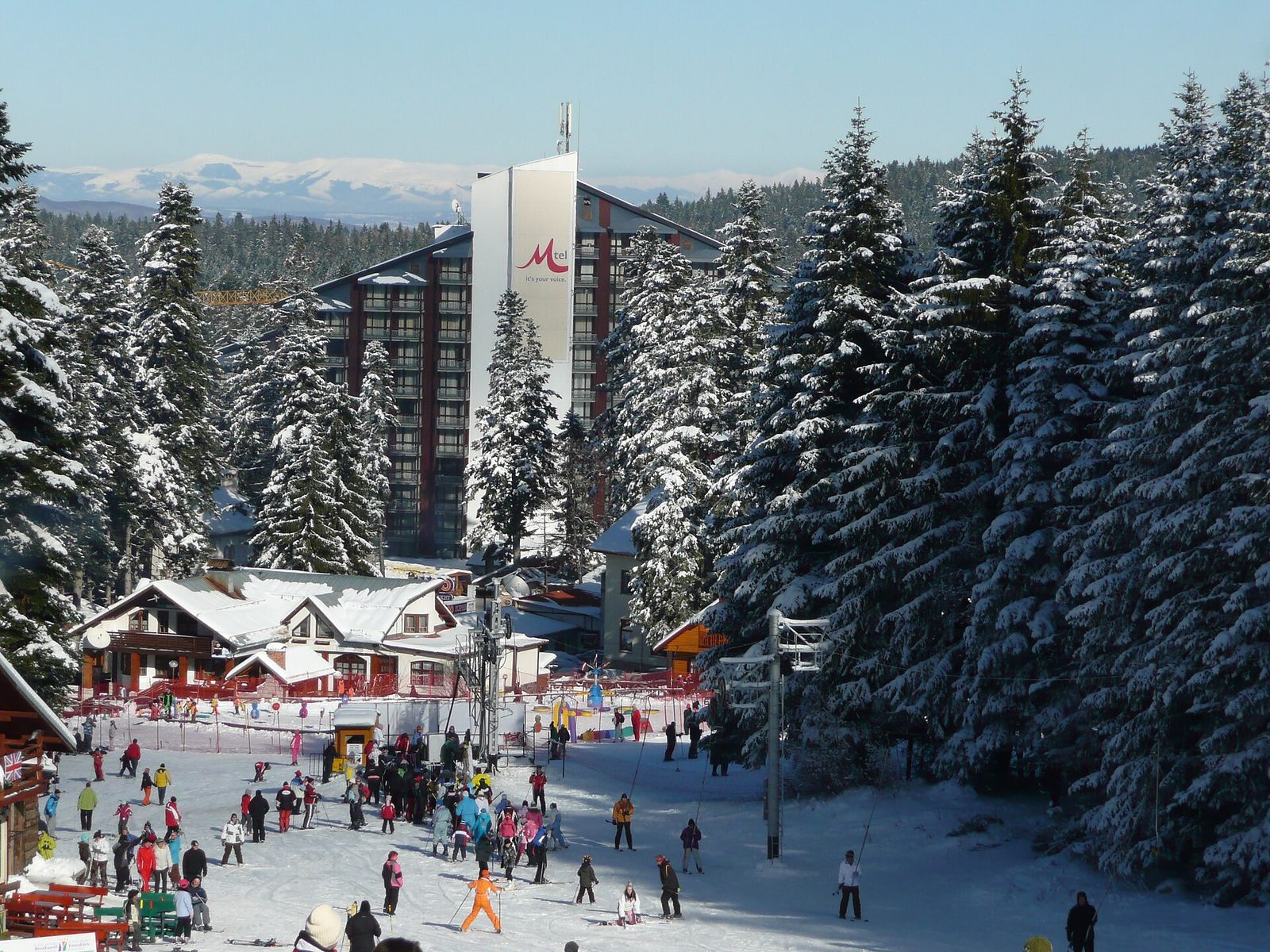
Without a car, take a bus to Samokov and a minibus up to the resort. It is the closer of the two big resorts, so I'd pick Borovets for a single ski day out of Sofia.
Bansko
Bansko, at the foot of the Pirin Mountains about 160 km from Sofia, is the largest ski resort in Bulgaria, with about 70 km of pistes and a gondola up from the town. It is 2 to 2.5 hours by car and about 3 by bus, so it suits an overnight stay better than a day trip.
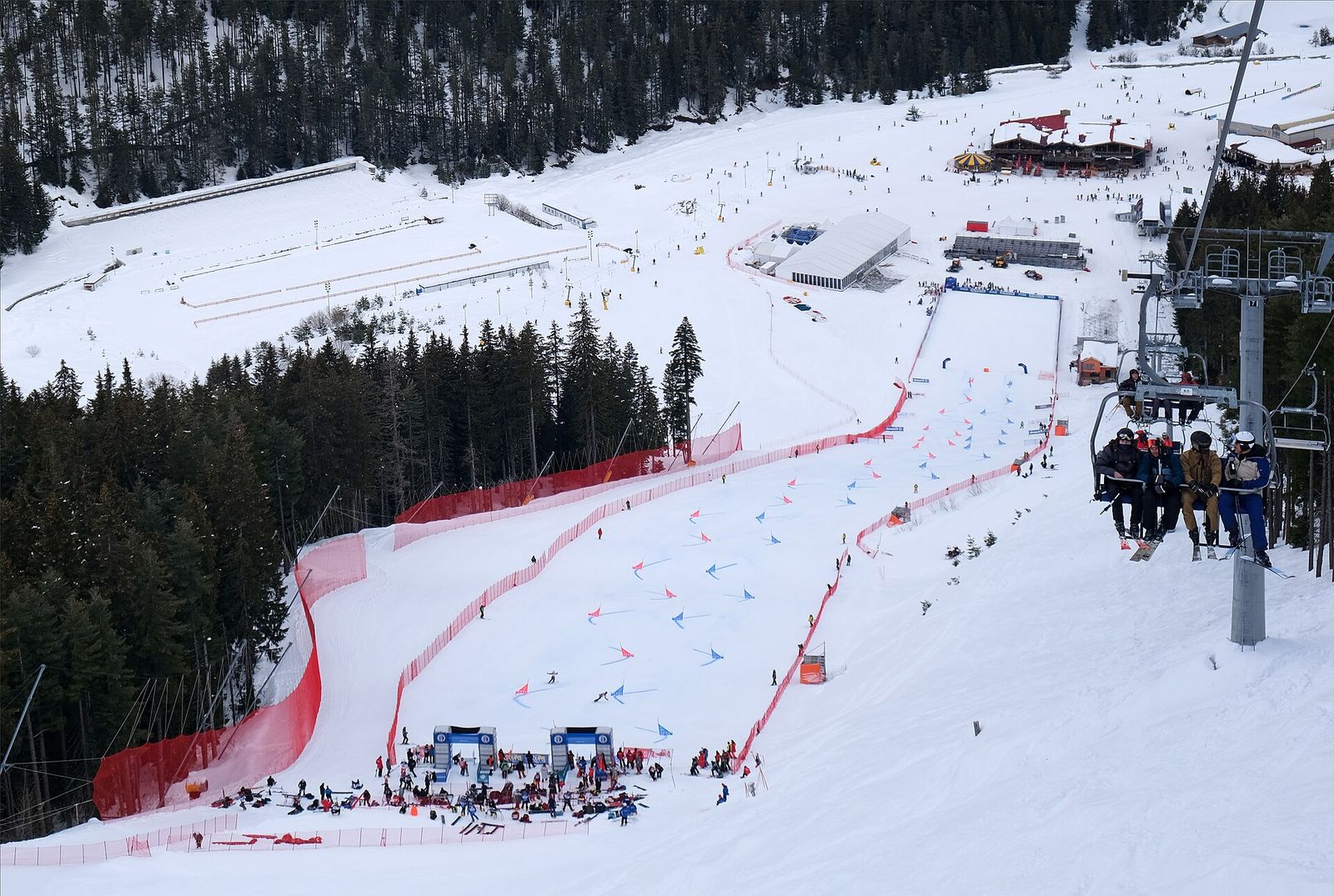
The old town of Bansko, with its 18th and 19th century stone houses and taverns, makes the evening part of a ski weekend. In a good snow year the season can run into April.
Christmas, New Year and the winter festivals
December is the busiest month. Two Christmas markets run in the center, the German market in the City Garden and Sofia Christmas Fest in front of NDK, and lights go up over Vitosha Boulevard for the season. Christmas and New Year in Sofia end with a free concert on Knyaz Alexander I Square on 31 December.
January has the old customs. On 6 January, Yordanovden, priests bless the waters, and in many towns young men jump into an icy river or lake to bring back a cross thrown in by the priest. In late January, Surva in Pernik, about 30 km from Sofia, brings out the kukeri, masked dancers in animal hides and heavy bells, and it is the one winter event I'd plan a trip around.
February is quieter. Trifon Zarezan, the vine-growers' feast on 14 February, is a good excuse for a glass of Bulgarian wine, and the ski season is at its best.
Warm plans indoors
The museums are better in winter, without the queues. The National Historical Museum opens every day, Mondays included, from 9:30 AM to 6 PM between October and March, when most other museums close on Mondays. The Regional History Museum sits inside the striped Central Mineral Baths, and the National Archaeological Museum fills an Ottoman mosque from 1494 next to the Presidency.
Evenings are for the stage. The Sofia Opera is in full season from December to February, with tickets from about €10 and English surtitles, and ballet needs no translation at all.
Sofia's cafes are made for a cold afternoon. My pick for a gray day is Artcafe Garden Bar, a winter garden under a glass roof, and the other cafes in Sofia run from specialty coffee bars to book cafes with shelves to browse.
Most terraces on Vitosha Boulevard are enclosed in winter, with heaters and blankets, though smoking is allowed on them. For a drink with a view, Sense, Ozone and The Scene, three of Sofia's rooftop bars, keep enclosed or indoor seating through the winter.
Skating is the other cold-weather plan. In winter, Lake Ariana in Borisova Gradina becomes an open-air rink of about 1,200 square meters, and the Ice Park in Knyazheska Garden runs lit ice paths and two rinks from December into February.
Hot springs and thermal pools
Sofia sits on mineral springs, and a hot soak is the best way to end a cold day. In the center, free public taps beside the Central Mineral Baths run warm mineral water all year, and locals fill bottles there in any weather.
Sapareva Banya
Sapareva Banya, about 95 km south of Sofia, has the hottest spring in the area, a geyser at about 103°C in the middle of town. It feeds outdoor pools of 36 to 40°C, open all year, and sitting in hot water while snow falls around you is the winter experience I'd travel for.
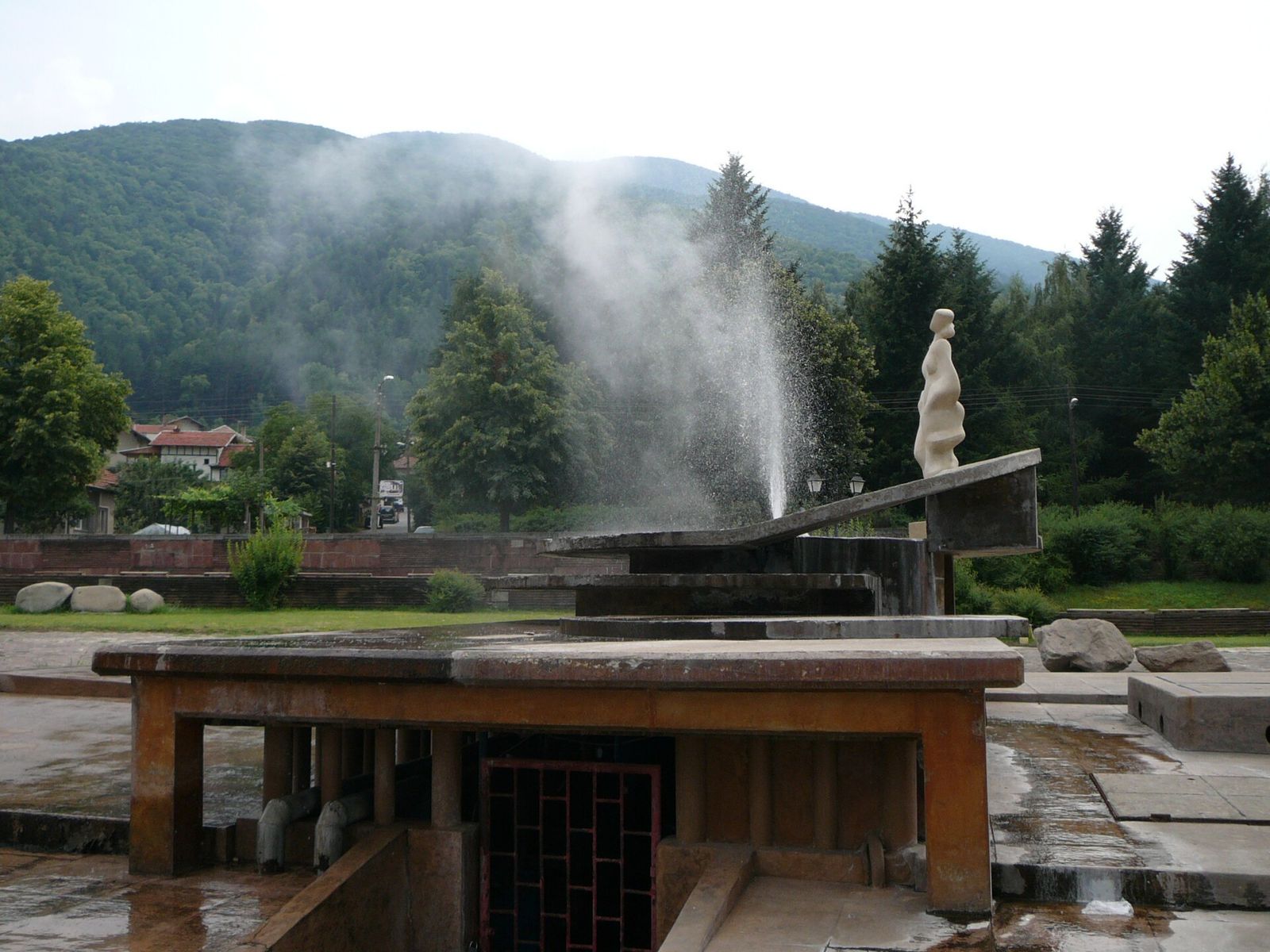
Spa complexes in the town sell day entry for about €10 to €20 a person, covering the outdoor and indoor thermal pools. Closer to the city, Bankya, 17 km west and about 25 minutes by train, and Pancharevo, about 15 km southeast, have pools filled with mineral water too. The Central Mineral Baths building itself is now a museum, so the taps outside are as close as the center gets to a bath.
Winter food and drink
Bulgarian food is at its best in the cold months, with soups, clay-pot stews and dishes that arrive sizzling. These are the ones I'd order from December to February.
| Dish or drink | What it is |
|---|---|
| Bob chorba | Bean soup, thick and filling |
| Shkembe chorba | Slightly spicy tripe soup, said to cure hangovers |
| Kavarma | Pork, chicken or beef stewed with peppers, onions and mushrooms in a clay pot |
| Sach | A sizzling plate of meat and vegetables for two or more |
| Sarmi | Sauerkraut leaves rolled around a filling, a Christmas Eve dish |
| Hot rakia | Rakia warmed with honey and black pepper |
| Greyano vino | Mulled red wine with cinnamon, cloves and orange |
| Mavrud | The dark local red that suits a stew |
Kavarma on a cold night is my own order, and a Mavrud or another Thracian red goes with it. Of all the Bulgarian food on a tavern menu, the soups are the most warming way to start. For a nightcap, hot rakia with honey is the old remedy for a cold, and it works just as well without one.
Day trips in winter
Rila Monastery is open every day of the year, its frescoed church looks its best against snow, and the drive up to 1,147 meters is the only part that snow can slow. Plovdiv, two hours by bus, works in any season, with the Roman theater and the Old Town to walk.
The Seven Rila Lakes chairlift keeps a winter schedule, though the lakes at the top are white. The Simeonovo gondola up Vitosha does not run, and outdoor attractions such as the Kokolandia adventure park close for the season.
Winter prices and where to stay
Winter is the cheapest time to visit Sofia. A comfortable central mid-range double costs about €40 to €65 a night in January and February, against €70 to €110 for the same room in July. Hostel dorm beds start at about €5 a night off-season. Prices jump for Christmas week and New Year's Eve, when central hotels fill early.
Stay in the center. Around Vitosha Boulevard and NDK you can walk to the sights, the restaurants and the metro for the ski bus, and where to stay in Sofia in winter comes down to staying close enough to walk home on icy pavements.
A metro ride costs €0.80, and the metro is how I'd cross the city after a heavy snowfall.
What to pack for Sofia in winter
A winter Bulgaria packing list starts with layers for cold, wet and icy days:
- Waterproof boots with a grippy sole. For icy pavements and slush.
- A warm winter coat. Cold spells take the nights to around -4°C.
- A thermal base layer and a fleece or down mid-layer. Museums and cafes are warm, so layers you can take off work best.
- Hat, gloves and scarf. You will wear all three on most days in January.
- Ski clothes if you plan to ski. It is much colder at Aleko, at 1,810 meters, than in the city.
Churches ask for covered shoulders and knees in every season, so keep one modest layer in your bag for Alexander Nevsky and Boyana.
Key takeaways
- Sofia's winter highs are 2 to 4°C, January is the coldest month, and snow falls several times a season.
- Days have about 9 hours of light, so walk in the morning and save afternoons for museums.
- Ski at Aleko by metro and bus 66, or go to Borovets for a day and Bansko for a weekend.
- Hotels are cheapest in January and February, at about €40 to €65 for a central mid-range double.
- Save the Seven Rila Lakes for summer, and soak in the hot pools at Sapareva Banya instead.
Frequently asked questions
Is there snow in Sofia in December?
Often, yes. Snow falls several times each winter in Sofia, usually 5 to 15 cm at a time in the center, and the ski season on Vitosha opens in mid-December. The deepest and most reliable snow comes in January and February.
What is the coldest month in Sofia?
January is the coldest month, with average highs of about 2°C. In a cold spell the nights often drop to around -4°C.
What is Sofia like in February?
February is cold and gray, with highs around 4°C and about 3 hours of sun a day. It is the best month for skiing on Vitosha and in Bansko and Borovets, and Trifon Zarezan, the wine feast, falls on 14 February.
Is Sofia worth visiting in winter?
Yes, if you like snow and do not mind the cold. You get skiing by city bus, the opera in full season, museums without queues and the lowest hotel prices of the year.
Can you ski in Sofia?
Yes. Aleko, on Vitosha at about 1,810 meters, is a small ski area reached by metro line 2 and bus 66, with gear to rent by the day. For a bigger mountain, Borovets is about 1.5 hours away.
Is Sofia expensive in winter?
No, winter is the cheapest time of year. A central mid-range double costs about €40 to €65 a night in January and February, and a metro ride is €0.80.
Are the Christmas markets in Sofia open in January?
No. The German market in the City Garden closes on 21 December, and Sofia Christmas Fest at NDK on 28 December in 2026. The Ice Park in Knyazheska Garden is the holiday attraction that stays open into February.
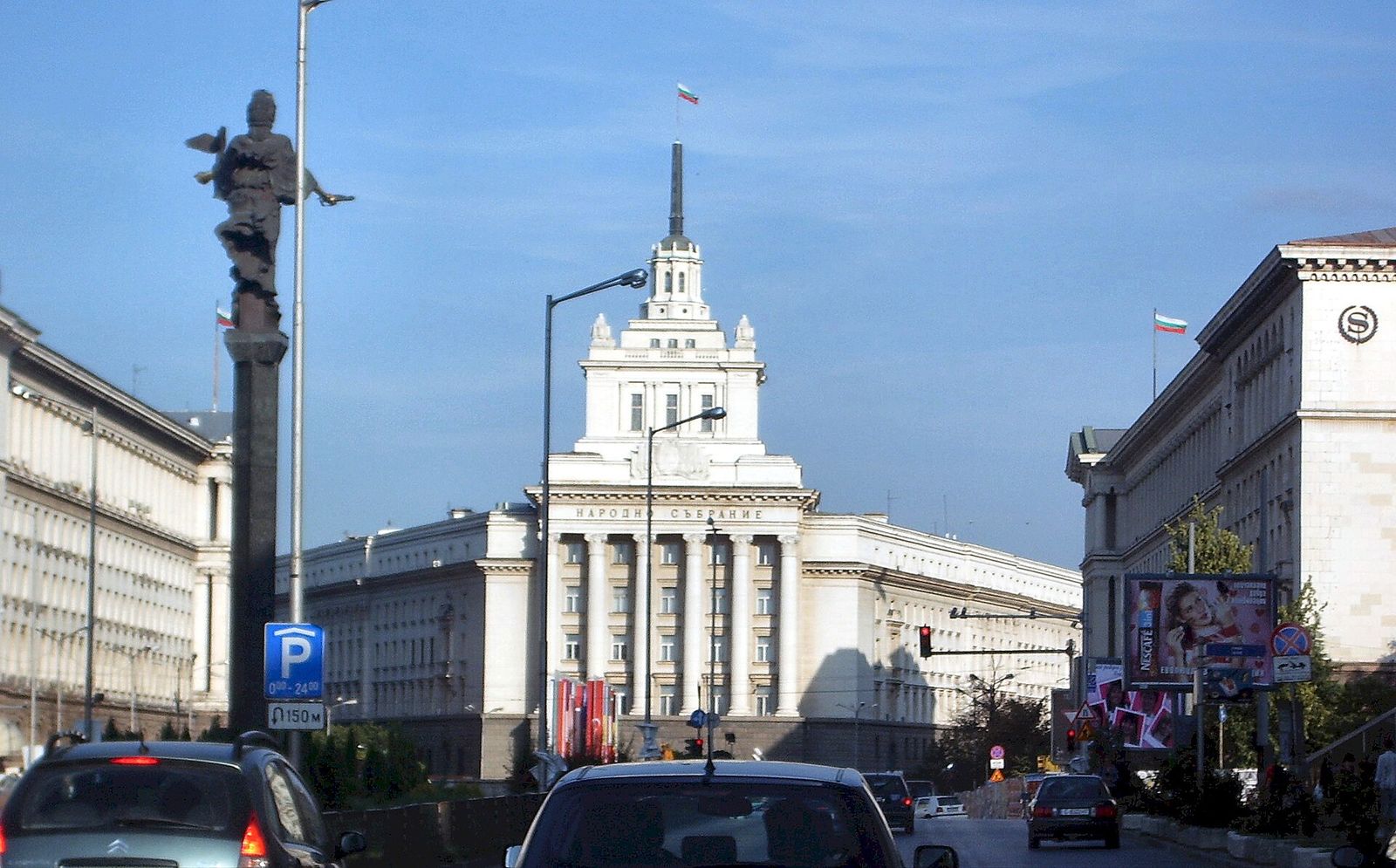
Sofia Travel Tips: What I'd Tell You Before a First Trip to Bulgaria
Sofia is easy once you know a few rules. What I'd tell a friend about visas, the euro, taxis and getting around.
Read the guide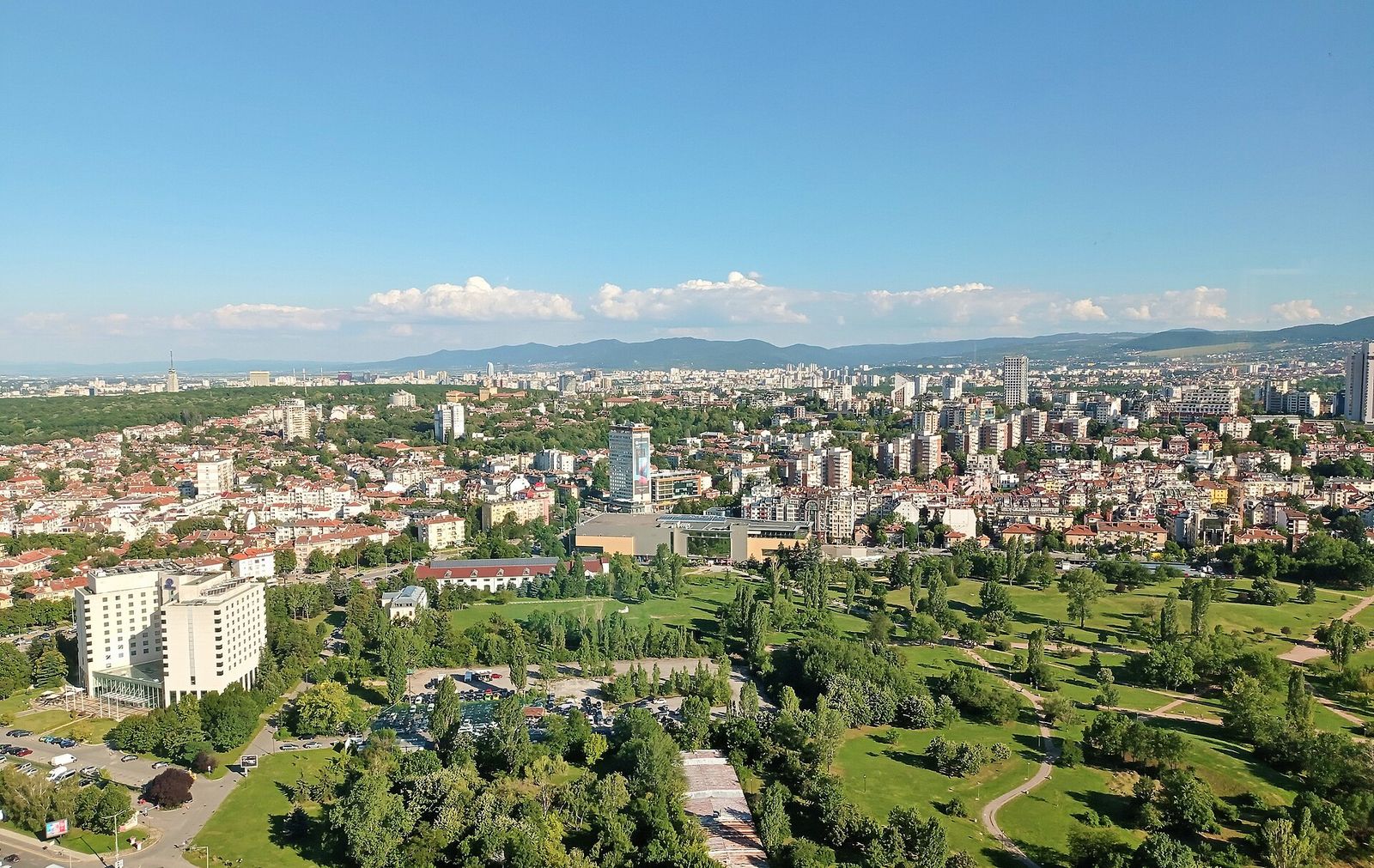
Sofia Itinerary: 1 to 5 Days
Sofia fits its best sights into a walkable center. The day-by-day plan I'd follow for 1 to 5 days, with prices.
Read the guide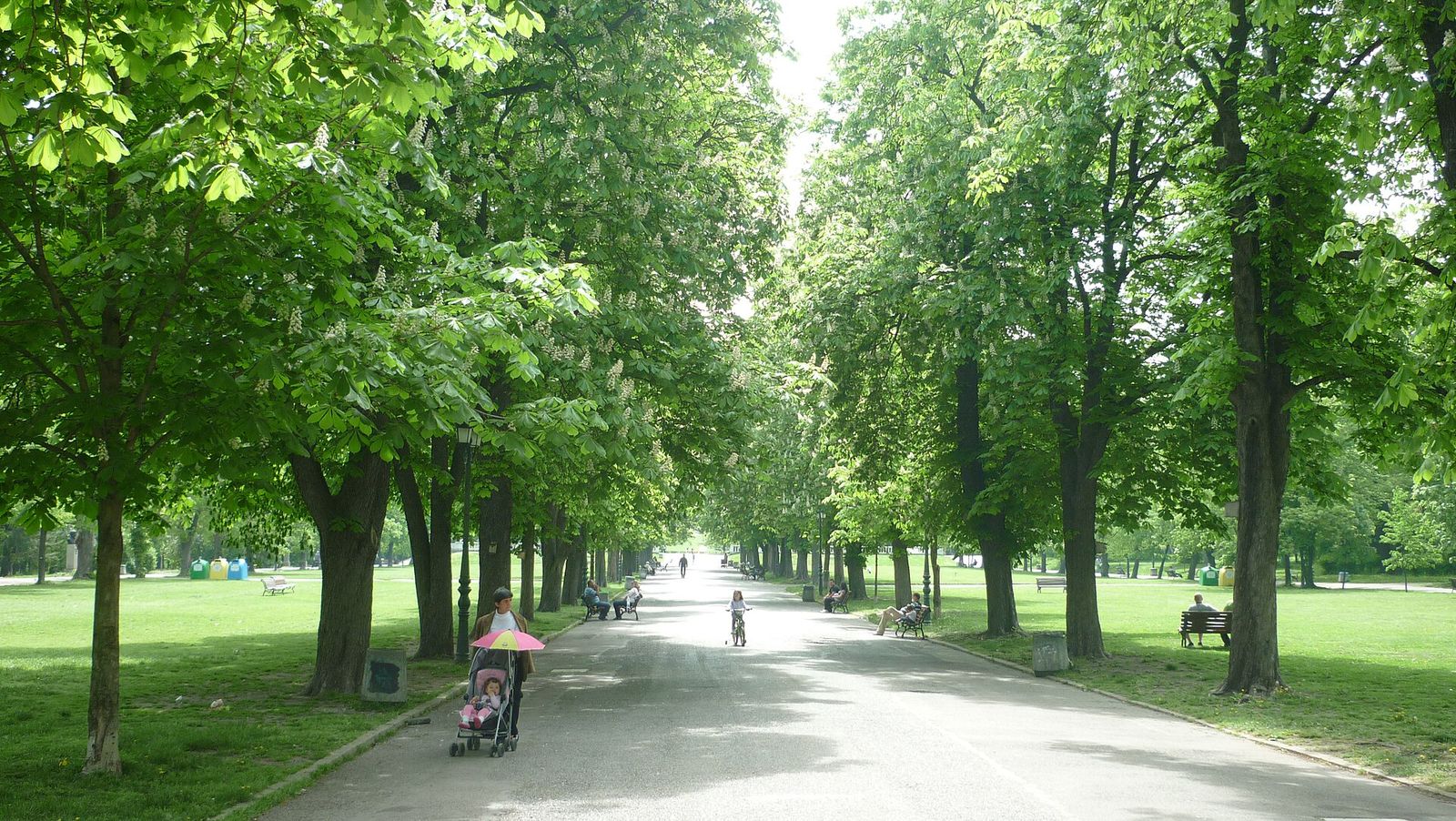
Best Time to Visit Sofia
Sofia has four real seasons. The months I'd pick for walking, hiking, skiing and saving money, with the weather.
Read the guide