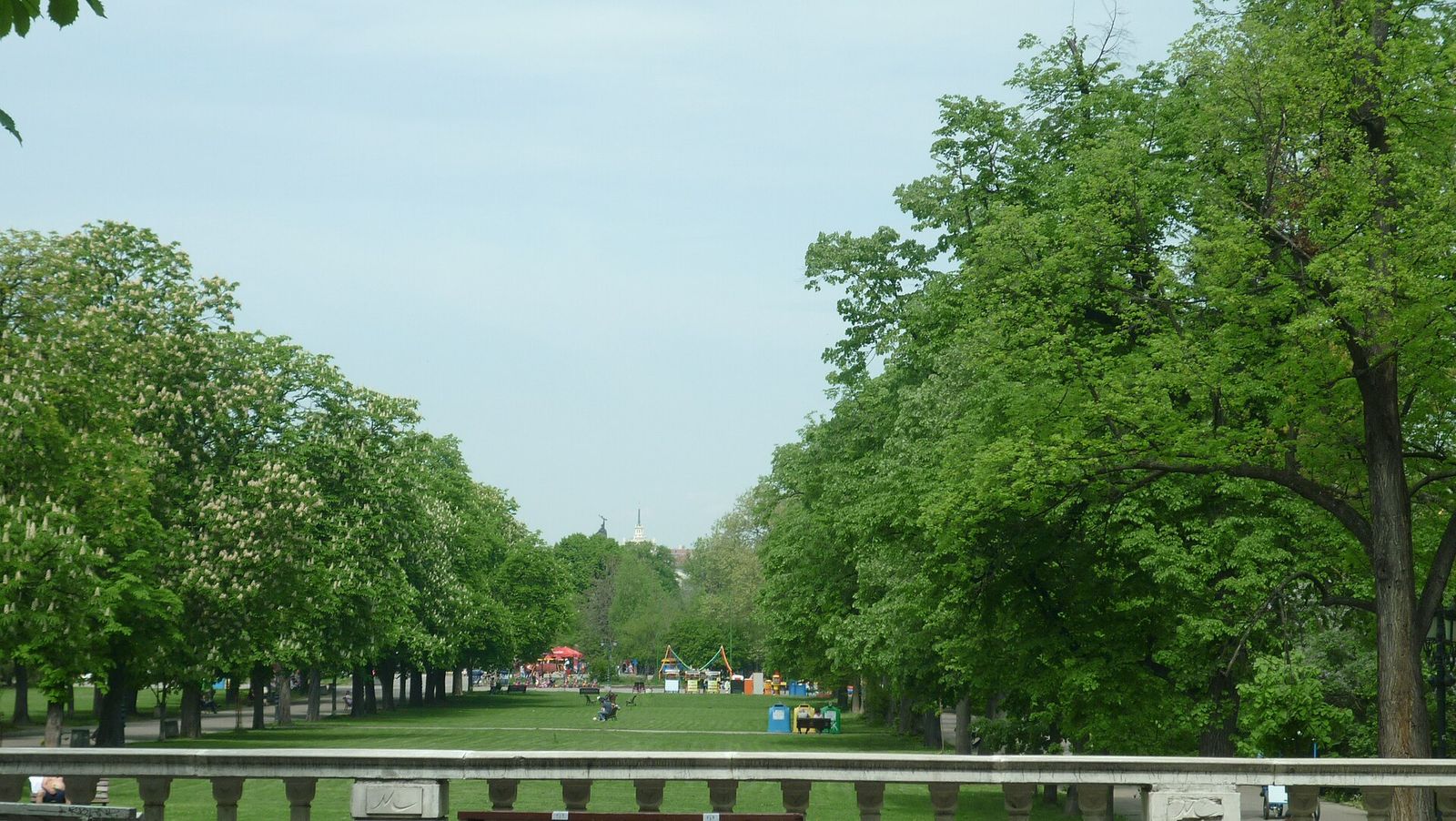
Borisova Gradina
Borisova Gradina, Boris' Garden, is Sofia's oldest and best-known park: about 3 square km of lakes, tree-lined alleys and forest that begin at Eagles' Bridge, a short walk east of the center. This guide covers what to see inside, how to get there by metro, what to do with children and in each season, and the walk I'd take through it.
Borisova Gradina at a glance
The park starts at Eagles' Bridge, by Sofia University, and runs southeast along Tsarigradsko Shose. Near the center it is a formal garden of alleys, lawns and flower beds. Past Peyo Yavorov Boulevard it turns wilder, closer to a forest than a park.
A short history of Borisova Gradina
In 1882 Sofia's mayor, Ivan Hadzhienov, brought the Swiss gardener Daniel Neff from Bucharest to create a garden for the new capital. Neff started with a tree nursery, which grew saplings for the rest of the city, and building began in 1884. The big lake followed in 1889.
Three gardeners shaped the park between 1882 and 1944.
| Gardener | Years | What he added |
|---|---|---|
| Daniel Neff (Swiss) | 1882 to 1906 | The nursery, the first alleys, acacias, a small lake, then the big lake in 1889 |
| Joseph Frei (Alsatian) | 1906 to 1934 | The linden and chestnut alleys, the People's Fountain, the first Rosarium |
| Georgi Duhtev (Bulgarian) | 1934 to 1944 | A Rosarium of 7,000 square meters with more than 1,400 new rose varieties, and the Japanese Corner in 1940 |
By 1942 the park also held an open-air school, football fields, a tennis club and a cycling track. It is named after Tsar Boris III. Under communism, the 1944 to 1989 chapter of Bulgaria's history, it was called Freedom Park, Park na Svobodata, and it went back to its old name after 1989. It was last rebuilt in 1986, when it was also declared a monument of Bulgarian park and garden art.
What to see in Borisova Gradina
Lake Ariana
Lake Ariana sits near the park's western edge, a few minutes from Eagles' Bridge, so it is the first thing most people see. Cafes line the shore, and from spring to late autumn you can rent pedal boats and small boats.
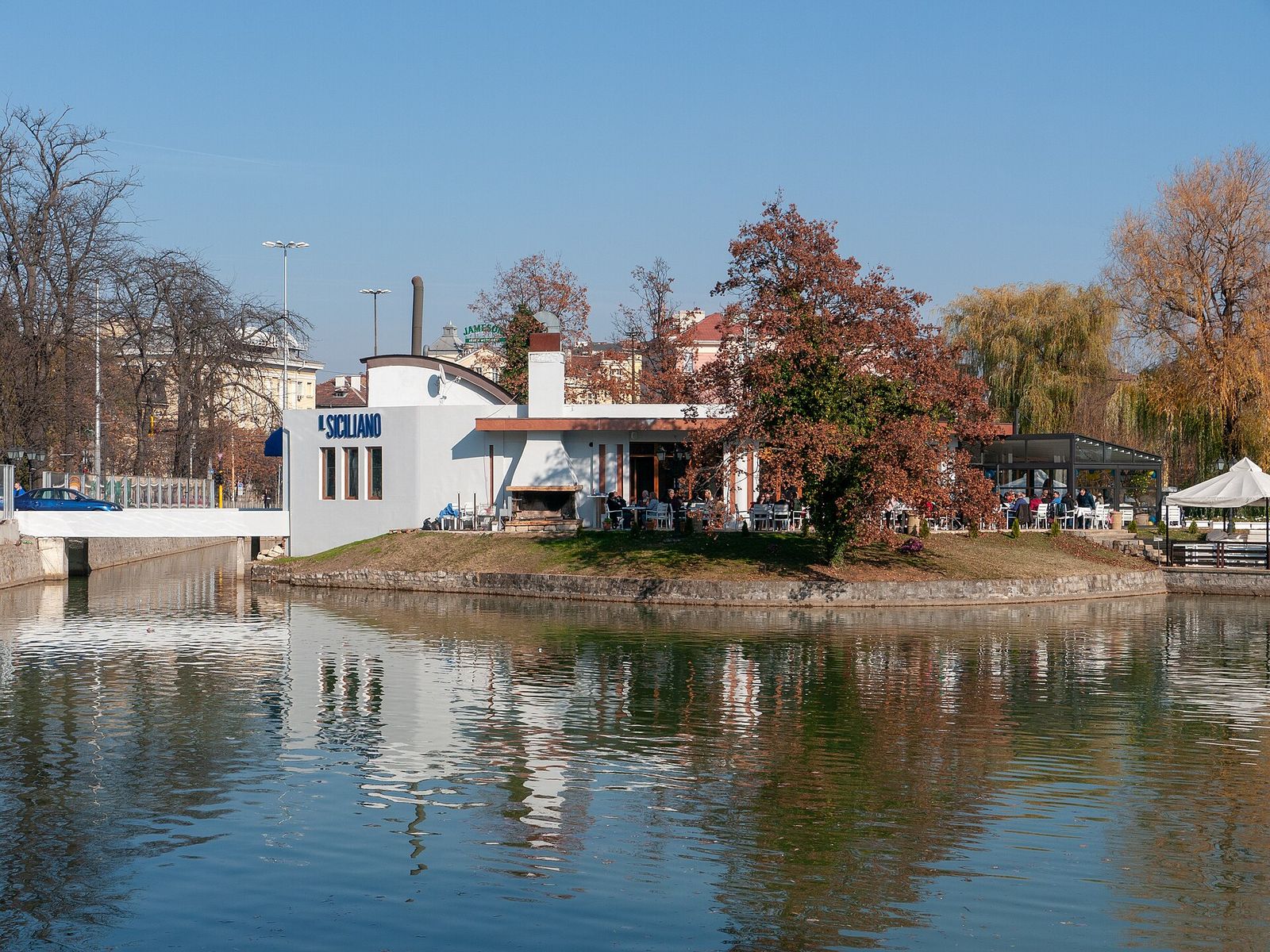
In winter the lake becomes the biggest open-air ice rink in the city, about 1,200 square meters.
The Lily Lake and the Japanese Corner
The Lily Lake is the round pond at the heart of the park. From late spring into summer it fills with flowering water lilies, and the path around it is the park's classic slow walk.
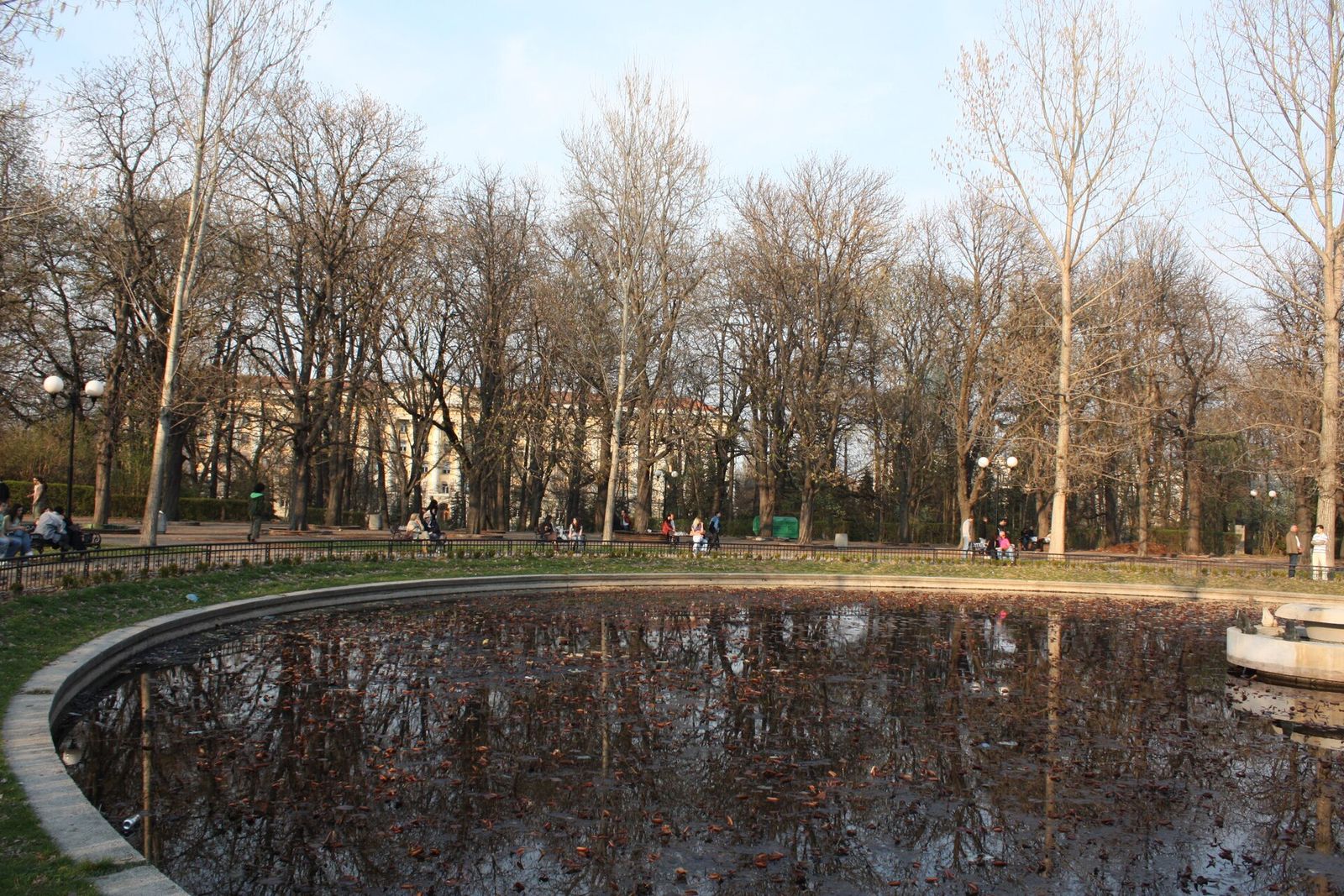
The Japanese Corner was planted in 1940, up toward Tsarigradsko Shose, with plants sent by Japan's minister in Sofia as a gift of friendship. The Rosarium is the park's other garden to find, at its best in late spring and early summer.
The Astronomical Observatory
Among the trees stands the University Observatory, the astronomical observatory of Sofia University. It opened in 1897, a group of low buildings with a white telescope dome.
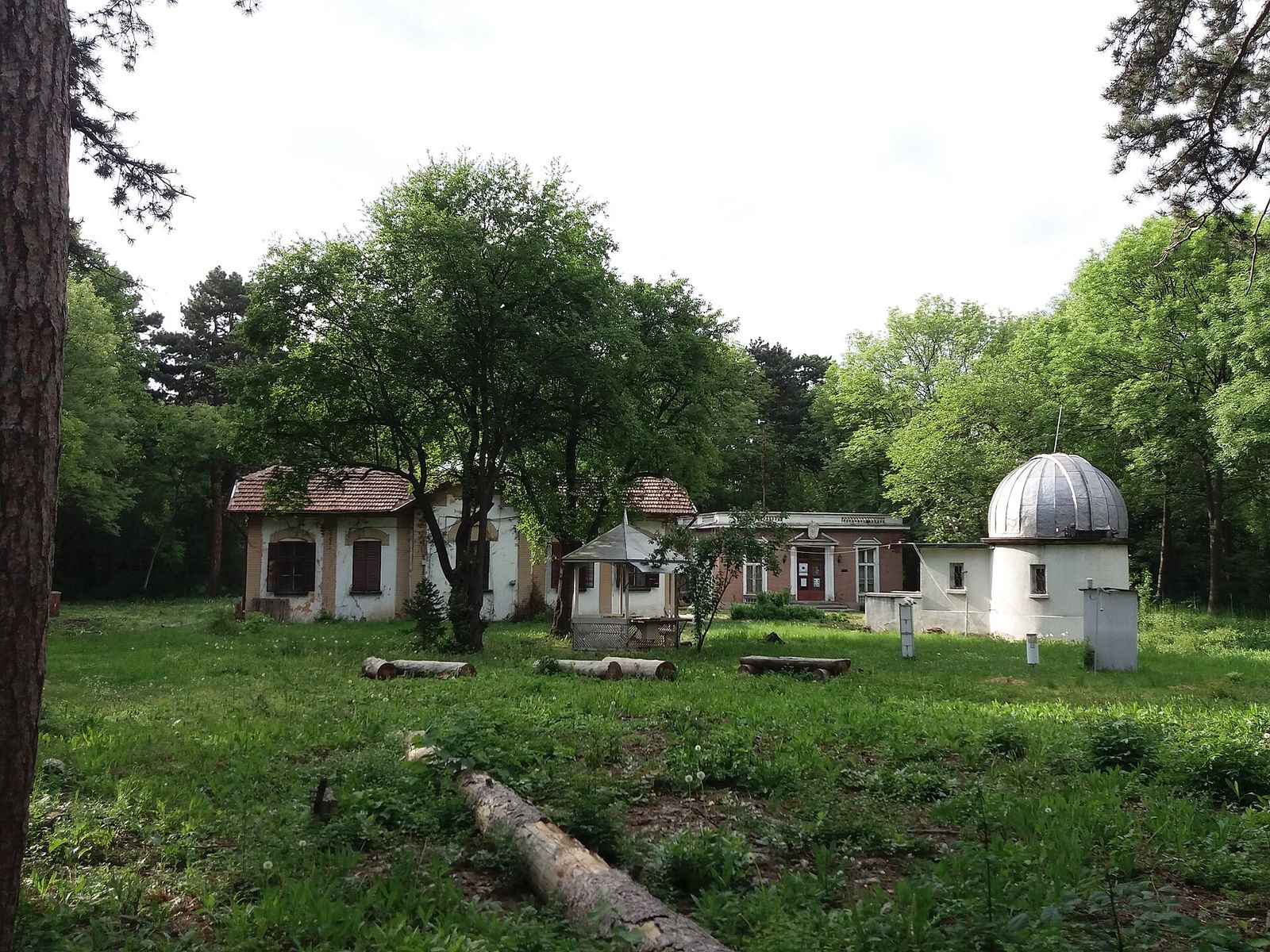
The observatory opens to the public only for occasional events. When it is shut, I'd still walk past for a look at the dome from the lawn.
The old TV tower
The Borisova Gradina TV tower went up in 1958 and 1959, and it is the landmark you steer by inside the park. It rises above the trees at the southern end of the park.
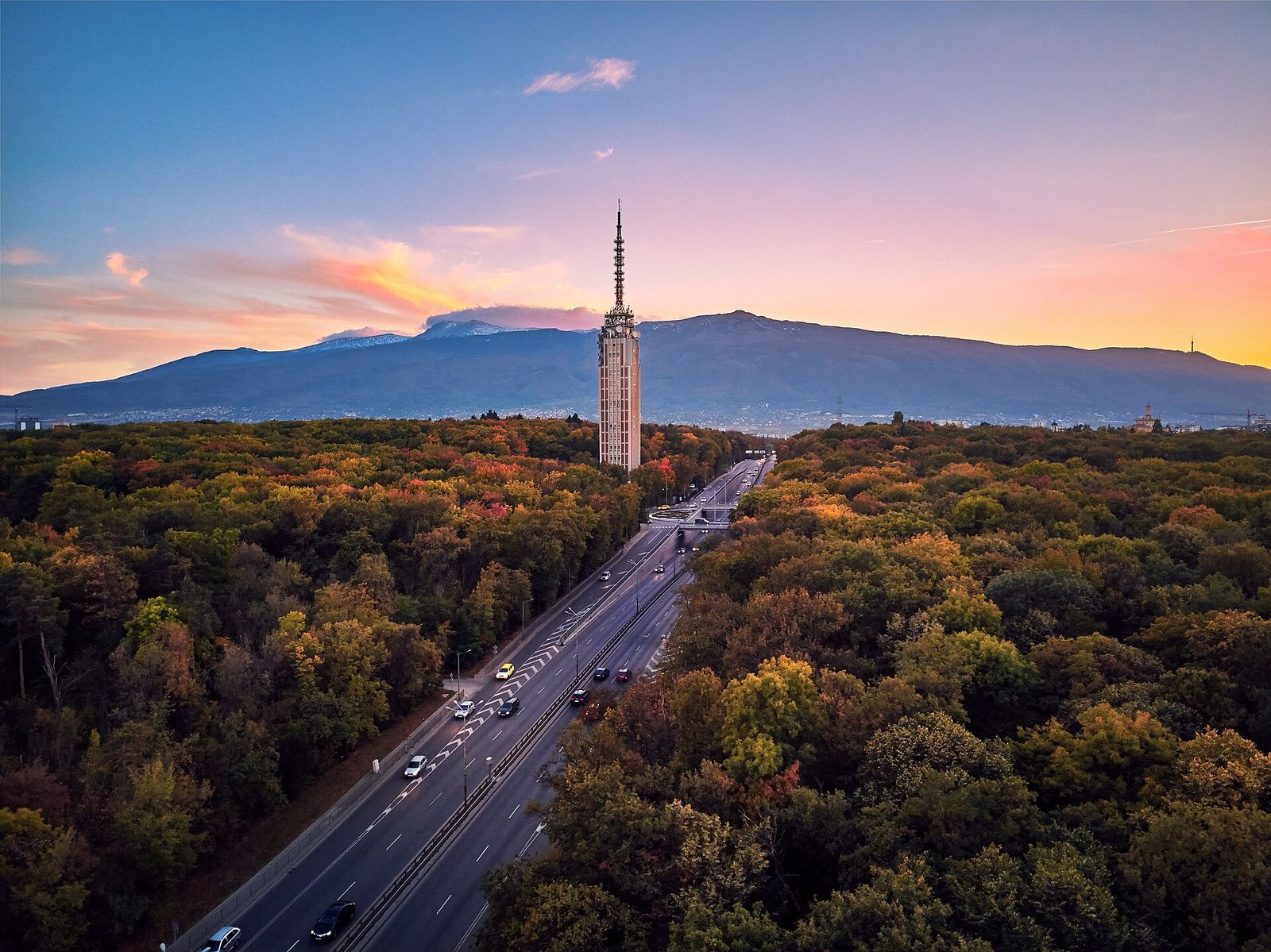
You cannot go up it. South of the tower, the park runs into Loven Park, the Hunting Park, and on to South Park, so the tower is where a long walk crosses from one park into the next.
Things to do in Borisova Gradina
Walking comes first. Paved and unpaved paths roll up and down through the park, and the perimeter makes a loop of about 3 km that Sofia's runners use.
The park holds two big football stadiums, the Vasil Levski National Stadium and the Bulgarian Army Stadium, plus tennis courts, a cycling track and outdoor fitness areas. An outdoor gym sits near the entrance from the center.
Chess players take over the benches in the shade, families picnic on the lawns, and the park hosts open-air film nights and small festivals. For a free afternoon, this is where I'd send anyone on Sofia on a budget.
Borisova Gradina with kids
The big playground has stone slides, wooden climbing frames and a tall climbing net for older children. Stone sculptures are scattered around the park, and children climb and pose on them.
Kokolandia, a rope park under the trees, opens from April to late October. Its lowest course, for ages 3 to 6, runs about 1 meter off the ground, and the higher courses and zip lines suit older children, teenagers and adults.
The main paths are paved, so a stroller copes fine. With small children, this is the park I'd put first in any plan for Sofia with kids.
Borisova Gradina through the seasons
Spring brings cherry blossom and lilac, then the roses and the lilies, and the flower beds are at their fullest.
In July and August, the mature trees keep the park noticeably cooler than the streets around it, and ice cream stands line the main alleys.
Autumn turns the sycamores, maples and chestnuts gold, and snow covers the alleys most winters.
How to get to Borisova Gradina
The park is on the edge of the center, and the Sofia metro has two stations by its main entrance.
| Station | Line | Where you come out |
|---|---|---|
| SU St Kliment Ohridski | M1, M4 | By Sofia University, a short walk to Eagles' Bridge |
| Orlov Most | M3 | At Eagles' Bridge, the main entrance |
On foot, it takes a few minutes from Alexander Nevsky Cathedral: walk down Tsar Osvoboditel Boulevard past the university to Eagles' Bridge, where four eagles stand on the pillars.
A walk through Borisova Gradina
This is the route I'd take on a first visit, from the main entrance to the TV tower. Start at Eagles' Bridge and go straight to Lake Ariana for a coffee by the water. From there, take the long alleys of linden and chestnut deeper into the park, past the flower beds near the entrance.
Head to the Lily Lake at the center, then up toward Tsarigradsko Shose for the Japanese Corner. Look for the observatory and its white dome among the trees, then carry on south to the old TV tower.
The park fits the second day of a Sofia itinerary well, on the way back from the Museum of Socialist Art and before an evening at NDK.
Food, drink and picnics
The cafes around Lake Ariana are the easiest places to sit down, and smaller cafes and kiosks around the park sell coffee, pastries and snacks.
Picnics on the grass are normal and welcome. Bring a blanket, buy bread, cheese and fruit on the way, and pick a spot under the trees.
What is near Borisova Gradina
The park's northwestern corner is part of the old center. Sofia University stands at Eagles' Bridge, and the Doctors' Garden, a smaller and much quieter park with a stone pyramid to the medics of the 1877 and 1878 war, is a short walk away.
To the east, the Museum of Socialist Art in Iztok keeps its sculpture garden of communist-era statues, 15 to 20 minutes from the center by tram. To the south, Loven Park and South Park continue the green belt all the way to NDK, and the zoo is in Lozenets, a short taxi ride away.
Tips for visiting Borisova Gradina
- Go early on weekends. By Saturday afternoon the playground, the lake and the main alleys are full of Sofia families.
- Wear proper shoes for the upper park. Past Peyo Yavorov Boulevard the paths are partly unpaved.
- Stay on the lit paths after dark. The park is open around the clock and busy in daylight and early evening, and I'd keep to the main alleys late at night.
If you are choosing a base, Lozenets borders the park, which is one reason it suits families staying in Sofia. I'd put the park on any list of the top things to do in Sofia, and save it for the sunniest afternoon of the trip.
Key takeaways
- Borisova Gradina is Sofia's oldest and best-known park, 3.02 square km, free and open at all hours.
- Lake Ariana has boats from spring to late autumn and an ice rink of about 1,200 square meters in winter.
- See the Lily Lake, the Japanese Corner, the Rosarium, the 1897 observatory and the old TV tower.
- Take the metro to SU St Kliment Ohridski or Orlov Most, at Eagles' Bridge.
- Walk on through Loven Park and South Park to NDK for a longer day of green.
Frequently asked questions
Is Borisova Gradina free to enter?
Yes. Borisova Gradina has no gates and no ticket, and it is open at all hours. You only pay for boats, the rope park and whatever you eat and drink.
Why is it called Borisova Gradina?
Borisova Gradina means Boris' Garden, after Tsar Boris III. Under communism, from 1944 to 1989, the park was called Freedom Park, and it took back its old name after 1989.
How big is Borisova Gradina?
The park covers 3.02 square km, the biggest green space in central Sofia. Its perimeter loop is about 3 km, and it joins Loven Park and South Park to the south.
How do I get to Borisova Gradina?
Take the metro to SU St Kliment Ohridski on lines 1 and 4 or to Orlov Most on line 3, both by Eagles' Bridge. From Alexander Nevsky Cathedral it is a short walk down Tsar Osvoboditel Boulevard.
Can you rent a boat in Borisova Gradina?
Yes, on Lake Ariana, from spring to late autumn. Pedal boats and small boats go out from the shore by the cafes, and in winter the lake turns into an ice rink.
What is the Japanese Corner in Borisova Gradina?
It is a small garden planted in 1940 with plants sent by Japan's minister in Sofia as a gift of friendship. You find it in the upper part of the park, toward Tsarigradsko Shose.
Is Borisova Gradina safe?
Yes, in daylight and early evening it is busy with walkers, runners and families. After dark I'd stay on the lit main alleys and keep the forest paths of the upper park for daytime.
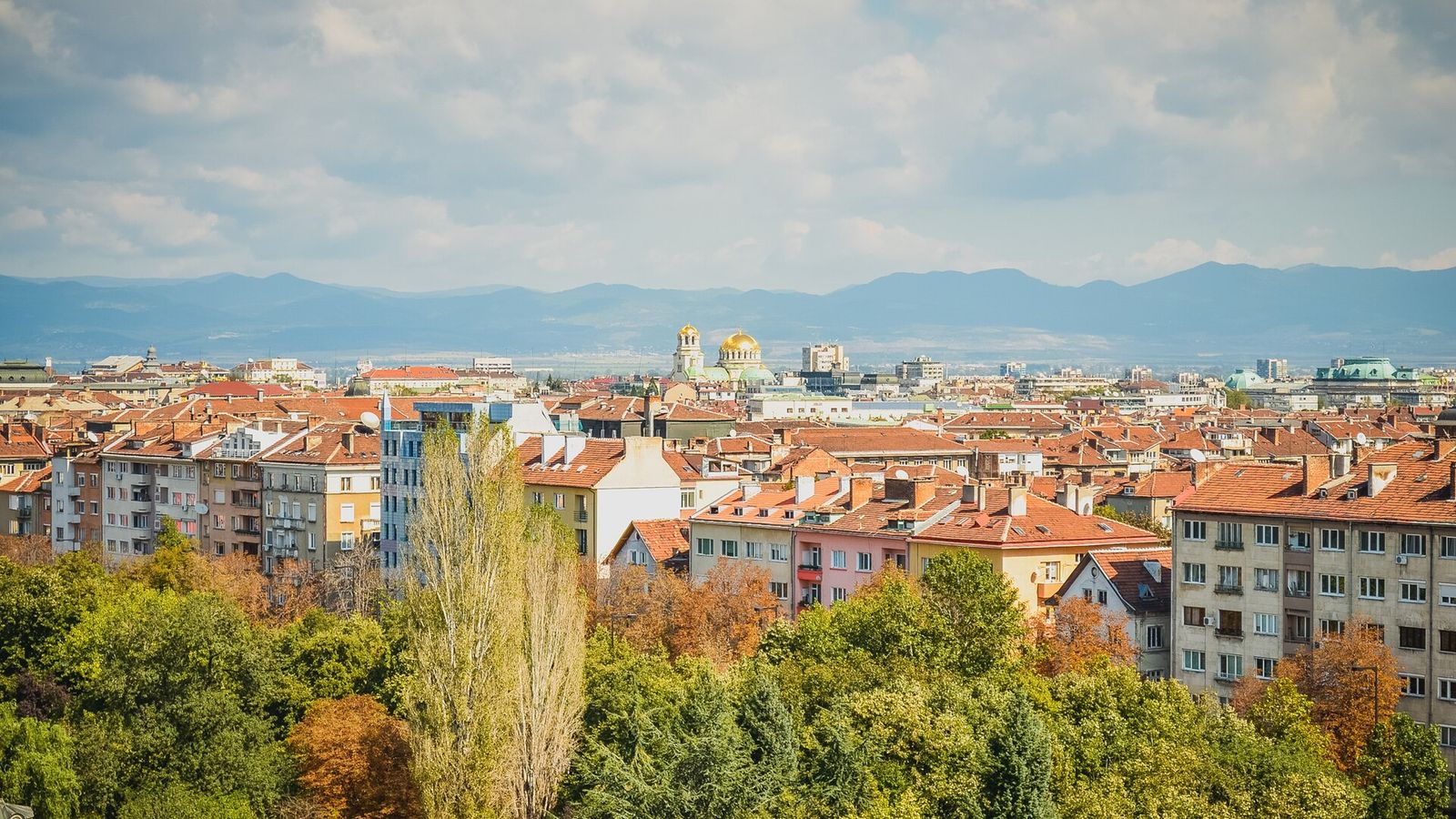
25 Best Things to Do in Sofia in 2026
Sofia packs 2,000 years into a walkable center. The 25 sights, museums, foods and day trips I'd put first, with prices.
Read the guide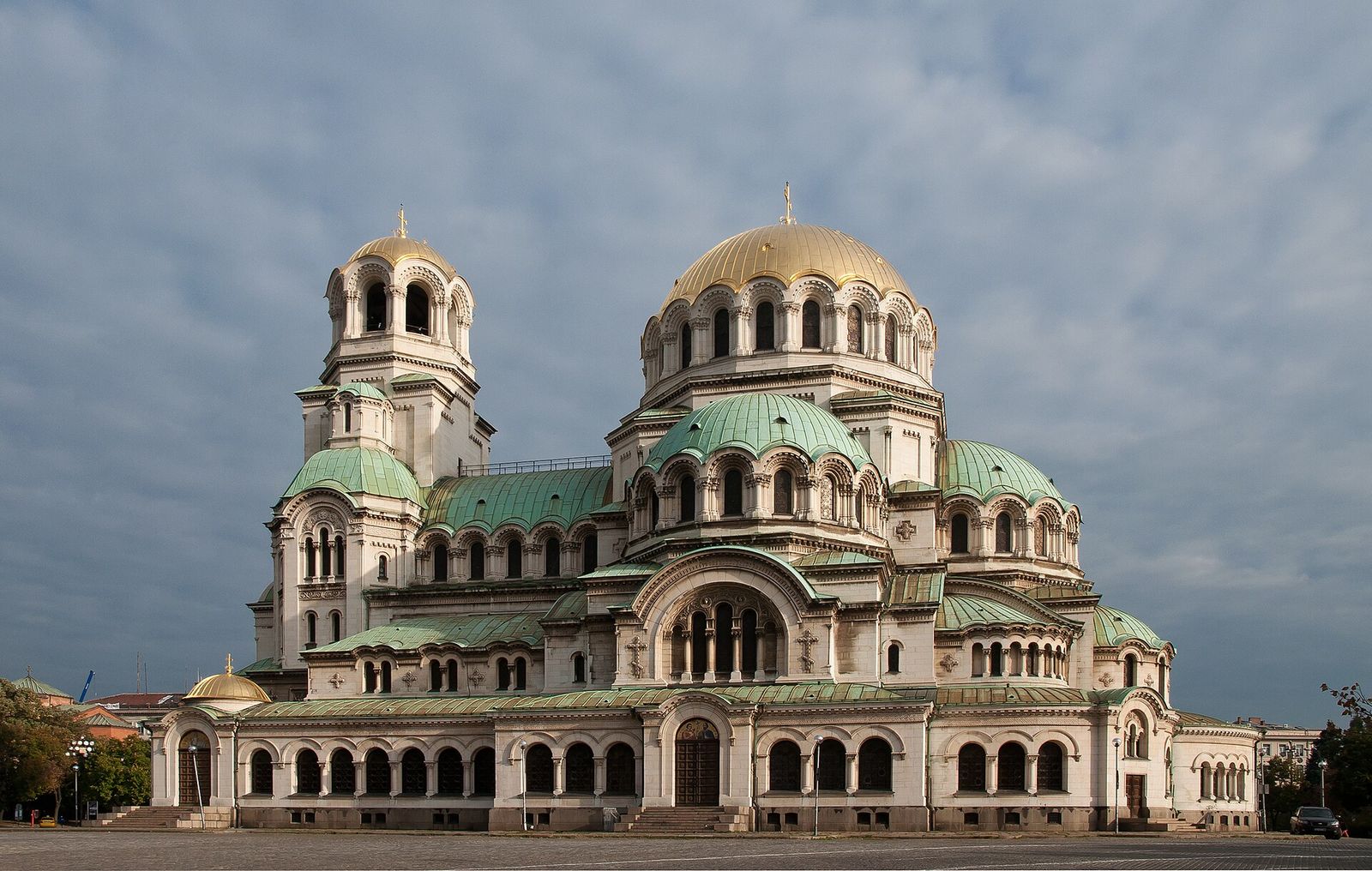
Alexander Nevsky Cathedral in Sofia: A Visitor's Guide
Sofia's gold-domed landmark is free to enter. Here is its story, what to see inside, the crypt museum and when to go.
Read the guide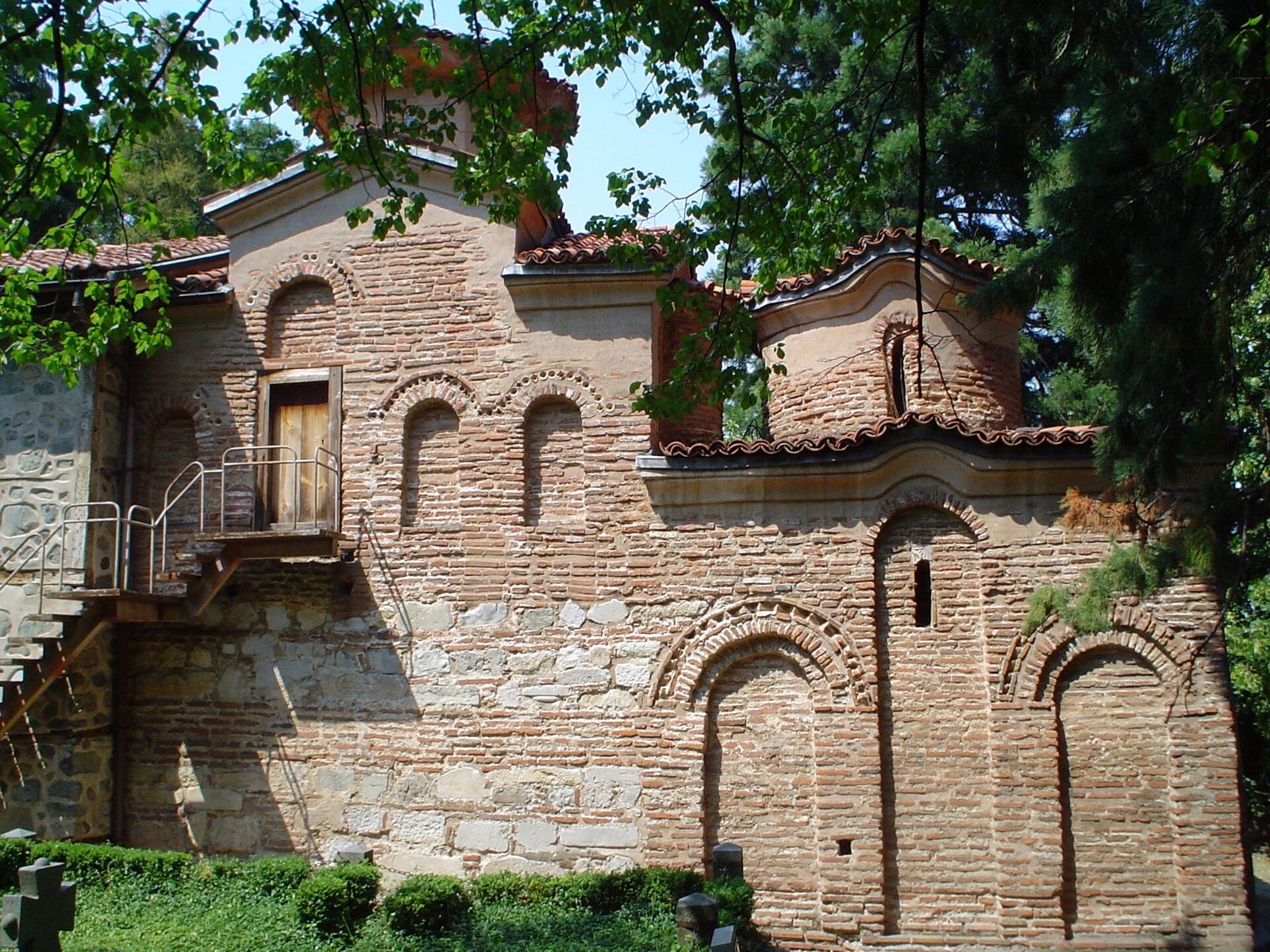
Boyana Church: Visiting Sofia's UNESCO Frescoes
A tiny UNESCO church under Vitosha with frescoes from 1259. Tickets, time slots, the bus out and what to find inside.
Read the guide