Bulgaria Itinerary from Sofia: 1 Week to 2 Weeks
Bulgaria is known for packing a Roman city, a medieval capital, mountain monasteries and a Black Sea coast into a country you can cross by car in a day. These are the routes I'd follow from Sofia for one week, 10 days and two weeks, with the order of the stops, the bus or car time for each leg, fares in euros and the swaps I'd make in winter and summer.
How many days do you need in Bulgaria?
One week is the minimum I'd give Bulgaria, and 10 days to two weeks is better. A week covers the four places I'd never leave off a first trip, and each extra day buys you the mountains or the coast.
| Trip length | Route | Best by |
|---|---|---|
| 5 days | Sofia 2 nights, Rila day trip, Plovdiv 2 nights | Bus, plus a car or taxi for Rila |
| 1 week | Sofia, Rila, Plovdiv, Veliko Tarnovo | Bus |
| 10 days | Adds Koprivshtitsa, Kazanlak, Buzludzha, Sozopol and Nessebar | Car |
| 2 weeks | Adds the Seven Rila Lakes, Bansko, Varna and Belogradchik | Car, or bus with a flight home from the coast |
Most flights land in Sofia, so every route here starts there. Varna and Burgas have airports too, so on the longer trips you can fly home from the coast and skip the 5 to 6 hour drive back.
One week in Bulgaria: Sofia, Rila, Plovdiv and Veliko Tarnovo
This is the route I'd give a friend on a first trip. Sofia gets three nights, one of them after the day trip to Rila, then the route moves east to Plovdiv for two nights and Veliko Tarnovo for one, before the bus back to Sofia for the flight home.
Days 1 and 2: Sofia
Sofia's center is small enough to walk in two days. Day 1 covers the Roman ruins of Serdica under Serdika metro station, the Rotunda of St George, the mineral springs and Alexander Nevsky Cathedral, and most of it is free.
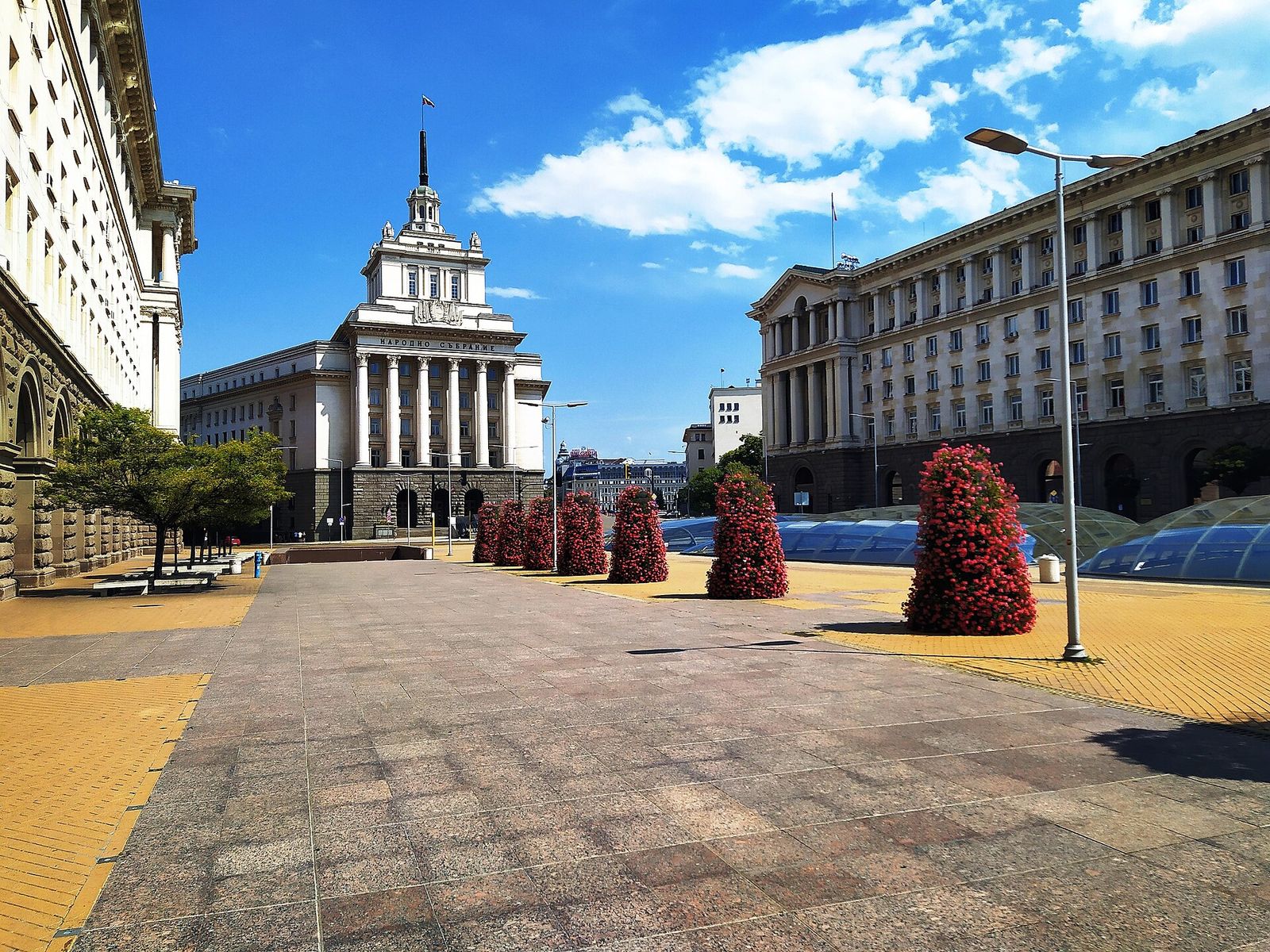
Day 2 is for the Museum of Socialist Art, the National Gallery and a market morning, and if you have the energy, Boyana Church at the foot of Vitosha for €10. Most museums close on Mondays, so I'd start a Sofia itinerary on any other day of the week.
Day 3: Rila Monastery
Rila Monastery is the day trip I'd put first. It sits 127 km south of Sofia in the Rila Mountains. By car it takes 2 to 2.5 hours on the A3 toward Blagoevgrad, then road 62 east into the valley.
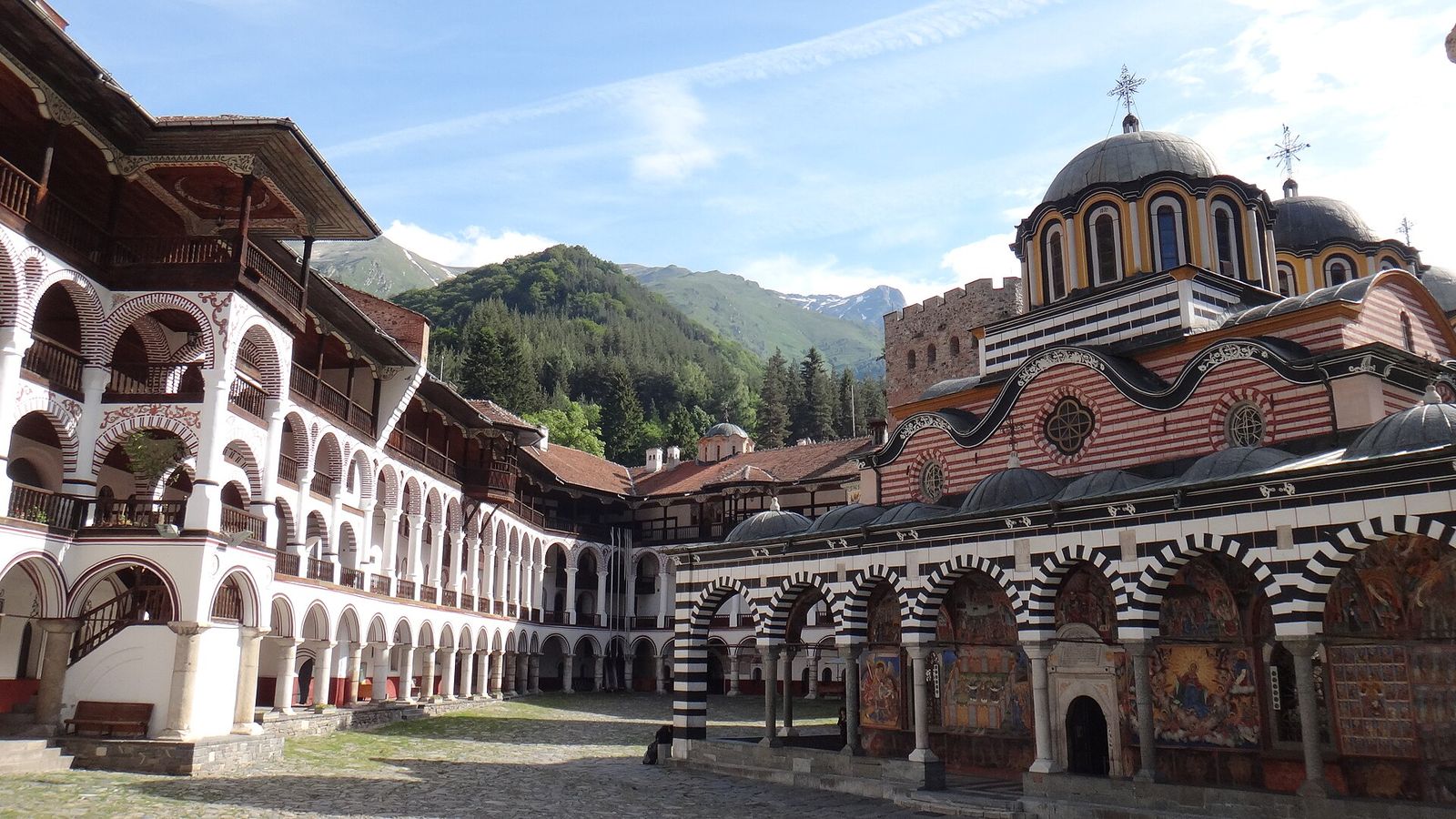
The monastery was founded in the 10th century by the hermit Ivan of Rila, and the church walls are covered in frescoes. Arrive before 10 AM to beat the coaches from Sofia, which pull in around midday.
Without a car, Rila is the one awkward stop on this route, since no regular public bus runs there from Sofia in 2026. Take a bus to Dupnitsa or Blagoevgrad and a taxi from there, and agree the return pickup before the driver leaves.
Days 4 and 5: Plovdiv
Plovdiv is the stop I'd give the most time to. Two nights, at least. It is about 2 hours from Sofia by bus, with departures about every hour from the Central Bus Station, or 1.5 hours by car on the A1.
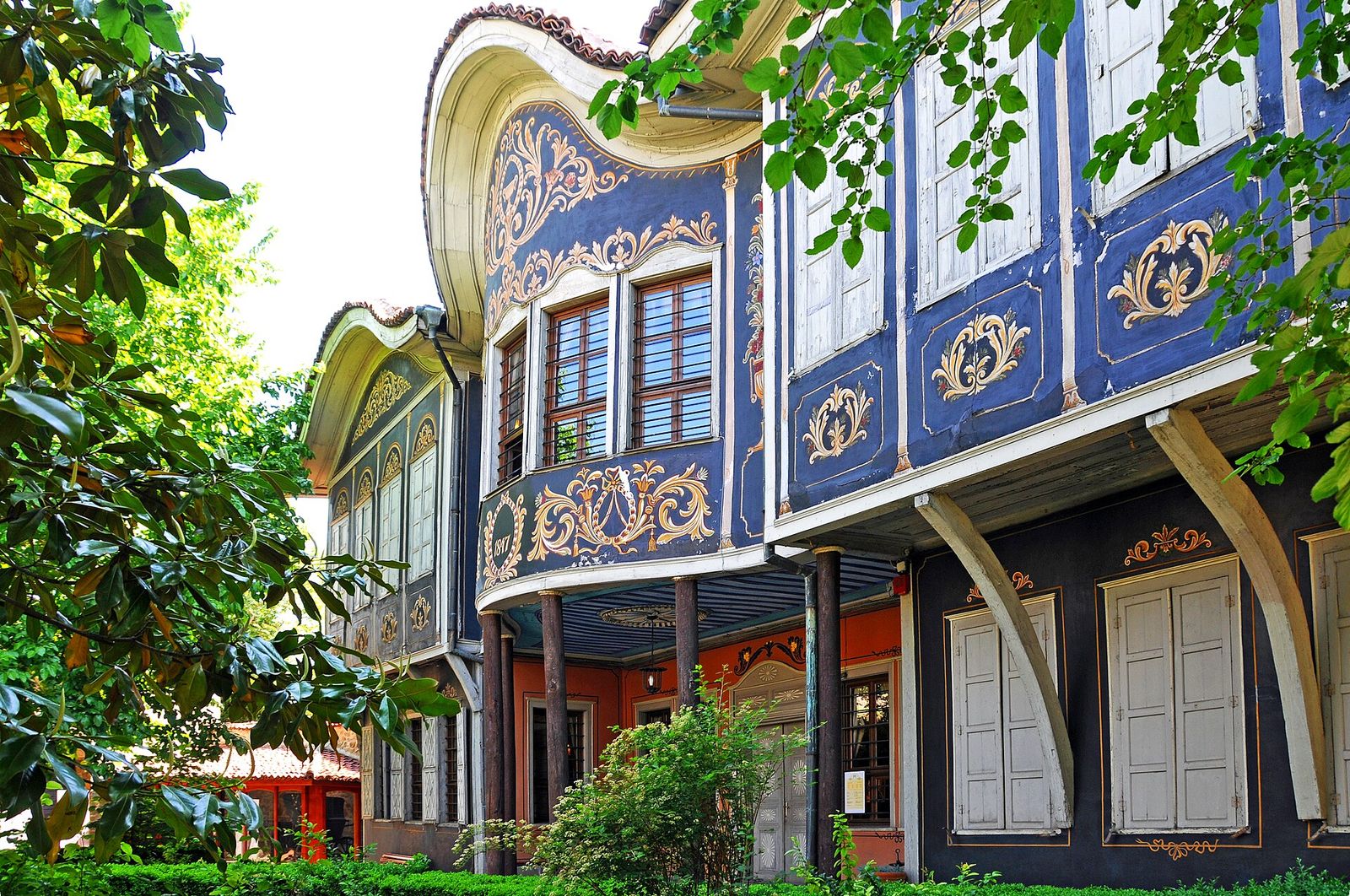
Bulgaria's second city is one of the oldest continuously inhabited cities in Europe. The Roman theater from the 1st century AD sits in the Old Town, the Roman stadium is visible for free through glass under Dzhumaya Square, and the lanes above it are lined with painted 19th-century Revival houses. Evenings belong to Kapana, the old crafts quarter below, now full of galleries and bars.
Days 6 and 7: Veliko Tarnovo, then back to Sofia
Veliko Tarnovo was the capital of the Second Bulgarian Empire from 1185 to 1393, and its houses are stacked in tiers above the Yantra River. The bus from Plovdiv takes about 2.5 hours.
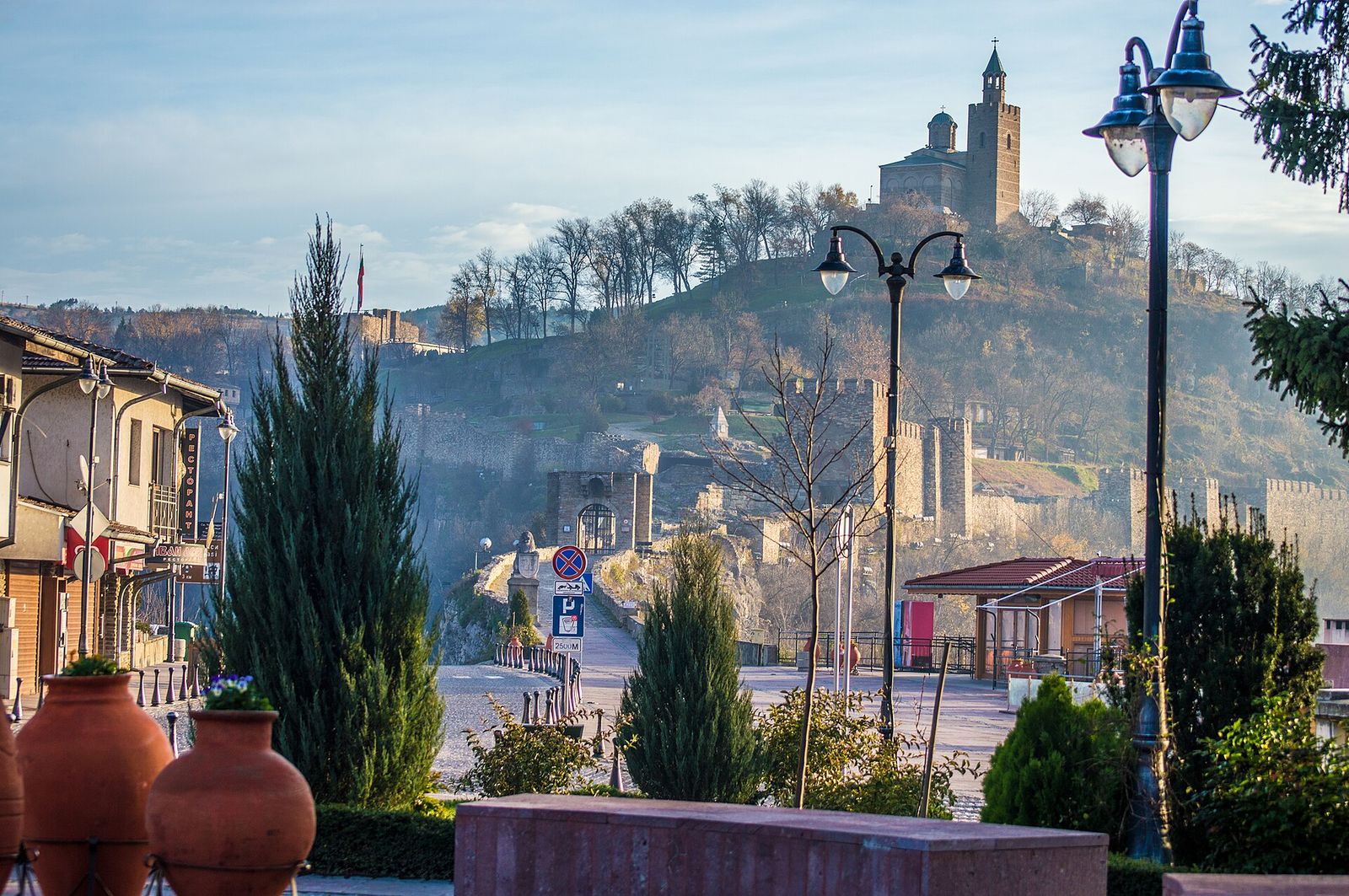
Tsarevets fortress is the reason to come. It has walls, gates and the rebuilt Patriarchal Cathedral on a hill the river wraps on three sides. Below it, Samovodska Charshiya keeps a street of 19th-century craft workshops, and Gurko Street drops in Revival houses toward the water.
I'd stay the night, because the town is at its best in the evening, from the Asenevtsi Monument at sunset or at the Sound and Light show over Tsarevets on its scheduled nights. The trip from Sofia to Veliko Tarnovo runs 17 buses a day, about 3 to 3.5 hours each, so getting back to the airport on day 7 is easy.
10 days in Bulgaria: add Koprivshtitsa, the Rose Valley and the Black Sea
With 10 days I'd rent a car in Sofia. It turns the week above into a loop: Sofia and Rila, then east through Koprivshtitsa to Plovdiv, the Rose Valley, the coast and Veliko Tarnovo on the way back.
| Day | Where | Night |
|---|---|---|
| 1 and 2 | Sofia | Sofia |
| 3 | Rila Monastery | Sofia |
| 4 | Koprivshtitsa, then on to Plovdiv | Plovdiv |
| 5 | Plovdiv | Plovdiv |
| 6 | Kazanlak and Buzludzha | Kazanlak or the coast |
| 7 and 8 | Sozopol, Nessebar and Burgas | The coast |
| 9 | Veliko Tarnovo | Veliko Tarnovo |
| 10 | Back to Sofia, about 3 hours | Home |
Day 4: Koprivshtitsa
Koprivshtitsa is a small town in the Sredna Gora mountains, 110 km east of Sofia, with 383 Revival houses painted blue, ochre and red. The April Uprising against Ottoman rule started here in 1876.
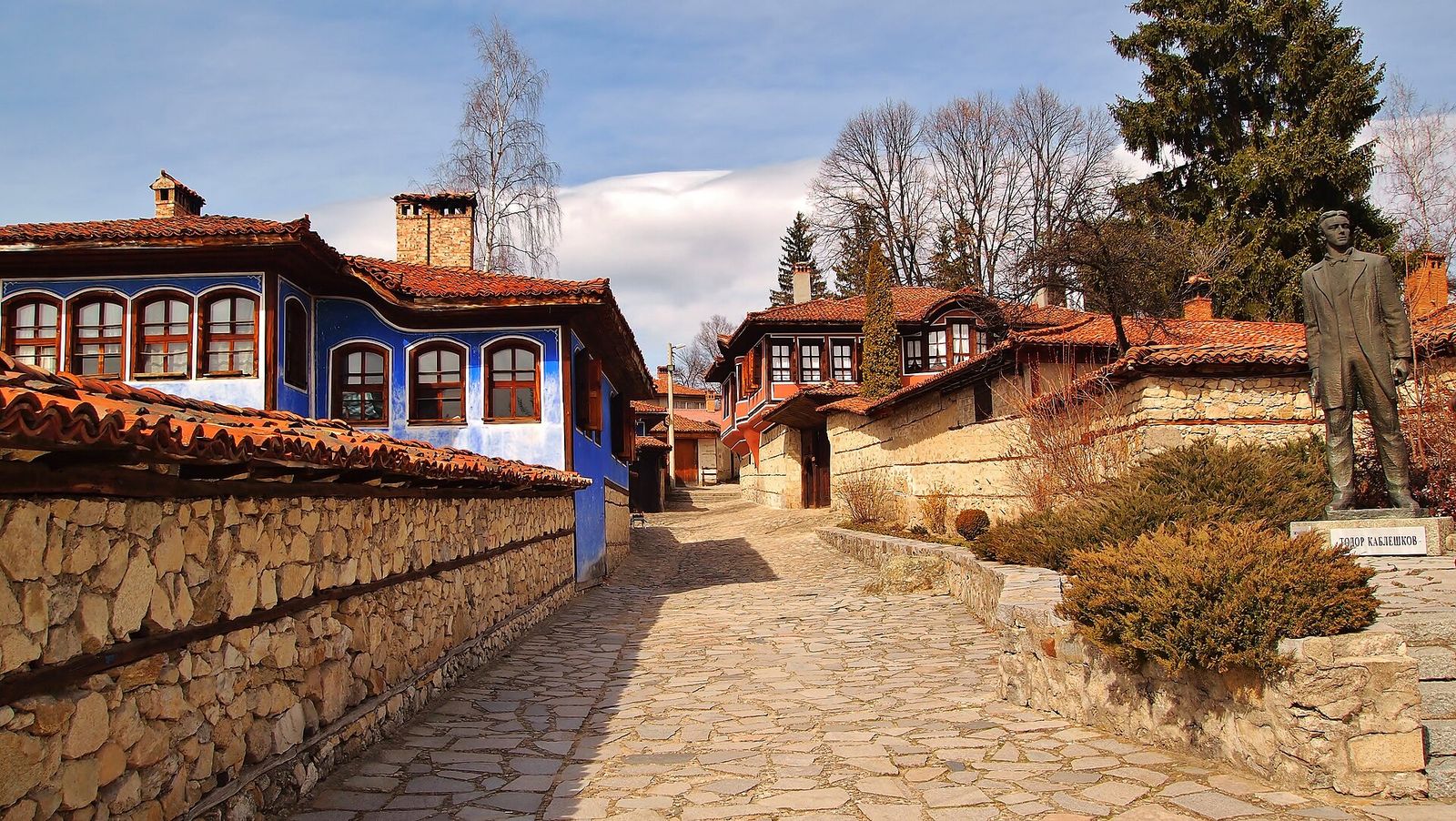
Six of the houses are museums, among them the merchant's Oslekov House, built from 1853 to 1856. By car it is about 2 hours from Sofia, and Plovdiv is 90 km further on, so Koprivshtitsa fits as a morning stop on the drive.
Day 6: Kazanlak and the Rose Valley
Kazanlak sits in the Rose Valley, where Bulgaria grows the roses for its rose oil. The Thracian Tomb of Kazanlak, from the 4th century BC, is on the UNESCO list, and the town has a Rose Museum.
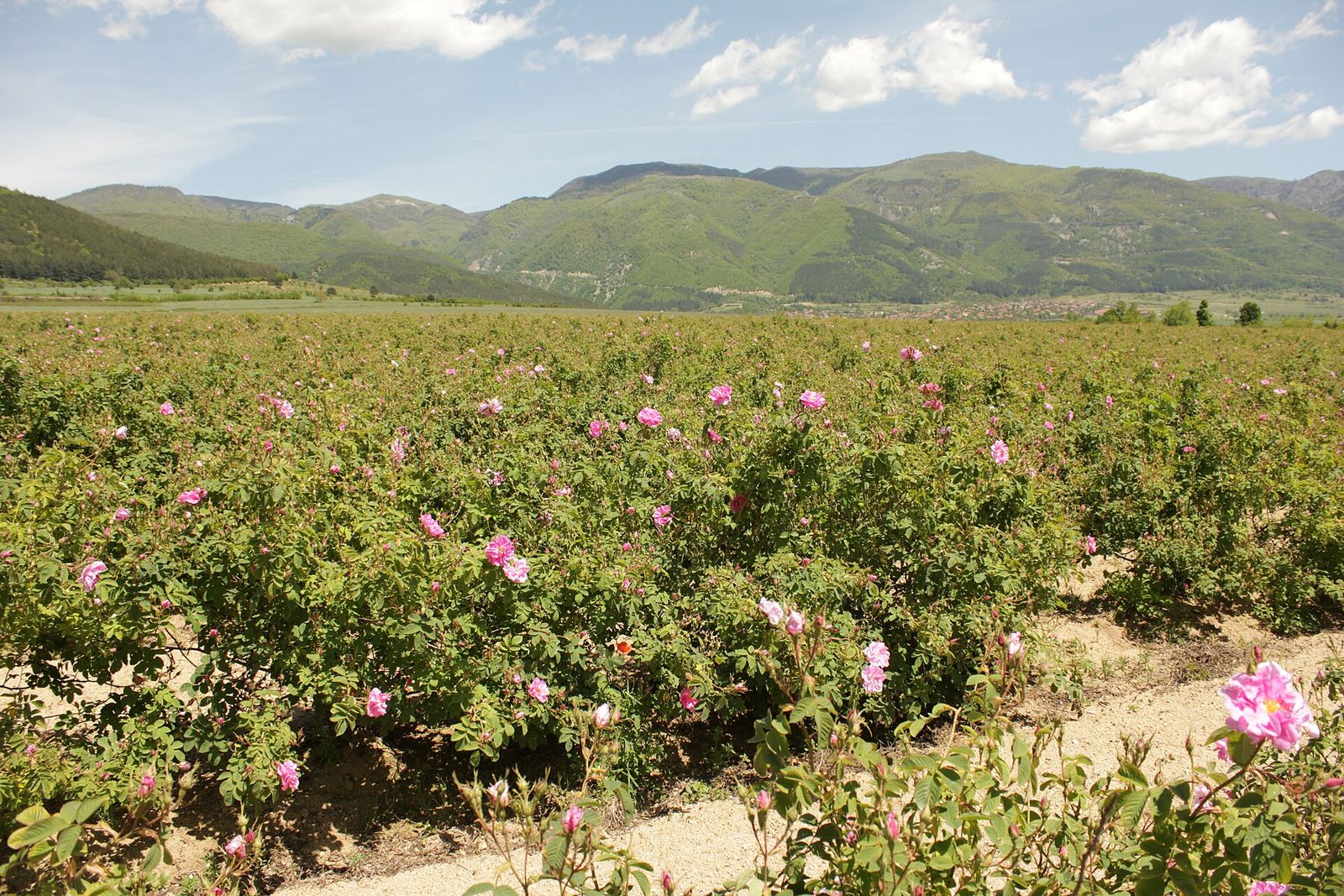
Come in late May or early June for the Rose Festival, while the harvest is on. Above the town, the road climbs to Shipka Pass and the Buzludzha monument, the saucer-shaped Communist Party hall that opened in 1981 and was abandoned after 1989. It is closed inside and reachable only by car, so on a bus trip I'd skip it.
Days 7 and 8: Sozopol and Nessebar on the Black Sea
The southern coast around Burgas has the two old towns I'd pick. Sozopol was settled by Greeks in the 7th century BC, and its old town on a rocky peninsula is all stone ground floors and wooden upper stories.
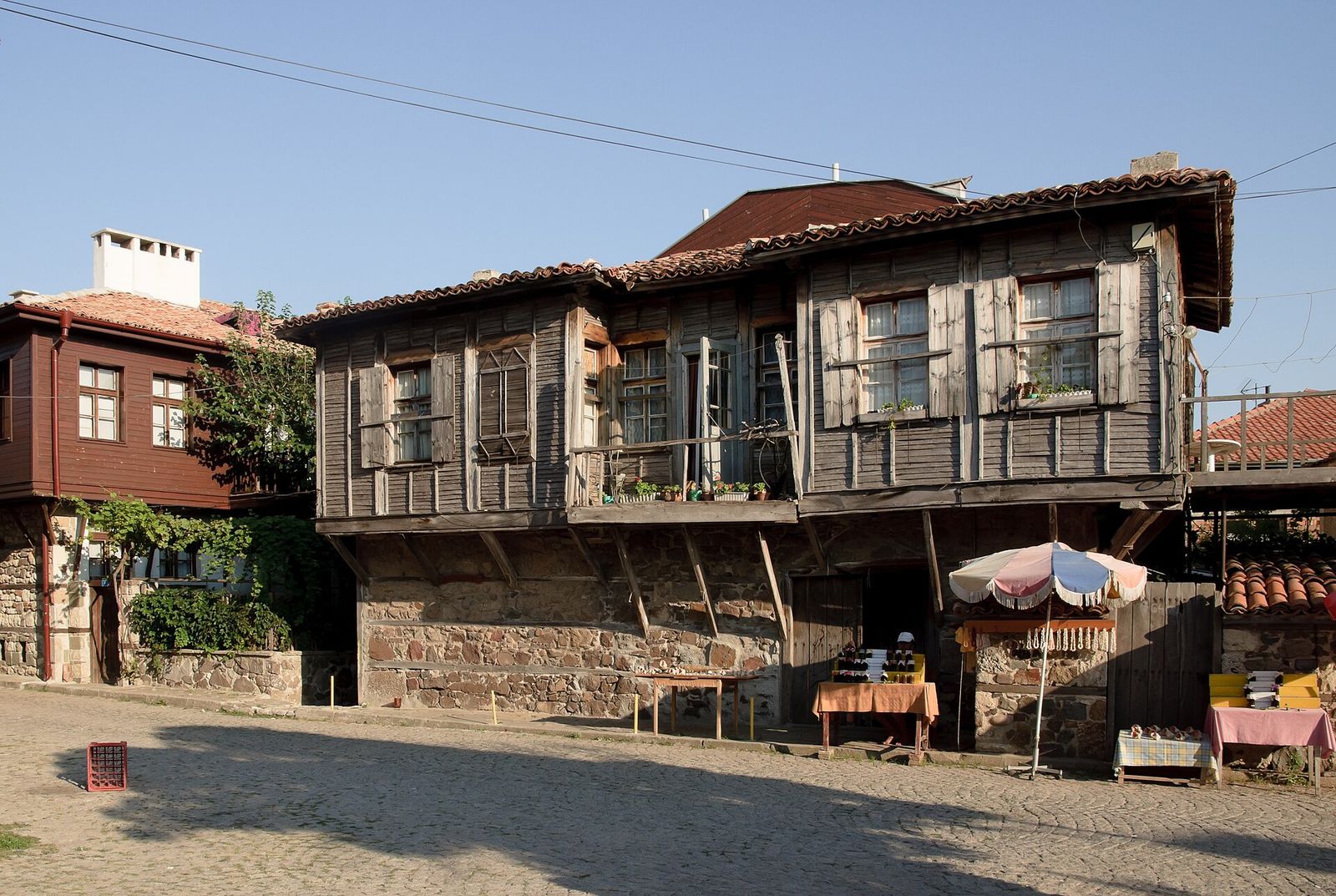
Nessebar, 35 km north of Burgas, was founded in the 6th century BC, and its old town on a peninsula has been a UNESCO site since 1983. From late June to August I'd be in its lanes before 9 AM, then spend the afternoon on a quieter beach. Nine buses a day run from Sofia to Burgas, and the 1 PM one carries on to Sozopol. The Bulgarian Black Sea coast runs 378 km from Romania to Turkey, with these two old towns in the south and Varna in the north.
Two weeks in Bulgaria: add the mountains, Varna and Belogradchik
Two weeks lets you add the mountain stops and the north coast. I'd build it as the 10-day loop plus four extra stops, each one slotting in where it sits on the map.
The Seven Rila Lakes
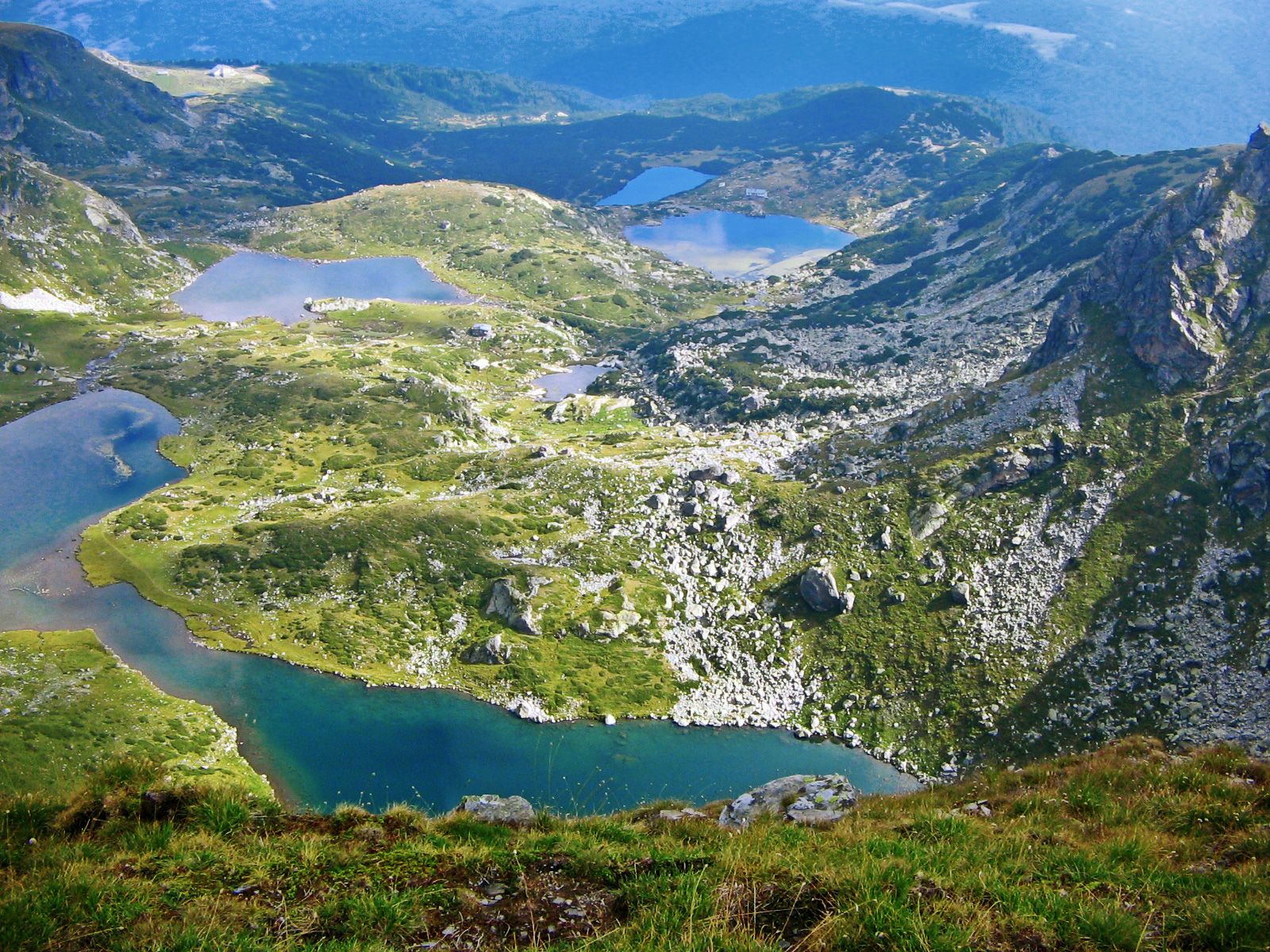
The Seven Rila Lakes are a chain of glacial lakes between about 2,100 and 2,500 meters. They are my favorite hike in Bulgaria. Add them as a second day trip from Sofia, 1.5 to 2 hours by car to the lower chairlift station.
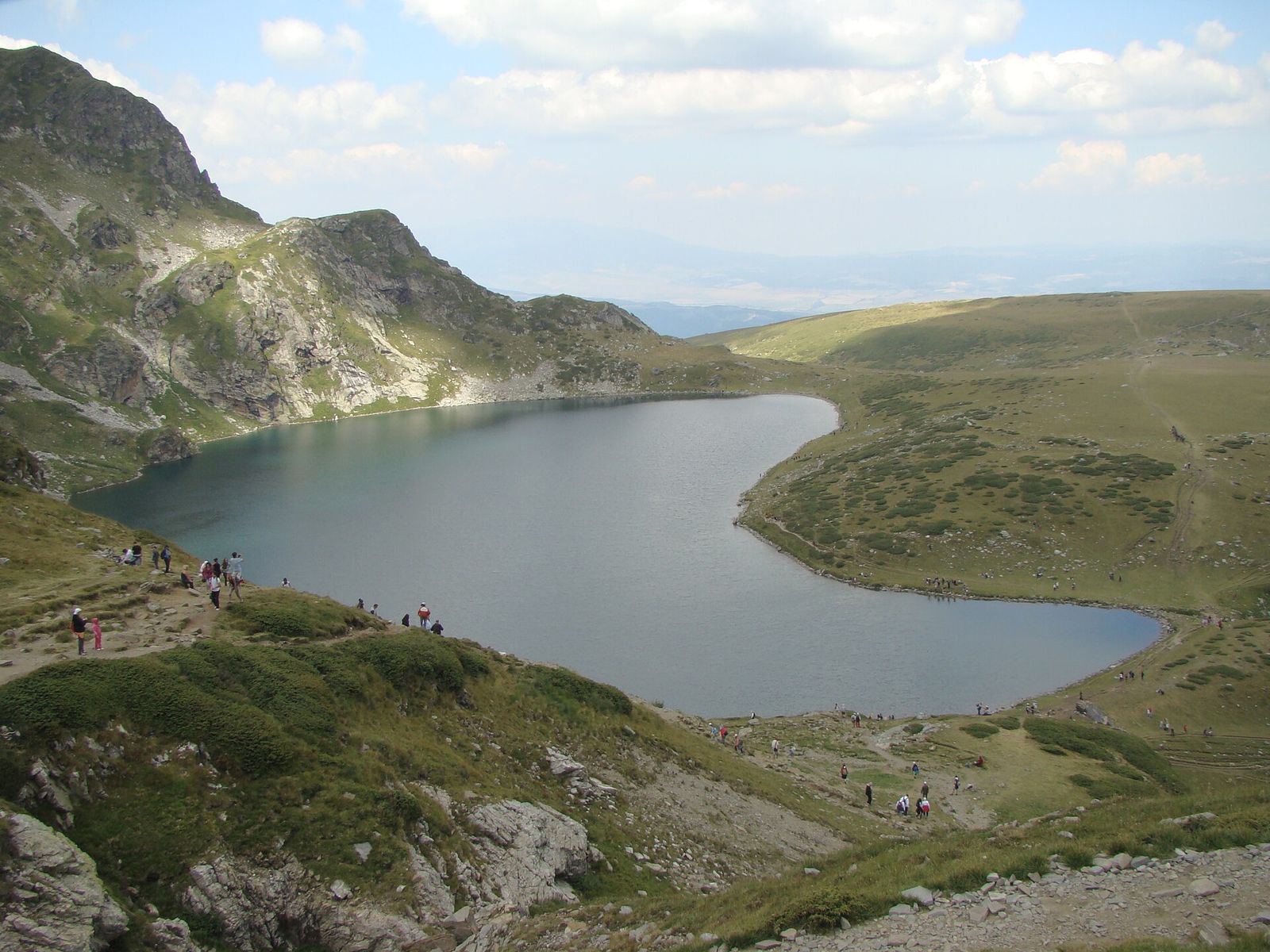
The chairlift costs €16 return, and the loop past the lakes runs 9 to 10 km and takes 3 to 5 hours. The lakes freeze from roughly October to May, so this stop belongs to a June to September trip. Without a car, a bus to Dupnitsa and a taxi of about €15 to the lift gets you to the Seven Rila Lakes.
Bansko and the Pirin Mountains
Bansko is about 2 hours south of Sofia by car and about 3 hours by bus. Its old town has fortified stone houses from the 18th and 19th centuries and the traditional taverns called mehanas.
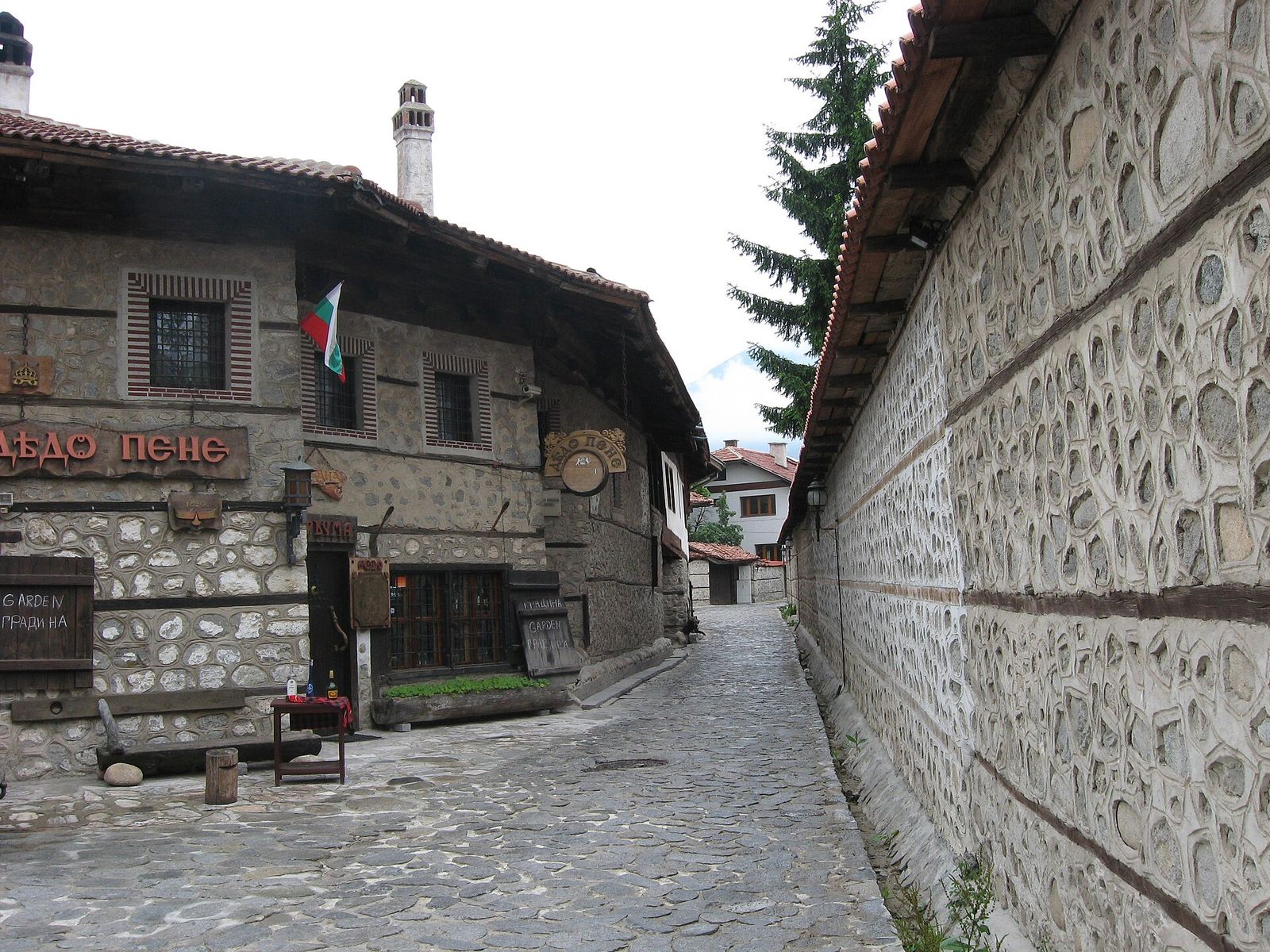
Bansko is the biggest ski resort in the country, with a season from December to March. In summer it is the base for the Pirin trails below Vihren, at 2,914 meters, and Melnik, Bulgaria's smallest town with its sand pyramids and wine cellars, is a drive further south.
Varna and the north coast
Varna is Bulgaria's third-largest city and the base for the north half of the coast. Its Archaeological Museum holds the gold of the Varna Necropolis, over 6,000 years old, and the Sea Garden runs along the waterfront above the beach.
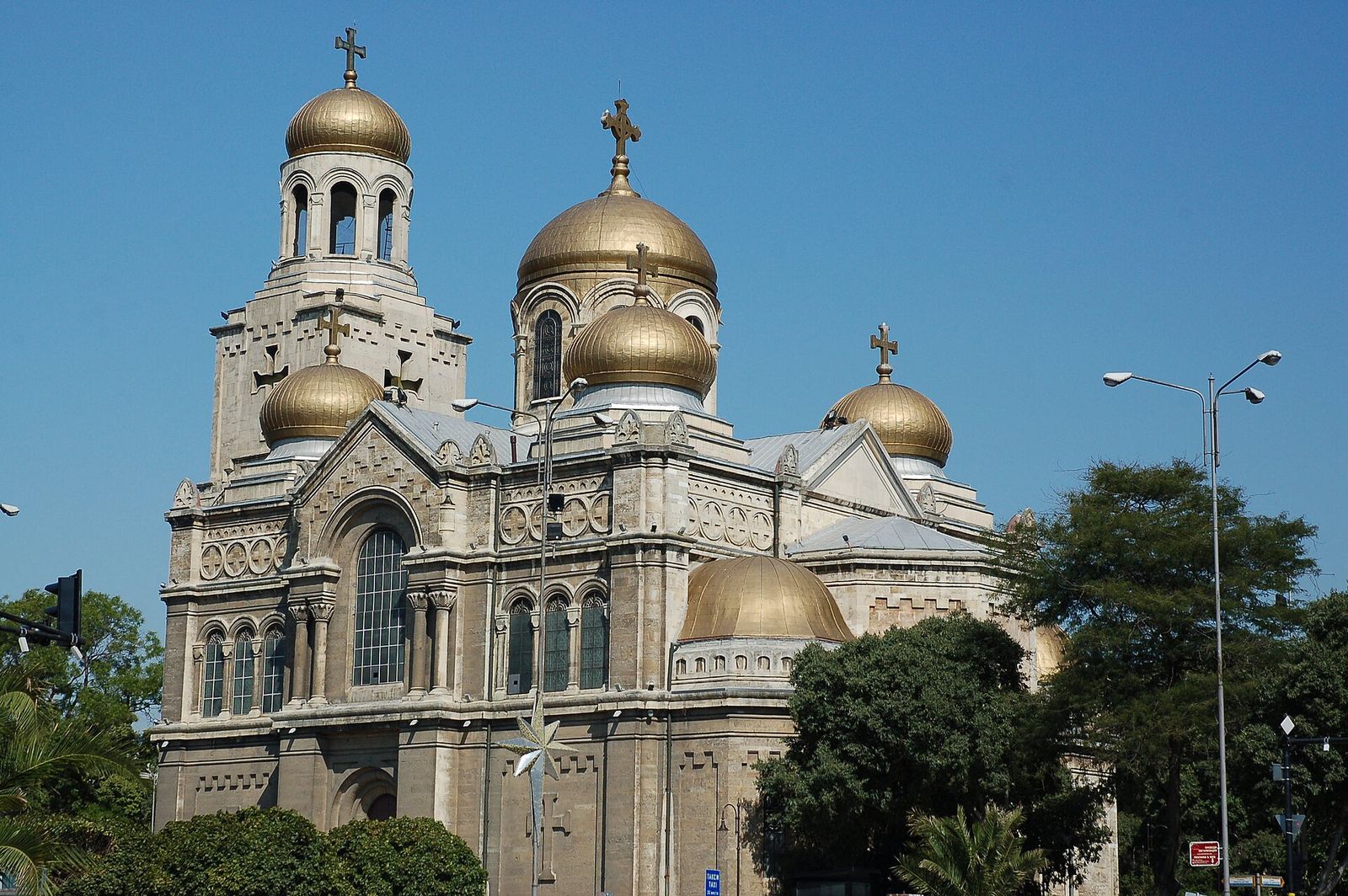
Varna has its own airport, about 50 minutes from Sofia by air, which is how I'd end a two-week loop. The overnight train is the other way back: 7 hours 50 minutes to 9 hours, with a private one-berth sleeper at €33.70.
Belogradchik
The Belogradchik Rocks are red sandstone towers up to 200 meters tall, about 170 km northwest of Sofia near the border with Serbia. The Romans built a fortress into them in the 3rd century, and its walls run straight into the rock.
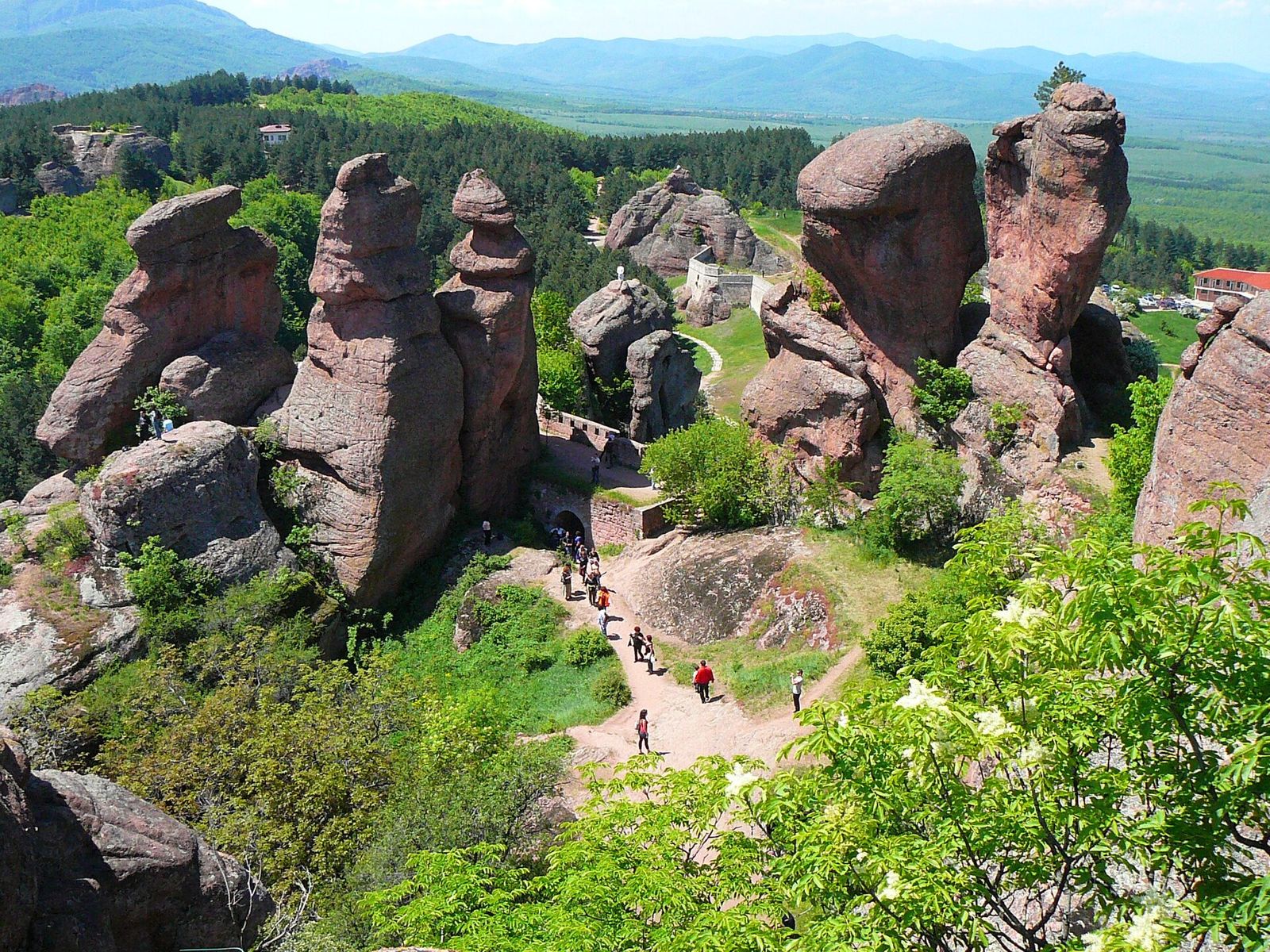
Only one bus a day runs from Sofia, about 4 hours each way against about 3 hours by car, so Belogradchik is a car stop or an overnight. I'd do it as the first or last two days of the trip, out and back from Sofia.
Bus and drive times between the stops
Buses link every big city in Bulgaria and are faster than trains on most routes.
| Leg | Bus | Car |
|---|---|---|
| Sofia to Plovdiv | About 2 hours, €7 to €8, about hourly | About 1.5 hours |
| Sofia to Rila Monastery | No direct bus: Dupnitsa or Blagoevgrad, then taxi | 2 to 2.5 hours |
| Sofia to Koprivshtitsa | 2 or 3 buses a day; train about 2 hours plus a minibus | About 2 hours |
| Sofia to Veliko Tarnovo | 3 to 3.5 hours, €14.50 to €15.50, 17 a day | About 3 hours |
| Sofia to Burgas | 5 hours 35 minutes to 7 hours 10 minutes, about €19 | 5 to 6 hours |
| Sofia to Varna | 6 to 7 hours; night train 7 hours 50 minutes to 9 hours | 5 to 6 hours |
| Sofia to Bansko | About 3 hours | About 2 hours |
| Sofia to Belogradchik | 1 bus a day, about 4 hours | About 3 hours |
Trains in Bulgaria are slower and the timetables thinner, though the night train to Varna saves a hotel night. For most legs, the Central Bus Station in Sofia, at 100 Knyaginya Maria Luiza Boulevard, is where you start.
Do you need a car in Bulgaria?
The one-week route works on buses alone, with one taxi for Rila. From 10 days, I'd rent a car. Koprivshtitsa gets 2 or 3 buses a day from Sofia, Belogradchik gets 1 and Buzludzha none.
Car hire runs about €15 to €25 a day. Motorways and main roads need an e-vignette, bought online before you drive, at €5.30 for a day, €6.60 for a weekend, €10 for a week or €19.90 for a month. Headlights must be on day and night.
Roads are in mixed repair, and some roadworks are unlit at night, so I'd keep the long drives to daylight. Getting around Bulgaria by bus is the calmer choice if you do not enjoy defensive driving.
The best time for a Bulgaria itinerary
September is my favorite month for this trip. The coast is still warm, the summer crowds have gone home, the mountain trails are open and Sozopol has its Apollonia arts festival.
Late May and June work too, with the Rose Festival in Kazanlak and long days. July and August are the hottest months and the busiest on the coast and at the lakes, and they are the only months I'd add a full beach stretch.
In winter, swap the coast and the lakes for Bansko and the slopes, from December to March. The best time to visit Sofia runs on the same calendar, with May to June and September as the easiest months for walking the cities. Whatever the season, a Bulgaria packing list needs one warm layer for the mountains, since it is much colder at 2,000 meters than in Plovdiv.
Bulgaria as part of a Balkans trip
From Sofia, buses run to Skopje, Belgrade, Thessaloniki and Bucharest, and a night train leaves for Istanbul every evening, so a Balkans itinerary can begin with this week and carry on across the border.
Money in Bulgaria is euros now, so if you arrive from another eurozone country there is nothing to change.
Key takeaways
- Give Bulgaria at least a week: Sofia, Rila Monastery, Plovdiv and Veliko Tarnovo, all but Rila by bus.
- With 10 days, rent a car and add Koprivshtitsa, the Rose Valley, Buzludzha, Sozopol and Nessebar.
- Two weeks adds the Seven Rila Lakes, Bansko, Varna and Belogradchik, and you can fly home from Varna or Burgas.
- Buses are cheap: about €7 to €8 to Plovdiv and €14.50 to €15.50 to Veliko Tarnovo.
Frequently asked questions
How many days in Bulgaria is enough?
A week is enough for Sofia, Rila Monastery, Plovdiv and Veliko Tarnovo. Ten days to two weeks lets you add the mountains and the Black Sea without spending most days on the road.
What is the best itinerary for a trip to Bulgaria?
For a first trip, I'd spend three nights in Sofia, one of them after a day at Rila Monastery, then two in Plovdiv and one in Veliko Tarnovo. Add the Black Sea and the Rose Valley if you have 10 days and a car.
Can you travel around Bulgaria without a car?
Yes, between the big cities. Buses run from Sofia to Plovdiv, Veliko Tarnovo, Bansko, Burgas and Varna, while Rila Monastery has no regular bus, Belogradchik has one a day and Buzludzha has none.
Which month is best to visit Bulgaria?
September is the best all-round month: warm sea, open trails and fewer crowds. Come from December to March for skiing in Bansko, and in late May or early June for the Rose Festival.
Is it worth going to the Black Sea on a first trip to Bulgaria?
It is in summer, from June to September, when Sozopol and Nessebar are at their best. Outside that season I'd spend the days in the mountains and the old towns instead, and leave the coast for a second trip.
What does nodding your head mean in Bulgaria?
A nod means no and a shake of the head means yes in Bulgaria. Saying "da" for yes and "ne" for no clears it up when you ask for a bus ticket or directions.
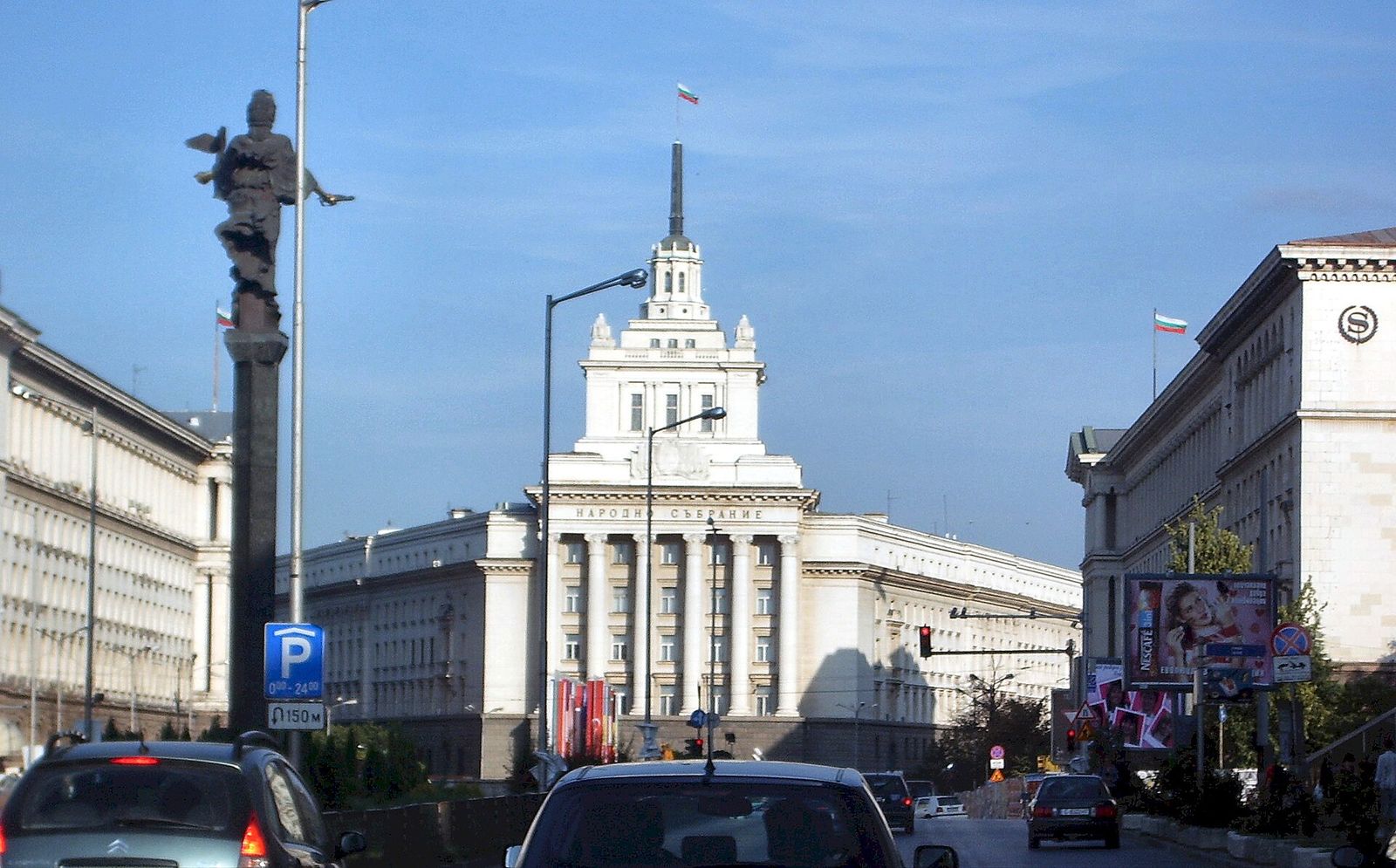
Sofia Travel Tips: What I'd Tell You Before a First Trip to Bulgaria
Sofia is easy once you know a few rules. What I'd tell a friend about visas, the euro, taxis and getting around.
Read the guide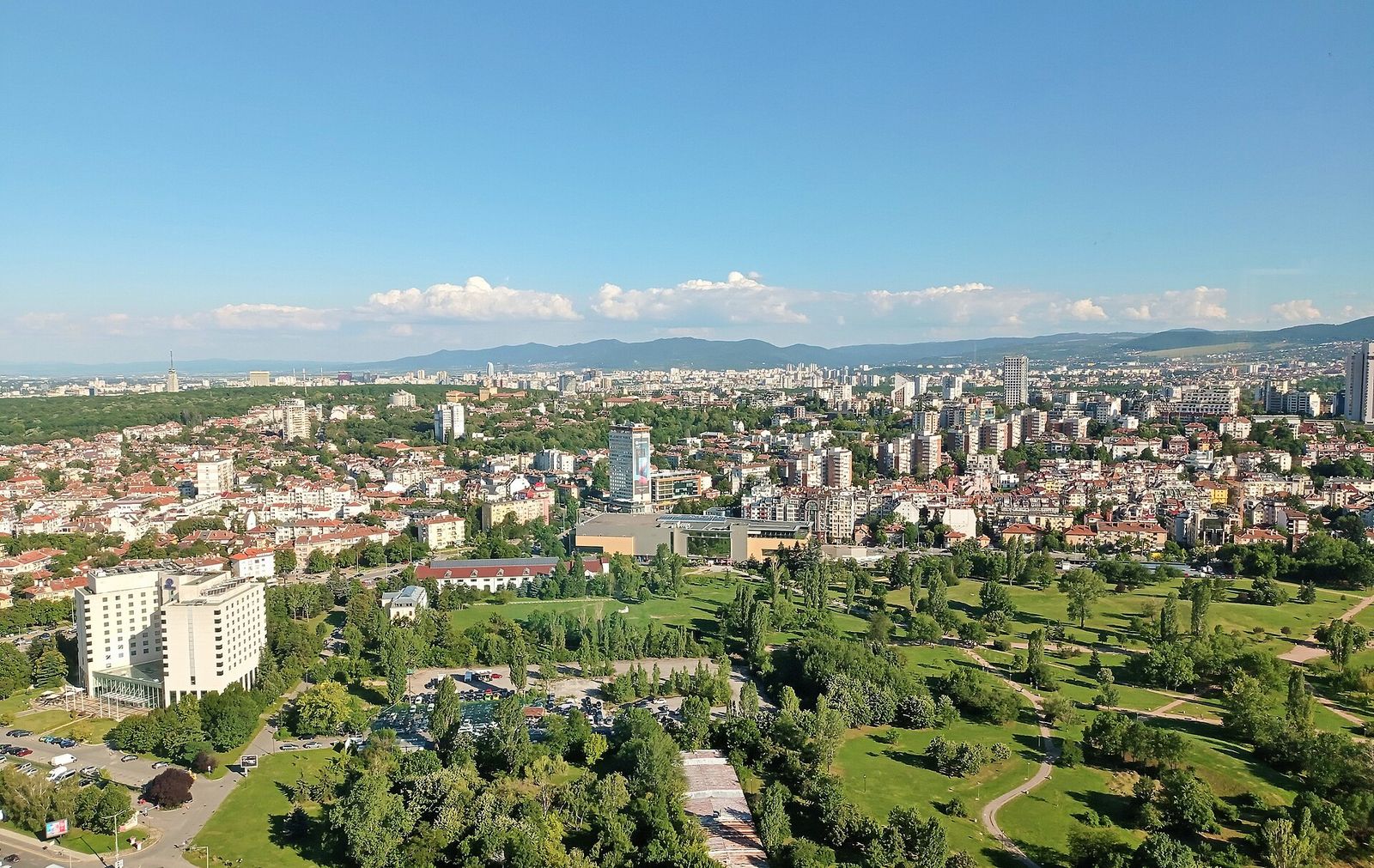
Sofia Itinerary: 1 to 5 Days
Sofia fits its best sights into a walkable center. The day-by-day plan I'd follow for 1 to 5 days, with prices.
Read the guide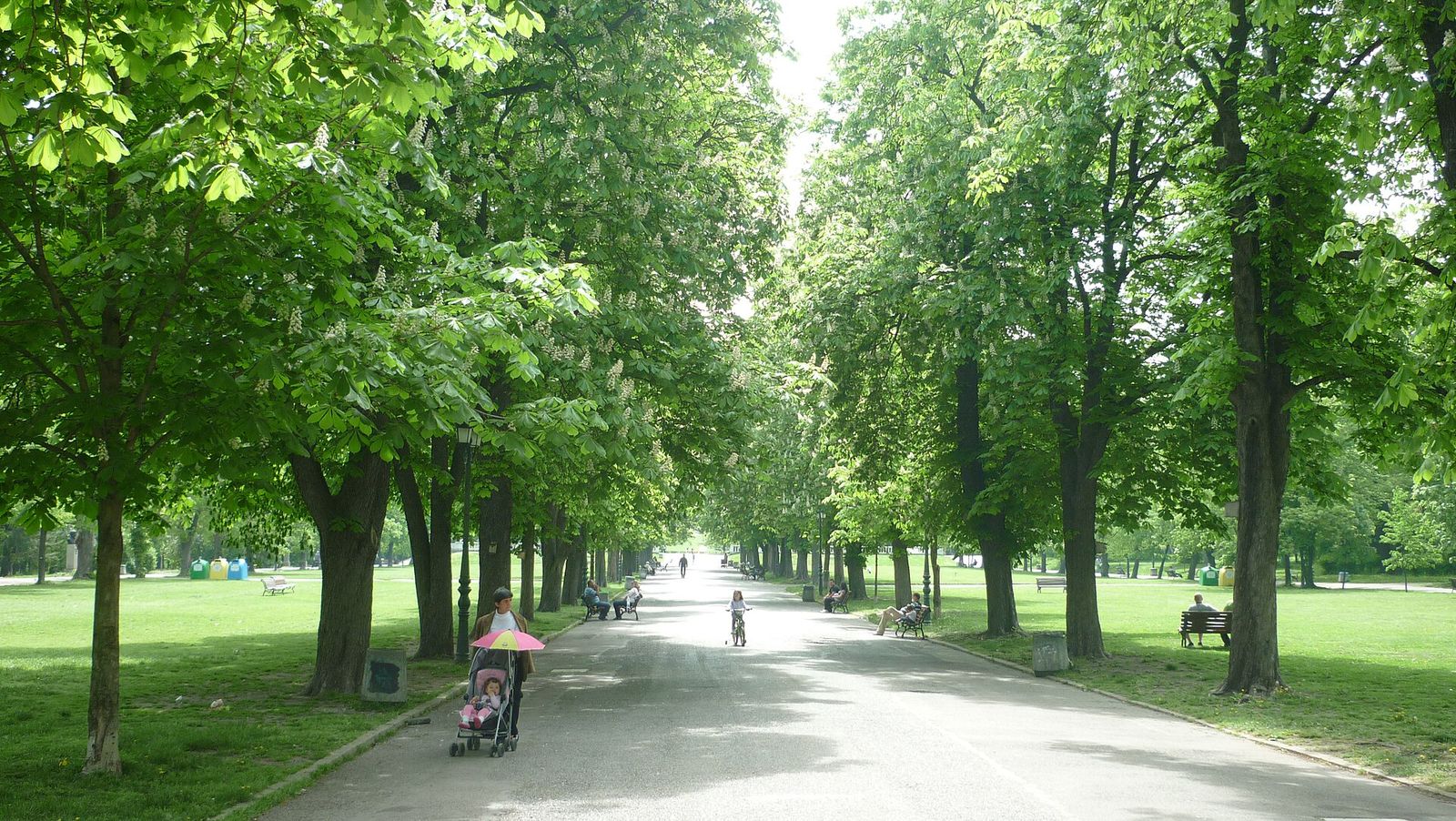
Best Time to Visit Sofia
Sofia has four real seasons. The months I'd pick for walking, hiking, skiing and saving money, with the weather.
Read the guide