Sofia to Bucharest: Bus, Train Over the Danube or Car
Bucharest, the Romanian capital, sits just north of the Danube, and the trip from Sofia crosses the river on a long steel bridge between Ruse and Giurgiu. This guide covers the buses and their times, the one daily train, flights, the drive, the stops I'd make on the way and what changed now that both countries are in Schengen.
Sofia to Bucharest at a glance
Bucharest is just under 400 km from Sofia by road. Buses, cars and the train all run north across Bulgaria to Ruse on the Danube and cross the river into Giurgiu in Romania, and from Ruse it is only about 67 km to Bucharest.
| Option | Leaves Sofia | Time | One way | Best for |
|---|---|---|---|---|
| Bus | Central Bus Station or Serdika | 5h50 to 7h15 | From about €15 | Almost everyone |
| Train | Sofia Sever, 7:15 AM | About 10 hours | €36 | A scenic day |
| Flight | Sofia Airport | About 1 hour in the air | Varies | A short trip |
| Car | Anywhere | Similar to the bus | Fuel, vignettes, €2 bridge toll | Stops on the way |
The bus from Sofia to Bucharest
The bus is how I'd go if I just wanted to reach Bucharest. About 13 buses a day make the trip, run by Union Ivkoni, FlixBus, Pegasus, Openline and others, and they leave from early morning to late at night.
Bus times and fares
The first bus leaves around 6:25 AM and the last close to 11:25 PM. The quickest take about 5 hours 50 minutes and the slowest about 7 hours 15 minutes.
Fares start at about €15 one way. FlixBus runs 2 buses a day on this route, the first at 1:15 PM and the last at 11:25 PM, from €20.48, and its fastest run takes 6 hours 35 minutes. For a morning start, the early buses from the other companies are the ones to look at.
Where the Bucharest buses leave from
Most buses leave from Sofia Central Bus Station at 100 Knyaginya Maria Luiza Boulevard, right next to Central Railway Station, and some from Serdika bus station next door at No. 102. Both sit by the Central Station stop on the blue M2 line of the Sofia metro, two stops from Serdika II, so you can ride there from the center for €0.80.
Where the bus arrives in Bucharest
Most buses arrive at Militari bus station in the west of Bucharest, which is on the M3 metro line, so the ride into town is simple. FlixBus also uses Filaret bus station on some runs, and your ticket says which.
Day bus or night bus
A daytime bus crosses the flat northern plain and the Danube in daylight. A night bus saves a hotel night and gives you a spare day in Bucharest, but you sleep sitting up and arrive in the early hours. Since 2025 no passport check wakes you at the bridge.
The train from Sofia to Bucharest
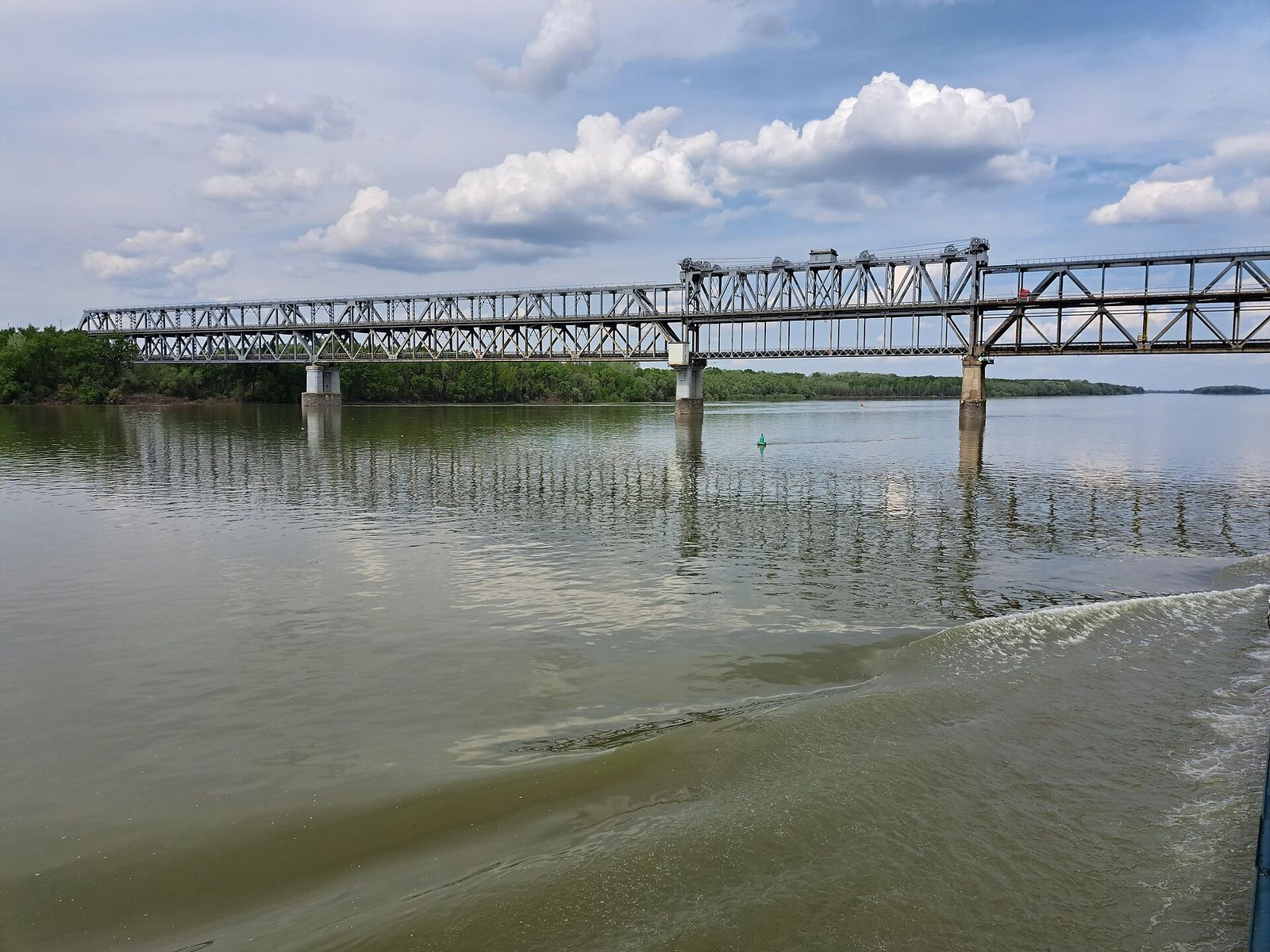
One train a day runs between Sofia and Bucharest, a slow, scenic ride of about 10 hours. Much of the line through the green Bulgarian valleys is single track, and at Ruse the train rolls onto a steel bridge over 2 km long, opened in 1954, to reach Giurgiu on the Romanian bank.
Train times and the change at Ruse
The train leaves Sofia at 7:00 AM and reaches Bucharest Gara de Nord at 4:56 PM. From 12 June to 11 October 2026 there is a direct through carriage, one Bulgarian second-class coach with six-seat compartments that is coupled to a Romanian train at Ruse. The rest of the year you change at Ruse, arriving at 1:32 PM and leaving at 2:15 PM on an air-conditioned Romanian train.
The summer through carriage has no air conditioning, so the windows open, and there is no catering on board at any time of year. I'd bring a picnic, water and a book.
Train tickets and fares
A one-way ticket costs €36 including the seat reservation, and the train is second class only. Book on the Romanian Railways international website, and while the track work lasts, book from Sofia Sever to Bucuresti to get a PDF ticket you can show on your phone. You can also buy tickets at the international ticket windows at Sofia Central, where there are almost always seats, even on the day.
If the Romanian site will not give you a PDF ticket, split it in two: Sofia to Ruse on the website of the Bulgarian railways for about €12, bookable 30 days ahead, plus Ruse to Bucharest on the Romanian site for 88 lei, about €17.
Arriving at Bucharest Gara de Nord
The train ends at Gara de Nord, Bucharest's main station, which is also a metro hub, so the center is a short ride away.
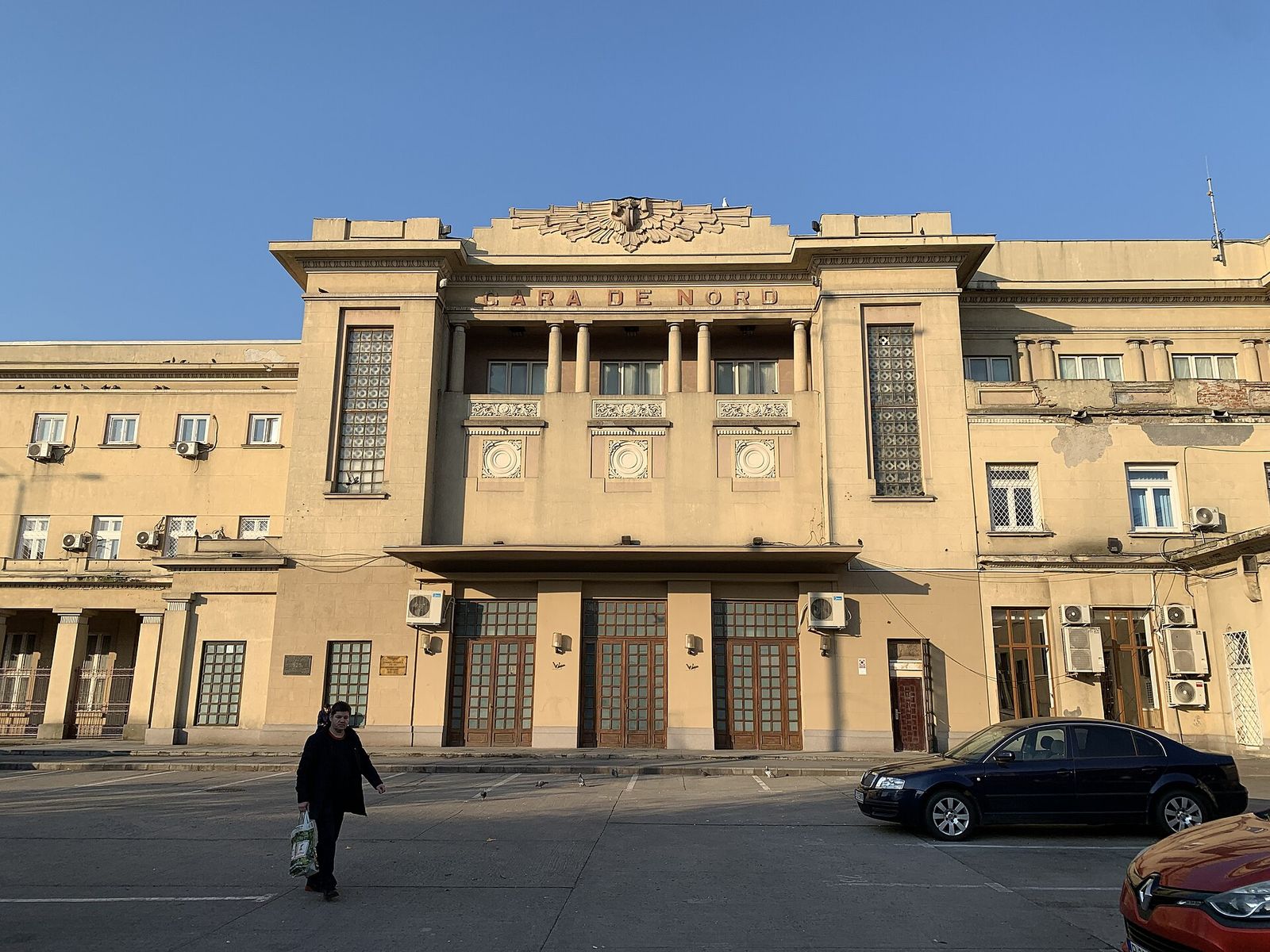
It sits closer to the center than Militari, where most of the buses end.
Flying from Sofia to Bucharest
The flight takes about 1 hour, which makes it by far the fastest option. At the Sofia end, the airport metro from Terminal 2 into the city costs €0.80, so getting to your plane adds little time or money. I'd only fly on a short trip where a day on the road would eat into the time in Bucharest.
Driving from Sofia to Bucharest
The drive takes about as long as the bus, but you pick the stops. You head north across Bulgaria to Ruse, cross the Danube bridge into Giurgiu, then drive the last stretch up to Bucharest.
Bulgaria's half is slower than the map suggests. The A2 Hemus motorway across the north is still unfinished, so much of the way to Ruse is ordinary two-lane road through towns and villages. I'd allow extra time and avoid driving it after dark for the first time.
Three costs to sort before you leave:
- A Bulgarian e-vignette, bought online against the number plate, which covers the main roads to Ruse as well as the motorways, the same pass you need for getting around Bulgaria by car.
- A Romanian rovinieta, the road vignette Romania charges on its side of the bridge.
- The Danube bridge toll, €2 per car heading north from Ruse into Romania. The drive back from Giurgiu into Bulgaria has been free since Romania dropped its toll on 1 October 2026.
If the car is a rental, confirm when you book that the company allows the trip into Romania and that the insurance covers it.
Breaking the trip in Veliko Tarnovo and Ruse
Veliko Tarnovo and Ruse both sit on the way to the Danube. From Sofia you can bus or train to Veliko Tarnovo, spend the night, go on to Ruse the next day, then take a bus over the river to Bucharest.
Veliko Tarnovo
From 1185 to 1393 Veliko Tarnovo ruled the Second Bulgarian Empire, and the Yantra River loops around three sides of the hill that holds its Tsarevets fortress.
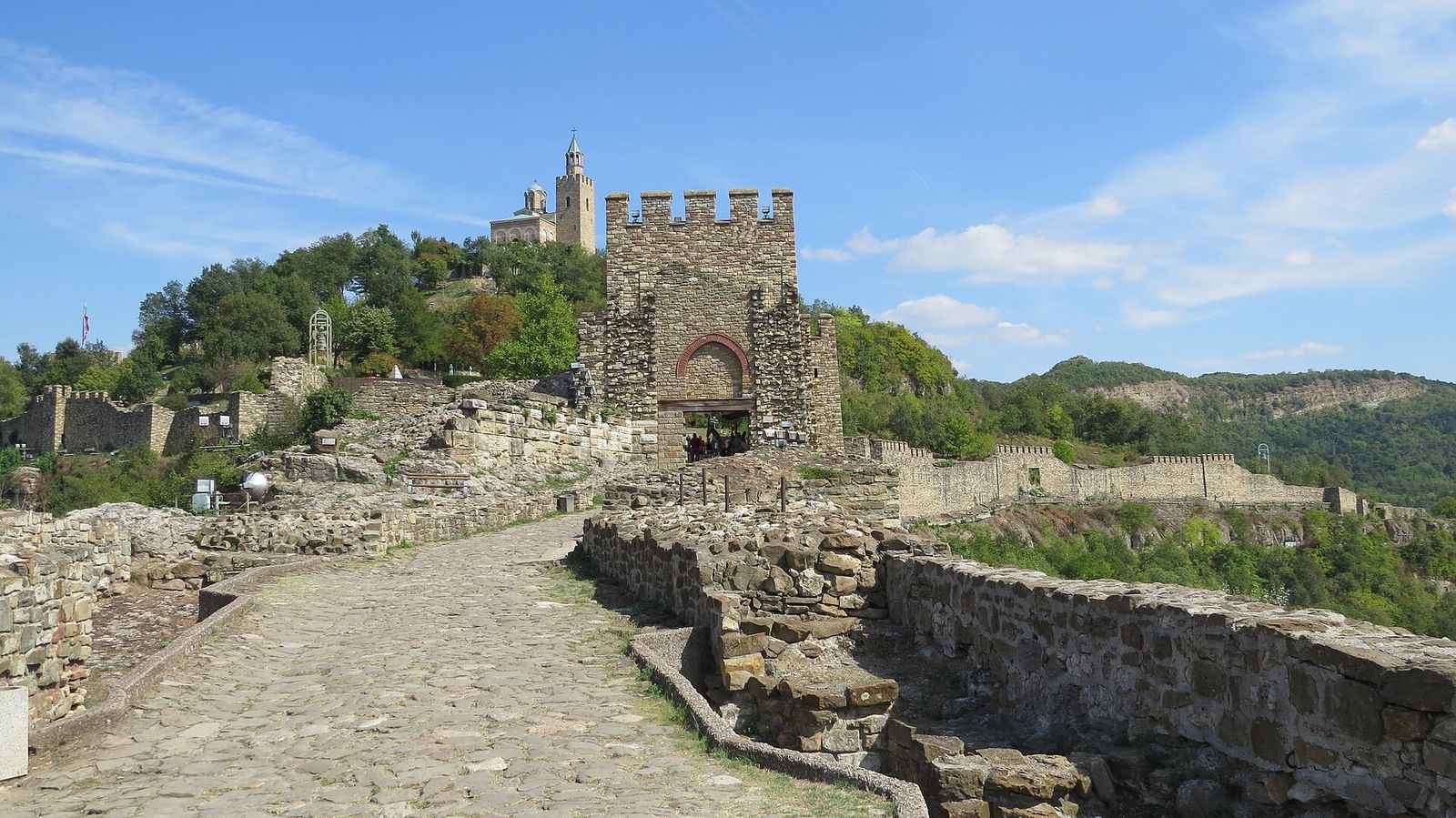
It is 3 to 3.5 hours from Sofia by car, and the bus or train from Sofia to Veliko Tarnovo makes the first leg of the split trip. I'd stay one night, because the old town over its three hills is at its best in the evening, and Veliko Tarnovo easily fills a day.
Ruse
Ruse is the Bulgarian city on the Danube bridge, and its neo-baroque center earned it the nickname "Little Vienna".
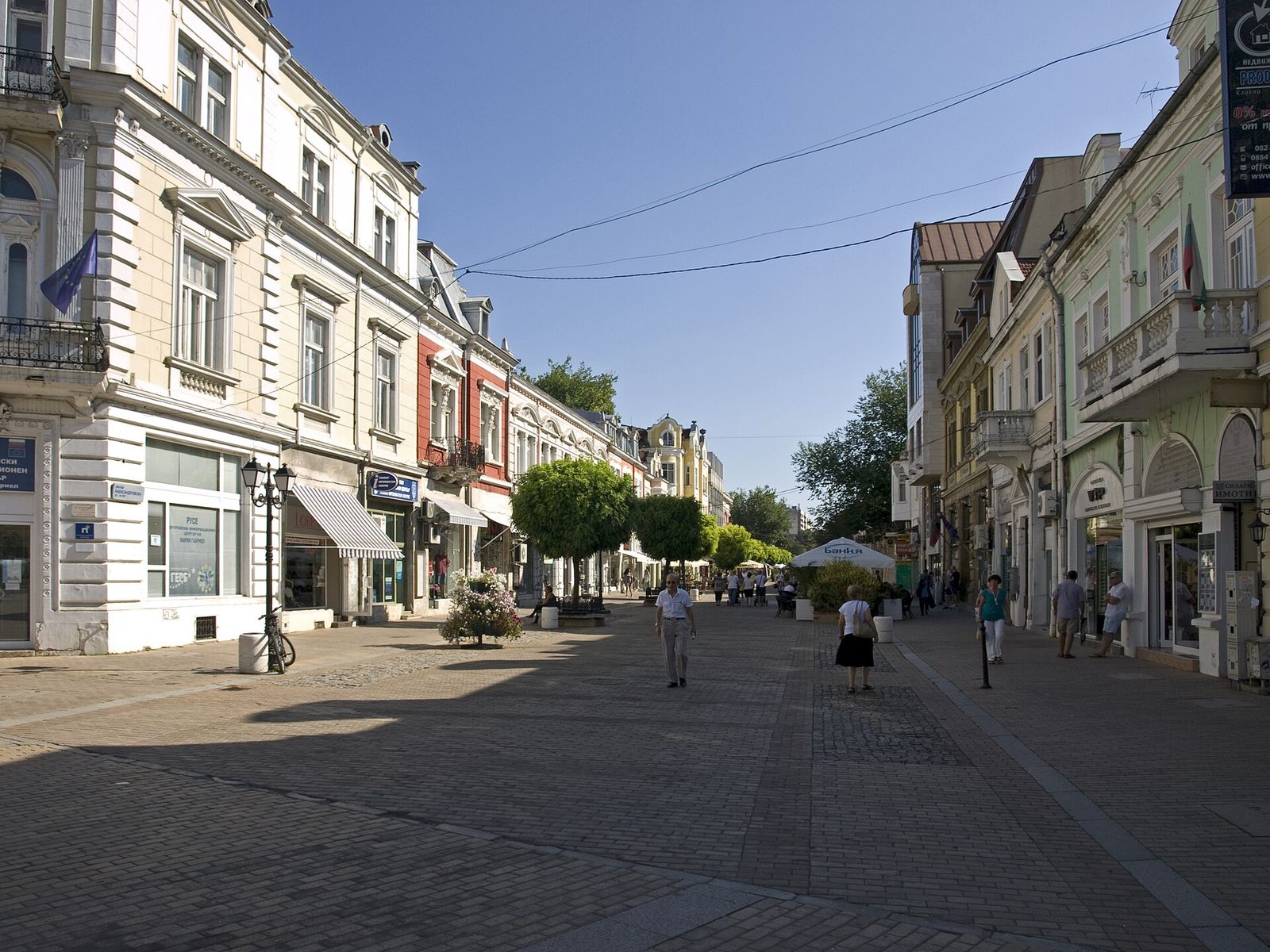
It is the natural place to stop for lunch before the bridge, and it has its own row on the list of places to visit in Bulgaria. An hour or three on its pedestrian streets is enough.
The border, money and phones
Bulgaria and Romania became full Schengen members on 1 January 2025, so the crossing at Ruse and Giurgiu is now an internal Schengen border. Buses and cars drive straight over the bridge without a routine passport check.
Bulgaria has used the euro since 1 January 2026, so money in Bulgaria is euros from any ATM, but Romania still uses the leu. I'd pay by card where I can and take a few lei from an ATM at the bus or train station for the metro and a coffee. Romania is in the EU, so an EU SIM roams there at no extra cost.
Bus, train or car: which to pick
- The bus if the point is simply getting to Bucharest. It is cheap, runs about 13 times a day and takes 6 to 7 hours.
- The train if you are happy to trade three or four extra hours for the ride and the Danube bridge.
- A car if you would rather spend those hours in Veliko Tarnovo or Ruse than on a bus.
- A flight if you only have a weekend in Bucharest.
On the trip from Sofia to Belgrade, the Kalotina queue can add an hour or more in summer. Here the Danube bridge has no passport stop at all, so the choice comes down to time, price and stops.
Going on from Bucharest
From 13 June to 12 October 2026 a direct Bucharest to Istanbul couchette car leaves Bucharest at 10:46 AM and joins the night train at Dimitrovgrad, so the trip from Sofia to Istanbul can also be done the long way round, through Bucharest. Going west, the Muntenia night train leaves Bucharest Nord at 9:19 PM and reaches Budapest at 12:50 PM the next day, from €40 in a six-berth couchette.
There is no easy public transport between Bucharest and Belgrade, so in a Balkans itinerary from Sofia I'd treat Bucharest as an add-on, out from Sofia and back, with a night in Veliko Tarnovo on one leg.
Key takeaways
- Take the bus for speed and price: about 13 a day, 6 to 7 hours, from about €15, mostly to Militari bus station.
- The daily train leaves at 7:00 AM, from Sofia Sever at 7:15 AM during track work, reaches Gara de Nord at 4:56 PM and costs €36.
- There is no routine passport check at the Danube bridge since 2025, but Romania uses the leu.
- By car, budget a Bulgarian e-vignette, a Romanian rovinieta and the €2 bridge toll, and stop in Veliko Tarnovo or Ruse.
Frequently asked questions
How far is Bucharest from Sofia?
Bucharest is just under 400 km from Sofia by road. The bus takes 6 to 7 hours, the train about 10 hours and the flight about 1 hour.
Is there a train from Sofia to Bucharest?
Yes, one a day. It leaves Sofia at 7:00 AM, from Sofia Sever at 7:15 AM while track work lasts, and reaches Bucharest Gara de Nord at 4:56 PM for €36, with a change at Ruse outside mid-June to mid-October.
How much is the bus from Sofia to Bucharest?
Fares start at about €15 one way with the cheapest companies. FlixBus fares on the route start at €20.48.
Is there a border check between Bulgaria and Romania?
No routine check. Both countries joined Schengen on 1 January 2025, so buses and cars cross the Danube bridge without stopping, though you should carry a passport or EU ID card for spot checks.
Do you need cash in Bucharest?
A little. Romania uses the leu, not the euro, so I'd take a few lei from an ATM for the metro, a taxi or a coffee on arrival and pay by card for the rest.
Where does the bus from Sofia arrive in Bucharest?
Most buses arrive at Militari bus station on the western edge of the city, which is on the M3 metro line. Some FlixBus runs use Filaret bus station, so check your ticket.
Is it better to take the bus or the train from Sofia to Bucharest?
The bus is faster and cheaper, at 6 to 7 hours from about €15. The train takes about 10 hours for €36, so I'd only take it for the scenery and the Danube crossing.
12 Best Places to Visit in Bulgaria in 2026
Bulgaria packs Roman cities, mountain monasteries and Black Sea old towns into a small map. These are the 12 I'd pick.
Read the guide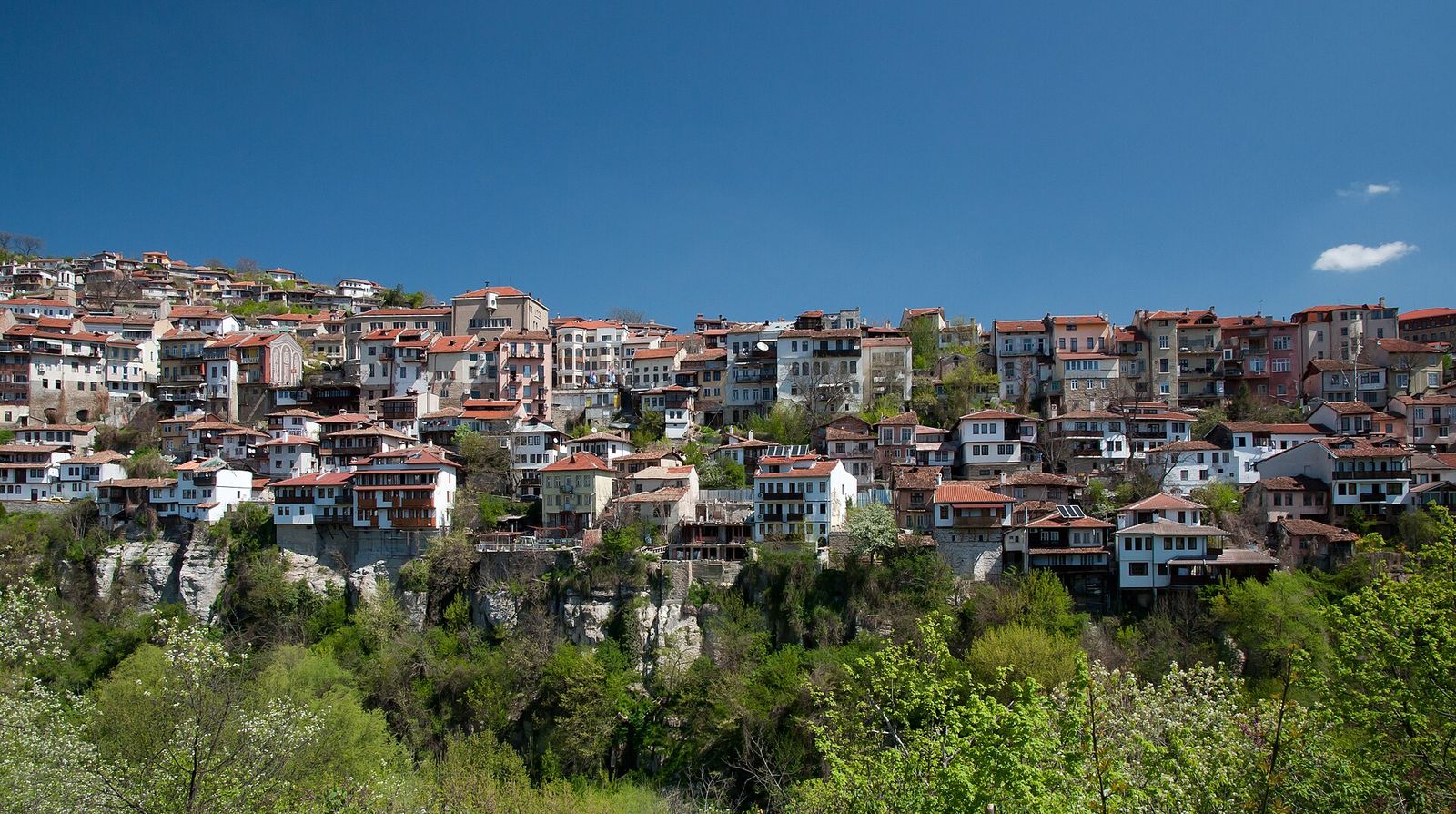
Veliko Tarnovo: Tsarevets, the Old Town and What to See
Veliko Tarnovo is known for Tsarevets and its houses above the Yantra. What to see, the hours and how long to stay.
Read the guide
Sofia to Veliko Tarnovo: Bus, Train or Car in 2026
Veliko Tarnovo is about 3 hours from Sofia by bus. The 2026 departures, the train change and the drive, compared.
Read the guide