Bulgarian Crafts: Pottery, Embroidery and Where to Find Them
Bulgaria is known for its pottery, above all the dripped-glaze ware from Troyan, and for embroidery stitched in deep reds. This guide covers the crafts that are still made by hand, from Troyan pottery and embroidery to Chiprovtsi rugs, woodcarving and copper, the workshop towns where you can watch them being made, and where to buy each one in Sofia.
Bulgarian crafts at a glance
Most Bulgarian crafts grew out of village life: pots to cook in, carpets for the floor, embroidered shirts, carved chests and cradles. Each region had its own specialty, which is why a yellow and green Busintsi jug looks nothing like a Troyan pot with its peacock's eyes.
| Craft | Where it comes from | What to buy | Where to see or buy it |
|---|---|---|---|
| Troyan pottery | Troyan and Oreshak, in the Balkan foothills | Plates, bowls, lidded pots, jugs, rakia cups | Troyan, Oreshak, the Ethnographic Museum shop in Sofia |
| Busintsi pottery | Busintsi, near Tran in western Bulgaria | Jugs and bowls in yellow, green and red | The Museum of Busintsi Ceramics |
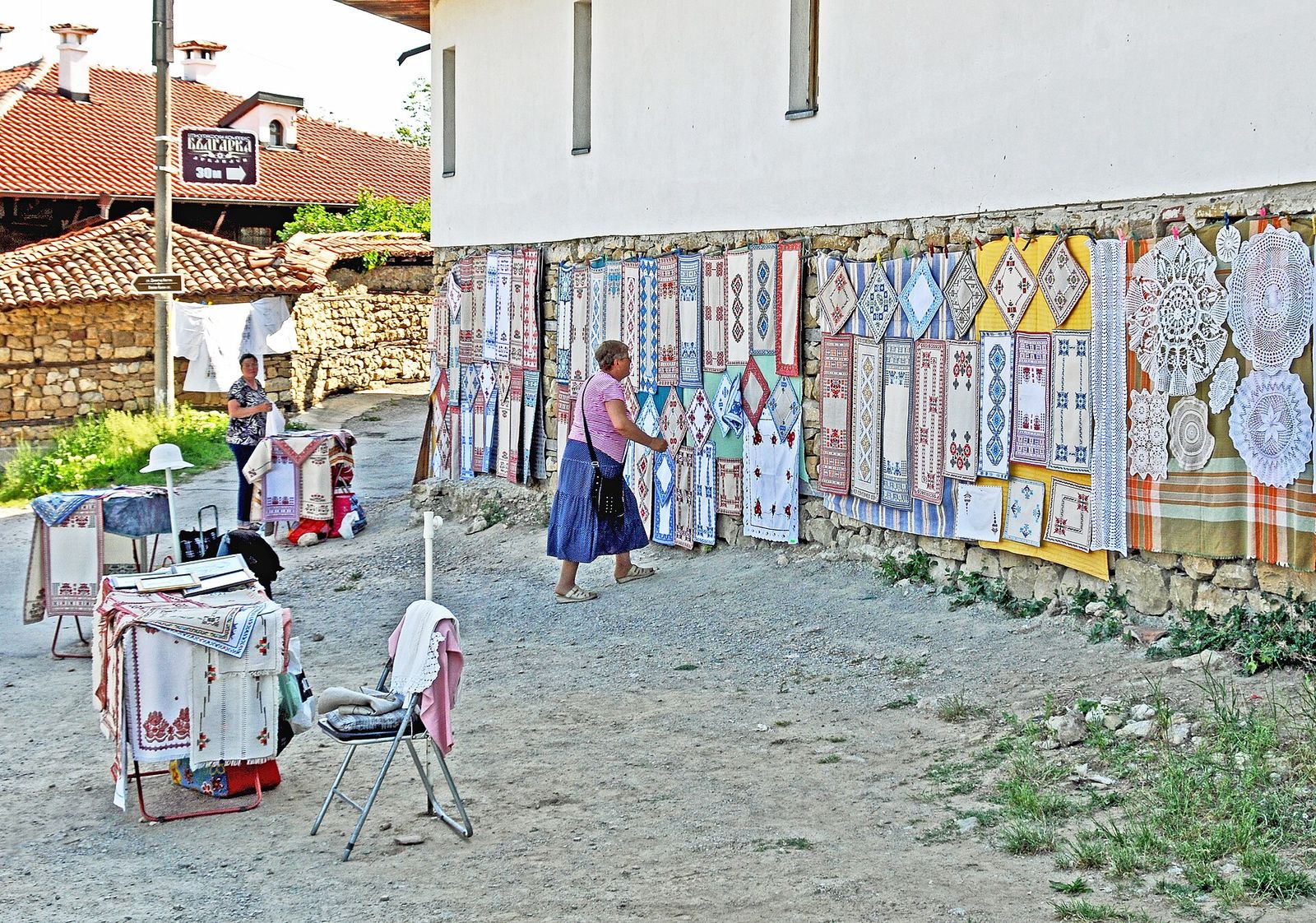
| Embroidery | Every region, each with its own patterns | Tablecloths, blouses, table mats | The linen stalls beside Alexander Nevsky |
| Kilims and rugs | Chiprovtsi and Kotel | Rugs and runners | Chiprovtsi, specialist carpet shops in Sofia |
| Woodcarving | Tryavna | Spoons, boxes, carved panels | Tryavna, Etar, the antiques market in Sofia |
| Icons | The Tryavna, Samokov and Bansko schools | Hand-painted icons | The Alexander Nevsky market, icon galleries |
| Copper and silver | Workshop towns across the country | Coffee pots, trays, filigree jewelry | Etar, Veliko Tarnovo |
| Knitting | Village tradition | Wool socks | The Alexander Nevsky stalls |
Troyan pottery
Troyan pottery is the ceramic people mean when they say Bulgarian pottery. Troyan is a small town on the Beli Osam river in the foothills of the Balkan Mountains, and the style made there today goes back to the 19th century.
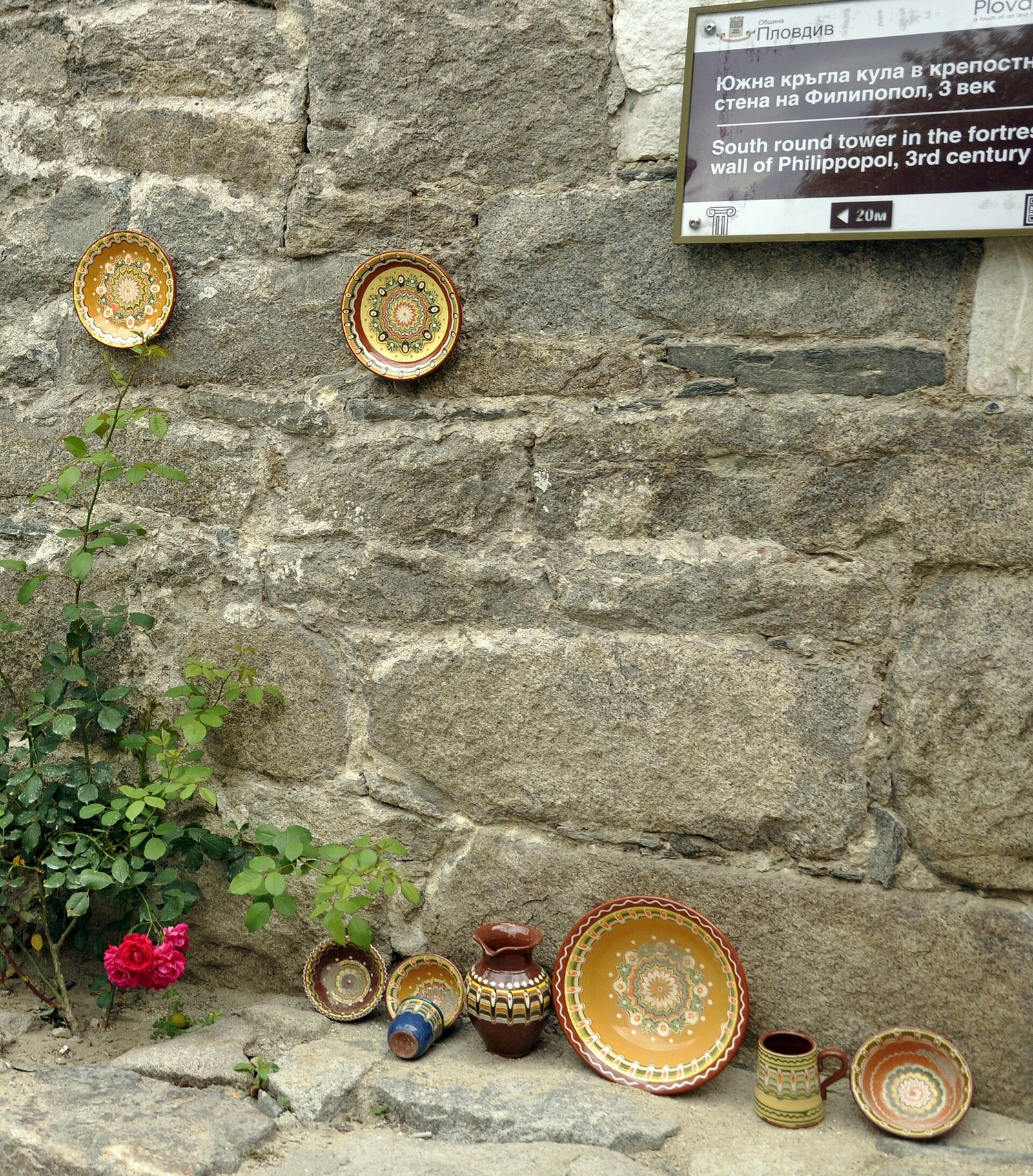
The local terracotta clay fires to a deep reddish brown. Over it go glazes that run and drip into each other in browns, yellows, greens and blues, often in round patterns that look like eyes. Legend links those patterns to the peacocks of the Ottoman court, and sellers still call the design the peacock's eye. Every potter has their own colors and patterns, so no two stalls look the same.
What Troyan pottery is for
The main piece is a medium-sized lidded pot for stews. After that come pie dishes, platters, plates, bowls, jugs, jars, vases, teapots and small cups for rakia. The bigger pieces are cooking pots first and decoration second. Smaller ones made for visitors fill souvenir shops all over Sofia.
Kavarma, one of the classic dishes of Bulgarian food, comes to the table in exactly this kind of clay pot. A pair of small pots is the souvenir I'd buy to cook it at home. The heavy earthenware cooking pots are also sold at the stalls of Zhenski Pazar, Sofia's food market.
Where Troyan pottery is made and sold
Troyan and the village of Oreshak are where most of it is made, and the workshops and shops there sell locally made pieces straight from the makers. Pottery is also made in Gabrovo, Teteven, Berkovitsa, Razlog and Aytos, and Troyan is just as well known for its plum rakia, which makes a fair excuse for the trip.
In Sofia, the National Ethnographic Museum shop sells Troyan pottery, and so do the souvenir shops on Vitosha Boulevard and Rakovski Street and the stalls of the Christmas markets. Sellers usually wrap each piece in newspaper.
Bulgarian embroidery
Bulgarian embroidery is stitched by hand onto shirts, tablecloths and head cloths. The patterns are mostly geometric, set along the hems, necklines and sleeves, with flower and plant motifs worked in among them.
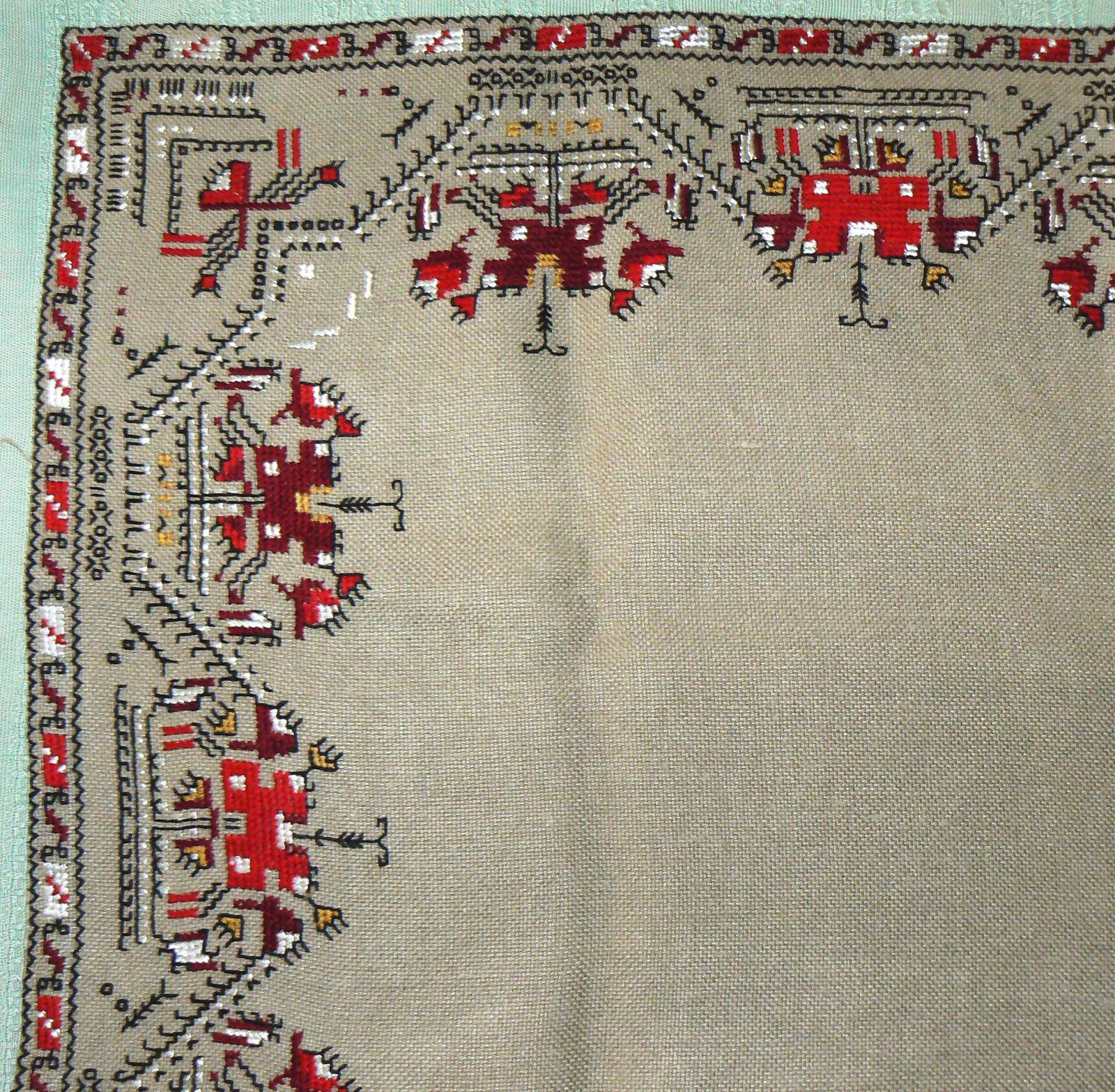
Red is the color you see most, and the patterns change from one region to the next, which is why the costumes in the museums look so different from each other. The embroidered folk costumes still come out for dancing, and the Bulgarian folk music and dance shows in Sofia are the easiest place to see them worn.
An embroidered tablecloth is the craft I'd spend real money on. In Sofia, the older women at the linen stalls beside Alexander Nevsky Cathedral sell hand-crafted lace, embroidered tablecloths and table mats at reasonable prices, plus hand-knitted wool socks, the warmest and cheapest handmade thing on this list.
Chiprovtsi and Kotel rugs
Bulgaria's two carpet-weaving centers are Chiprovtsi in the northwest and Kotel in the Balkan Mountains. Carpets from both were shown in London at the Balkan States Exhibition at Earl's Court in 1907, next to pottery from Troyan and Tran.
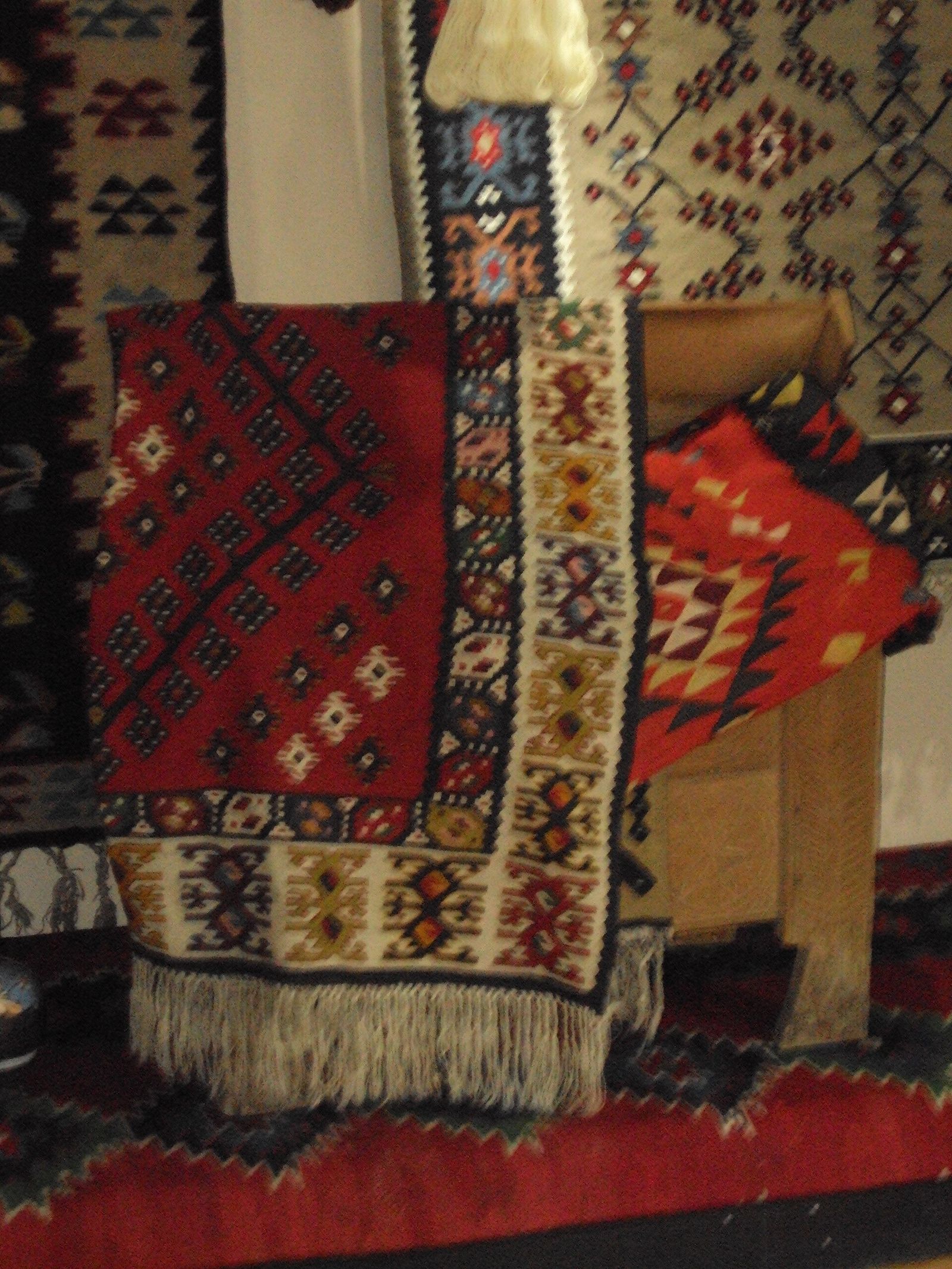
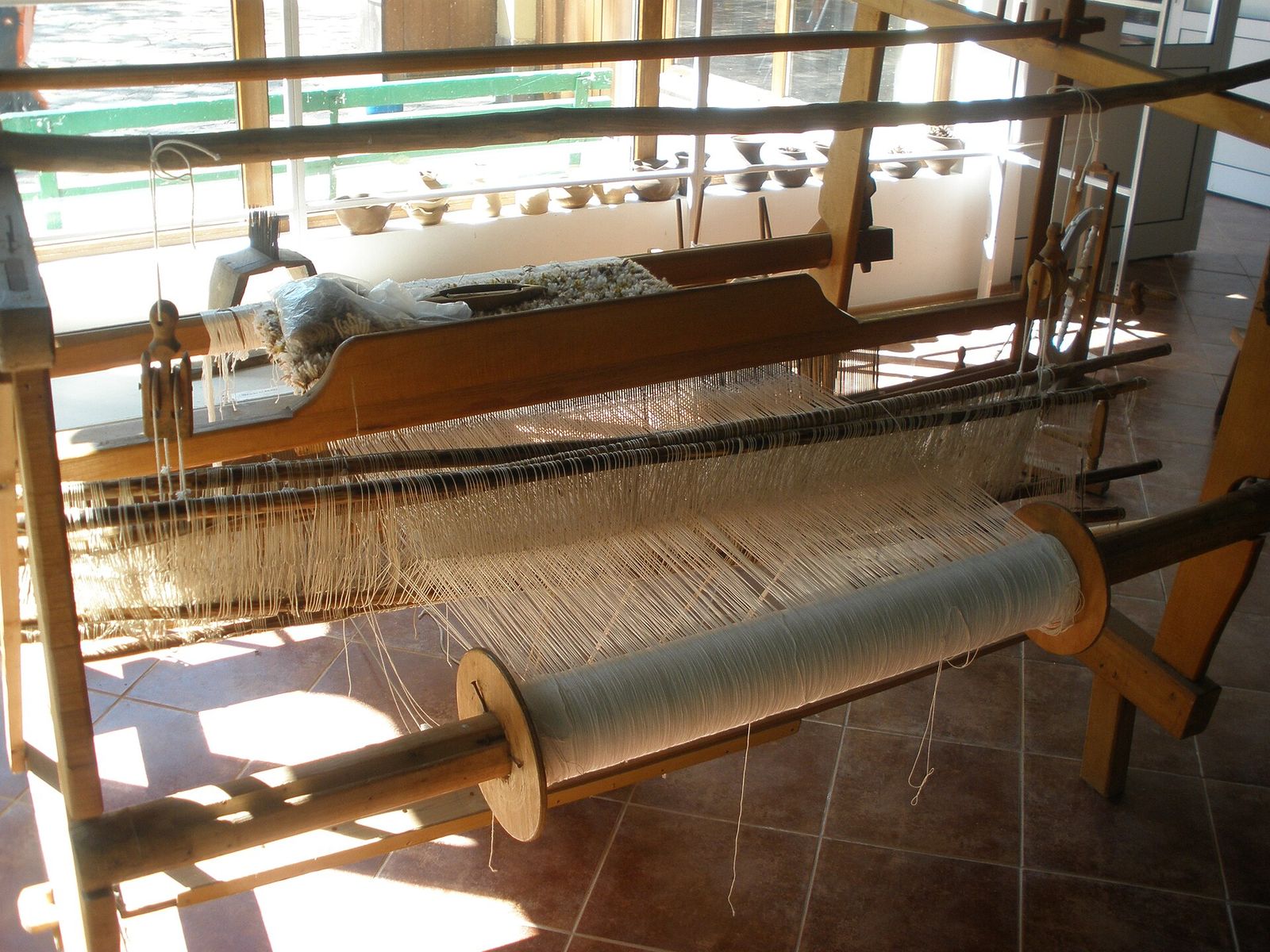
Chiprovtsi kilims are woven on a vertical loom. They were all wool at first, and since the early 20th century they have been woven with a cotton warp and a wool weft, colored with natural dyes. The patterns are easy to recognize: geometric motifs, grapevines and rows of female figures in a main field framed by one or more borders. Once there was a loom in every house in Chiprovtsi. The carpet tradition has been on the UNESCO list of intangible heritage since 2014.
A full-size rug is a serious purchase and a heavy one. A small runner is the easier buy. Specialist carpet shops in Sofia take custom orders, which take about two months.
Woodcarving and icon painting
Woodcarving reached its peak during the Bulgarian National Revival in the 18th and 19th centuries, and the town of Tryavna was its center. Carvers decorated almost everything in a house, from ceilings and chests to baby cradles, spoons and even shepherds' crooks.
Icon painting grew up alongside it, and Tryavna, Samokov and Bansko had the best-known schools of icon painters. The icons with real gold leaf cost much more than those painted in colors alone. The racks of icons at the antiques market at Alexander Nevsky are the easiest place in Sofia to compare styles and prices.
Copper and silver
Coppersmiths made much of what hung in a Bulgarian kitchen: cauldrons, pots, trays, jugs and the long-handled dzhezve for Turkish coffee. Goldsmiths and silversmiths made jewelry, buckles and church objects, many of them designed to go with the folk costume of their region.
Silver filigree is the metal craft I'd buy, and Veliko Tarnovo is the town for it. Copper coffee pots are sold in the craft streets and at Etar, and they are light enough to pack.
Where to see Bulgarian crafts
The crafts are best seen in the towns that made them, where some workshops still have craftspeople at their wheels and looms. Five of my six picks are in the craft towns, and one is in central Sofia.
1. Etar, near Gabrovo
Etar is an open-air museum about 8 km south of Gabrovo, opened in 1964. It rebuilds a village street of the National Revival, with old houses, workshops and water-powered machinery that once ran the local crafts.
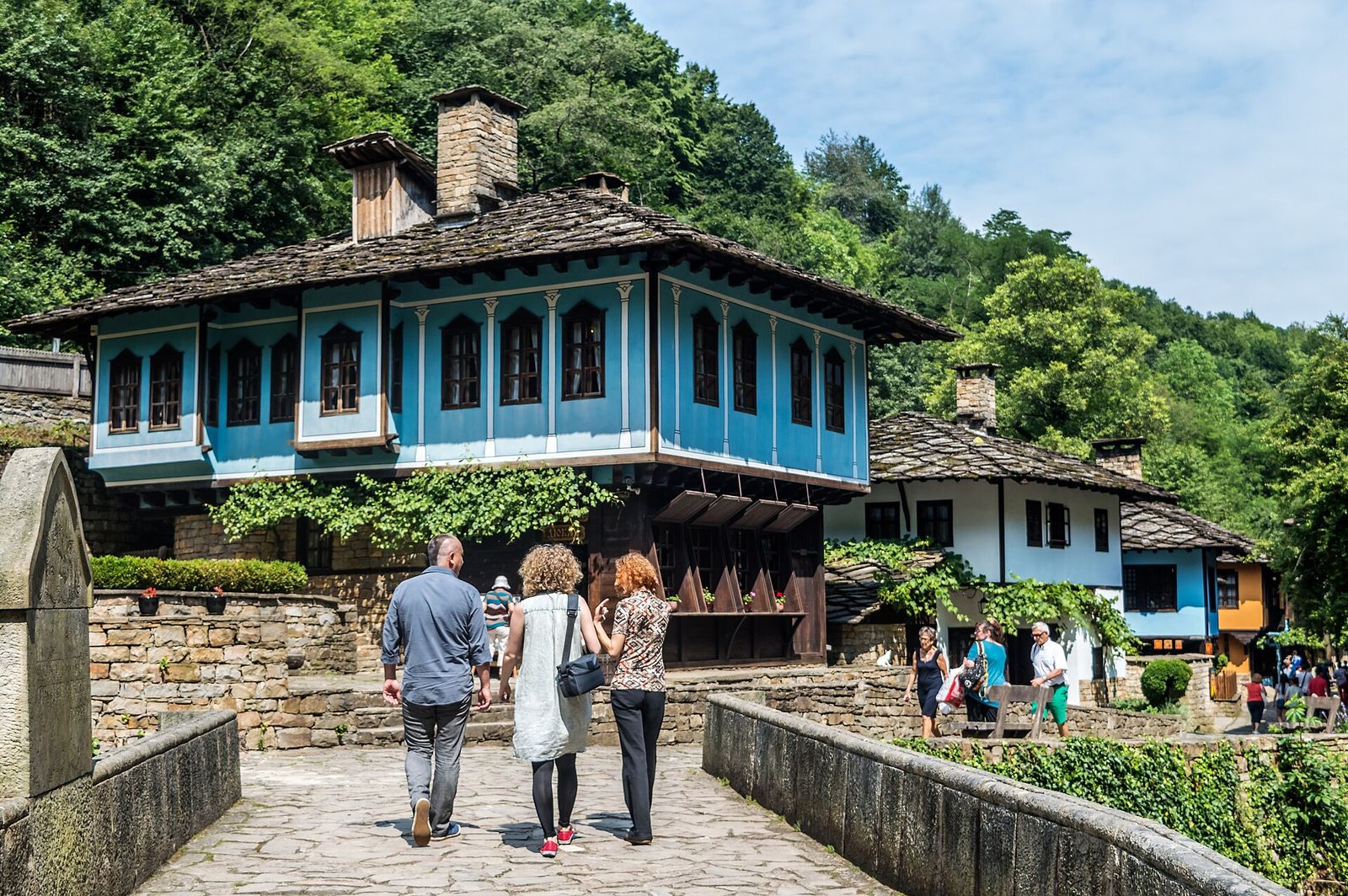
Many of the workshops are working ones. Depending on the day you may see potters, woodcarvers, weavers, coppersmiths, cutlers, icon painters, jewelers and instrument makers at work, and you can buy what they make. If you only see one craft site in Bulgaria, make it this one. The Sokolski Monastery nearby fits into the same visit.
2. Samovodska Charshiya, Veliko Tarnovo
Samovodska Charshiya is a 19th-century market street in the old center of Veliko Tarnovo, where merchants, craftsmen and farmers from the villages once came to sell their goods. Today its cobbled lanes are lined with small workshops.
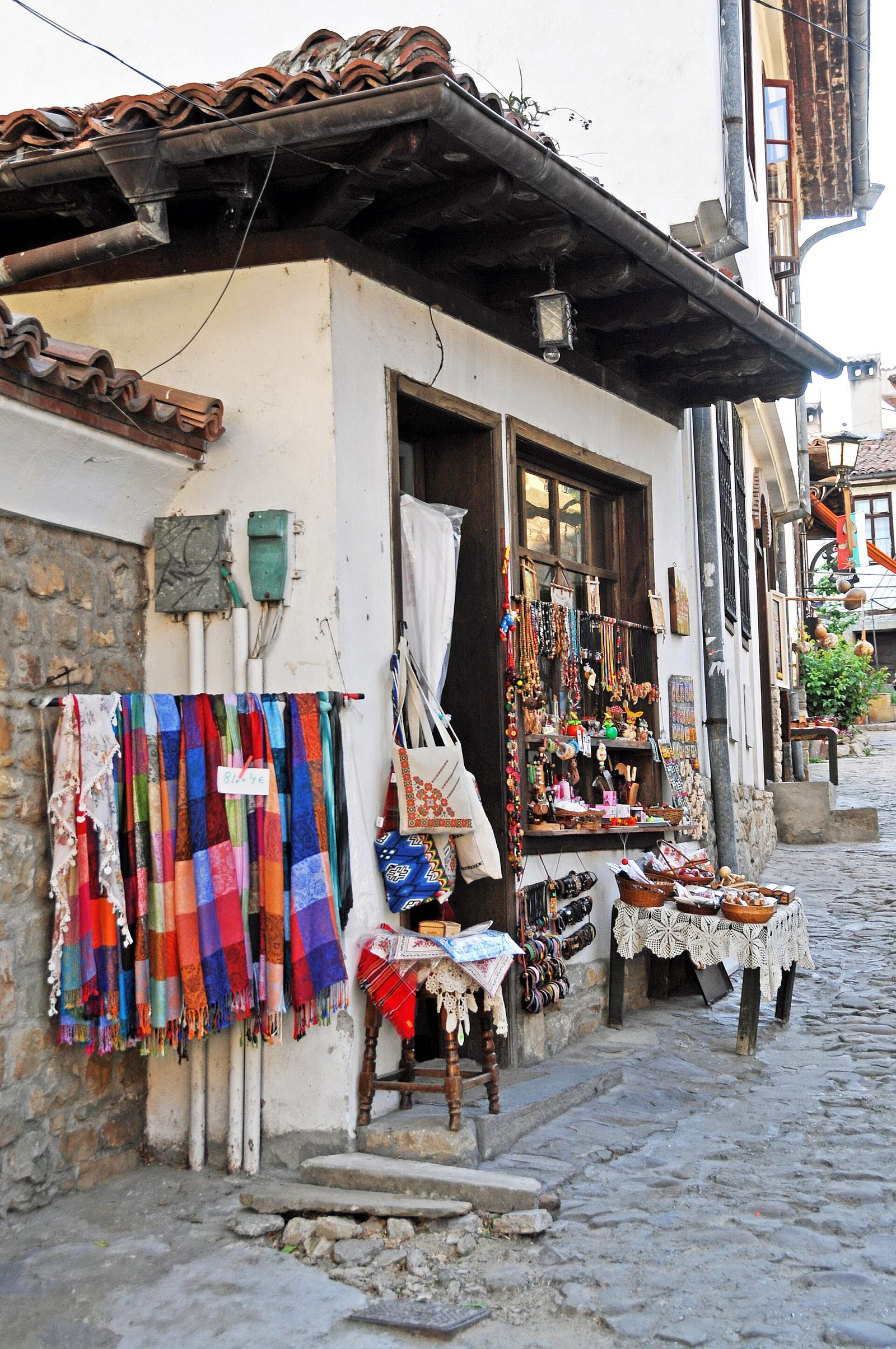
The workshops cover pottery, woodcarving, copper, weaving, icon painting and handmade jewelry, and you can step inside to watch the work and buy straight from the maker. It is the easiest craft street to combine with sightseeing, since the rest of Veliko Tarnovo, the old royal capital, is a short walk away.
3. Oreshak, near Troyan
Oreshak is the village for pottery. Its National Exhibition of Arts and Crafts opened in 1971, about 1 km from Troyan Monastery, and it gathers handmade work from every ethnographic region of Bulgaria in one place.
The complex sits in a 50-acre park and has separate halls for pottery, textiles, woodcarving and international applied arts. It hosts temporary exhibitions, craft demonstrations and meetings with artisans through the year, so what you see depends on the week you come.
4. Tryavna
Tryavna is the woodcarving town. Its master carvers and icon painters formed the Tryavna Art School during the National Revival, and their work is in the old houses, churches and carved ceilings around the town.
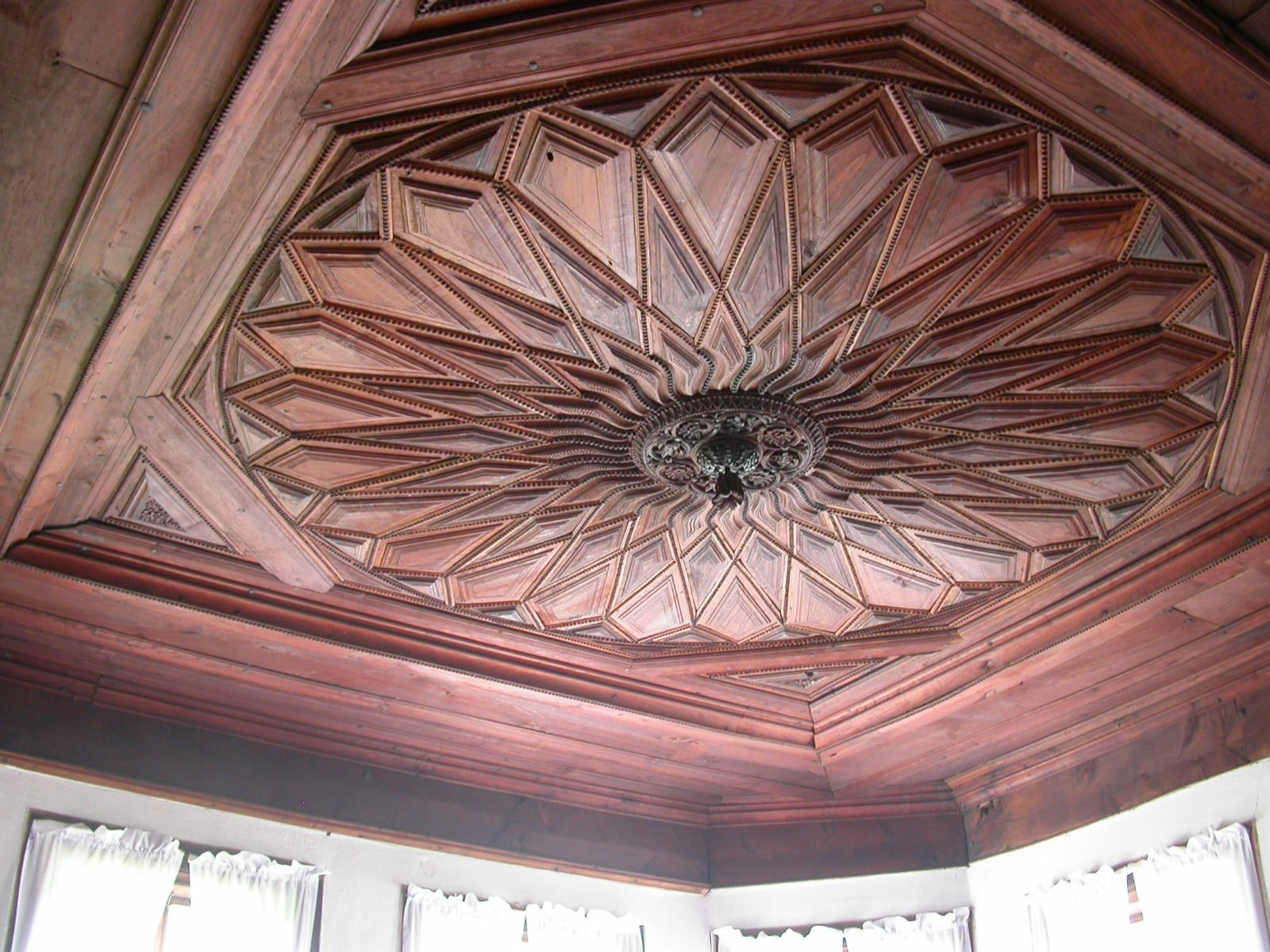
The showpiece is the Daskalov House, home to the Museum of Woodcarving and Icon Painting, whose two carved wooden ceilings from the early 19th century are among the finest work in the Tryavna style. Tryavna, Etar and the old village of Bozhentsi sit close together around Gabrovo, and I'd see all three on one trip.
5. Busintsi
Busintsi is a small village near Tran in western Bulgaria, and it has its own pottery tradition, separate from Troyan's. The clay is dug locally, and by the end of the 17th century the village had about 300 potters, with a potter's wheel in nearly every house.
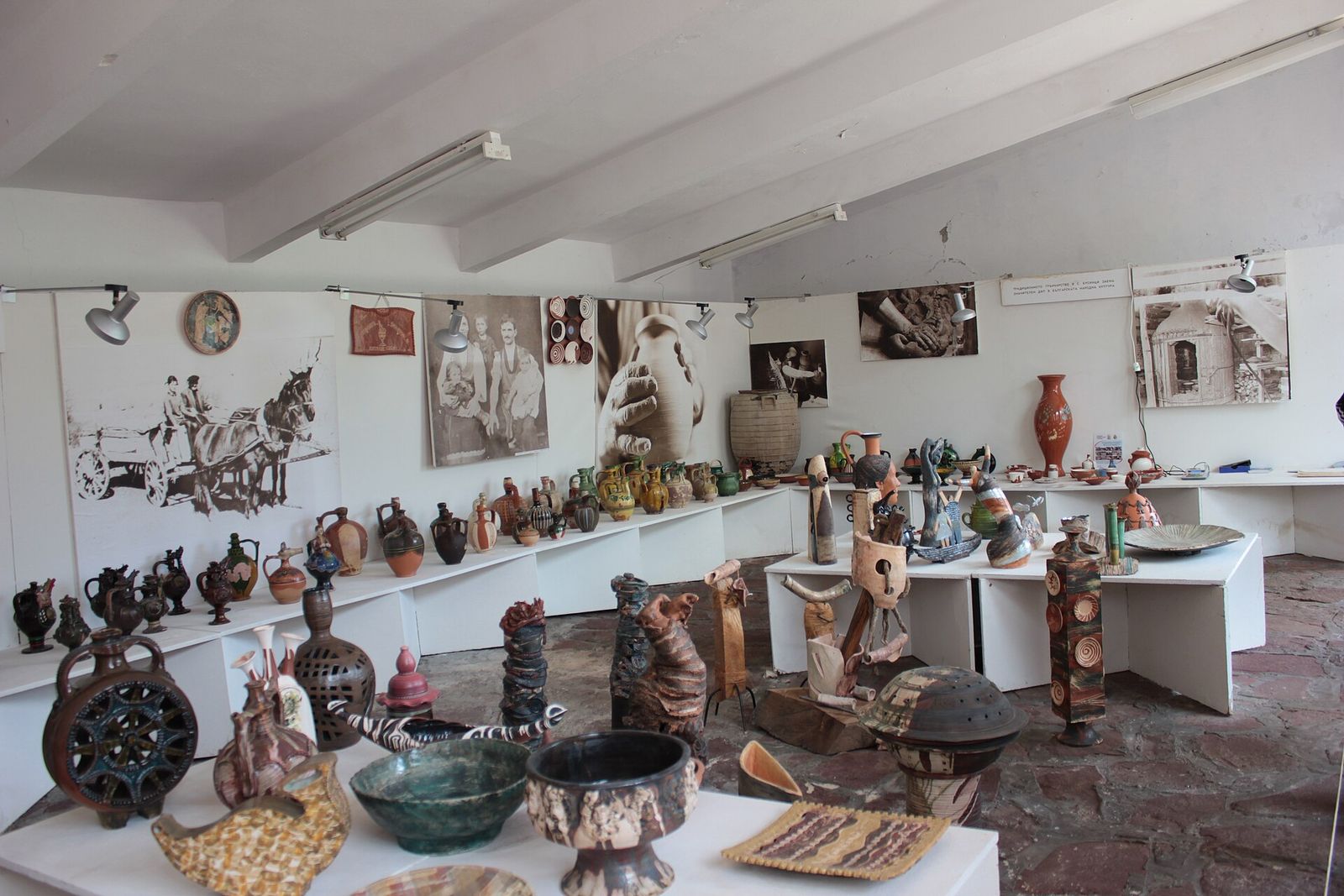
Busintsi pots are yellow, green and red, decorated with horizontal and vertical lines and drawings of leaves. Most were practical pieces for carrying and storing food, water and wine, and the potters even made water pipes. The Museum of Busintsi Ceramics, founded by the master potter Petar Gigov, shows the village's work, and of the craft villages on this list it is the closest to Sofia, out to the west of the city.
6. The National Ethnographic Museum, Sofia
If you only have Sofia, the National Ethnographic Museum is the place to see every craft on this page side by side. It shares the former royal palace in the center with the National Gallery, a short walk from the City Garden.
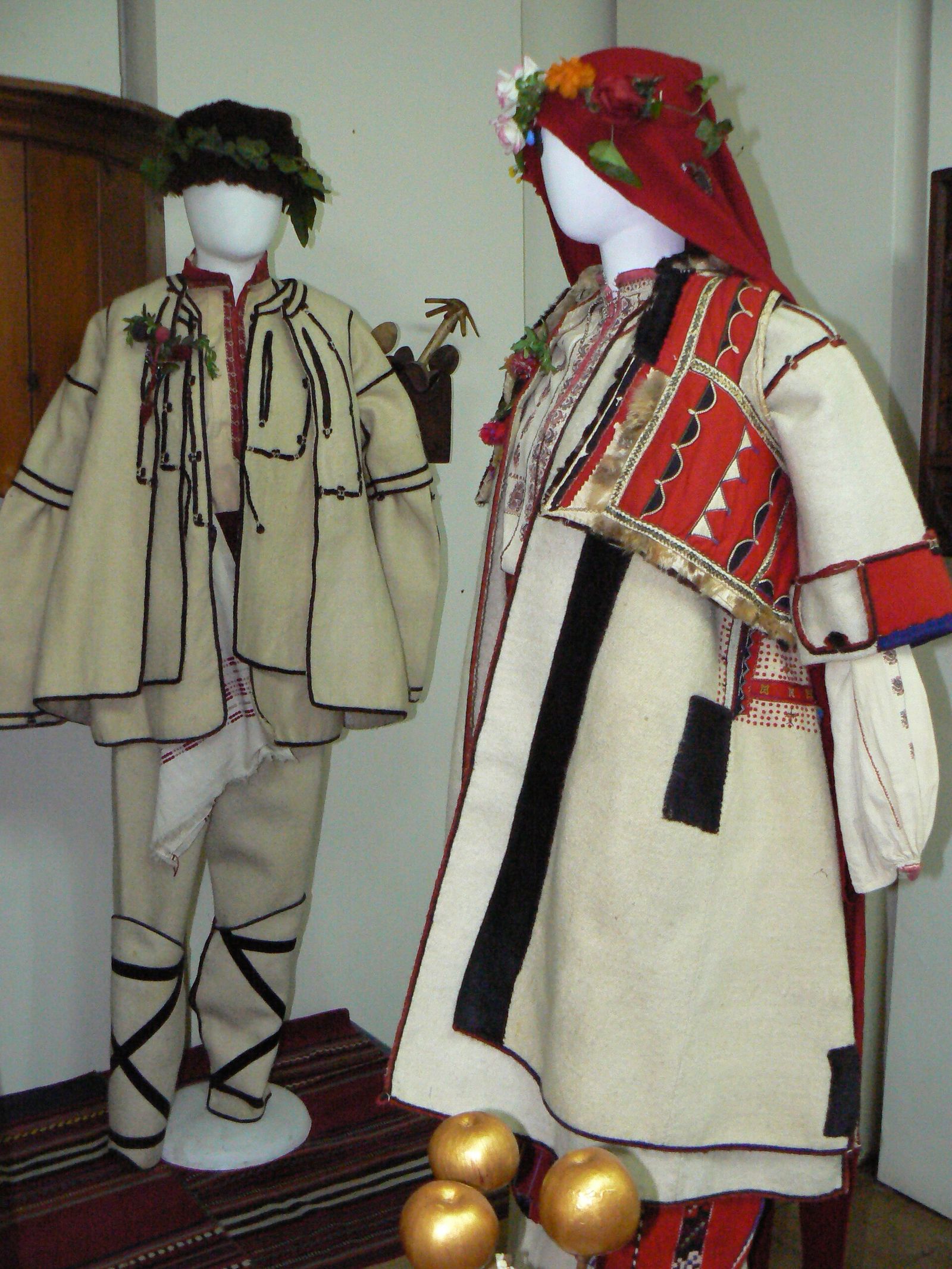
The collection covers folk costumes, embroidery, woven textiles, carpets, ceramics, carved wood, metalwork and jewelry from every region, and seeing the regional styles together makes the differences easy to spot. Its shop sells Troyan pottery, hand-embroidered blouses, filigree jewelry and icons, and I'd visit the museum before a trip to the craft towns rather than after.
For the same Revival period of houses, carving and costume closer to the capital, Koprivshtitsa is 110 km east of Sofia, and every five years it hosts the National Folklore Festival. Busintsi pairs with the town of Tran on one of the quieter day trips from Sofia, while Etar, Tryavna and Veliko Tarnovo work better as an overnight trip than a day out.
Where to buy Bulgarian crafts in Sofia
| Where | What to buy | Good to know |
|---|---|---|
| The linen stalls beside Alexander Nevsky Cathedral | Lace, embroidered tablecloths, wool socks | Cash, reasonable prices for handmade work |
| The antiques market at Alexander Nevsky | Icons, old pottery, carved pieces | Haggling expected, no receipts |
| The National Ethnographic Museum shop | Troyan pottery, embroidered blouses, filigree, icons | In the former royal palace |
| Souvenir shops on Vitosha Boulevard and Rakovski Street | Troyan pottery and a mix of everything | Read the labels |
| Tsar Shishman Street | Work by local designers, jewelry | Small independent shops |
| The Christmas markets | Troyan pottery, wooden toys, knitted hats and socks, icons | Mid-November to late December |
| Zhenski Pazar | Earthenware cooking pots | Cash only |
The souvenir shops on Vitosha Boulevard and Rakovski Street sell real Bulgarian work next to imported souvenirs, so I'd read every label. Tsar Shishman Street is the corner of shopping in Sofia I'd walk for jewelry and work by local designers, in small independent shops. Most of the other markets in Sofia, from Zhenski Pazar to the Slaveykov book stalls, sit within a walk of the Alexander Nevsky stalls in the old center.
How to tell a handmade piece
On Troyan pottery the glaze runs and drips its own way on every piece, so a stack of plates with identical patterns is the first sign of factory work.
Price is the second clue. Hand embroidery and icons with real gold leaf are among the priciest Bulgarian souvenirs, so a tablecloth or an icon priced like a fridge magnet was not made by hand.
Key takeaways
- Troyan pottery, with its dripped glazes on red clay, is the classic Bulgarian craft to buy, and it is cheapest in Troyan and Oreshak.
- Bulgarian embroidery is hand-stitched in geometric and floral patterns, mostly in red, and the linen stalls beside Alexander Nevsky sell it in Sofia.
- Chiprovtsi kilims are woven on vertical looms with natural dyes and have been on the UNESCO intangible heritage list since 2014.
- Etar, Samovodska Charshiya, Oreshak and Tryavna are where to watch craftspeople at work; the National Ethnographic Museum shows every craft in Sofia.
Frequently asked questions
What crafts is Bulgaria known for?
Bulgaria is known for Troyan pottery, hand embroidery, Chiprovtsi and Kotel rugs, Tryavna woodcarving, icon painting, copperware and silver filigree. Hand-knitted wool socks are the simplest handmade buy.
What is Troyan pottery?
Troyan pottery is the traditional ceramic of Troyan, a town in the Balkan foothills. It is red clay decorated with glazes that run into each other in browns, yellows, greens and blues, often in round peacock's eye patterns.
Can you put Troyan pottery in the oven?
Yes, the pots are made for cooking. Put them in while the oven heats up rather than into a hot oven, and wash them by hand.
Where can I buy Troyan pottery in Sofia?
The National Ethnographic Museum shop, the souvenir shops on Vitosha Boulevard and Rakovski Street, and the Christmas market stalls all sell it. The cheapest and widest choice is in Troyan and Oreshak.
What colors are used in Bulgarian embroidery?
Red is the main color, worked in geometric bands with plant and flower motifs. The patterns and color mixes change from one region of Bulgaria to the next, which is easy to see in the costumes of the National Ethnographic Museum.
Where can I see traditional crafts in Bulgaria?
Etar near Gabrovo, Samovodska Charshiya in Veliko Tarnovo, Oreshak near Troyan and Tryavna all have craftspeople at work. In Sofia, the National Ethnographic Museum shows crafts from every region.
What are Chiprovtsi carpets?
They are handwoven kilims from Chiprovtsi in northwestern Bulgaria, made on vertical looms with natural dyes. Their geometric patterns, grapevines and female figures are easy to recognize, and the tradition is on the UNESCO intangible heritage list.
Is Bulgarian pottery cheaper outside Sofia?
Yes. Prices fall the further you get from the capital, and they are lowest in the pottery towns of Troyan and Oreshak.
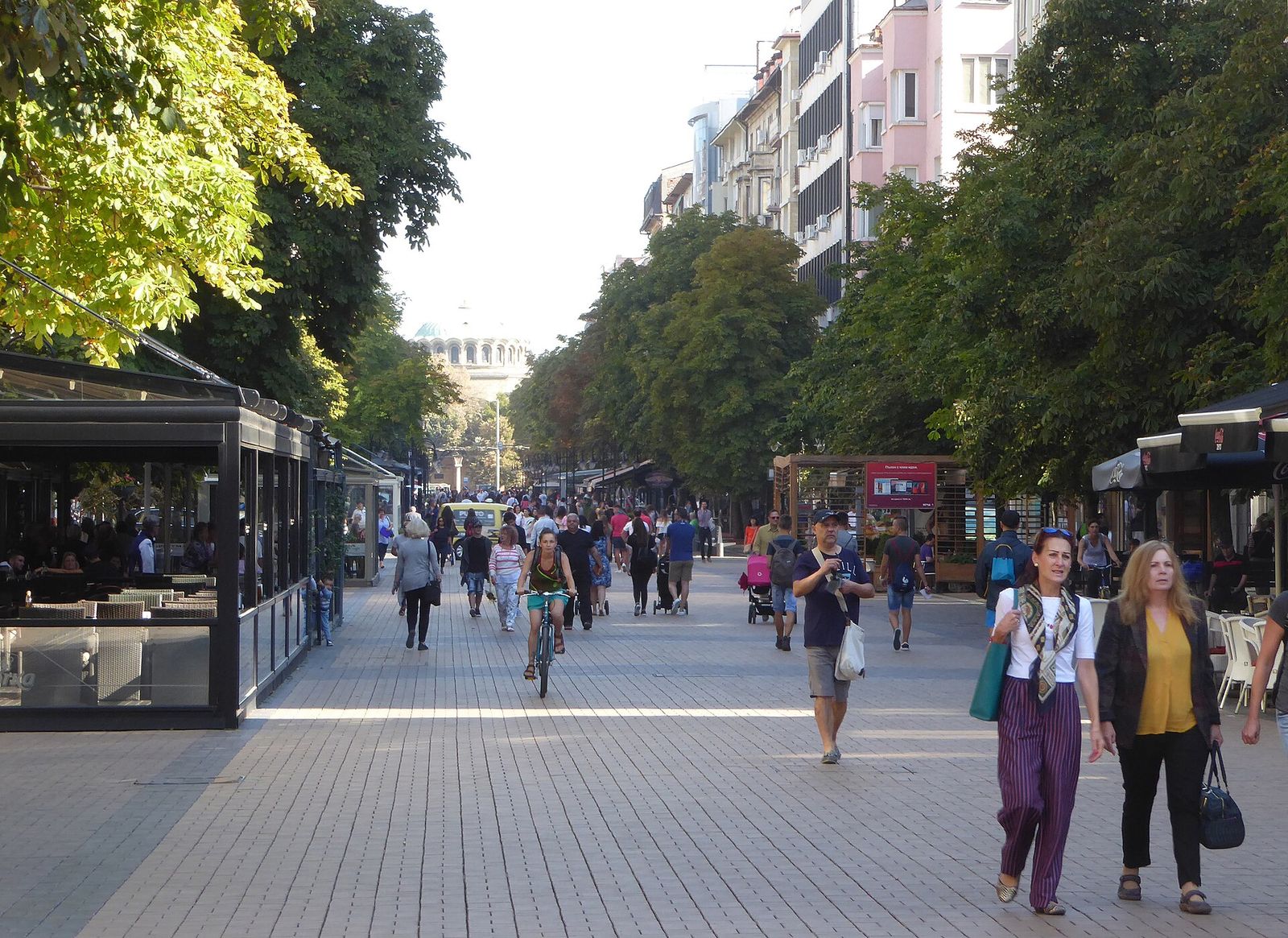
Shopping in Sofia: Streets, Markets and What to Buy
Sofia is known for one long shopping boulevard and a lot of small streets. Where to shop, what to buy and what it costs.
Read the guide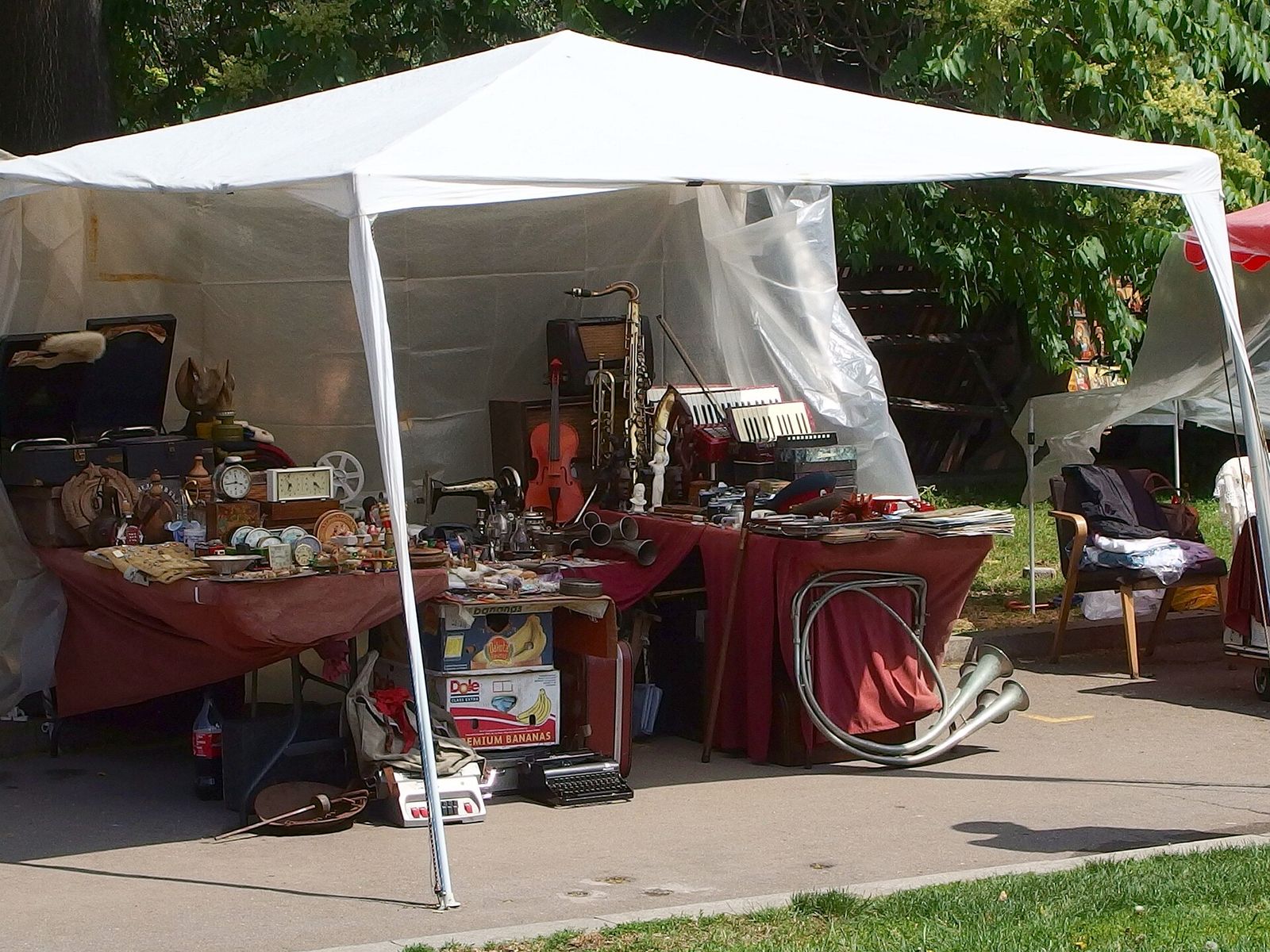
The Antiques Market at Alexander Nevsky: Sofia's Flea Market
Sofia is known for the antiques stalls beside its cathedral. What they sell, how to haggle and when to go.
Read the guide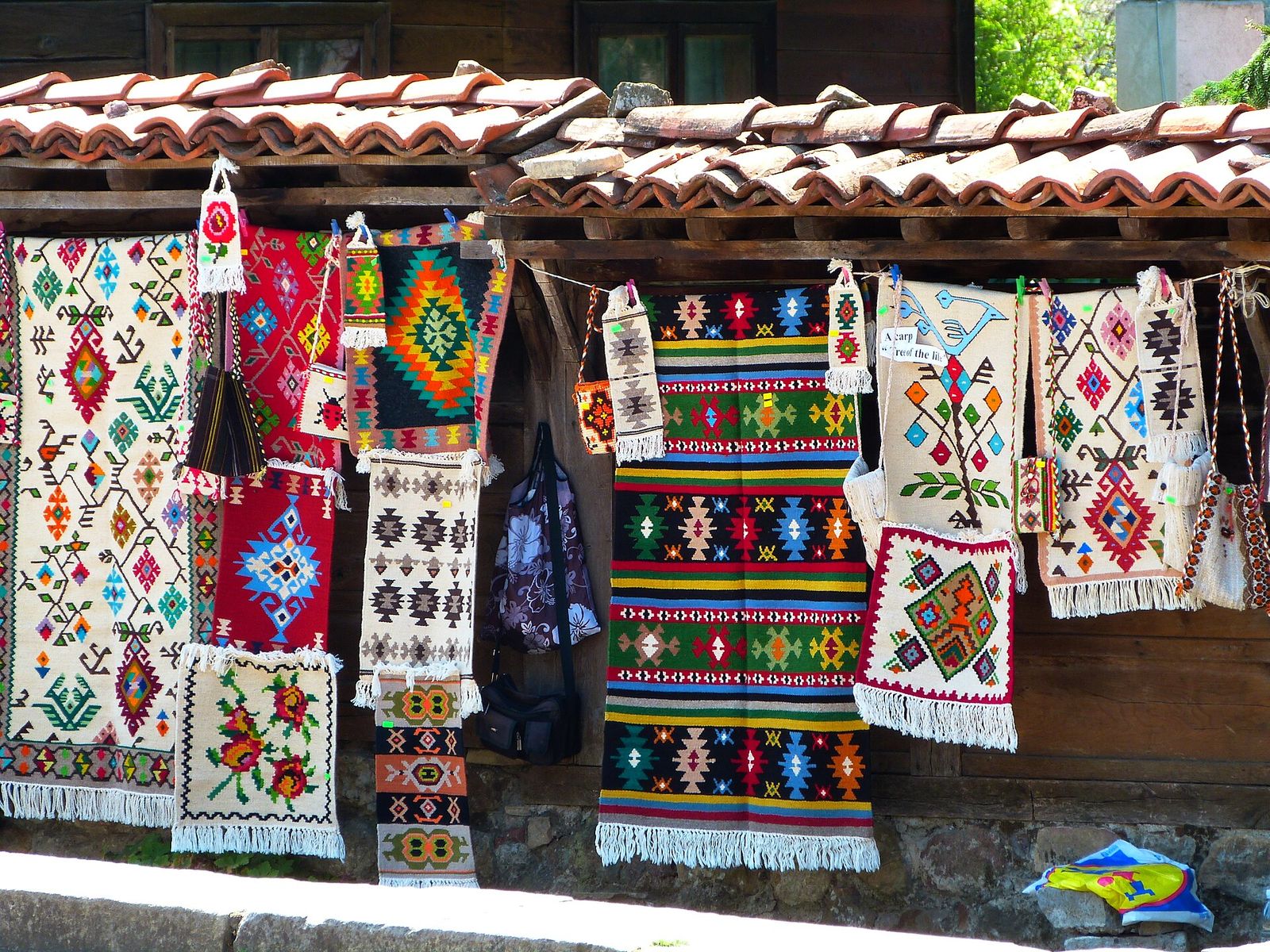
Bulgarian Souvenirs Worth Buying, and Where to Find Them in Sofia
Bulgaria is known for rose oil and folk crafts. The souvenirs worth buying, what they cost and where to get them.
Read the guide